California Quitclaim Deed, for a Condominium, from Two Individual, one deceased, to an Individual
Understanding this form
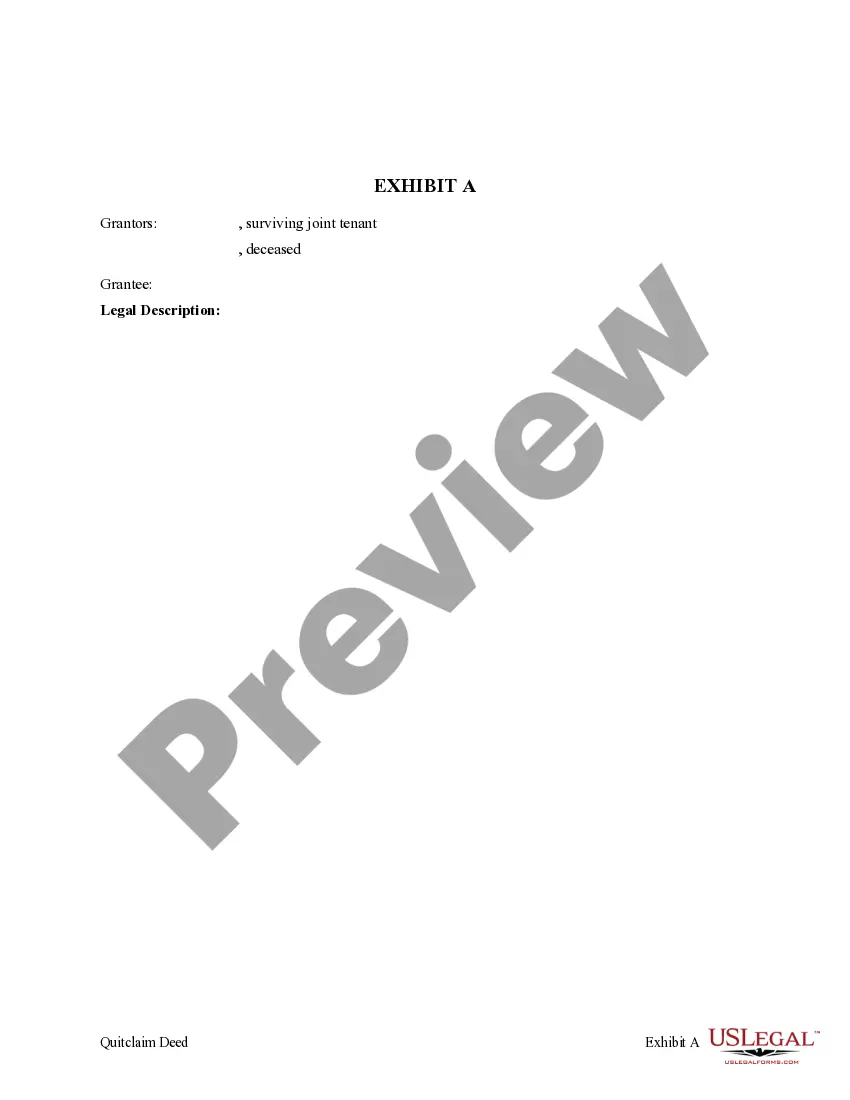
The Quitclaim Deed for a Condominium, from Two Individuals (One Deceased) to an Individual, is a legal document used to transfer ownership of a condominium property. It enables the surviving joint tenant to convey their interest along with that of the deceased joint tenant to a new individual. This form specifically captures the intent of the Grantors to quitclaim their rights in the property without any guarantees, differing from warranty deeds which provide assurances regarding the title.
Key parts of this document
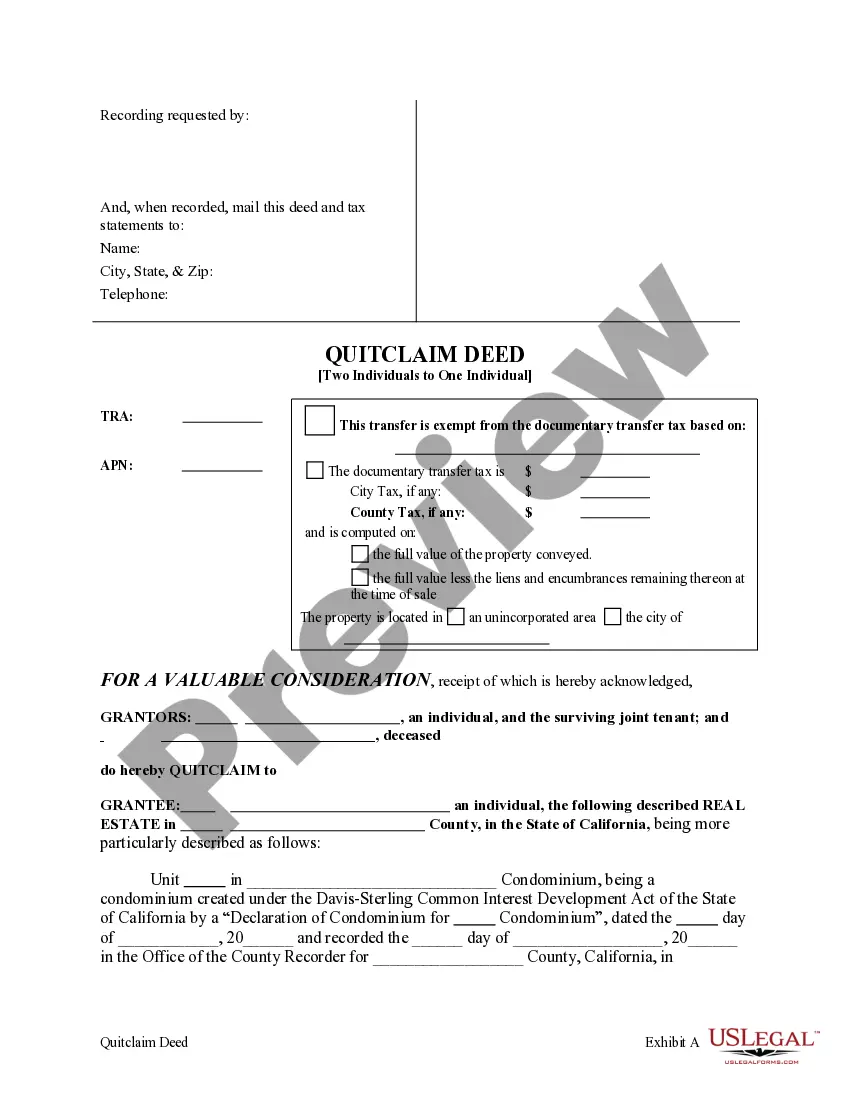
- Identification of Grantors: Includes details of both the surviving individual and the deceased.
- Identification of Grantee: Contains the name and details of the individual receiving the property.
- Description of the Property: Clearly outlines the condominium unit being transferred.
- Legal Compliance: Ensures that the deed complies with all relevant state statutory laws.
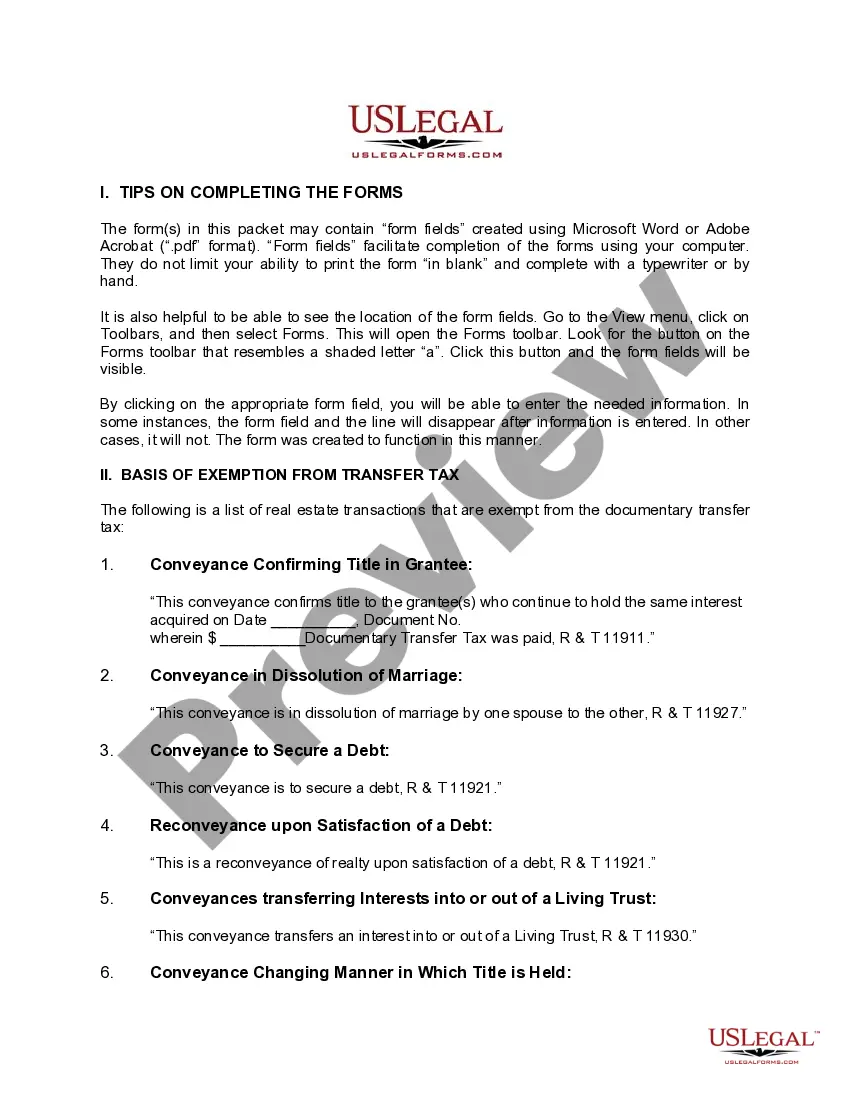
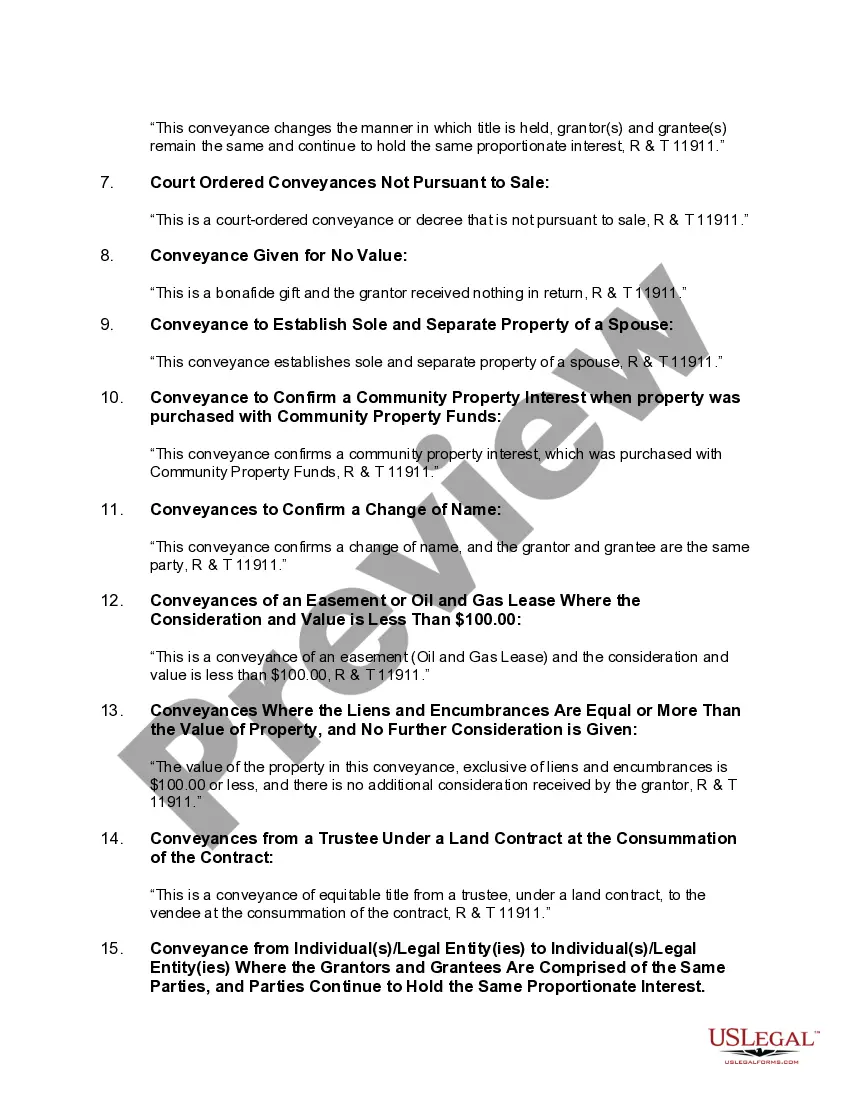
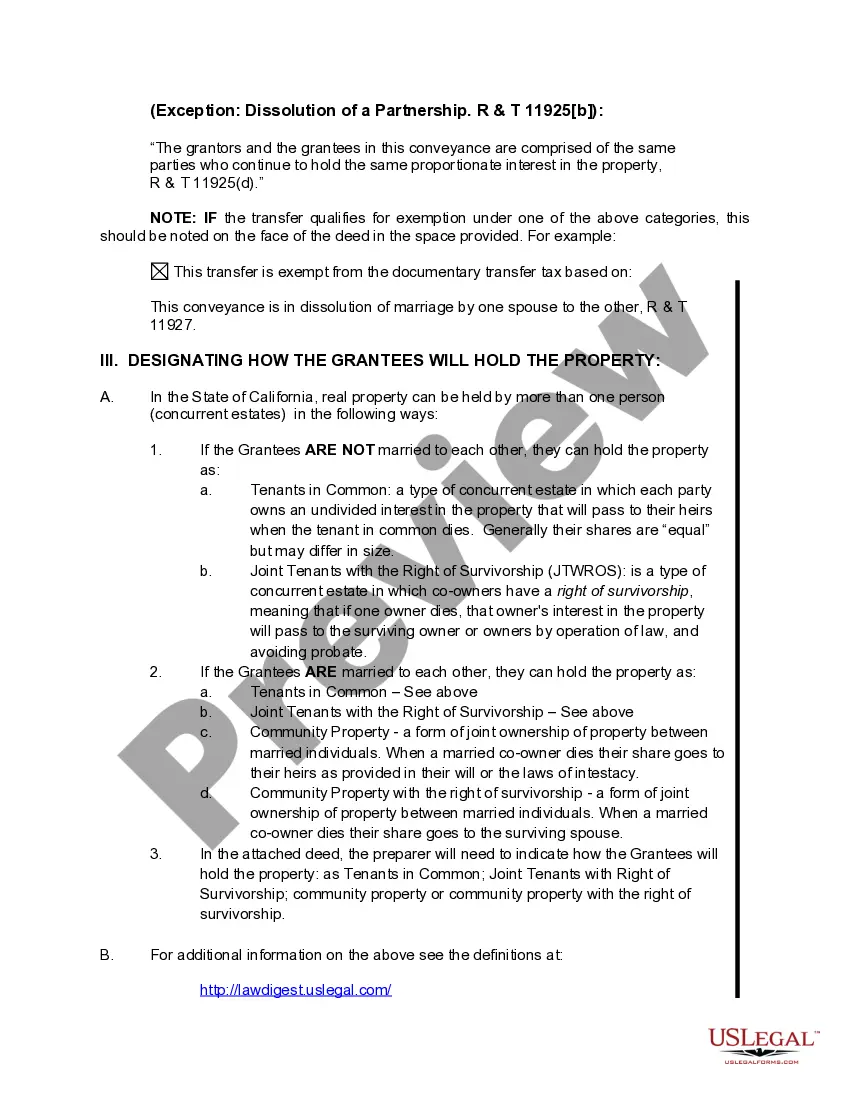
- Tax Exemptions: Provides a section to note any exemptions from transfer tax, if applicable.
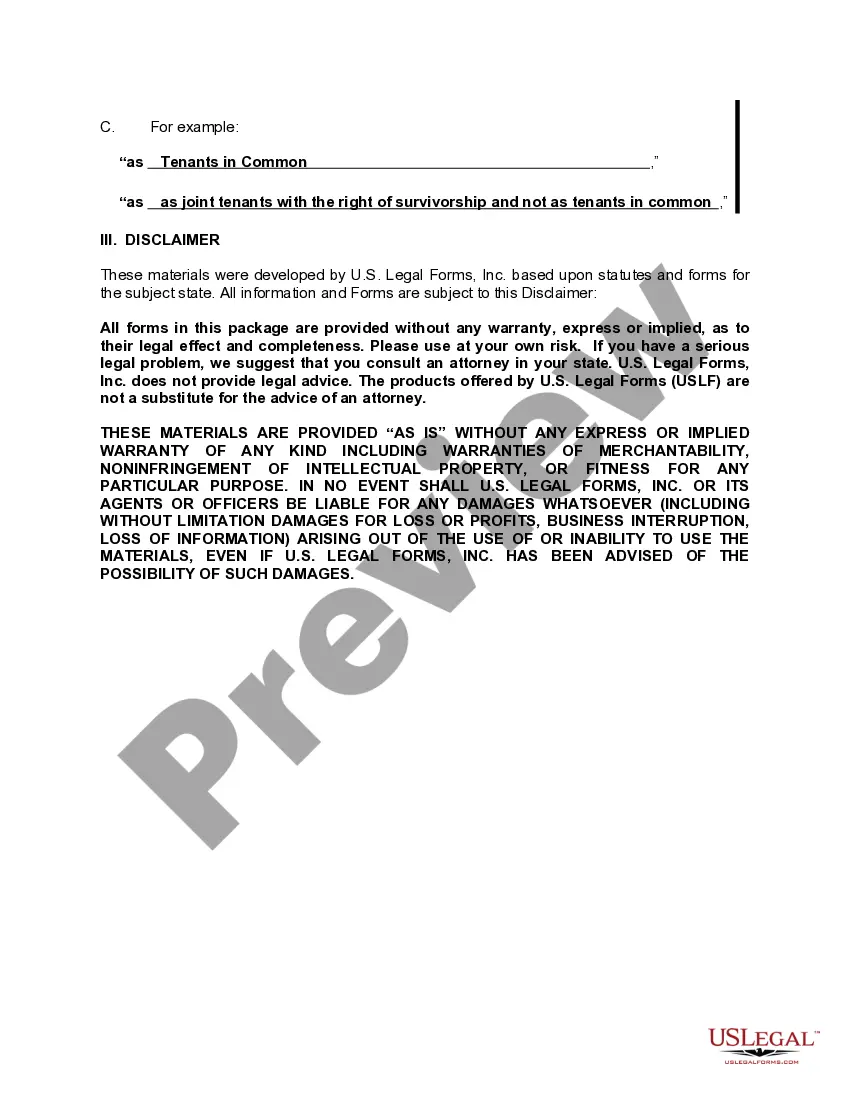
- Terms of Ownership: Indicates how the new ownership will be structured (e.g., tenants in common, joint tenants).





Situations where this form applies
This form should be utilized when a property owner passes away, and the remaining joint tenant wishes to transfer ownership of the condominium to another individual. It is also suitable for confirming title transfers that do not involve monetary transactions or when there's no warranty as to the title being conveyed.
Who should use this form
This form is intended for:
- Surviving joint tenants of a condominium who need to transfer ownership.
- Individuals receiving property through a quitclaim deed from a joint tenant.
- Grantees who want to ensure their ownership is clearly documented.
How to complete this form
- Identify the parties involved: Fill in the names and details of both Grantors and the Grantee.
- Describe the property: Enter a detailed description of the condominium unit, including any relevant identifiers.
- Specify ownership structure: Determine and indicate how the Grantee will hold the property (e.g., tenants in common or joint tenants).
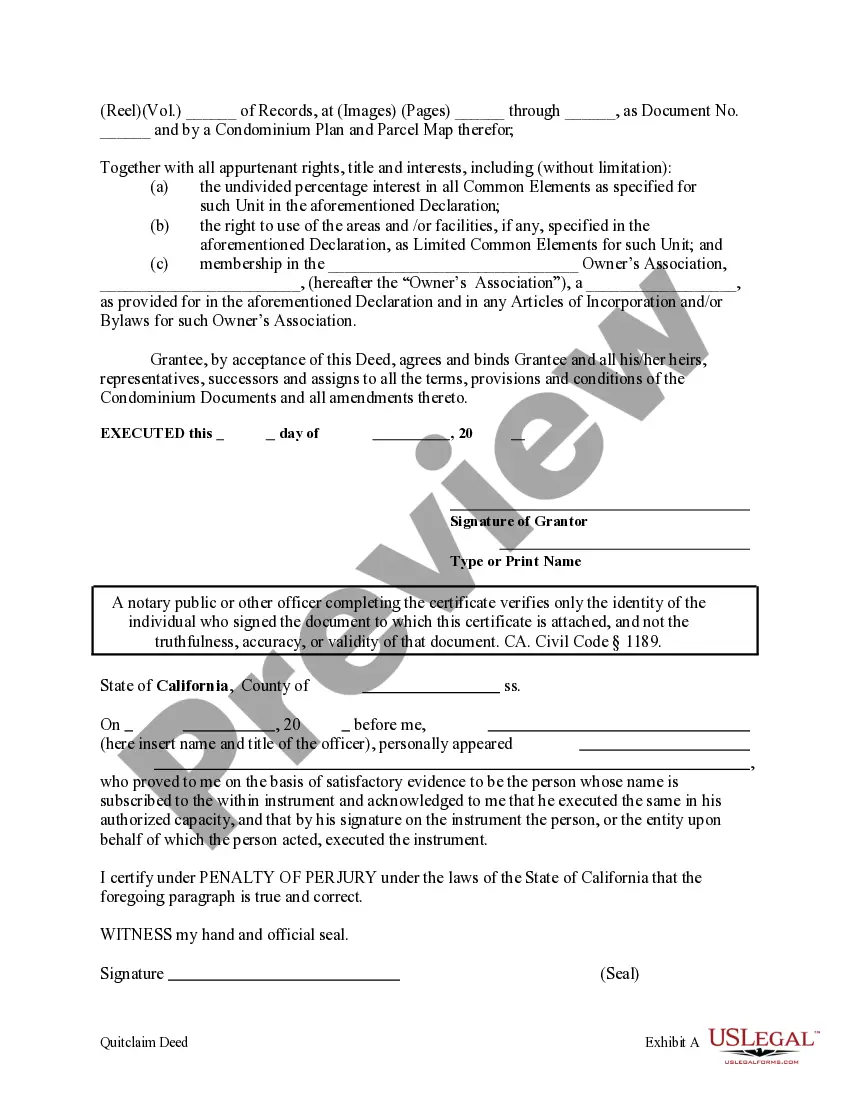
- Sign the document: Ensure that both Grantors sign the deed where required.
- File as necessary: Submit the completed deed to the relevant local authority if required.
Notarization guidance
This form needs to be notarized to ensure legal validity. US Legal Forms provides secure online notarization powered by Notarize, allowing you to complete the process through a verified video call, available anytime.
Get your form ready online
Our built-in tools help you complete, sign, share, and store your documents in one place.
Make edits, fill in missing information, and update formatting in US Legal Forms—just like you would in MS Word.
Download a copy, print it, send it by email, or mail it via USPS—whatever works best for your next step.
Sign and collect signatures with our SignNow integration. Send to multiple recipients, set reminders, and more. Go Premium to unlock E-Sign.
If this form requires notarization, complete it online through a secure video call—no need to meet a notary in person or wait for an appointment.
We protect your documents and personal data by following strict security and privacy standards.

Make edits, fill in missing information, and update formatting in US Legal Forms—just like you would in MS Word.

Download a copy, print it, send it by email, or mail it via USPS—whatever works best for your next step.

Sign and collect signatures with our SignNow integration. Send to multiple recipients, set reminders, and more. Go Premium to unlock E-Sign.

If this form requires notarization, complete it online through a secure video call—no need to meet a notary in person or wait for an appointment.

We protect your documents and personal data by following strict security and privacy standards.
Common mistakes
- Failing to provide a complete property description.
- Not indicating how the Grantee will hold the property.
- Leaving sections of the form blank, especially signatures.
- Not checking for state-specific filing requirements after completion.
Advantages of online completion
- Convenient access from any location at any time.
- Edit the form as needed without the hassle of printing and redoing.
- Reliable templates crafted by licensed attorneys, ensuring legal compliance.
Summary of main points
- The Quitclaim Deed allows the transfer of property between surviving and new owners without warranties.
- This form is essential when a joint tenant is deceased and the remaining tenant needs to convey property.
- Accurate completion is crucial for legal effectiveness, avoiding common errors associated with the form.
Looking for another form?
Form popularity
FAQ
In California, anyone can prepare a California Quitclaim Deed, for a Condominium, from Two Individuals, one deceased, to an Individual, as long as they follow the state's requirements. However, it is wise to seek assistance from a legal professional or a reputable platform like US Legal Forms to ensure the document is correctly formatted and meets all legal standards. This approach reduces the risk of errors and provides peace of mind during the property transfer process.
A California Quitclaim Deed, for a Condominium, from Two Individuals, one deceased, to an Individual may not be suitable in situations involving liens or disputes over property title. Additionally, if there are known debts against the property, a quitclaim deed does not address those obligations. It is crucial to use a different type of deed in these cases to ensure clear title transfer and legal protection.
In California, a quitclaim deed, especially for a condominium involving two individuals—one of whom is deceased and transferring ownership to another individual—can be prepared by anyone. However, it is highly recommended to consult a legal professional or use a reliable online service like USLegalForms. These resources ensure that the California Quitclaim Deed meets all legal requirements and appropriately handles the complexities of estate transfers. Relying on experts helps you avoid potential pitfalls and assures that the deed is properly executed.
Yes, you can file a quitclaim deed after someone dies in California, but the process may vary depending on how the property is titled. If the deceased owner has left a will, the executor should take necessary steps to transfer the property. A California Quitclaim Deed, for a Condominium, from Two Individuals, one deceased, to an Individual can be an effective legal instrument to facilitate this transfer and clarify ownership.
To transfer a property deed from a deceased relative in California, you must first determine how the property was held. If the property was in a trust, follow the trust's instructions. If not, you may need to file a probate petition. Using a California Quitclaim Deed, for a Condominium, from Two Individuals, one deceased, to an Individual can simplify this process and help you establish clear ownership during the transfer.
In California, when one owner of a jointly held property dies, the surviving owner typically inherits the deceased owner's share. This transfer happens automatically due to the right of survivorship unless otherwise stated. If the property is held as equal tenants in common, the deceased's share may go to their estate. In both cases, a California Quitclaim Deed, for a Condominium, from Two Individuals, one deceased, to an Individual can help ensure a smooth transfer of ownership.
A quitclaim deed is sometimes used to avoid probate court by transferring an interest in real property before someone's death. The property is transferred by deed during their life, instead of being transferred by a will after the grantor's death.
If it was inherited, succession law comes into play. Once the beneficiaries and their shares, rights and liabilities are decided, the property has to be transferred in their names. For this you need to apply for property transfer at the sub-registrar's office.
If the deceased was sole owner, or co-owned the property without right of survivorship, title passes according to his will. Whoever the will names as the beneficiary to the house inherits it, which requires filing a new deed confirming her title. If the deceased died intestate -- without a will -- state law takes over.