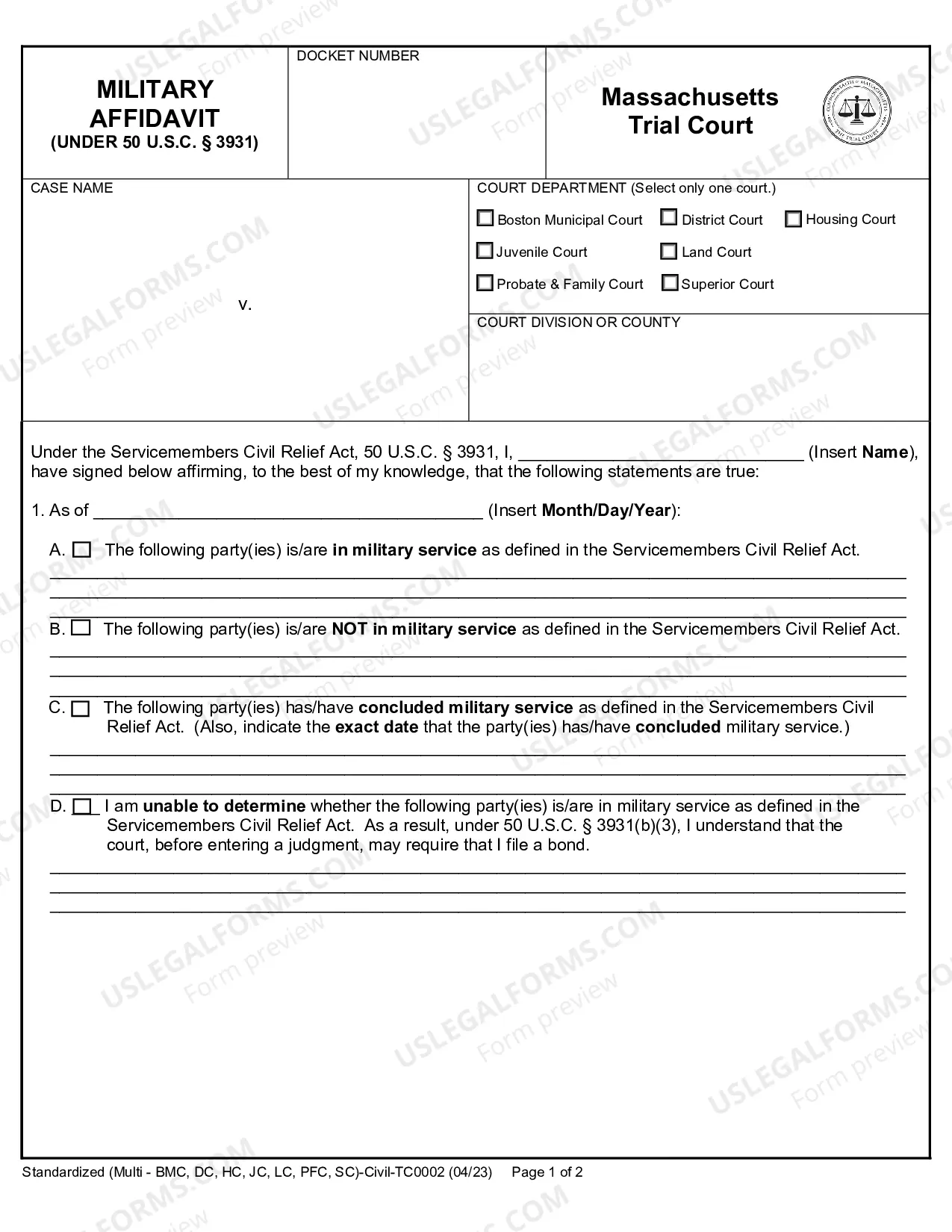
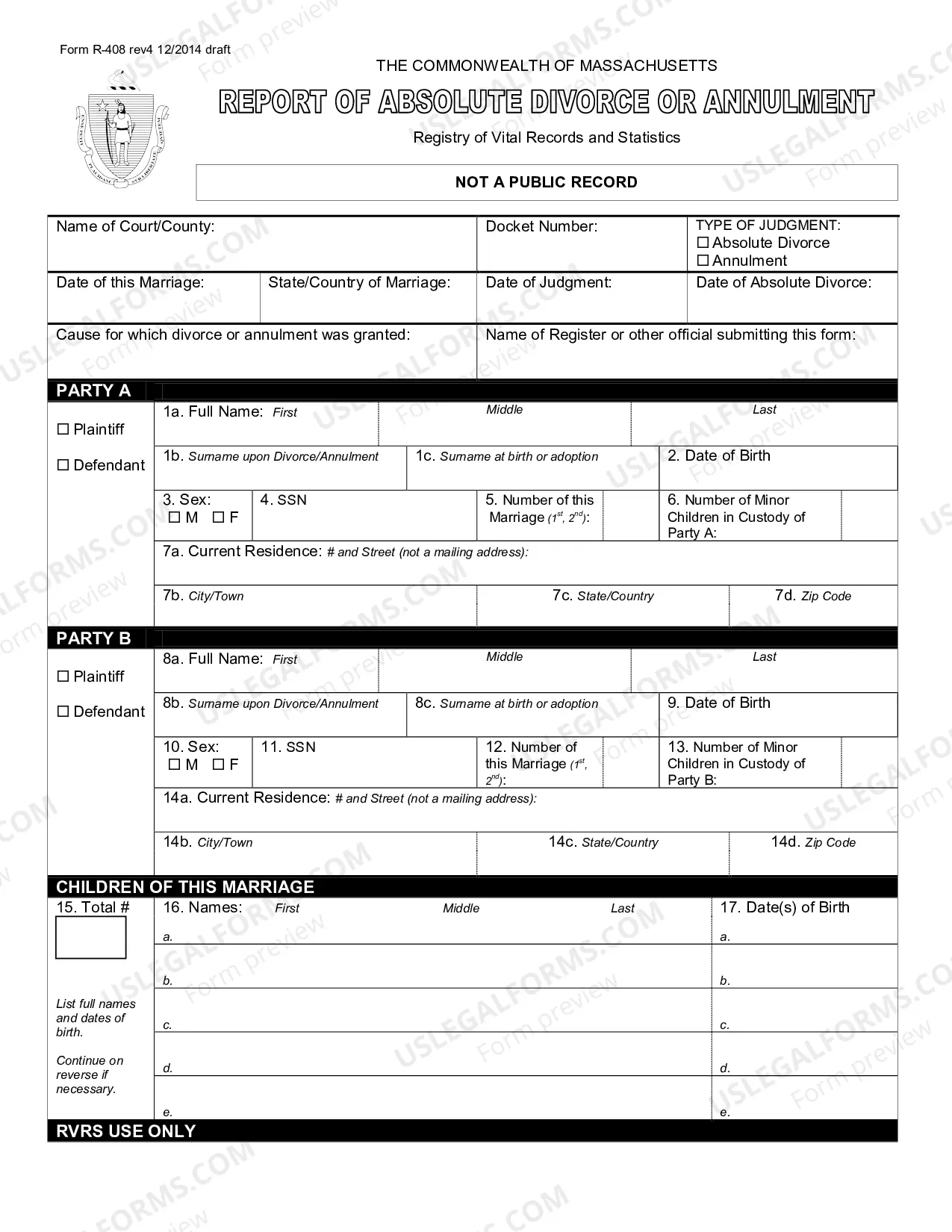
Arizona Order to Modify
Overview of this form
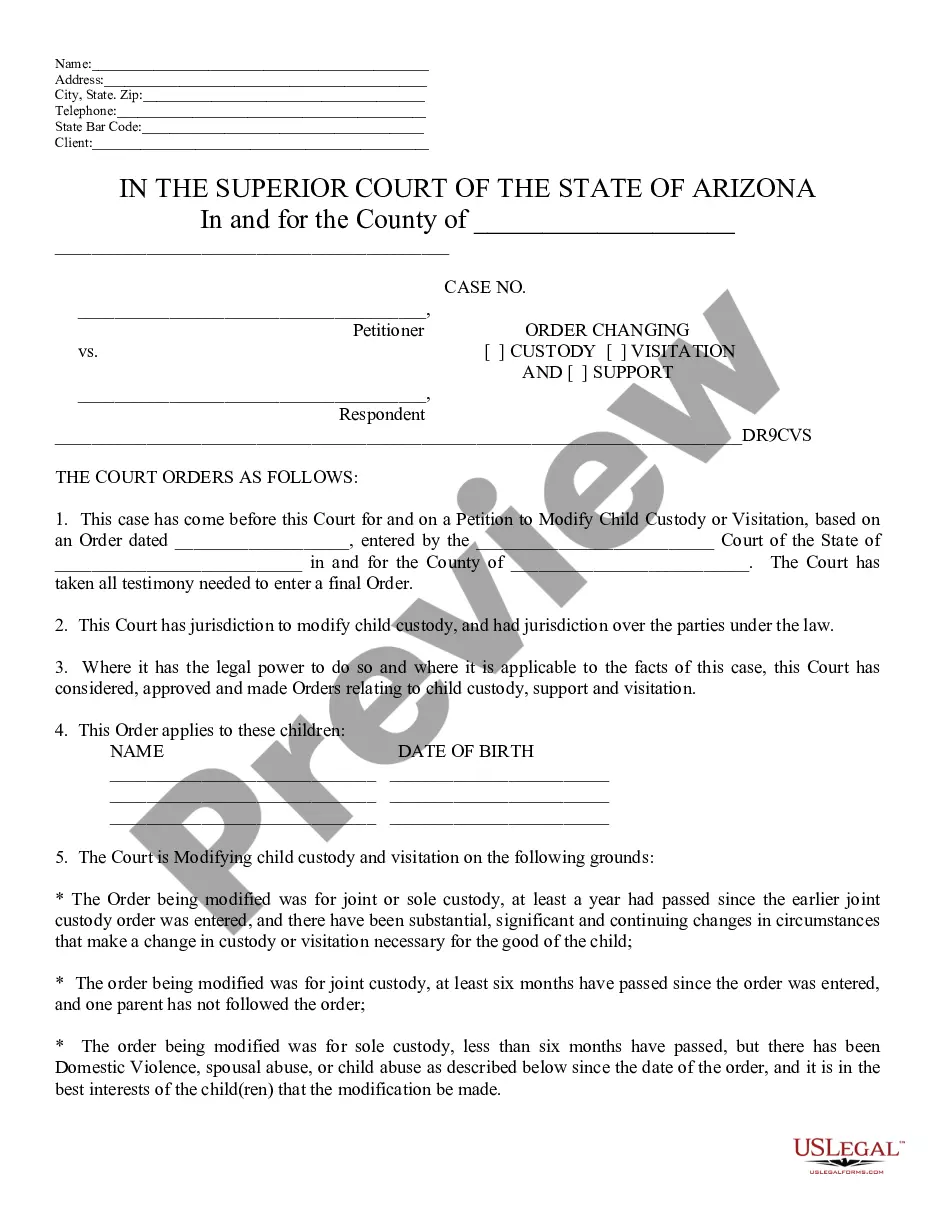
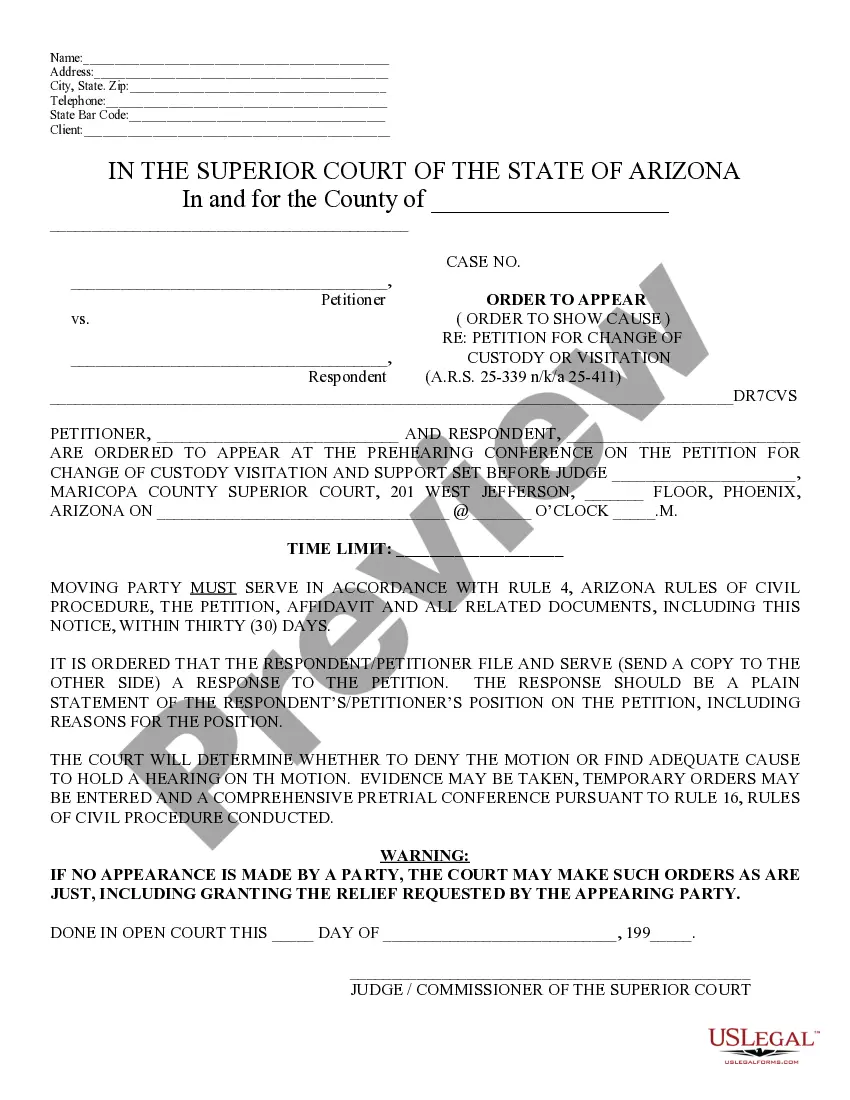
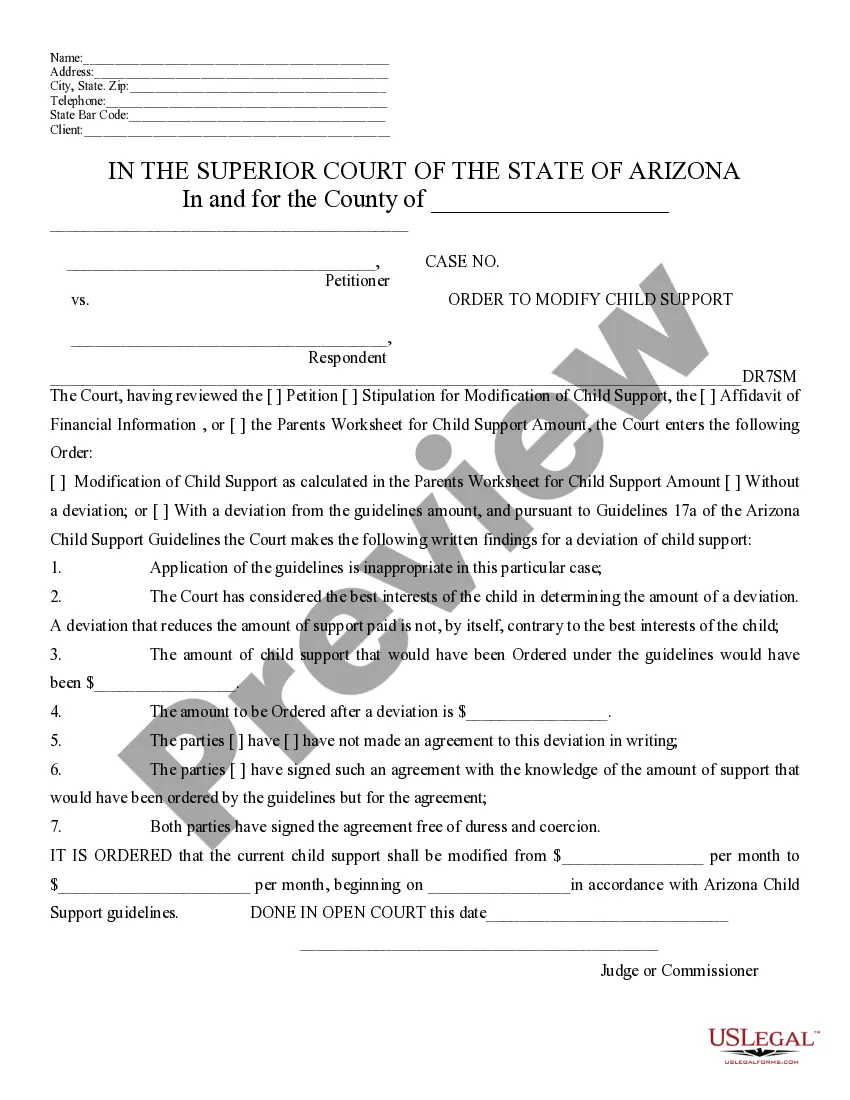
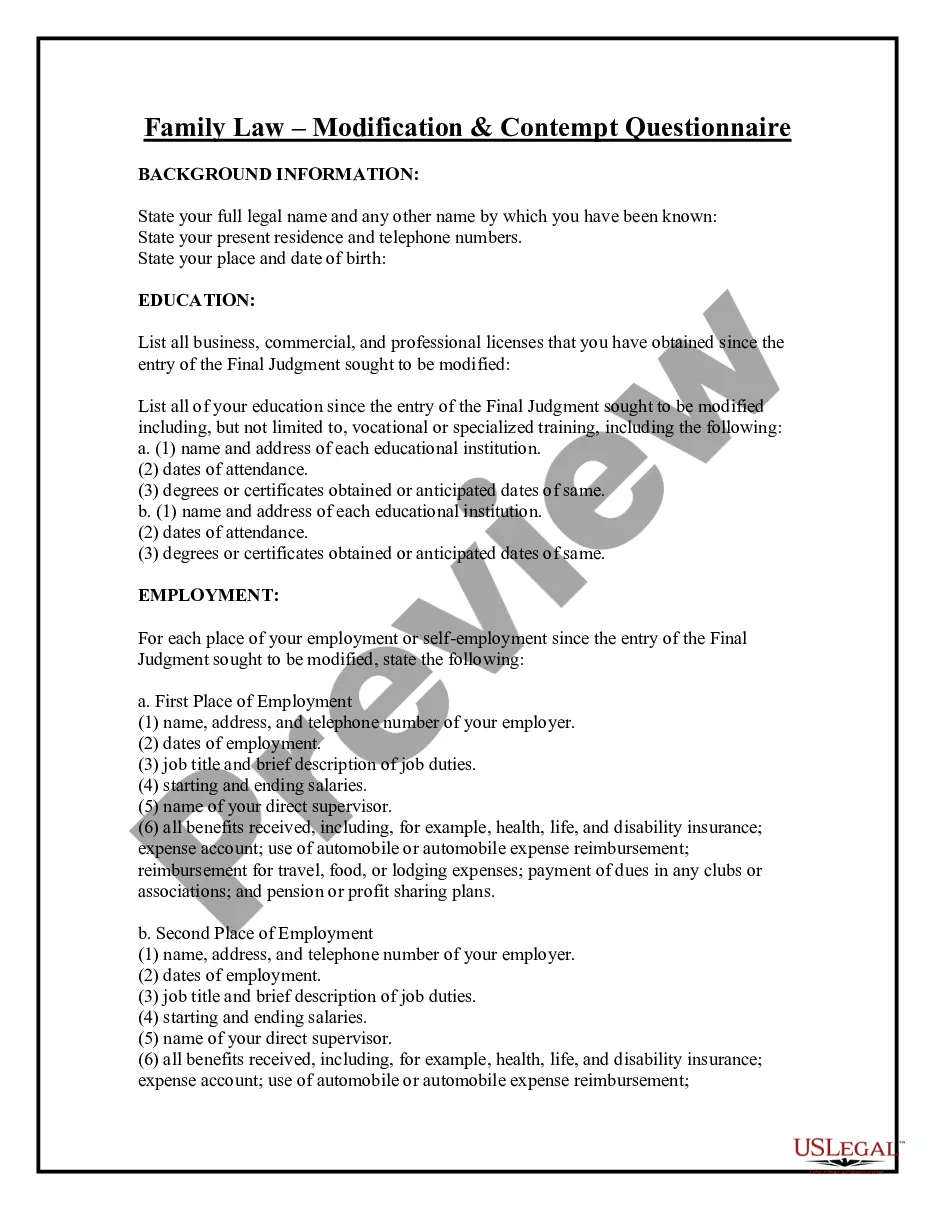
The Order to Modify is a legal document issued by a court to change previously established terms regarding child custody, visitation, and support. This form is vital when there are significant changes in circumstances that affect the welfare of the child or when a court directed that modifications be drafted. Unlike other custody forms, this order specifically addresses modifications and is signed by a judge, making it an official court order.
Main sections of this form
- Heading with court details and case information.
- Jurisdiction statement confirming the court's authority to modify custody.
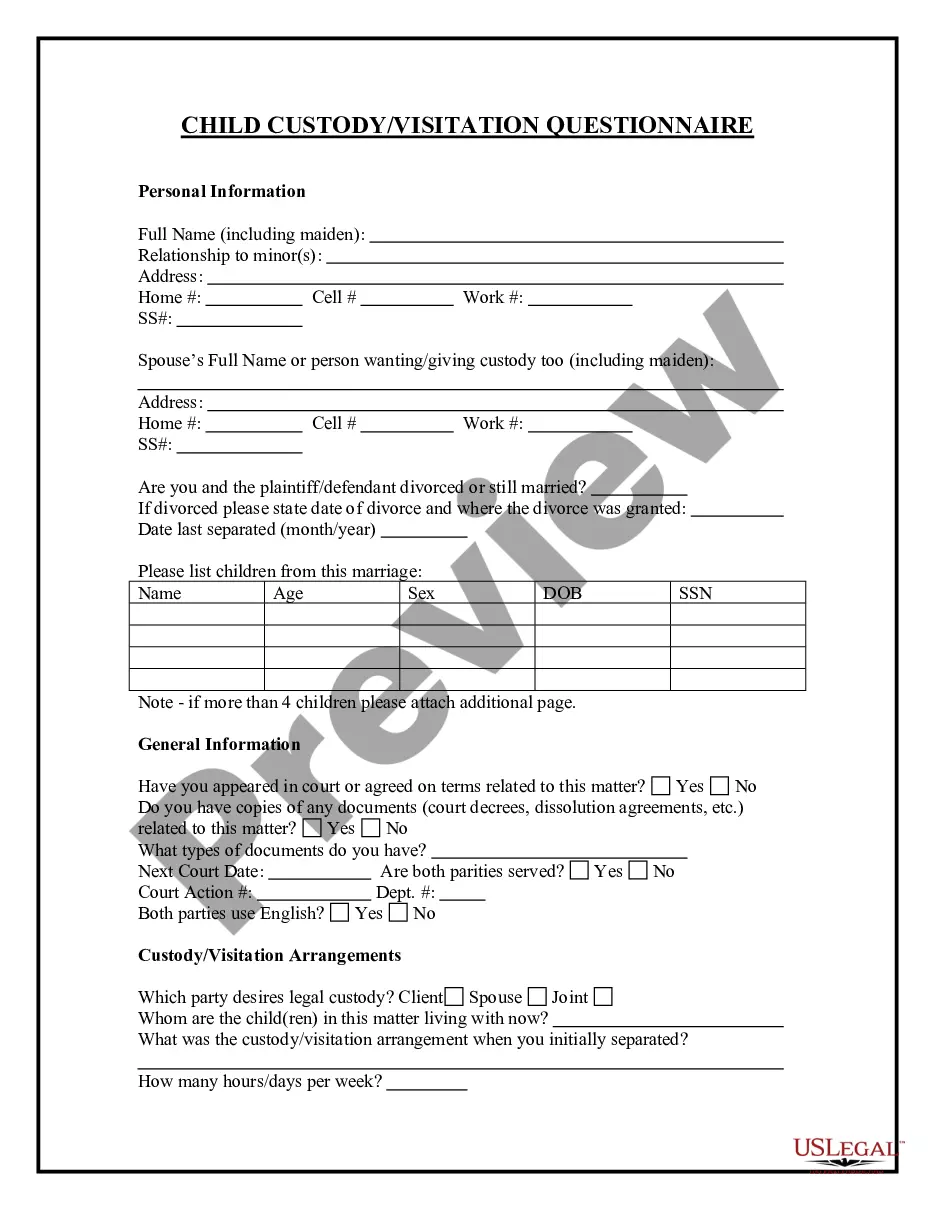
- Identification of the children involved in the custody or visitation arrangement.
- Grounds for modification stated clearly.
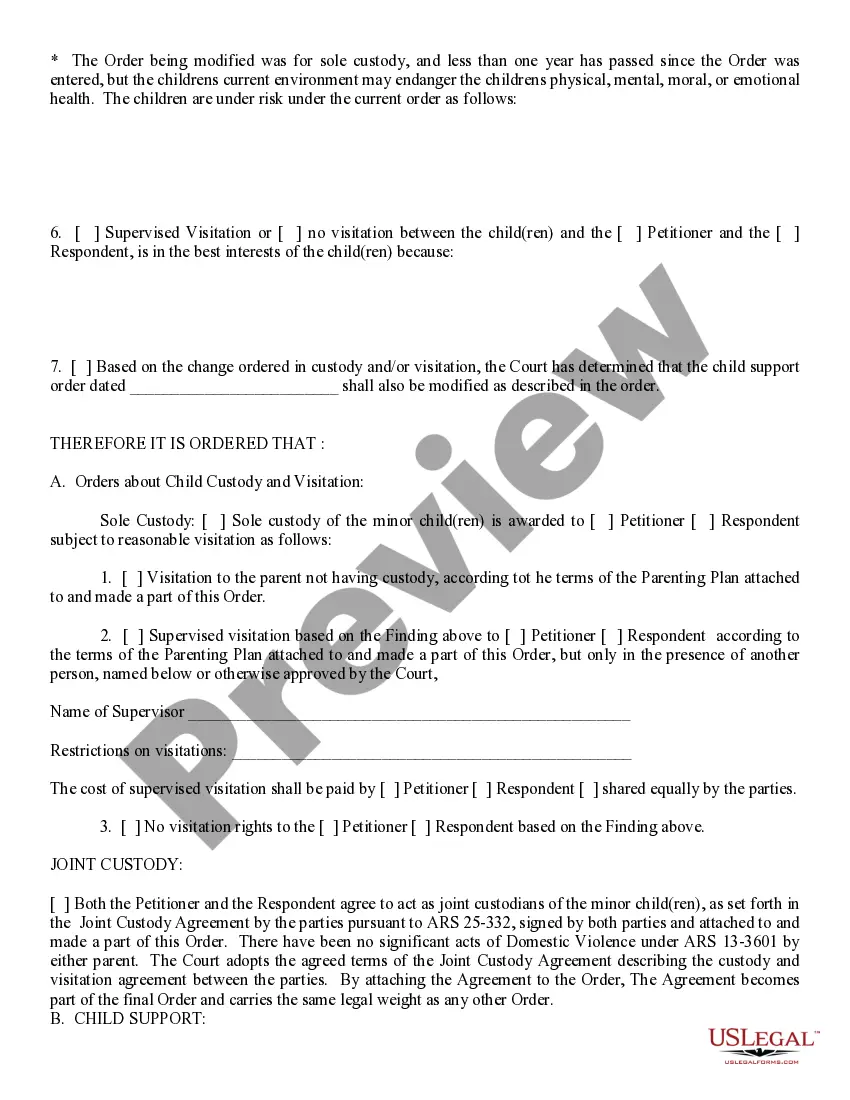
- Details on custody and visitation arrangements, including types of custody.
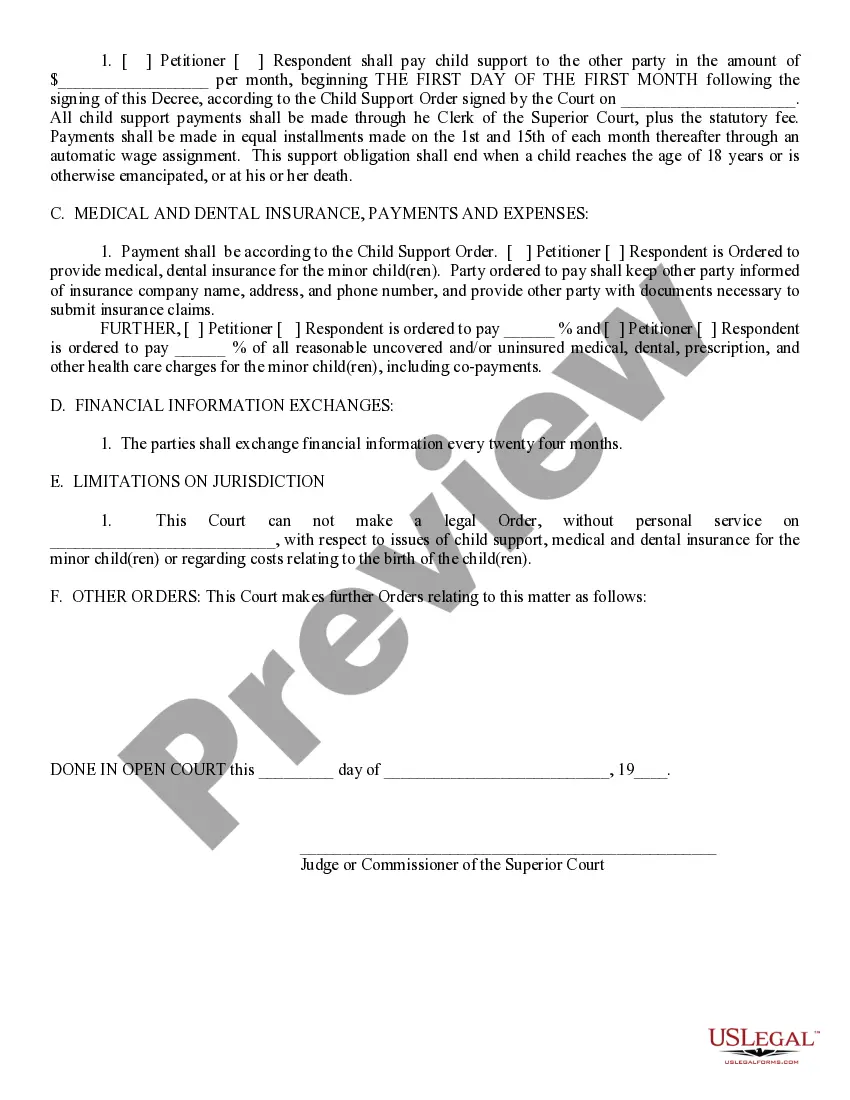
- Financial obligations such as child support specifics.
- Medical and dental insurance provisions.

Common use cases
This form is used when a parent or guardian seeks to change existing child custody or visitation orders due to significant changes in circumstances, such as alterations in one parent's lifestyle, violations of visitation terms, or concerns for the child's safety. If there has been a year or more since the last custody order, this form is necessary to initiate legal changes in custody arrangements.
Intended users of this form
- Parents or legal guardians seeking to modify child custody or visitation orders.
- Families who have experienced changes in living conditions or circumstances affecting the child's welfare.
- Individuals responding to a request for modification by another party.
Instructions for completing this form
- Identify the involved parties by filling out their names and contact details.
- State the jurisdiction and case number at the top of the form.
- Clearly state the grounds for modifying custody or visitation.
- Detail the specific custody and visitation arrangements being proposed.
- Include financial information for child support and any insurance obligations.
- Sign and date the document before submitting it to the court.
Does this document require notarization?
This form does not typically require notarization unless specified by local law. However, having it notarized can provide an extra layer of security and verification for the parties involved.
Get your form ready online
Our built-in tools help you complete, sign, share, and store your documents in one place.
Make edits, fill in missing information, and update formatting in US Legal Forms—just like you would in MS Word.
Download a copy, print it, send it by email, or mail it via USPS—whatever works best for your next step.
Sign and collect signatures with our SignNow integration. Send to multiple recipients, set reminders, and more. Go Premium to unlock E-Sign.
If this form requires notarization, complete it online through a secure video call—no need to meet a notary in person or wait for an appointment.
We protect your documents and personal data by following strict security and privacy standards.

Make edits, fill in missing information, and update formatting in US Legal Forms—just like you would in MS Word.

Download a copy, print it, send it by email, or mail it via USPS—whatever works best for your next step.

Sign and collect signatures with our SignNow integration. Send to multiple recipients, set reminders, and more. Go Premium to unlock E-Sign.

If this form requires notarization, complete it online through a secure video call—no need to meet a notary in person or wait for an appointment.

We protect your documents and personal data by following strict security and privacy standards.
Common mistakes
- Failing to accurately state the grounds for modification.
- Omitting childrenâs names or vital details.
- Not providing precise financial information regarding child support.
- Neglecting to ensure that all parties receive proper notification of the modification request.
Why use this form online
- Convenience of preparing the document from home at any time.
- Editability allows for quick adjustments to fit your specific scenario.
- Access to professionally drafted templates that meet legal requirements.
Legal use & context
- This form serves as an official request for the court to consider changes in custody or visitation arrangements.
- The order will be enforceable once signed by a judge and filed with the court.
- Failure to comply with the modified order may result in legal consequences, including contempt of court.
Main things to remember
- The Order to Modify is essential for legally changing custody arrangements.
- Proper completion ensures that the court can process the modification efficiently.
- Be aware of the specific requirements and procedures in your state to ensure compliance.
Looking for another form?




Form popularity
FAQ
Child support in Arizona can be modified at any time if there is a substantial and continuing change in circumstances. This may include a change in income, employment status, or other financial circumstances. To proceed with the Arizona Order to Modify, it is advisable to document the changes clearly and provide supporting evidence. Utilizing platforms like uslegalforms can help streamline this process and ensure proper filing.
In Arizona, the law does not set a specific age at which a child can refuse to see a parent. Instead, it takes into account the child's maturity and ability to express a reasoned preference. The courts may listen to the child's wishes if they are over the age of 12, but maintaining the relationship between parent and child remains a priority. If necessary, you can explore an Arizona Order to Modify to adjust parenting time in response to these preferences.
The average child support payment for one child in Arizona varies based on the income of both parents and specific family circumstances. Generally, the court calculates support using guidelines that consider each parent's gross income and the child's needs. Understanding these calculations can help you navigate the Arizona Order to Modify efficiently. Engaging with resources such as uslegalforms can provide additional insights into your case.
In Arizona, you can modify a parenting plan whenever there is a significant change in circumstances. This may include changes in the child's needs, changes in a parent's employment, or relocations. To initiate the Arizona Order to Modify, you must demonstrate that the changes are in the child's best interest. It’s important to work closely with a family law attorney to ensure your modifications are legally sound.
A Rule 11 motion in Arizona addresses the legal sufficiency of a claim or defense. It requires that all legal filings be well-founded and not frivolous. When managing your Arizona Order to Modify, understanding a Rule 11 motion can help ensure that your arguments hold weight in court. Engaging with a knowledgeable legal expert can guide you through drafting effective filings that adhere to this rule.
A Rule 50 motion in Arizona allows a party to seek judgment without going to trial, based on the evidence presented. If granted, this can expedite the resolution of a case. For those navigating the complexities of an Arizona Order to Modify, leveraging a Rule 50 motion may help simplify your legal journey. Always consider consulting with a legal professional to assess whether this motion is suitable for your circumstances.
Family Rule 48 in Arizona relates to the required disclosures for family law cases. It mandates that all parties must provide specific information to promote transparency during legal proceedings. If you're considering an Arizona Order to Modify in a family law context, understanding Family Rule 48 can be crucial. This knowledge allows for a smoother transition and better preparation in your legal matters.
Rule 7.2 in Arizona pertains to managing the disclosure of information in court cases. It ensures that parties share documents and evidence effectively before a trial. This rule can significantly impact your case, especially when pursuing an Arizona Order to Modify, as timely sharing of evidence might influence court decisions. Familiarizing yourself with this rule can help streamline your legal process.
In Arizona, conditions for release typically depend on the nature of the offense and the individual's criminal history. Factors such as flight risk and community safety play a crucial role in determining eligibility. When seeking an Arizona Order to Modify, it's important to understand these conditions, as they can affect your situation. Consulting with a legal expert can provide clarity on your specific conditions for release.
Motioning to dismiss an order of protection in Arizona entails filing a formal request with the court that issued it. You should explain why the order should be dismissed, including any changes in circumstances that support your argument. A hearing will provide you with a platform to present your case. Utilizing the Arizona Order to Modify approach can enhance the clarity and effectiveness of your dismissal request.