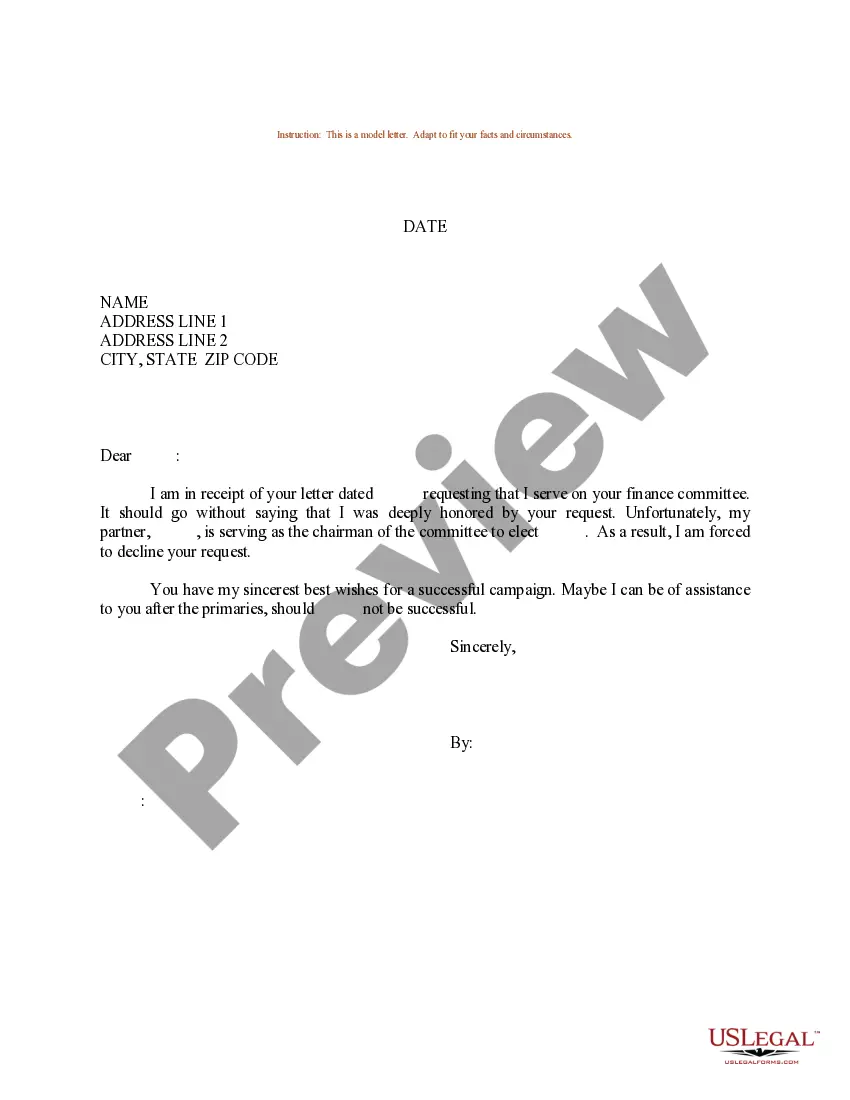
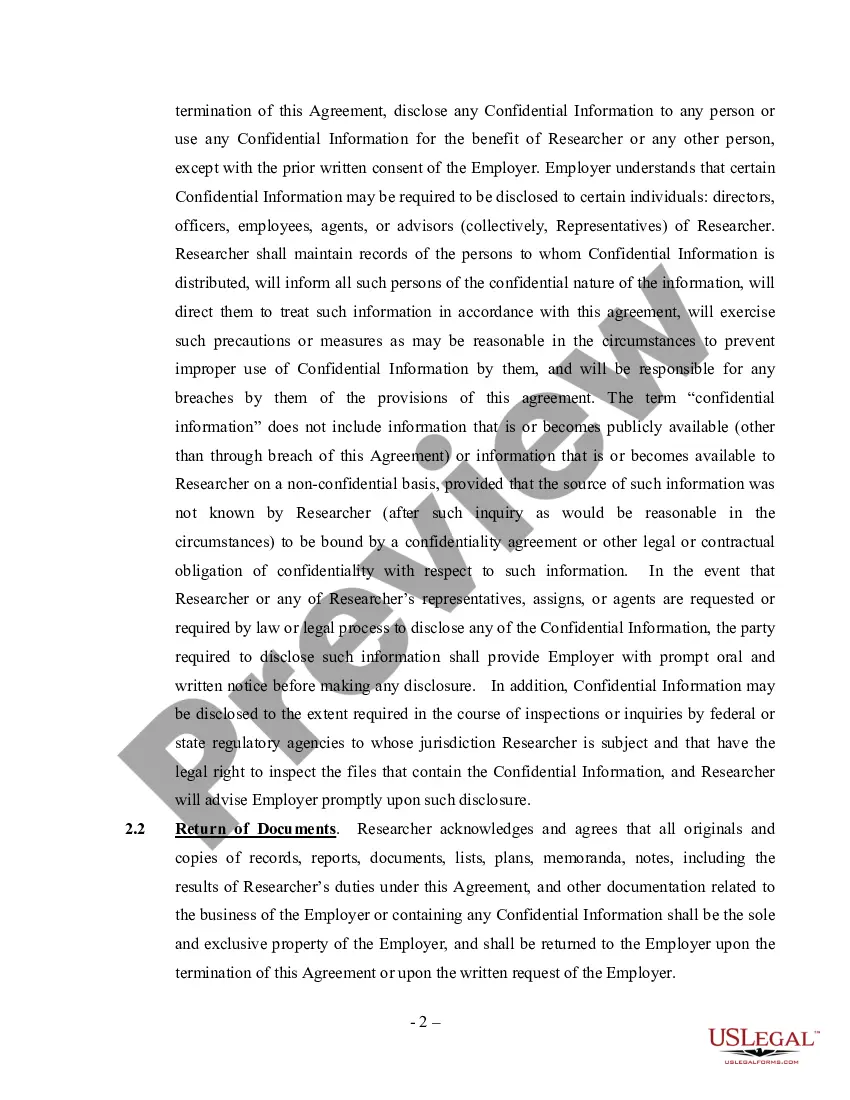
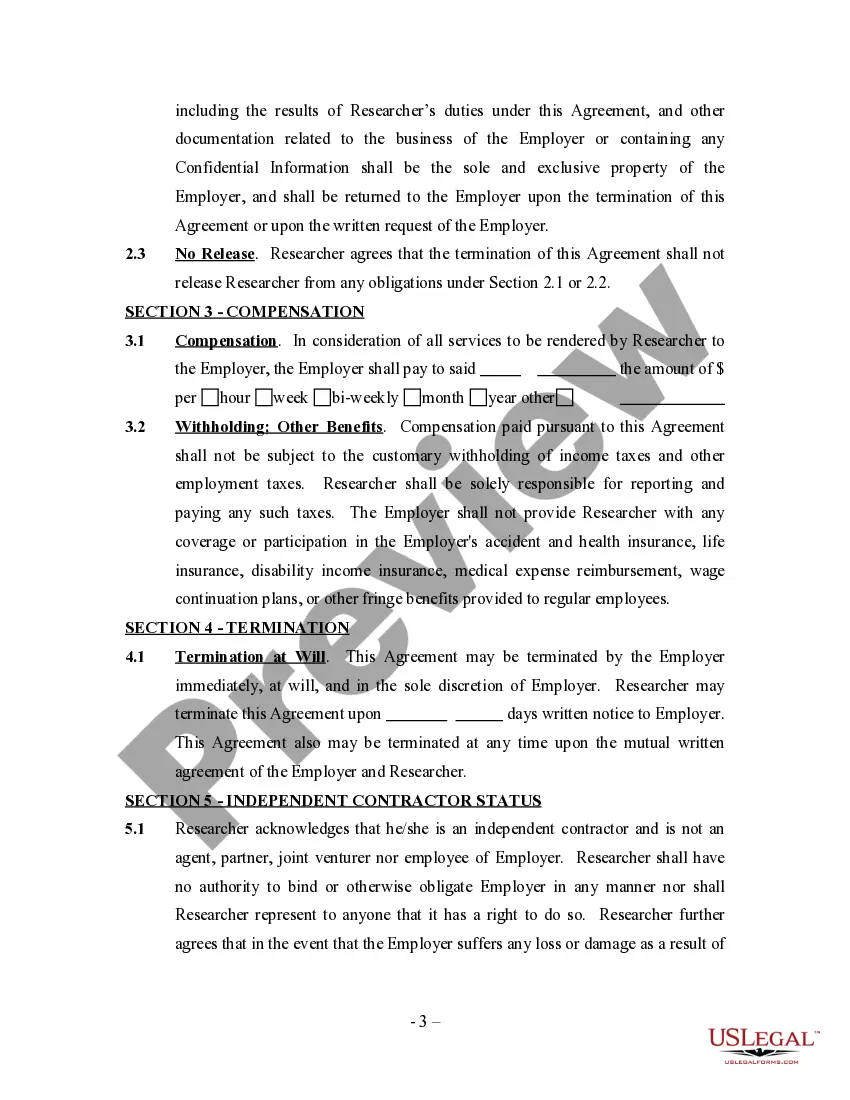
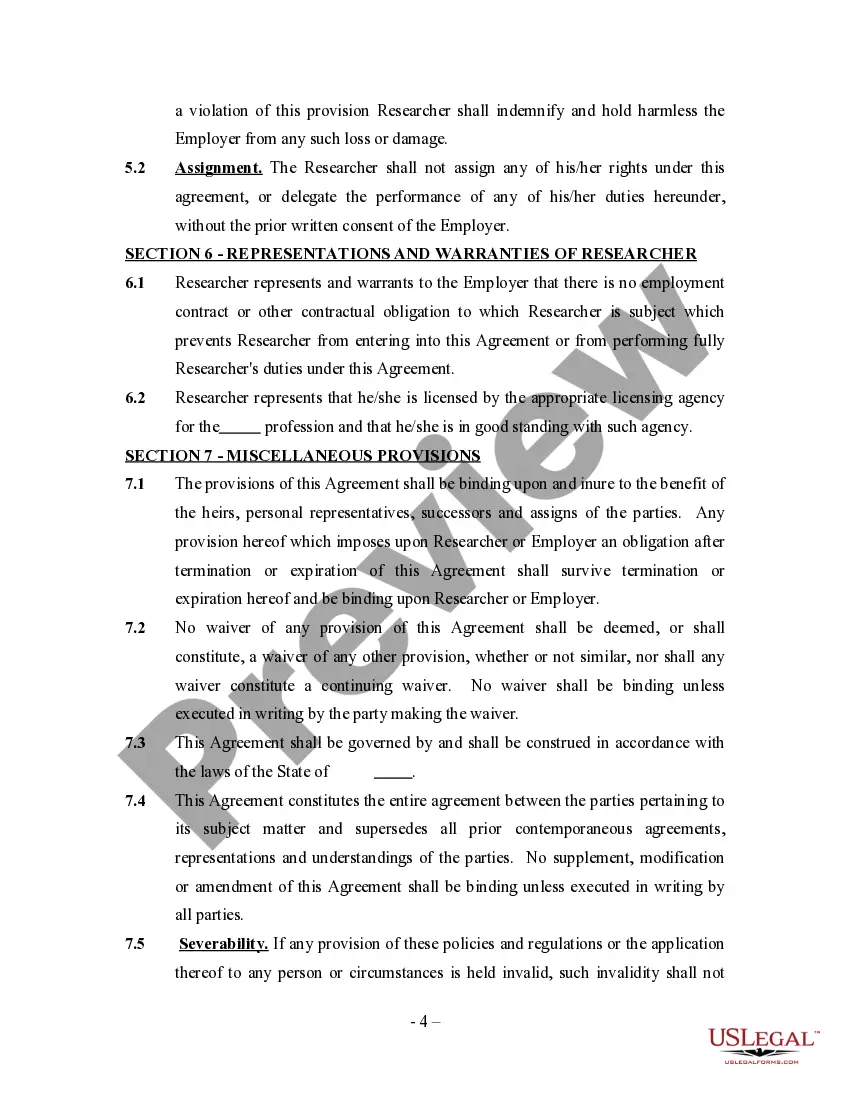
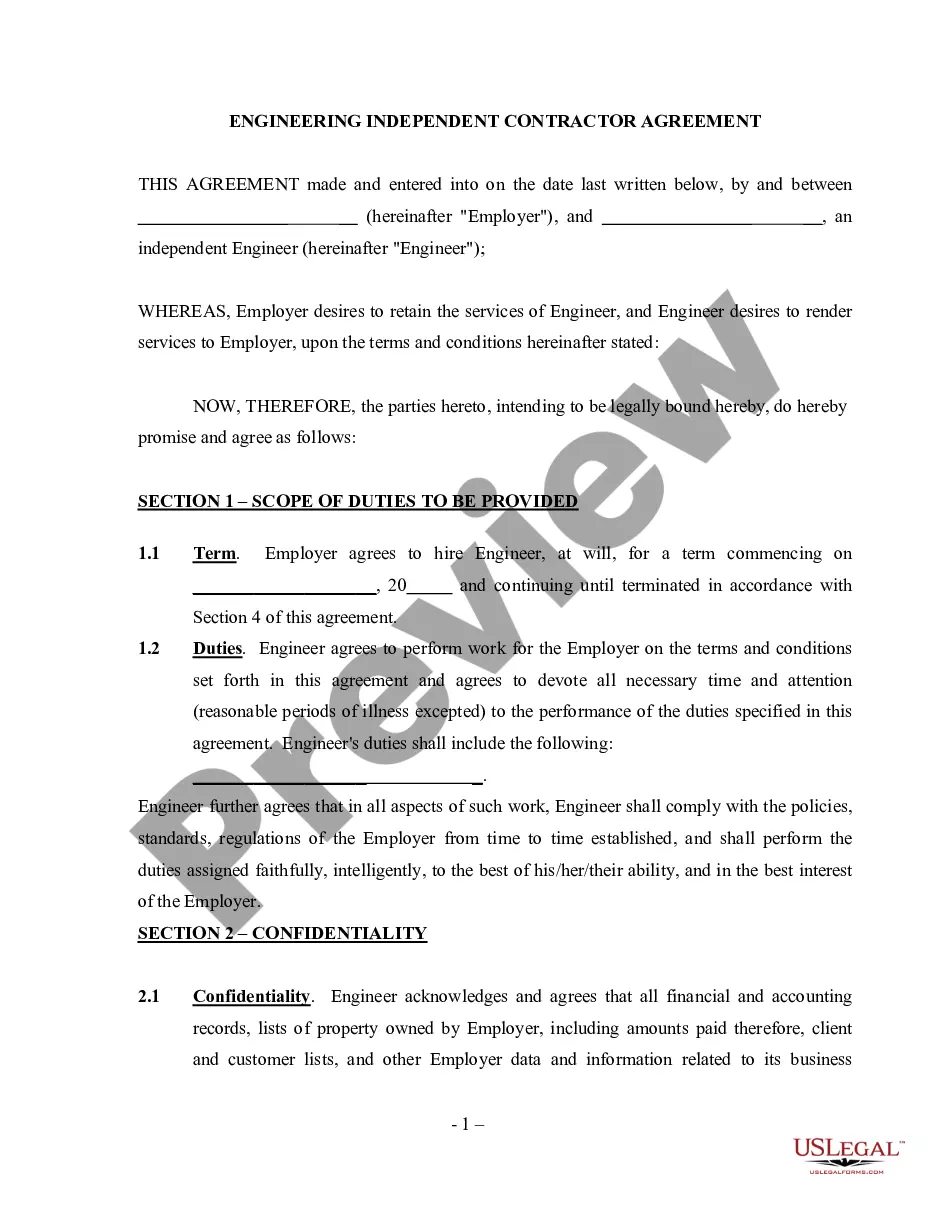
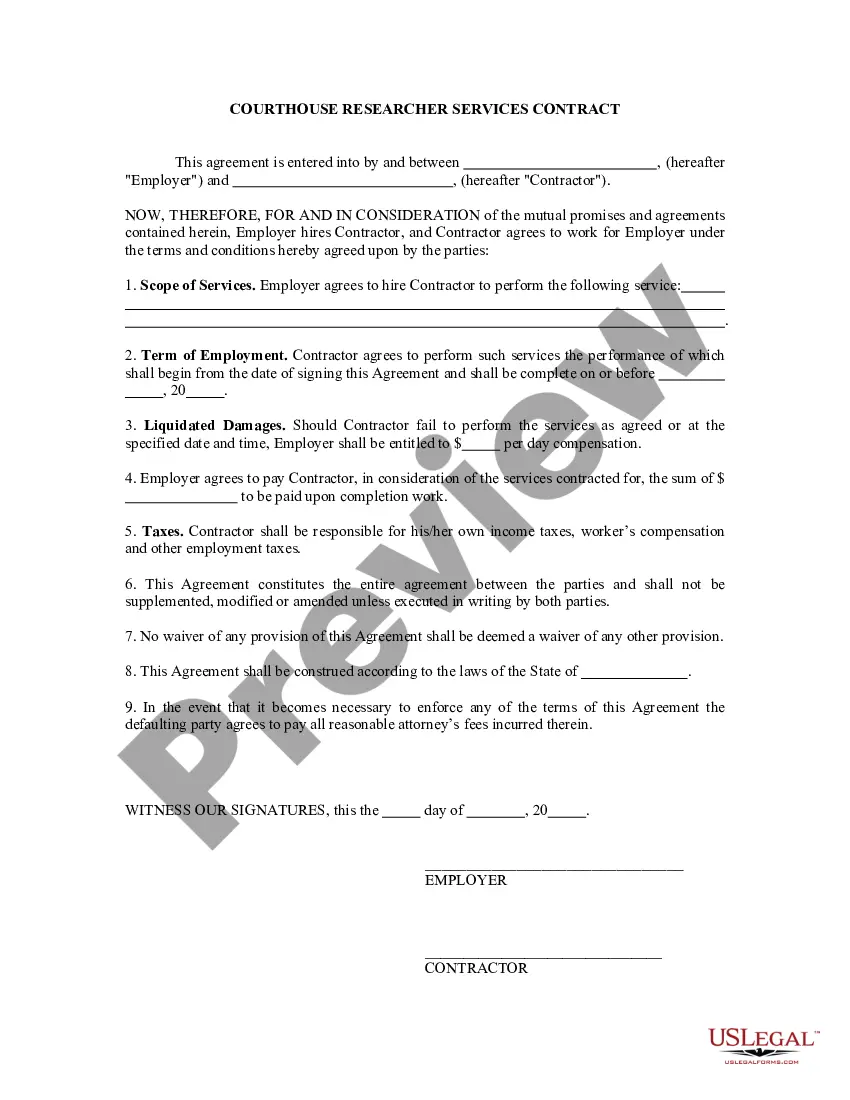
This is a contract between an employer and a researcher whereby researcher is hired as an independent contractor to provide research or research related activities for the employer.
Arkansas Research Agreement - Self-Employed Independent Contractor
State:
Multi-State
Control #:
US-INDC-35
Format:
Word;
Rich Text
Instant download
Description
Free preview
Get your form ready online
Our built-in tools help you complete, sign, share, and store your documents in one place.
Built-in online Word editor
Make edits, fill in missing information, and update formatting in US Legal Forms—just like you would in MS Word.
Export easily
Download a copy, print it, send it by email, or mail it via USPS—whatever works best for your next step.
E-sign your document
Sign and collect signatures with our SignNow integration. Send to multiple recipients, set reminders, and more. Go Premium to unlock E-Sign.
Notarize online 24/7
If this form requires notarization, complete it online through a secure video call—no need to meet a notary in person or wait for an appointment.
Store your document securely
We protect your documents and personal data by following strict security and privacy standards.

Make edits, fill in missing information, and update formatting in US Legal Forms—just like you would in MS Word.

Download a copy, print it, send it by email, or mail it via USPS—whatever works best for your next step.

Sign and collect signatures with our SignNow integration. Send to multiple recipients, set reminders, and more. Go Premium to unlock E-Sign.

If this form requires notarization, complete it online through a secure video call—no need to meet a notary in person or wait for an appointment.

We protect your documents and personal data by following strict security and privacy standards.
Looking for another form?
How to fill out Research Agreement - Self-Employed Independent Contractor?
Selecting the appropriate authentic document template can be a challenge.
Of course, there are numerous designs accessible online, but how can you find the authentic form you require.
Utilize the US Legal Forms website. This service offers a vast array of templates, including the Arkansas Research Agreement - Self-Employed Independent Contractor, which can be utilized for both business and personal purposes.
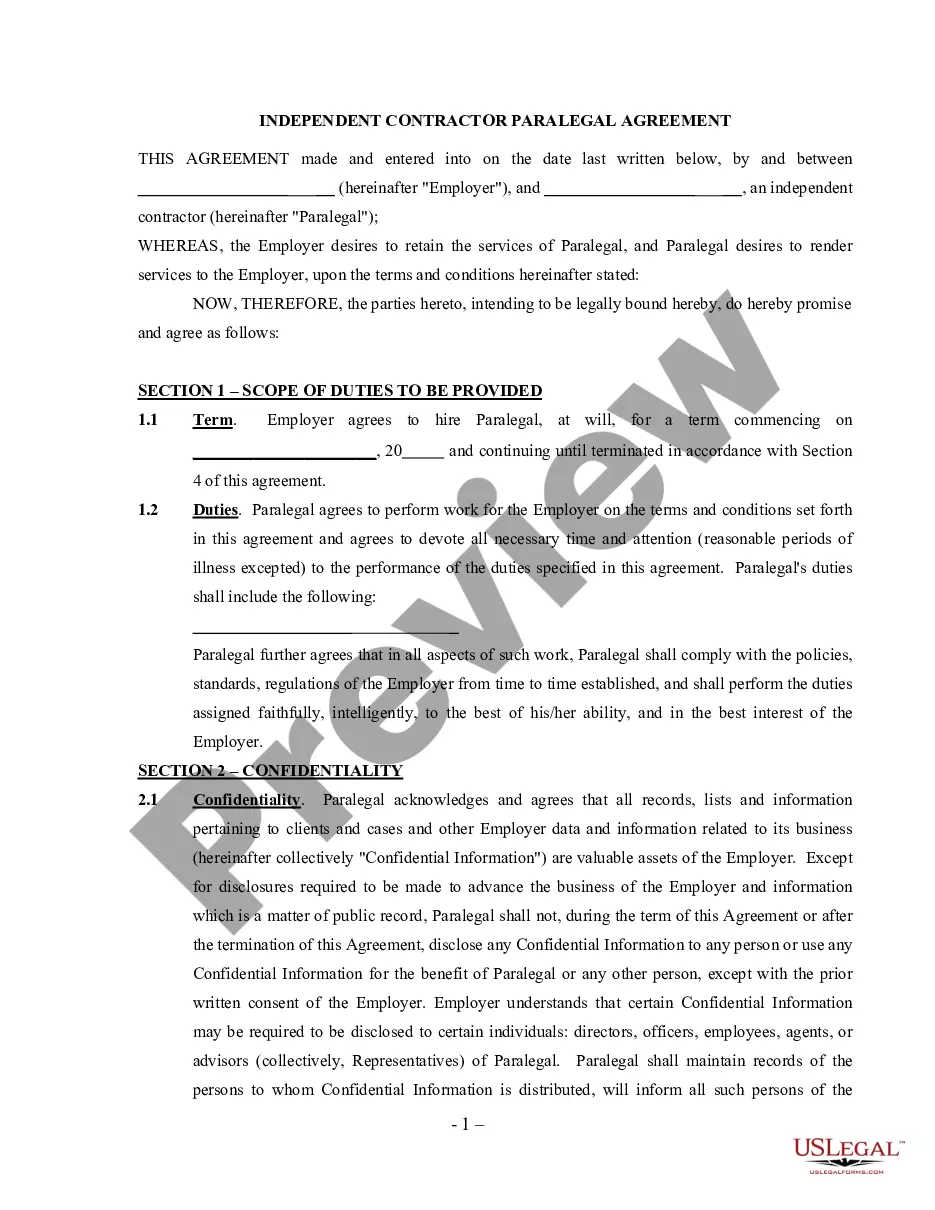
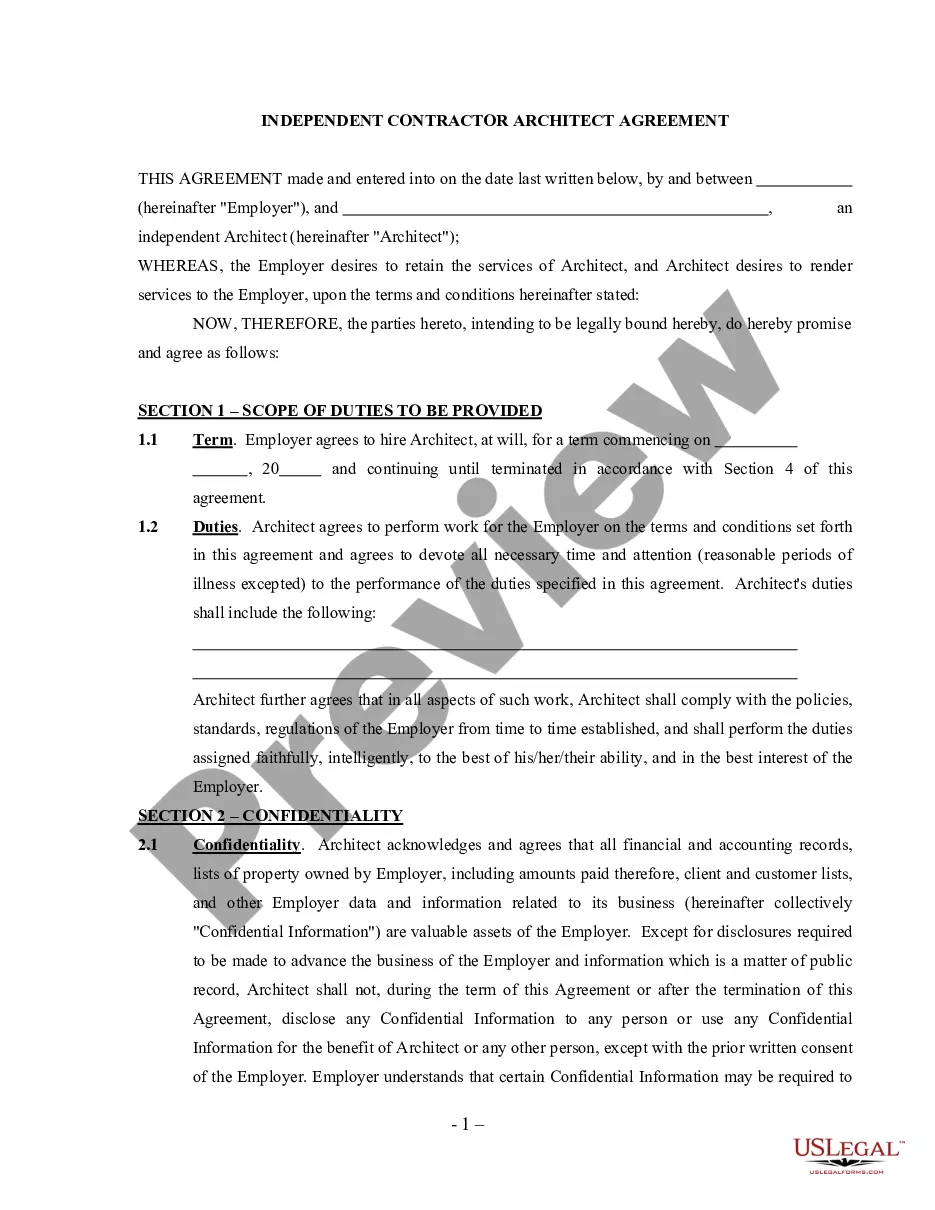
You can view the document using the Preview button and read the form description to make sure it is suitable for you.
- All forms are verified by experts and meet national and state standards.
- If you are already registered, Log In to your account and click on the Obtain button to get the Arkansas Research Agreement - Self-Employed Independent Contractor.
- Use your account to review the legal forms you have previously ordered.
- Visit the My documents section of your account to download another copy of the document you need.
- If you are a new user of US Legal Forms, here are simple steps you can follow.
- First, make sure you have chosen the correct form for your city/state.
Form popularity
FAQ
A 1099 employee is a US self-employed worker that reports their income to the IRS on a 1099 tax form. Freelancers, gig workers, and independent contractors are all considered 1099 employees.
Becoming an independent contractor is one of the many ways to be classified as self-employed. By definition, an independent contractor provides work or services on a contractual basis, whereas, self-employment is simply the act of earning money without operating within an employee-employer relationship.
1. PURPOSE. To establish a legal contract between the college and individuals who provide a service to the college and to determine whether an individual is an independent contractor or an employee based on Internal Revenue Service criteria.
Simply put, being an independent contractor is one way to be self-employed. Being self-employed means that you earn money but don't work as an employee for someone else.
Independent contractors are self-employed workers who provide services for an organisation under a contract for services. Independent contractors are not employees and are typically highly skilled, providing their clients with specialist skills or additional capacity on an as needed basis.
A 1099 employee is a US self-employed worker that reports their income to the IRS on a 1099 tax form. Freelancers, gig workers, and independent contractors are all considered 1099 employees. In contrast, actual company employees are considered W-2 employees.
An independent contractor often functions as a freelancer, but typically will work with one client for a longer time frame. In many cases, independent contractors work for an hourly rate. Furthermore, they might work through a third party or agency but can also work on their own.
Remember that an independent contractor is considered to be self-employed, so in effect, you are running your own one-person business. Any income that you earn as an independent contractor must be reported on Schedule C. You'll then pay income taxes on the total profit.
Work as an Independent Contractor If you choose to pay yourself as a contractor, you need to file IRS Form W-9 with the LLC and the LLC will file an IRS Form 1099-MISC at the end of the year. You will be responsible for paying self-employment taxes on the amount earned.
An independent contractor often functions as a freelancer, but typically will work with one client for a longer time frame. In many cases, independent contractors work for an hourly rate. Furthermore, they might work through a third party or agency but can also work on their own.