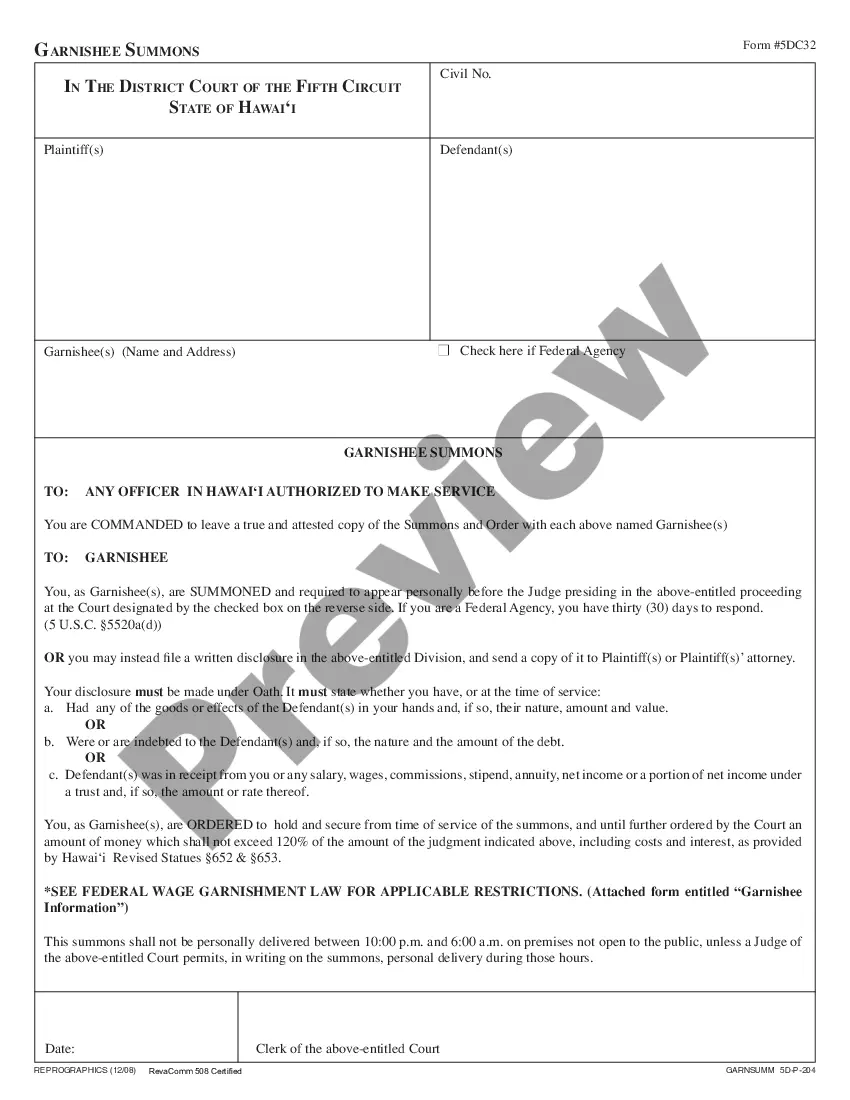
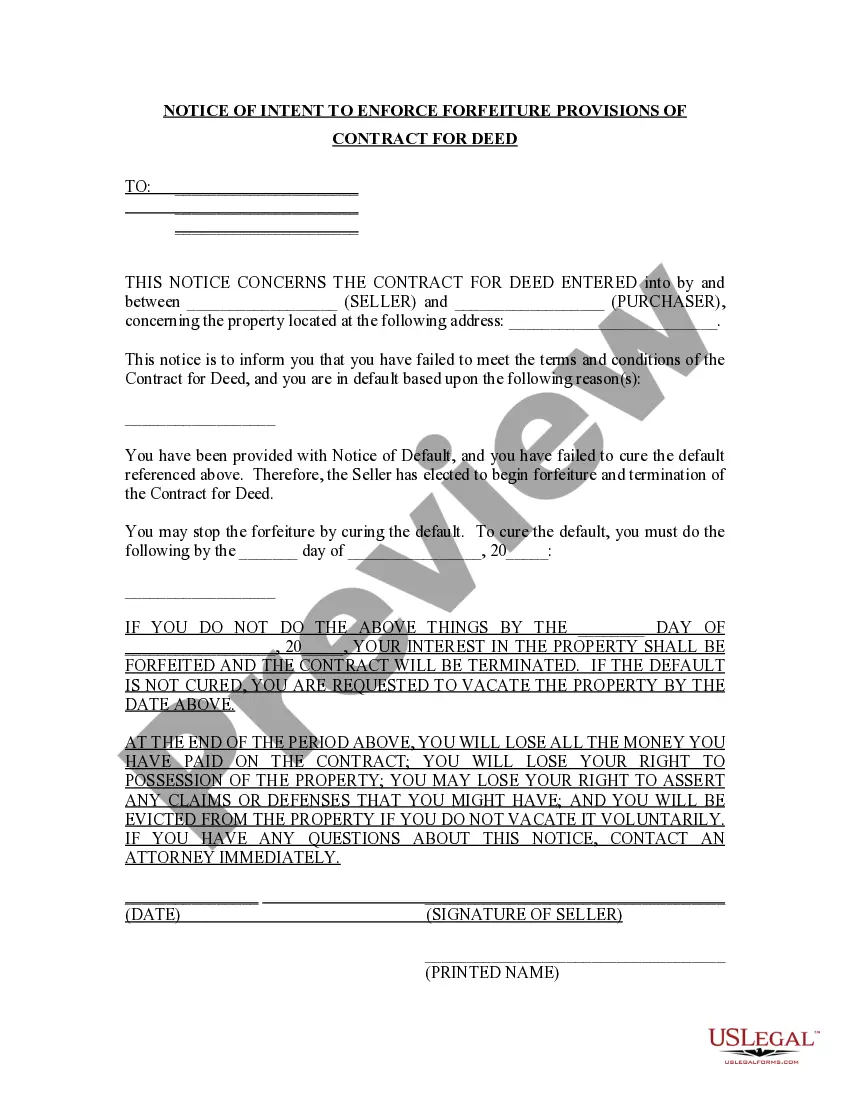
This Notice of Intent to Enforce Forfeiture Provisions of Contract for Deed is an initial notice of Seller's intent to enforce the forfeiture remedy of contract for deed if nonpayment or other breach is not cured. It is used specifically to inform the buyer that he/she has failed to meet the terms and conditions of the Contract for Deed and as a result, are in default based upon the reasons specified.
Arkansas Notice of Intent to Enforce Forfeiture Provisions of Contact for Deed
State:
Arkansas
Control #:
AR-00470-11
Format:
Word;
Rich Text
Instant download
Description
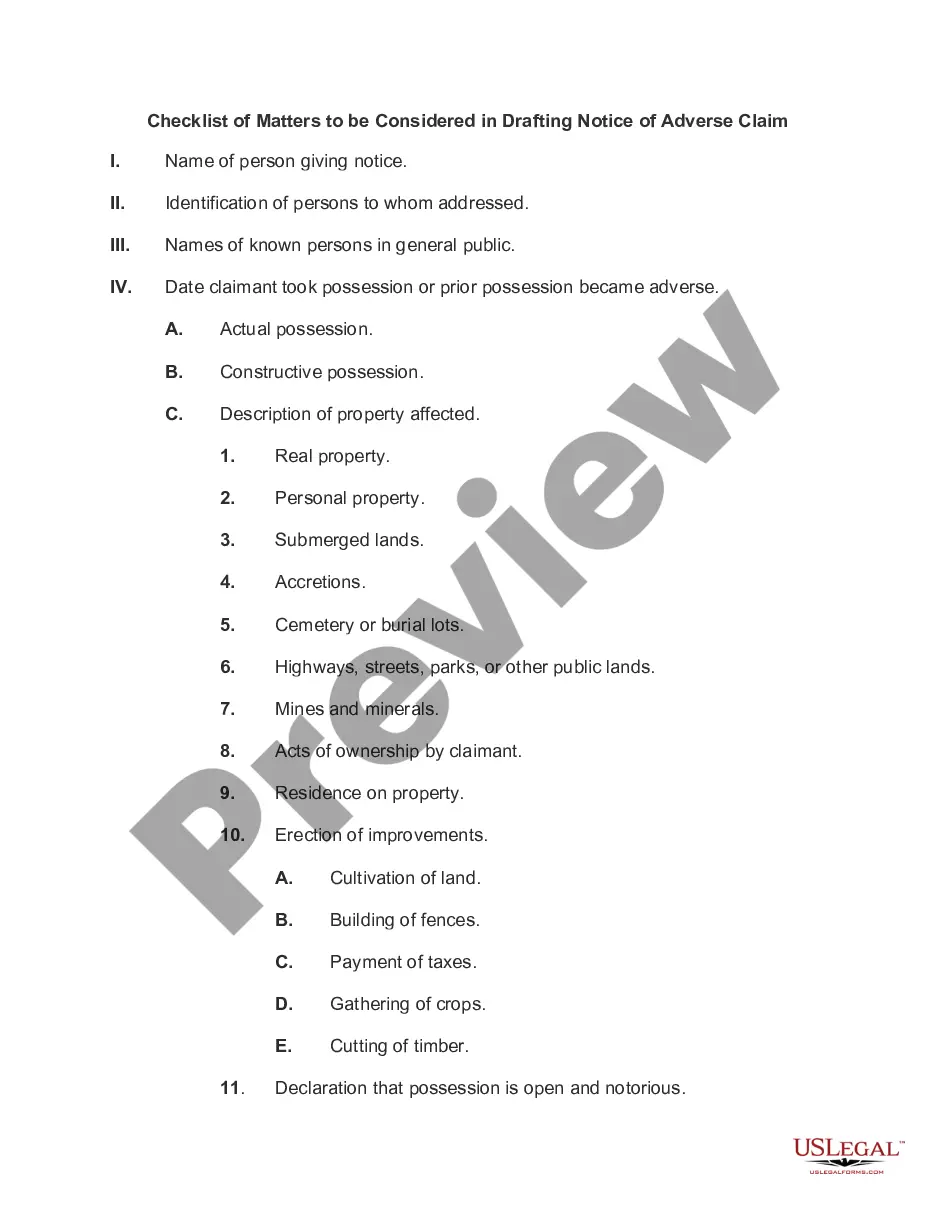
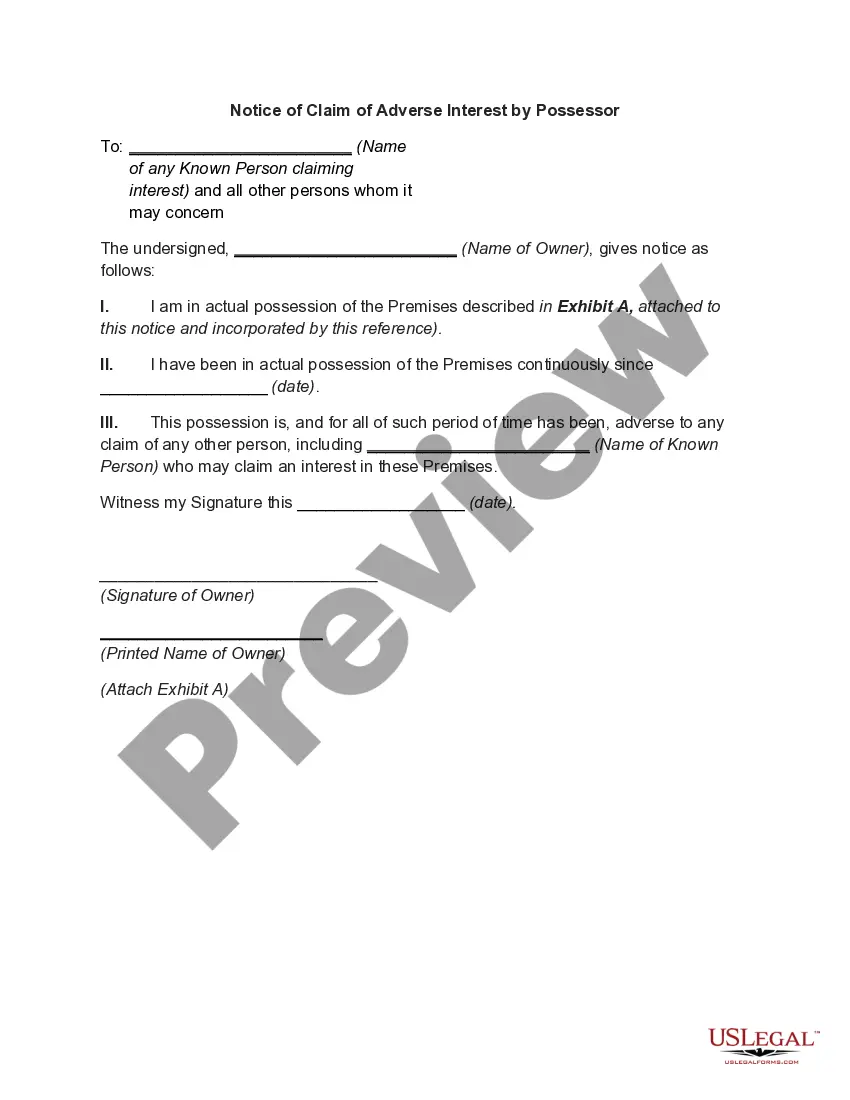
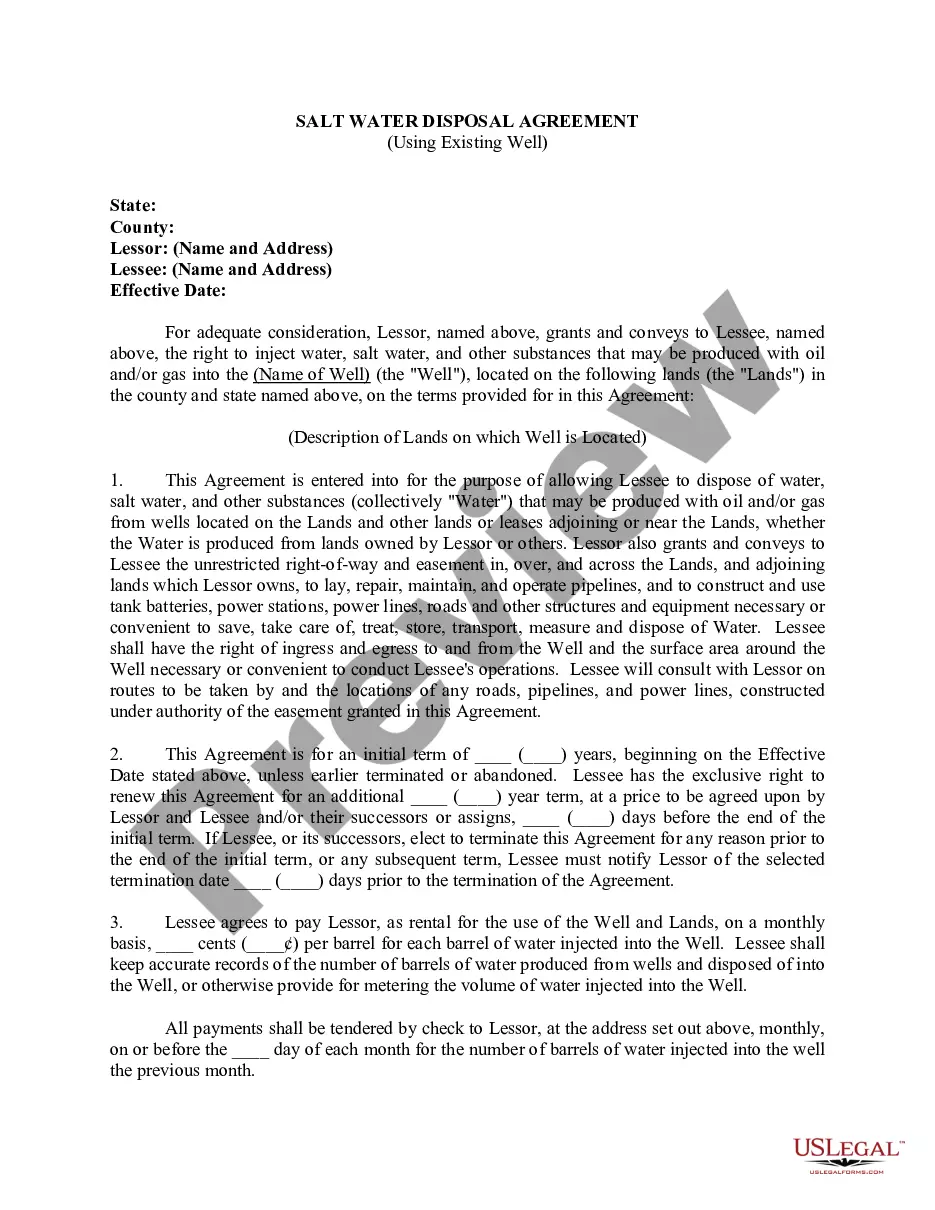
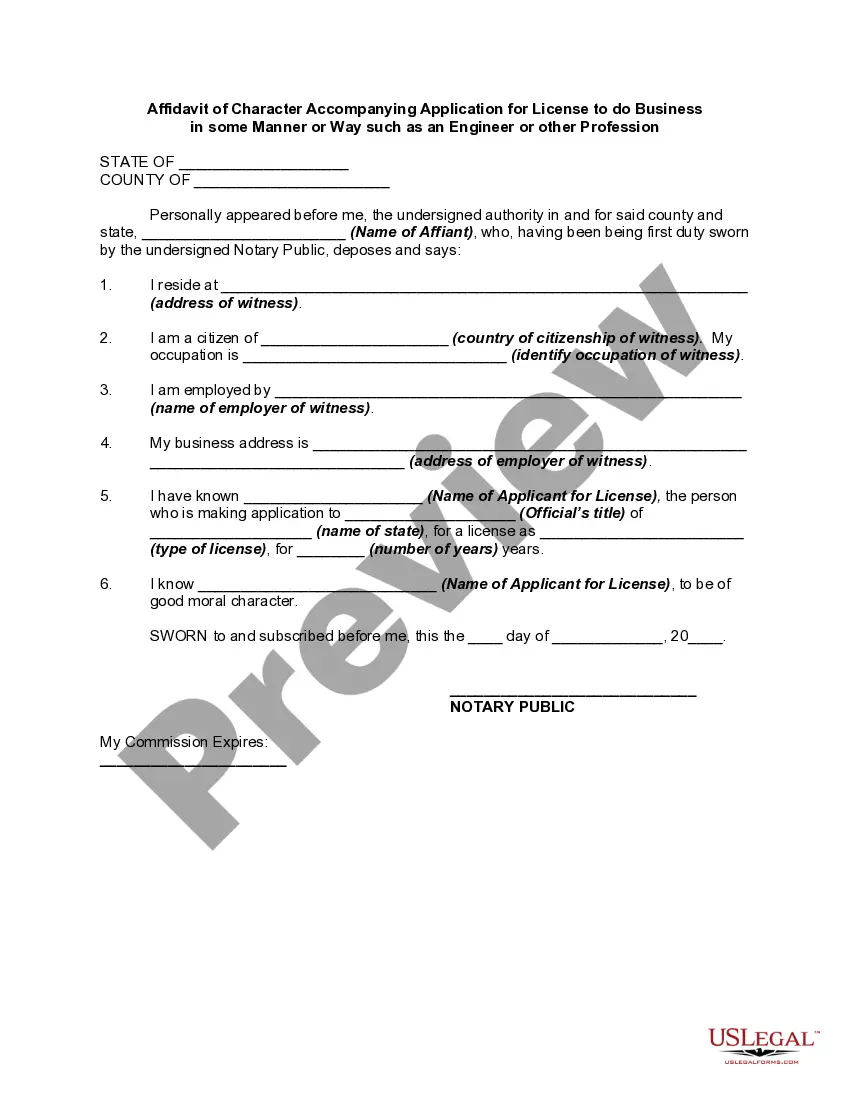
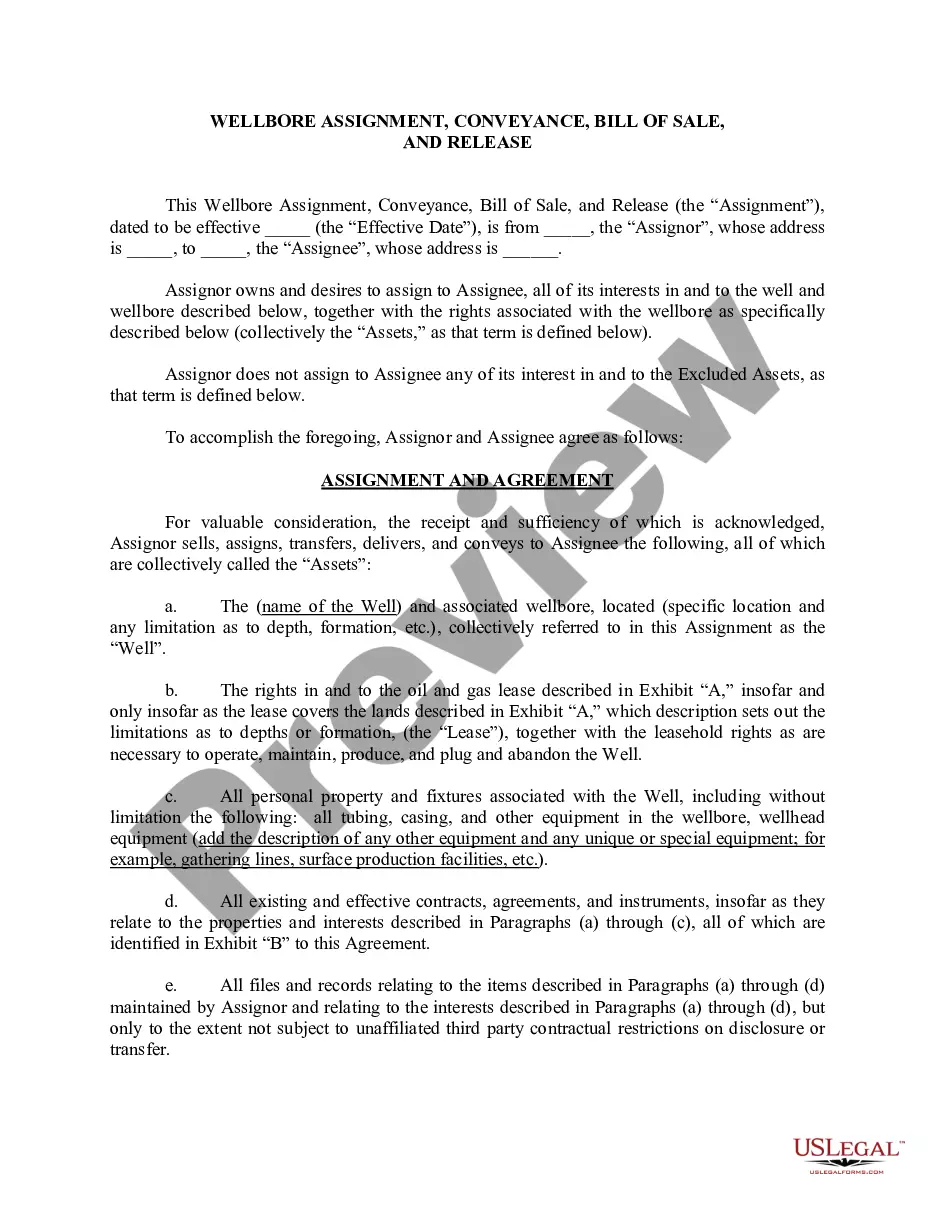
How to fill out Arkansas Notice Of Intent To Enforce Forfeiture Provisions Of Contact For Deed?
Utilize US Legal Forms to obtain a printable Arkansas Notice of Intent to Enforce Forfeiture Clauses of Contract for Deed.
Our legally admissible forms are written and frequently refreshed by expert attorneys.
Ours is the most extensive collection of forms available online and offers cost-effective and precise templates for individuals, lawyers, and small to medium-sized businesses.
Hit Buy Now if it’s the template you require. Establish your account and settle payment via PayPal or by debit|credit card. Download the form to your device and feel free to use it multiple times. Utilize the Search field if you wish to locate another document template. US Legal Forms supplies thousands of legal and tax templates and packages for business and personal requirements, including the Arkansas Notice of Intent to Enforce Forfeiture Clauses of Contract for Deed. More than three million users have effectively used our service. Choose your subscription plan and acquire high-quality documents in a few clicks.
- The templates are organized into state-specific categories, and some can be previewed prior to downloading.
- To acquire templates, users must have a subscription and to sign in to their account.
- Click Download next to any form you wish and locate it in My documents.
- For those without a subscription, adhere to the following steps to easily locate and obtain the Arkansas Notice of Intent to Enforce Forfeiture Clauses of Contract for Deed.
- Ensure that you possess the correct form regarding the state in question.
- Examine the document by viewing the description and using the Preview option.
Form popularity
FAQ
In the first instance, if your deed is not recorded, there is nothing in the public record to stop the seller from conveying the property to another person.The second situation could happen if your seller fails to pay his or her debts and the seller's creditors file liens or judgments against your property.
The competent authority determines that any property which is forfeited by the State government pursuant to Section 58I and if the source of only a part of the unlawfully obtained property has not been proved to the satisfaction of the competent authority, the competent authority shall make an order giving the
Forfeiture. A foreclosure action extinguishes any claim the mortgagor may have to the real property securing a defaulted loan, whereas a forfeiture refers generally to the loss of a right to something as a result of nonperformance of an obligation or condition.
Failure to record a deed effectively makes it impossible for the public to know about the transfer of a property. That means the legal owner of the property appears to be someone other than the buyer, a situation that can generate serious ramifications.
Contrary to normal expectations, the Deed DOES NOT have to be recorded to be effective or to show delivery, and because of that, the Deed DOES NOT have to be signed in front of a Notary Public. However, if you plan to record it, then it does have to be notarized as that is a County Recorder requirement.
Criminal forfeiture is an action brought as a part of the criminal prosecution of a defendant.Civil judicial forfeiture is an in rem (against the property) action brought in court against the property. The property is the defendant and no criminal charge against the owner is necessary.
The buyer should record the contract for deed with the county recorder where the land is located and does so normally within four months after the contract is signed, though the time may vary depending on state law.
This means that if you default and can?t make your payments, you lose the property and all of the money you have already paid into it (often including repairs and improvements). Unlike a traditional mortgage, a defaulting buyer in a contact for deed may only have 30-60 days to cure the default or move out.