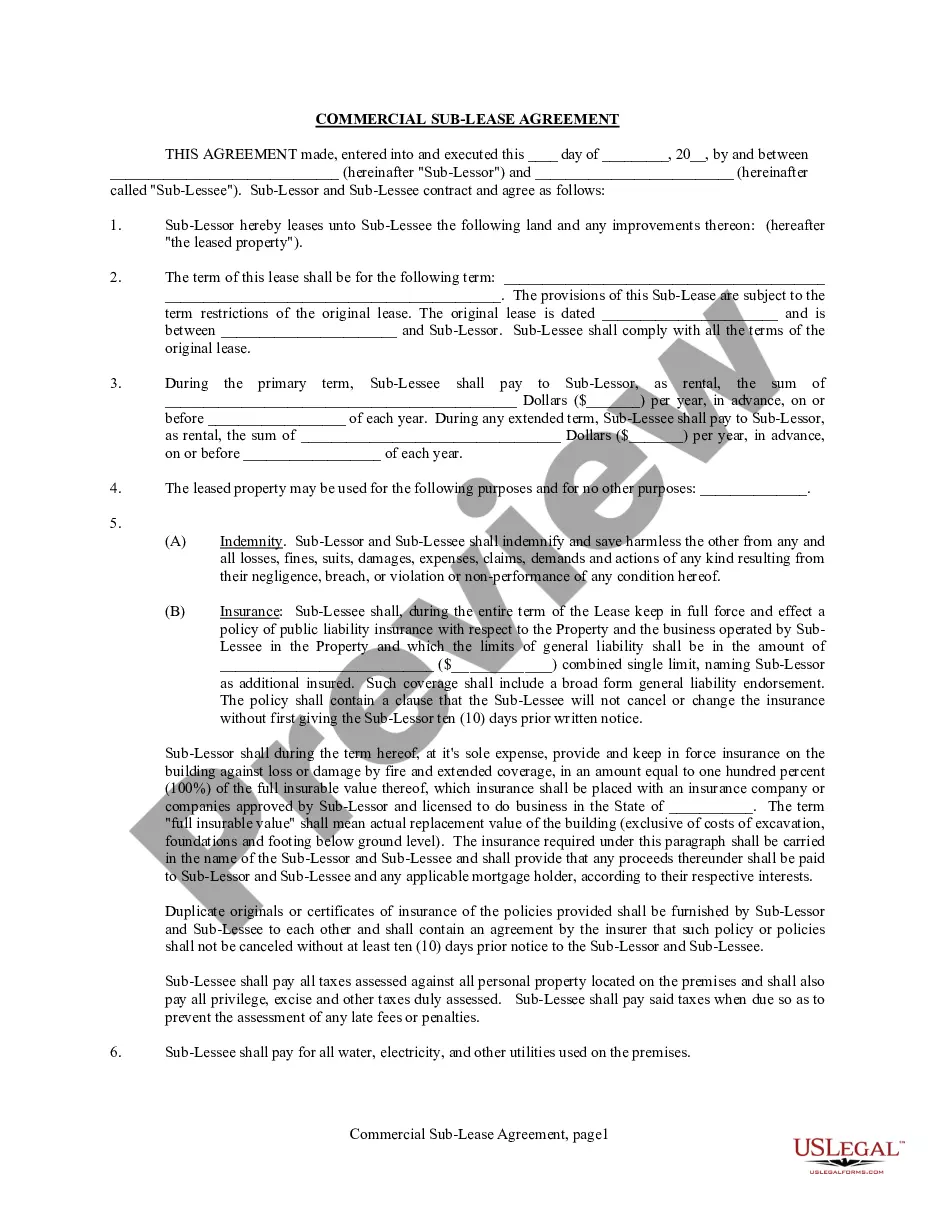
Alabama Landlord Agreement to allow Tenant Alterations to Premises
What is this form?
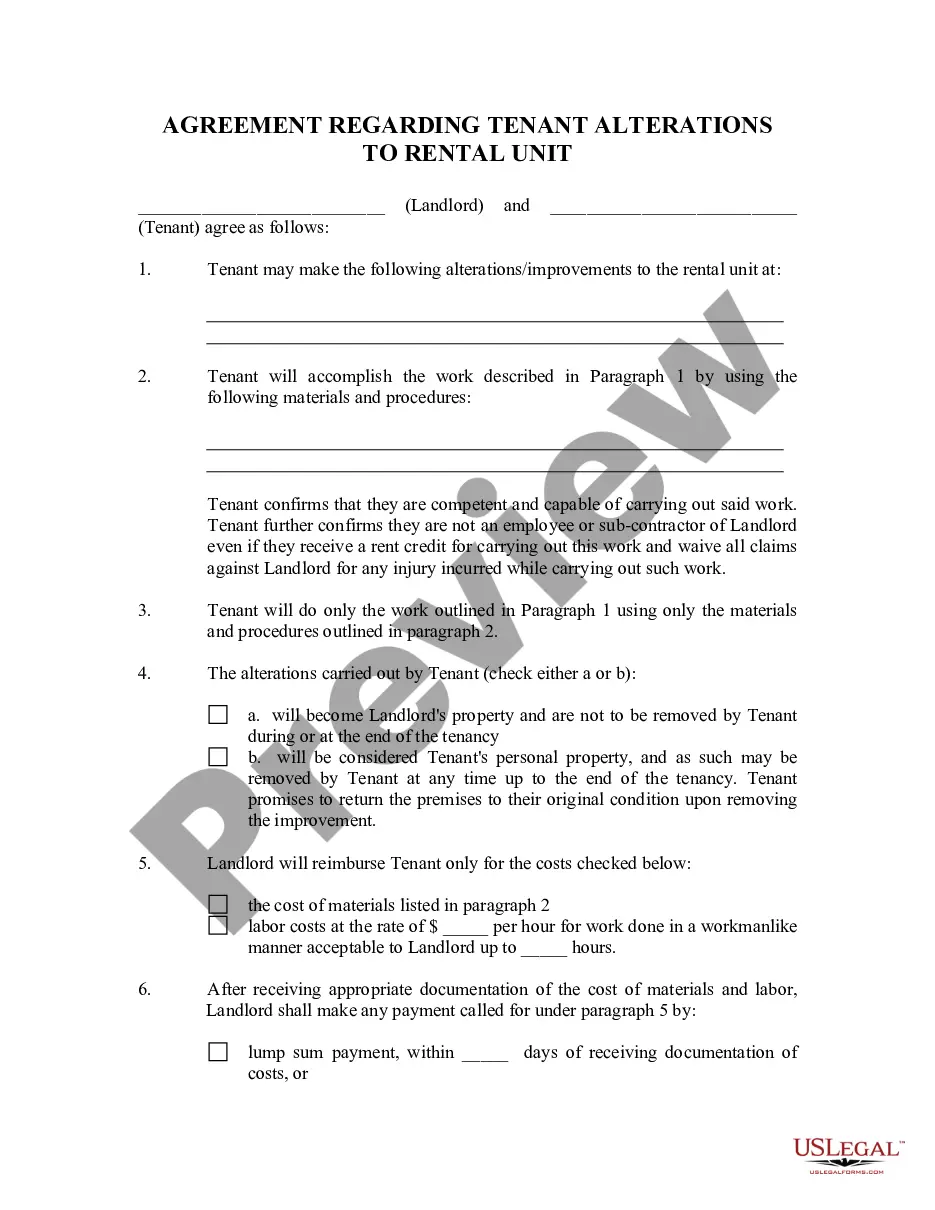
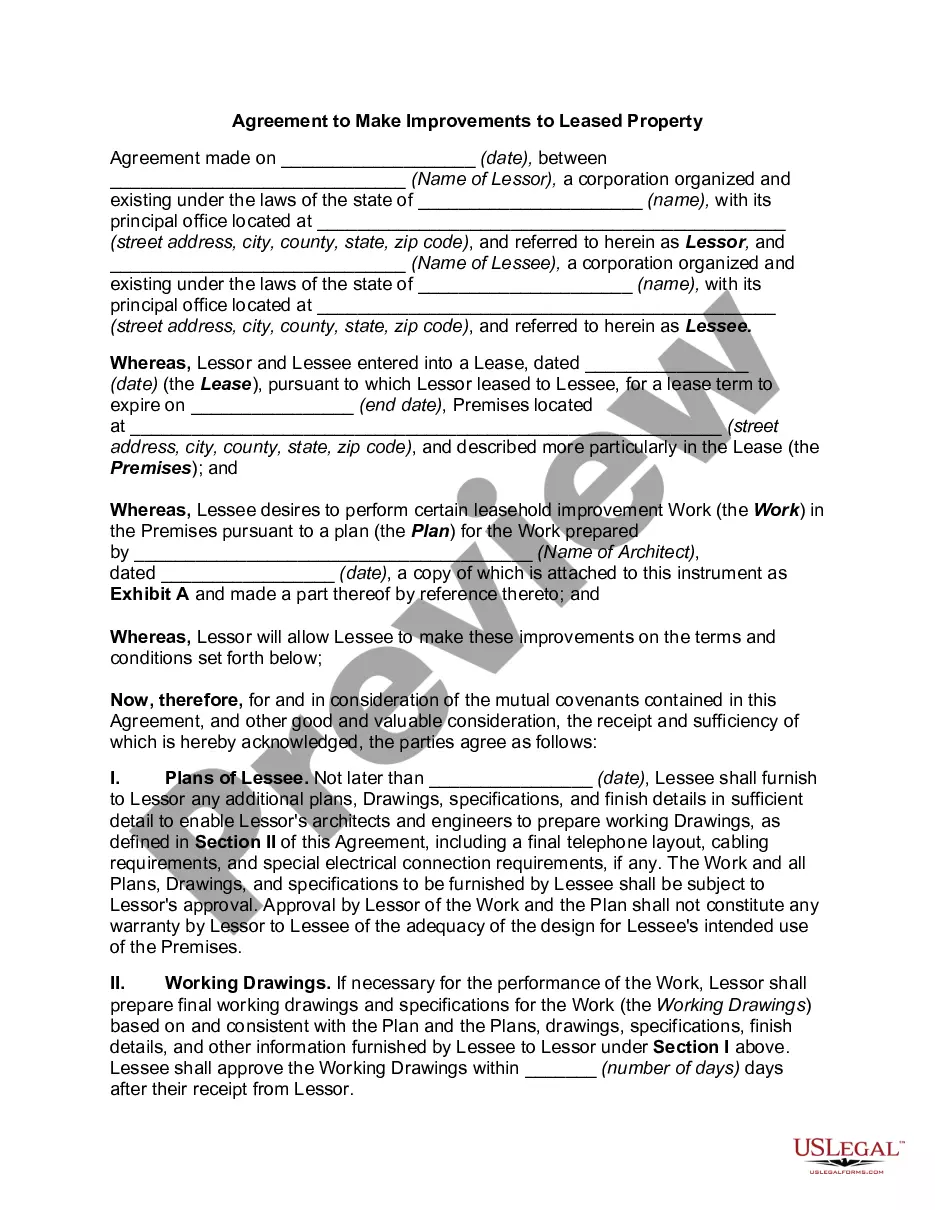
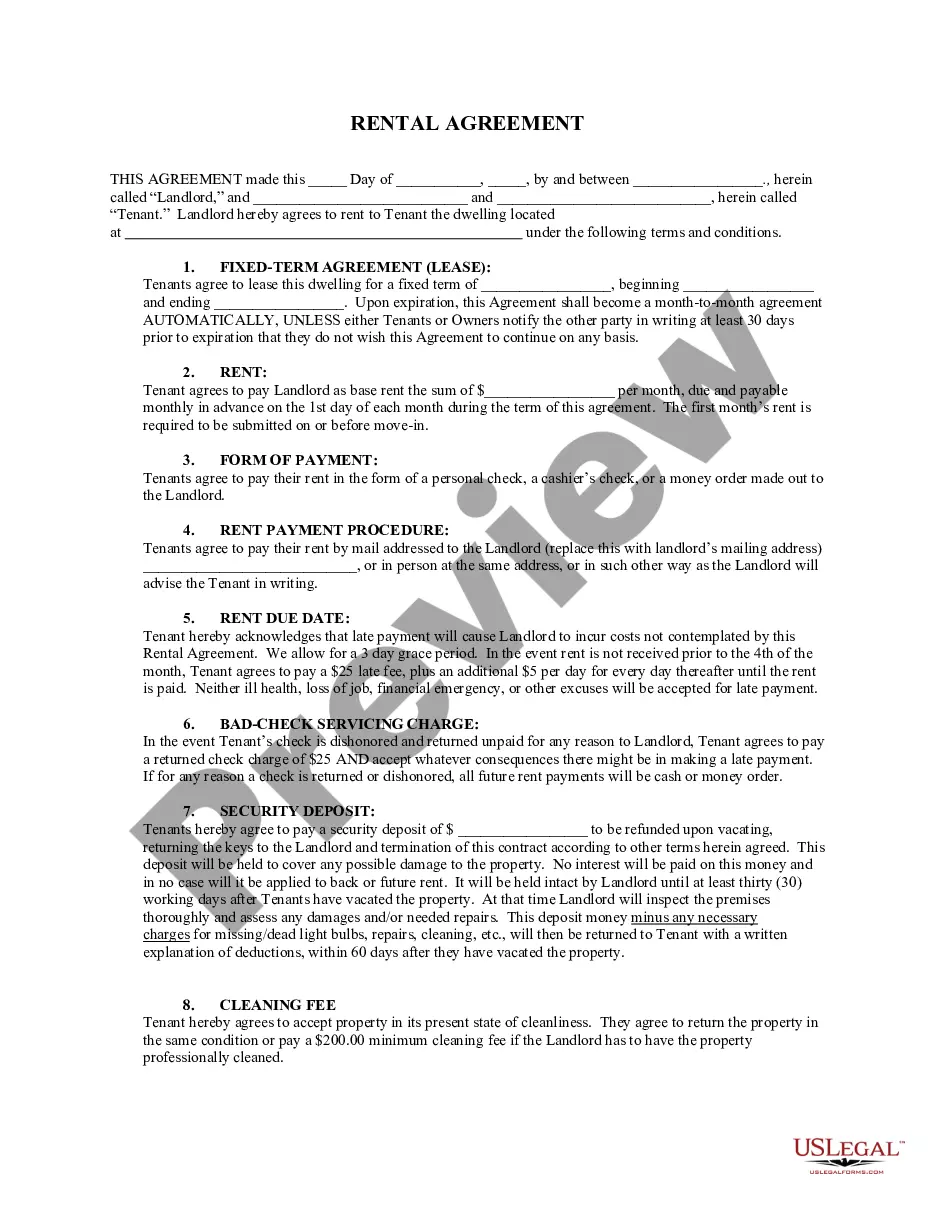
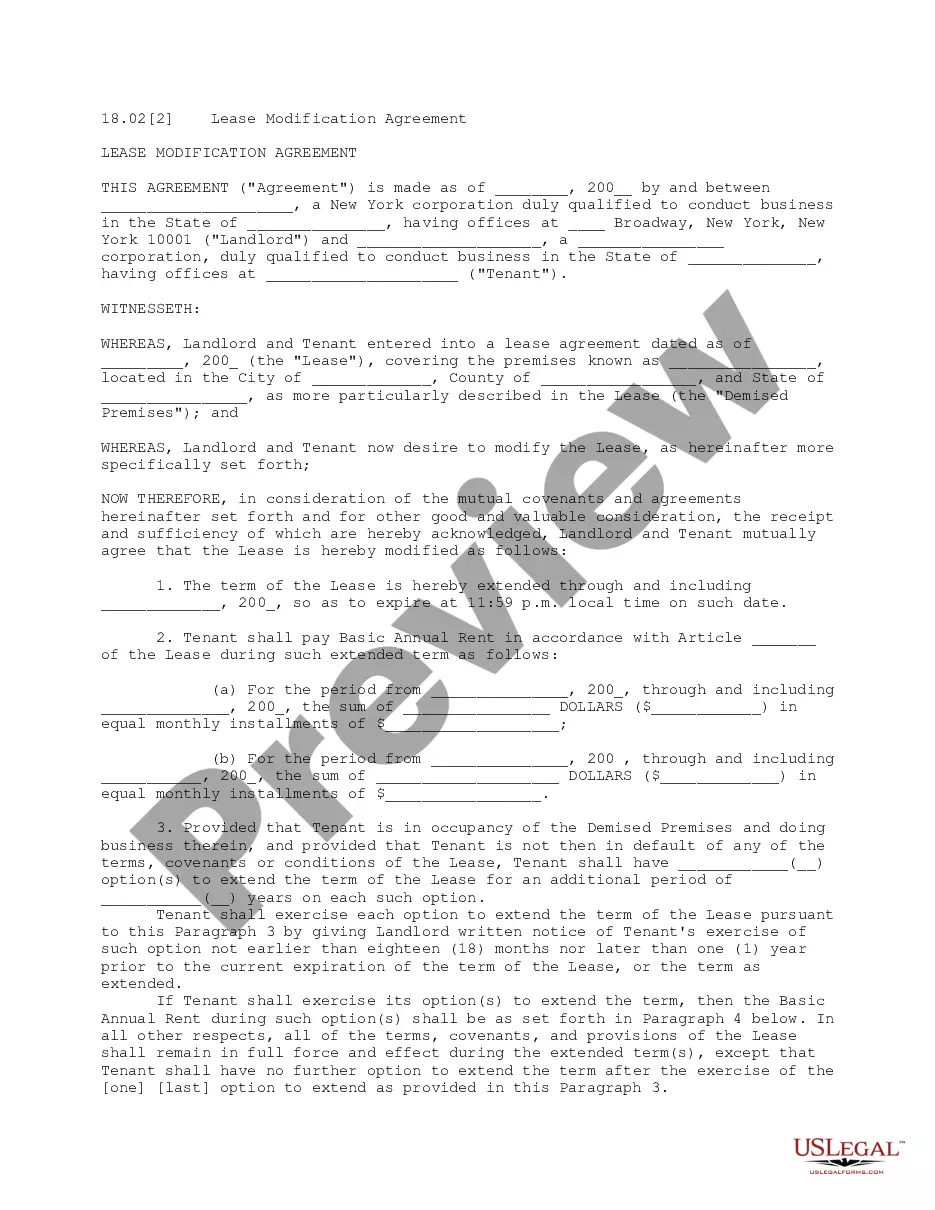
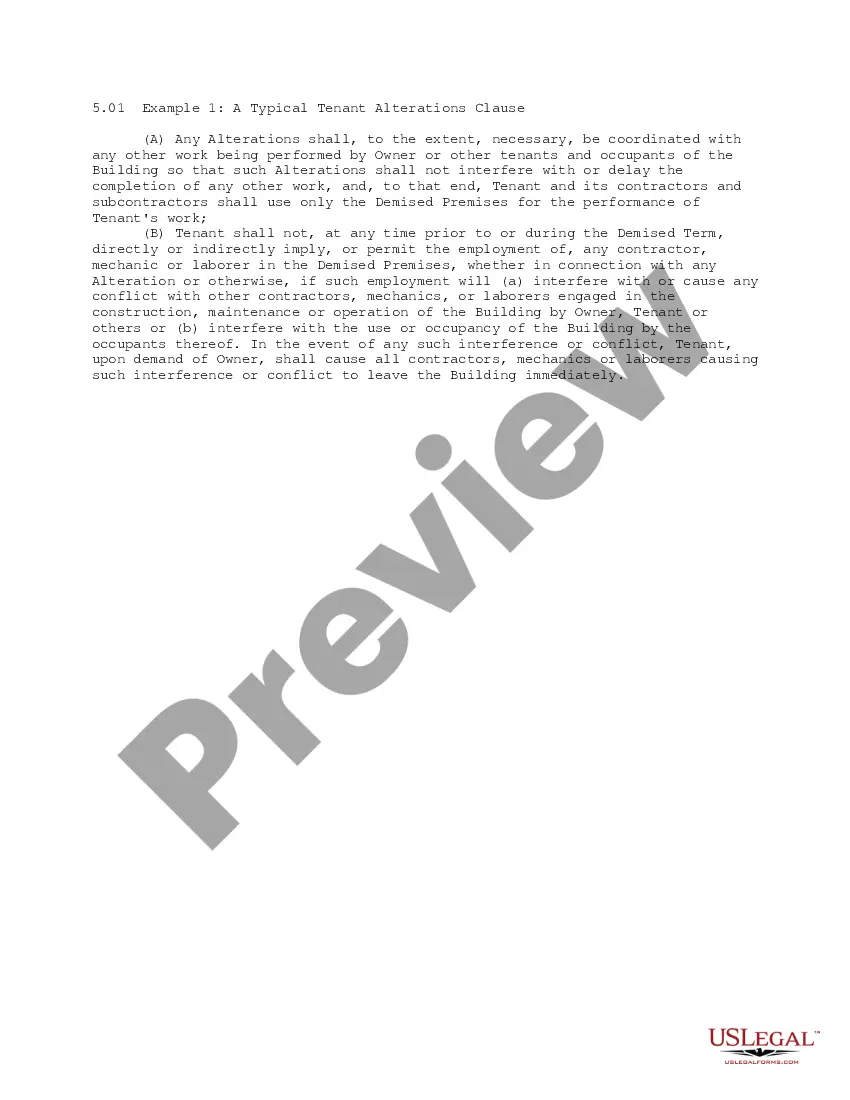
The Landlord Agreement to allow Tenant Alterations to Premises is a legal document that outlines the terms under which a tenant may make modifications to a rented property. This agreement serves to clarify responsibilities and rights between landlords and tenants, ensuring that both parties understand who will bear the costs of any alterations, how the changes will be classified (as landlord or tenant property), and the procedures for restoring the premises after changes are made. Unlike standard rental agreements, this form specifically addresses improvements and alterations, making it essential for any tenant looking to modify their living space.
Key parts of this document
- Identification of the landlord and tenant parties
- Details on the specific alterations the tenant is permitted to make
- Clarification of ownership of the alterations (landlord vs tenant)
- Financial responsibilities, including who pays for materials and labor
- Conditions for restoring the premises upon the end of tenancy
- Provisions for resolving disputes and recovery of costs through legal means

Situations where this form applies
This form should be used when a tenant wishes to make improvements or alterations to a rental unit. It is particularly useful in situations where a tenant wants to personalize their living space, such as painting walls, installing shelves, or making other significant changes. Having a written agreement can prevent disputes and misunderstandings regarding the alterations, the associated costs, and what happens to the improvements upon the tenant's departure.
Who this form is for
- Landlords seeking to formalize agreements regarding tenant alterations
- Tenants who want to make improvements to their rented premises
- Property managers overseeing rental properties with alterations by tenants
Instructions for completing this form
- Identify the parties involved by entering the landlord's and tenant's names.
- Specify the details of the alterations the tenant wishes to make.
- Outline financial agreements regarding material and labor costs.
- Determine who will own the alterations and the conditions for their removal.
- Enter the timelines for payment and restoration obligations.
- Ensure both parties sign and date the agreement to validate it.
Notarization requirements for this form
This form does not typically require notarization to be legally valid. However, some jurisdictions or document types may still require it. US Legal Forms provides secure online notarization powered by Notarize, available 24/7 for added convenience.
Get your form ready online
Our built-in tools help you complete, sign, share, and store your documents in one place.
Make edits, fill in missing information, and update formatting in US Legal Forms—just like you would in MS Word.
Download a copy, print it, send it by email, or mail it via USPS—whatever works best for your next step.
Sign and collect signatures with our SignNow integration. Send to multiple recipients, set reminders, and more. Go Premium to unlock E-Sign.
If this form requires notarization, complete it online through a secure video call—no need to meet a notary in person or wait for an appointment.
We protect your documents and personal data by following strict security and privacy standards.

Make edits, fill in missing information, and update formatting in US Legal Forms—just like you would in MS Word.

Download a copy, print it, send it by email, or mail it via USPS—whatever works best for your next step.

Sign and collect signatures with our SignNow integration. Send to multiple recipients, set reminders, and more. Go Premium to unlock E-Sign.

If this form requires notarization, complete it online through a secure video call—no need to meet a notary in person or wait for an appointment.

We protect your documents and personal data by following strict security and privacy standards.
Typical mistakes to avoid
- Failing to provide clear details about the alterations allowed
- Not specifying who pays for the alterations and how much
- Neglecting to include terms regarding the restoration of the property
- Overlooking the need for signatures from all parties
Benefits of using this form online
- Convenient access to professionally drafted legal forms
- Edit and customize the form according to specific needs
- Reliable templates created by licensed attorneys
- Time-saving for both landlords and tenants to finalize agreements
Looking for another form?

Form popularity
FAQ
This Alabama-specific form is a landlord–tenant agreement that sets the terms under which a tenant may make modifications to a rented property. It clarifies who pays for alterations, whether changes become landlord or tenant property, and the restoration steps at tenancy end to reduce disputes about alterations.
The form defines the alterations the tenant is permitted to make and distinguishes whether those changes stay as tenant property or become landlord property. Examples aligned with the form’s purpose include painting or installing shelves, with details on approvals, material and labor responsibilities, and how changes are documented.
Alterations are allowed only under the written agreement described by this form. It sets when and how modifications may take place, typically requiring landlord approval, a defined scope of work, and adherence to restoration terms at the end of tenancy.
The form addresses who owns the improvements (landlord vs tenant), who pays for materials and labor, and restoration requirements upon tenancy end. It also provides provisions for resolving disputes and recovering costs through legal means if needed.
The form does not authorize actions beyond the agreement; it sets boundaries on alterations, ownership, and restoration. For other landlord conduct, consult applicable state law, but this document specifically governs permitted alterations and related costs and restoration.
This form uniquely ties permission to alter to a formal written contract that specifies who owns the alterations, who pays for materials and labor, and restoration obligations at tenancy end, whereas a generic approval may not allocate ownership or define end-of-tenancy restoration. It’s designed to reduce disputes in Alabama.