Alabama Suggestion of Death
What this document covers
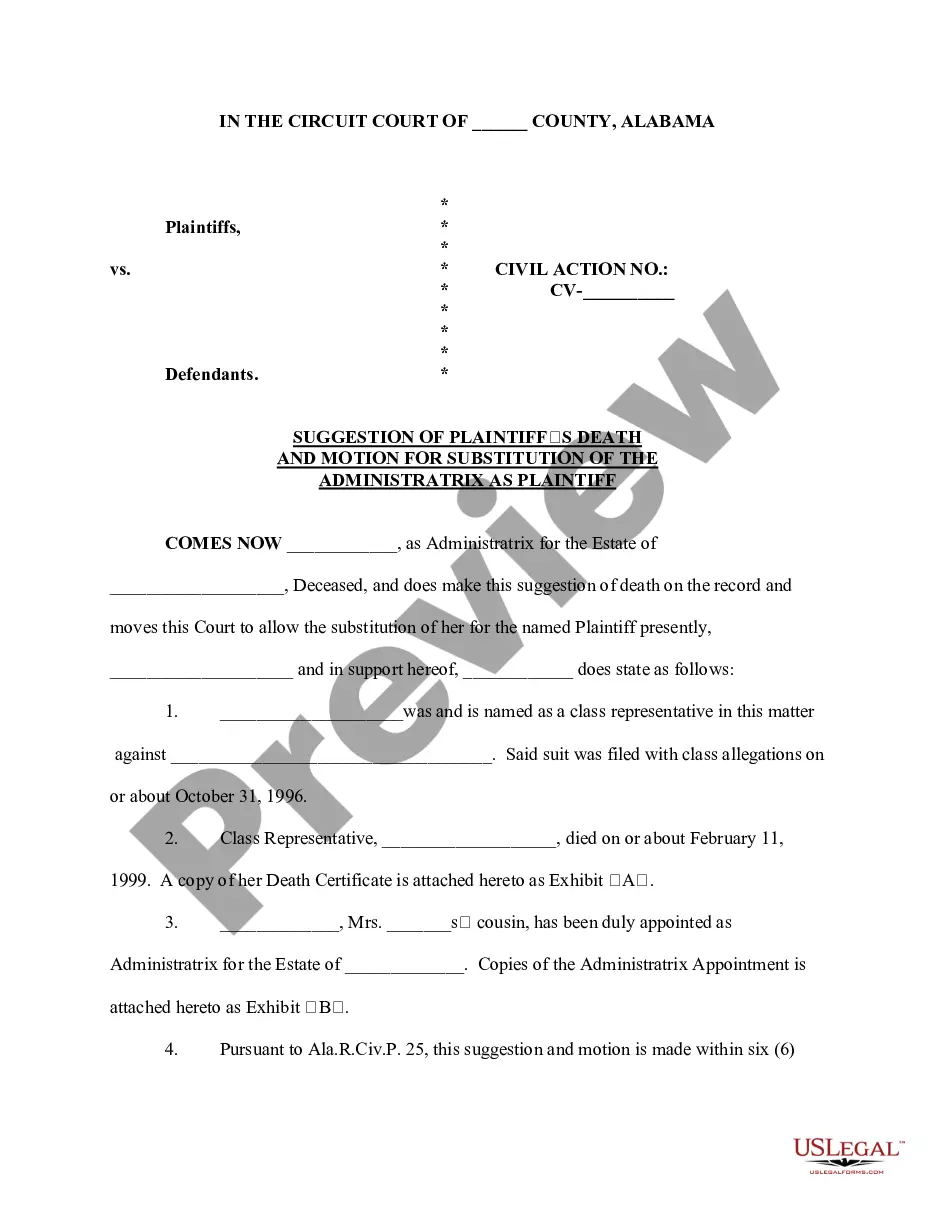
The Suggestion of Death is a legal document used in civil litigation when a party involved in a case has passed away. This form allows for the substitution of the deceased's estate representative as the plaintiff in ongoing legal actions. It is an essential element in ensuring that lawsuits can continue seamlessly after the death of a party, highlighting the difference between this form and other legal notices related to estate management.
Key components of this form
- Identification of the deceased party and the case details.
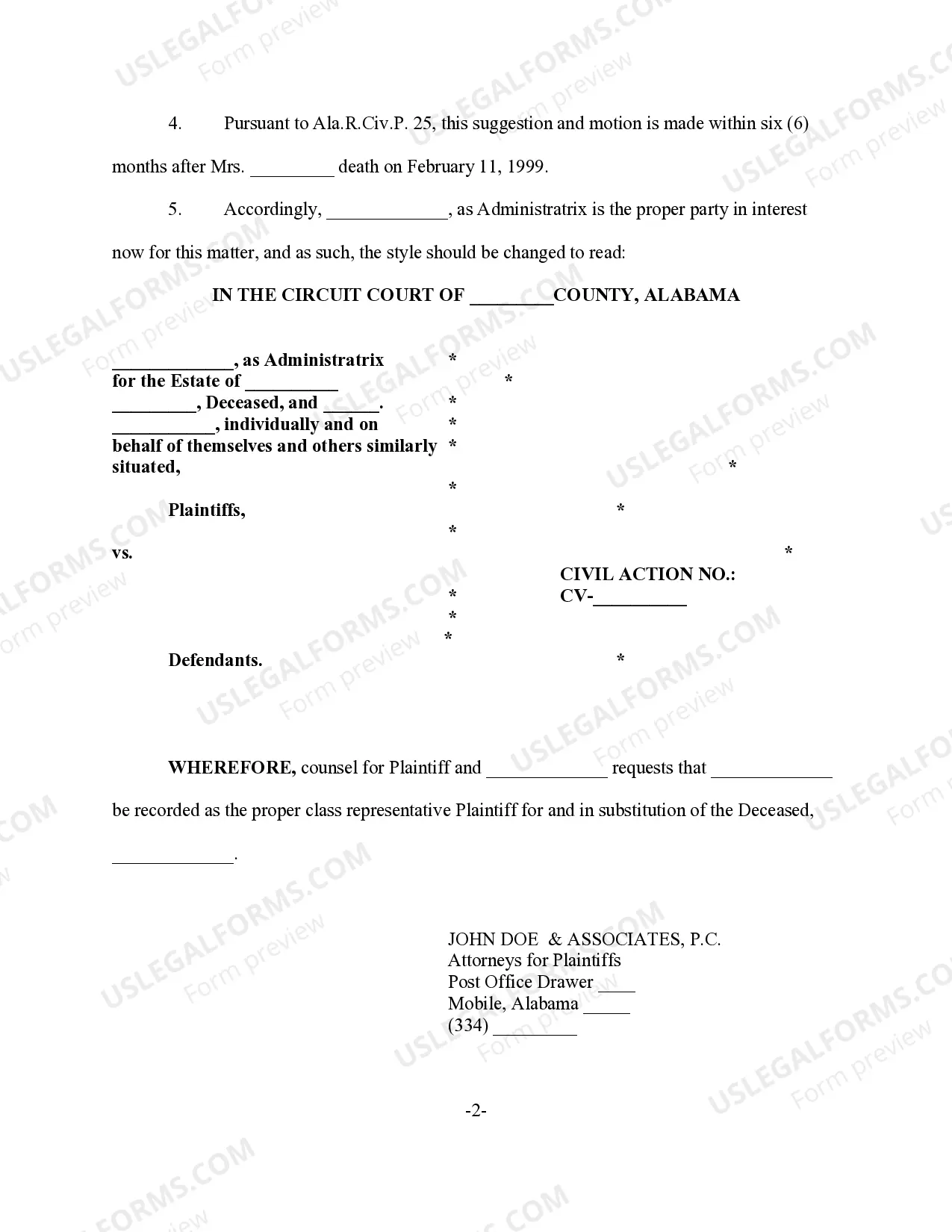
- Request for substitution of the administratrix as the new plaintiff.
- Inclusion of supporting documents, such as the death certificate and the appointment of the administratrix.
- Reference to the relevant court rules governing substitution.
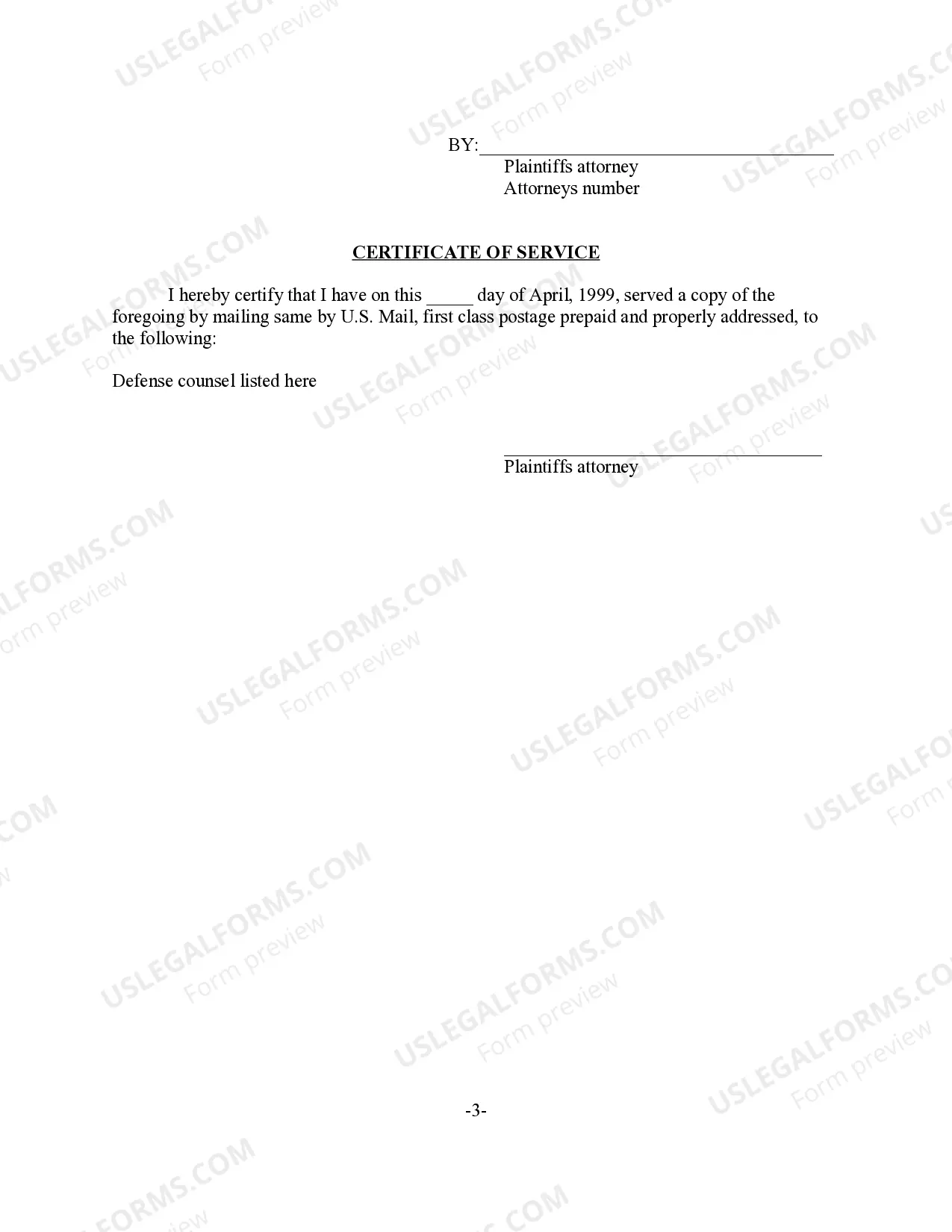
- Signature of the attorney representing the new plaintiff and certification of service.

When to use this document
This form should be used when a plaintiff in an ongoing civil action passes away, and their case must continue under the representative of their estate. It is commonly utilized in situations like class action lawsuits or any civil litigation that requires the formal acknowledgment of a party's death and the appointment of a new party to pursue the case on their behalf.
Who this form is for
- Administrators or executors of an estate who need to substitute themselves in an ongoing legal action.
- Attorneys representing the estate of a deceased party in civil litigation.
- Parties involved in class action lawsuits seeking to replace a deceased class representative.
Instructions for completing this form
- Identify the deceased party and provide their details, including the full name and case number.
- Attach a certified copy of the death certificate as evidence of the party's death.
- Complete the section detailing the appointment of the administratrix for the deceased's estate.
- State the request for substitution clearly, indicating the new party's name and role in the case.
- Sign the form and ensure it is properly filed with the court, along with any required accompanying documents.
Does this document require notarization?
This form does not typically require notarization unless specified by local law. Always check with the court or a legal professional to verify if any specific requirements apply in your jurisdiction.
Get your form ready online
Our built-in tools help you complete, sign, share, and store your documents in one place.
Make edits, fill in missing information, and update formatting in US Legal Forms—just like you would in MS Word.
Download a copy, print it, send it by email, or mail it via USPS—whatever works best for your next step.
Sign and collect signatures with our SignNow integration. Send to multiple recipients, set reminders, and more. Go Premium to unlock E-Sign.
If this form requires notarization, complete it online through a secure video call—no need to meet a notary in person or wait for an appointment.
We protect your documents and personal data by following strict security and privacy standards.

Make edits, fill in missing information, and update formatting in US Legal Forms—just like you would in MS Word.

Download a copy, print it, send it by email, or mail it via USPS—whatever works best for your next step.

Sign and collect signatures with our SignNow integration. Send to multiple recipients, set reminders, and more. Go Premium to unlock E-Sign.

If this form requires notarization, complete it online through a secure video call—no need to meet a notary in person or wait for an appointment.

We protect your documents and personal data by following strict security and privacy standards.
Common mistakes
- Failing to include a certified copy of the death certificate.
- Not providing the correct case number or details in the form.
- Missing signatures or certifications from the attorney.
- Submitting the form after the time limit set by the court rules.
Benefits of completing this form online
- Convenience of downloading and completing the form at your own pace.
- Access to templates drafted by licensed attorneys to ensure legal accuracy.
- Ability to easily edit and customize the form for specific circumstances.
Looking for another form?
Form popularity
FAQ
The Alabama Suggestion of Death form is used in civil litigation when a plaintiff dies. It allows the deceased party’s estate representative, usually the administratrix, to be substituted as the new plaintiff, so a case can continue. The form identifies the deceased and case details, requests substitution, and attaches required documents like the death certificate and appointment.
Alabama Rule of Civil Procedure 25(a)(1) governs substitution of parties when a party dies in a civil action. It permits the deceased party’s estate representative—such as an administratrix or executor—to be substituted as the plaintiff, allowing the case to proceed in the name of the estate. The form cites this rule to authorize substitution.
After filing, the court recognizes the death and allows substitution of the estate’s representative as the new plaintiff. The case continues under the substituted party, with supporting documents like the death certificate and appointment attached, and service of the filing must be confirmed. The form references the governing substitution rules.
A Suggestion of Death pleading is a document filed to notify the court and other parties that the plaintiff has died and to request substitution of the administratrix as the new plaintiff. It includes the deceased’s identity and case details, a substitution request, references to governing rules, and the attorney’s signature with service certification.
The term ‘suggestion’ describes a procedural notice to the court of a party’s death and the need to substitute the estate’s representative as the plaintiff. In Alabama, this form uses that term to initiate substitution and allow the civil action to continue under the estate rather than ending with the death.
It is a targeted filing to continue a civil action after a plaintiff’s death by substituting the estate’s administratrix as the new plaintiff. It requires specific components: identification of the deceased and case details, a substitution request for the administratrix, death certificate and appointment documents, reference to substitution rules, and the attorney’s signature with service certification.