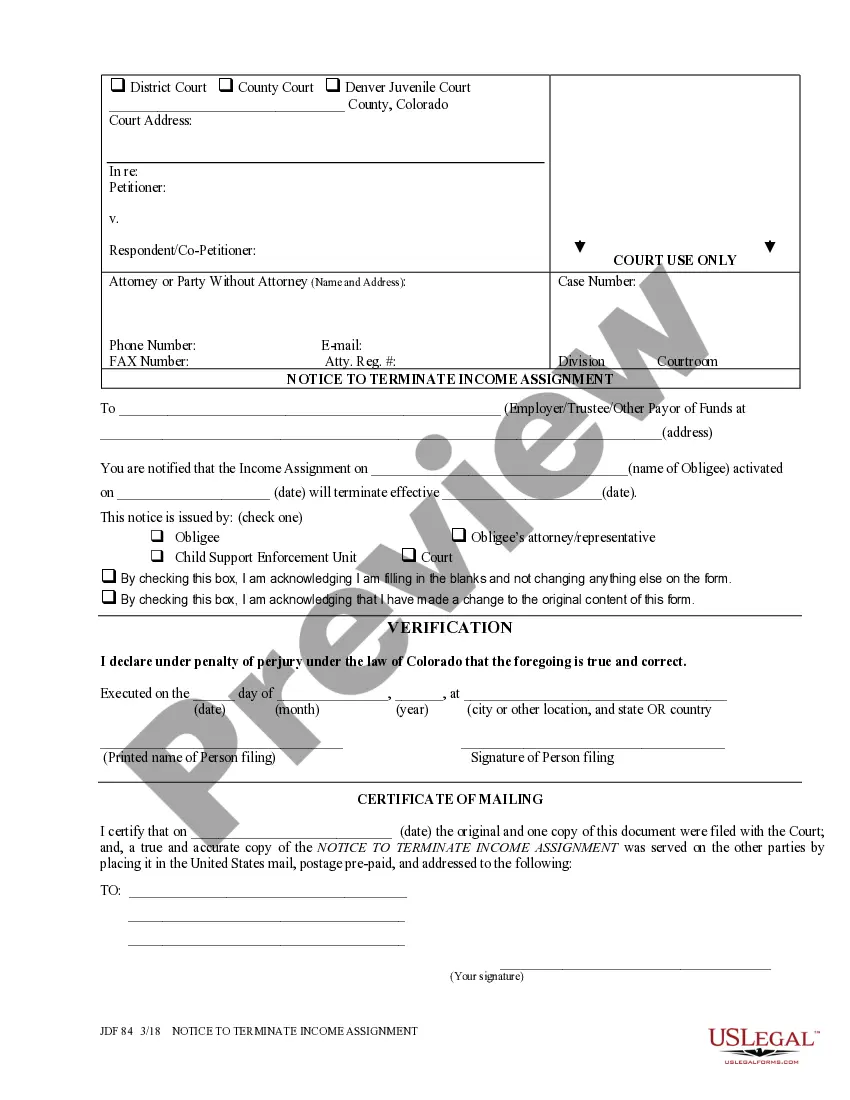
Alabama Order Probating Will
About this form
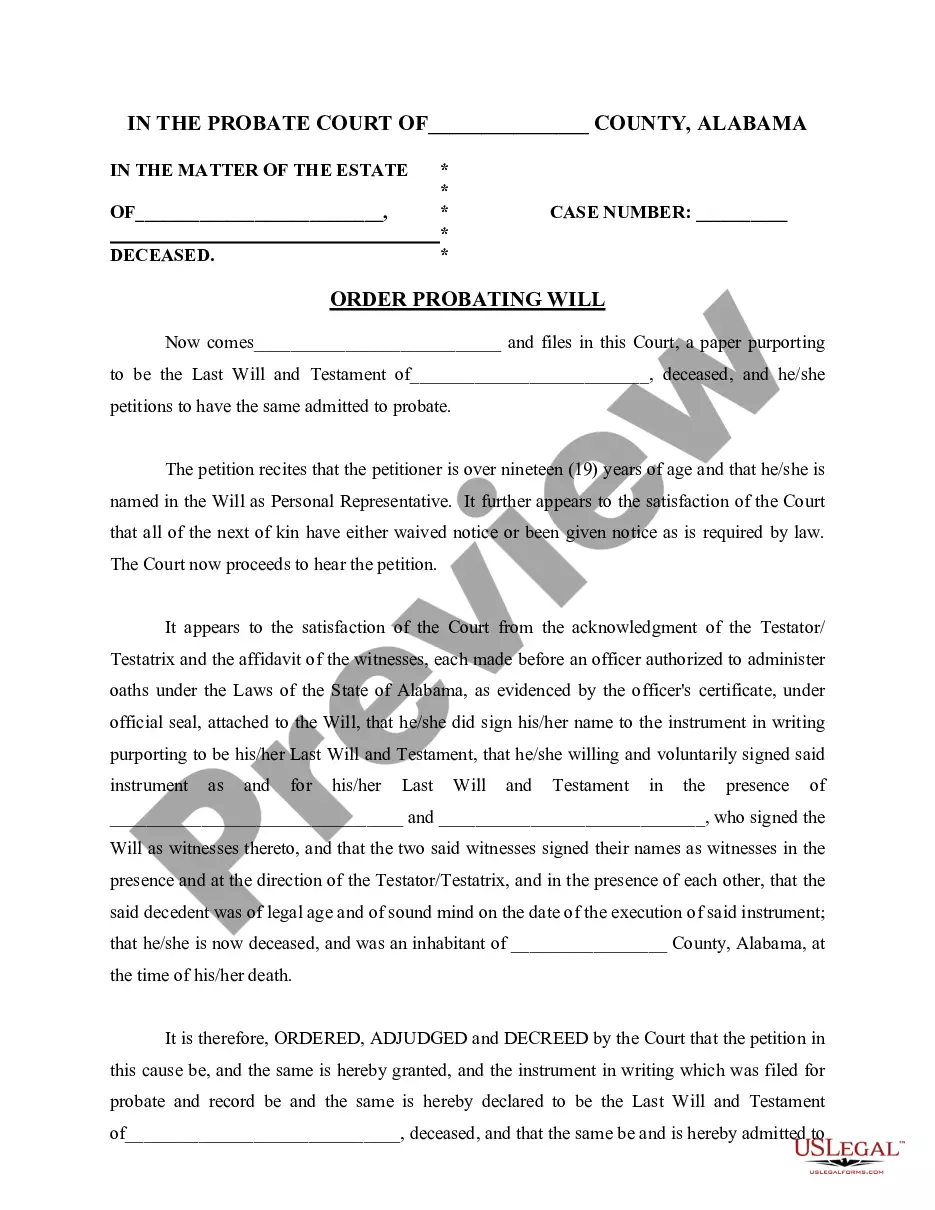
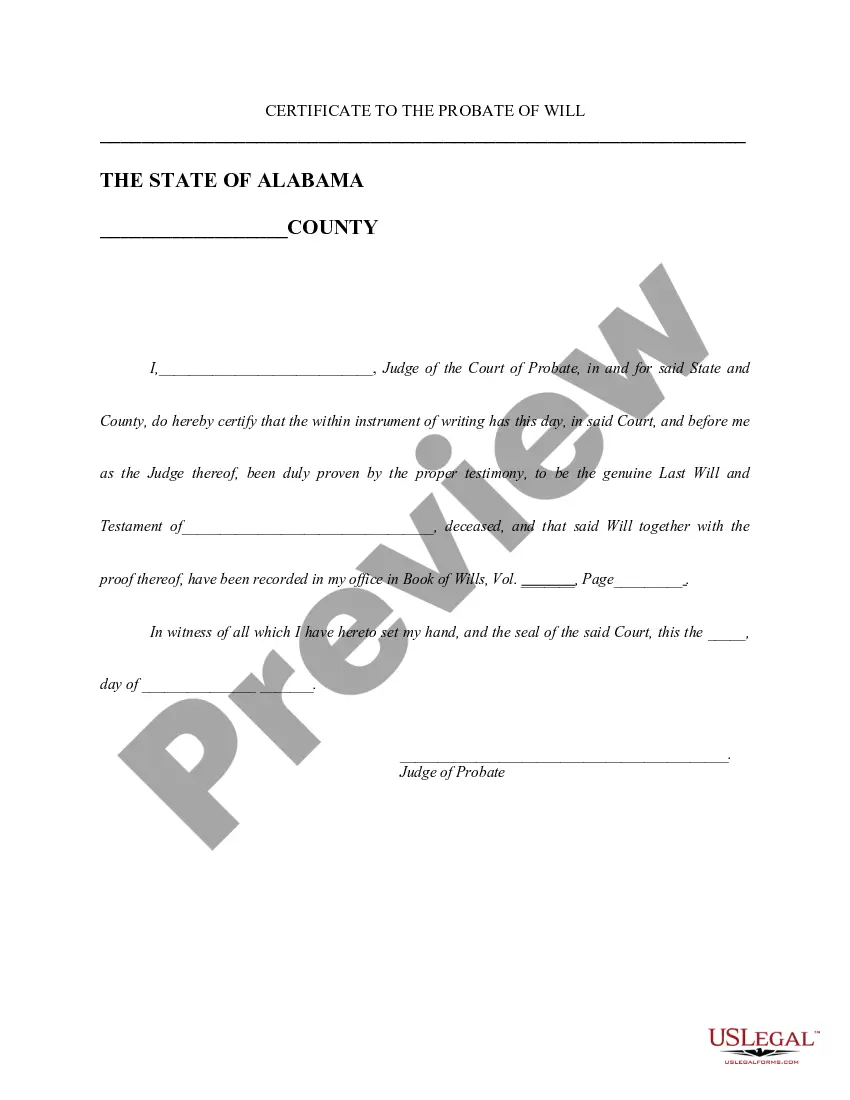
The Order Probating Will is a legal document that declares a written instrument as the Last Will and Testament of a deceased individual. This form is essential for initiating the probate process, allowing the will to be recognized officially by the court. Unlike other estate planning forms, this order focuses specifically on validating the will and appointing a personal representative to manage the deceased's estate according to the terms outlined in the will.
Key components of this form
- Identification of the deceased and the estate.
- Acknowledgment of the petitioner as the personal representative.
- Verification that all next of kin have been notified or have waived notice.
- Confirmation of the willâs execution, including witness testimony.
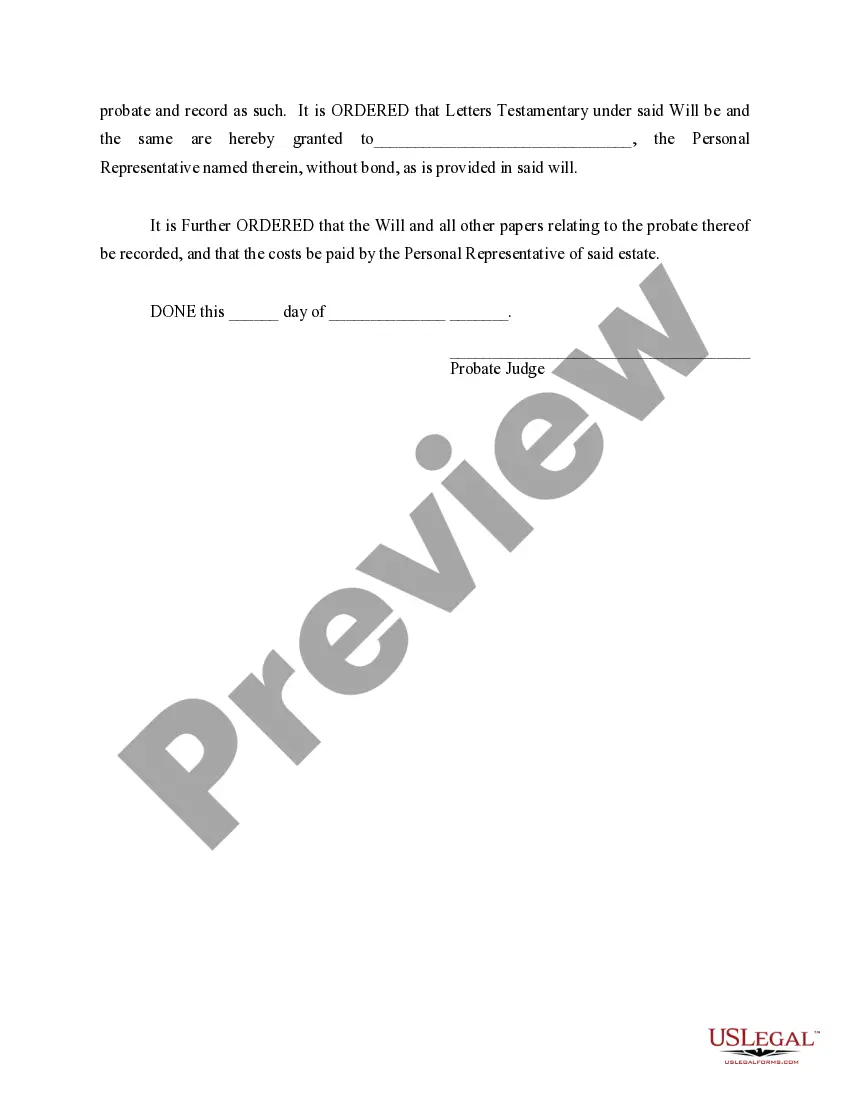
- Order for the will to be admitted to probate and letters testamentary issued.

When this form is needed
This form should be used when an individual wants to probate a will after the death of the testator. It is necessary in situations where the will needs to be confirmed as valid by the probate court, typically after the decedent's passing, and must be filed by someone named as the personal representative or executor in the will.
Who needs this form
- Individuals named as personal representatives or executors in the will.
- Heirs or beneficiaries of the estate who wish to initiate probate.
- Legal representatives assisting families in managing the deceasedâs estate.
Steps to complete this form
- Fill in the name of the deceased and the county of residence at the time of death.
- Identify the petitioner who is filing the will for probate.
- Ensure all next of kin have either been notified or waived their right to notice.
- Provide details about the will, including witness names and their acknowledgments.
- Sign and date the form as indicated, ensuring proper notarization if required.
Notarization requirements for this form
This form does not typically require notarization unless specified by local law. It is advisable to check state-specific requirements or consult with a legal expert to ensure compliance.
Get your form ready online
Our built-in tools help you complete, sign, share, and store your documents in one place.
Make edits, fill in missing information, and update formatting in US Legal Forms—just like you would in MS Word.
Download a copy, print it, send it by email, or mail it via USPS—whatever works best for your next step.
Sign and collect signatures with our SignNow integration. Send to multiple recipients, set reminders, and more. Go Premium to unlock E-Sign.
If this form requires notarization, complete it online through a secure video call—no need to meet a notary in person or wait for an appointment.
We protect your documents and personal data by following strict security and privacy standards.

Make edits, fill in missing information, and update formatting in US Legal Forms—just like you would in MS Word.

Download a copy, print it, send it by email, or mail it via USPS—whatever works best for your next step.

Sign and collect signatures with our SignNow integration. Send to multiple recipients, set reminders, and more. Go Premium to unlock E-Sign.

If this form requires notarization, complete it online through a secure video call—no need to meet a notary in person or wait for an appointment.

We protect your documents and personal data by following strict security and privacy standards.
Common mistakes
- Failing to notify all next of kin, which could delay the process.
- Incorrectly filling out details about witnesses or the testator.
- Neglecting to sign and date the form appropriately before submission.
Advantages of online completion
- Convenient access to legal forms that can be downloaded instantly.
- Editability to fill in personal information directly on your device.
- Reliability, ensuring that the form is drafted to meet state-specific legal standards.
Legal use & context
- This form is legally binding once filed and should only be used for valid last wills.
- Failure to properly execute this document can lead to challenges in probate proceedings.
- Consultation with a legal professional can provide guidance on its appropriate use.
Main things to remember
- The Order Probating Will formalizes the recognition of a will by the court.
- Utilization of this form is crucial for the effective administration of an estate.
- Understanding local requirements is essential for successful probate filing.
Looking for another form?
Form popularity
FAQ
In Alabama, you can make a living trust to avoid probate for virtually any asset you ownreal estate, bank accounts, vehicles, and so on. You need to create a trust document (it's similar to a will), naming someone to take over as trustee after your death (called a successor trustee).
Any person in possession of the Will must, by Alabama law, deliver the Will to the Probate Court or to a person who is able to have the Will probated. A person in possession of the Will can be required to produce it.
Probate of a Will is the administration of an estate to insure that all of the property is disposed of properly. It is the Probate Judge's responsibility to make sure that all of the laws in Alabama regarding the distribution of estates are followed.
There is no need for probate or letters of administration unless there are other assets that are not jointly owned.Probate or letters of administration will be needed so the personal representative can pass it whoever will inherit the share of the property, according to the will or the rules of intestacy.
Filing fees and court costs for probating a will differ based on where the case must be filed. For example, the filing fee to probate a will is about $57.00 in Jefferson County and $47.00 in Madison County, Alabama.
If Probate is needed but you don't apply for it, the beneficiaries won't be able to receive their inheritance. Instead the deceased person's assets will be frozen and held in a state of limbo. No one will have the legal authority to access, sell or transfer them.
Does a Will Have to Be Probated in Alabama? Yes, a will must be probated in Alabama. The will is filed with the court to ensure that the correct procedures are followed according to the wishes of the deceased.
A. By law, the probate of an estate in Alabama will take at least six months. This period gives creditors and others with a claim on the estate time to receive notice that the estate is being probated and to submit a claim.
Determine the Type of Alabama Probate Proceeding to Open. Determine the Appropriate Alabama Probate Court (Jurisdiction) File a Petition with the Alabama Probate Court. Provide Notice to Spouse/Next of Kin. Obtain and Submit a Personal Representative's Bond. The Lawyer Attends a Hearing with the Alabama Probate Court.