Mississippi Judgment Closing Estate
Overview of this form
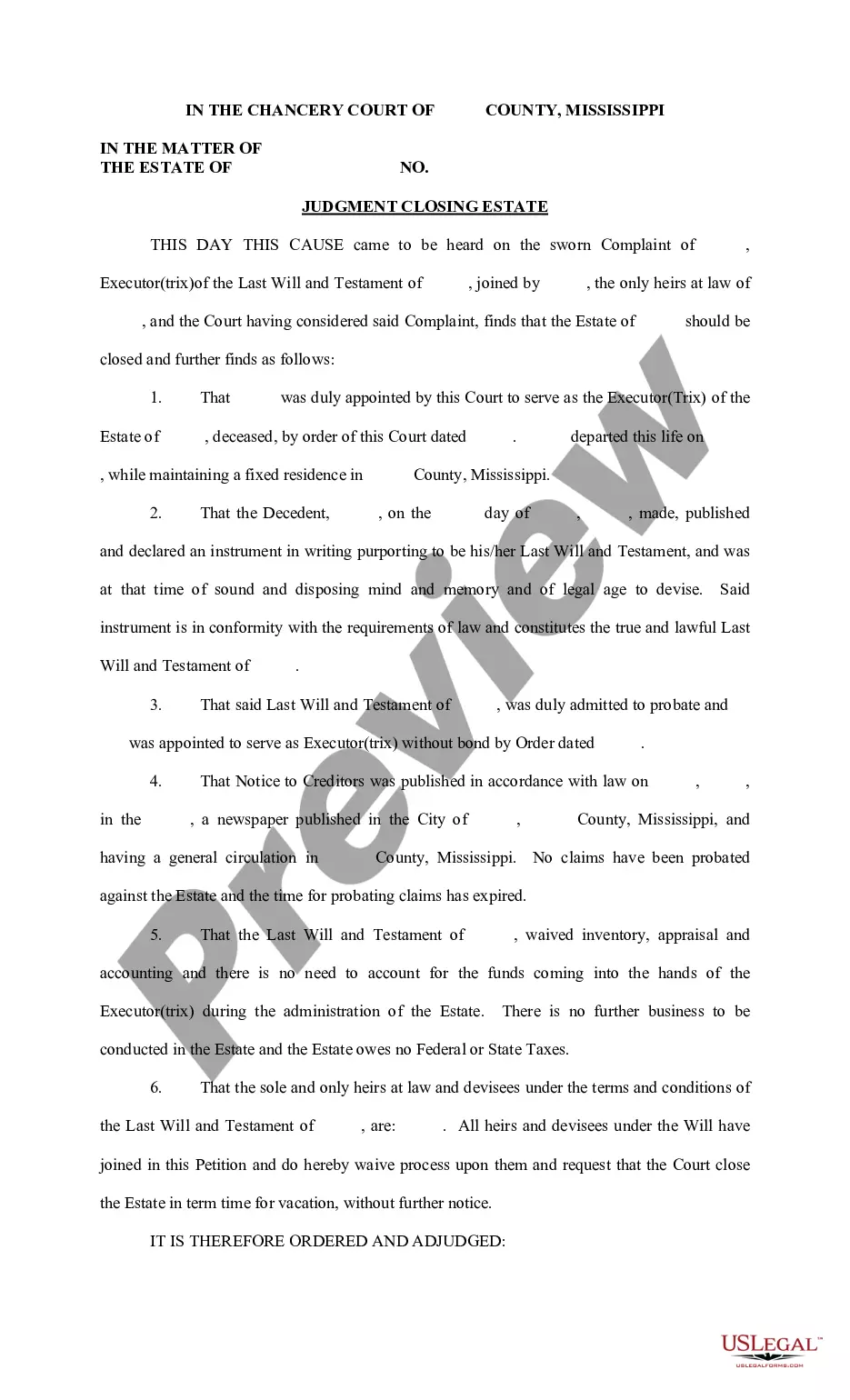
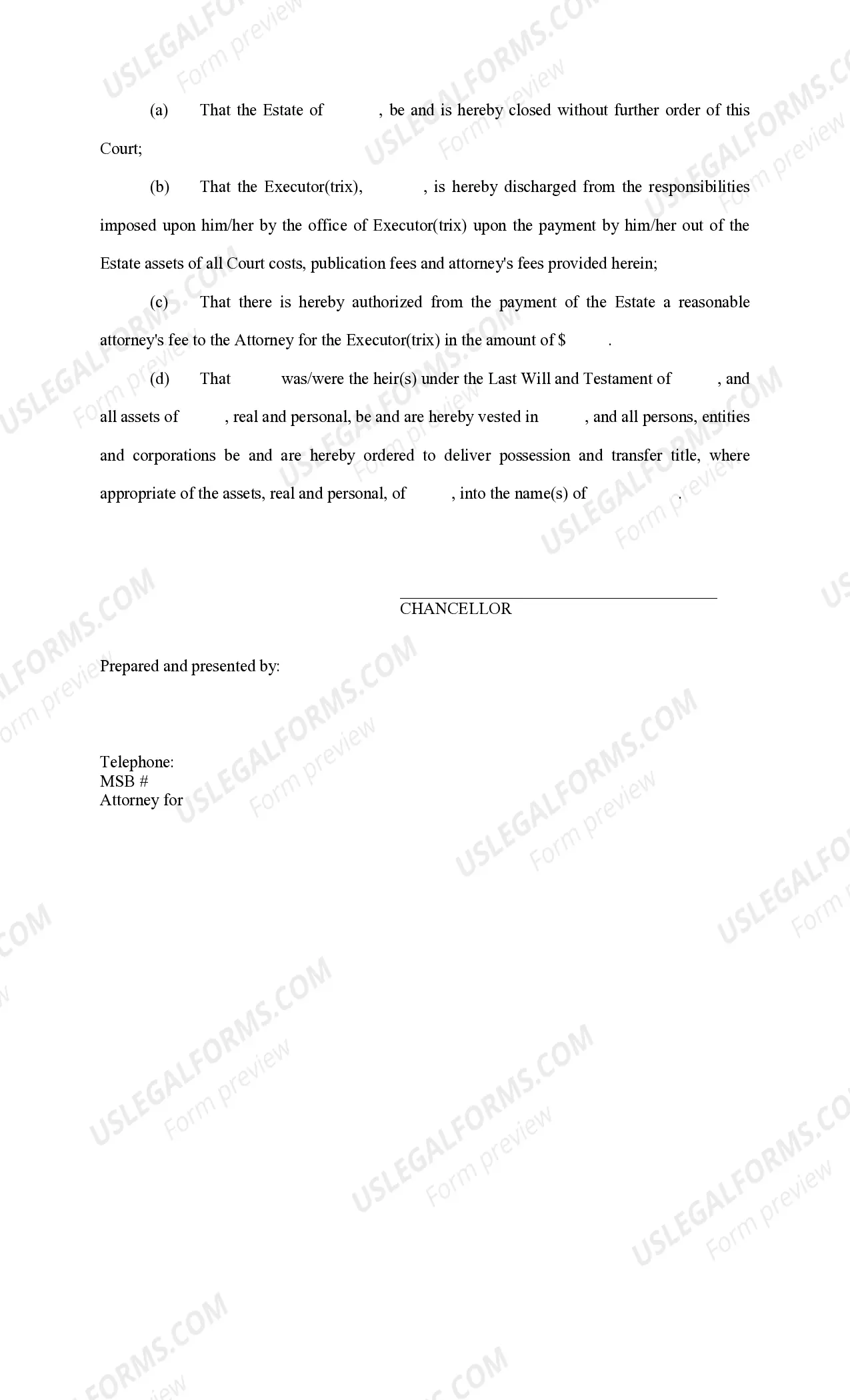
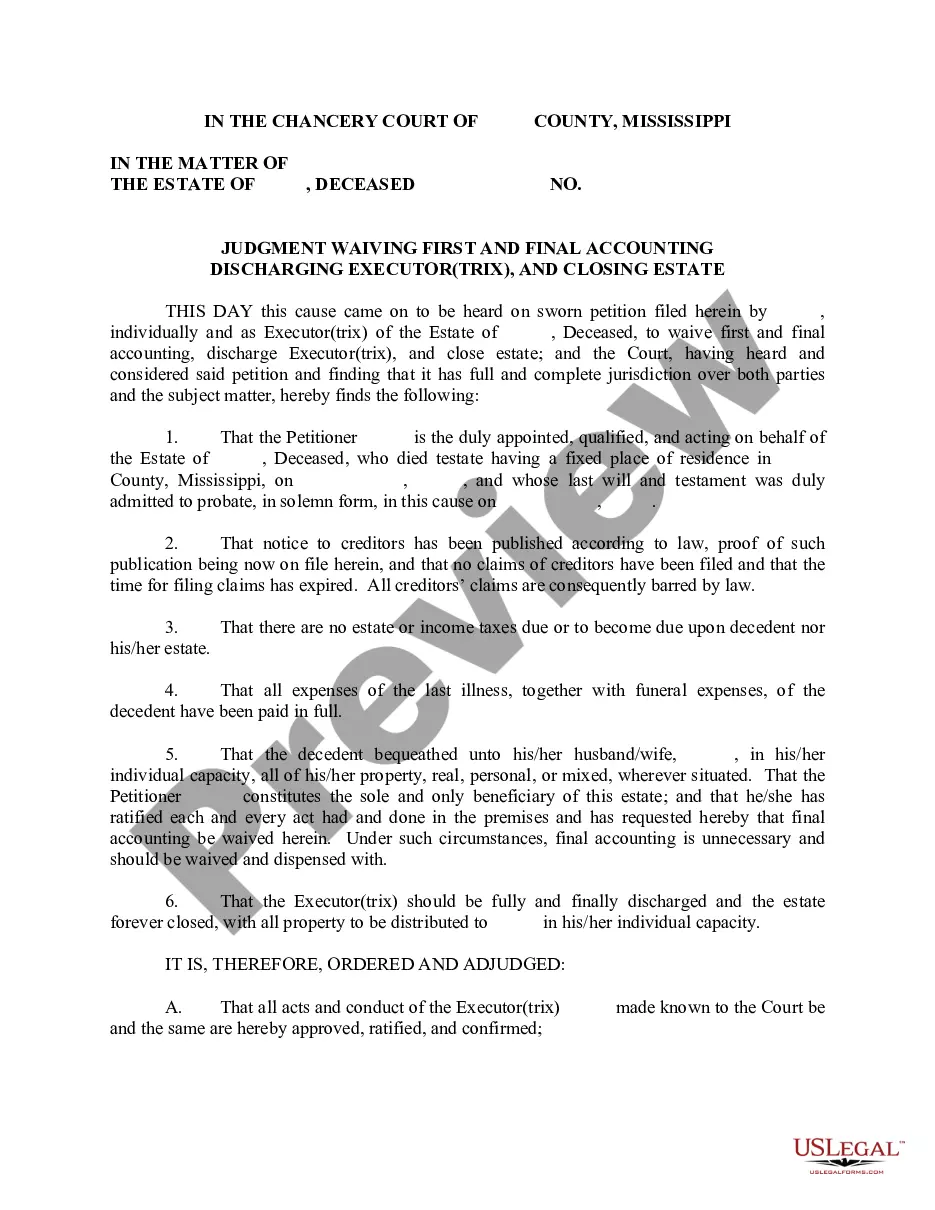
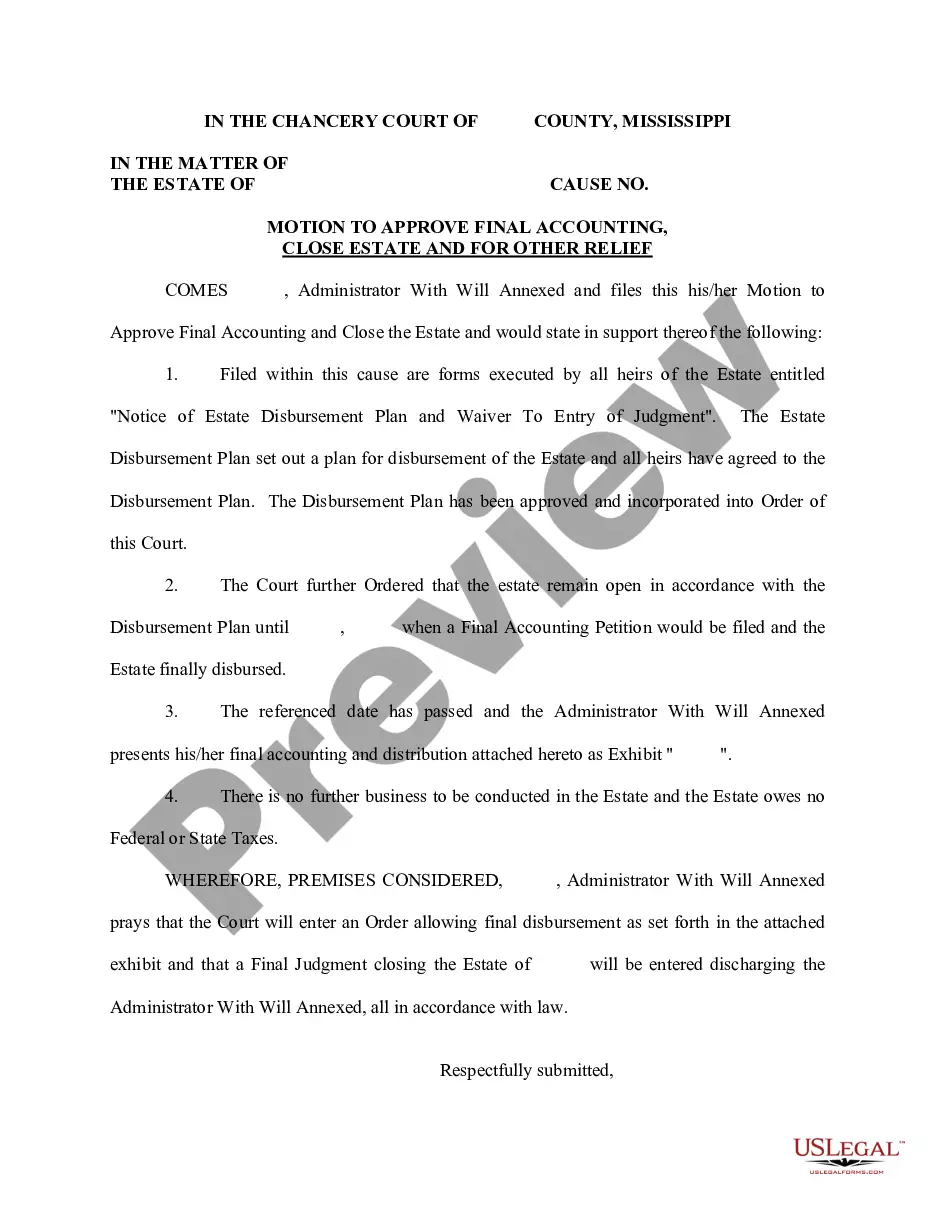
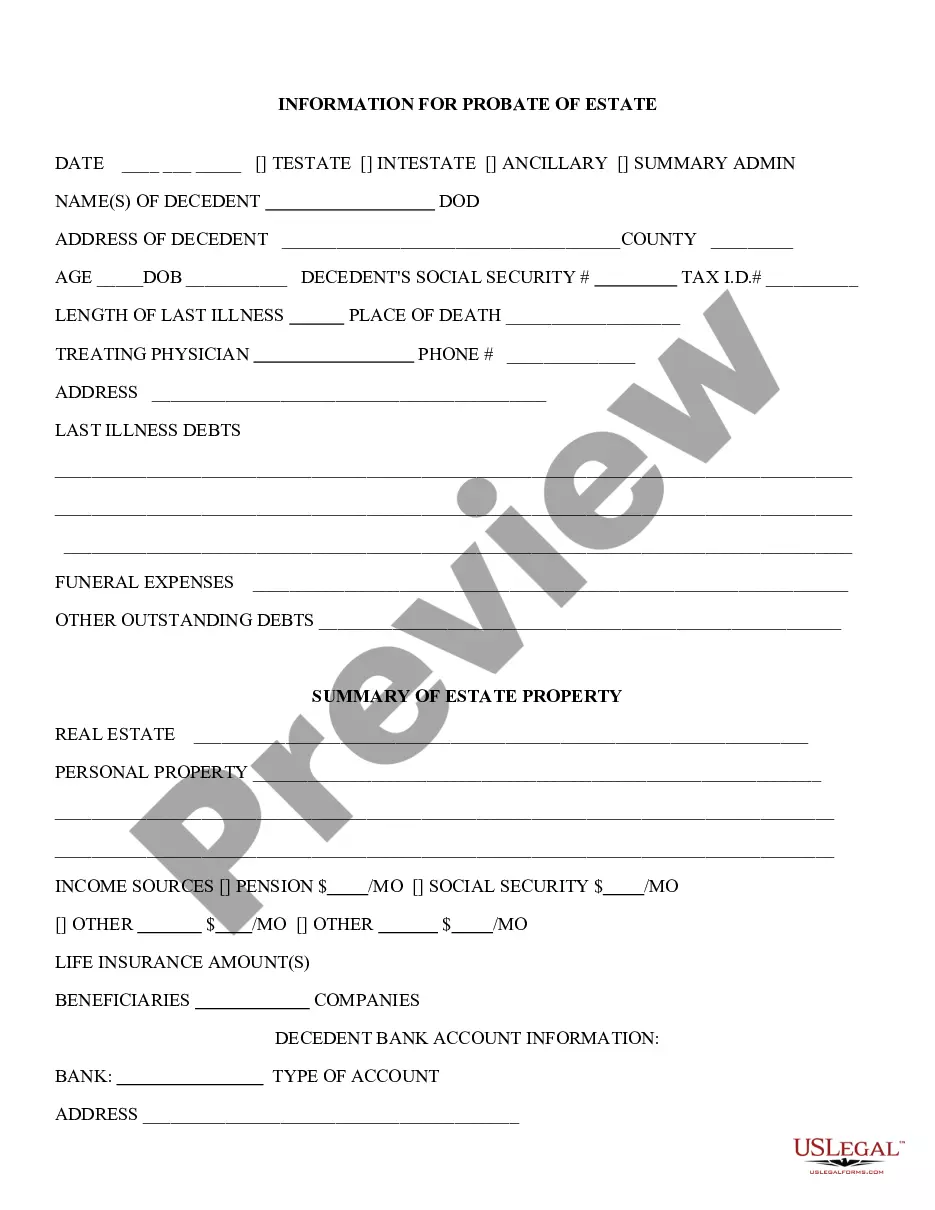
The Judgment Closing Estate form is a legal document used to conclude the probate process after the court has issued a judgment regarding an estate. This form differs from other probate forms as it specifically serves to formalize the judge's decision and effectively close the estate. Once signed by the judge, the judgment becomes binding and finalizes the various legal matters surrounding the estate's distribution and management.
What’s included in this form
- Identification of the estate: Includes details about the deceased and the probate case.
- Judgment details: Specifies the court's rulings and any orders related to the distribution of the estate.
- Signatures: Requires the signature of the judge to finalize the judgment.
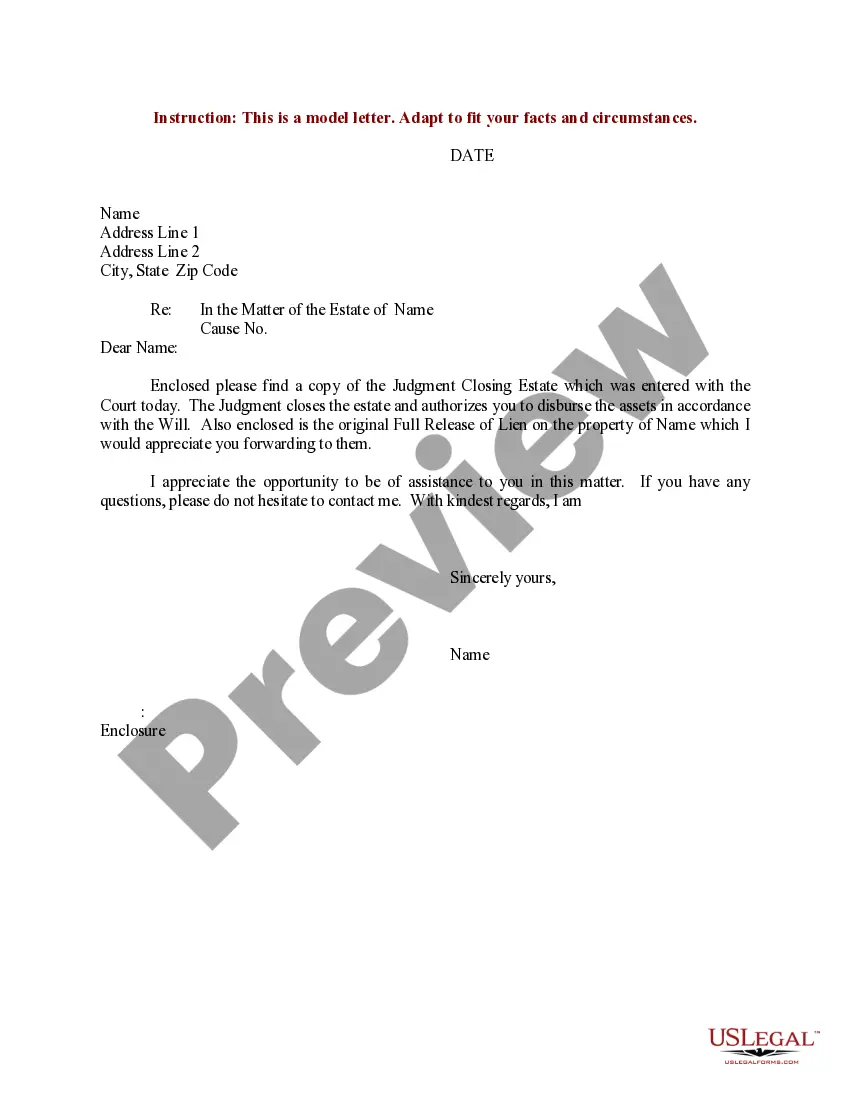
- Notification provisions: Outlines how interested parties will be informed of the closing judgment.
Situations where this form applies
This form should be used when a court has issued a judgment concerning an estate and the probate proceedings are near completion. It is necessary to finalize the estate to ensure that assets are distributed according to the court's ruling, including when debts have been settled and beneficiaries have been identified.
Who this form is for
- Executors or administrators of an estate who need to close probate proceedings.
- Beneficiaries who wish to ensure that the estate is finalized in accordance with court orders.
- Attorneys representing clients in probate matters regarding the closing of an estate.
Steps to complete this form
- Identify the estate by providing the name of the deceased and relevant case number.
- Detail the judgment by summarizing the court's findings and orders regarding the estate.
- Collect required signatures, ensuring the judge's signature is obtained to finalize the document.
- Include notification details for interested parties about the judgment and estate closure.
Does this form need to be notarized?
This form does not typically require notarization unless specified by local law. However, it is advisable to check local regulations to ensure compliance with any specific requirements. If notarization is required, US Legal Forms provides integrated online notarization services that are available 24/7 via secure video call.
Get your form ready online
Our built-in tools help you complete, sign, share, and store your documents in one place.
Make edits, fill in missing information, and update formatting in US Legal Forms—just like you would in MS Word.
Download a copy, print it, send it by email, or mail it via USPS—whatever works best for your next step.
Sign and collect signatures with our SignNow integration. Send to multiple recipients, set reminders, and more. Go Premium to unlock E-Sign.
If this form requires notarization, complete it online through a secure video call—no need to meet a notary in person or wait for an appointment.
We protect your documents and personal data by following strict security and privacy standards.

Make edits, fill in missing information, and update formatting in US Legal Forms—just like you would in MS Word.

Download a copy, print it, send it by email, or mail it via USPS—whatever works best for your next step.

Sign and collect signatures with our SignNow integration. Send to multiple recipients, set reminders, and more. Go Premium to unlock E-Sign.

If this form requires notarization, complete it online through a secure video call—no need to meet a notary in person or wait for an appointment.

We protect your documents and personal data by following strict security and privacy standards.
Common mistakes
- Failing to include the case number or details of the estate in the document.
- Not obtaining the judge's signature prior to submitting the form.
- Omitting notification procedures for interested parties.
Advantages of online completion
- Convenience of downloading and completing the form at any time.
- Editability allows for easy adjustments to fit specific estate details.
- Reliability, as forms are drafted by licensed attorneys to ensure compliance with legal standards.
Summary of main points
- The Judgment Closing Estate form finalizes the probate process.
- It's essential for personal representatives and beneficiaries involved in estate distribution.
- Ensure compliance with local laws when completing this form.
Looking for another form?


Form popularity
FAQ
Q: How Long Does an Executor Have to Distribute Assets From a Will? A: Dear Waiting: In most states, a will must be executed within three years of a person's death.
Unfortunately, there is not much you can do if the person will not agree to settle or sell the home. There may be other legal tactics you can do, but generally, if the property must get sold (or you want to sell the home) and the other heirs do not, then a partition action may be your only option.
The term refers to the distribution of the estate's final assets, which typically means that the Executor has run out of things to do.
If no backup executor was selected by the deceased person, the court will appoint someone who is appropriate. Usually, this is another close relative of the individual who has passed away. The appointed person will be called a personal administrator or an estate administrator in these situations.
The Mississippi small estate affidavit may be used by an heir or successor when the decedent's estate (the person who died) left $75,000 or less in probate-able personal property.
The Estate Settlement website suggests a nine-month time line from reading the will to closing the estate. During this time, the executor must notify heirs, banks, the Social Security Administration, creditors and others of the death.
A simple estate with just a few, easy-to-find assets may be all wrapped up in six to eight months. A more complicated affair may take three years or more to fully settle.
If no one moves to open or settle an estate, all assets in the estate could be lost, instead of being distributed to loved ones or other beneficiaries. Probate is not an automatic process. When a loved one dies, a family member or other interested party must petition the probate court to open an estate.
An executor acts until the estate administration is completed or if they resign, die or are removed for cause.