Alabama Mortgage Foreclosure Deed
What this document covers
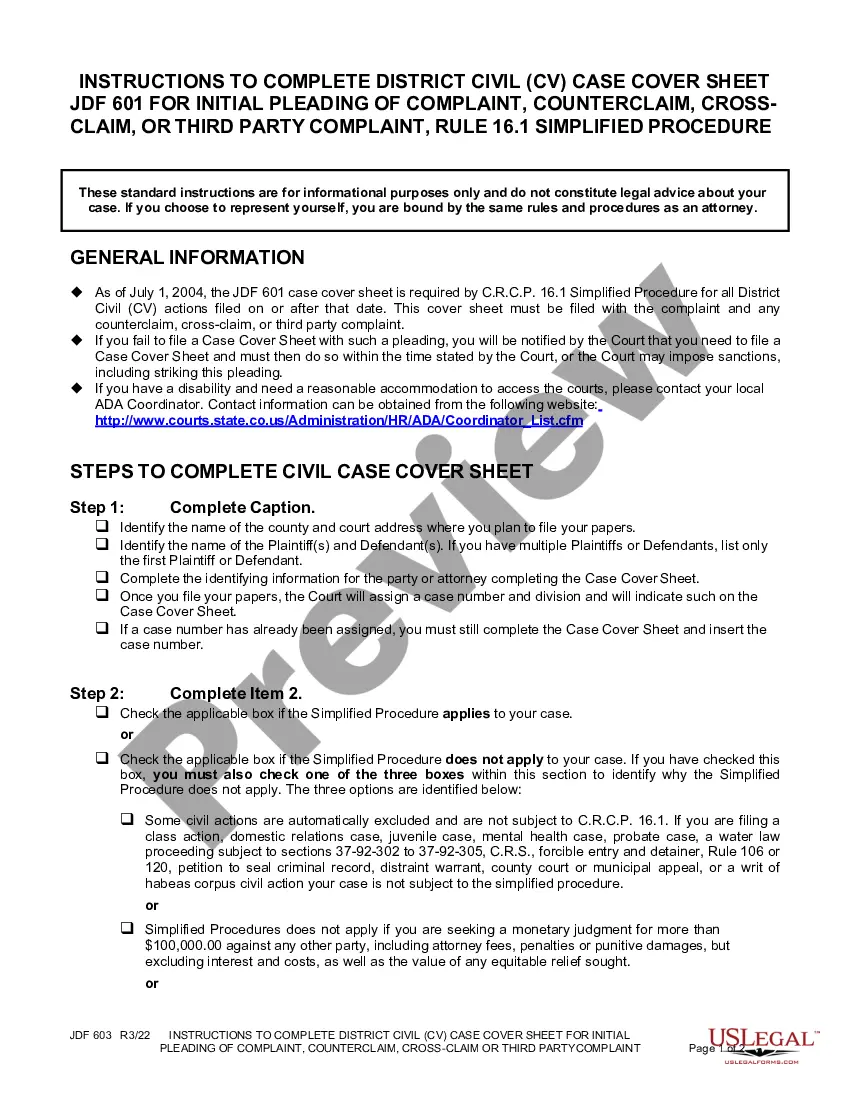
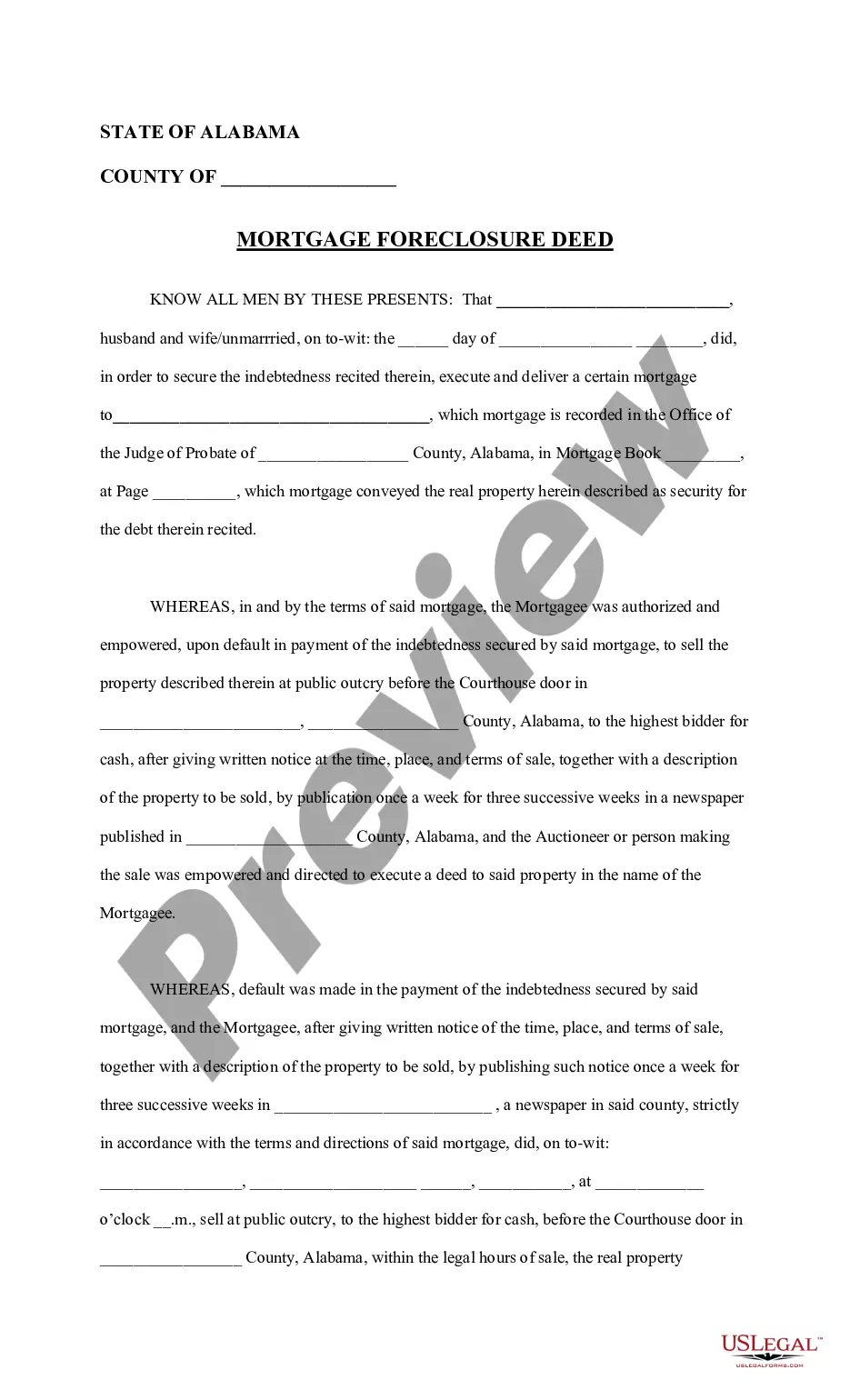
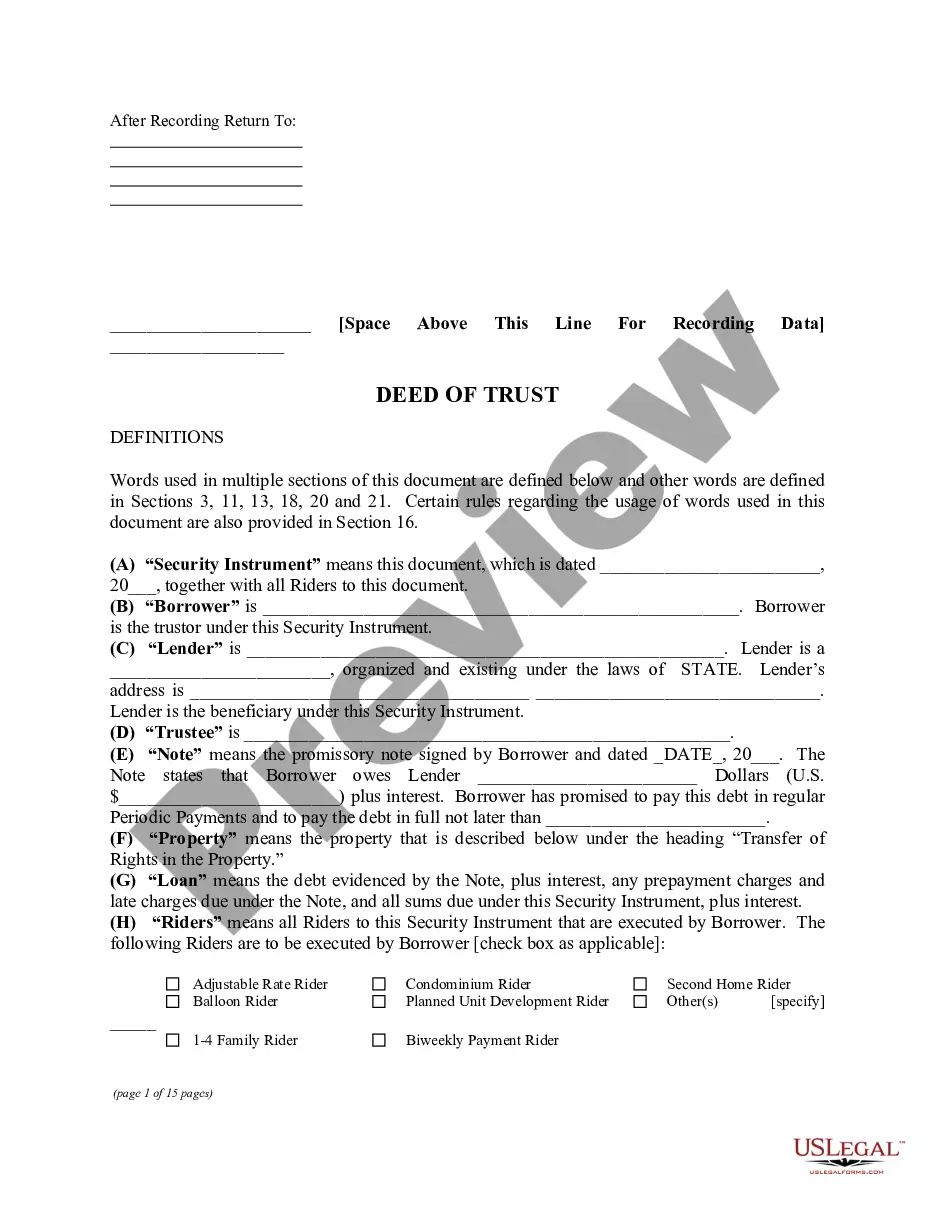
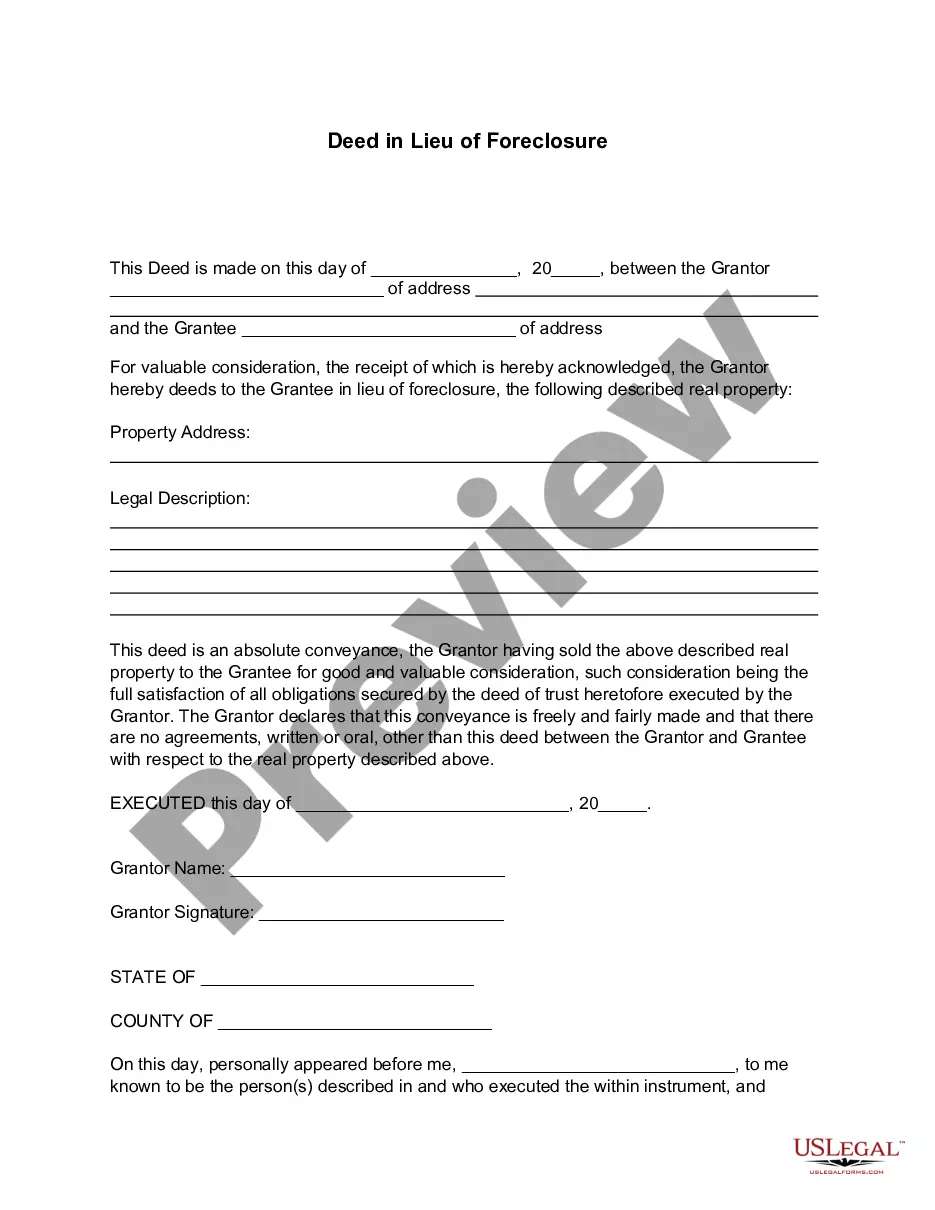
The Mortgage Foreclosure Deed is a legal document utilized when a mortgage loan is in default, allowing the sale of the mortgaged property to satisfy unpaid debts. This deed is different from other property transfer documents as it specifically relates to foreclosure situations, ensuring lawful transfer of owned property to a new owner following a foreclosure sale. The form is available in Word and Wordperfect formats for convenience.
Form components explained
- Identification of the property being foreclosed.
- Details of the original mortgage agreement.
- Information about the foreclosure sale, including date and location.
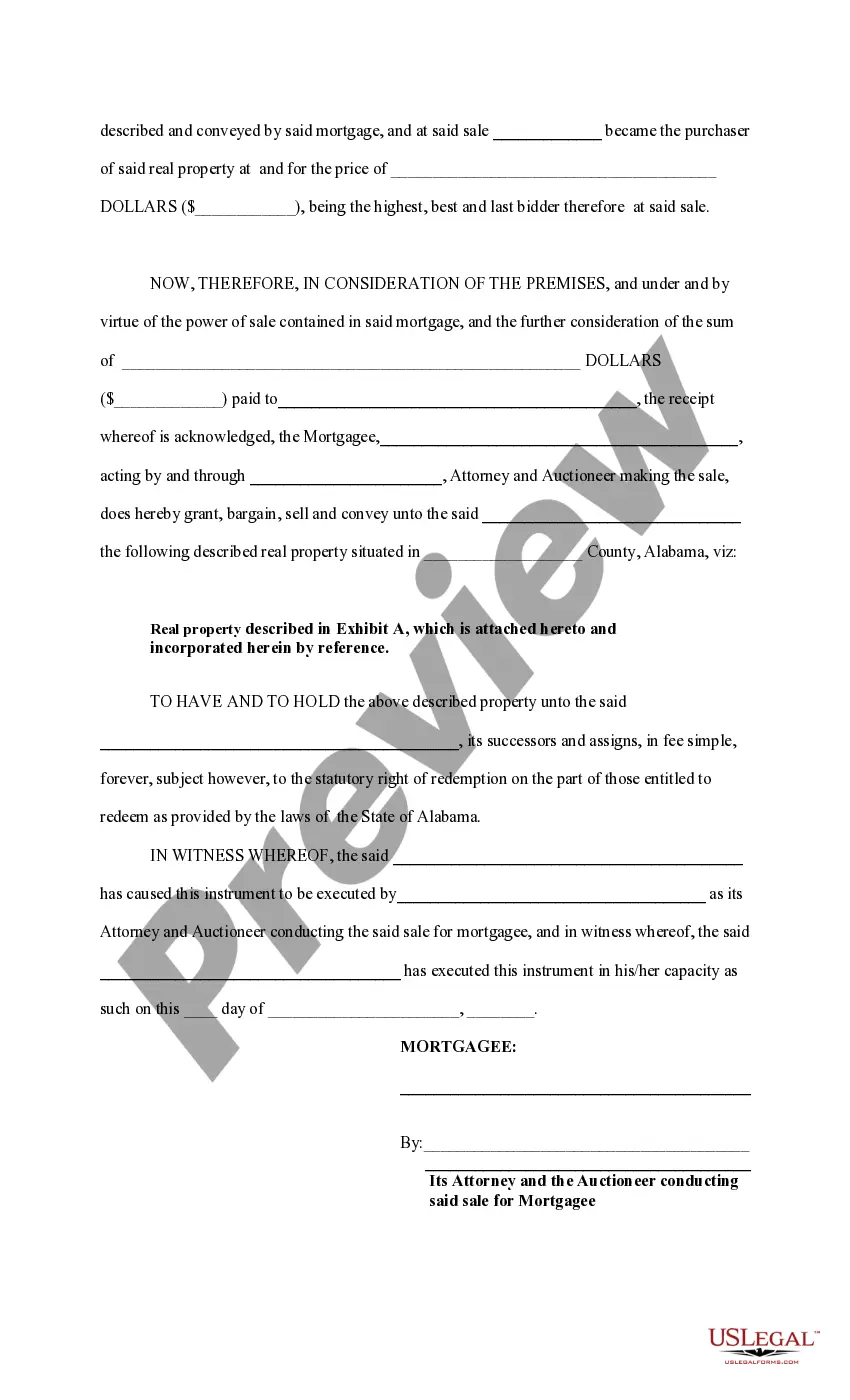
- Disclosure of the purchaser's name and purchase price.
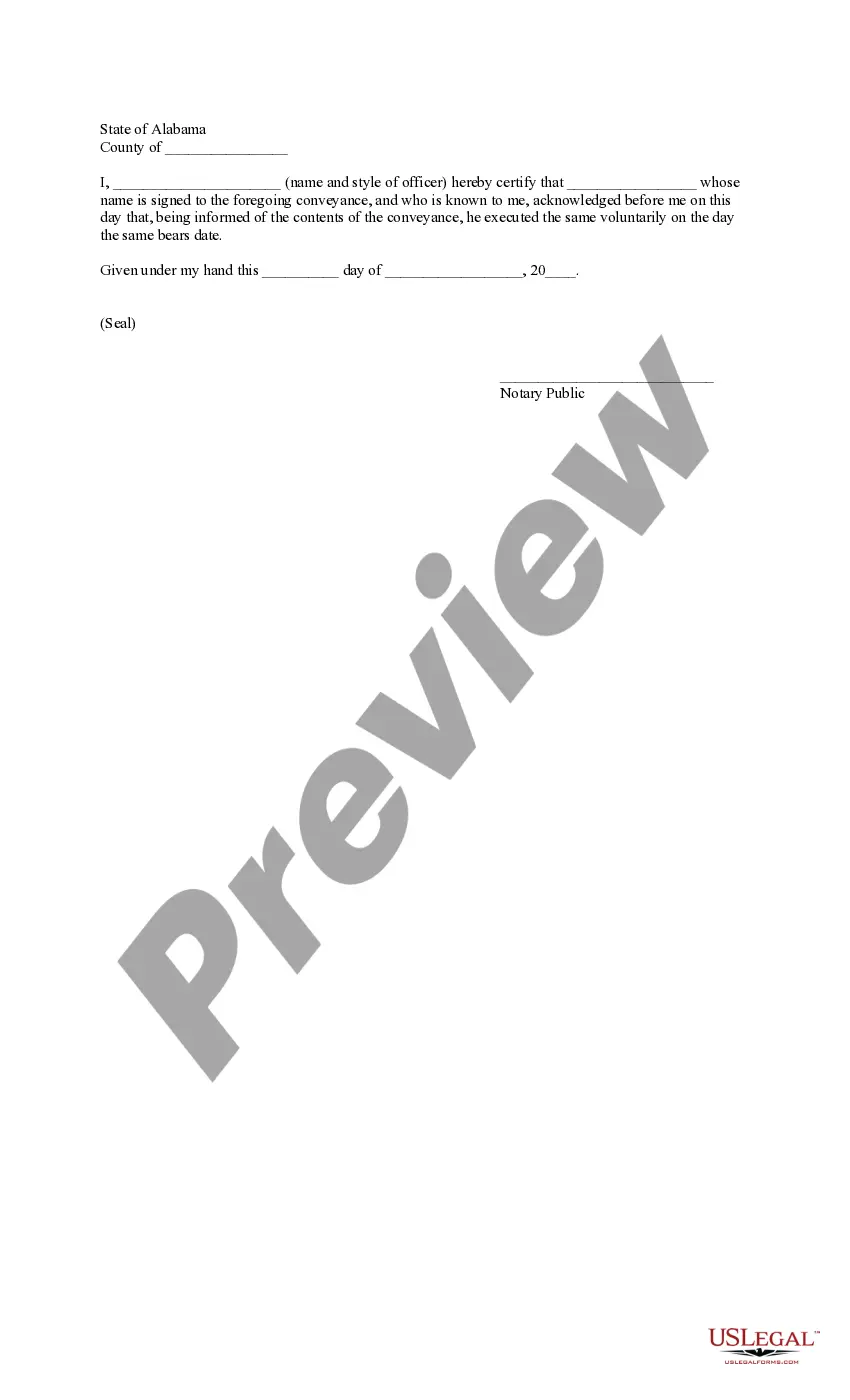
- Signature lines for the mortgagee and any required witnesses or notaries.


When this form is needed
This form should be used when a mortgage default has occurred, leading to a foreclosure sale. It is applicable in situations where the lender wishes to reclaim their rights to a property after the borrower has failed to meet payment obligations. The form serves to legally document the transfer of the property to the new owner, ensuring compliance with state requirements.
Who needs this form
- Lenders or mortgagees seeking to finalize the sale of a foreclosed property.
- Property owners facing foreclosure who may require a copy for their records.
- Real estate attorneys representing clients in foreclosure actions.
- Auctioneers or individuals responsible for conducting foreclosure sales.
How to prepare this document
- Identify the parties involved, including the mortgagee and the purchaser.
- Specify the property details, including the address and legal description.
- Enter the date of the mortgage agreement and the foreclosure sale.
- Document the purchase price agreed upon at the sale.
- Ensure signatures are included where required, including those of the mortgagee and witnesses.
Notarization requirements for this form
To make this form legally binding, it must be notarized. Our online notarization service, powered by Notarize, lets you verify and sign documents remotely through an encrypted video session.
Get your form ready online
Our built-in tools help you complete, sign, share, and store your documents in one place.
Make edits, fill in missing information, and update formatting in US Legal Forms—just like you would in MS Word.
Download a copy, print it, send it by email, or mail it via USPS—whatever works best for your next step.
Sign and collect signatures with our SignNow integration. Send to multiple recipients, set reminders, and more. Go Premium to unlock E-Sign.
If this form requires notarization, complete it online through a secure video call—no need to meet a notary in person or wait for an appointment.
We protect your documents and personal data by following strict security and privacy standards.

Make edits, fill in missing information, and update formatting in US Legal Forms—just like you would in MS Word.

Download a copy, print it, send it by email, or mail it via USPS—whatever works best for your next step.

Sign and collect signatures with our SignNow integration. Send to multiple recipients, set reminders, and more. Go Premium to unlock E-Sign.

If this form requires notarization, complete it online through a secure video call—no need to meet a notary in person or wait for an appointment.

We protect your documents and personal data by following strict security and privacy standards.
Avoid these common issues
- Failing to provide complete information about the property, including legal descriptions.
- Not signing the deed or missing necessary signatures from parties involved.
- Omitting publication requirements for the notice of sale as per state regulations.
Advantages of online completion
- Convenience of downloading and completing the form at your own pace.
- Editability allows you to make necessary adjustments easily.
- Access to reliable templates drafted by licensed attorneys to ensure compliance with legal standards.
Legal use & context
- This form serves as an official record of the foreclosure sale.
- It provides legal protection for the mortgagee by documenting the transfer of property ownership.
- Ensures compliance with Alabama state laws governing foreclosure procedures.
What to keep in mind
- The Mortgage Foreclosure Deed is essential for finalizing foreclosure sales.
- Accurate completion of the form is crucial to avoid legal complications.
- Utilizing editable templates like this one can simplify the legal process.
Looking for another form?
Form popularity
FAQ
Lenders will seize the home, which is typically used as collateral for the loan and will put the property up for sale to try and recoup losses. The foreclosure process from beginning to end typically takes a lender about 18 months to foreclose on a property during normal times.
Notice Of Default The lender will also give public notice to the County Recorder's office or file a lawsuit with the court. This officially begins the preforeclosure process, which can last 3 10 months.
In most areas, you'll have about thirty days to catch up on your mortgage before the lender can take further action to foreclose on your home. After you have been sent a notice and the waiting period has expired, the lender can set a date to sell your house at a foreclosure auction.
Foreclosure is what happens when a homeowner fails to pay the mortgage. More specifically, it's a legal process by which the owner forfeits all rights to the property. If the owner can't pay off the outstanding debt, or sell the property via short sale, the property then goes to a foreclosure auction.
In Alabama, lenders may foreclose on deeds of trusts or mortgages in default using either a judicial or non-judicial foreclosure process. The judicial process of foreclosure, which involves filing a lawsuit to obtain a court order to foreclose, is used when no power of sale is present in the mortgage or deed of trust.
Initial contact. Lenders will usually initiate communication on a first missed payment. Demand letter. Filing of a foreclosure claim. Borrowers Potential Actions in the Face of Foreclosure. Redemption Period. Sale ordered by the court. Order for foreclosure.
Alabama law generally gives homeowners a one-year redemption period after a foreclosure sale. But state law gives homeowners a 180-day redemption period after the foreclosure sale for homestead propertiesif proper notice about the right to redeem was given and the mortgage was taken out on or after January 1, 2016.
Generally, homeowners have to be more than 120 days delinquent before a foreclosure can begin. If you're behind in mortgage payments, you might be wondering how soon a foreclosure will start. Generally, a homeowner has to be at least 120 days delinquent before a mortgage servicer starts a foreclosure.
Phase 1: Payment Default. Phase 2: Notice of Default. Phase 3: Notice of Trustee's Sale. Phase 4: Trustee's Sale. Phase 5: Real Estate Owned (REO) Phase 6: Eviction. The Bottom Line.