Alabama Writ of Restitution or Possession
About this form
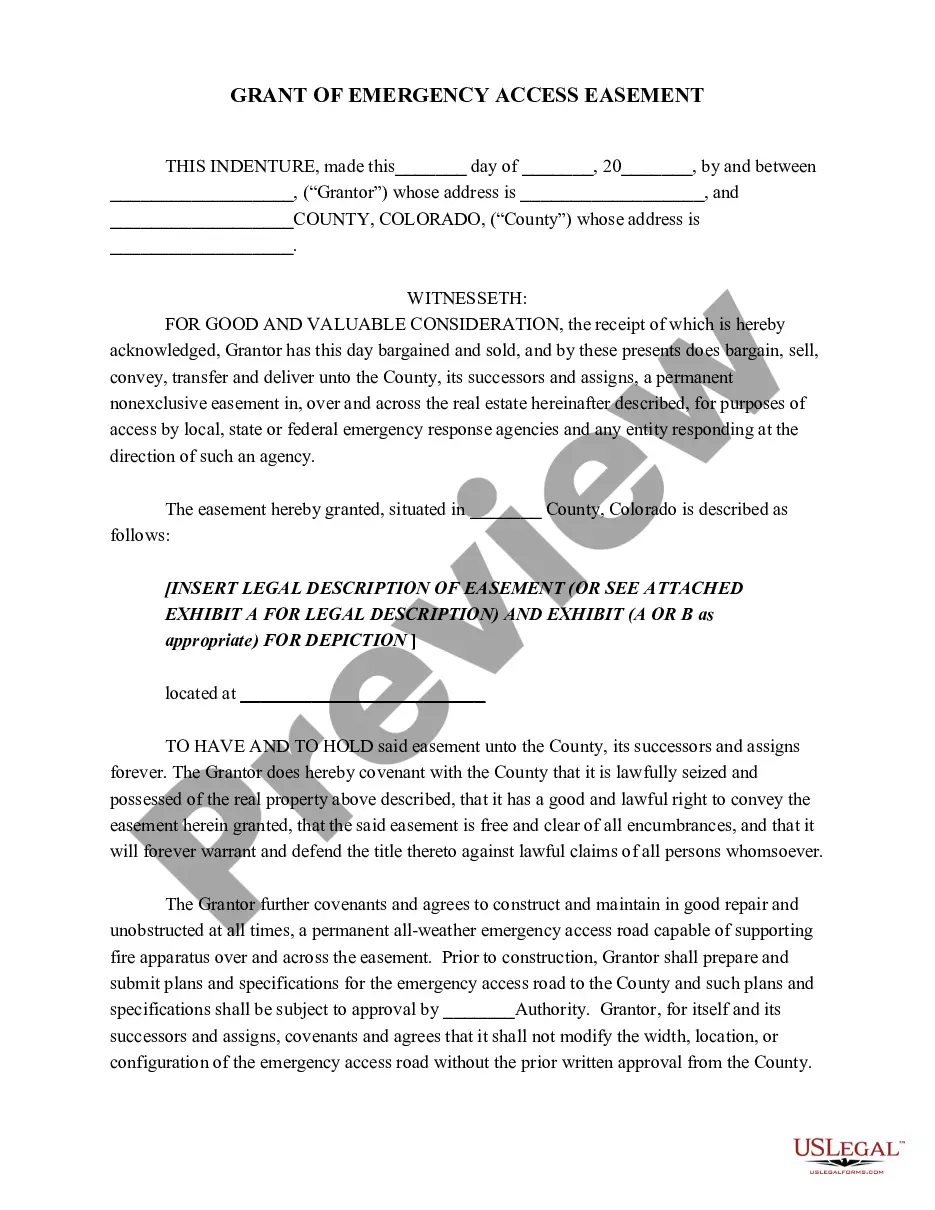
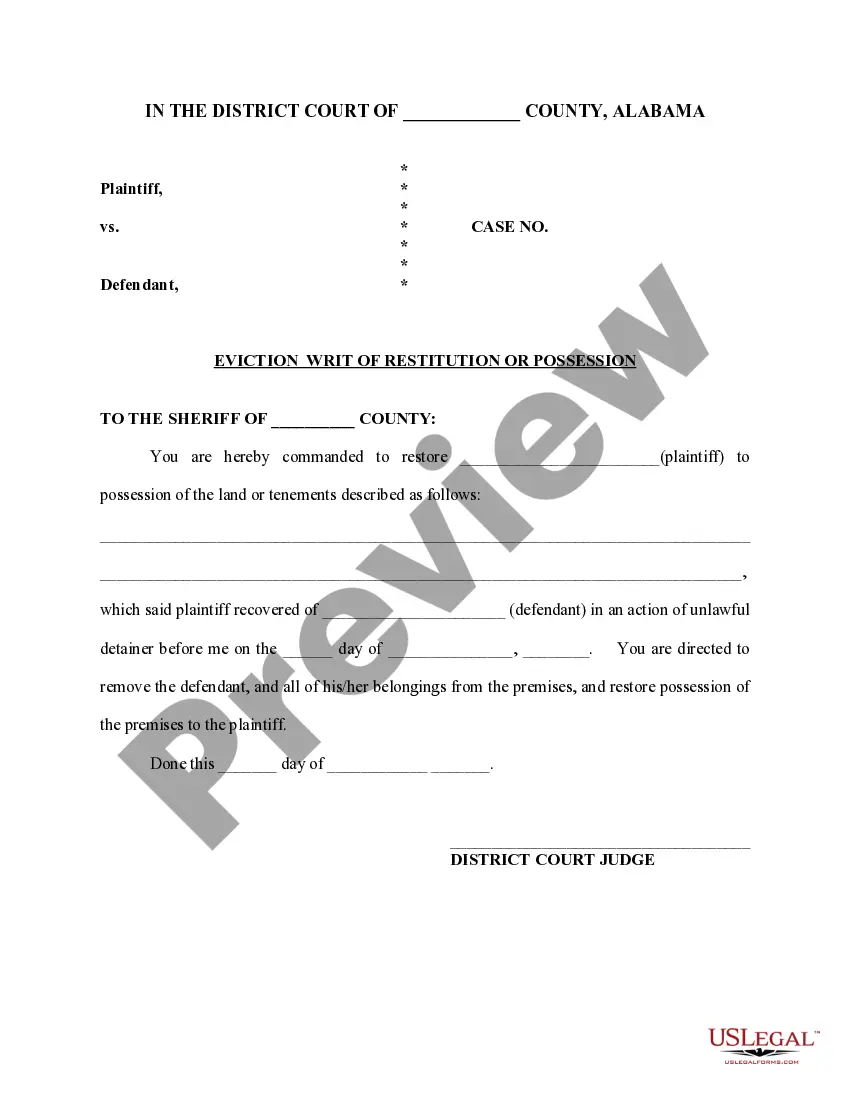
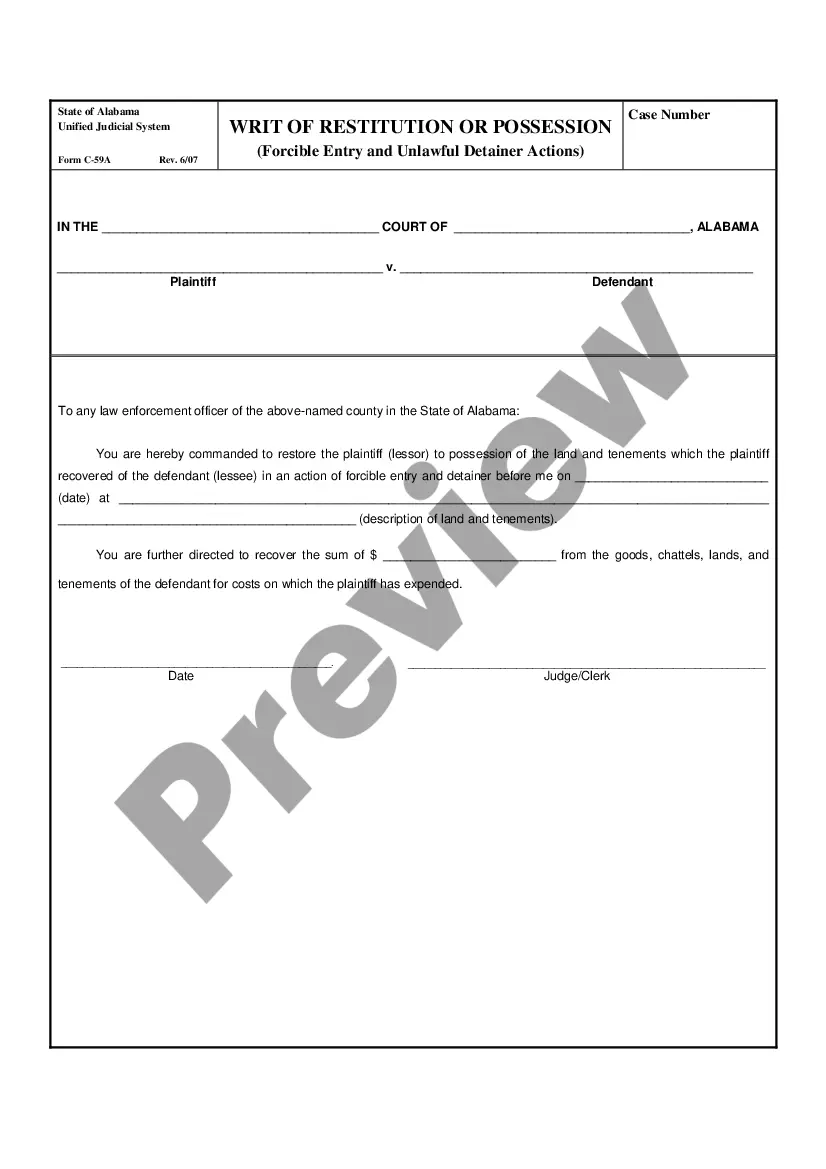
The writ of restitution or possession is a court-issued document that allows a landlord to regain possession of a rental property following a successful eviction lawsuit. Unlike a standard eviction notice, this writ formally commands a sheriff to remove the tenant from the premises if they do not leave voluntarily. It serves as a vital legal step in the eviction process, ensuring that the landlord can reclaim their property lawfully.
Key components of this form
- Caption: Lists the parties involved in the eviction case, including the plaintiff (landlord) and defendant (tenant).
- Case number: References the specific unlawful detainer case for record-keeping.
- Command to sheriff: Instructs the sheriff to restore possession of the property to the landlord.
- Description of the property: Clearly identifies the rental unit from which the tenant is being evicted.
- Date of judgment: Indicates when the court ruled in favor of the landlord.
- Signature block: Includes the signature of the district court judge, validating the writ.
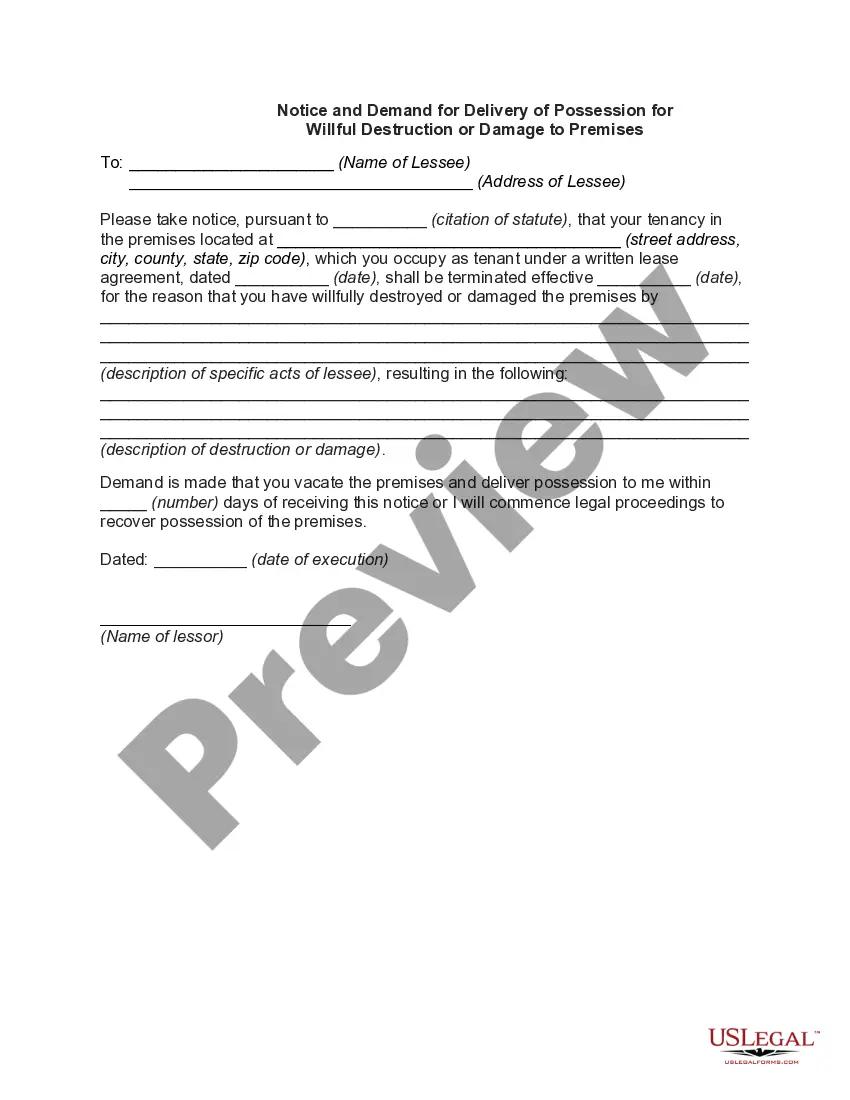
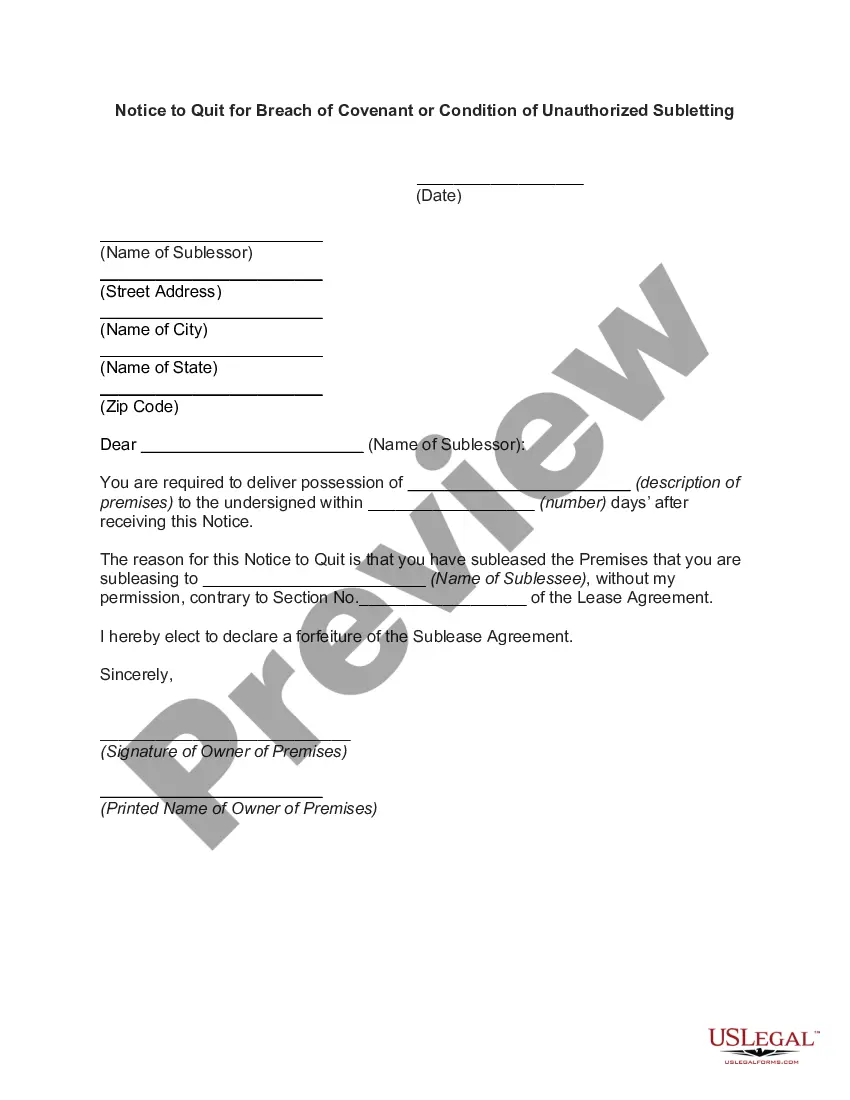
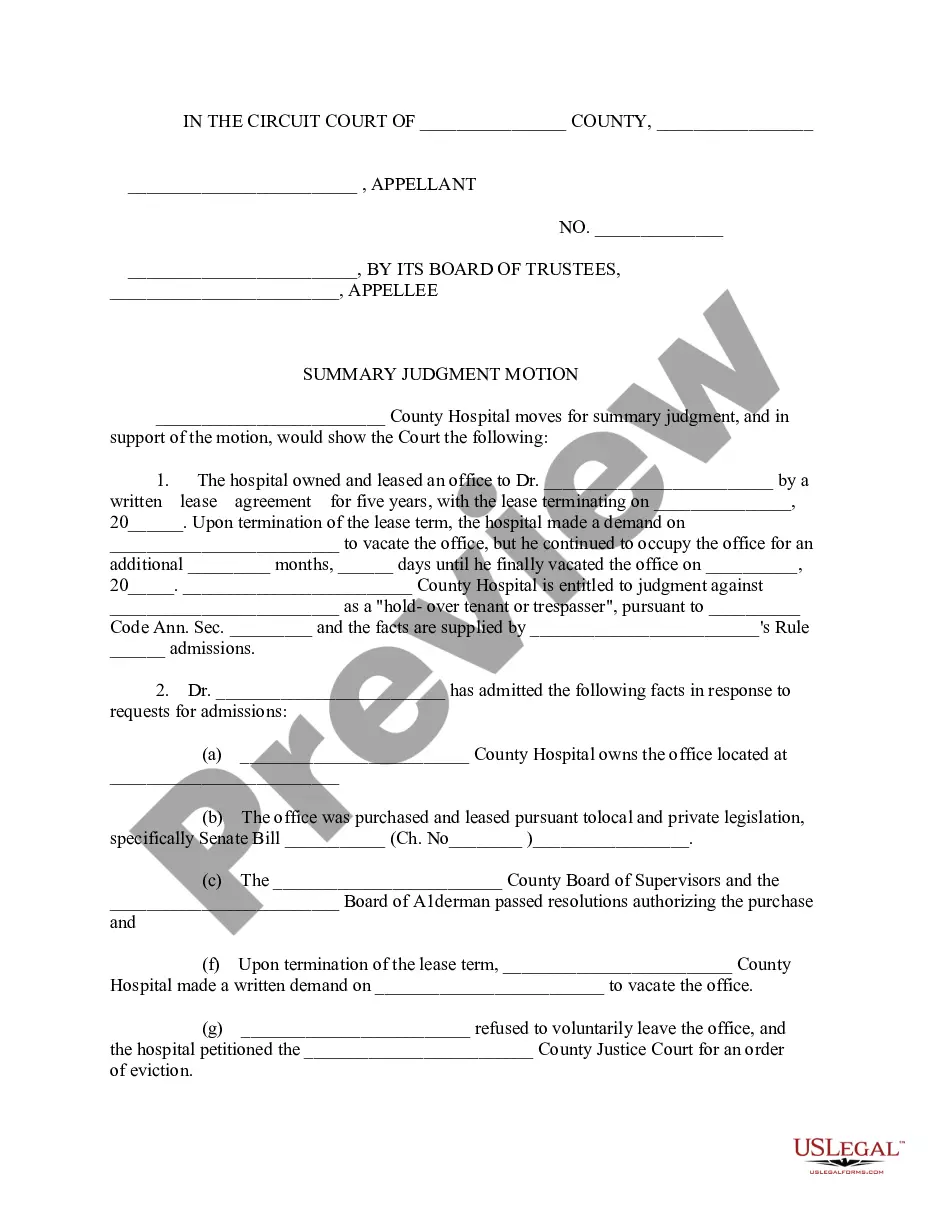
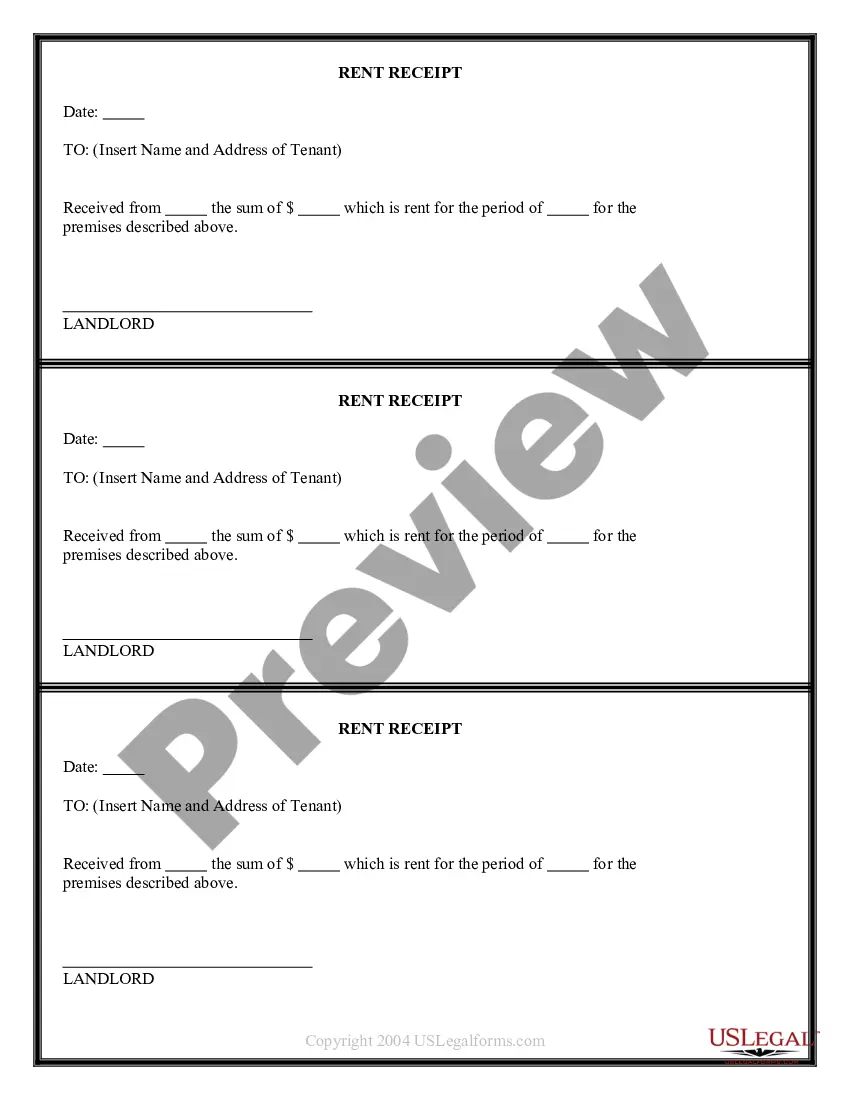
When to use this form
This form is used after a landlord successfully completes an unlawful detainer lawsuit and a court judgment is issued favoring the landlord. If the tenant does not vacate the premises voluntarily within the specified time frame, the landlord must use this writ to obtain legal authority to have the tenant removed by the sheriff.
Who this form is for
- Landlords seeking to regain possession of their rental property after an eviction lawsuit.
- Property managers representing landlords in eviction proceedings.
- Individuals who have obtained a favorable judgment in an unlawful detainer case and need to enforce that judgment.
Steps to complete this form
- Identify the parties: Clearly write the names of the landlord and tenant in the caption.
- Fill in the case number: Include the specific case number assigned to the unlawful detainer lawsuit.
- Describe the property: Provide a detailed description of the rental unit being recovered.
- Enter the date of judgment: Indicate the date when the court ruled in favor of the landlord.
- Obtain the judge's signature: Ensure the form is signed by the district court judge to be valid.
Notarization requirements for this form
This form usually doesn’t need to be notarized. However, local laws or specific transactions may require it. Our online notarization service, powered by Notarize, lets you complete it remotely through a secure video session, available 24/7.
Get your form ready online
Our built-in tools help you complete, sign, share, and store your documents in one place.
Make edits, fill in missing information, and update formatting in US Legal Forms—just like you would in MS Word.
Download a copy, print it, send it by email, or mail it via USPS—whatever works best for your next step.
Sign and collect signatures with our SignNow integration. Send to multiple recipients, set reminders, and more. Go Premium to unlock E-Sign.
If this form requires notarization, complete it online through a secure video call—no need to meet a notary in person or wait for an appointment.
We protect your documents and personal data by following strict security and privacy standards.

Make edits, fill in missing information, and update formatting in US Legal Forms—just like you would in MS Word.

Download a copy, print it, send it by email, or mail it via USPS—whatever works best for your next step.

Sign and collect signatures with our SignNow integration. Send to multiple recipients, set reminders, and more. Go Premium to unlock E-Sign.

If this form requires notarization, complete it online through a secure video call—no need to meet a notary in person or wait for an appointment.

We protect your documents and personal data by following strict security and privacy standards.
Avoid these common issues
- Failing to include the correct case number can delay the process.
- Omitting key details in the property description may lead to confusion during enforcement.
- Not having the form signed by the judge before submission can invalidate the writ.
Advantages of online completion
- Convenience: Access and complete the writ of restitution or possession from anywhere, at any time.
- Editability: Make necessary changes easily before finalizing your form.
- Reliability: Use templates drafted by licensed attorneys to ensure compliance with legal standards.
Looking for another form?
Form popularity
FAQ
A judgment for possession means your landlord won a case against the you and can file a writ of restitution.
While an eviction is begun by filing a unlawful detainer form that is brief and simple, an ejectment action is begun by filing a drafted complaint in Circuit Court. In an eviction action the Defendant has 7 days to respond after they are served with the complaint.
A 14-day notice must be given if the tenant is being evicted for breaking the terms of the lease. A 7-day notice must be given for non-payment of rent. For month-to-month tenants, 30-day notice is required to terminate the lease. Allow tenants pay their outstanding rent, if applicable, before their notice is up.
Failure to vacate proceedings (criminal proceedings) require that the landlord provide the tenant with 10 days written notice to vacate the premises. This type of eviction may only take place in the case of nonpayment of rent.
The eviction process will proceed once the landlord has provided the tenant with a 7-Day Notice to Quit, giving the tenant 7 business days to move out. If the tenant remains on the property after the lease has ended, the landlord may proceed with the eviction process.
A writ of possession is issued after a landlord wins an eviction case in court. A writ of possession can also be called a writ of eviction. This order allows a person or group to take possession of real property by forcing the person or group currently in possession of the property out.
The Alabama Landlord Notice to Vacate does not evict the tenant or terminate the Alabama Lease Agreement.In most states, a 30 Day Notice to Vacate is sufficient if the tenant does not have a lease.
A 14-day notice must be given if the tenant is being evicted for breaking the terms of the lease. A 7-day notice must be given for non-payment of rent. For month-to-month tenants, 30-day notice is required to terminate the lease. Allow tenants pay their outstanding rent, if applicable, before their notice is up.