Alaska Certificate of Sale
Overview of this form
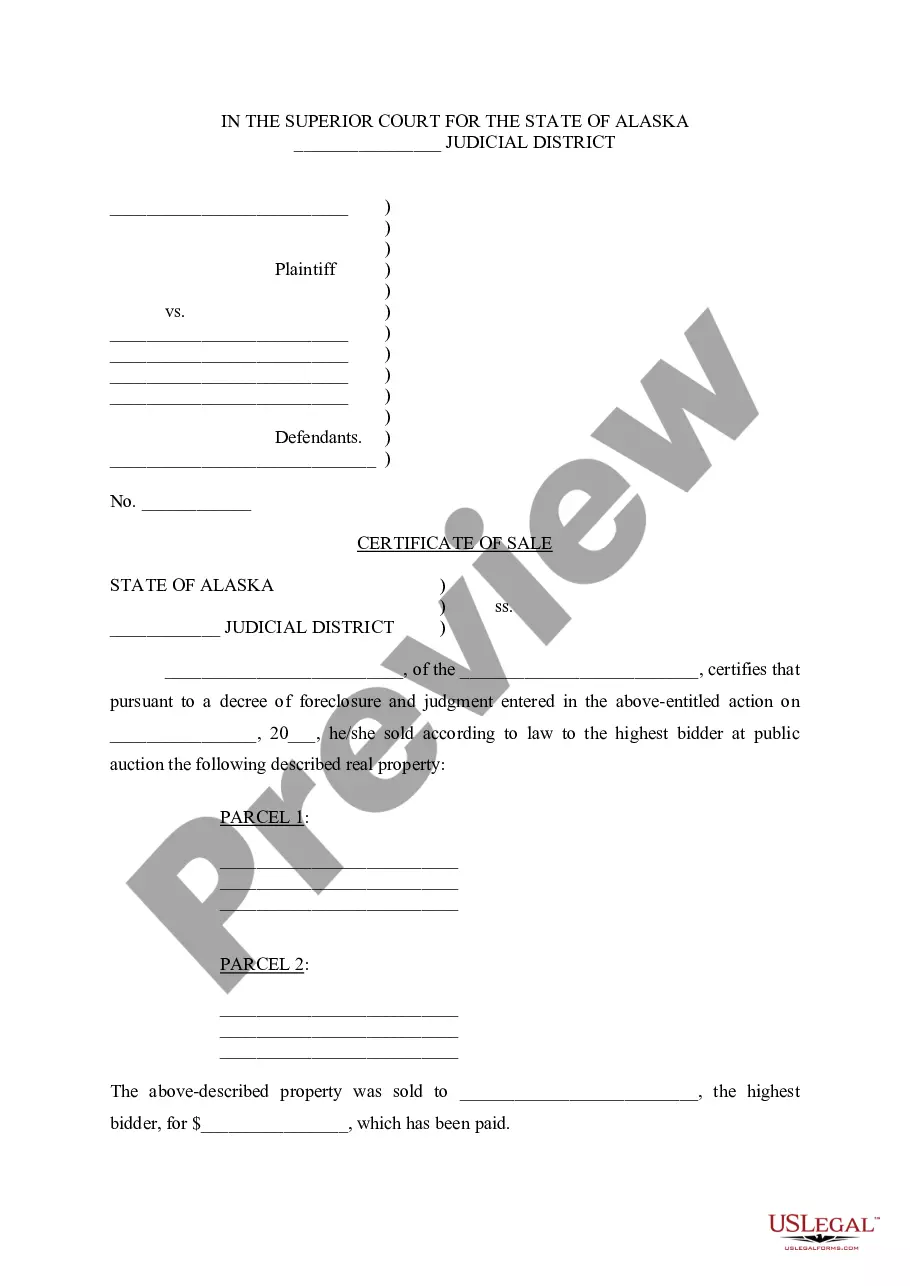
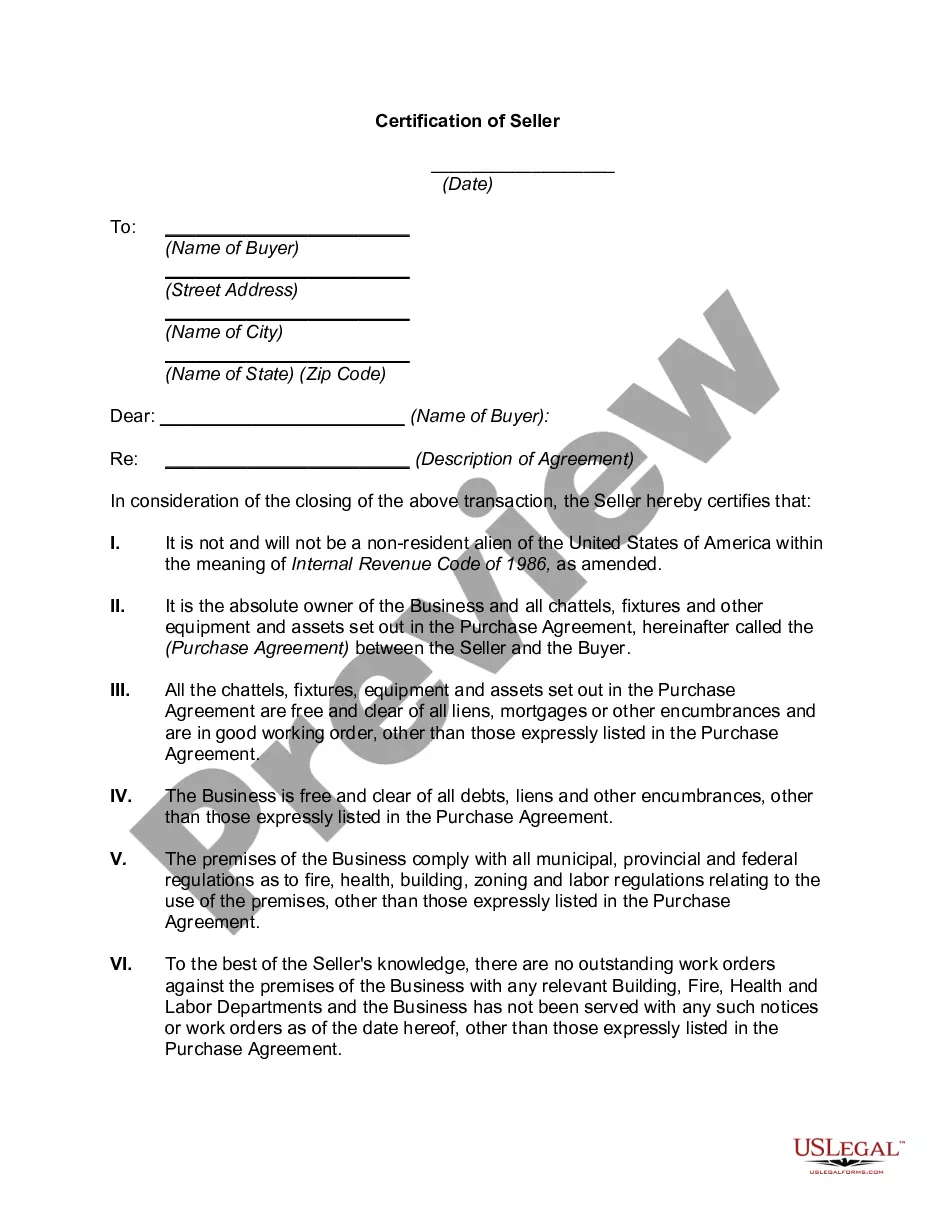
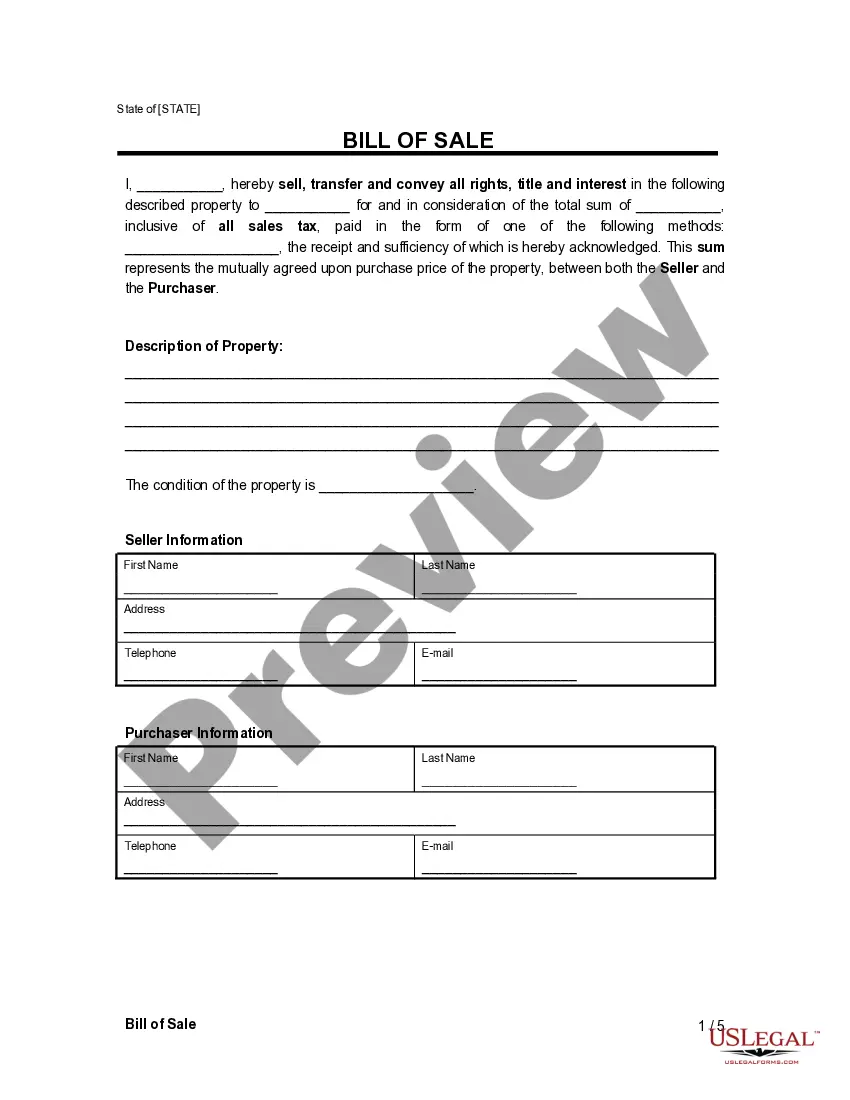
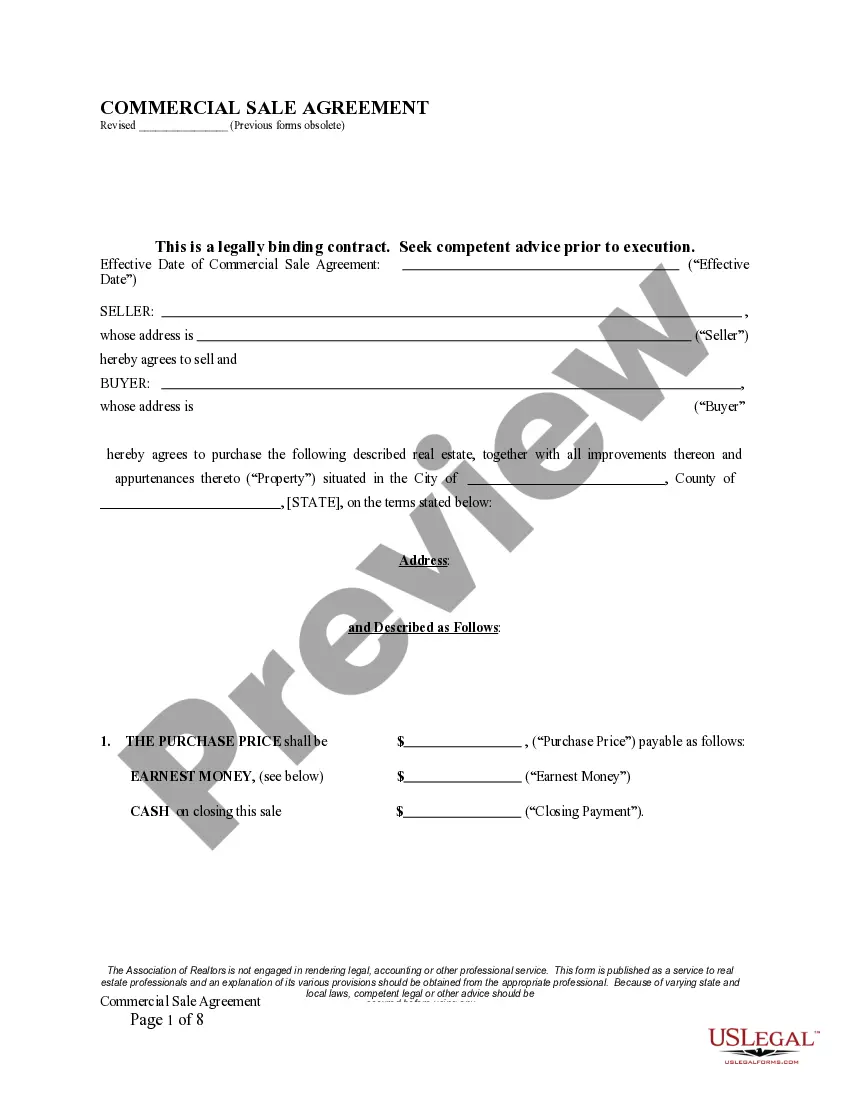
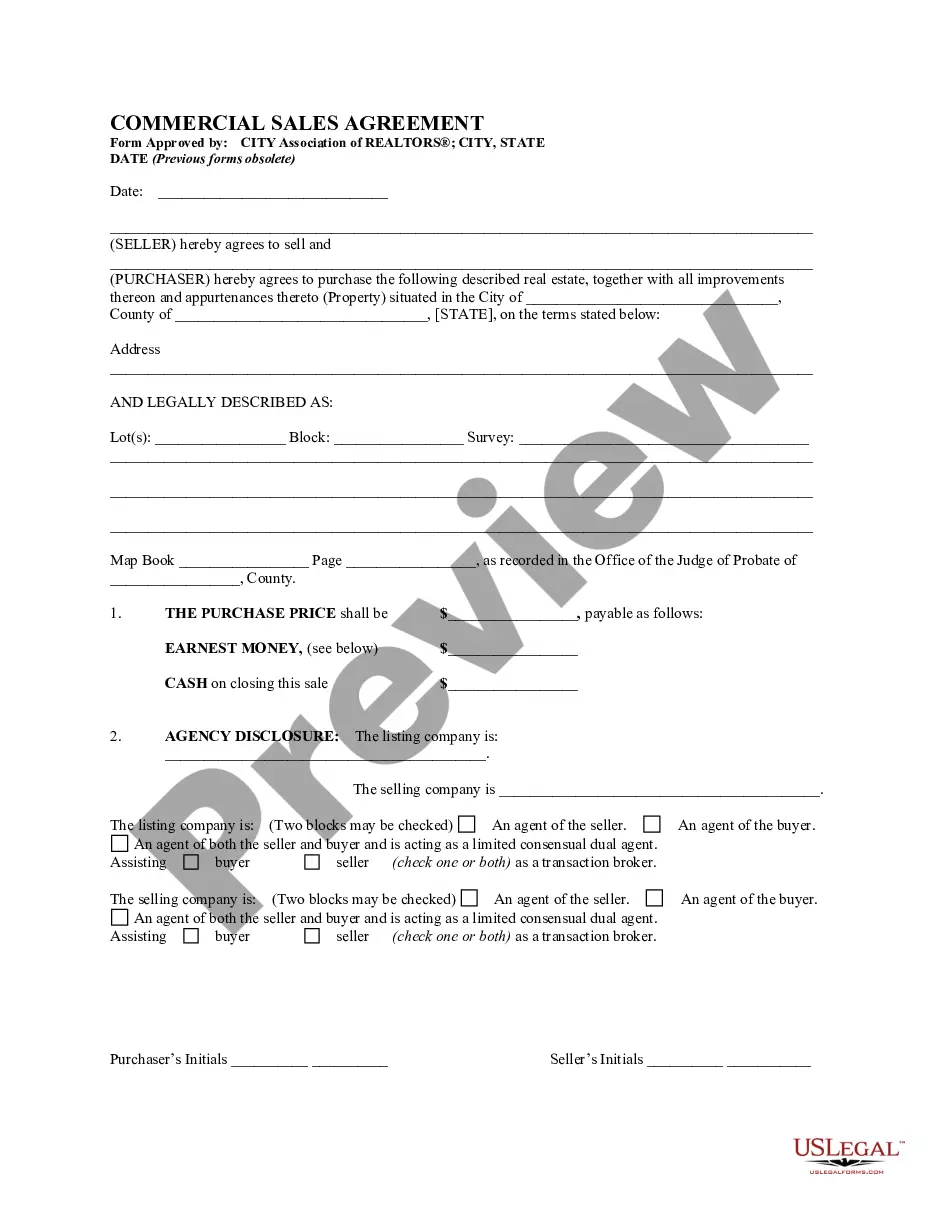
A Certificate of Sale is a legal document issued to a buyer upon the purchase of a foreclosed property. This form serves to certify that the property has been sold at a public auction, following a decree of foreclosure. Unlike other real estate forms, the Certificate of Sale specifically records the sale resulting from foreclosure proceedings, outlining essential details about the transaction.
Main sections of this form
- Court information, including the judicial district.
- Name of the plaintiff and defendants involved in the foreclosure action.
- Details of the foreclosed property being sold, including parcel descriptions.
- Name of the highest bidder and the sale price.
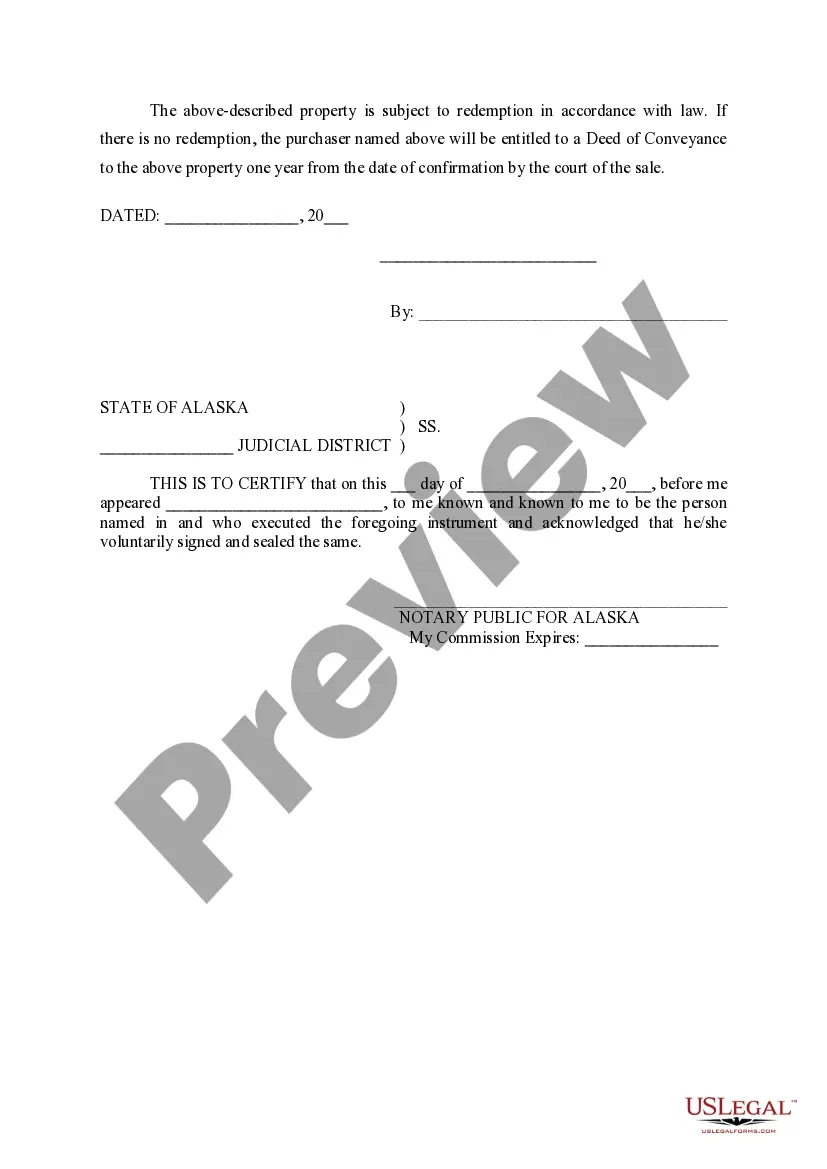
- Notice regarding redemption rights and conditions for receiving a Deed of Conveyance.
- Signatures of the seller and a notary public, confirming the sale.
Common use cases
This form is needed when a buyer purchases a property that has been foreclosed and sold at public auction. It is generally used in real estate transactions involving properties that are subject to foreclosure proceedings and helps to establish the buyer's ownership in compliance with legal requirements.
Who this form is for
- Buyers who have successfully bid on a foreclosed property at auction.
- Real estate professionals managing foreclosures.
- Attorneys representing buyers in foreclosure property transactions.
Completing this form step by step
- Enter the court name and judicial district at the top of the form.
- Fill in the names of the plaintiff and the defendants associated with the foreclosure.
- Specify the details of the property being sold, including parcel descriptions.
- Indicate the name of the highest bidder and the sale amount.
- Sign and date the document, and ensure it is notarized as required.
Is notarization required?
Yes, this form must be notarized to be legally valid. This ensures the authenticity of the signatures and the document itself. US Legal Forms provides integrated online notarization, allowing for secure video call services anytime, making the process simple and convenient.
Get your form ready online
Our built-in tools help you complete, sign, share, and store your documents in one place.
Make edits, fill in missing information, and update formatting in US Legal Forms—just like you would in MS Word.
Download a copy, print it, send it by email, or mail it via USPS—whatever works best for your next step.
Sign and collect signatures with our SignNow integration. Send to multiple recipients, set reminders, and more. Go Premium to unlock E-Sign.
If this form requires notarization, complete it online through a secure video call—no need to meet a notary in person or wait for an appointment.
We protect your documents and personal data by following strict security and privacy standards.

Make edits, fill in missing information, and update formatting in US Legal Forms—just like you would in MS Word.

Download a copy, print it, send it by email, or mail it via USPS—whatever works best for your next step.

Sign and collect signatures with our SignNow integration. Send to multiple recipients, set reminders, and more. Go Premium to unlock E-Sign.

If this form requires notarization, complete it online through a secure video call—no need to meet a notary in person or wait for an appointment.

We protect your documents and personal data by following strict security and privacy standards.
Mistakes to watch out for
- Not specifying accurate parcel descriptions can lead to legal disputes.
- Failing to sign the document can render it invalid.
- Neglecting to notarize the Certificate of Sale where required.
Why use this form online
- Convenience of downloading and printing the form at any time.
- Editability to customize details specific to your transaction.
- Access to legally vetted templates, ensuring compliance with state laws.
Quick recap
- A Certificate of Sale is crucial for confirming the sale of foreclosed properties.
- Key details include the buyer's name, property description, and sale price.
- Notarization is necessary to validate the form and ensure legitimate transactions.
Looking for another form?
Form popularity
FAQ
Yes, an Alaska bill of sale is required to register a motor vehicle.If you're buying the vehicle from a private party, you will also need a lien release, an odometer disclosure statement, and proof of previous registration.
Proof of Identity. Proof of U.S. Citizenship, Permanent Residency, or other Lawful Status. Proof of Social Security Number. Proof of Name Change (if applicable) 2 Documents Verifying Alaska Residency.
Most states do not require a notary to witness the signing of a bill of sale. However, by law, a notary public must witness both parties signing the document in Louisiana, Nebraska, Maryland, New Hampshire, West Virginia, and Montana. Notaries are optional in other states.
Alabama. Arkansas. Colorado. Connecticut. Hawaii. Idaho. Maine. Nebraska.
Steps to Sell a Vehicle Complete the Notice of Vehicle Sale for Transfer attached to the bottom of the original title. Send or deliver this to DMV as soon as possible. The mailing address is shown at the bottom of this page. You are also welcome to send an email message to DMV or to record the sale online.
All applicants for a compliant card, including current Alaska card holders, must apply in-person and provide DMV with source documentation, even if it was previously submitted: Proof of Identity. Proof of U.S. Citizenship, Permanent Residency, or other Lawful Status. Proof of Social Security Number.
Is a bill of sale required in California? While a bill of sale is not a legal requirement in California, it's a good idea to have one if you sell or purchase a vehicle. There is no specific form required, but the California Department of Motor Vehicles (DMV) has a bill of sale form.
Sign the title and date it. Print out an Application for Title and Registration, and take that along with the signed and dated title to the DMV office. Pay the $15 transfer fee. Note that if there is a lien on the vehicle, an additional $15 fee is charged.