Commercial Sale Agreement
What this document covers
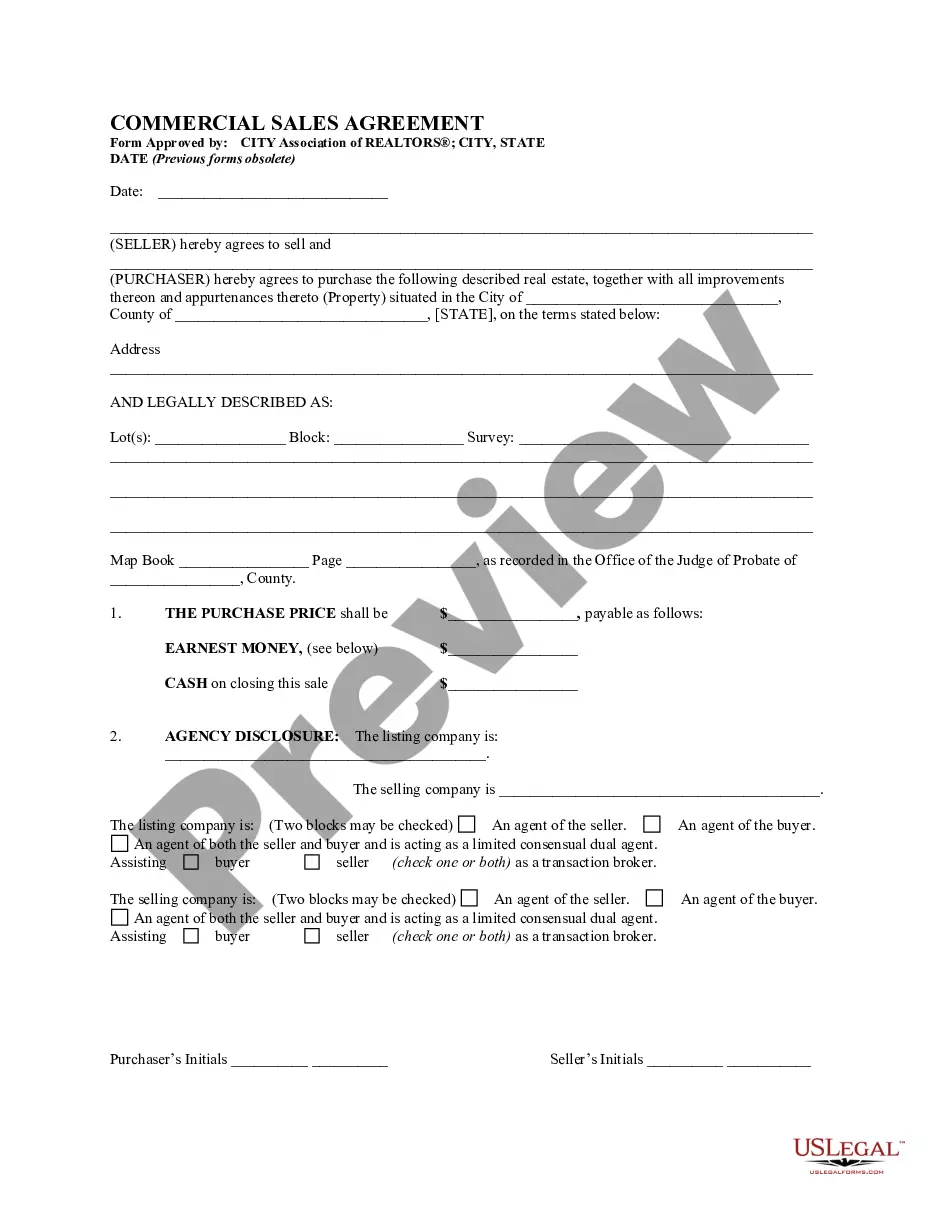
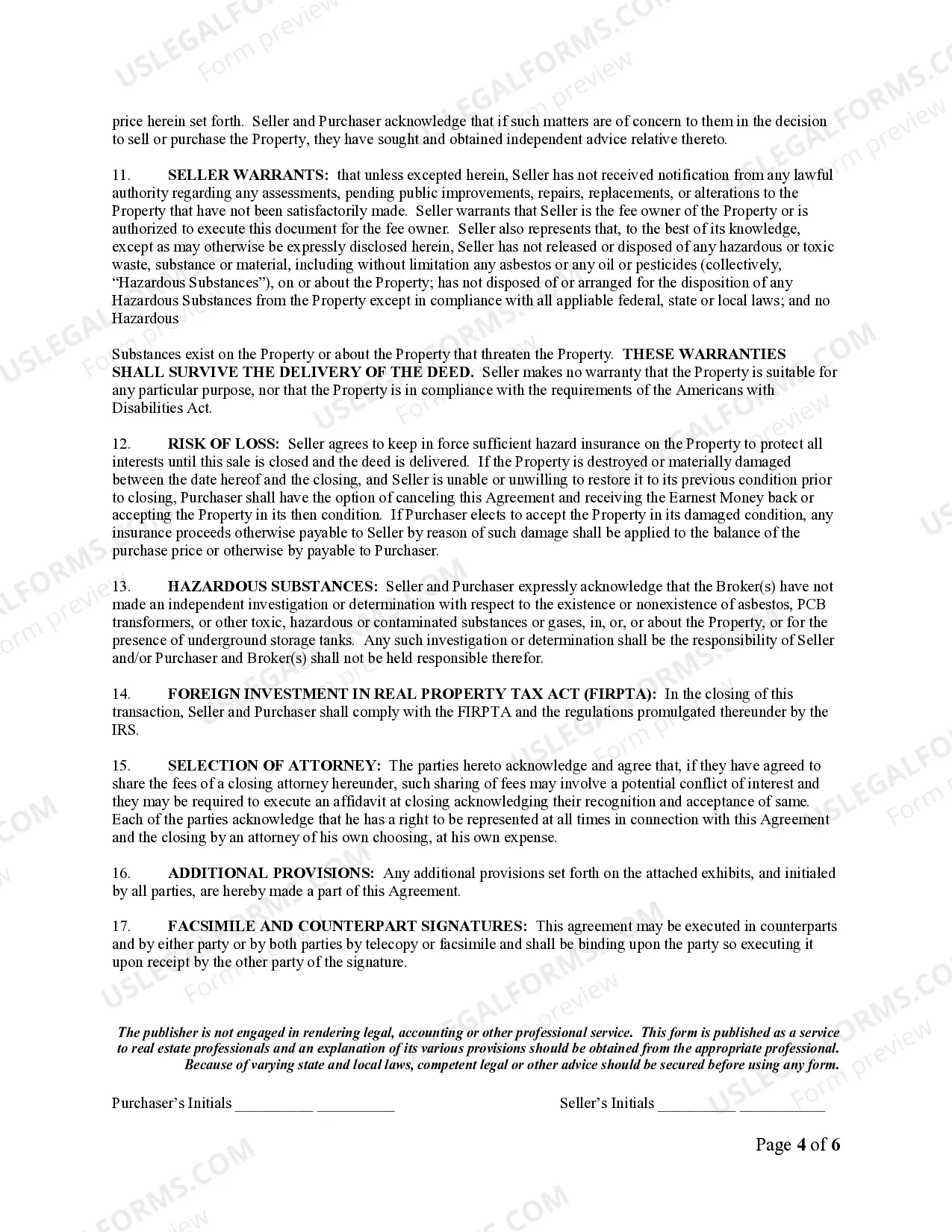
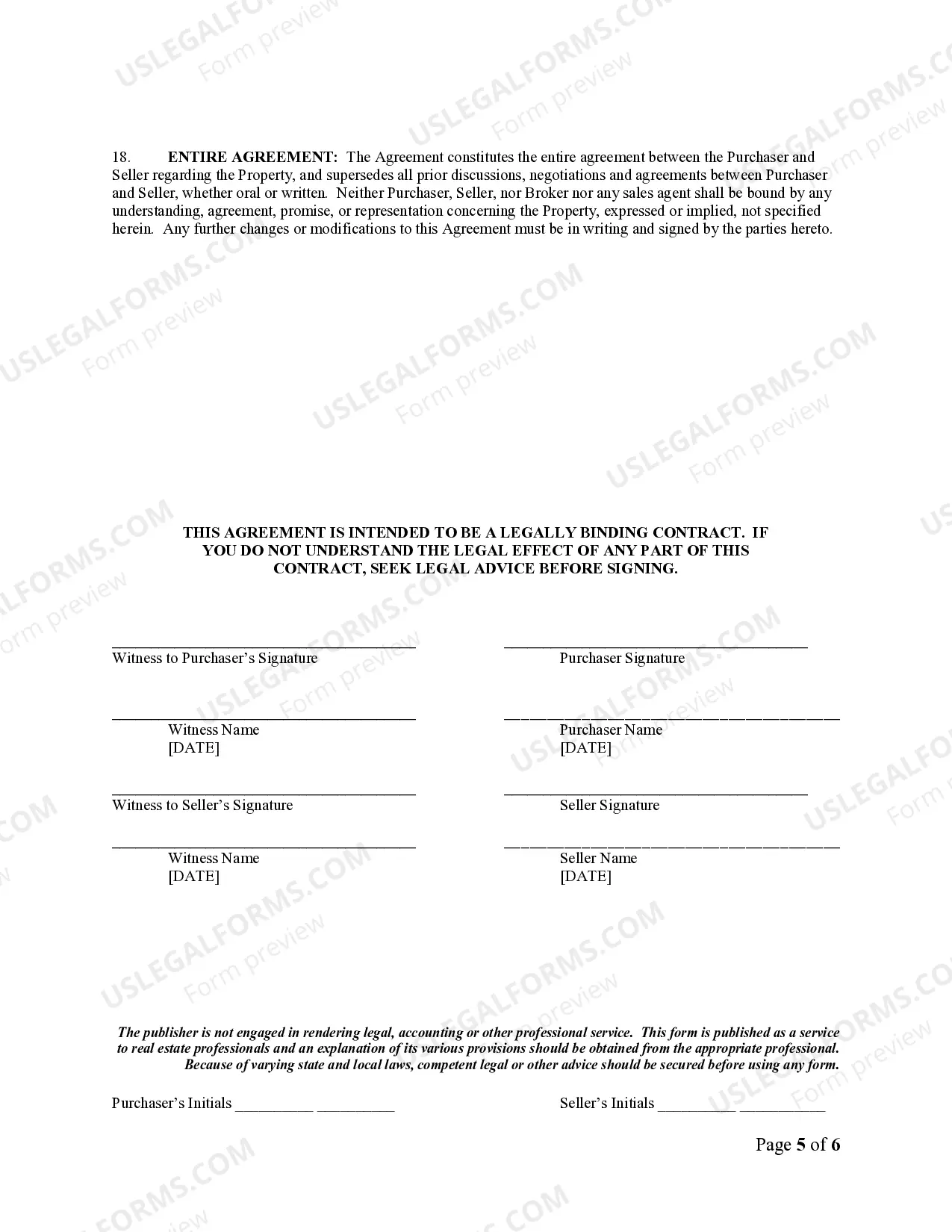
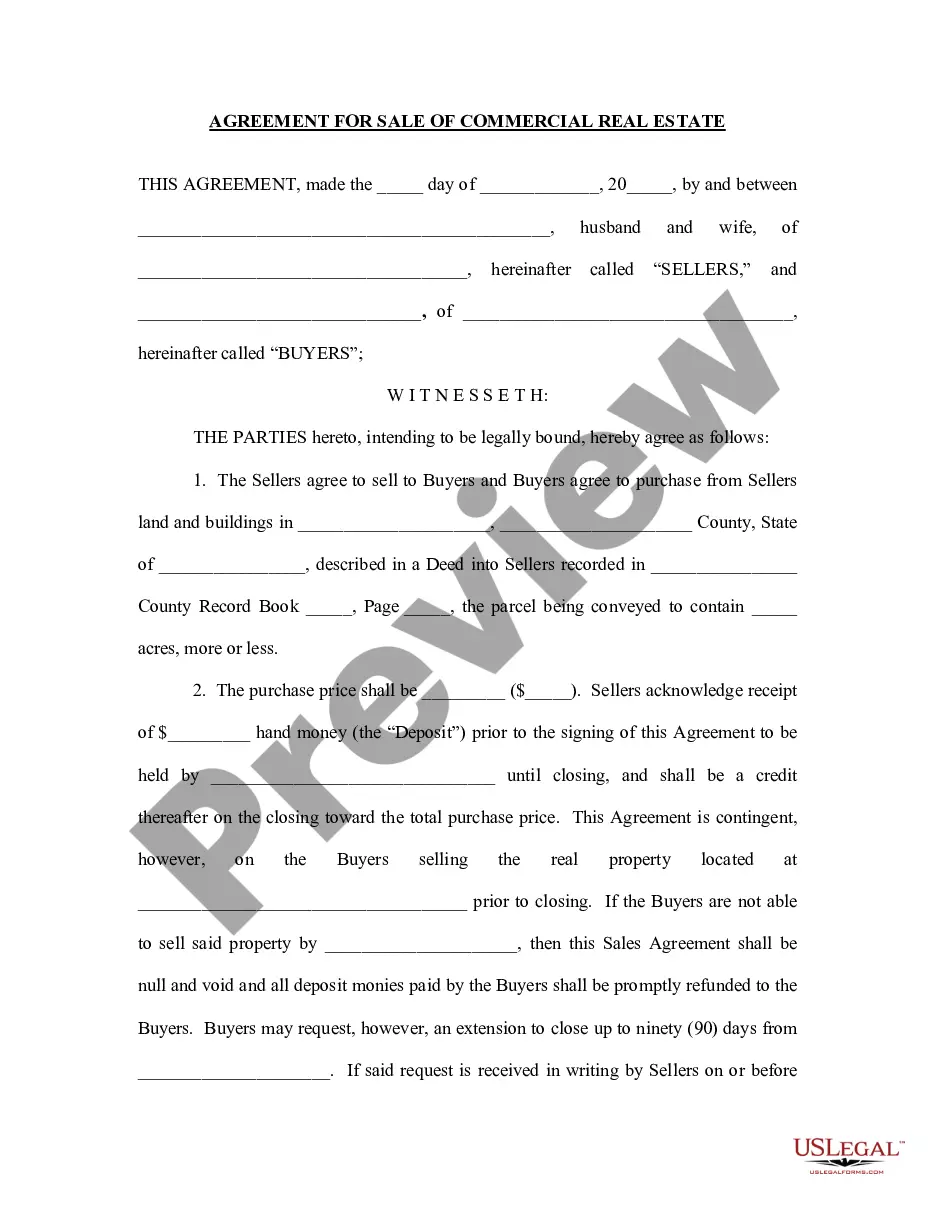
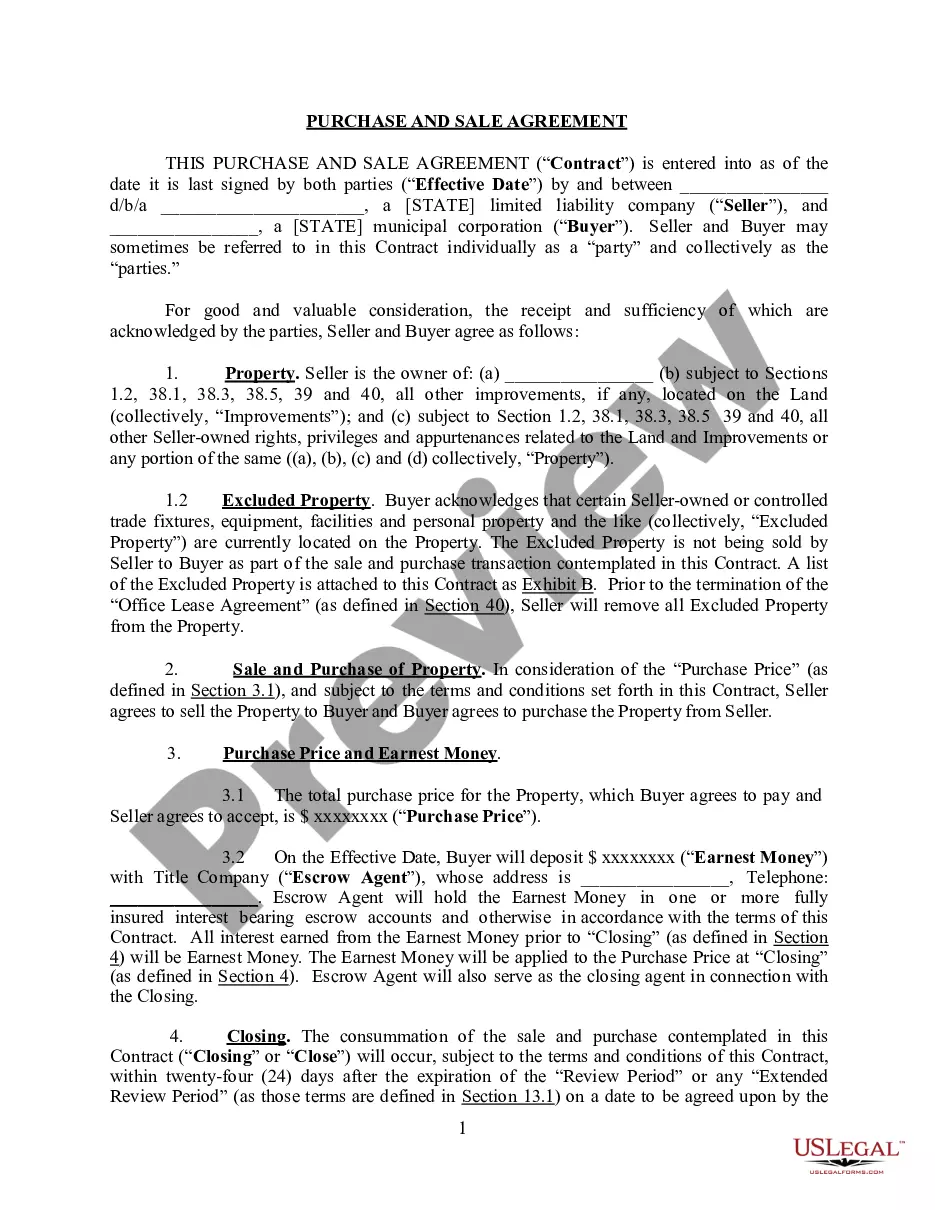
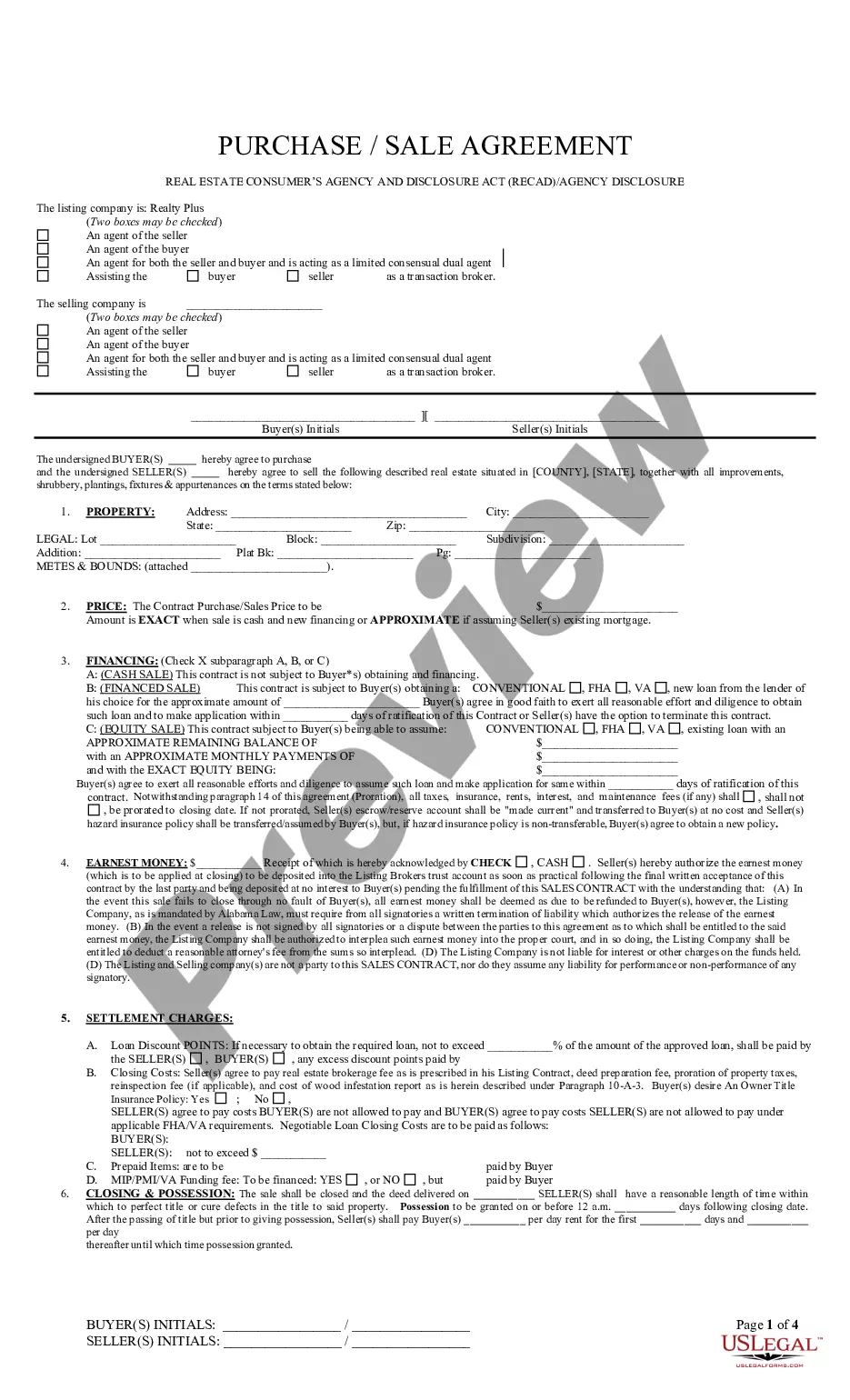
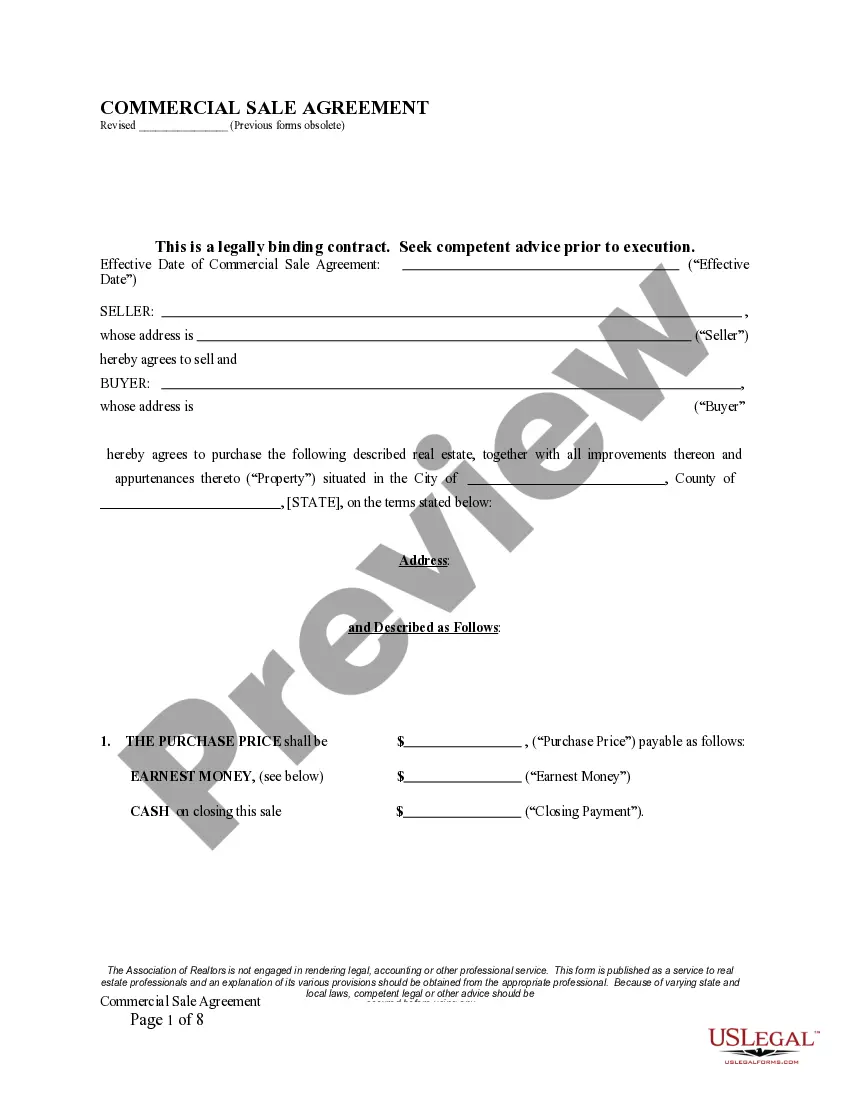
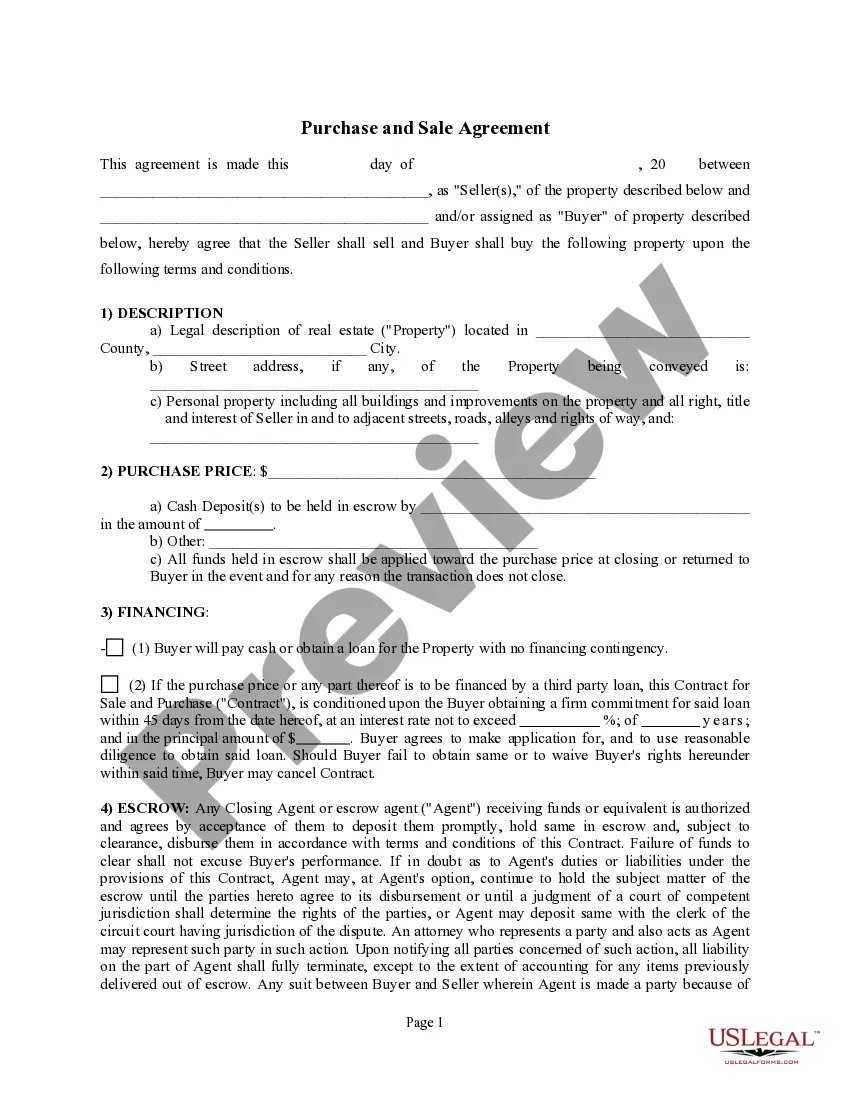
The Commercial Sale Agreement is a legally binding contract between a buyer and a seller that outlines the terms of the sale of real estate. This agreement is specifically designed for commercial transactions, distinguishing it from residential sale agreements. It includes provisions for purchase price, payment methods, property conditions, and responsibilities of both parties, ensuring clarity and protection for everyone involved in the transaction.
Key parts of this document
- Identification of the seller and purchaser, including full legal names.
- Details of the property being sold, including its address and legal description.
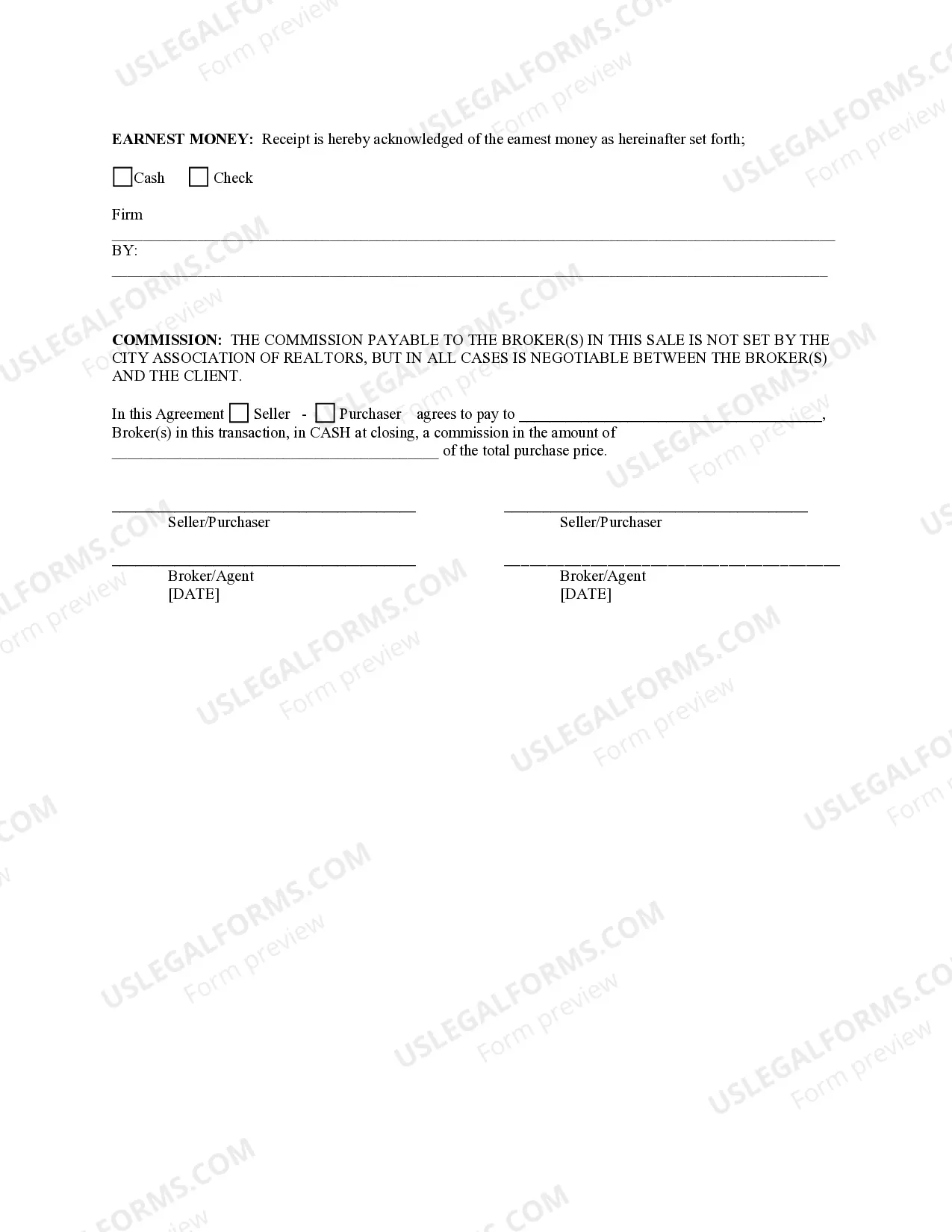
- Purchase price and payment terms, including earnest money requirements.
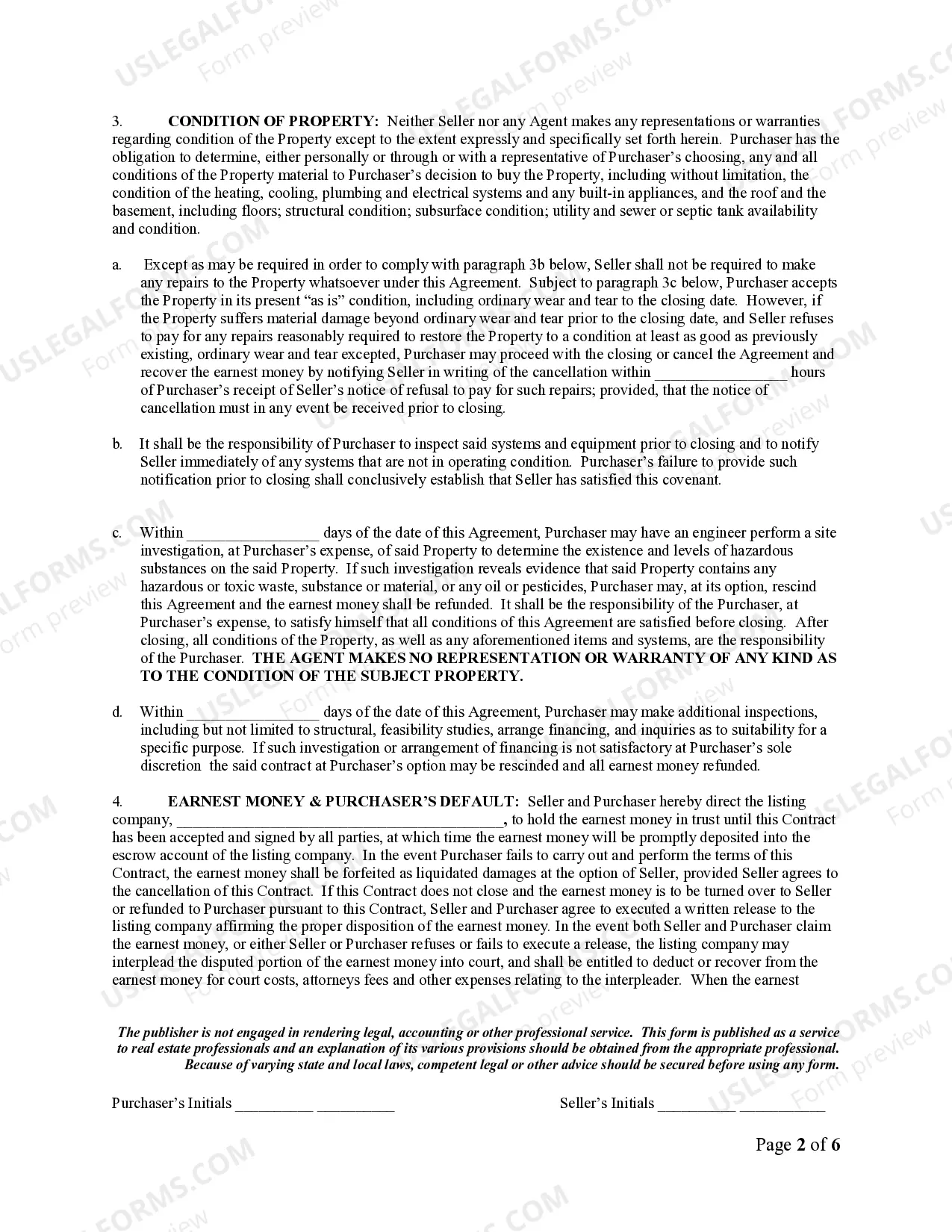
- Condition of the property clause, stating the seller's responsibilities and the buyer's inspection rights.
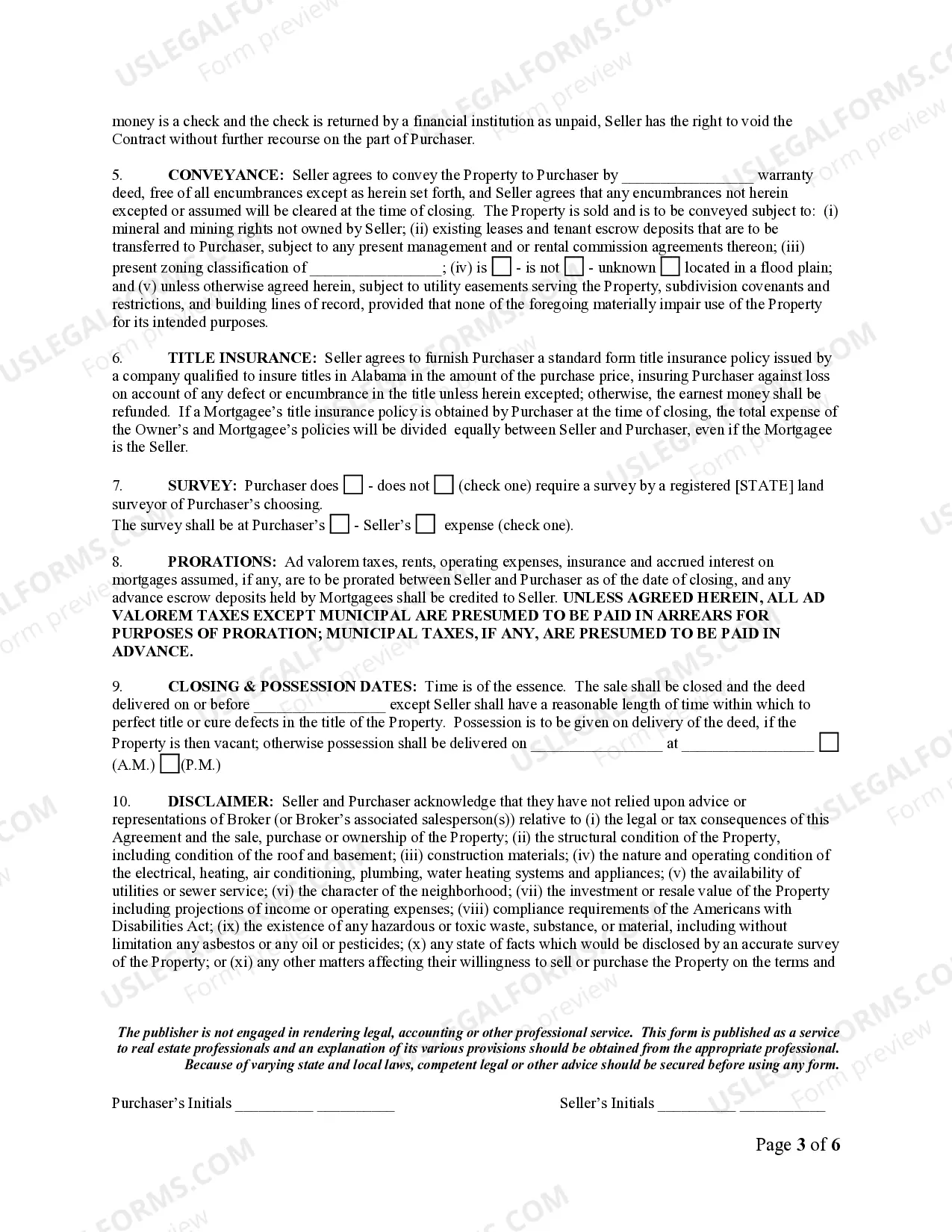
- Provisions regarding title insurance and any existing encumbrances on the property.
- Conditions for closing, possession dates, and post-closing responsibilities.
Situations where this form applies
This Commercial Sale Agreement should be used during the purchase and sale of commercial real estate. It is appropriate when both parties have agreed on the terms of sale and are ready to formalize the agreement. Typical scenarios include the sale of office buildings, retail spaces, or industrial properties where specific commercial clauses are necessary for legal clarity.
Who should use this form
This agreement is suitable for:
- Commercial property sellers looking to outline the terms of sale.
- Buyers interested in acquiring commercial properties and requiring documentation of the purchase agreement.
- Real estate agents or brokers facilitating the transaction.
- Attorneys who need a framework for drafting or reviewing sales contracts.
Instructions for completing this form
- Identify and fill in the names of the seller and purchaser at the beginning of the agreement.
- Describe the property being sold, including the complete address and legal descriptions.
- State the purchase price and how it will be paid, including sections on earnest money.
- Specify the condition of the property and any required inspections or representations made by the seller.
- Detail the closing date and the process for delivering possession of the property.
Does this form need to be notarized?
This form may not typically require notarization unless specified by local law. However, some jurisdictions might impose this requirement to enhance legal enforceability. Always check local regulations to ensure compliance.
Get your form ready online
Our built-in tools help you complete, sign, share, and store your documents in one place.
Make edits, fill in missing information, and update formatting in US Legal Forms—just like you would in MS Word.
Download a copy, print it, send it by email, or mail it via USPS—whatever works best for your next step.
Sign and collect signatures with our SignNow integration. Send to multiple recipients, set reminders, and more. Go Premium to unlock E-Sign.
If this form requires notarization, complete it online through a secure video call—no need to meet a notary in person or wait for an appointment.
We protect your documents and personal data by following strict security and privacy standards.

Make edits, fill in missing information, and update formatting in US Legal Forms—just like you would in MS Word.

Download a copy, print it, send it by email, or mail it via USPS—whatever works best for your next step.

Sign and collect signatures with our SignNow integration. Send to multiple recipients, set reminders, and more. Go Premium to unlock E-Sign.

If this form requires notarization, complete it online through a secure video call—no need to meet a notary in person or wait for an appointment.

We protect your documents and personal data by following strict security and privacy standards.
Mistakes to watch out for
- Failing to provide accurate property descriptions, which can lead to disputes.
- Not specifying the earnest money amount and payment methods clearly.
- Omitting essential inspection timeframes, which can affect buyer rights.
- Overlooking local regulations that might require specific disclosures.
- Not including the necessary signatures, which can invalidate the agreement.
Why complete this form online
- Convenience of downloading and editing the form at your own pace.
- Access to legally vetted templates drafted by licensed attorneys.
- Immediate access to forms that can be tailored to specific needs.
- Reduced chance of errors, as forms are structured for clarity.
Legal use & context
- The Commercial Sale Agreement is legally binding and should meet jurisdictional requirements.
- Both parties should seek to understand their obligations under the contract fully.
- Legal counsel is recommended when interpreting terms or negotiating conditions.
- Failure to adhere to local laws can result in unenforceability of the agreement.
Key takeaways
- The Commercial Sale Agreement outlines essential terms for real estate transactions.
- Accurate completion and understanding of this form are critical for legal protection of both parties.
- Always consider state-specific regulations and confirm notarization requirements.
- This agreement aids in preventing disputes by clearly stating expectations and responsibilities.
Looking for another form?
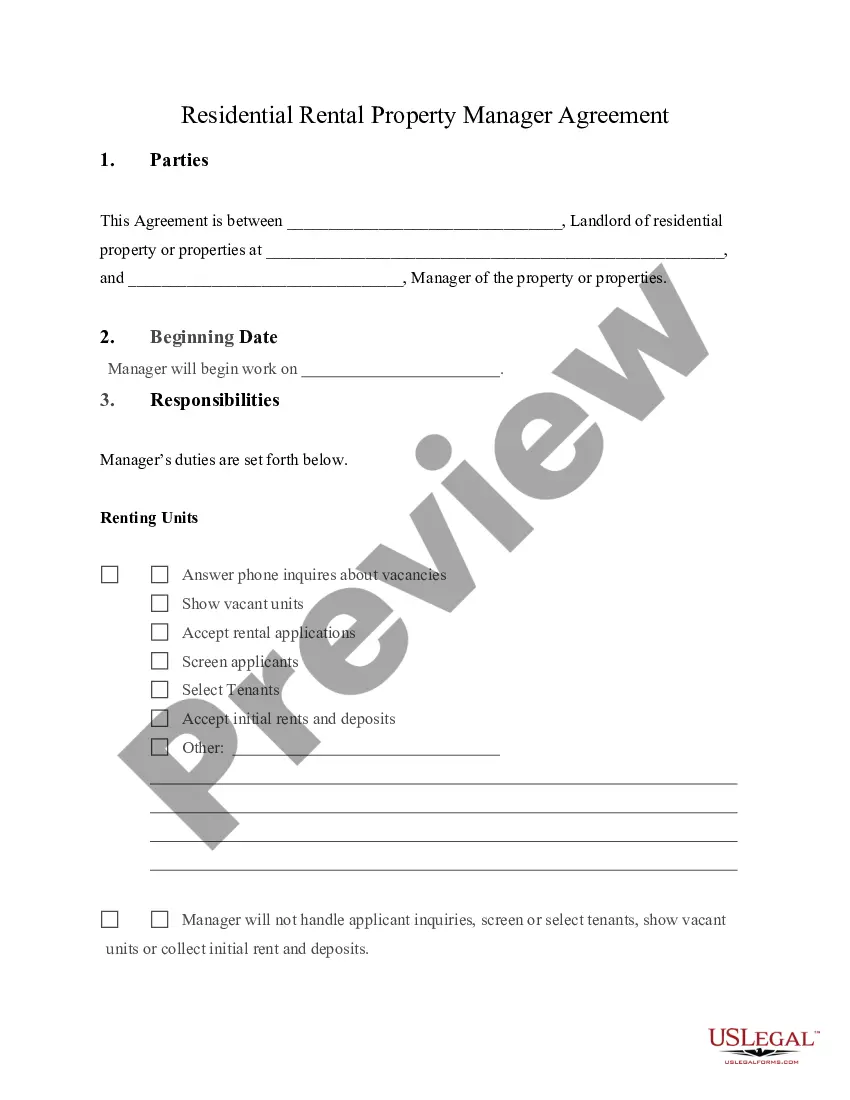
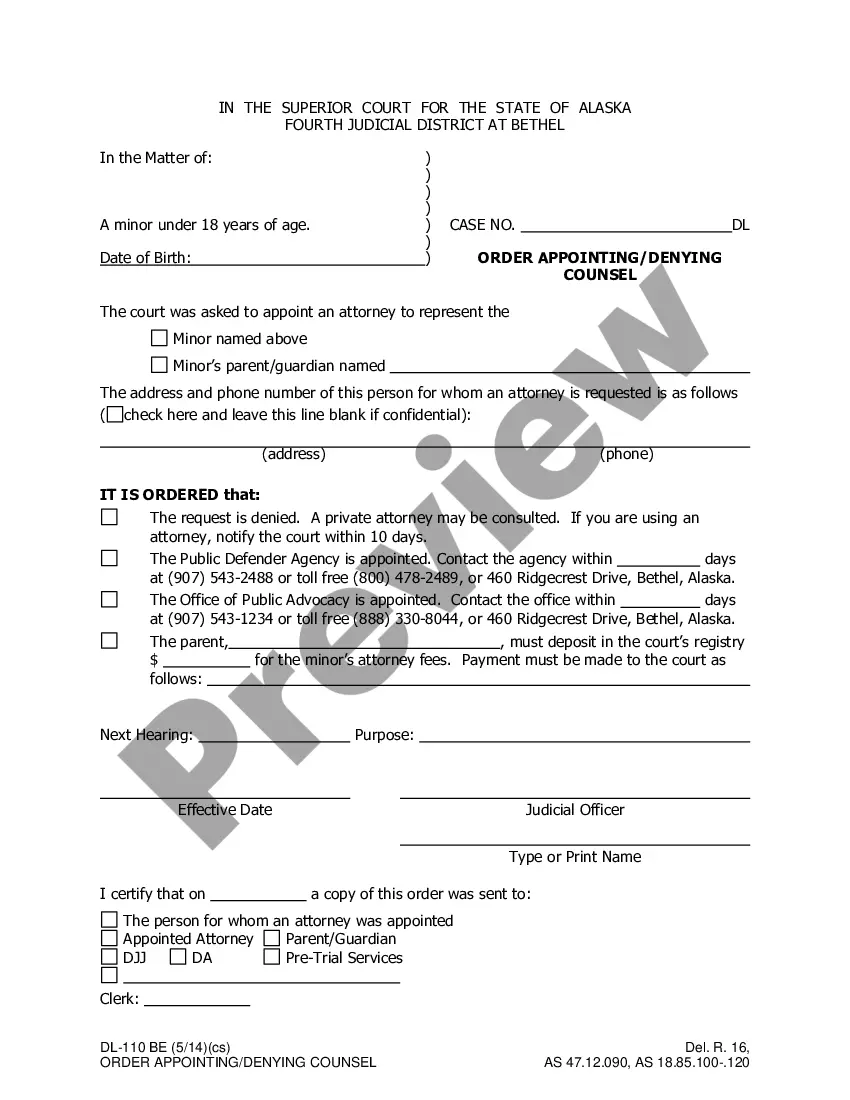
Form popularity
FAQ
When selling a small business, the seller might need to give the prospective buyer a vendor's statement (or Section 52 statement) before the contract of sale is signed. The statement includes important financial and tax information about the business.
Define how the buyer will pay for the sale, how many payment installments are involved, when they'll transfer the funds, and any other financial details. Also, include any possible brokers and a clause about how you'll resolve payment disputes.
How to negotiate effectively when buying commercial real estate Think about your needs.Set your budget.Find good advisors.Cast a wide net to save on price.Investigate your site thoroughly.Make an effective offer.Before you close the deal.
Elements of a sales agreement Description of goods, services, or property being purchased. Payment amount, dates, and method. Liability of each party in the case of loss, damage, or delivery failure. Ownership information, such as when ownership formally transfers to the buyer.
The sale of the business itself, including the assets and liabilities of the business. No other unknown assumption of liabilities, unless otherwise stated in the agreement. The purchase price. All representations, restrictive clauses, and warranties identified in the agreement.
How to Write a Business Contract Get it in Writing.Use Language You Can Understand.Be Detailed.Include Payment Details.Consider Confidentiality.Include Language on How to Terminate the Contract.Consider State Laws Governing the Contract.Include Remedies and Attorneys' Fees.
In a stock sale, the corporation is included in the sale of a business. In an asset sale, the corporation is not included in the sale of the business. Usually, with an asset sale, the buyer sets up a new corporation that acquires all of the assets of the business being purchased.
An LOI stands for Letter of Intent. In commercial real estate, a Letter of Intent is a preliminary agreement that is negotiated between a tenant and landlord or buyer and seller. The LOI or Letter of Intent states the primary economics and deal points with proposed terms.