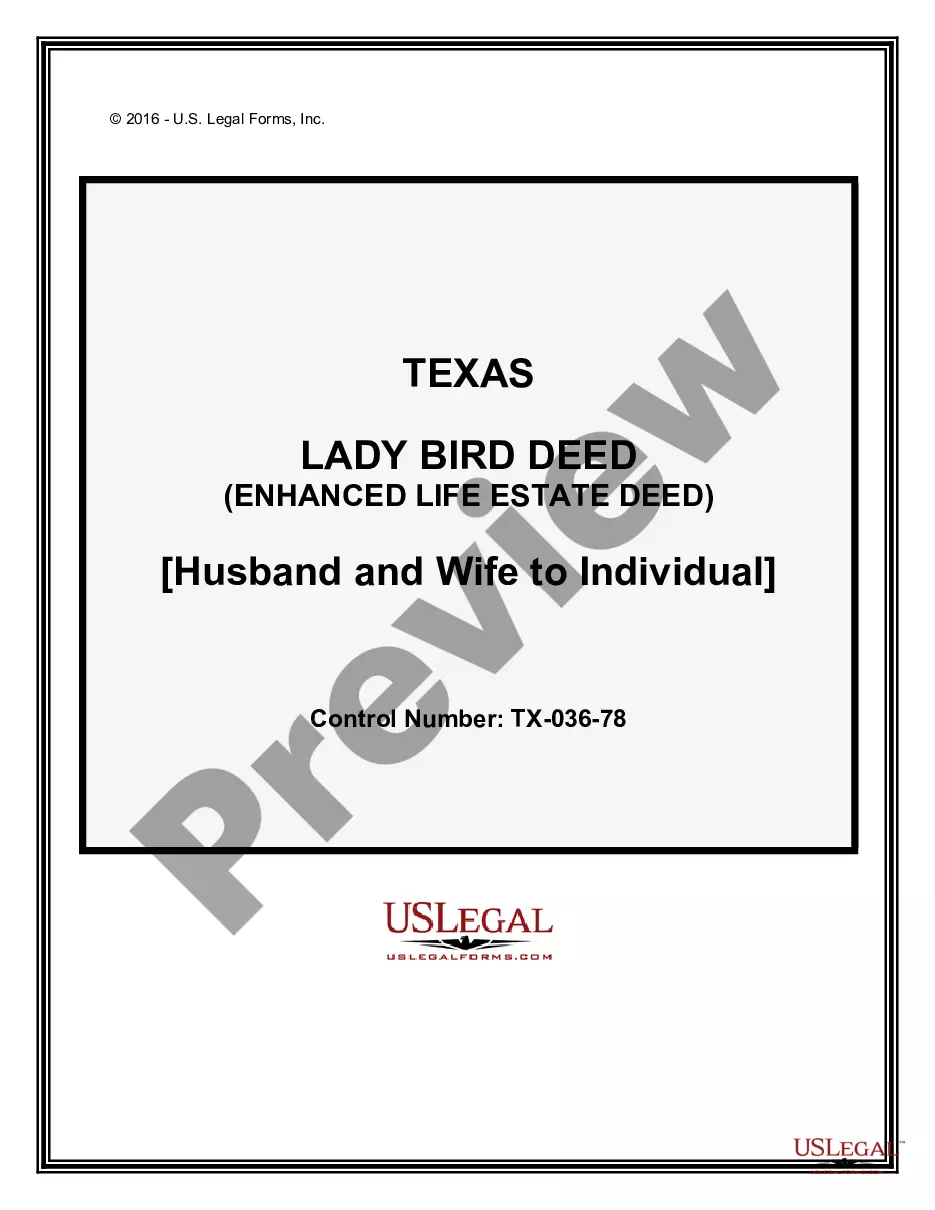
Texas Enhanced Life Estate or Lady Bird Deed - Husband and Wife to Individual
Overview of this form
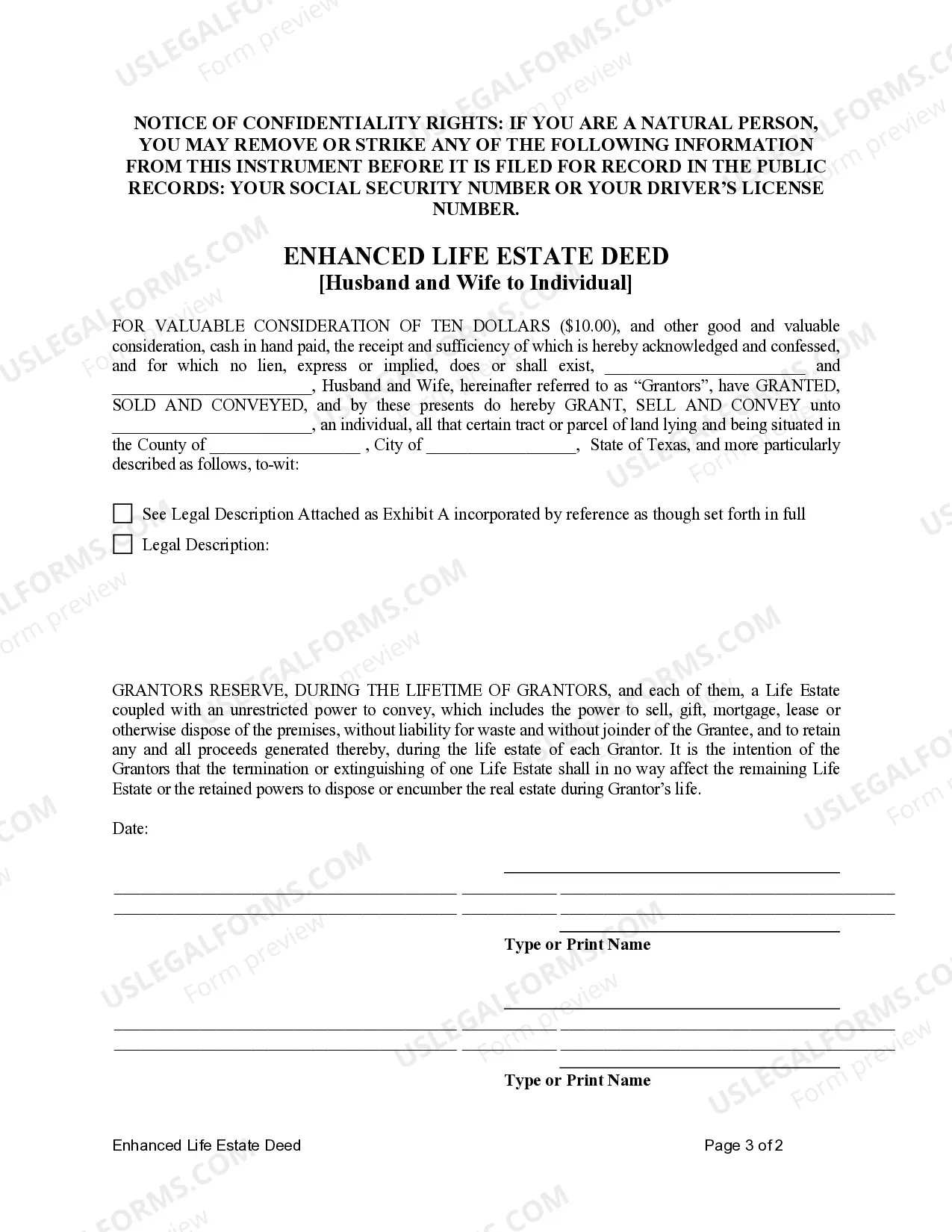
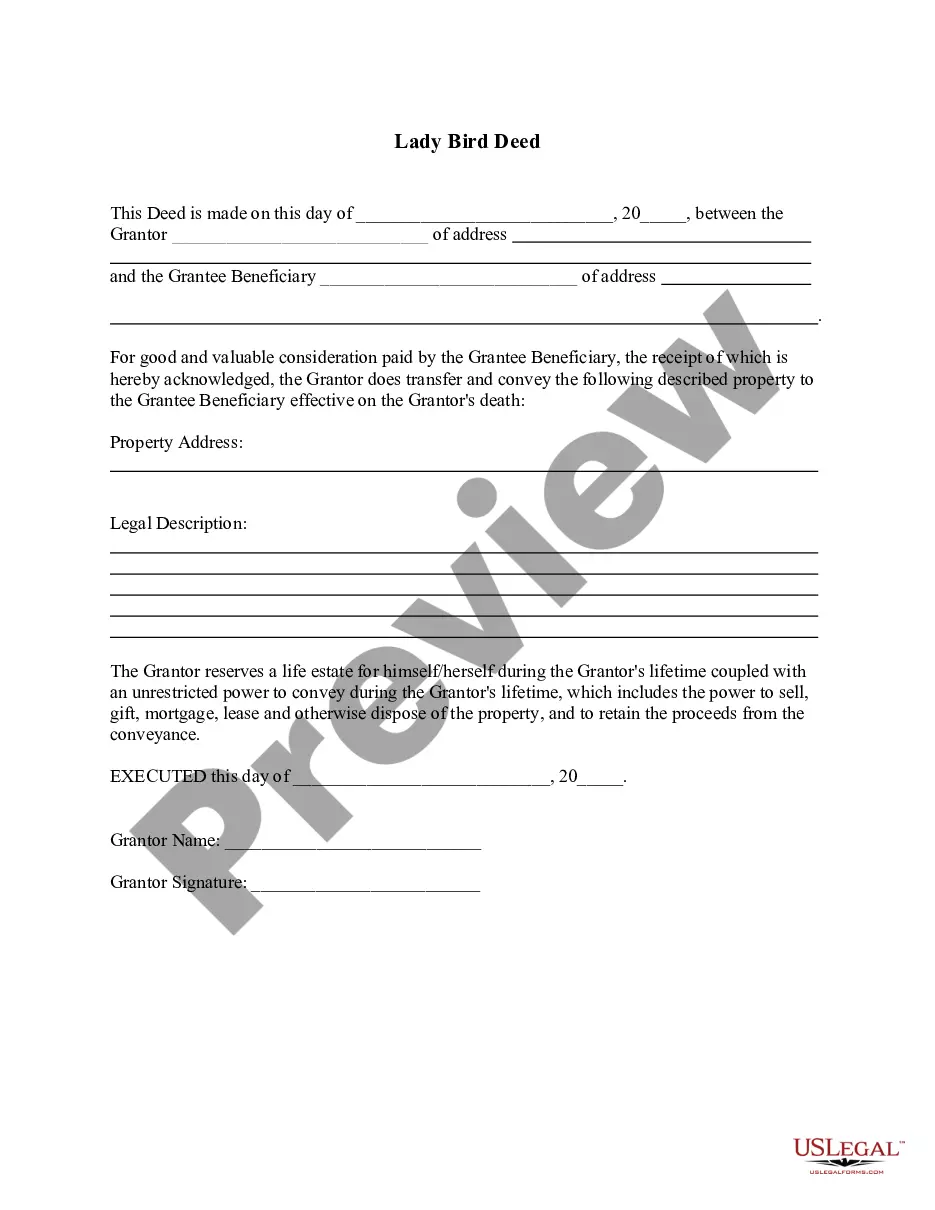
The Enhanced Life Estate Deed, commonly referred to as a Lady Bird Deed, allows a husband and wife (the Grantors) to convey property to an individual (the Grantee) while retaining the right to live in and control the property during their lifetimes. This form differs from traditional life estate deeds as it provides greater flexibility by allowing the Grantors to sell, mortgage, or burden the property without needing the Granteeâs consent. Such a structure ensures that the Grantors can enjoy and manage their property rights even after the transfer to the Grantee.
Key components of this form
- Identification of Grantors: Names and details of the husband and wife conveying the property.
- Designation of Grantee: Information on the individual receiving the property.
- Description of Property: Detailed description of the real estate being conveyed.
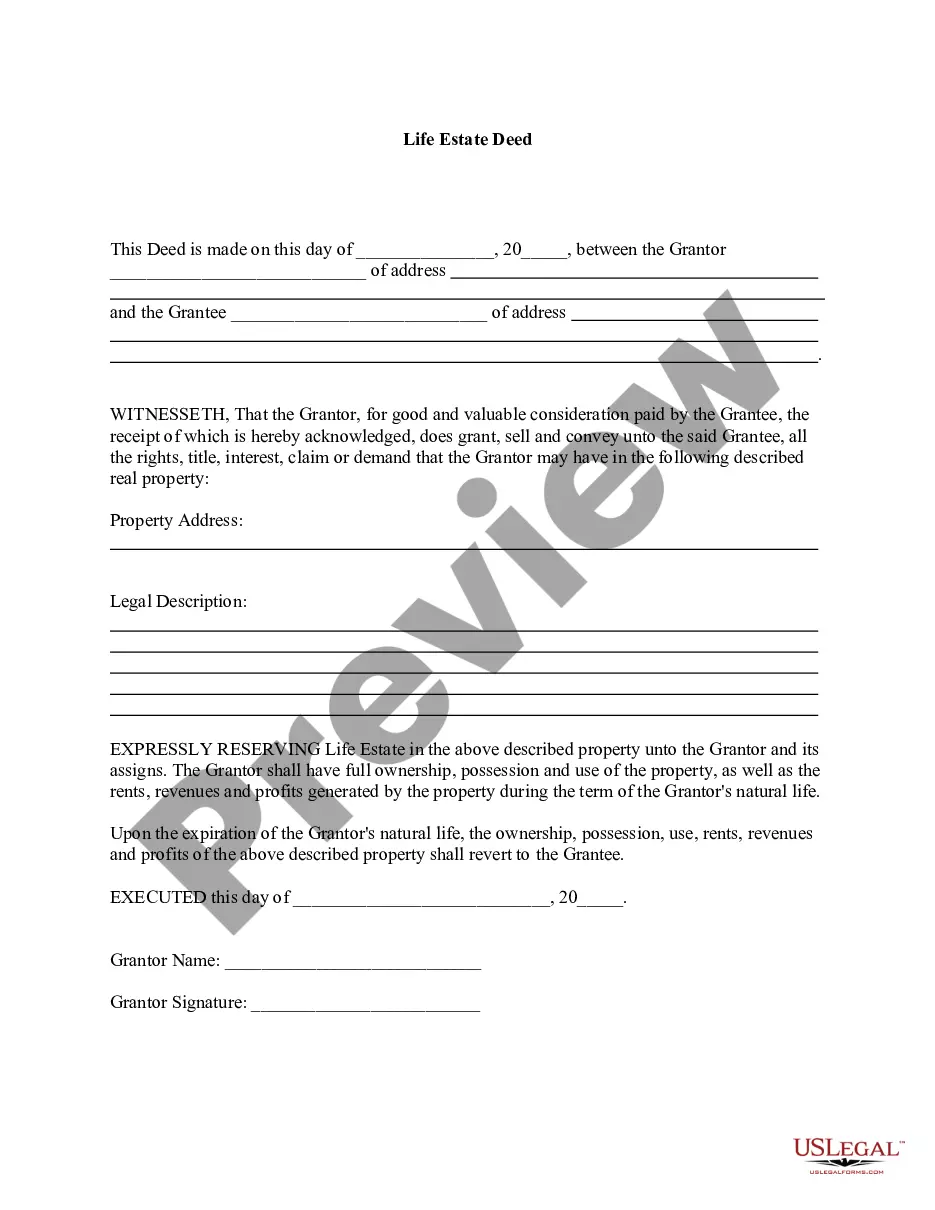
- Reserved Life Estate: Specifies that the Grantors retain the right to use the property for life.
- Rights to Manage Property: Includes the ability to sell, mortgage, or otherwise encumber the property.
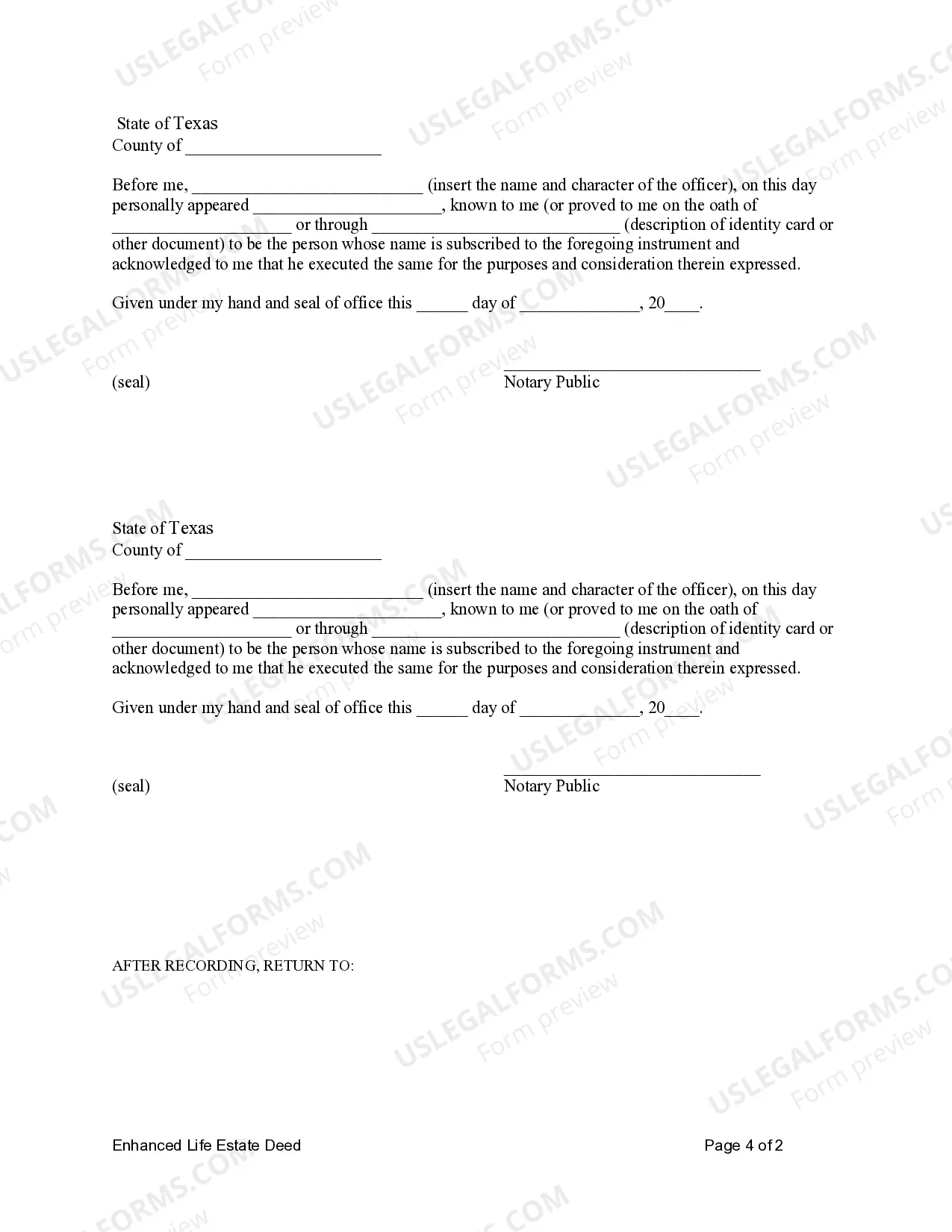
- Legal Acknowledgment: Space for notarization to verify the identity of Grantors.


When to use this document
This form is primarily used when a husband and wife wish to transfer ownership of their property to another individual while retaining the right to live in and manage that property throughout their lifetimes. It is particularly beneficial in estate planning, as it helps avoid probate and simplifies the transfer of property upon the Grantorsâ passing.
Who this form is for
Individuals who should use this form include:
- Married couples looking to transfer real estate to a designated individual.
- Couples interested in maintaining control over their property during their lifetimes.
- Homeowners seeking a tax-efficient method of transferring property to heirs.
Steps to complete this form
Follow these steps to complete the Enhanced Life Estate Deed:
- Identify the parties by entering the names of the Grantors and the Grantee.
- Specify the property being conveyed by providing a detailed legal description.
- Reserve the life estate by noting that the Grantors retain their rights to the property.
- Ensure all necessary signatures are added, including acknowledgment by a notary public.
- File the completed deed with the appropriate county recorder's office to finalize the transfer.
Does this document require notarization?
Yes, this form must be notarized to be legally valid. Notarization verifies the identity of the Grantors and ensures that they are signing the document voluntarily. U.S. Legal Forms offers integrated online notarization services, allowing you to complete this process securely through a video call at your convenience.
Get your form ready online
Our built-in tools help you complete, sign, share, and store your documents in one place.
Make edits, fill in missing information, and update formatting in US Legal Forms—just like you would in MS Word.
Download a copy, print it, send it by email, or mail it via USPS—whatever works best for your next step.
Sign and collect signatures with our SignNow integration. Send to multiple recipients, set reminders, and more. Go Premium to unlock E-Sign.
If this form requires notarization, complete it online through a secure video call—no need to meet a notary in person or wait for an appointment.
We protect your documents and personal data by following strict security and privacy standards.

Make edits, fill in missing information, and update formatting in US Legal Forms—just like you would in MS Word.

Download a copy, print it, send it by email, or mail it via USPS—whatever works best for your next step.

Sign and collect signatures with our SignNow integration. Send to multiple recipients, set reminders, and more. Go Premium to unlock E-Sign.

If this form requires notarization, complete it online through a secure video call—no need to meet a notary in person or wait for an appointment.

We protect your documents and personal data by following strict security and privacy standards.
Mistakes to watch out for
- Failing to include a complete legal description of the property.
- Not having the form notarized, which can render it invalid.
- Leaving out necessary information about the Grantors or Grantee.
- Not understanding the rights retained by the Grantors, which may lead to confusion about property usage.
Why complete this form online
- Convenience: Download and fill out forms from the comfort of your home at any time.
- Editability: Easily modify the form to suit your specific needs before printing.
- Reliability: Forms are drafted by licensed attorneys, ensuring legal compliance.
Main things to remember
- The Enhanced Life Estate Deed allows for property transfer while retaining lifetime rights.
- It is especially useful for avoiding probate and easing property transfer upon death.
- The form must be notarized to be considered legally binding.
Looking for another form?
Form popularity
FAQ
To be valid, gift deeds in Texas further require the document set forth (1) the intent of the grantor, (2) the delivery of the property to the grantee, and (3) the gift to be accepted by the grantee. The one claiming the gift bears the burden to establish each of the elements.
A Lady Bird deed avoids probate, so the home is not part of the probate estate and Medicaid cannot go after it.
Using an Affidavit of Survivorship to Remove a Deceased Owner from Title. If you are already listed as a co-owner on the prior deedor if you inherited an interest in the property through a life estate deed, transfer-on-death deed, or lady bird deedyou may use an affidavit of survivorship to remove the deceased owner.
This right to rescind is what distinguishes a Lady Bird Deed from a standard Life Estate Deed.A properly written, signed and filed Enhanced Life Estate Deed does supersede the terms of the owner's Will, so long as the grantor has not exercised the retained right to reclaim ownership while living.
Find the most recent deed to the property. It is best to begin with a copy of the most recent deed to the property (the deed that transferred the property to the current grantor). Create a new deed. Sign and notarize the deed. File the documents in the county land records.
The deed and any related agreements should be filed in the land records of the county where the property is located. The county clerk will require a recording fee. Recording fees can vary, but usually range from $11.00 to $30.00 for the first page and $4.00 for each additional page.
Now, people can convey clear title to their property by completing a transfer on death deed form, signing it in front of a notary, and filing it in the deed records office in the county where the property is located before they die at a cost of less than fifty dollars.
In a joint tenancy, when one owner dies, his or her share of the property passes to the decedent's heirs or to the persons named in the decedent's will. In a joint tenancy with right of survivorship, when an owner dies, his or her share of the property goes to the other owners.
To transfer it, you will have to get a succession certificate (for moveable property) and a letter of administration (for Immoveable property). While doing so, get the son and daughter to give no objections in court that they have no objection if all the property is transferred to the widow.