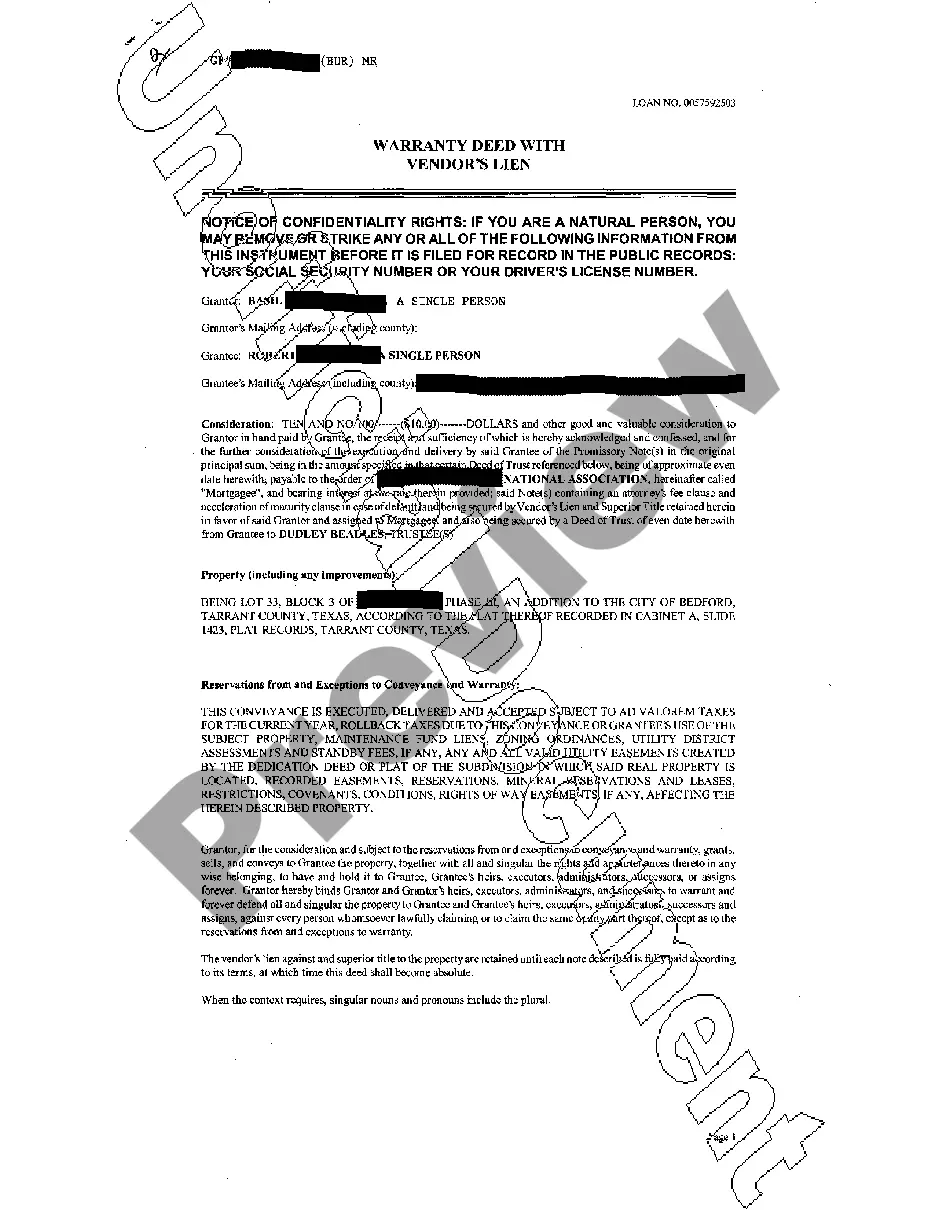
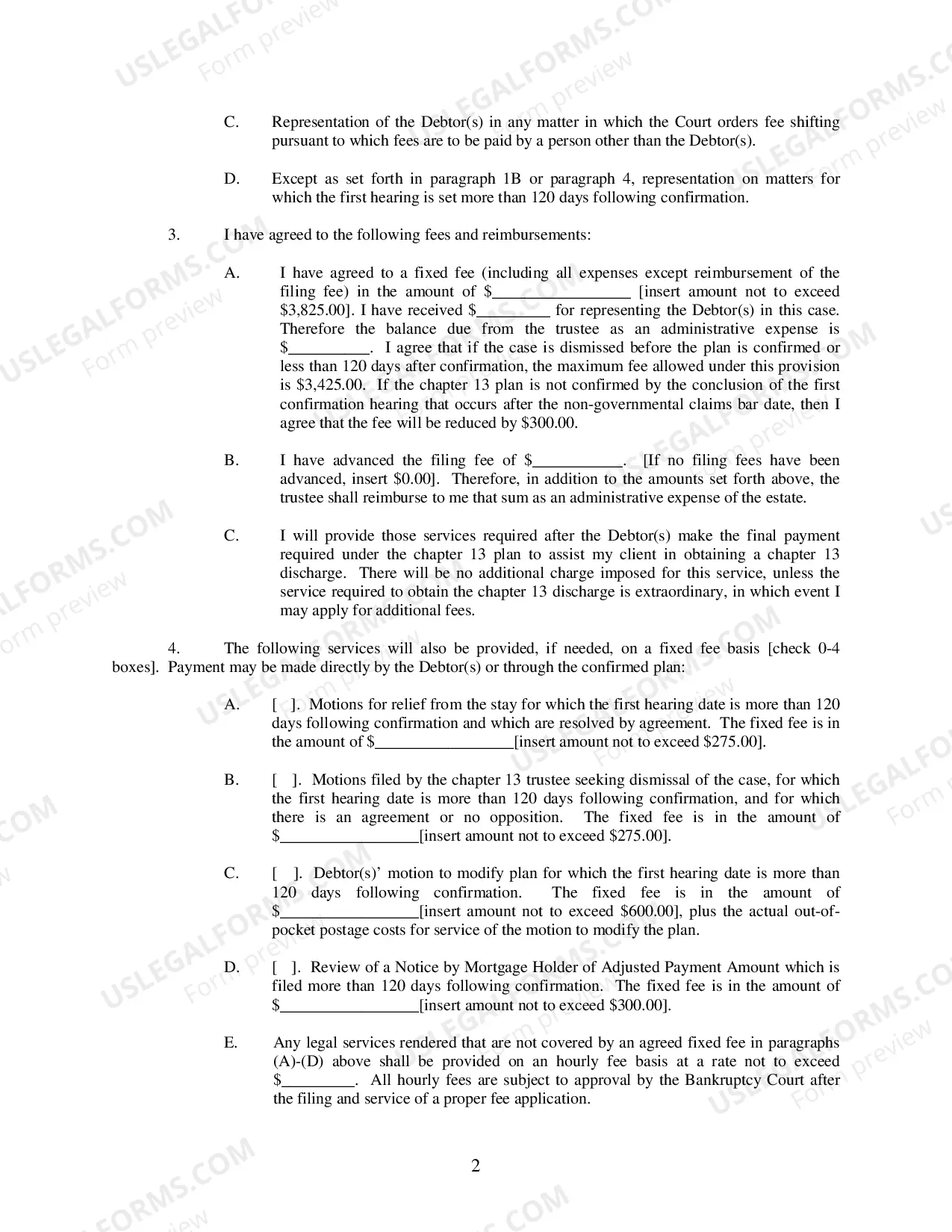
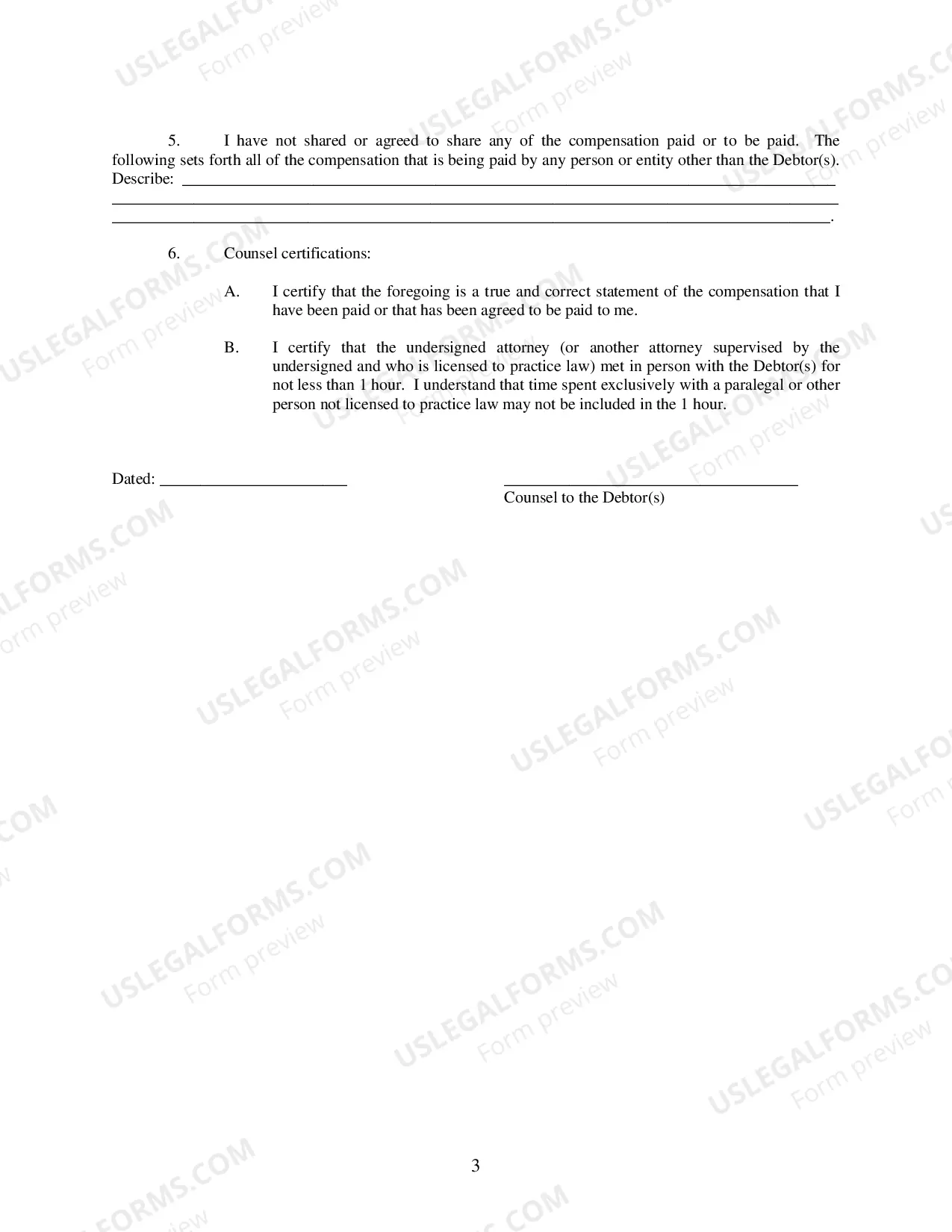
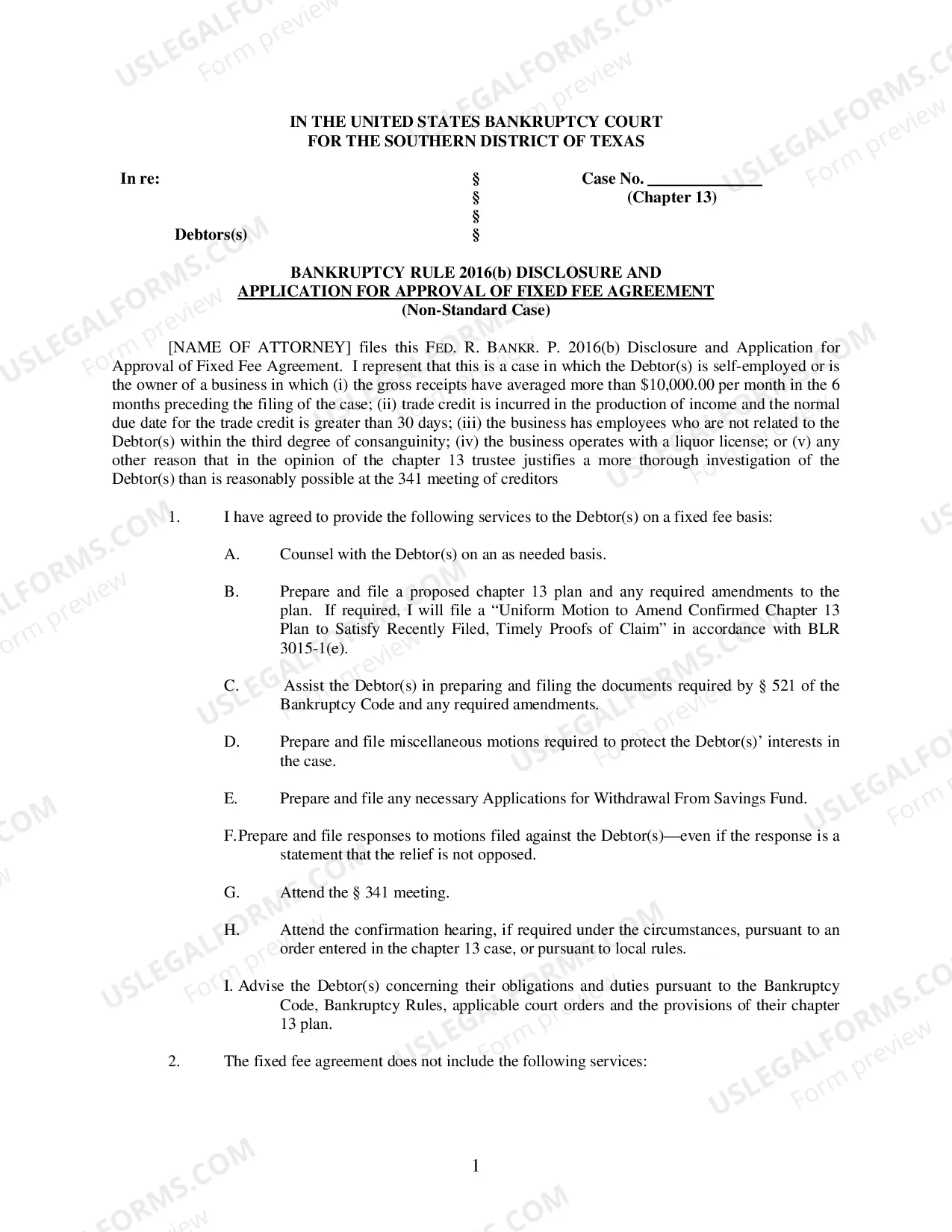
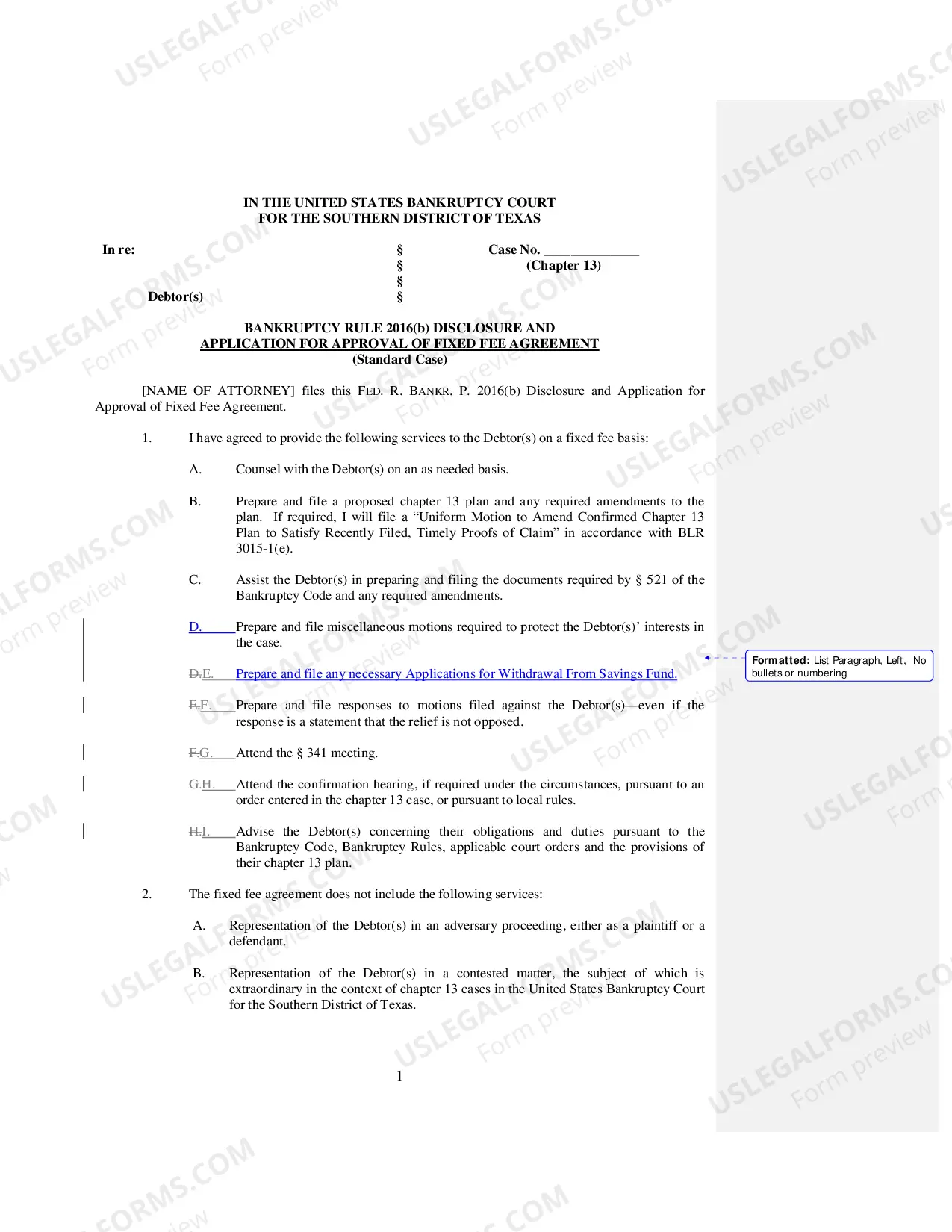
Texas Application for Approval of Fixed Fee in Chapter 13 Standard Cases
Description
Get your form ready online
Our built-in tools help you complete, sign, share, and store your documents in one place.
Make edits, fill in missing information, and update formatting in US Legal Forms—just like you would in MS Word.
Download a copy, print it, send it by email, or mail it via USPS—whatever works best for your next step.
Sign and collect signatures with our SignNow integration. Send to multiple recipients, set reminders, and more. Go Premium to unlock E-Sign.
If this form requires notarization, complete it online through a secure video call—no need to meet a notary in person or wait for an appointment.
We protect your documents and personal data by following strict security and privacy standards.

Make edits, fill in missing information, and update formatting in US Legal Forms—just like you would in MS Word.

Download a copy, print it, send it by email, or mail it via USPS—whatever works best for your next step.

Sign and collect signatures with our SignNow integration. Send to multiple recipients, set reminders, and more. Go Premium to unlock E-Sign.

If this form requires notarization, complete it online through a secure video call—no need to meet a notary in person or wait for an appointment.

We protect your documents and personal data by following strict security and privacy standards.
Looking for another form?



How to fill out Texas Application For Approval Of Fixed Fee In Chapter 13 Standard Cases?
Coping with official documentation requires attention, precision, and using properly-drafted templates. US Legal Forms has been helping people across the country do just that for 25 years, so when you pick your Texas Application for Approval of Fixed Fee in Chapter 13 Standard Cases template from our service, you can be certain it complies with federal and state regulations.
Working with our service is simple and fast. To get the required paperwork, all you’ll need is an account with a valid subscription. Here’s a brief guideline for you to obtain your Texas Application for Approval of Fixed Fee in Chapter 13 Standard Cases within minutes:
- Make sure to carefully check the form content and its correspondence with general and law requirements by previewing it or reading its description.
- Look for an alternative formal blank if the previously opened one doesn’t match your situation or state regulations (the tab for that is on the top page corner).
- Log in to your account and download the Texas Application for Approval of Fixed Fee in Chapter 13 Standard Cases in the format you need. If it’s your first time with our service, click Buy now to continue.
- Create an account, decide on your subscription plan, and pay with your credit card or PayPal account.
- Decide in what format you want to obtain your form and click Download. Print the blank or upload it to a professional PDF editor to submit it paper-free.
All documents are drafted for multi-usage, like the Texas Application for Approval of Fixed Fee in Chapter 13 Standard Cases you see on this page. If you need them one more time, you can fill them out without re-payment - simply open the My Forms tab in your profile and complete your document whenever you need it. Try US Legal Forms and prepare your business and personal paperwork rapidly and in full legal compliance!
Form popularity
FAQ
Chapter 13 Has a Failure Rate of 67% Why do roughly 2 out of every 3 Chapter 13 cases fail? Well, to get a discharge of your debts, you need to complete a 3-5 year repayment plan. And most plans are 5 years long. Only at the end of the plan will the remainder of some debts be forgiven.
Chapter 13 Bankruptcy Can Save You Money?Sometimes, a Lot of Money. Paying 100% of your unsecured debt through a Chapter 13 plan looks a lot different than paying 100% of the same debt directly. That's because, in a Chapter 13 plan, 100% means 100% of the balance you owe when you file.
If your Chapter 13 plan payment is too high, you can sometimes get it lowered if you encounter a reduction in household income. If your income reduces, you are many times also allowed to reduce your plan payment. This is accomplished usually by filing a Motion to Modify your Chapter 13 plan.
The Minimum Percentage of Debt Repayments In A Chapter 13 Bankruptcy Is 8 To 10 Percent.
Also do not not incur debt, use credit, credit cards, or enter into leases while in Chapter 13 without Bankruptcy Court approval, except in the case of an emergency for the protection and preservation of life, health or property. Contact your attorney if you need to sell property or incur debt.
Chapter 13 also allows debtors to keep bank account funds in excess of the allowable exemption amount provided the excess amounts are worked into the Chapter 13 plan and paid back over the life of the plan.
An increase in income will likely impact your Chapter 13 repayment plan, and you are obligated to report wage increases to your bankruptcy trustee. If you have further questions regarding filing for Chapter 13 bankruptcy, your best course of action may be to enlist the assistance of Chapter 13 bankruptcy lawyers.
You don't have to give up everything when you file for bankruptcy. You can keep any property that qualifies as an exempt asset?including cash. The tricky part is that most state exemptions don't allow you to protect much cash; however, you might be able to use a wildcard exemption to cover a more significant amount.