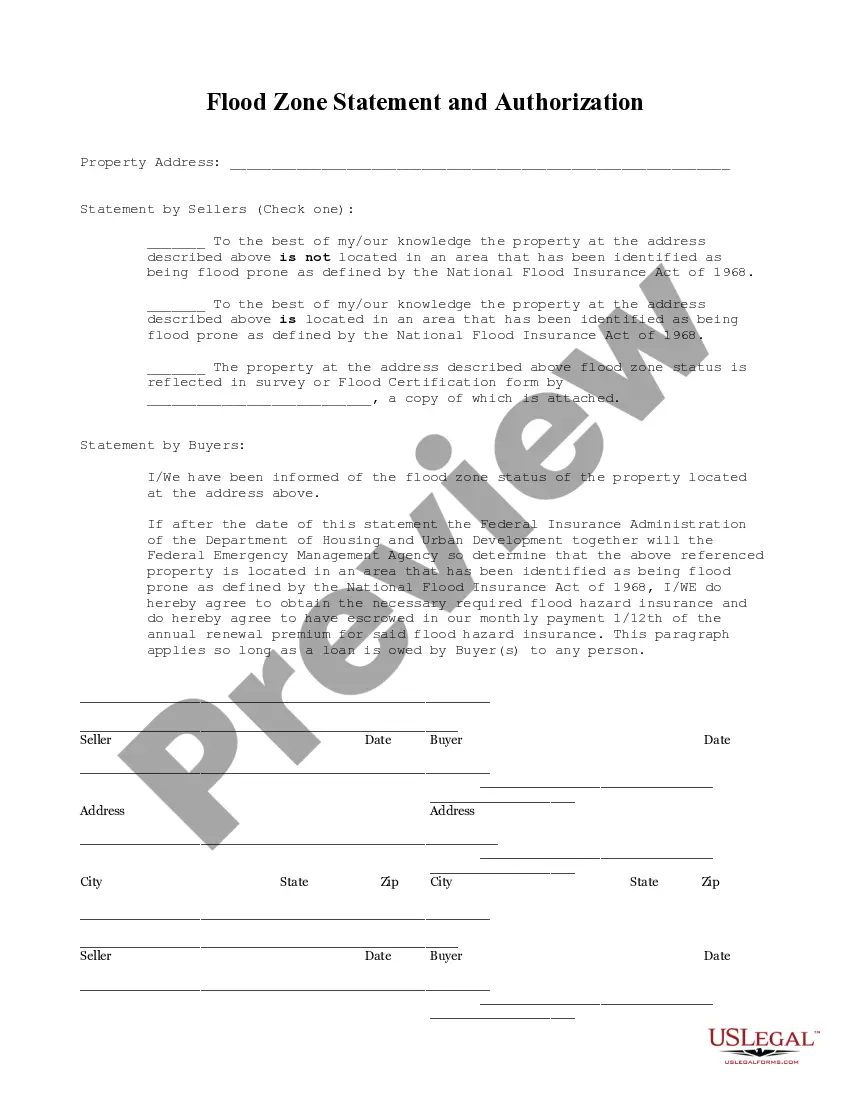
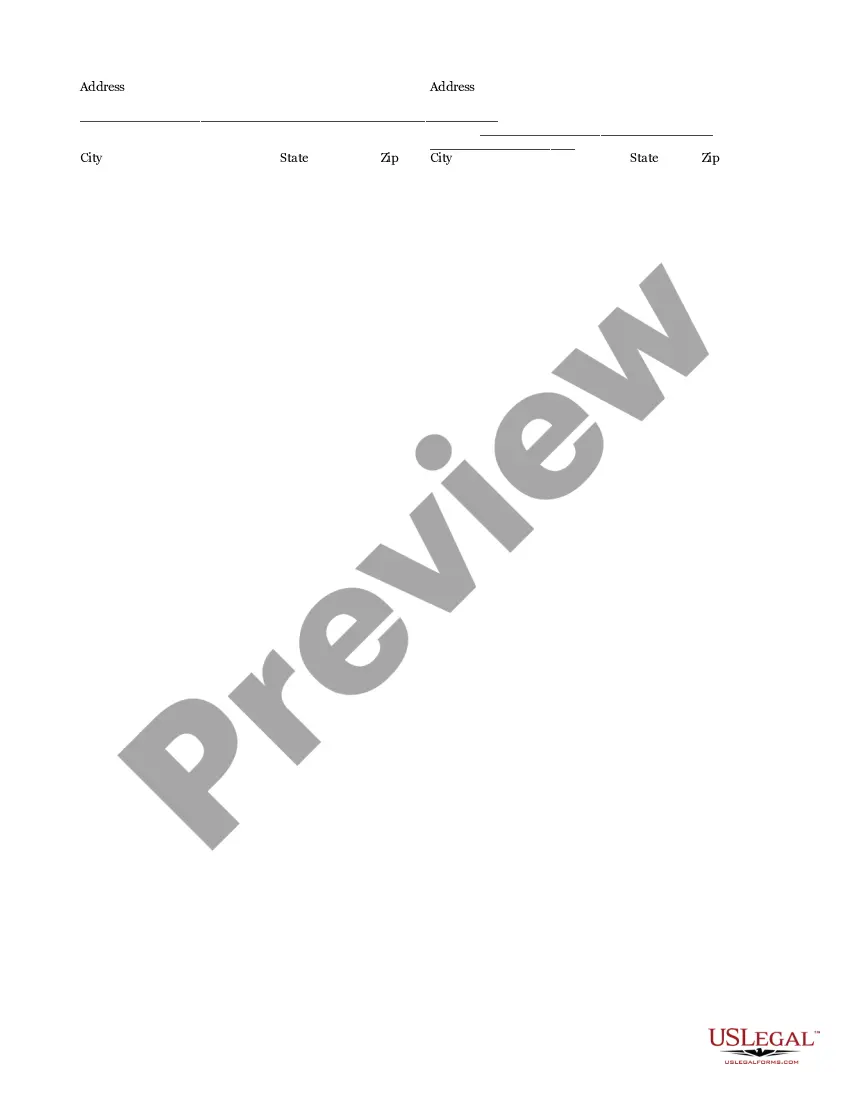
Wisconsin Flood Zone Statement and Authorization
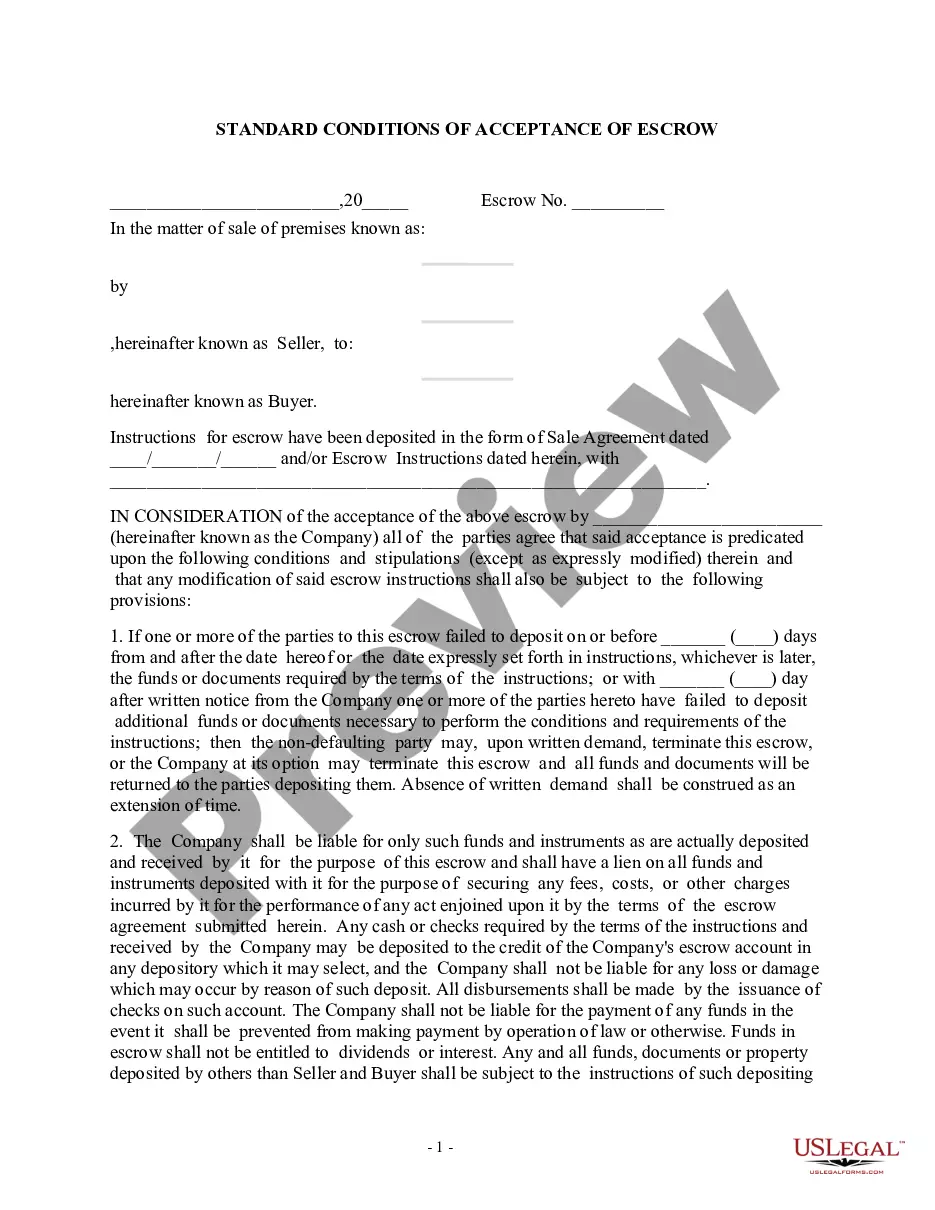
About this form
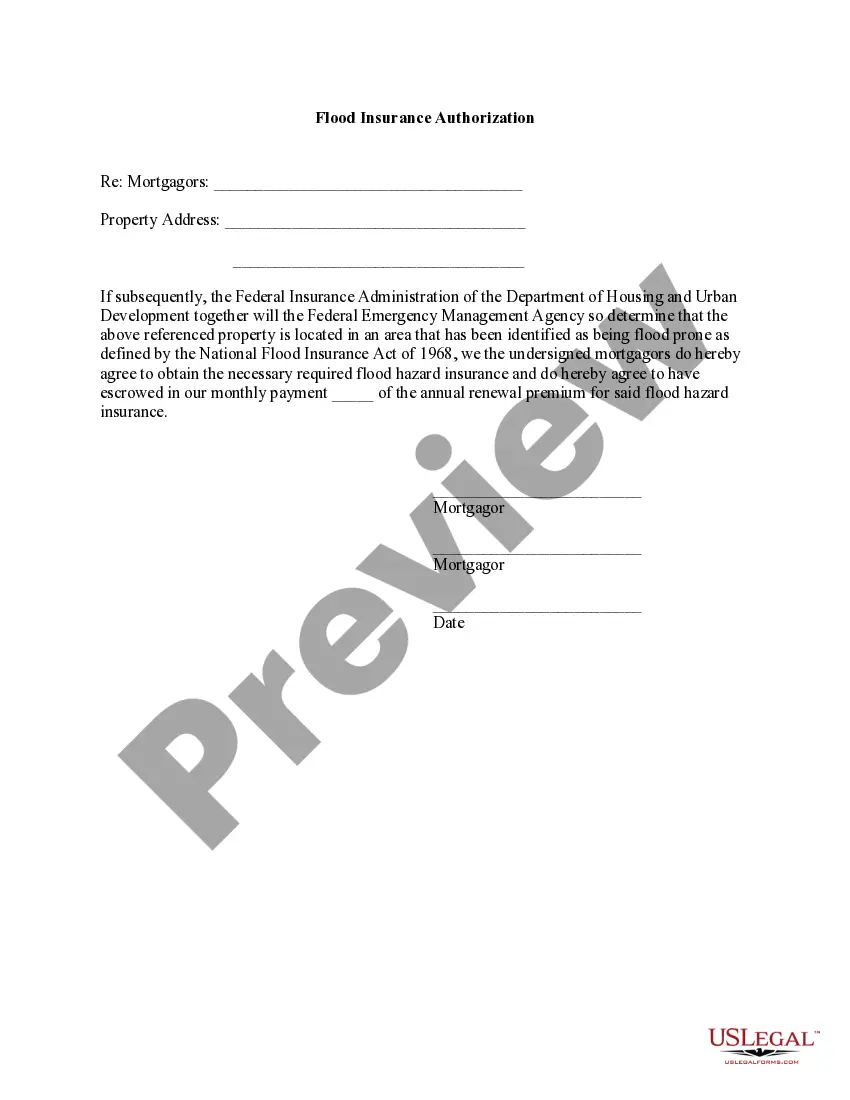
The Flood Zone Statement and Authorization form is a legal document utilized in real estate transactions. Its primary purpose is to clarify the flood zone status of a property, ensuring that all parties are aware of any potential flood hazards. This form distinguishes itself by engaging both sellers and buyers, as it requires sellers to affirm the flood status of the property while also binding buyers to obtain flood insurance if needed. Using this form helps both parties manage risks associated with flooding, enhancing the transparency of the sale process.
What’s included in this form
- Property Address: A space to specify the exact location of the property being sold.
- Seller Statements: Sections where sellers declare the flood zone status, either confirming or denying flood-prone conditions.
- Buyer's Acknowledgment: A clause for buyers to acknowledge the flood zone status and their responsibility for flood insurance.
- Attachment: An option to reference a survey or flood certification confirming the property's flood status.
- Signatures: Areas for both sellers and buyers to sign and date, affirming their agreement.
Situations where this form applies
This form should be used in real estate transactions when the flood zone status of a property needs to be disclosed. It is relevant for sellers who want to inform buyers about potential flood risks and for buyers who want to acknowledge their obligation to obtain flood insurance if necessary. This form is particularly crucial in regions known to experience flooding or where properties are subject to flood zone regulations.
Who can use this document
- Sellers: Property owners selling real estate that may be at risk for flooding.
- Buyers: Individuals or entities interested in purchasing properties that require them to understand flood risks.
- Real estate agents: Professionals facilitating transactions who need to ensure proper disclosures regarding flood zones are made.
- Financial institutions: Lenders who require confirmation of flood insurance before approving loans for property purchases.
Completing this form step by step
- Identify the property: Enter the full address of the property at the top of the form.
- Choose the seller's statement: Indicate the flood zone status by checking the appropriate box based on your knowledge.
- Attach documentation: If applicable, attach any survey or flood certification as referenced in the document.
- Confirm buyer's acknowledgment: Ensure the buyer signs to acknowledge their understanding of the flood risks.
- Collect signatures: Obtain signatures and dates from both the seller(s) and buyer(s) in the designated areas.
Notarization requirements for this form
This form does not typically require notarization unless specified by local law. However, both parties should review their jurisdiction's requirements to confirm.
Get your form ready online
Our built-in tools help you complete, sign, share, and store your documents in one place.
Make edits, fill in missing information, and update formatting in US Legal Forms—just like you would in MS Word.
Download a copy, print it, send it by email, or mail it via USPS—whatever works best for your next step.
Sign and collect signatures with our SignNow integration. Send to multiple recipients, set reminders, and more. Go Premium to unlock E-Sign.
If this form requires notarization, complete it online through a secure video call—no need to meet a notary in person or wait for an appointment.
We protect your documents and personal data by following strict security and privacy standards.

Make edits, fill in missing information, and update formatting in US Legal Forms—just like you would in MS Word.

Download a copy, print it, send it by email, or mail it via USPS—whatever works best for your next step.

Sign and collect signatures with our SignNow integration. Send to multiple recipients, set reminders, and more. Go Premium to unlock E-Sign.

If this form requires notarization, complete it online through a secure video call—no need to meet a notary in person or wait for an appointment.

We protect your documents and personal data by following strict security and privacy standards.
Mistakes to watch out for
- Failing to accurately disclose the flood status of the property.
- Not providing necessary attachments, like flood certifications or surveys.
- Skipping signatures, which can invalidate the agreement.
- Using outdated versions of the form without verifying current legal requirements.
Why use this form online
- Convenience: Download and complete the form at your own pace without needing to visit an office.
- Editability: Easily fill out the fields digitally for accuracy and clarity.
- Reliability: Access legal templates that are drafted by licensed attorneys, ensuring compliance with current laws.
Looking for another form?
Form popularity
FAQ
AE flood zones are areas that present a 1% annual chance of flooding and a 26% chance over the life of a 30-year mortgage, according to FEMA.The elevation of the lowest floor in a structure must be at or above the zone's base flood elevation.
Areas in flood zone A have a 1 percent chance of flooding per year and a 25 percent chance of flooding at least once during a 30-year mortgage. Since there haven't been detailed hydraulic analysis in these areas, the base flood elevation and depths have not been determined.
A study in Science Daily confirmed that proximity to a flood zone - adjacent to a floodplain like a stream or river which might flood - can lower your home's property value by about 7.3 percent.
Flood Zone A is a special flood hazard area designation by the Federal Emergency Management Agency (FEMA). Zone A areas have a 1 percent annual chance of flooding. This flood is also called the 100-year flood.
Zone A. Zone A is the flood insurance rate zone that corresponds to the I-percent annual chance floodplains that are determined in the Flood Insurance Study by approximate methods of analysis.
Summary: Proximity to a flood zone lowers property values. By law, a property is considered in a flood zone if any part of the structure falls within a floodplain, an area that is adjacent to a stream or river that experiences periodic flooding.
Flood Zone A. Areas subject to inundation by the 1-percent-annual-chance flood event generally determined using approximate methodologies. Flood Zone AE, A1-30. Flood Zone AH. Flood Zone AO. Flood Zone AR. Flood Zone A99. Flood Zone V. Flood Zone VE, V1-30.
The federal government offers coverage through the National Flood Insurance Program at an average cost of about $700 per year. But premiums vary depending on your property's flood risk.