Wisconsin Landlord Agreement to allow Tenant Alterations to Premises
What this document covers
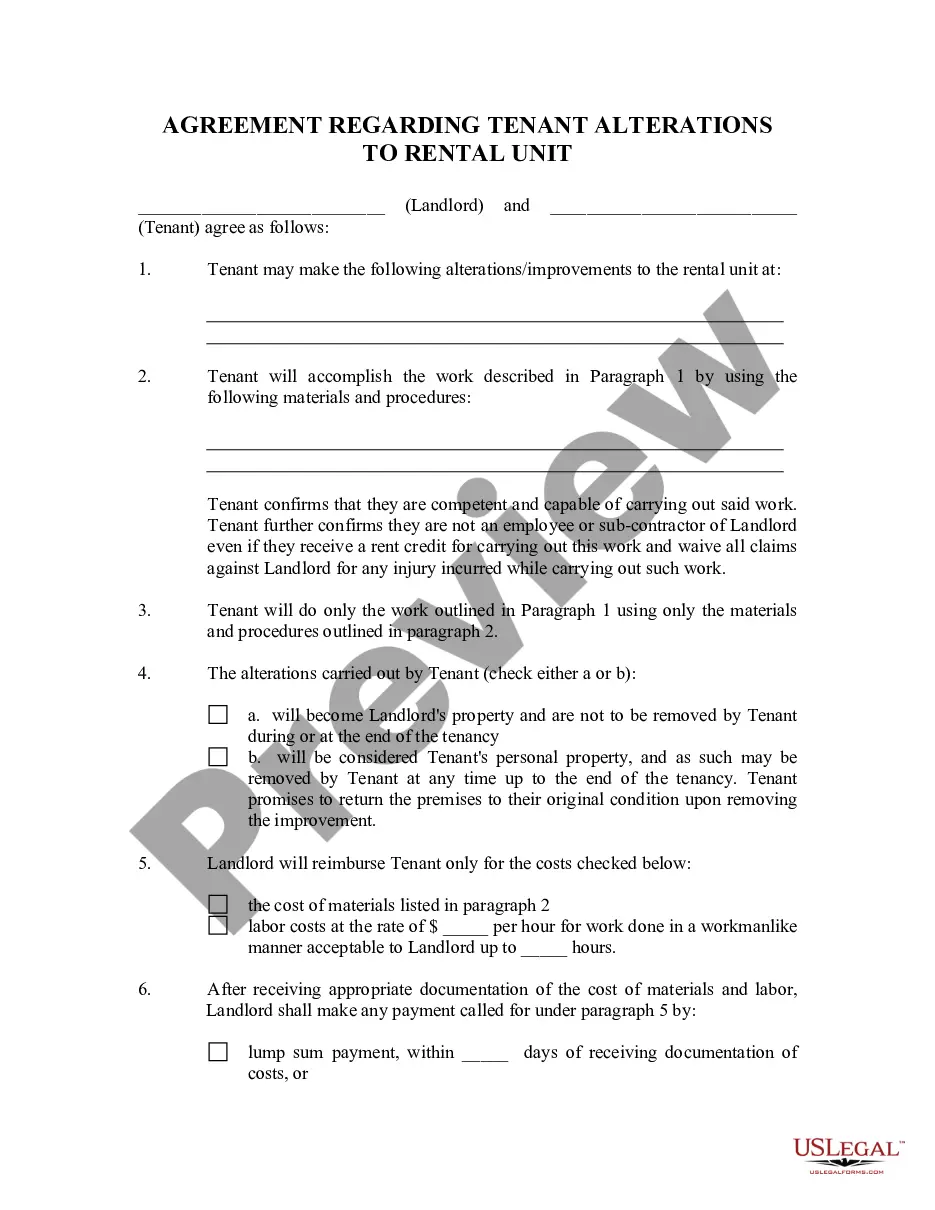
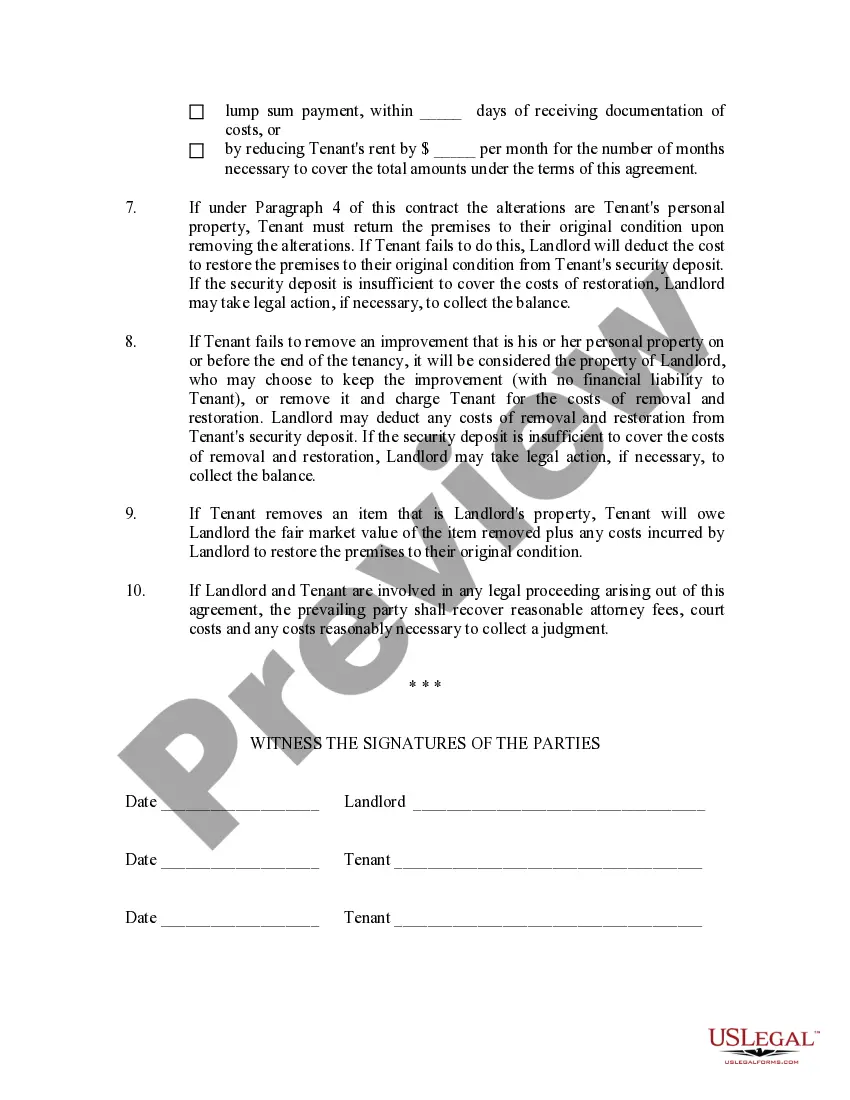
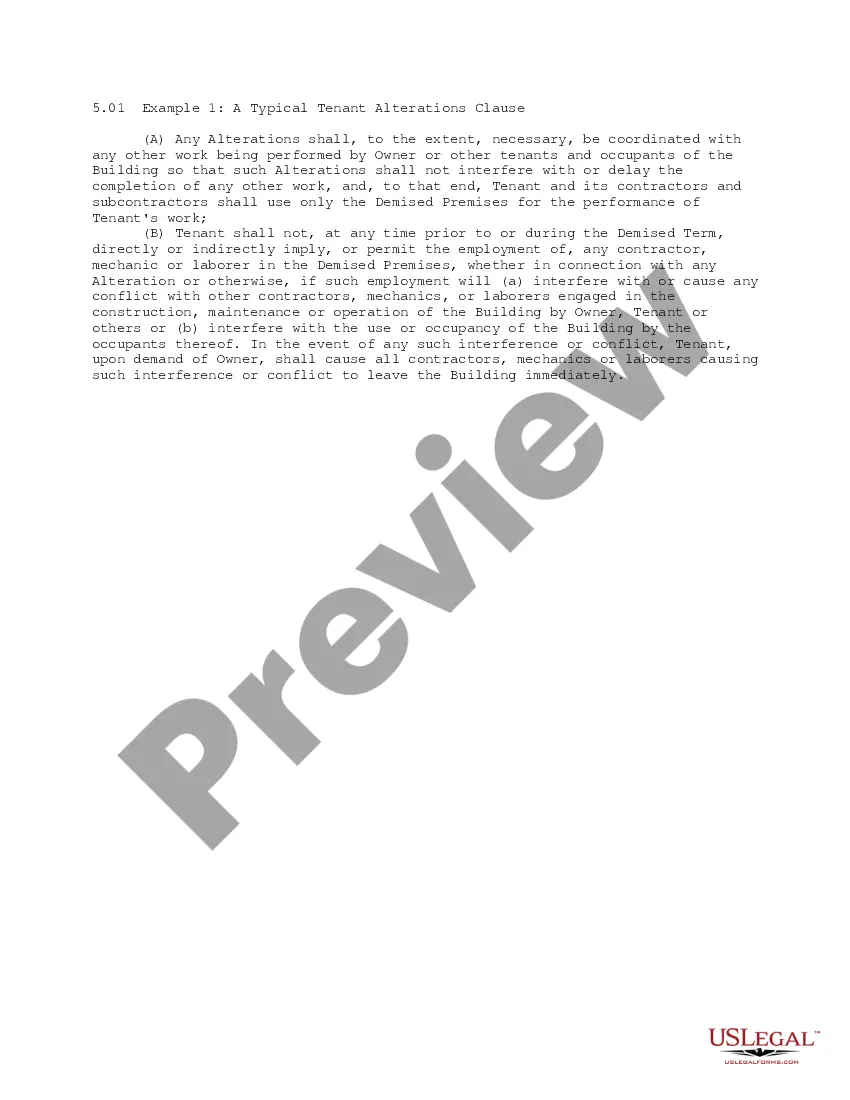
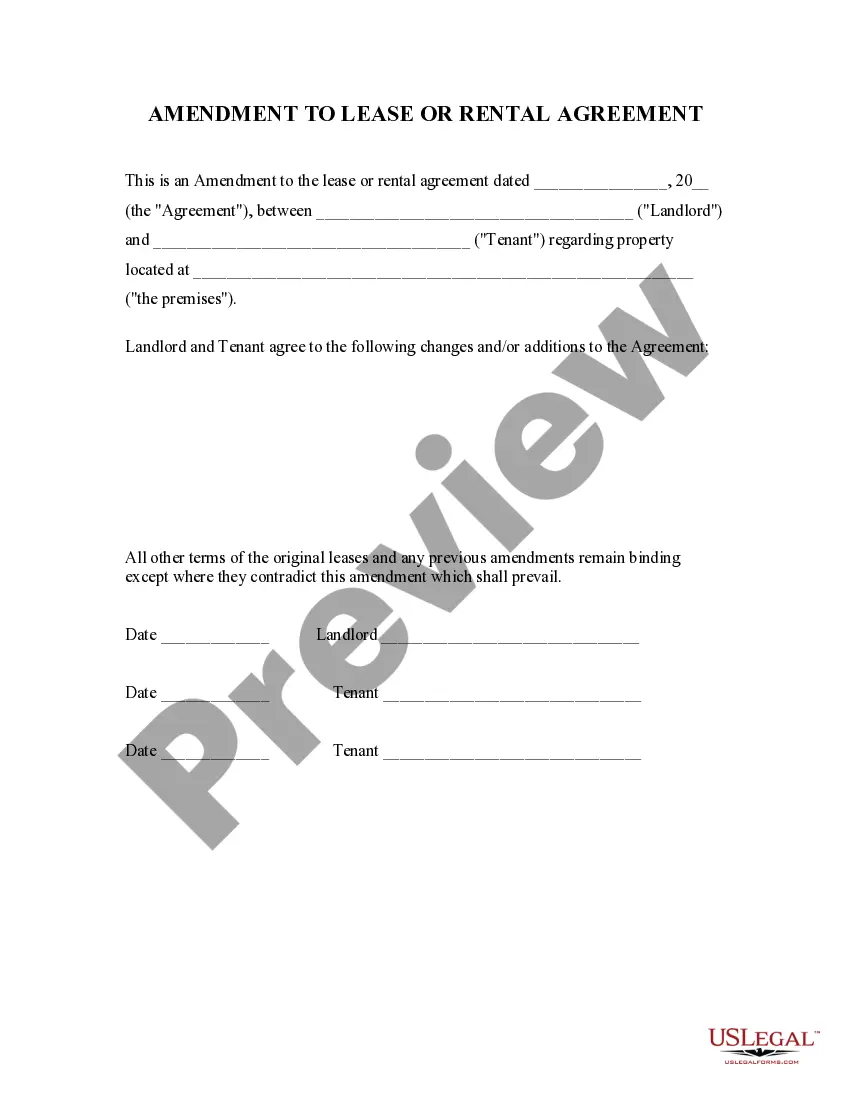
The Landlord Agreement to allow Tenant Alterations to Premises is a legal document that formalizes an arrangement between a landlord and a tenant regarding modifications the tenant wishes to make to a rented property. Unlike general rental agreements, this form specifically addresses the terms under which a tenant can make alterations, who bears the costs, and the ownership of any improvements made. This clarity helps prevent disputes and misunderstandings between the parties involved.
Key parts of this document
- Identification of the landlord and tenant.
- Specific alterations or improvements the tenant is allowed to make.
- Clarification on whether the alterations become the landlord's property or remain the tenant's personal property.
- Details on reimbursement for costs associated with the alterations.
- Requirements for restoring the premises to its original condition upon removal of alterations.
- Consequences for failure to comply with the agreement's terms.
When to use this document
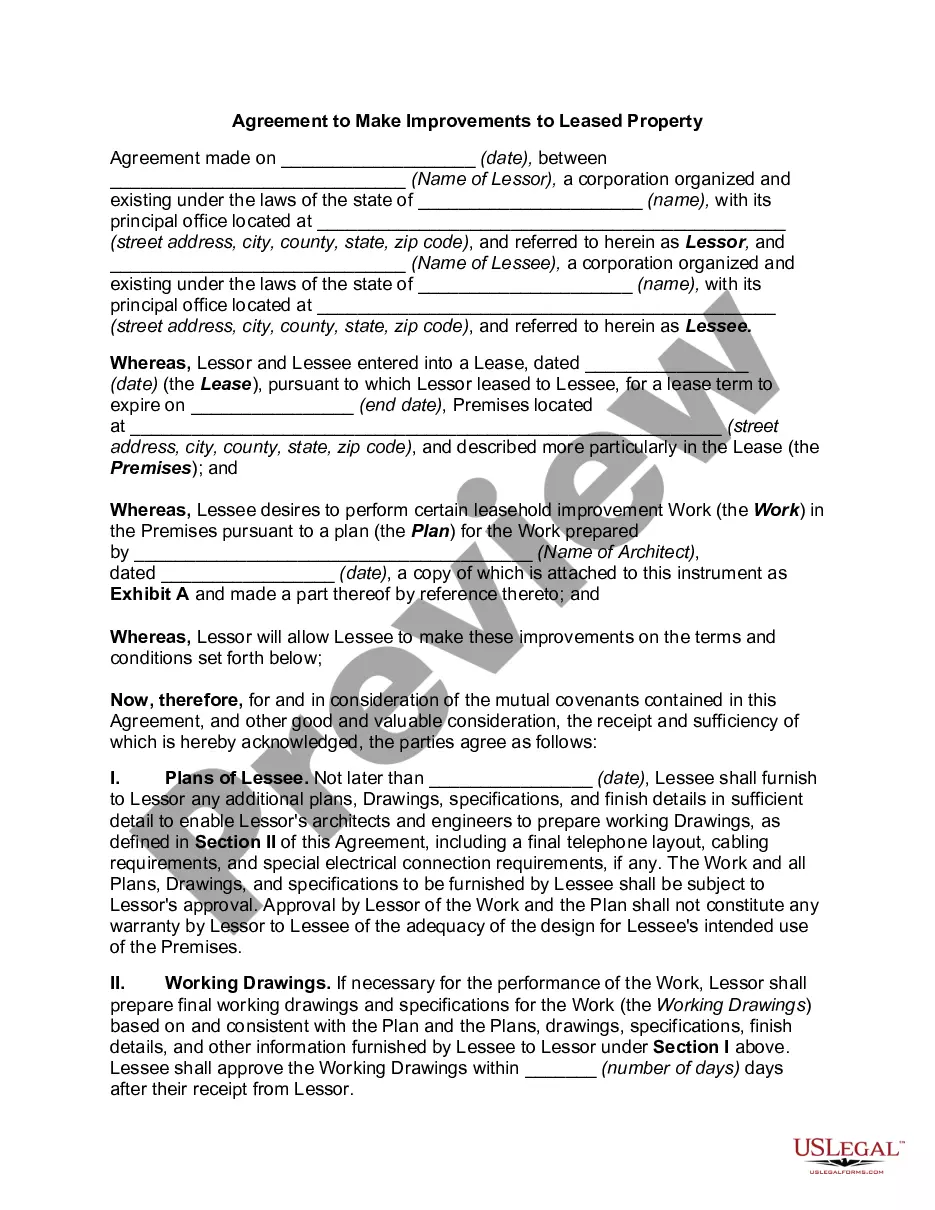
This form should be utilized when a tenant wants to make physical changes or improvements to a rental unit. Situations where this agreement is particularly helpful include renovations such as painting, installing shelving, or any other modifications that enhance the living space but may alter the property. The agreement ensures both parties understand their rights and responsibilities regarding these changes before any work begins.
Who should use this form
- Landlords who wish to permit tenants to make alterations to their rental properties.
- Tenants who want to enhance their living space with temporary or permanent modifications.
- Real estate professionals seeking to formalize alteration agreements between landlords and tenants.
How to complete this form
- Identify the landlord and tenant by entering their names where indicated.
- Specify the alterations or improvements the tenant is allowed to make in the designated section.
- Choose whether the improvements will become the landlord's property or remain personal property of the tenant.
- Detail the reimbursement conditions, including costs and payment methods.
- Ensure both parties sign and date the agreement to formalize it.
Does this document require notarization?
This form usually doesn’t need to be notarized. However, local laws or specific transactions may require it. Our online notarization service, powered by Notarize, lets you complete it remotely through a secure video session, available 24/7.
Get your form ready online
Our built-in tools help you complete, sign, share, and store your documents in one place.
Make edits, fill in missing information, and update formatting in US Legal Forms—just like you would in MS Word.
Download a copy, print it, send it by email, or mail it via USPS—whatever works best for your next step.
Sign and collect signatures with our SignNow integration. Send to multiple recipients, set reminders, and more. Go Premium to unlock E-Sign.
If this form requires notarization, complete it online through a secure video call—no need to meet a notary in person or wait for an appointment.
We protect your documents and personal data by following strict security and privacy standards.

Make edits, fill in missing information, and update formatting in US Legal Forms—just like you would in MS Word.

Download a copy, print it, send it by email, or mail it via USPS—whatever works best for your next step.

Sign and collect signatures with our SignNow integration. Send to multiple recipients, set reminders, and more. Go Premium to unlock E-Sign.

If this form requires notarization, complete it online through a secure video call—no need to meet a notary in person or wait for an appointment.

We protect your documents and personal data by following strict security and privacy standards.
Avoid these common issues
- Failing to clearly specify the alterations allowed, leading to confusion.
- Not completing all required fields before signing the agreement.
- Overlooking the importance of both parties' signatures to validate the agreement.
- Assuming verbal agreements about changes are as binding as written agreements.
Benefits of completing this form online
- Convenience of instant access and downloadable format.
- Editability allows users to customize the agreement to fit their specific needs.
- Reliability of attorney-drafted content, ensuring a legally sound document.
Looking for another form?
Form popularity
FAQ
A landlord cannot evict a tenant without an adequately obtained eviction notice and sufficient time. A landlord cannot retaliate against a tenant for a complaint. A landlord cannot forego completing necessary repairs or force a tenant to do their own repairs.A landlord cannot remove a tenant's personal belongings.
Review Your Lease Before You Sign. Research Local Laws. Keep Records. Pay Your Rent. Maintain Respectful Communication. Seek an Agreeable Solution. Request Repairs in Writing. What Do You Think?
If you think your landlord is violating the Fair Housing Act, you can get that landlord in trouble by filing a complaint at HUD.gov. Your remedy for breach of quiet enjoyment is to terminate the lease and move or sue in small claims court.
Your landlord discriminates against you. Your landlord takes your security deposit illegally. Your rental unit is inhabitable. The property owner interferes with your right to quiet enjoyment. Your landlord fails to make the necessary repairs.
The moratorium is designed to protect tenants from being evicted during the COVID-19 pandemic, but it may not provide enough protection for Wisconsin's struggling renters.In order to avoid eviction, a tenant needs to provide landlords with a signed copy of the CDC declaration.
In Wisconsin, tenants are legally able to withhold rent. The tenant may withhold rent for failure to provide essential services, including, but not limited to: The landlord failing to repair.
Wisconsin landlords must provide at least 12 hours' notice before entering a property. This notice requirement does not apply in the case of emergencies.
As a tenant, you have the right to live in a safe, secure and quiet environment that is managed in accordance with the law. You also have a responsibility to take good care of the property, pay the rent on time, and adhere to the terms of your tenancy agreement.
Landlords are prohibited from harassing or retaliating against tenants who exercise their legal rights. In Wisconsin, the landlord must not terminate, refuse to renew a lease, or fine a tenant for complaining to the landlord regarding the deposit, complaining to a government agency, or exercising a legal right.