Washington Revised Uniform Anatomical Gift Act Donation
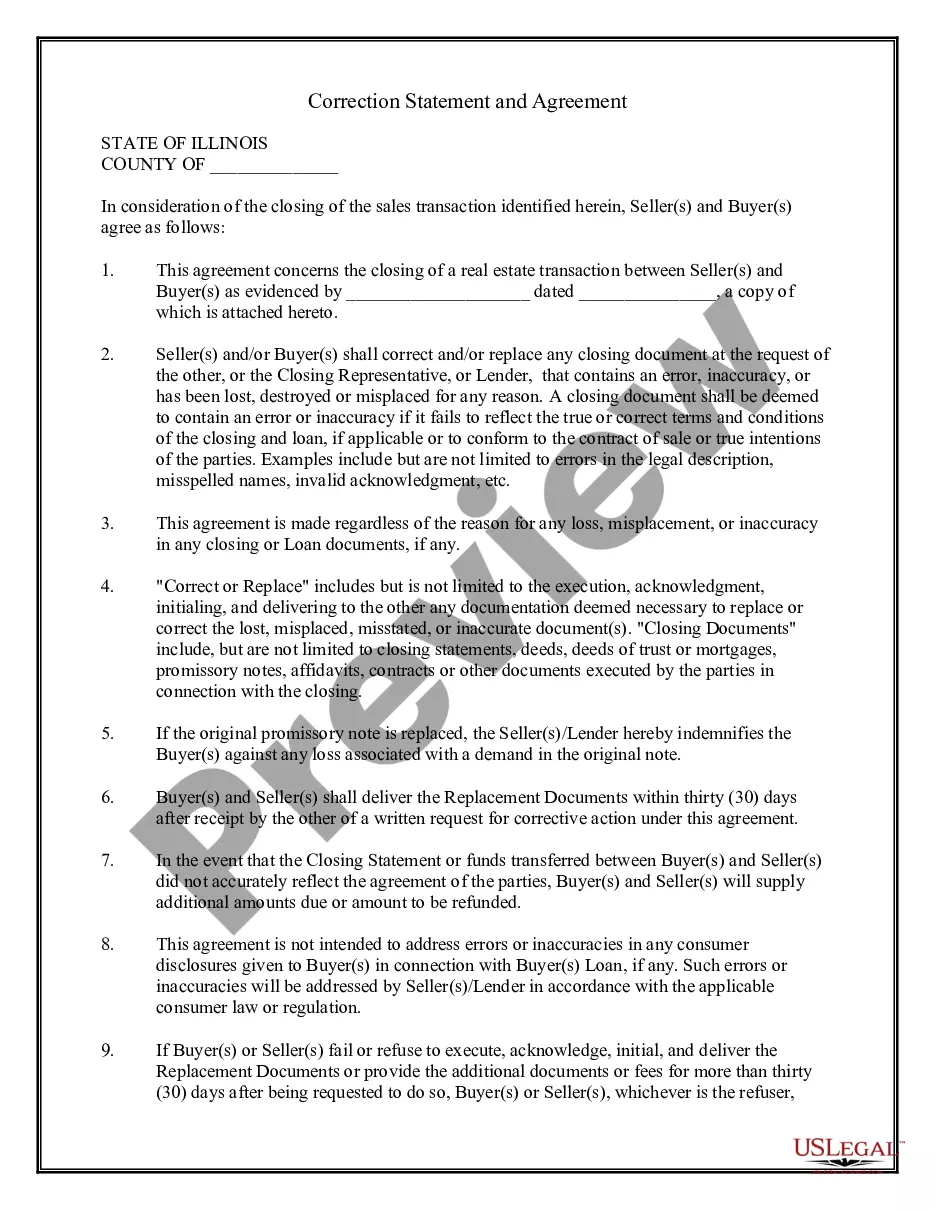
Understanding this form
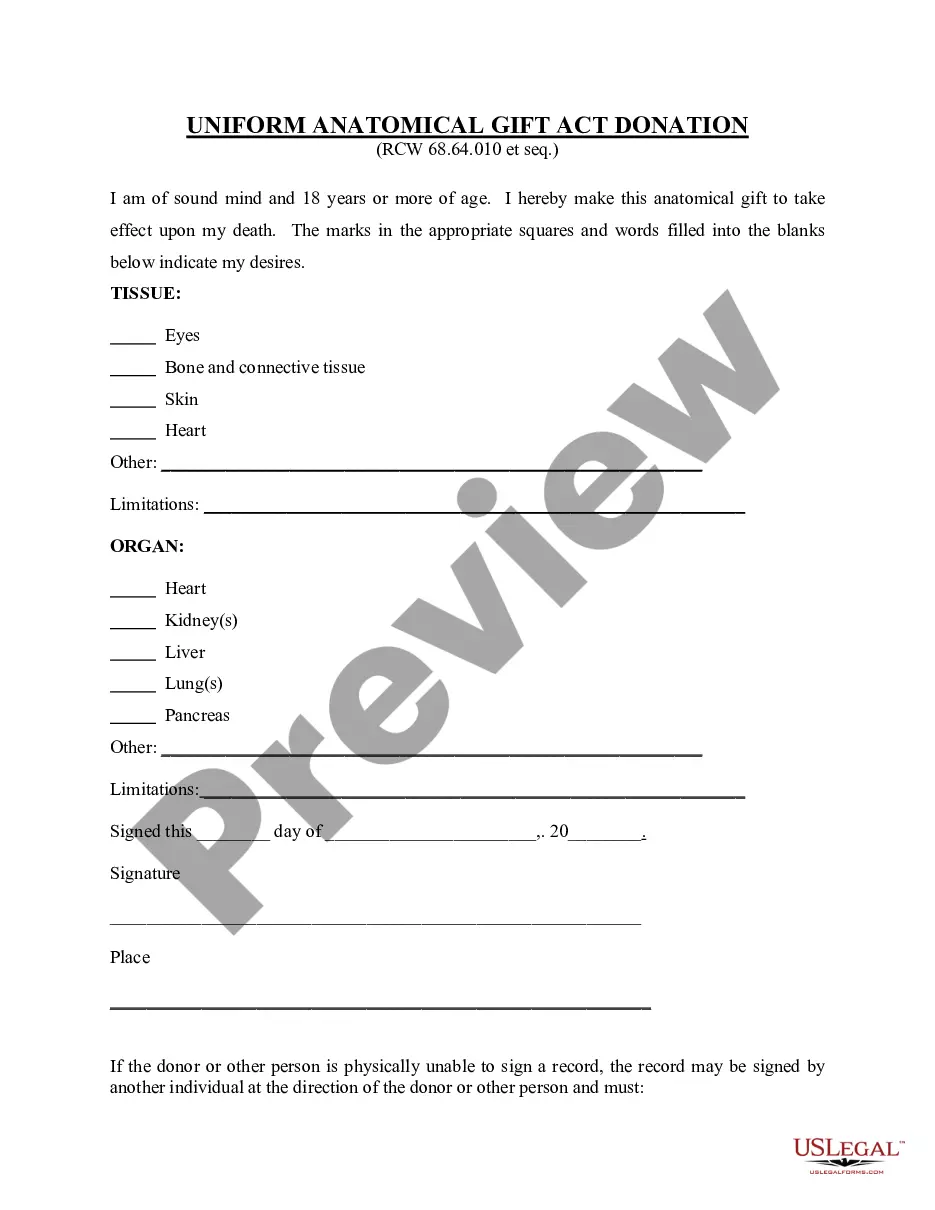
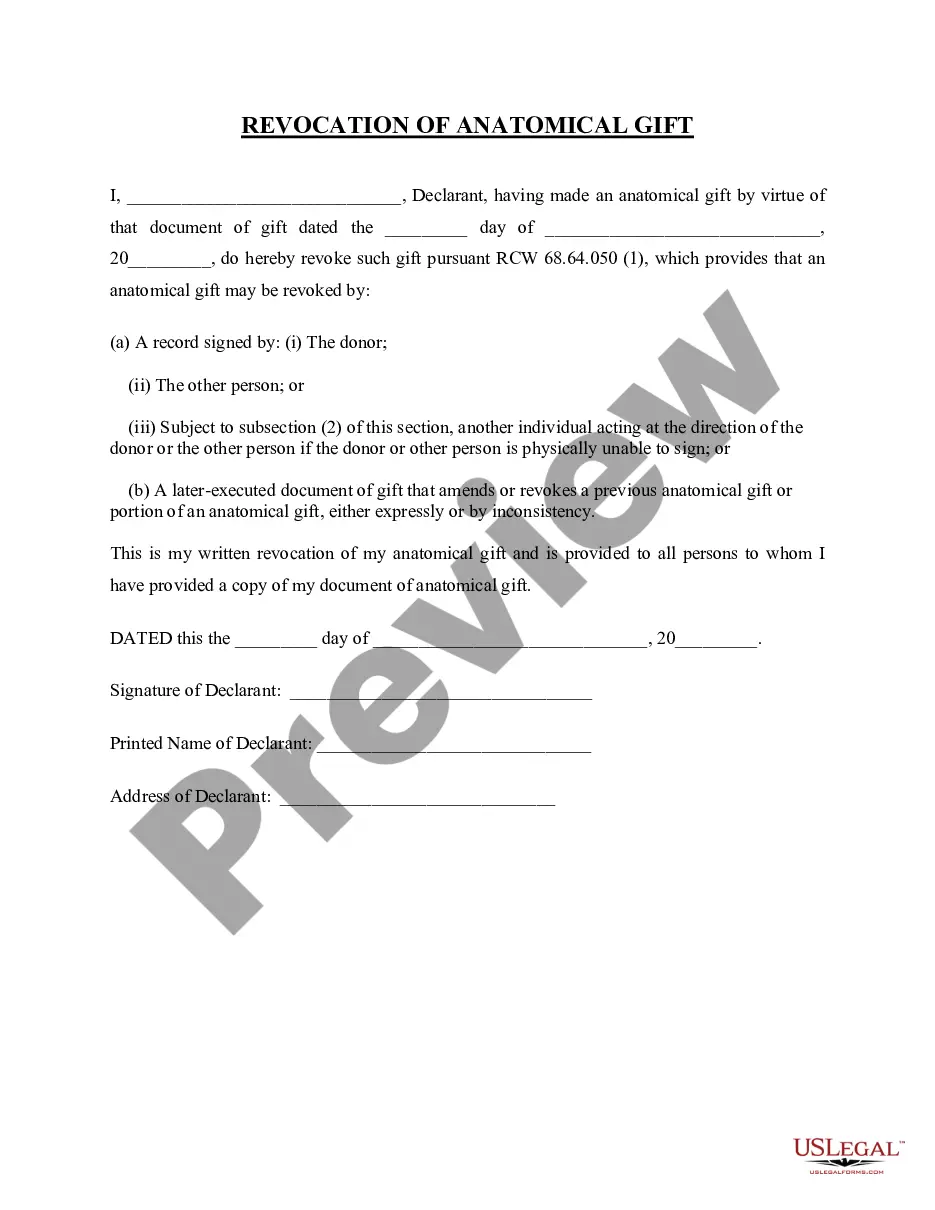
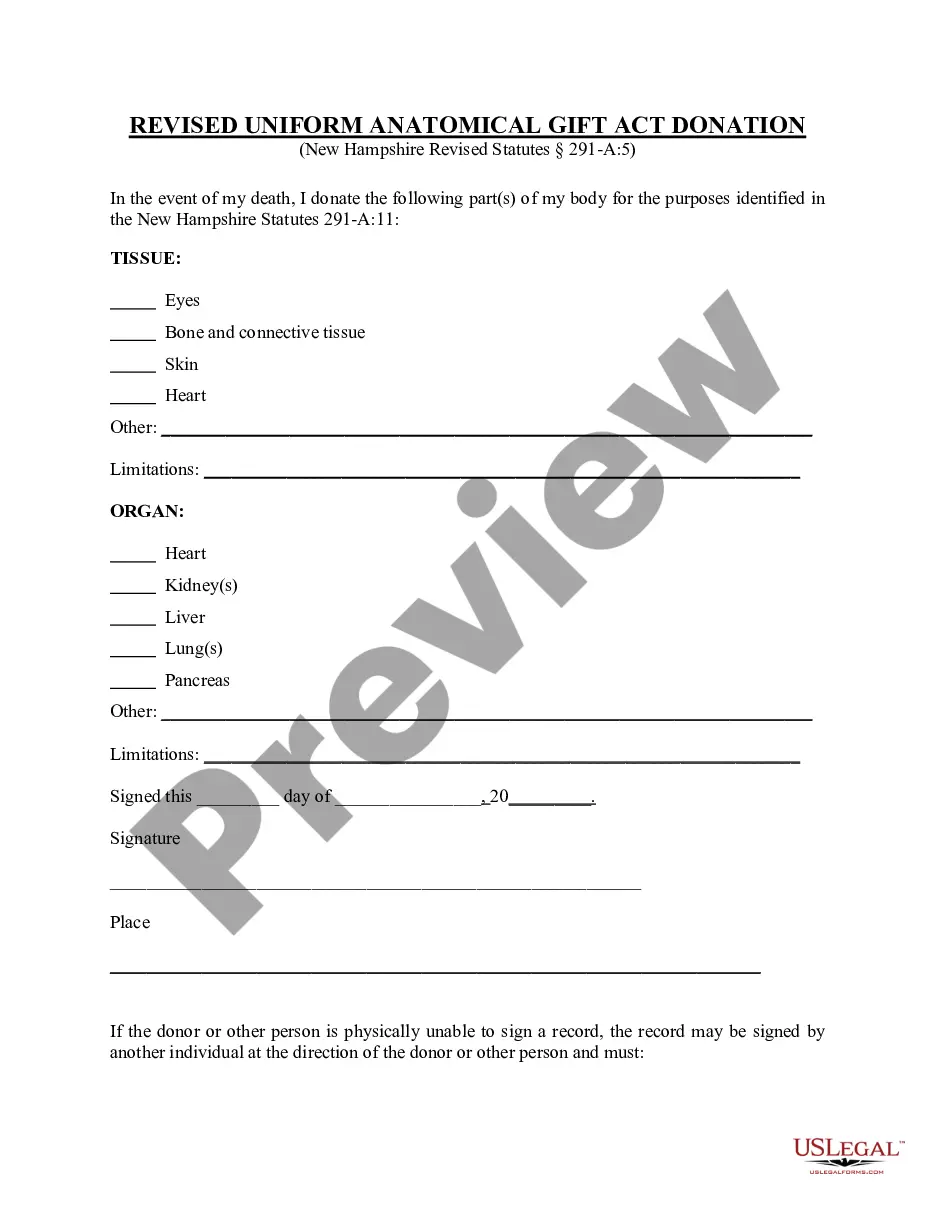
The Revised Uniform Anatomical Gift Act Donation form is a legal document that allows individuals to specify which body parts or organs they wish to donate upon their death. This form is vital for ensuring that an individual's donation intentions are honored and eliminates ambiguity regarding their wishes. Unlike other types of donation forms, this one specifically focuses on anatomical gifts and includes certain state-specific requirements regarding the process of witnessing and notarization.
What’s included in this form
- Identification of the donor's desires regarding organ and tissue donation.
- Sections for the donor to specify limits on the types of gifts.
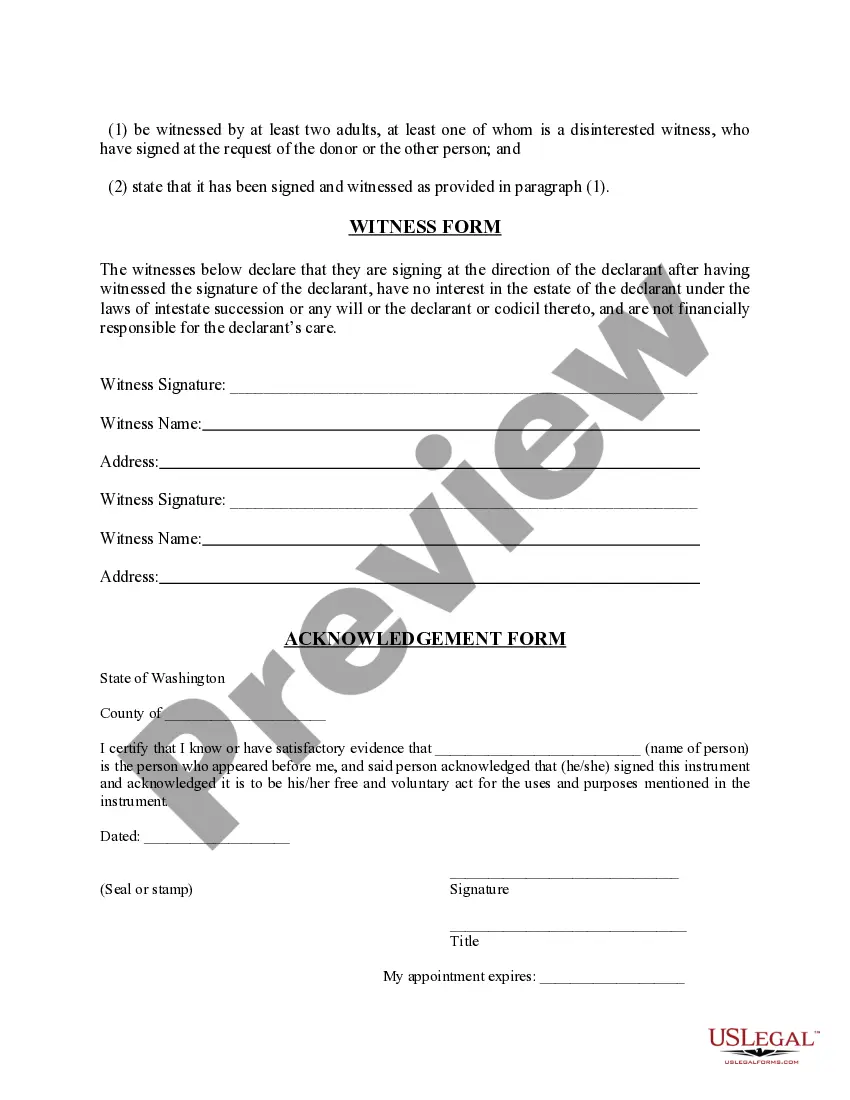
- Signature line for the donor, which must be witnessed and may require notarization.
- Witness signature section with declarations regarding the impartiality of witnesses.
- Acknowledgment section for the notary public to verify the signing of the form.
Situations where this form applies
This form is used when an individual wishes to make a legal declaration of their intent to donate organs or tissues after death. It is particularly relevant for those who want to ensure their wishes are clear and documented, especially in scenarios such as planning for end-of-life arrangements or discussions about organ donation with family members. It is essential for anyone who wants their donation wishes honored and recognized by medical professionals and institutions.
Who should use this form
This form is intended for:
- Individuals aged eighteen or older wishing to donate their organs or tissues after death.
- Minors aged sixteen or older, provided they meet specific conditions regarding parental consent.
- Any person looking to ensure their anatomical gift intentions are legally recognized.
Completing this form step by step
- Identify yourself as the donor and confirm that you are of sound mind and at least eighteen years old.
- Mark the appropriate boxes to indicate which organs or tissues you wish to donate.
- Specify any limitations or conditions regarding your donation.
- Sign the document in the designated area, ensuring it is witnessed by at least two adults.
- Complete the acknowledgment section if notarization is required in your jurisdiction.
Notarization guidance
This form usually doesn’t need to be notarized. However, local laws or specific transactions may require it. Our online notarization service, powered by Notarize, lets you complete it remotely through a secure video session, available 24/7.
Get your form ready online
Our built-in tools help you complete, sign, share, and store your documents in one place.
Make edits, fill in missing information, and update formatting in US Legal Forms—just like you would in MS Word.
Download a copy, print it, send it by email, or mail it via USPS—whatever works best for your next step.
Sign and collect signatures with our SignNow integration. Send to multiple recipients, set reminders, and more. Go Premium to unlock E-Sign.
If this form requires notarization, complete it online through a secure video call—no need to meet a notary in person or wait for an appointment.
We protect your documents and personal data by following strict security and privacy standards.

Make edits, fill in missing information, and update formatting in US Legal Forms—just like you would in MS Word.

Download a copy, print it, send it by email, or mail it via USPS—whatever works best for your next step.

Sign and collect signatures with our SignNow integration. Send to multiple recipients, set reminders, and more. Go Premium to unlock E-Sign.

If this form requires notarization, complete it online through a secure video call—no need to meet a notary in person or wait for an appointment.

We protect your documents and personal data by following strict security and privacy standards.
Common mistakes to avoid
- Not having the form witnessed by the required number of adults.
- Failing to specify limitations on the donation, which may lead to misunderstandings.
- Not signing or dating the document properly, which may render it invalid.
- Underestimating the need for notarization based on local laws.
Benefits of using this form online
- Convenient access to the form for immediate download and completion.
- Editable fields allow you to customize your anatomical gift preferences easily.
- Reliability of the form as it is drafted by licensed attorneys, ensuring compliance with applicable laws.
Key takeaways
- The Revised Uniform Anatomical Gift Act Donation form ensures your organ and tissue donation wishes are documented.
- Eligibility varies by age and parental consent for minors.
- Proper witnessing and notarization are critical for legality and validation.
Looking for another form?
Form popularity
FAQ
Any person wishing to donate their body can make prior arrangements with the local medical college, hospital, or an NGO, before death. Individuals may request a consent form from a medical institution or an NGO, who will then give information about policies and procedures followed after the potential donor is deceased.
(3) "Anatomical gift" means a donation of all or part of a human body to take effect after the donor's death for the purpose of transplantation, therapy, research, or education.
The Uniform Anatomical Gift Act (UAGA or the Act) was passed in the US in 1968 and has since been revised in 1987 and in 2006. The Act sets a regulatory framework for the donation of organs, tissues, and other human body parts in the US. The UAGA helps regulate body donations to science, medicine, and education.