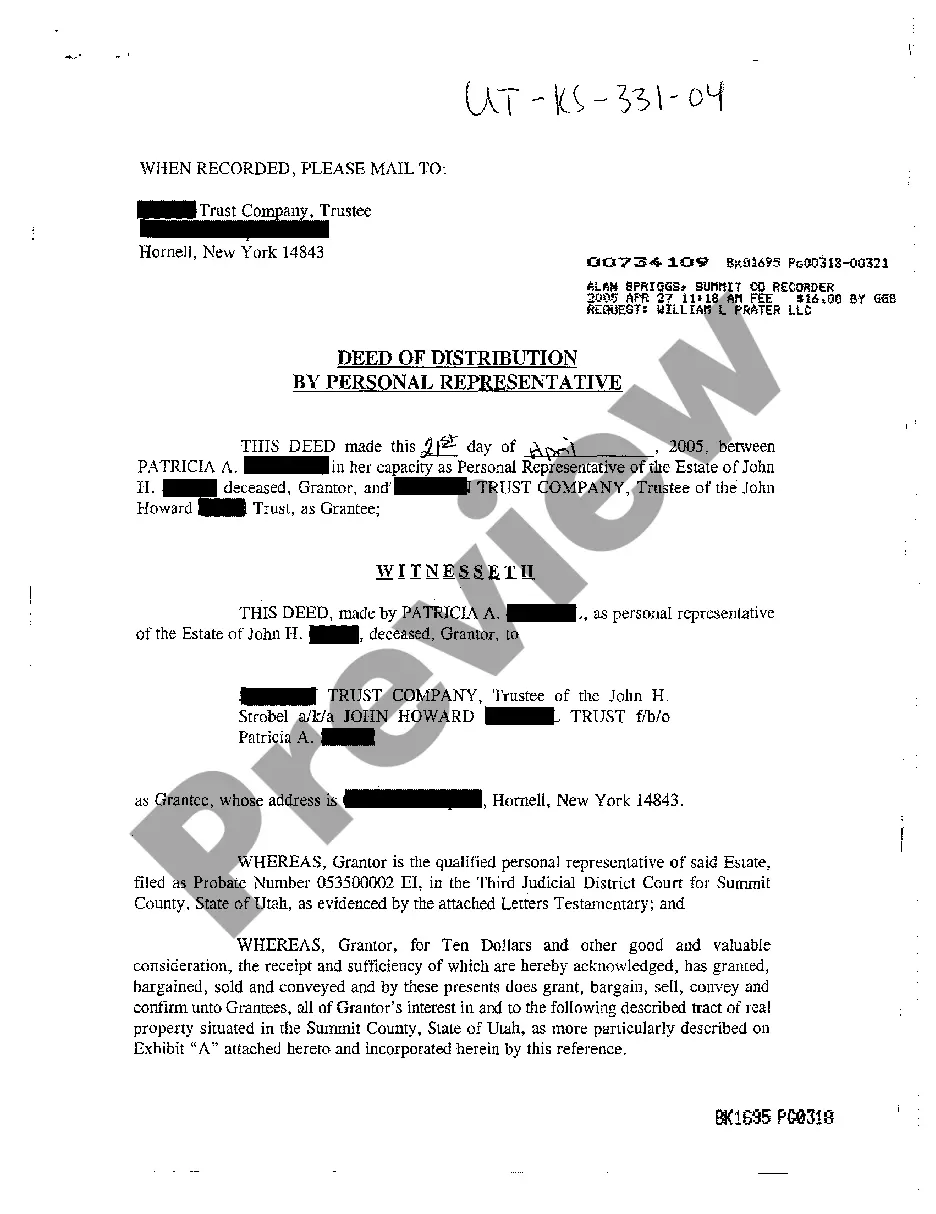
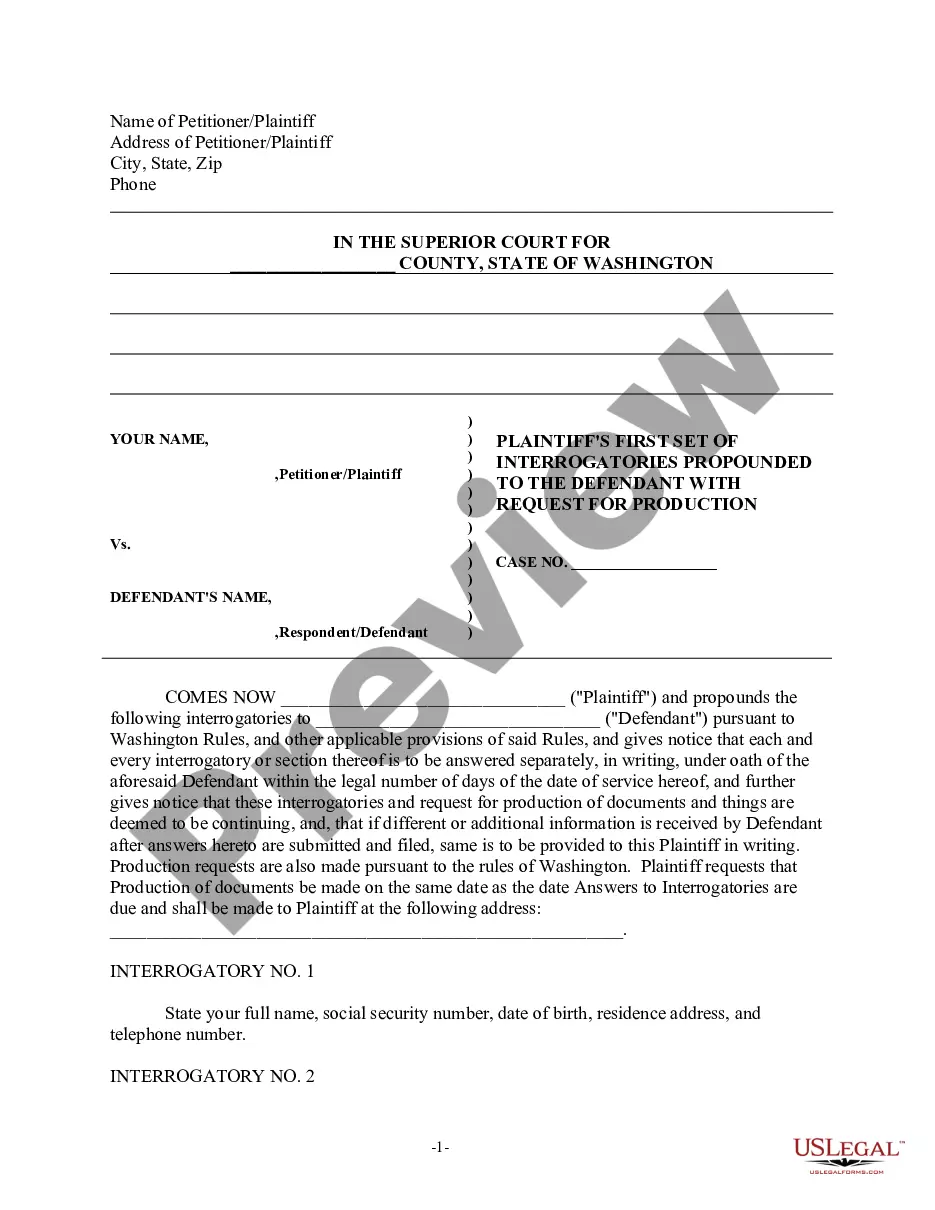
Washington Discovery Interrogatories from Defendant to Plaintiff with Production Requests
What is this form?
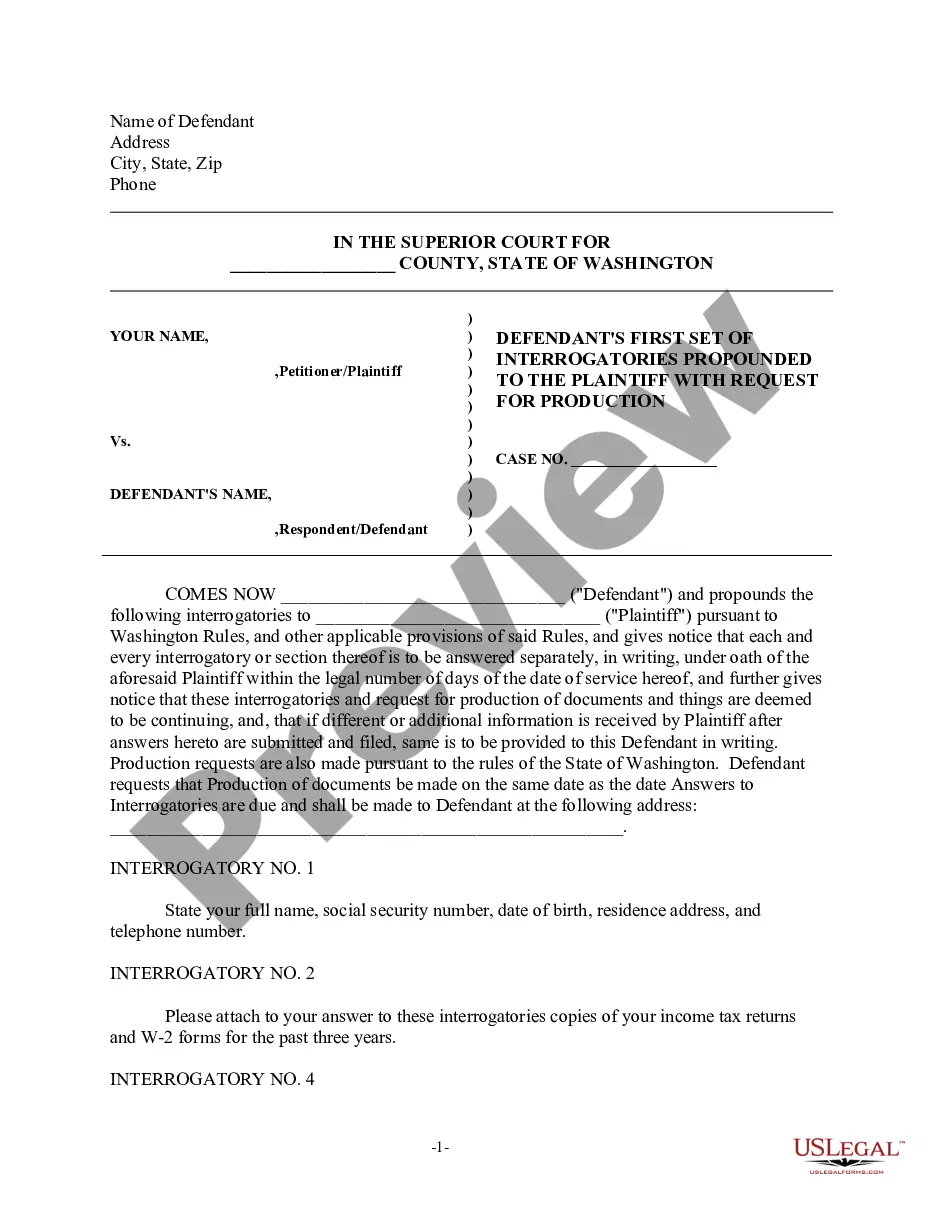
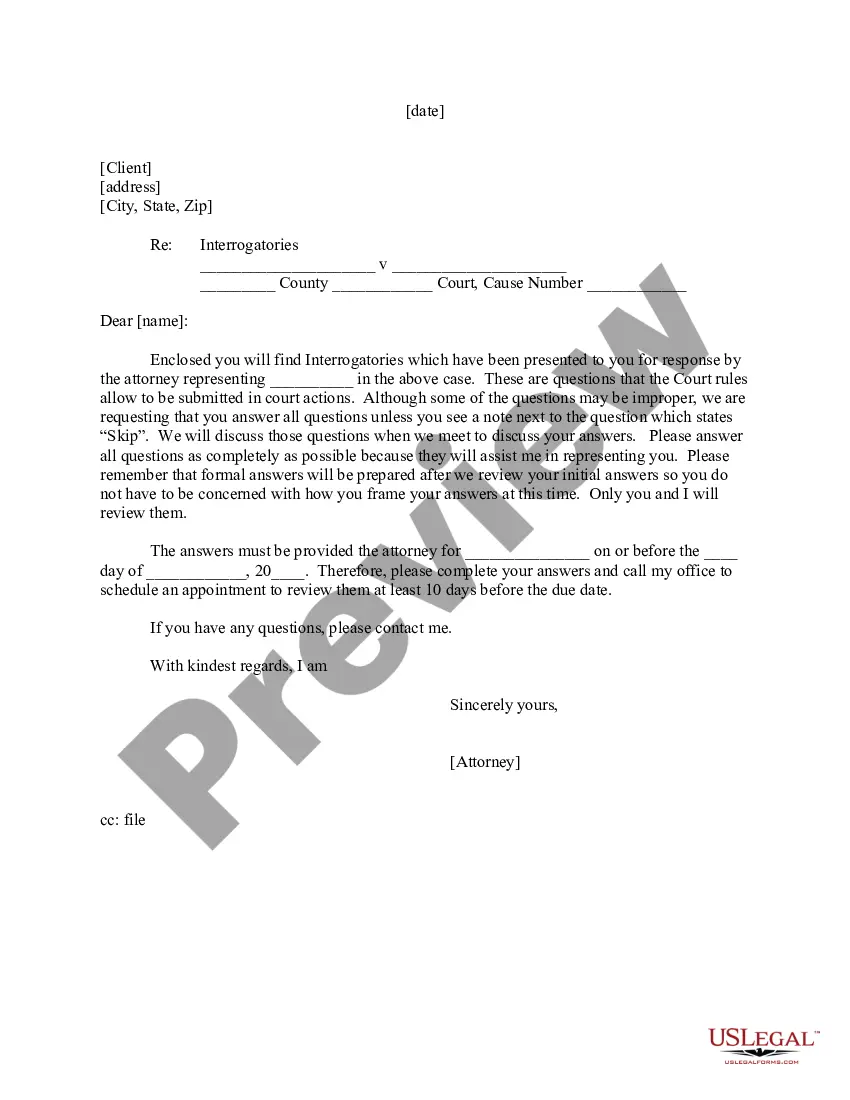
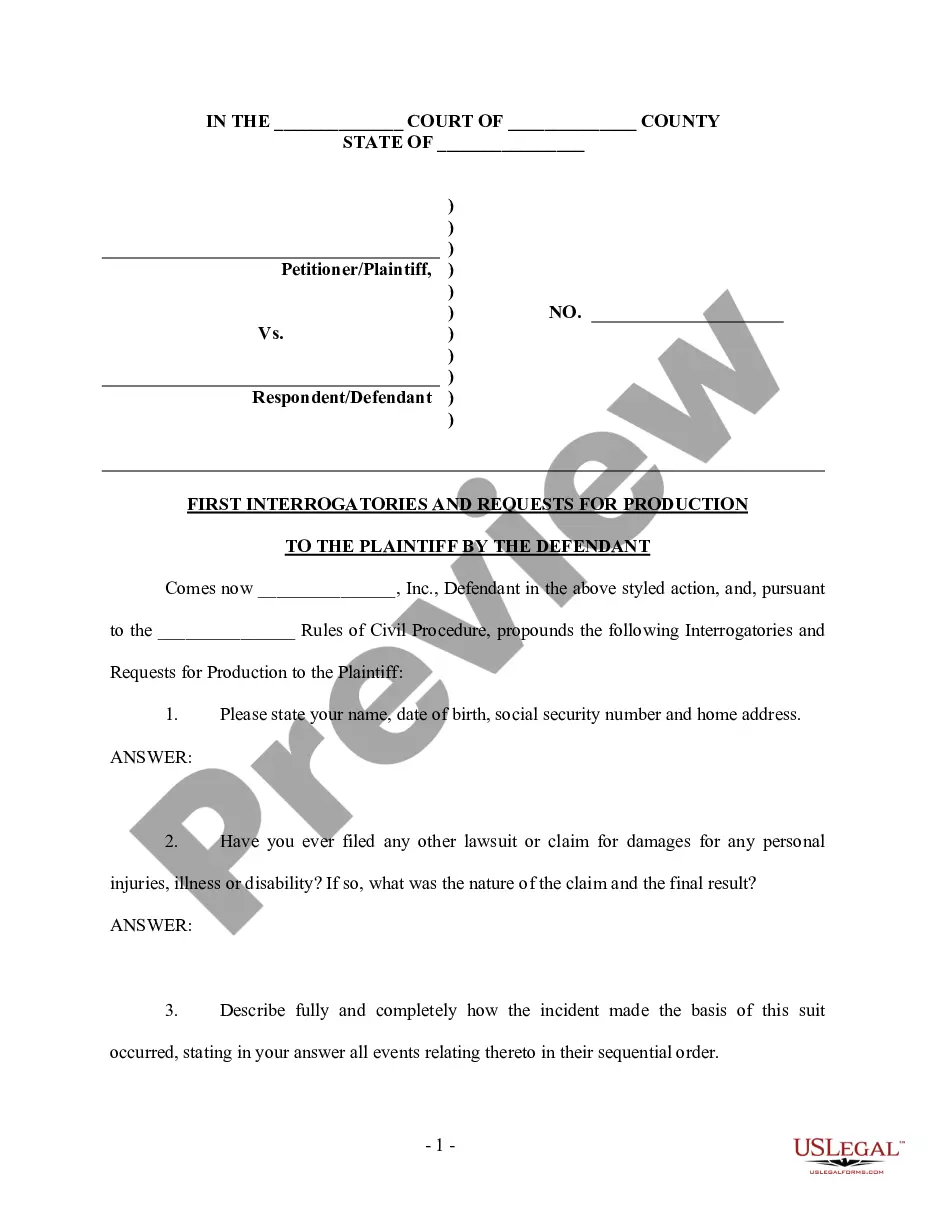
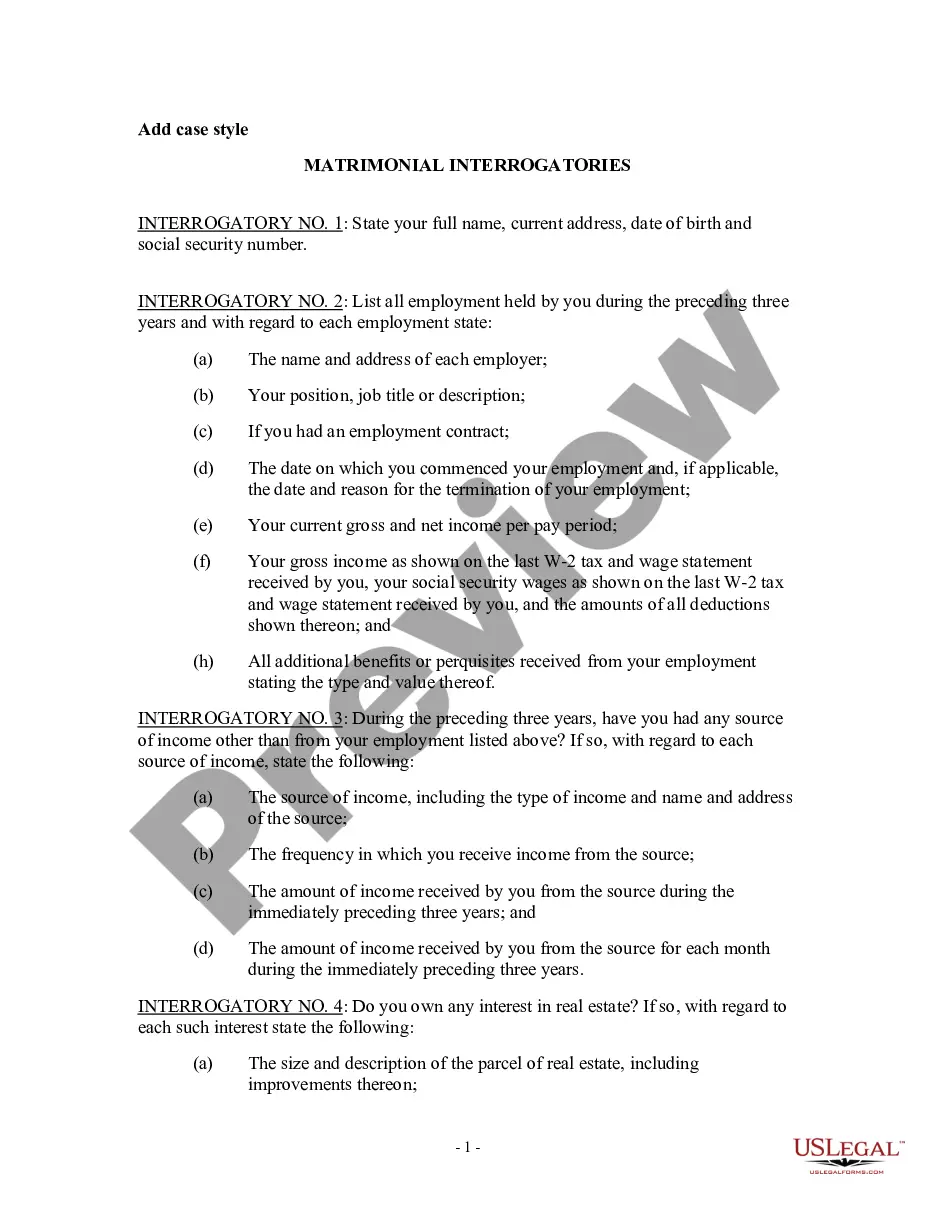
The Discovery Interrogatories from Defendant to Plaintiff with Production Requests is a legal form used within divorce proceedings. This document allows the defendant to request detailed information and documentation from the plaintiff as part of the discovery phase. Differing from other discovery forms, this includes specific interrogatories as well as requests for the production of relevant documents to support the defendant's case. It facilitates the thorough exchange of information between parties and helps ensure transparency in the litigation process.
Key parts of this document
- Introduction section that identifies the parties involved.
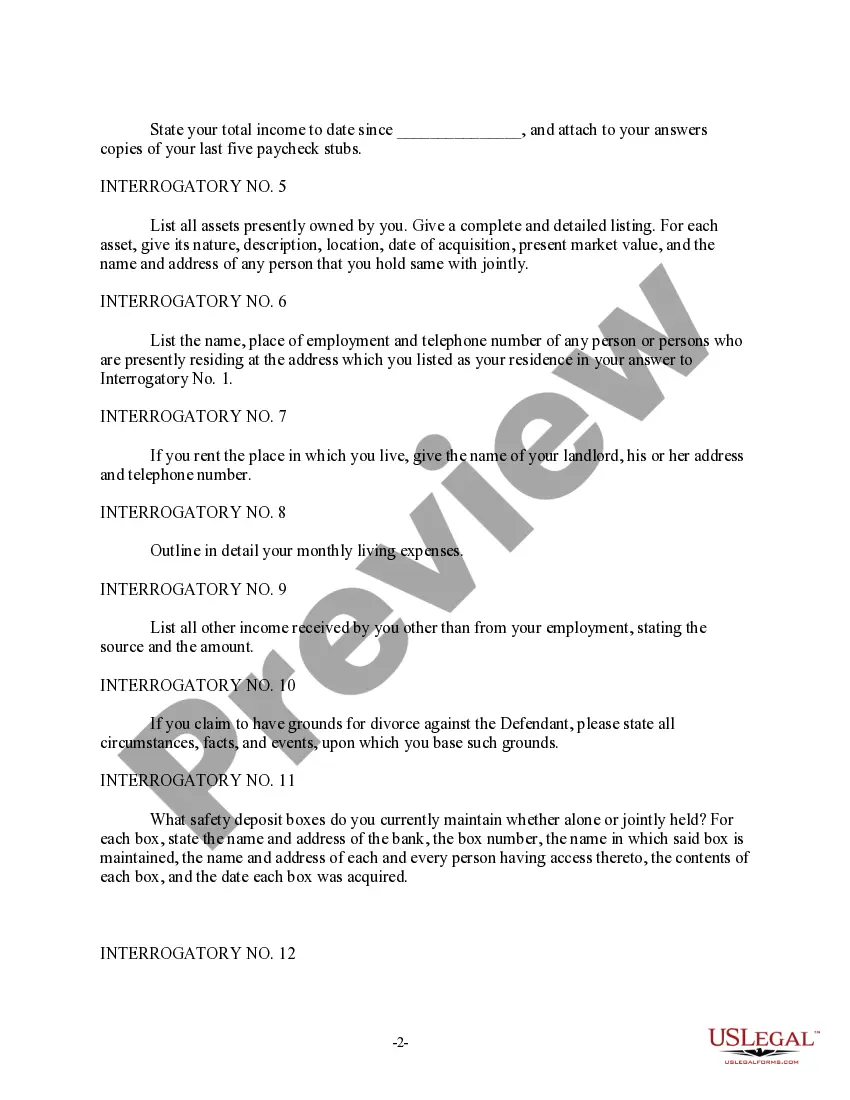
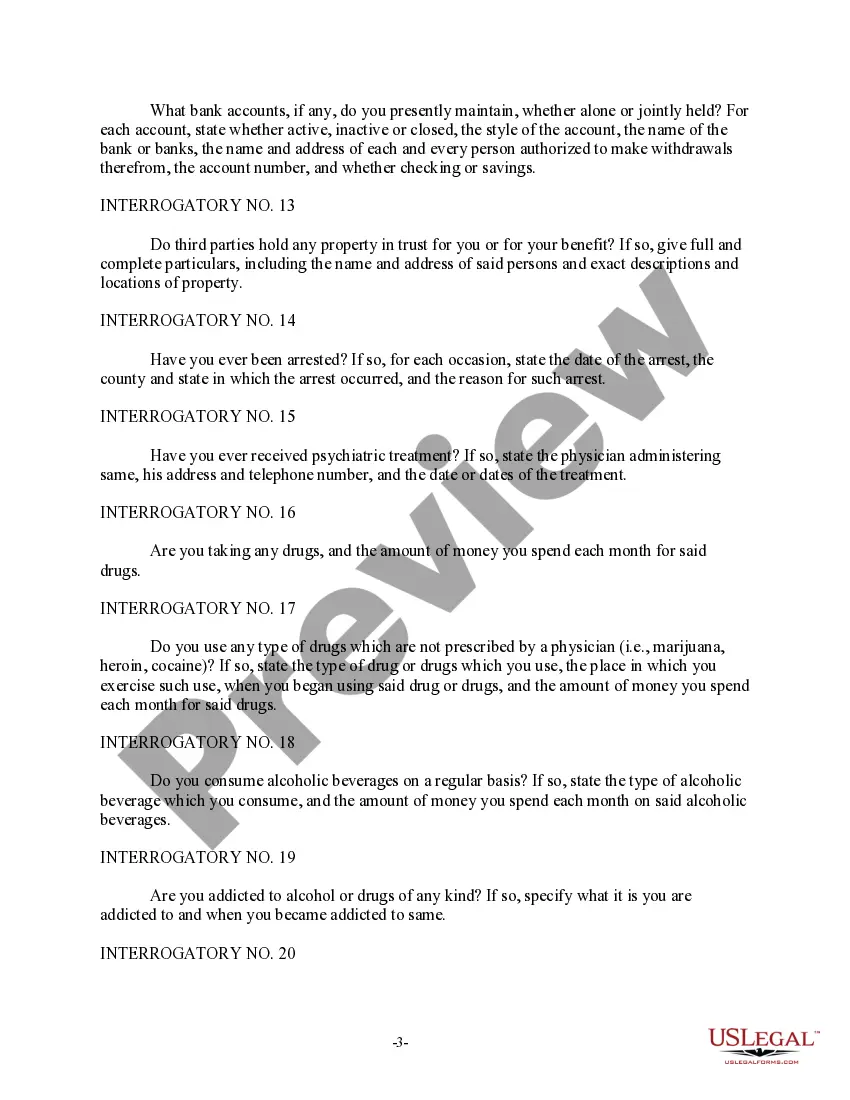
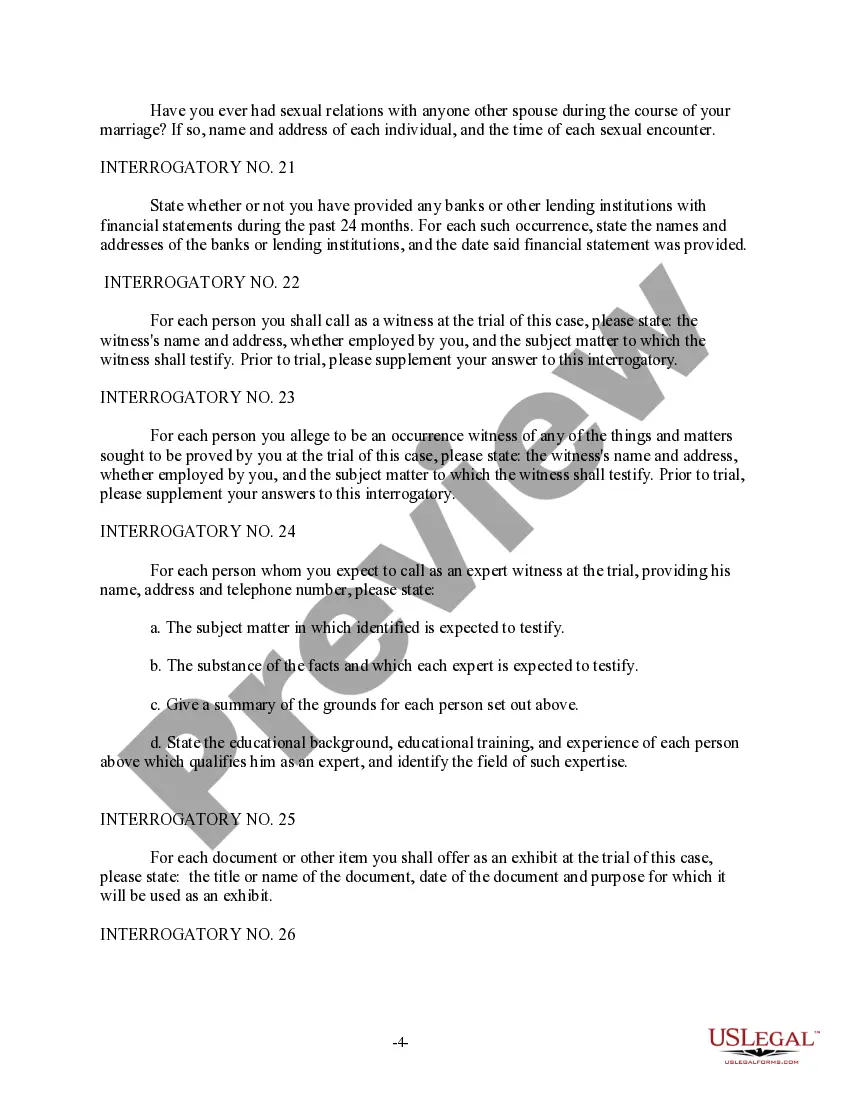
- A series of interrogatories requiring the plaintiff to provide personal, financial, and conditional details.
- Requests for production of documents such as tax returns and financial statements.
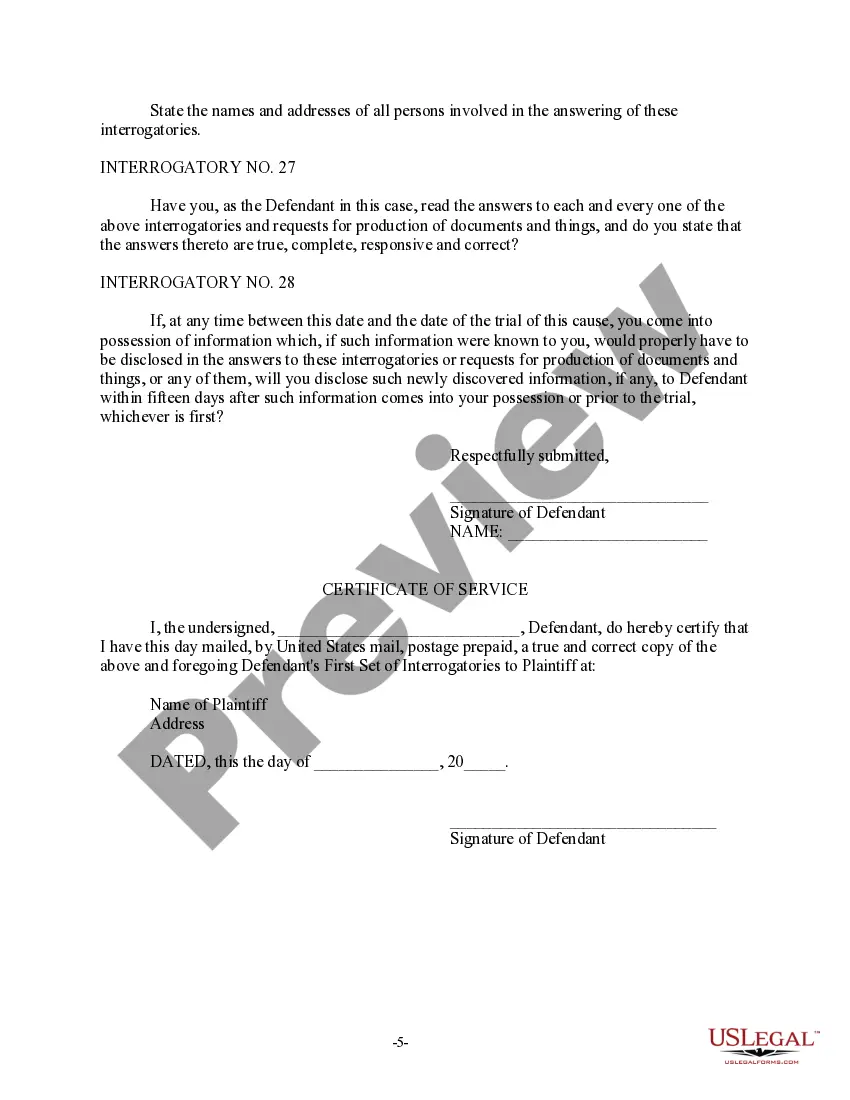
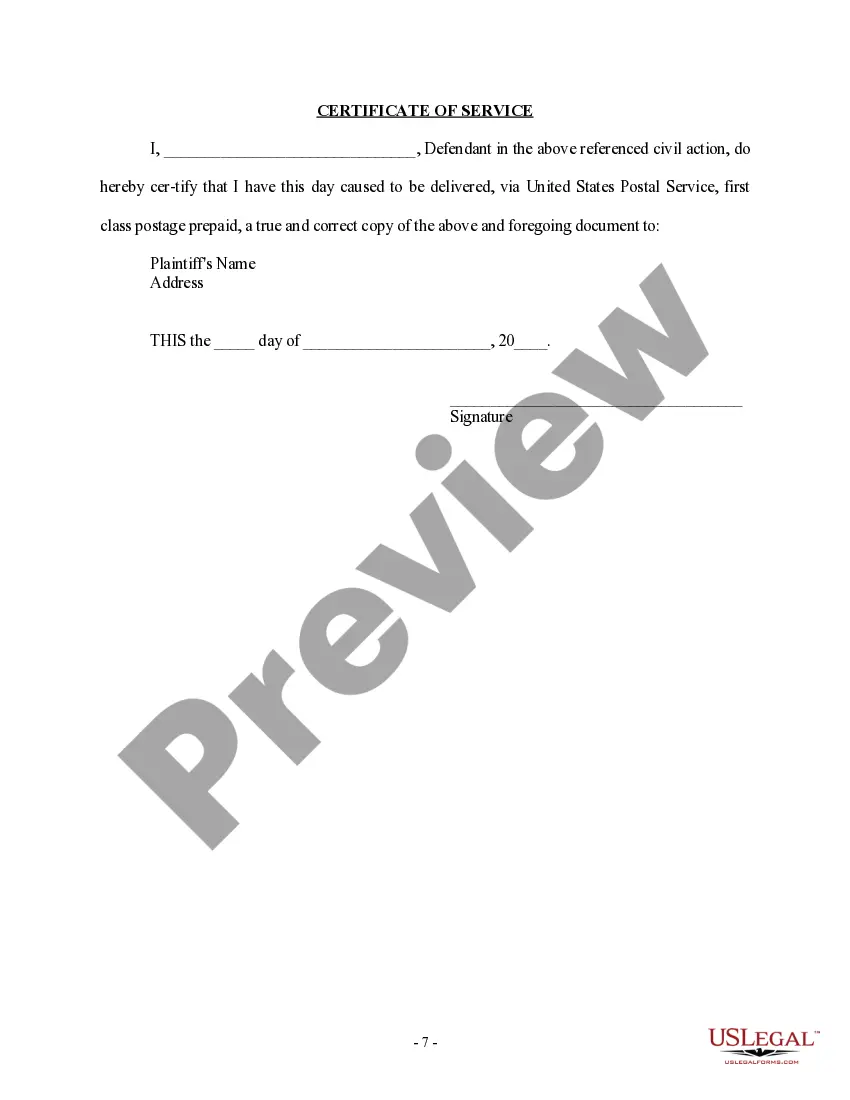
- Certification of service section to confirm delivery to the plaintiff.
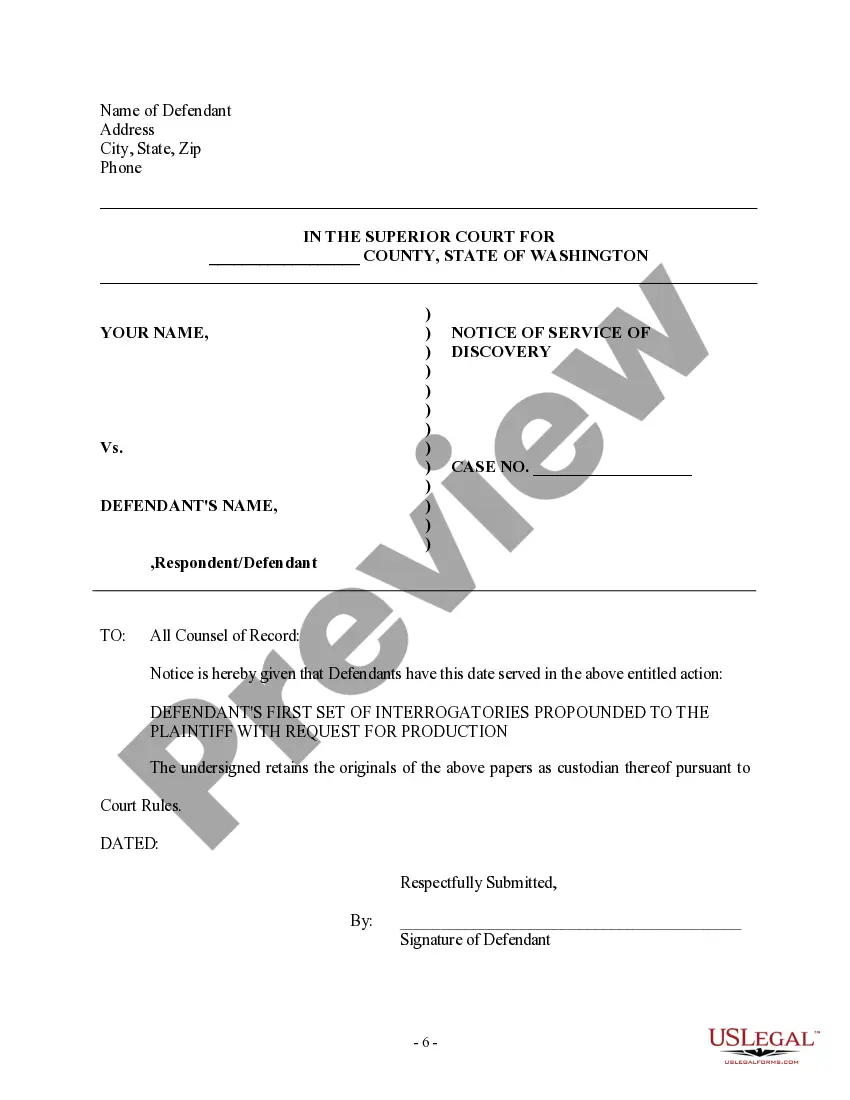
- Notice of service to keep all legal parties informed of the discovery process.

Situations where this form applies
This form should be used during the divorce litigation process when the defendant seeks specific information from the plaintiff to better understand the financial circumstances and claims relevant to the case. It is particularly important when determining asset division, spousal support, or when claims of misconduct are involved. Utilizing this form can streamline communication and ensure all necessary information is gathered for fair resolution of the divorce proceedings.
Who can use this document
- Defendants in divorce proceedings who need to collect information from the plaintiff.
- Individuals representing themselves in court (pro se litigants) seeking to understand the discovery process.
- Attorneys looking for a structured approach to gather evidence useful in divorce cases.
How to prepare this document
- Identify and enter the names and addresses of all parties involved at the top of the form.
- Complete the specific interrogatories, providing clear and precise answers to each question.
- Attach relevant documents as requested, such as tax returns and financial records.
- Ensure that the certification of service is filled out to confirm delivery to the plaintiff.
- Sign and date the form before submitting it to the court and serving it to the plaintiff.
Does this form need to be notarized?
In most cases, this form does not require notarization. However, some jurisdictions or signing circumstances might. US Legal Forms offers online notarization powered by Notarize, accessible 24/7 for a quick, remote process.
Get your form ready online
Our built-in tools help you complete, sign, share, and store your documents in one place.
Make edits, fill in missing information, and update formatting in US Legal Forms—just like you would in MS Word.
Download a copy, print it, send it by email, or mail it via USPS—whatever works best for your next step.
Sign and collect signatures with our SignNow integration. Send to multiple recipients, set reminders, and more. Go Premium to unlock E-Sign.
If this form requires notarization, complete it online through a secure video call—no need to meet a notary in person or wait for an appointment.
We protect your documents and personal data by following strict security and privacy standards.

Make edits, fill in missing information, and update formatting in US Legal Forms—just like you would in MS Word.

Download a copy, print it, send it by email, or mail it via USPS—whatever works best for your next step.

Sign and collect signatures with our SignNow integration. Send to multiple recipients, set reminders, and more. Go Premium to unlock E-Sign.

If this form requires notarization, complete it online through a secure video call—no need to meet a notary in person or wait for an appointment.

We protect your documents and personal data by following strict security and privacy standards.
Common mistakes to avoid
- Failing to answer all interrogatories completely and truthfully.
- Not providing supporting documentation as requested in the production section.
- Forgetting to sign the document or to fill out the certification of service.
- Missing deadlines for submission and service of the form.
- Using the form without adapting it to reflect the specifics of the case and jurisdiction.
Benefits of using this form online
- Immediate access to a professionally drafted document, saving time on legal research.
- Convenience of completing the form digitally, allowing easy edits and revisions.
- Reduced risk of errors, as the form is structured to meet legal requirements.
- Secure storage and retrieval options to keep your documents safe and organized.
Legal use & context
- The form is used to initiate the exchange of information in divorce litigation, crucial for building a case.
- Utilizing the interrogatories as part of formal discovery helps to uncover evidence that may not be voluntarily disclosed.
- Failure to comply with discovery requests can result in legal consequences, including sanctions.
Main things to remember
- The Discovery Interrogatories from Defendant to Plaintiff with Production Requests is vital for gathering information in divorce cases.
- The form must be completed carefully to ensure that all necessary information is obtained.
- Each state may have specific rules; being aware of Washington's requirements is crucial for success.
- Using this form online offers convenience and reliability in managing legal documents.
Looking for another form?

Form popularity
FAQ
You must answer each interrogatory separately and fully in writing under oath, unless you object to it. You must explain why you object. You must sign your answers and objections.
Interrogatories ask questions; the responding party provides written answers. A request for production of documents requests the production of documents (or other tangible things); the responding party provides documents.
The purpose of interrogatories is to learn a great deal of general information about a party in a lawsuit. For example, the defendant in a personal injury lawsuit about a car accident might send you interrogatories asking you to disclose things like: Where you live. Where you work.
Interrogatories, which are written questions about things that are relevant or important to the case. (NRCP 33; JCRCP 33) Requests for production of documents or things, which are written requests that demand the other side provide particular documents or items.
So, can you refuse to answer interrogatories? The answer is, no, you may not.That answer must either permit inspection of the requested information or object to the production of the information for a specific reason.
The plaintiff must give you responses to the request for interrogatories within 45 days of when you mailed the request. If they do not give you a response you can send a final request to the plaintiff. In the final request tell the plaintiff they have another 30 days to give you answers to your interrogatory requests.
(2) In addition to section (b)(1), any party may serve upon any other party not more than two sets of written interrogatories containing not more than 20 questions per set without prior permission of the court.
Interrogatories Interrogatories are written questions that are sent by one party to another.Requests for production are the means by which you can ask the other party to make copies of documents, photographs, records, etc. and to request the inspection of property.
Interrogatories, which are written questions about things that are relevant or important to the case. (NRCP 33; JCRCP 33) Requests for production of documents or things, which are written requests that demand the other side provide particular documents or items.