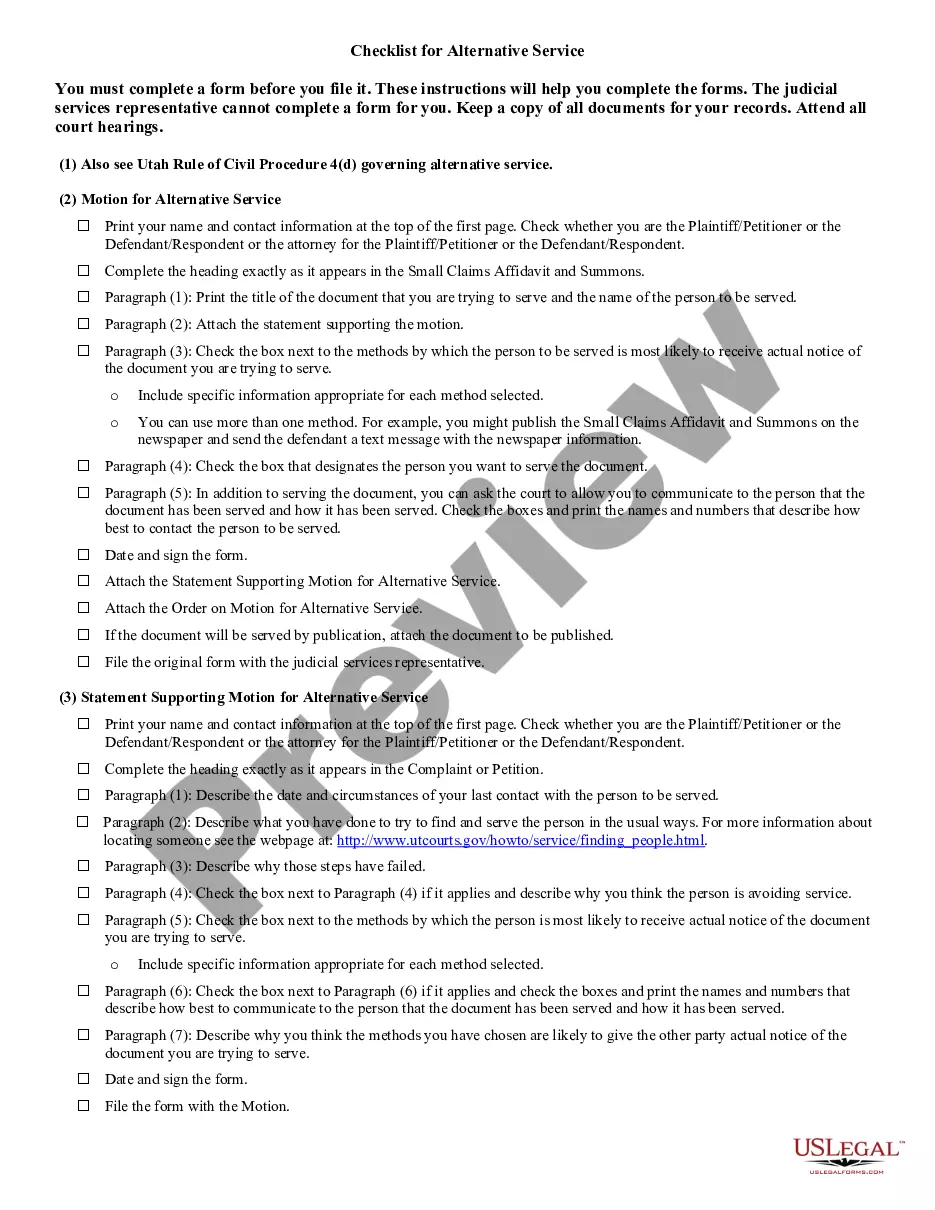
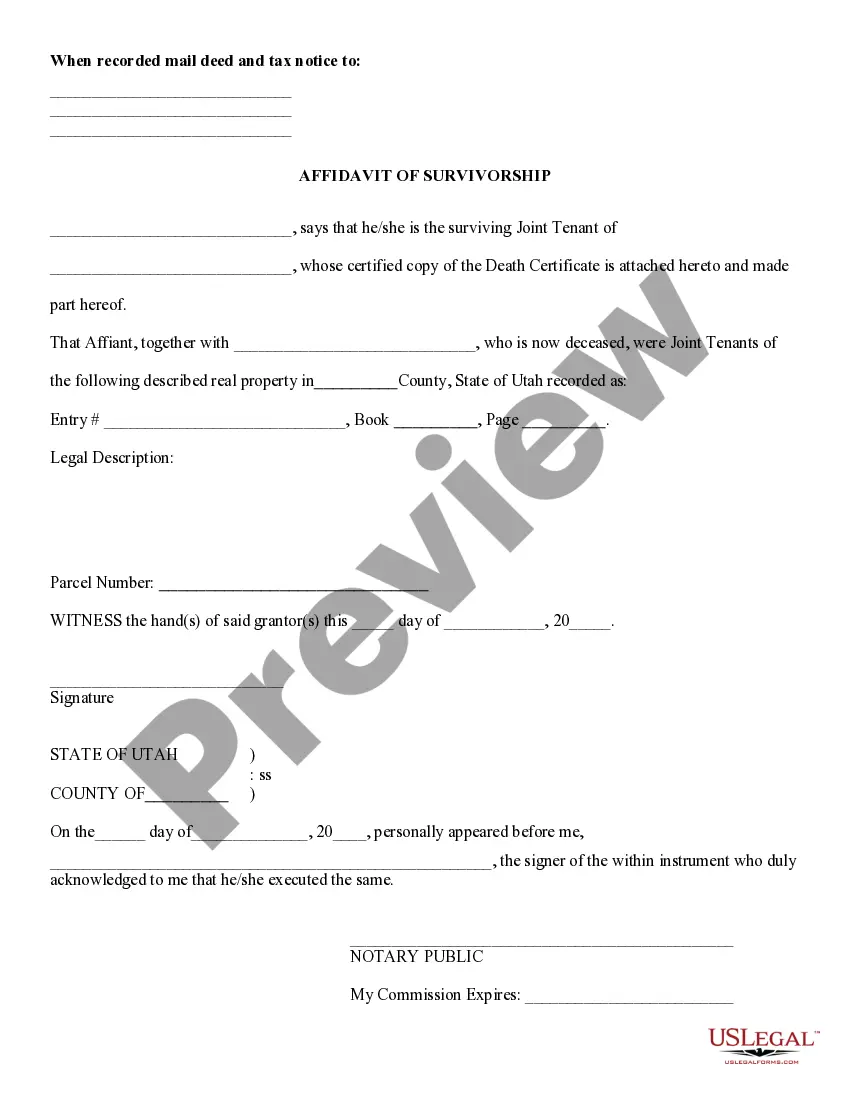
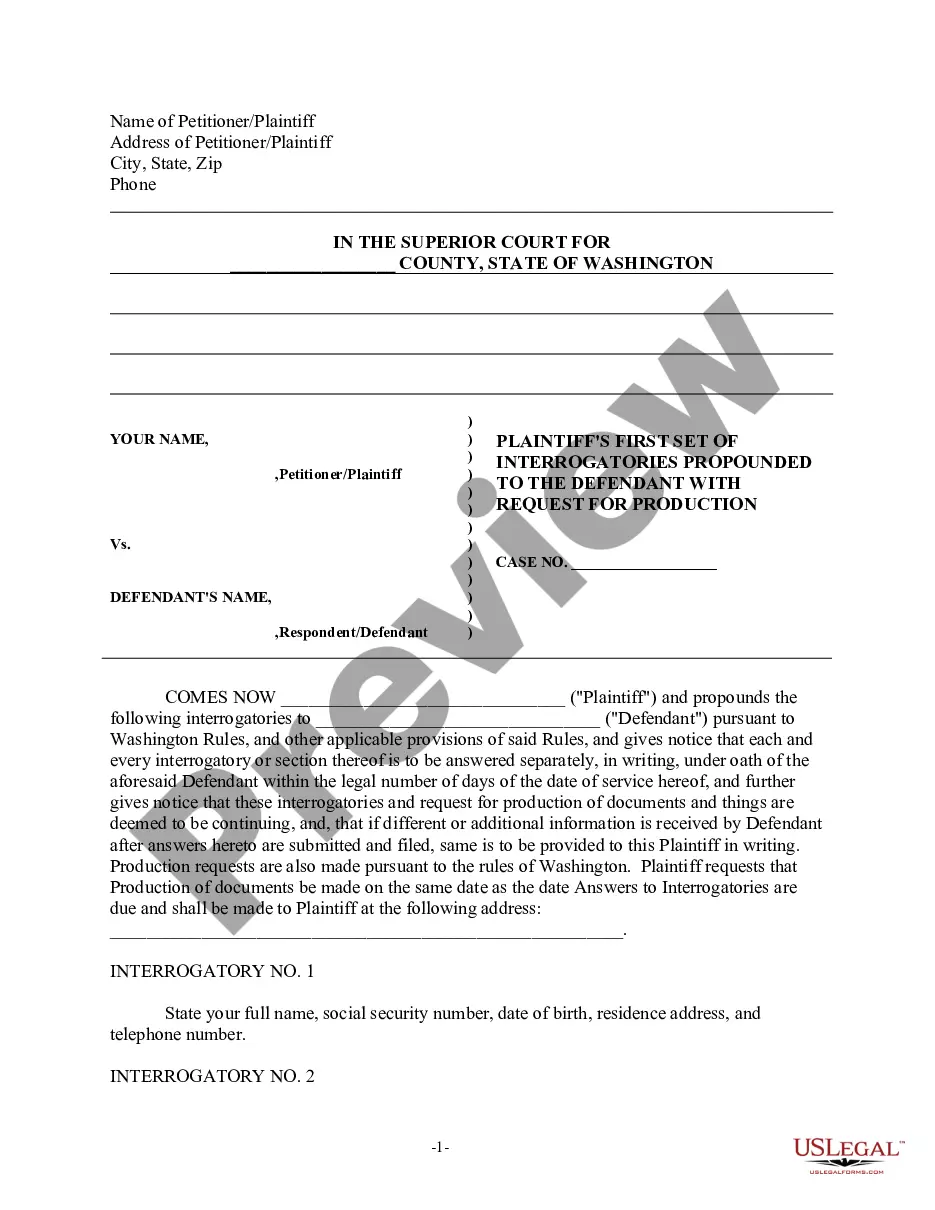
Washington Discovery Interrogatories from Plaintiff to Defendant with Production Requests
Overview of this form
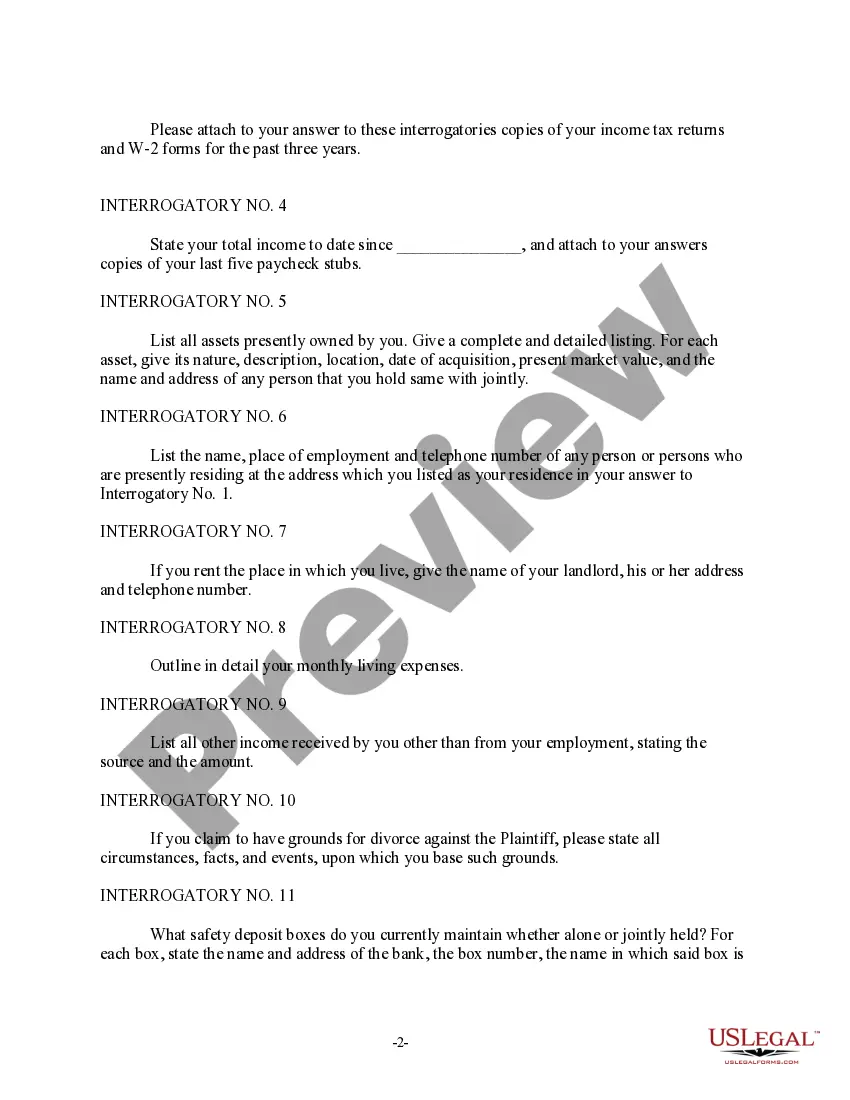
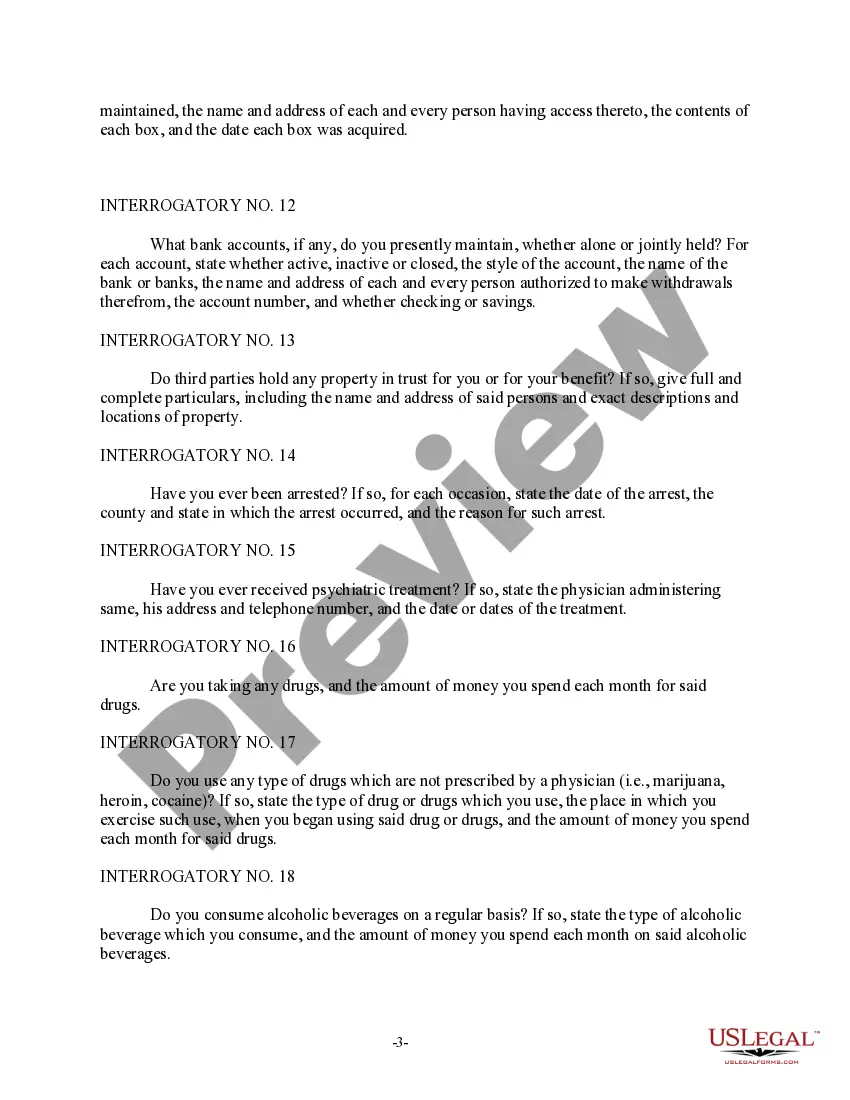
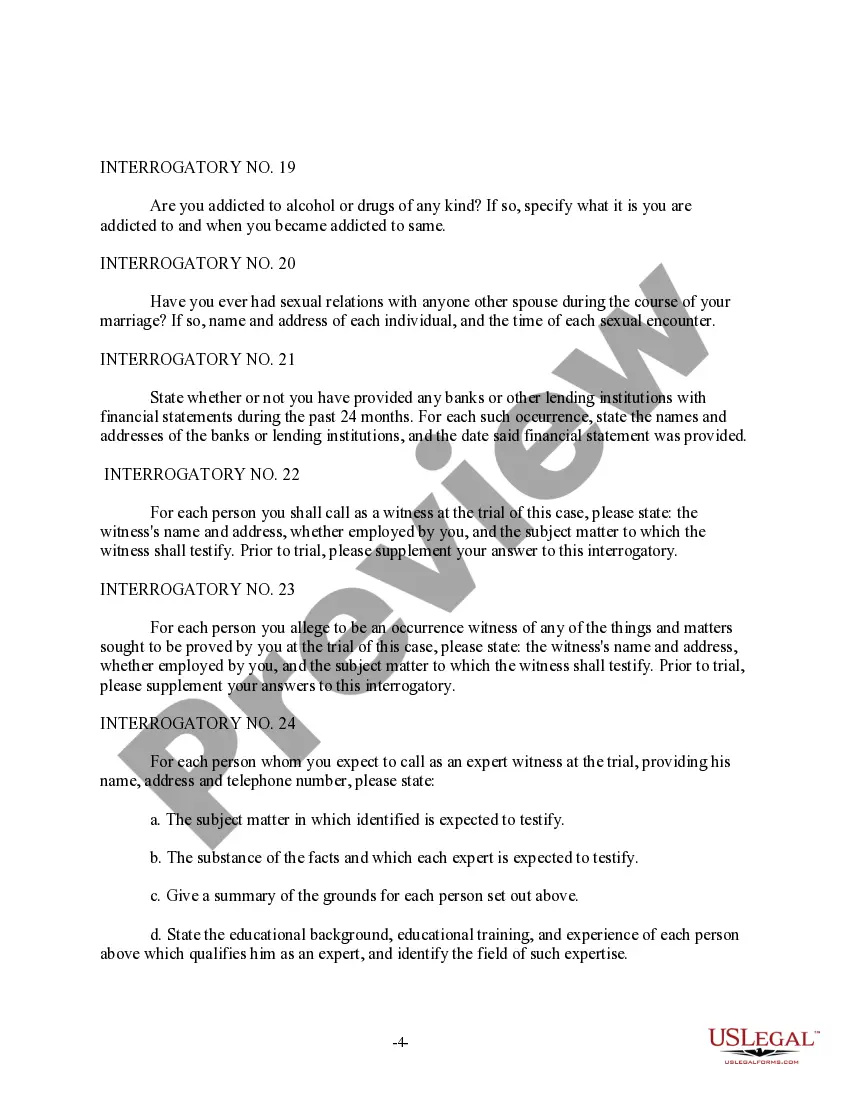
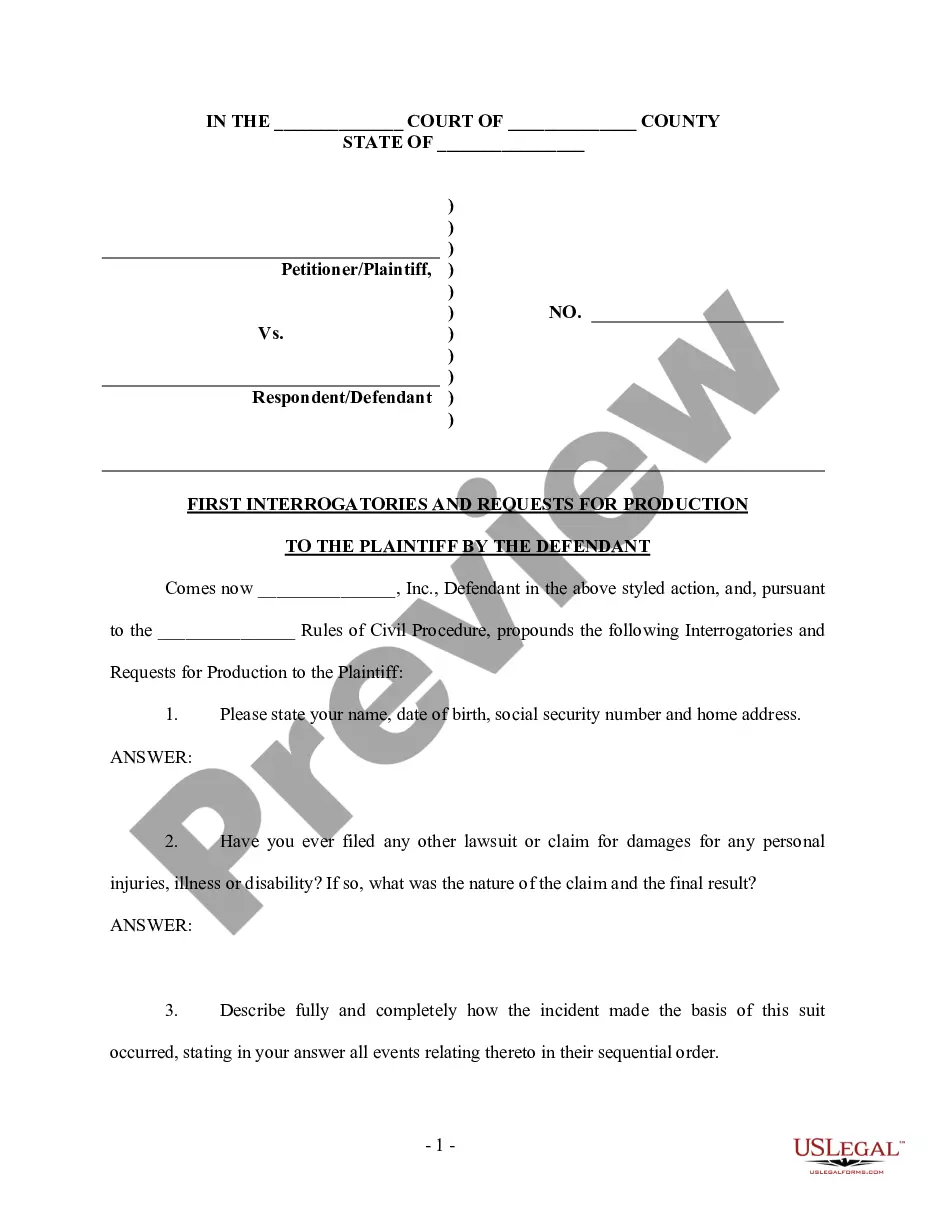
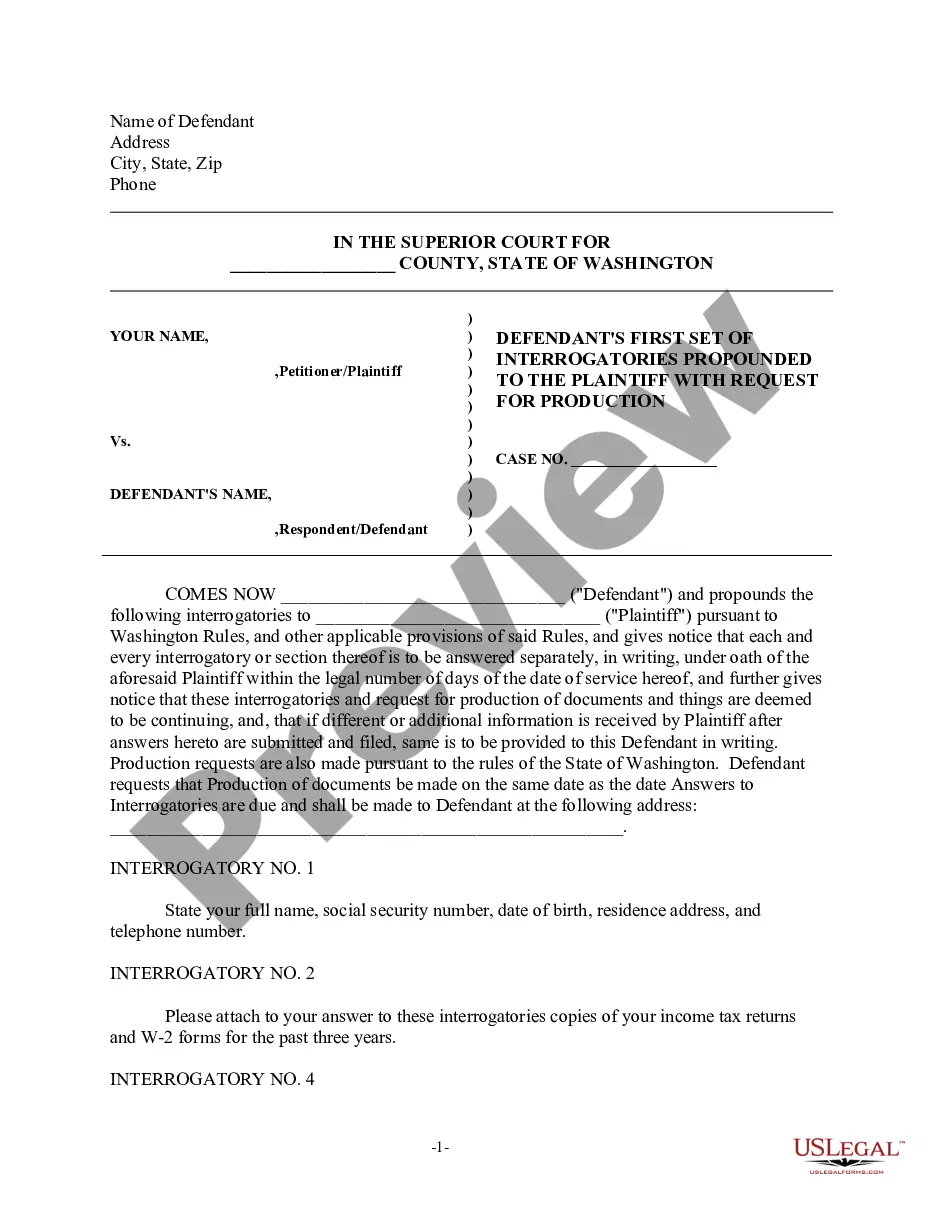
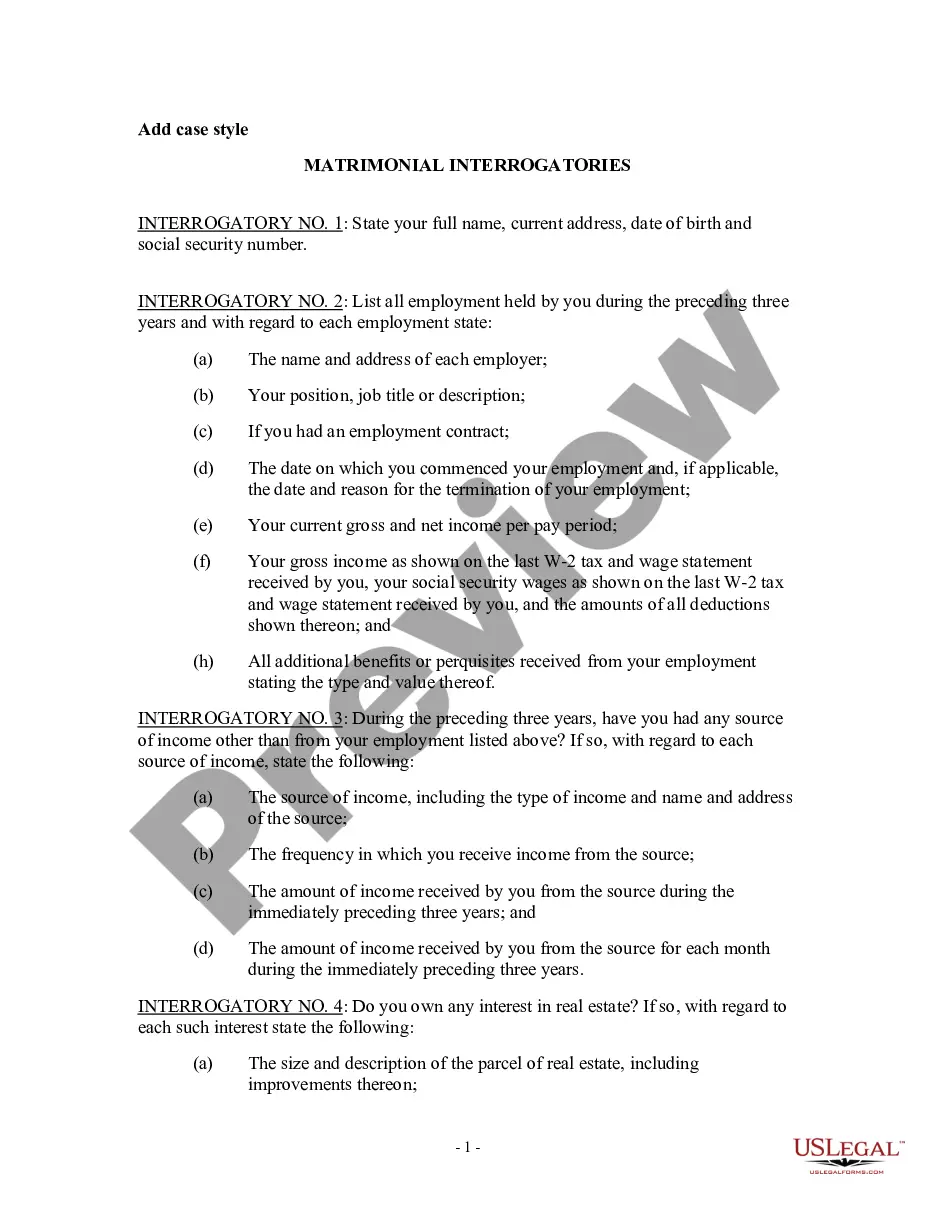
The Discovery Interrogatories from Plaintiff to Defendant with Production Requests is a crucial legal document used in divorce proceedings. This form allows the plaintiff to pose specific questions to the defendant and request the production of relevant documents. Unlike other interrogatories, this form combines both questions and requests for documents, making it a comprehensive tool for gathering essential information during the discovery phase of a divorce case.
Key parts of this document
- Full name and contact information of the parties involved
- Detailed legal questions tailored to the defendant's circumstances
- Requests for financial documentation such as tax returns and W2 forms
- Categories of information about assets and liabilities
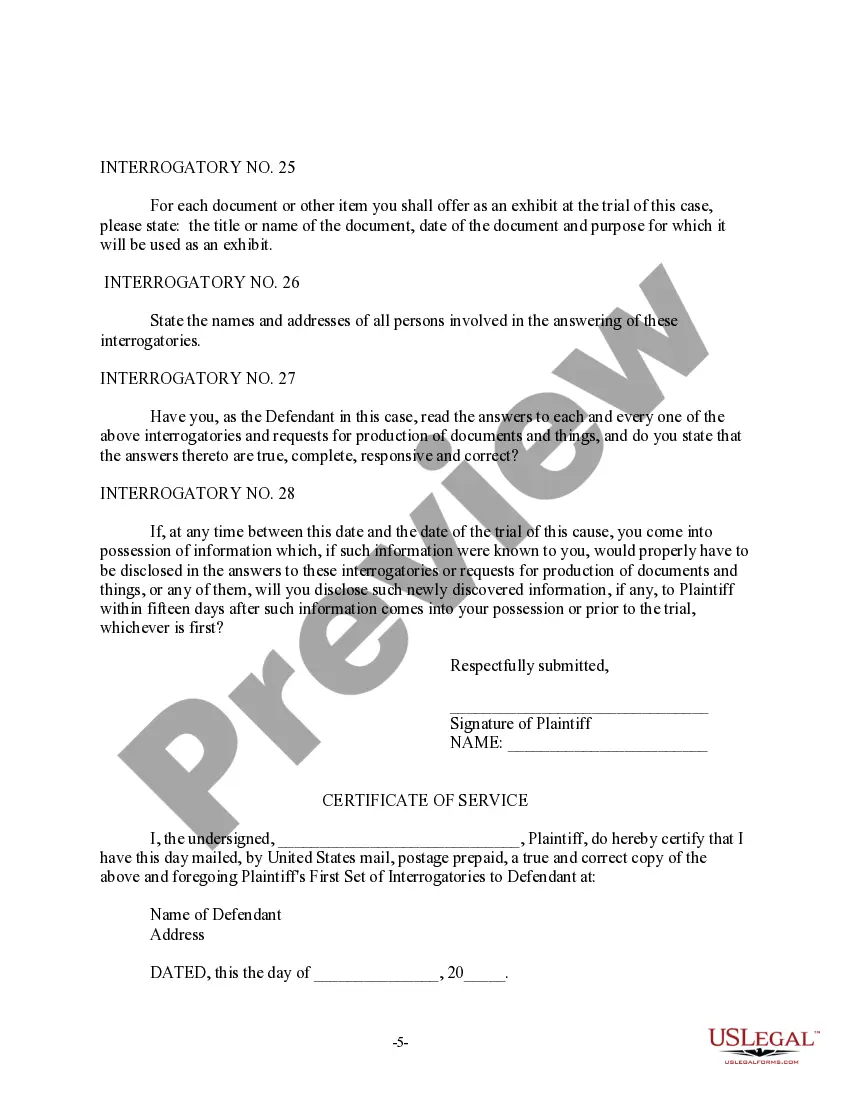
- Witness lists and expert testimony details
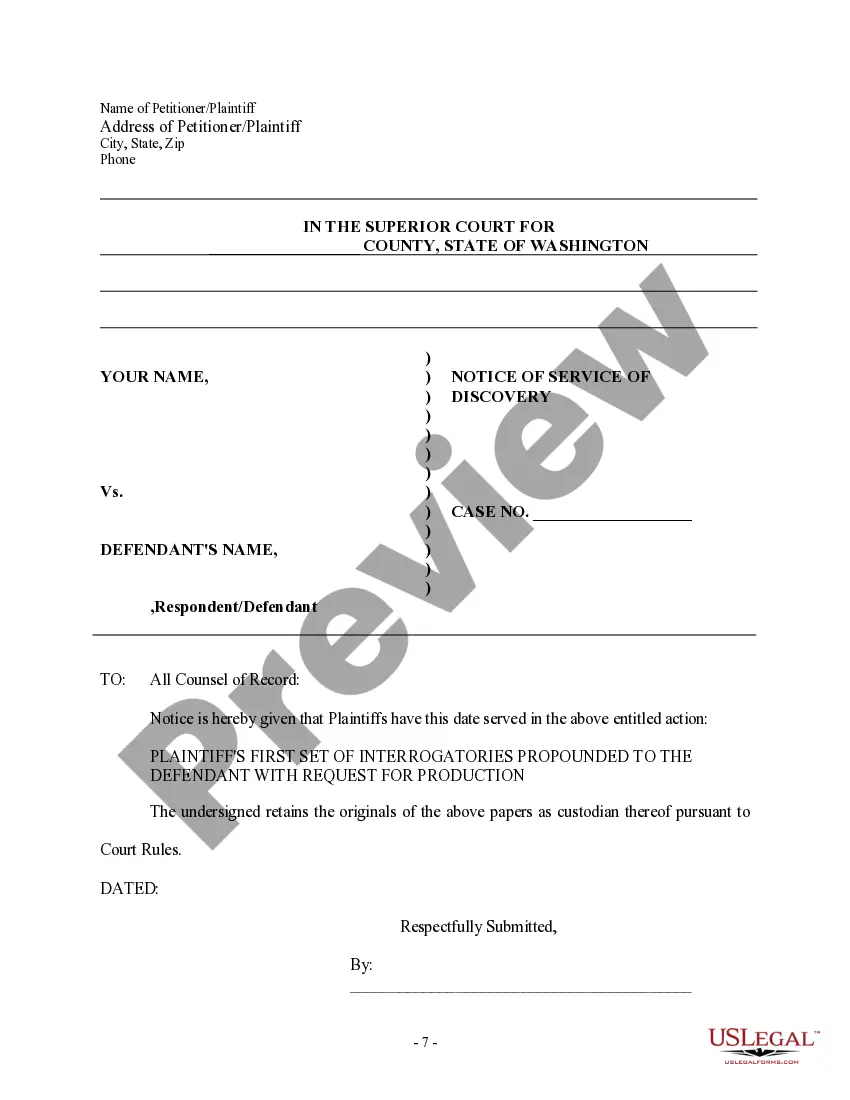
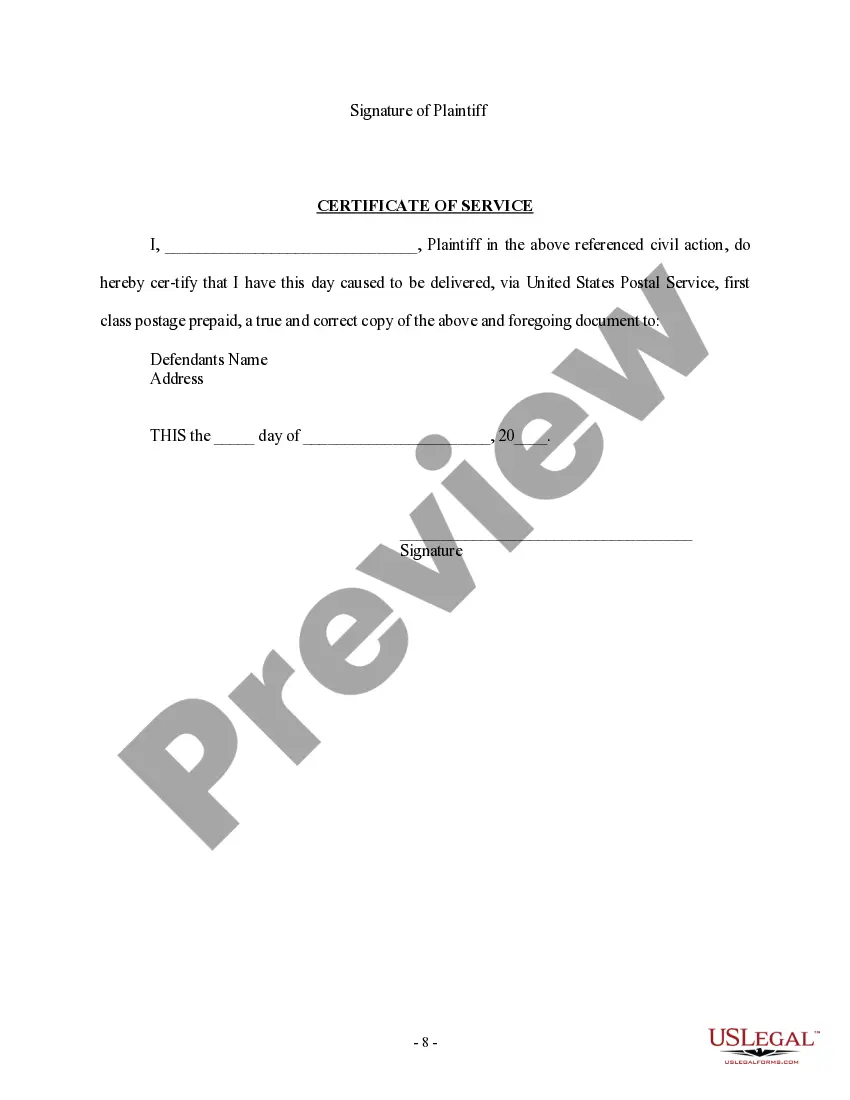
- Certification of service confirming that the document has been delivered to the defendant


Common use cases
This form is used during divorce proceedings when the plaintiff needs to obtain information and documentation from the defendant. It is applicable when specific questions about finances, assets, and other relevant issues must be addressed to facilitate the case. Utilizing this form can help ensure that both parties are transparent about their financial situations and any other matters pertinent to the divorce.
Who should use this form
- Individuals initiating a divorce process as plaintiffs
- Legal representatives acting on behalf of the plaintiff
- Any plaintiff seeking specific information from the defendant to support their case
How to prepare this document
- Identify the parties involved by providing their full names and addresses.
- Fill out each interrogatory by answering the questions clearly and completely.
- Attach any requested documents, such as income tax returns and financial statements, as specified.
- Sign the form to verify the truthfulness of the provided information.
- Serve the completed form to the defendant and ensure you keep a copy for your records.
Notarization requirements for this form
Notarization is not commonly needed for this form. However, certain documents or local rules may make it necessary. Our notarization service, powered by Notarize, allows you to finalize it securely online anytime, day or night.
Get your form ready online
Our built-in tools help you complete, sign, share, and store your documents in one place.
Make edits, fill in missing information, and update formatting in US Legal Forms—just like you would in MS Word.
Download a copy, print it, send it by email, or mail it via USPS—whatever works best for your next step.
Sign and collect signatures with our SignNow integration. Send to multiple recipients, set reminders, and more. Go Premium to unlock E-Sign.
If this form requires notarization, complete it online through a secure video call—no need to meet a notary in person or wait for an appointment.
We protect your documents and personal data by following strict security and privacy standards.

Make edits, fill in missing information, and update formatting in US Legal Forms—just like you would in MS Word.

Download a copy, print it, send it by email, or mail it via USPS—whatever works best for your next step.

Sign and collect signatures with our SignNow integration. Send to multiple recipients, set reminders, and more. Go Premium to unlock E-Sign.

If this form requires notarization, complete it online through a secure video call—no need to meet a notary in person or wait for an appointment.

We protect your documents and personal data by following strict security and privacy standards.
Mistakes to watch out for
- Failing to answer all interrogatories fully and truthfully.
- Not including required documents with the responses.
- Incorrectly identifying the defendant or parties involved.
- Missing the deadline for submitting the responses to the court.
- Neglecting to sign the form, which could invalidate the submission.
Why use this form online
- Immediate access to a professionally drafted legal document.
- Editable templates allow for customization to fit individual case details.
- Secure downloads ensure the confidentiality of sensitive information.
- Convenient access from any device at any time, making it easy to complete and file.
Legal use & context
- This form is legally binding when completed and served correctly.
- It assists in gathering information needed for divorce settlements and court proceedings.
- Responses to interrogatories must be truthful, as false information can result in legal penalties.
Key takeaways
- The Discovery Interrogatories is essential for collecting critical information in divorce cases.
- Complete all sections thoroughly and attach required support documents.
- Familiarize yourself with the local court rules relevant to your case.
- Timely filing and serving the document are crucial for legal compliance.
Looking for another form?
Form popularity
FAQ
The plaintiff must give you responses to the request for interrogatories within 45 days of when you mailed the request. If they do not give you a response you can send a final request to the plaintiff. In the final request tell the plaintiff they have another 30 days to give you answers to your interrogatory requests.
Your answers to the interrogatories should usually be short, clear, and direct and should answer only the question that is being asked. This is not the time to set out your entire case or defense to the other side. Take the time to make sure your answers are correct and truthful.
You must answer each interrogatory separately and fully in writing under oath, unless you object to it. You must explain why you object. You must sign your answers and objections.
Your name and address. The Court's name. The title of the case. Case number. Fill your name in as the Requesting Party. On the following pages, choose which questions you wish to ask by checking boxes next to the questions you wish to ask.
Personal/Corporate information of opposing party. Identifying information of witnesses. Contact information & background of expert witnesses. Insurance information.
You may object to Form Interrogatories, but be careful to use the proper objection. Using the wrong one or using every single one may lead the court to view you as misusing the discovery process and make you pay sanctions.
If a request asks for a document, make a copy of the document; in your response, describe the document and say that a copy is attached; and attach a copy of the document to the responses you send back to the other side.
Respond Truthfully. You should answer each interrogatory honestly, even if it involves an uncomfortable topic. Submit Your Responses on Time. Answer Every Interrogatory. Save the Sarcasm. You Can Object When Appropriate.
So, can you refuse to answer interrogatories? The answer is, no, you may not.That answer must either permit inspection of the requested information or object to the production of the information for a specific reason.