Vermont Warning Notice Due to Complaint from Neighbors
What this document covers
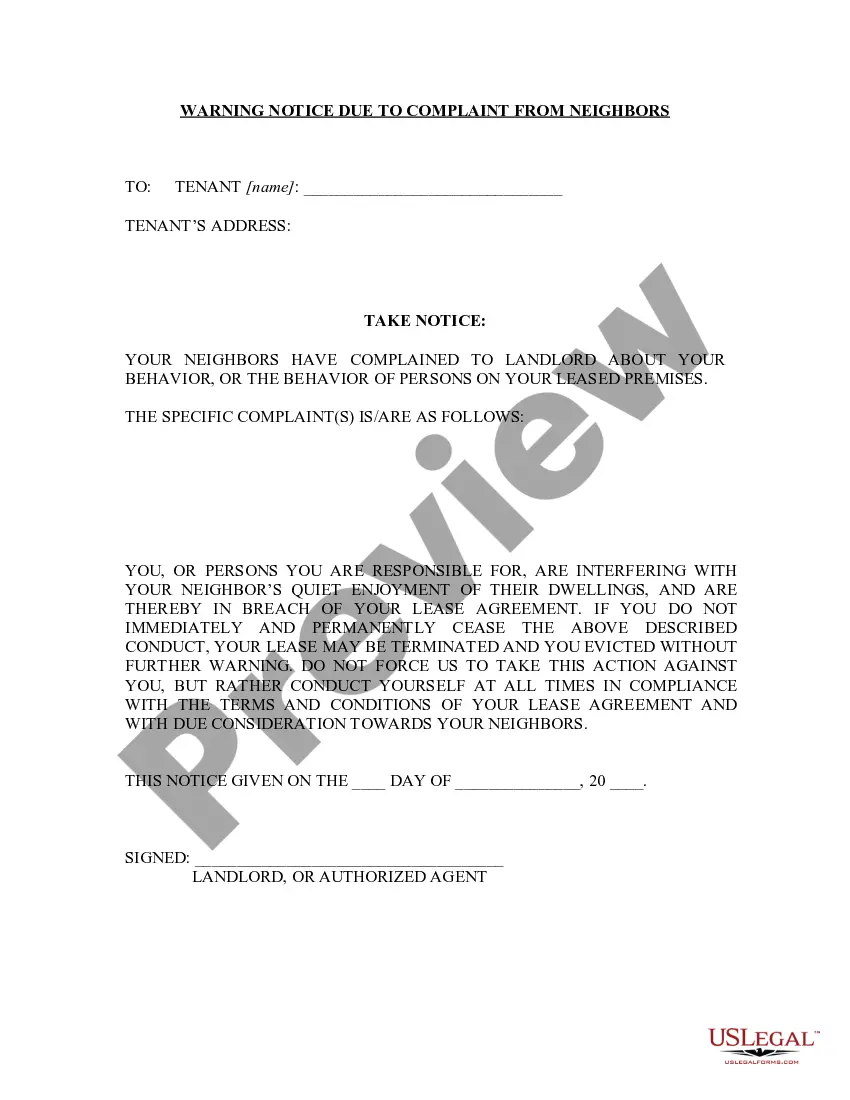
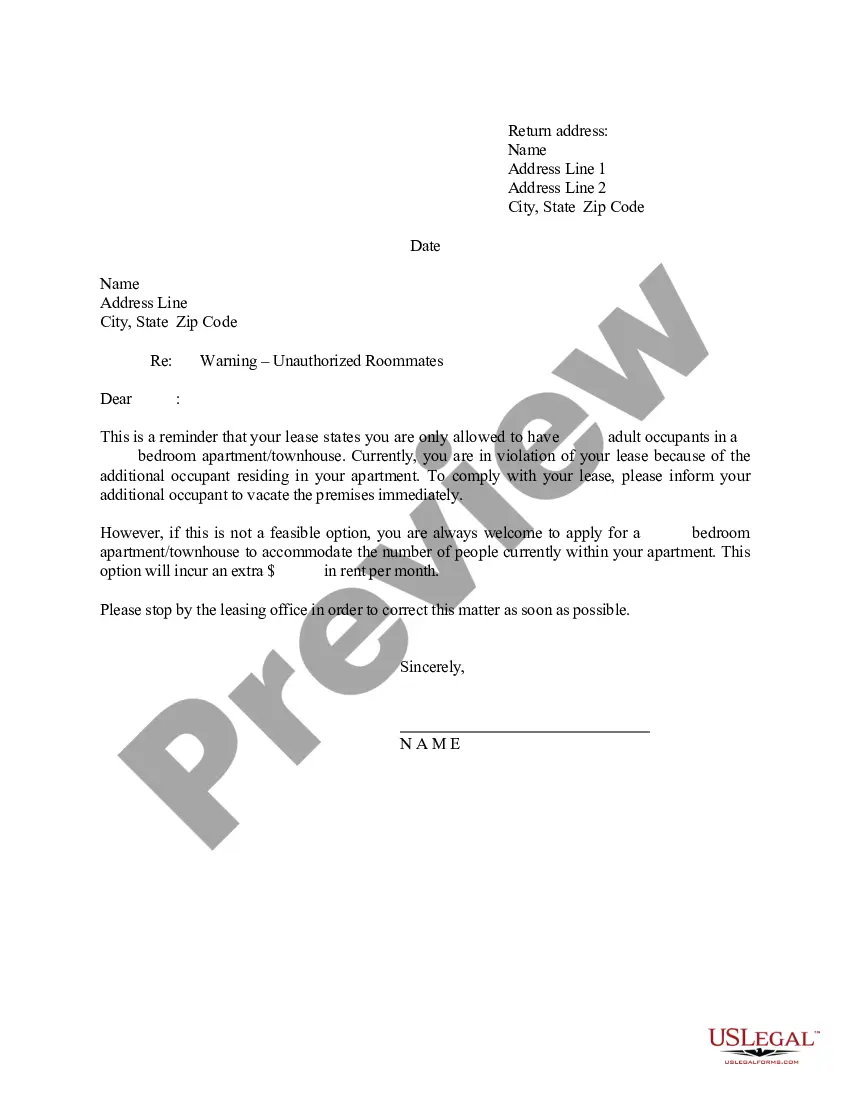
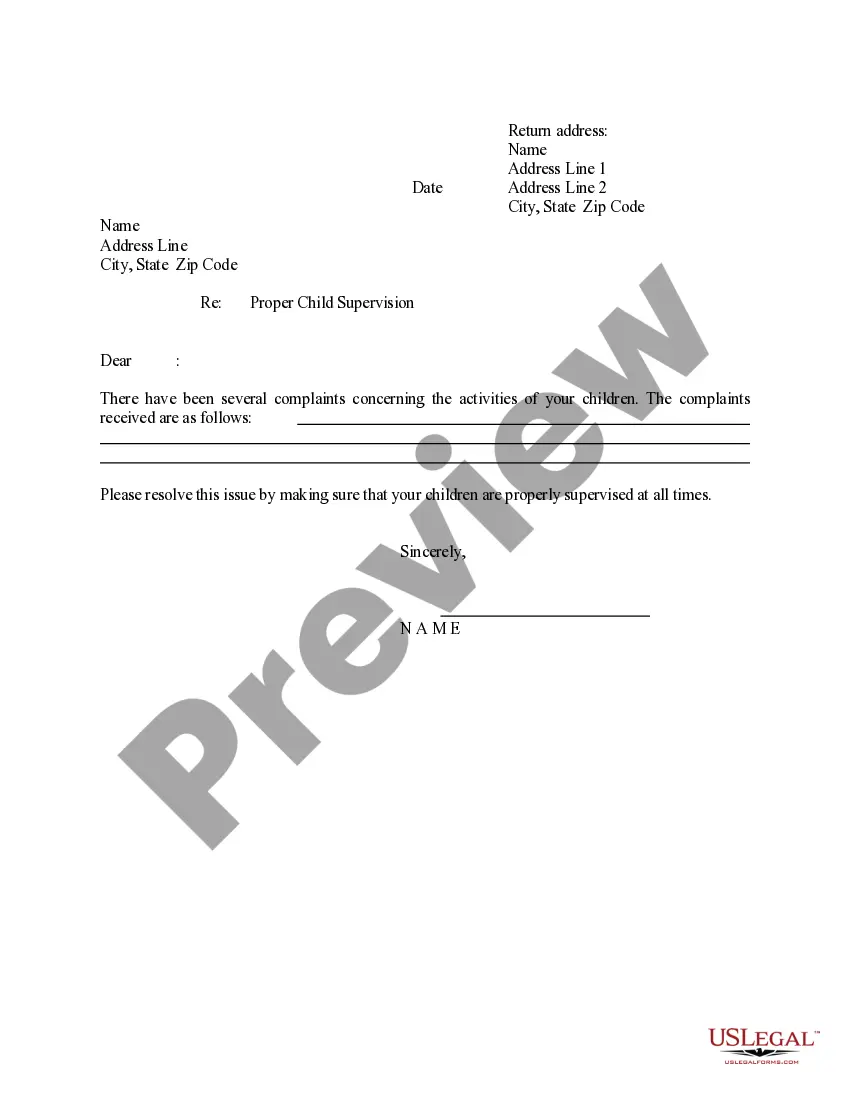
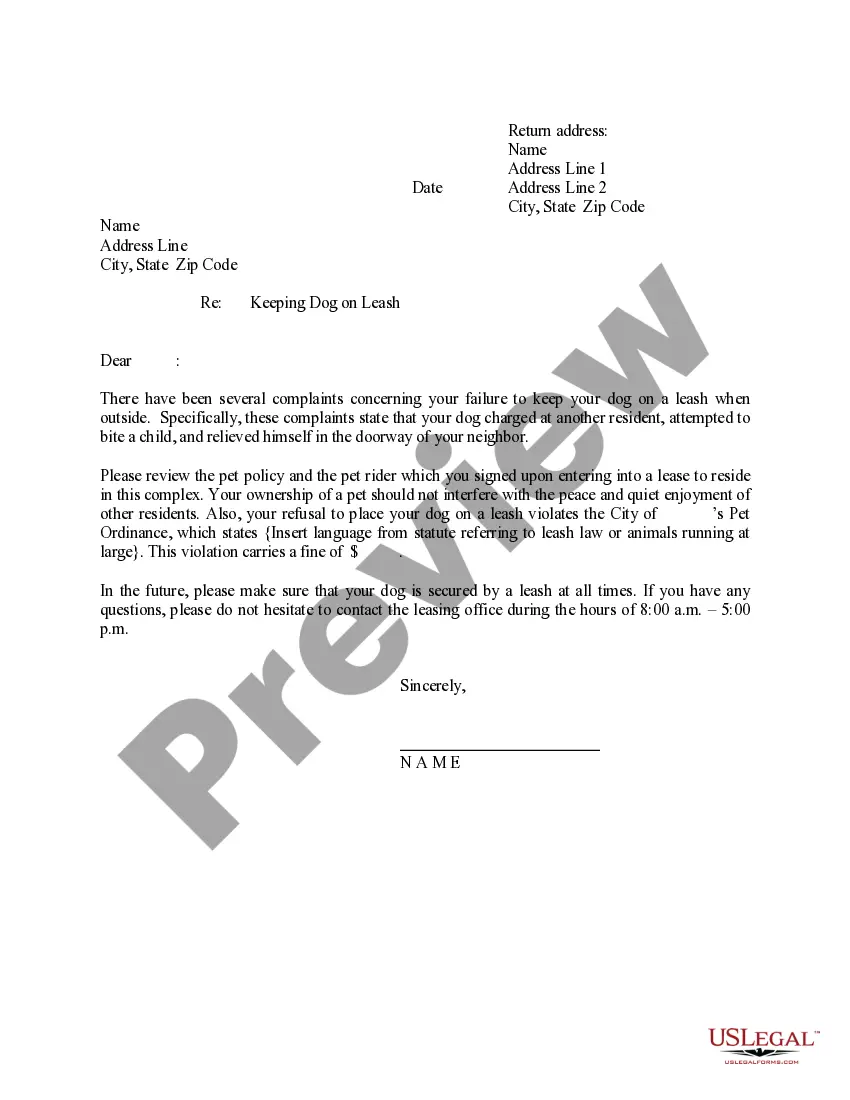
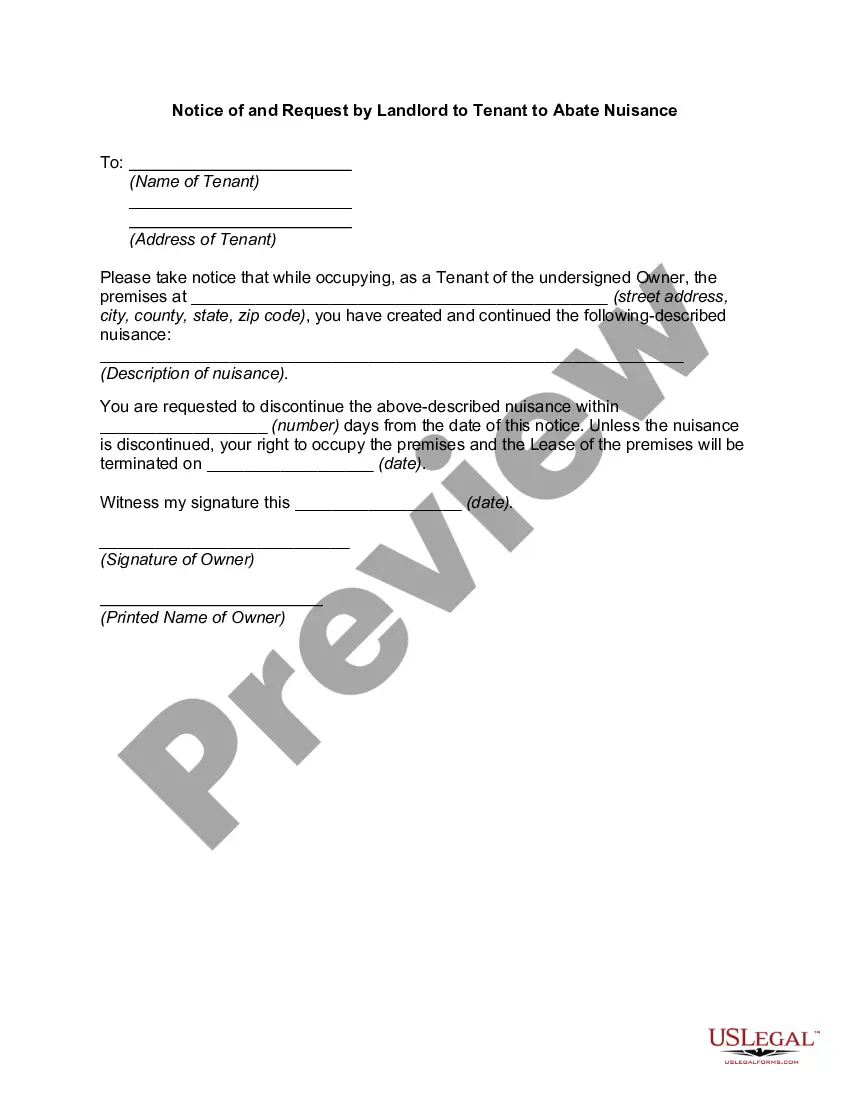
A Warning Notice Due to Complaint from Neighbors is a legal document that informs a tenant about complaints from neighbors regarding disruptive behavior. This notice serves as a formal request for the tenant to stop any conduct that disturbs the neighbors' peaceful enjoyment of their homes, with the potential consequence of eviction if the issue is not resolved. It is important to differentiate this warning notice from other tenant notices, as its specific focus is on neighbor complaints and the risk of eviction if the behavior continues.
What’s included in this form
- Date of notice issuance
- Signature of the landlord or authorized agent
- Details of the tenant's conduct leading to the complaint
- Instruction for the tenant to cease bothersome behavior
- Warning regarding potential eviction
When to use this document
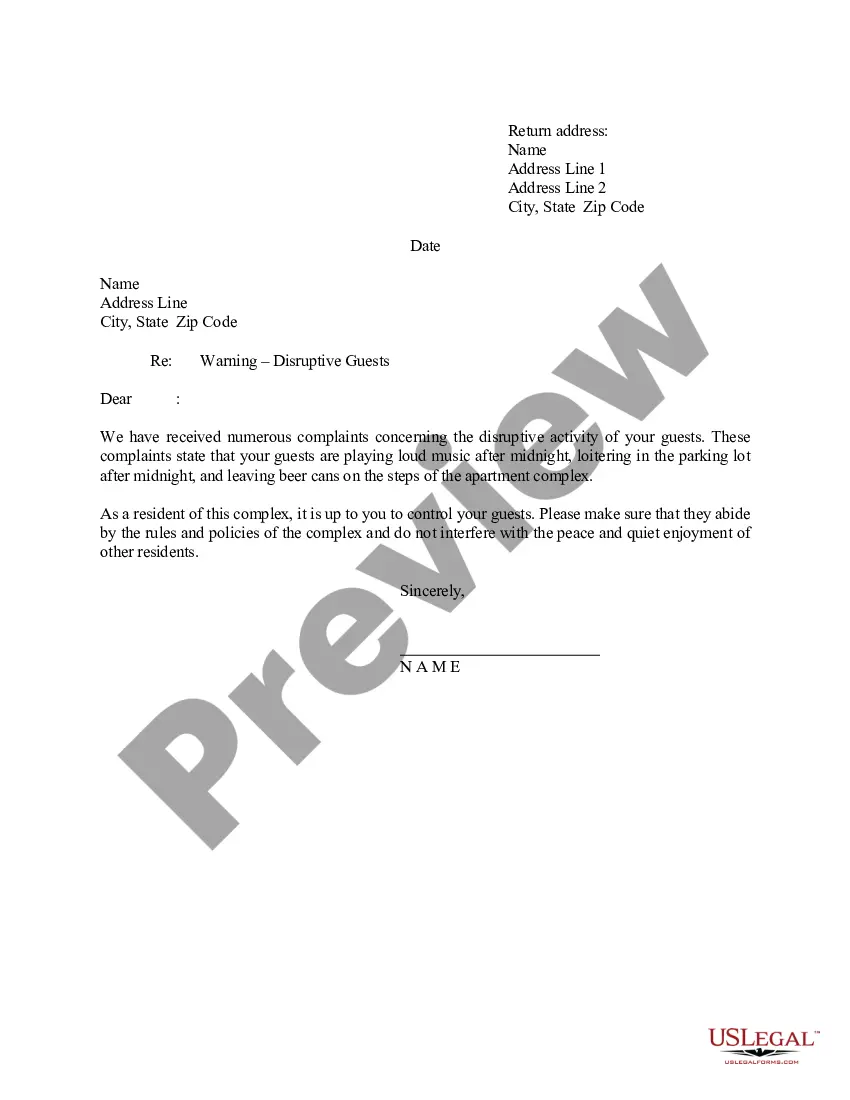
This form should be used when a landlord receives multiple complaints from neighbors about a tenant's conduct that is disruptive or bothersome. It is a proactive measure intended to address issues such as excessive noise, unauthorized alterations to the property, or any other behavior that breaches the peace of neighboring tenants. By issuing this warning notice, the landlord aims to resolve the issue amicably before taking further legal action.
Who should use this form
- Landlords seeking to address complaints from neighbors before considering eviction
- Property managers acting on behalf of owners of rental properties
- Residential landlords in multi-family housing situations
- Tenants who have received a warning notice and want to understand its implications
Steps to complete this form
- Identify and enter the date when the notice is issued.
- Clearly state the tenant's name and address.
- Document the specific complaints received from neighbors regarding the tenantâs behavior.
- Include a directive for the tenant to cease the identified disruptive behavior.
- Sign the notice as the landlord or authorized agent.
Is notarization required?
This form does not typically require notarization unless specified by local law. However, having a notarized document can provide an extra layer of authenticity if disputes arise.
Get your form ready online
Our built-in tools help you complete, sign, share, and store your documents in one place.
Make edits, fill in missing information, and update formatting in US Legal Forms—just like you would in MS Word.
Download a copy, print it, send it by email, or mail it via USPS—whatever works best for your next step.
Sign and collect signatures with our SignNow integration. Send to multiple recipients, set reminders, and more. Go Premium to unlock E-Sign.
If this form requires notarization, complete it online through a secure video call—no need to meet a notary in person or wait for an appointment.
We protect your documents and personal data by following strict security and privacy standards.

Make edits, fill in missing information, and update formatting in US Legal Forms—just like you would in MS Word.

Download a copy, print it, send it by email, or mail it via USPS—whatever works best for your next step.

Sign and collect signatures with our SignNow integration. Send to multiple recipients, set reminders, and more. Go Premium to unlock E-Sign.

If this form requires notarization, complete it online through a secure video call—no need to meet a notary in person or wait for an appointment.

We protect your documents and personal data by following strict security and privacy standards.
Common mistakes
- Failing to provide specific details about the disruptive behavior.
- Not signing the notice, which may render it invalid.
- Omitting the date of issuance, which is crucial for legal timelines.
- Ignoring state-specific requirements that may govern the issuance of such notices.
Benefits of completing this form online
- Convenience: Download the form instantly from anywhere.
- Editability: Easily fill in the necessary fields at your own pace.
- Reliability: Ensure that you are using a lawyer-drafted document tailored for effective communication.
What to keep in mind
- A Warning Notice Due to Complaint from Neighbors is essential for addressing tenant conduct that disturbs neighbors.
- Proper completion of the notice helps mitigate potential eviction proceedings.
- Understanding state-specific laws is crucial for landlords when issuing this notice.
Looking for another form?
Form popularity
FAQ
Keep records. Talking to your neighbour. Getting help from a mediator. If you think it's anti social behaviour. Report the anti social behaviour. If you're unhappy with the council or landlord's response. If you still need help.
Call ahead and pick a time to talk. Meet on the sidewalk or on the property line. Don't accuse; let them know how the problem bothers you and suggest ways to solve it together. If that doesn't work, check out local noise and disturbance ordinances and write a personal letter.
Neighbor harassment can take many forms, including: Derogatory or offensive comments about sexual orientation, your nation of origin, or other discriminatory factors. Calling law enforcement on you repeatedly or for small things. Repeatedly playing loud music during city "quiet hours" or after you have asked them to
Get to know each other. Head off problems before they're problems. Document the problem. Talk it out. Look for advice or solace online. Check with other neighbors. See if anyone else will side with you. Talk to a lawyer.
Explain that you are making a complaint. Relate what the complaint is actually about and make sure to include the specific details about the complaint, especially an account of the event. Inform the management of what you wish to be done regarding the complaint that you are making. End on a positive tone.
Be professional. Use professional letterhead and be sure to sign in ink. Express your dissatisfaction clearly, with facts, dates, and details (including copies of receipts and so on) to help substantiate your claim. Be sincere. Be prompt. Don't expect compensation every time.
Write the letter in a polite manner. Always introduce yourself first at the left of the letter. Never forget to mention the date of writing the letter. The letter of receiver or recipient should be properly mentioned along with Pincode. Mention the purpose of writing a letter in the subject line.
Keep a record of what you say and how they reply. Get proof the best option is to take a photo or video of the object of complaint in case they claim something else happened. You can always try to reach a compromise.
The short answer is, yes, you can sue your neighbors. However, as with any claim for damages, you must prove that the Defendant's conduct, actions or inaction directly or indirectly caused injury to you.