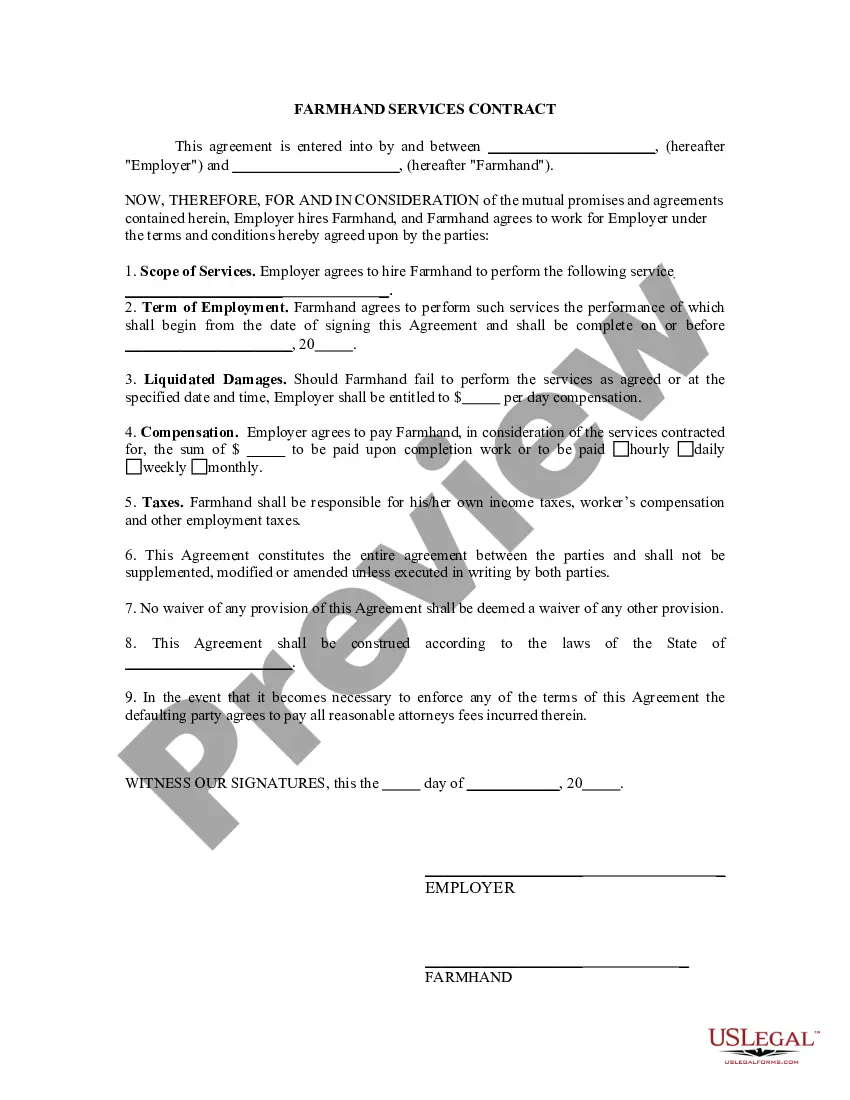
Vermont Landlord Agreement to allow Tenant Alterations to Premises
Overview of this form
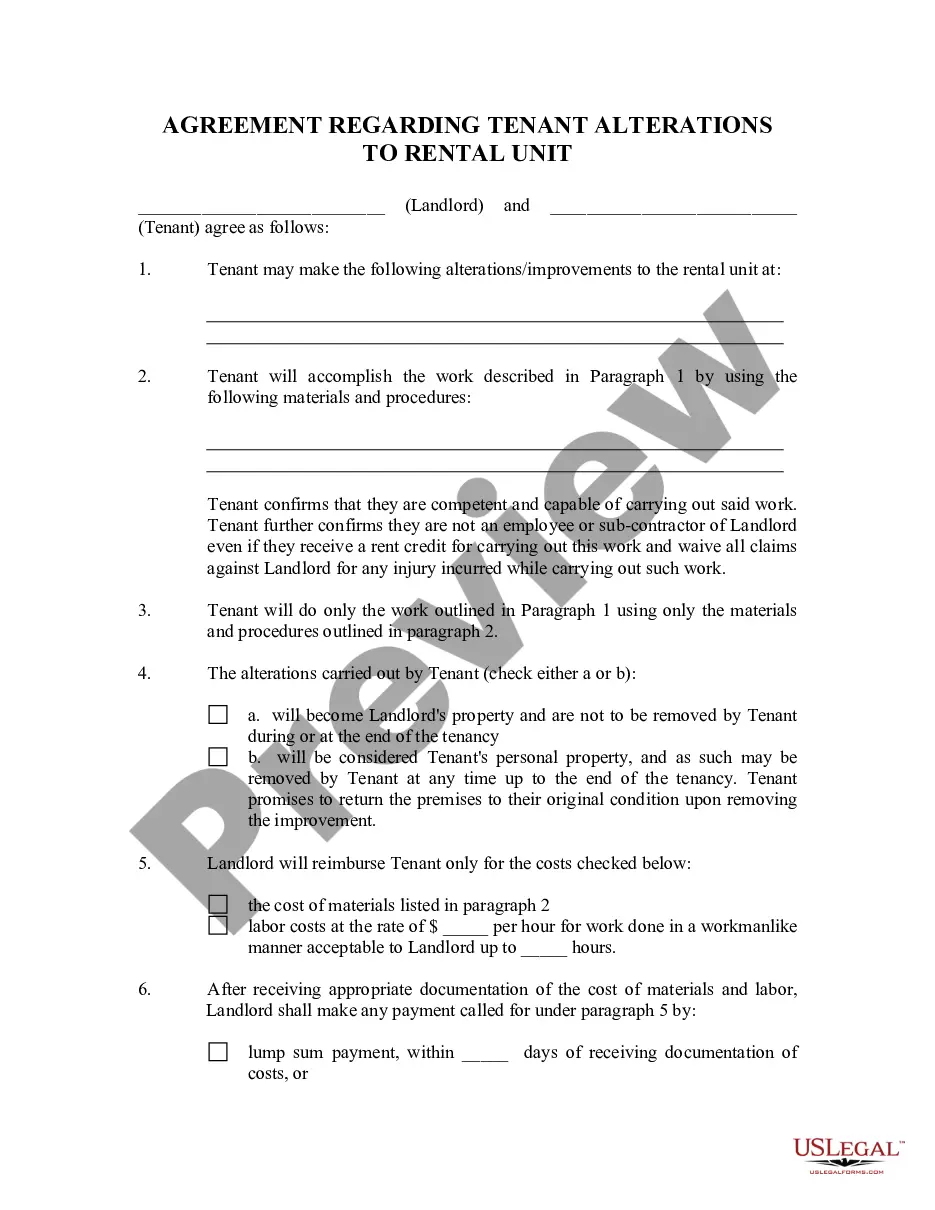
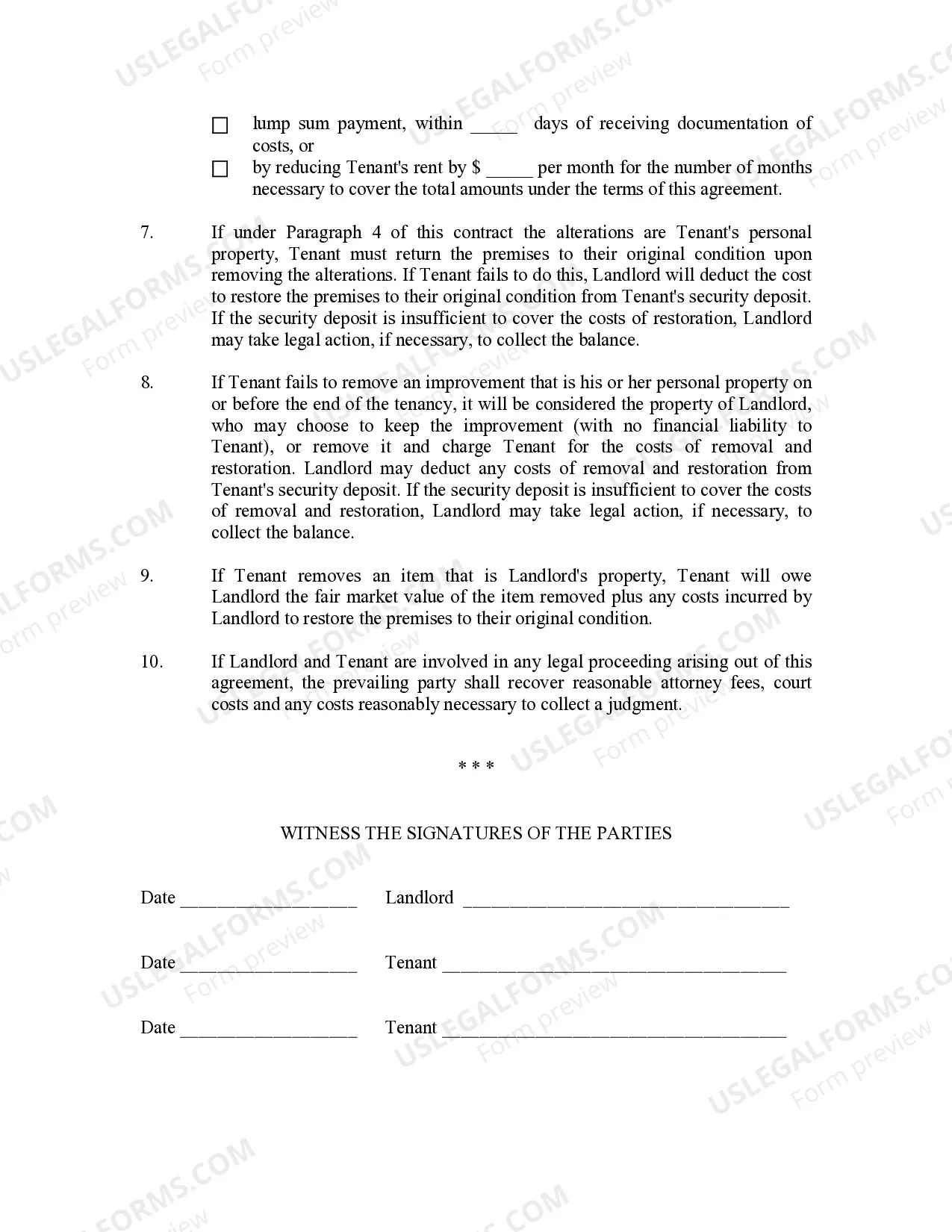
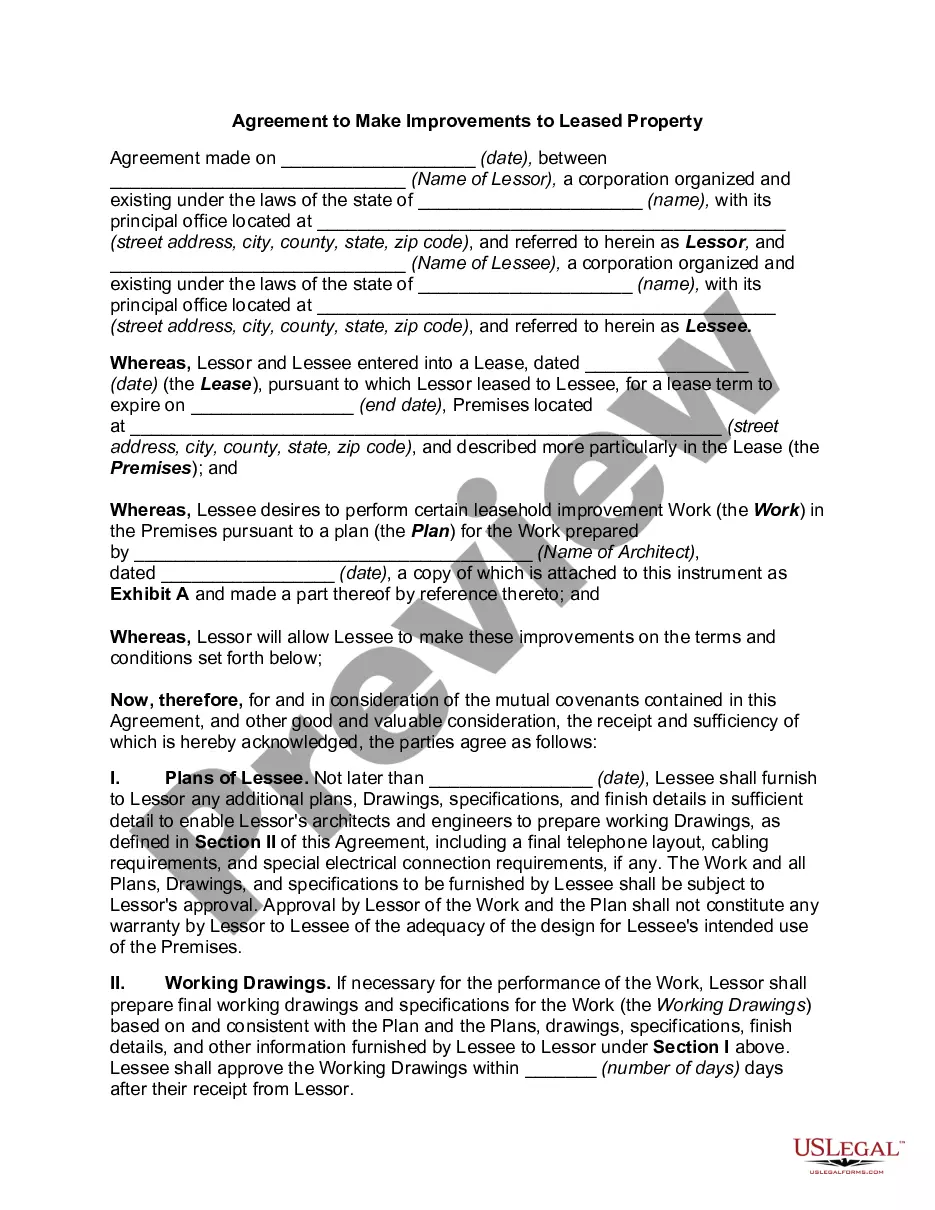
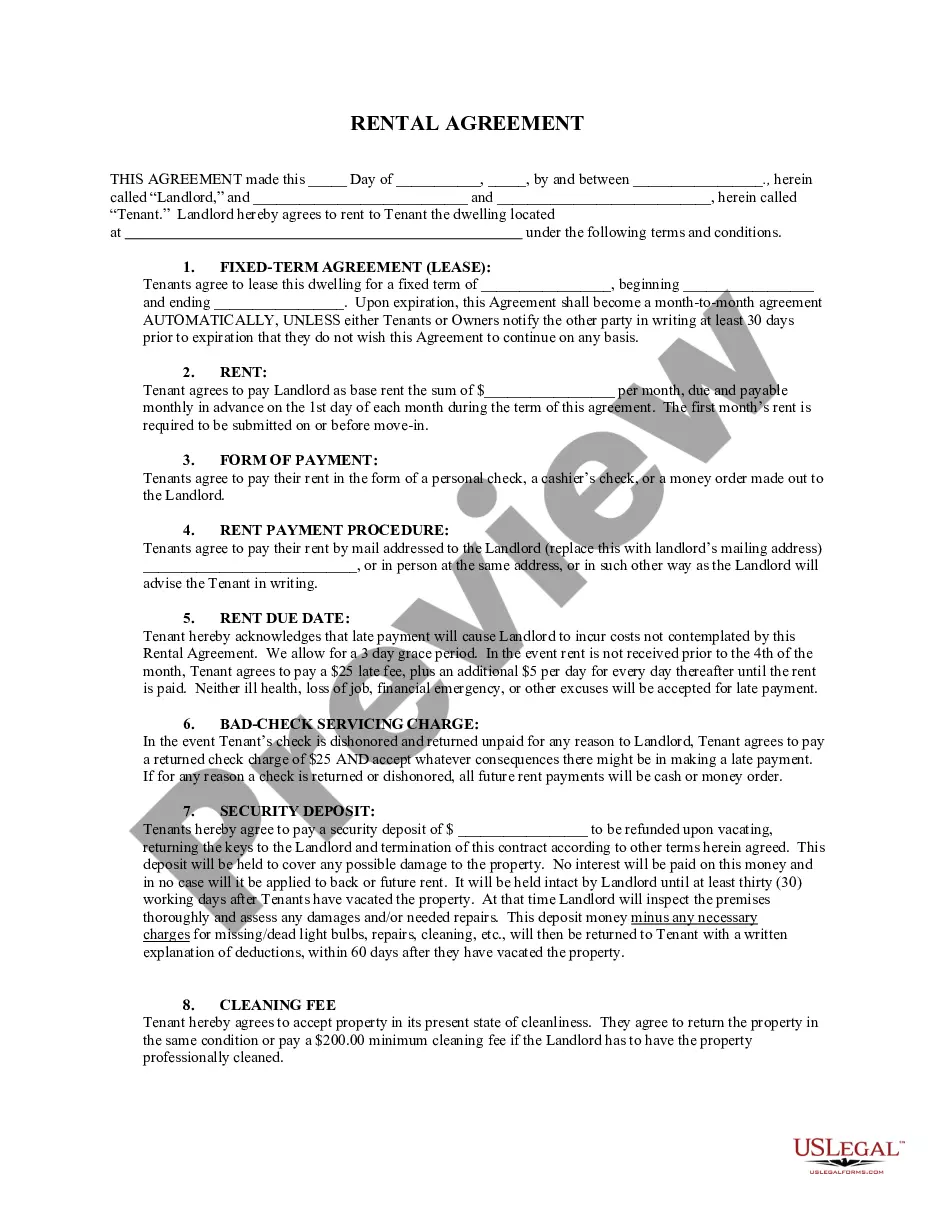
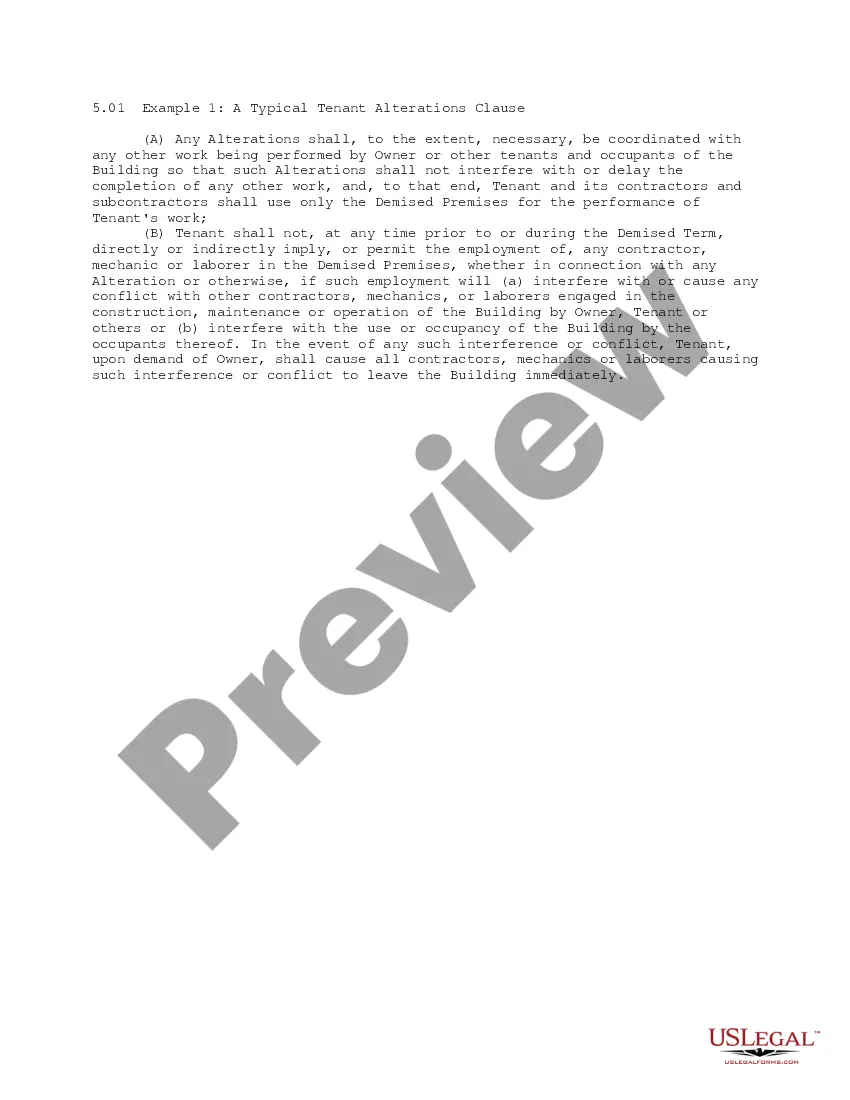
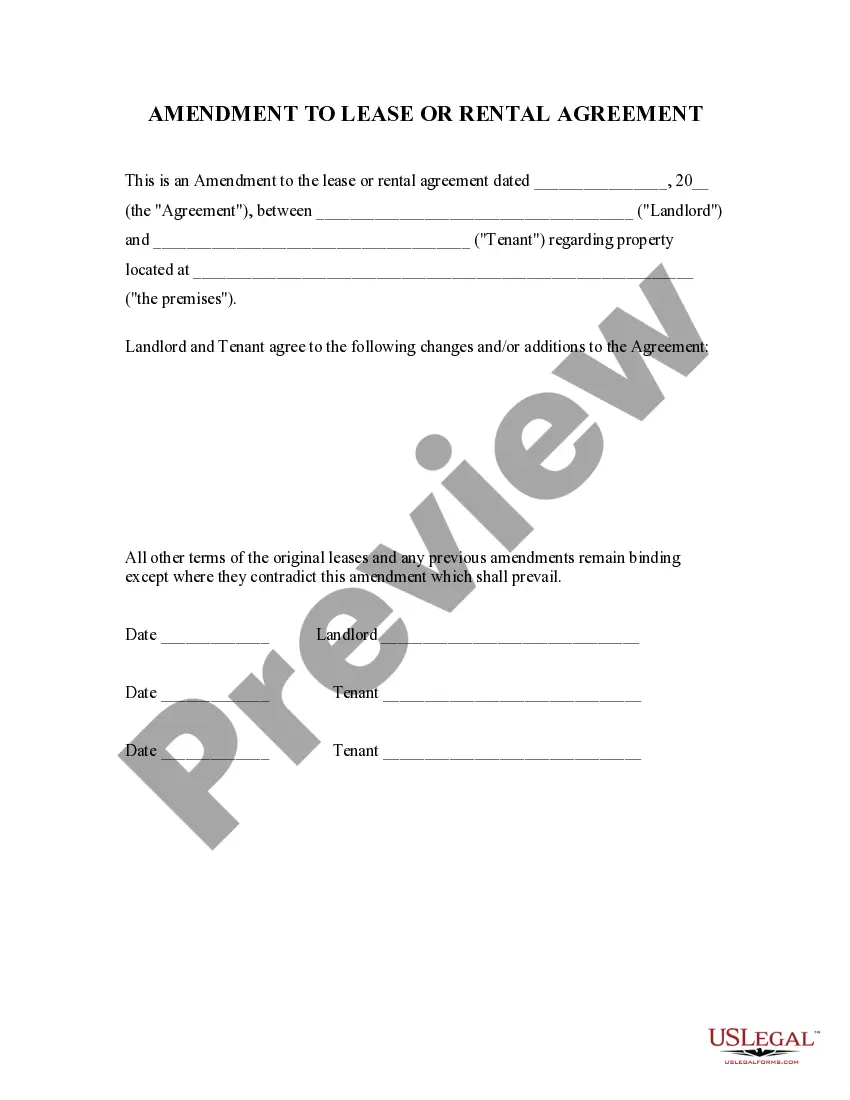
The Landlord Agreement to allow Tenant Alterations to Premises is a formal contract that outlines the terms under which a tenant may make alterations to a rental property. This document serves to clarify the responsibilities and rights of both the landlord and tenant, helping to prevent misunderstandings. Unlike generic rental agreements, this form specifically addresses the modifications a tenant wishes to implement and includes details about ownership of those changes, costs involved, and what happens to the alterations at the end of the tenancy.
Key components of this form
- Identification of the landlord and tenant
- Details of the specific alterations or improvements allowed
- Agreement on ownership of the alterations (property of landlord or tenant)
- Terms for reimbursement of costs related to alterations
- Conditions under which alterations must be removed or restored
- Legal provisions for disputes and attorney fees
When to use this document
This form is necessary when a tenant wishes to make changes to a rented property, such as renovations or installations, and wants to ensure that both parties agree on the terms. It is especially useful in situations involving significant updates like painting, structural changes, or the addition of fixtures. Using this form helps protect the interests of both the landlord and tenant by outlining responsibilities clearly.
Intended users of this form
- Landlords who want to maintain control over alterations made to their property
- Tenants seeking permission to make changes that enhance their living space
- Property managers handling rental agreements for landlords
How to prepare this document
- Identify and enter the names of both the landlord and tenant at the beginning of the document.
- Clearly specify the alterations or improvements the tenant is permitted to make.
- Select whether the alterations will remain the landlord's property or the tenant's personal property.
- Fill in the terms regarding reimbursement for costs, including the amount and method of payment.
- Both parties should sign and date the document to make it legally binding.
Is notarization required?
This form does not typically require notarization to be legally valid. However, some jurisdictions or document types may still require it. US Legal Forms provides secure online notarization powered by Notarize, available 24/7 for added convenience.
Get your form ready online
Our built-in tools help you complete, sign, share, and store your documents in one place.
Make edits, fill in missing information, and update formatting in US Legal Forms—just like you would in MS Word.
Download a copy, print it, send it by email, or mail it via USPS—whatever works best for your next step.
Sign and collect signatures with our SignNow integration. Send to multiple recipients, set reminders, and more. Go Premium to unlock E-Sign.
If this form requires notarization, complete it online through a secure video call—no need to meet a notary in person or wait for an appointment.
We protect your documents and personal data by following strict security and privacy standards.
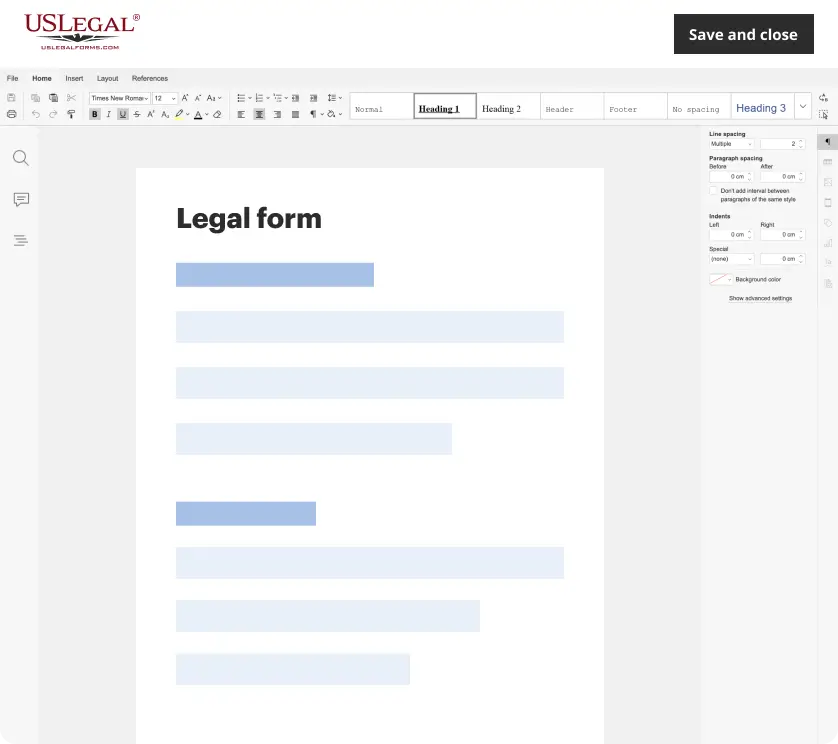
Make edits, fill in missing information, and update formatting in US Legal Forms—just like you would in MS Word.
Download a copy, print it, send it by email, or mail it via USPS—whatever works best for your next step.
Sign and collect signatures with our SignNow integration. Send to multiple recipients, set reminders, and more. Go Premium to unlock E-Sign.

If this form requires notarization, complete it online through a secure video call—no need to meet a notary in person or wait for an appointment.
We protect your documents and personal data by following strict security and privacy standards.
Mistakes to watch out for
- Failing to specify the nature of alterations allowed, leading to disputes.
- Not understanding the implications of ownership of alterations.
- Missing signatures, which can invalidate the agreement.
Advantages of online completion
- Immediate access to a downloadable template tailored by licensed attorneys.
- Easy to edit and customize based on individual needs and agreements.
- Ensures compliance with typical legal requirements, providing peace of mind.
Looking for another form?
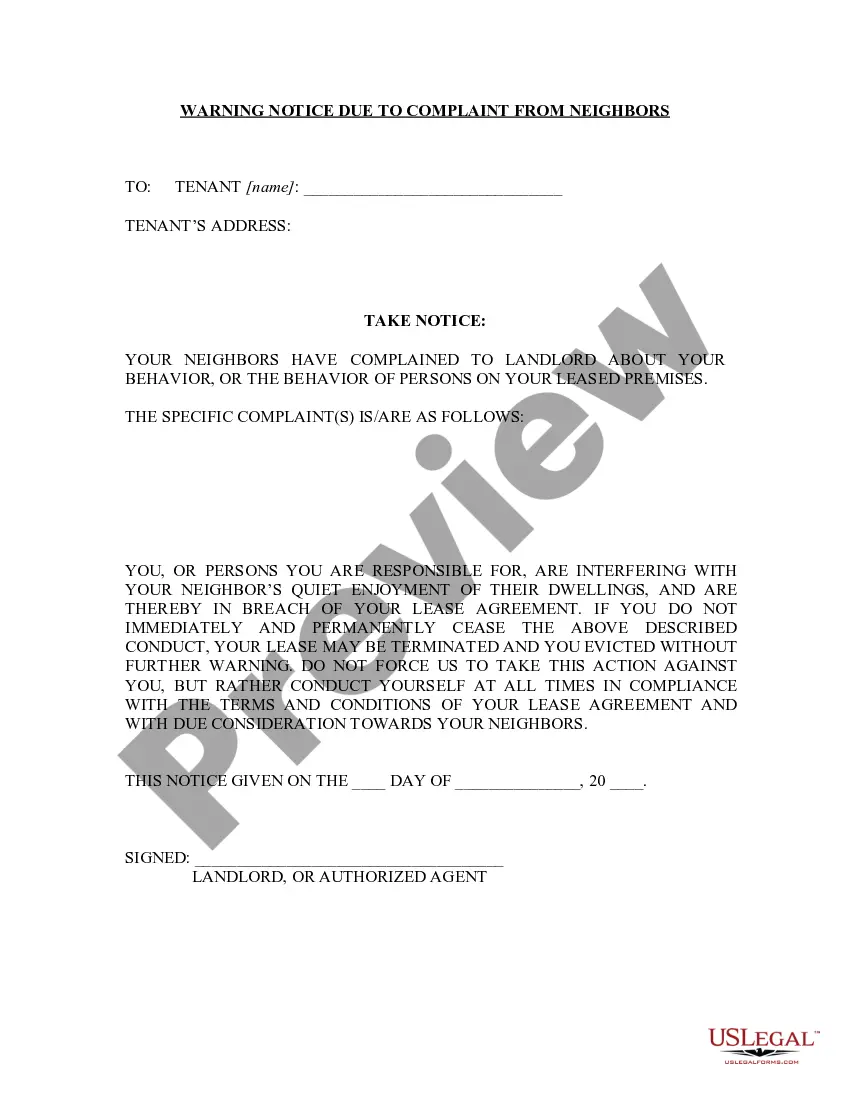
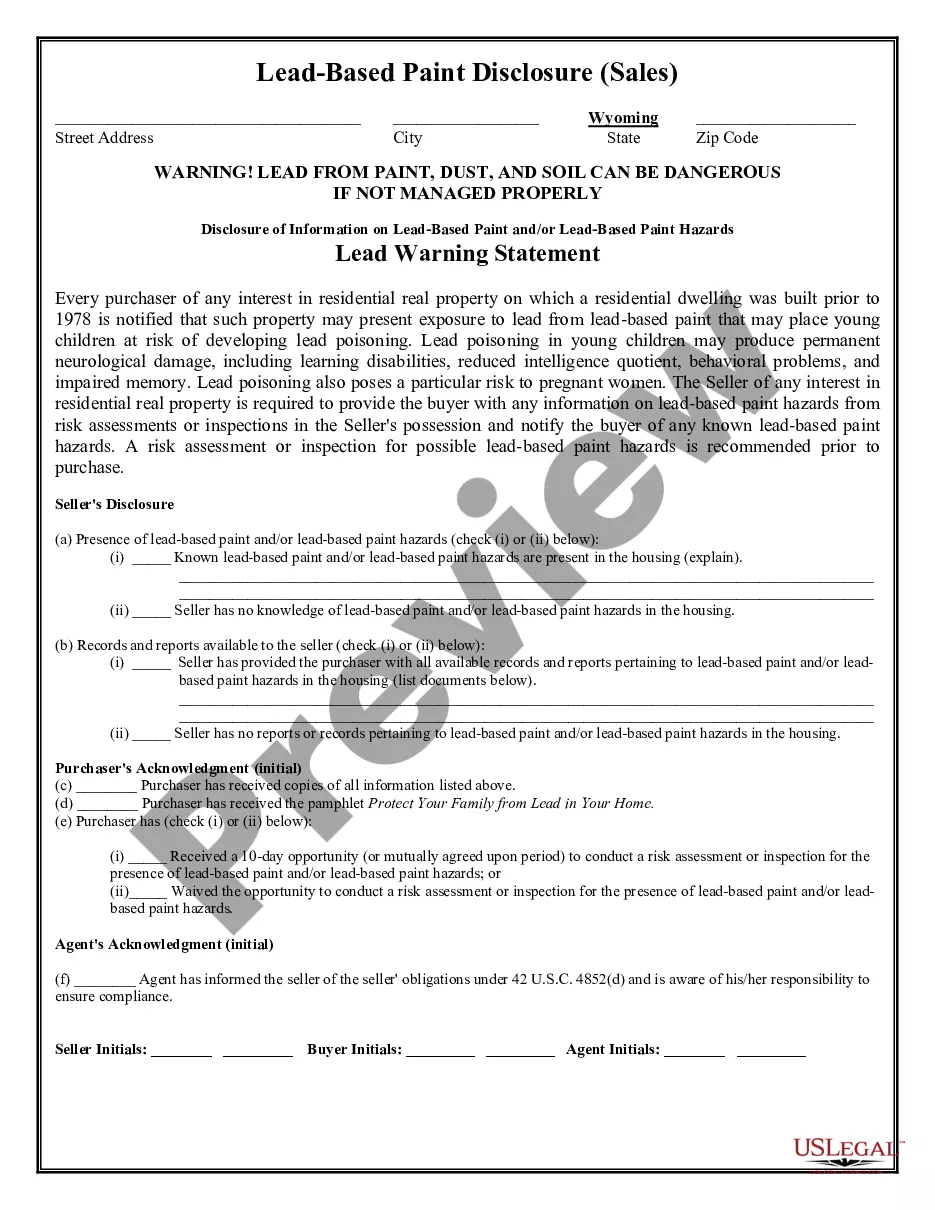
Form popularity
FAQ
TENANTS CAN BE EVICTED THROUGH A LEGAL COURT PROCCESS AT ANY TIME OF THE YEAR. THERE IS NO PROHIBITION ON WINTER EVICTIONS. BASIC RESPONSIBILITIES OF TENANTS UNDER VERMONT LAW 2022 Pay rent on time.
Notice to Tenants. Before an unlawful detainer lawsuit begins, the landlord must give the tenants a written notice. Tenants Don't Move. Tenant Response to the Lawsuit. Follow the Law.
Under Vermont state law if a landlord is terminating a tenancy for none of the reasons explained above or for no given reason (called a termination for no cause in legal language), and the tenant is renting by the month, the tenant is entitled to at least 60 days written notice, or 21 days written notice if renting
In an eviction process for nonpayment of rent the landlord must begin by providing the tenant with a written termination notice giving the tenant at least 14 days to pay in full or to leave. The notice must specifically state how much rent is due.
Fundamental responsibilities of landlords include: providing and maintaining the property in a clean and reasonable standard; giving proper receipts and maintaining records of all transactions pertaining to the tenancy; paying council rates and taxes; maintaining locks to ensure the property's security; and lodging the
The process eviction literally can take anywhere between 14 days to 6-8 months, typically. I know, not the most useful answer! But the reality of how long an eviction will take is dependent on the circumstances; mostly what it boils down to is how wilful your tenant is.
To start a case, you must file a complaint with the court. In that complaint, you can ask for an eviction order. You must file your complaint no more than 60 days after the end date listed in your notice to the tenant. You will be the plaintiff and the tenant will be the defendant.