Virginia Residential Rental Lease Application
Understanding this form
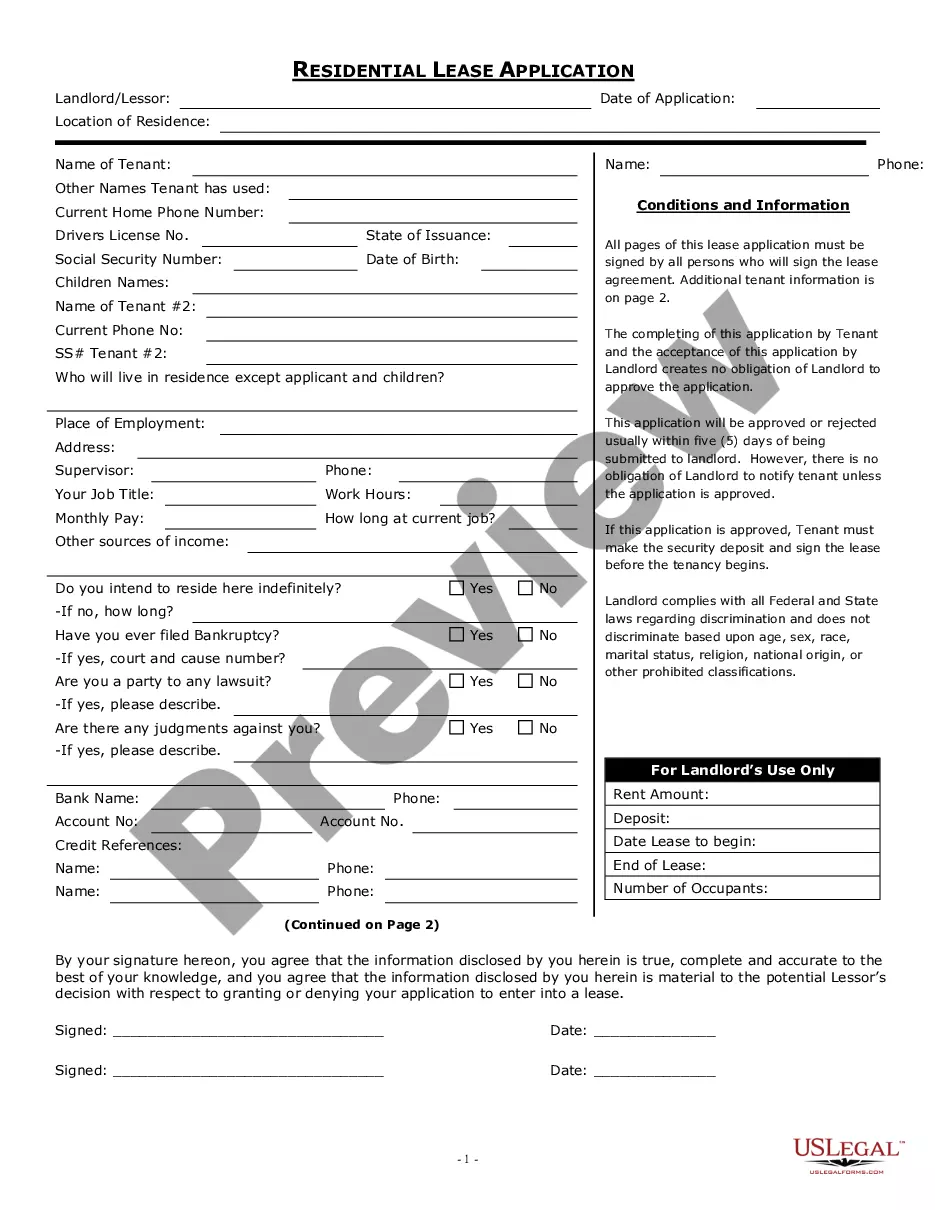
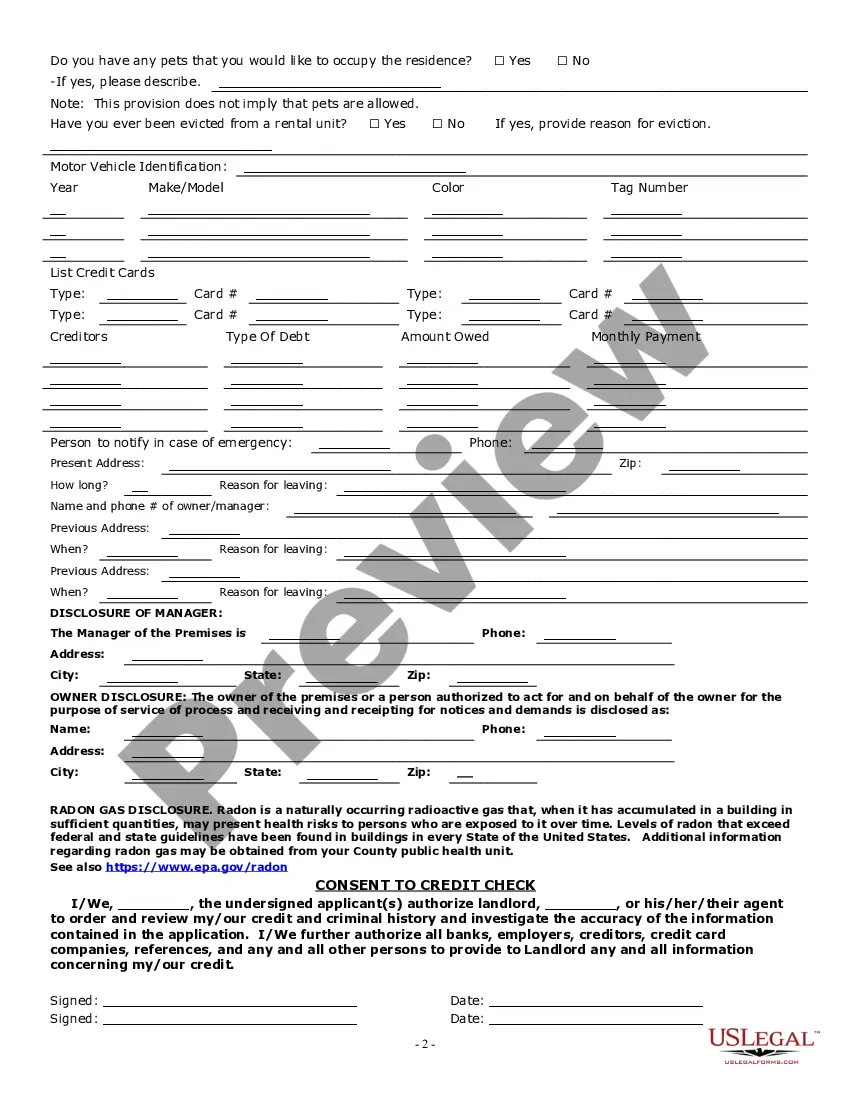
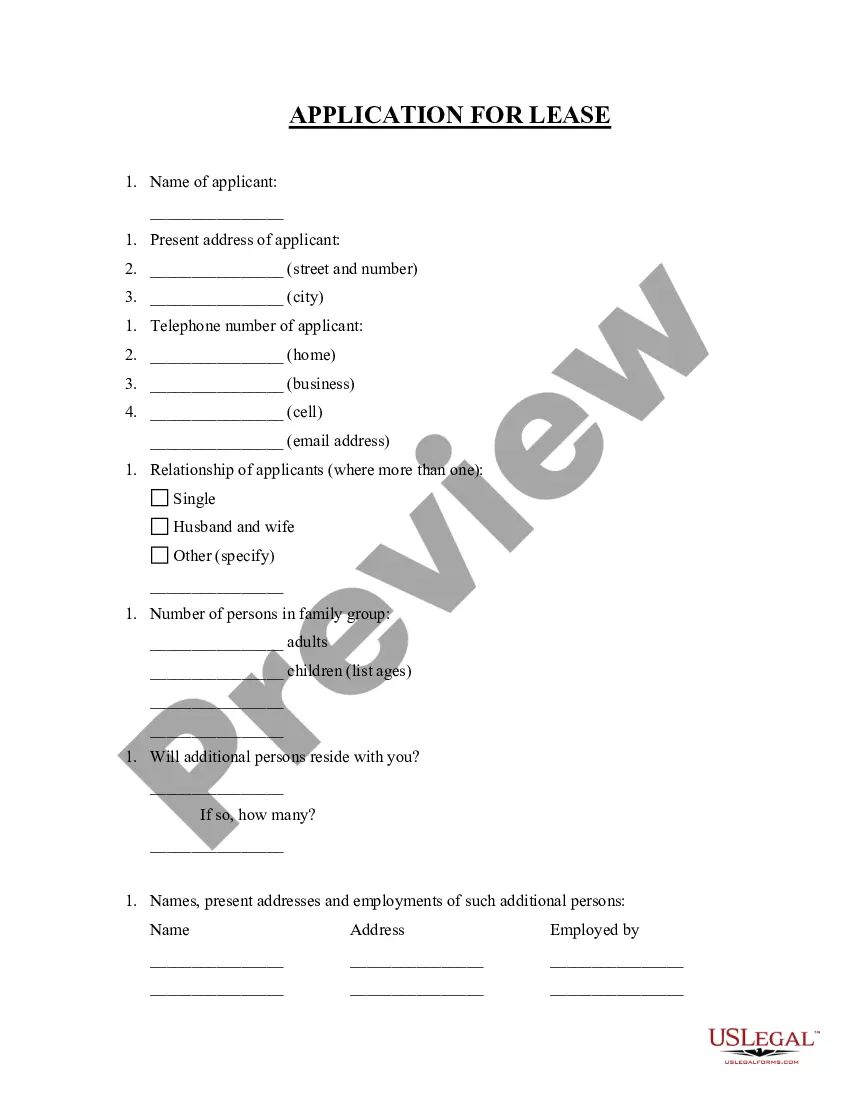
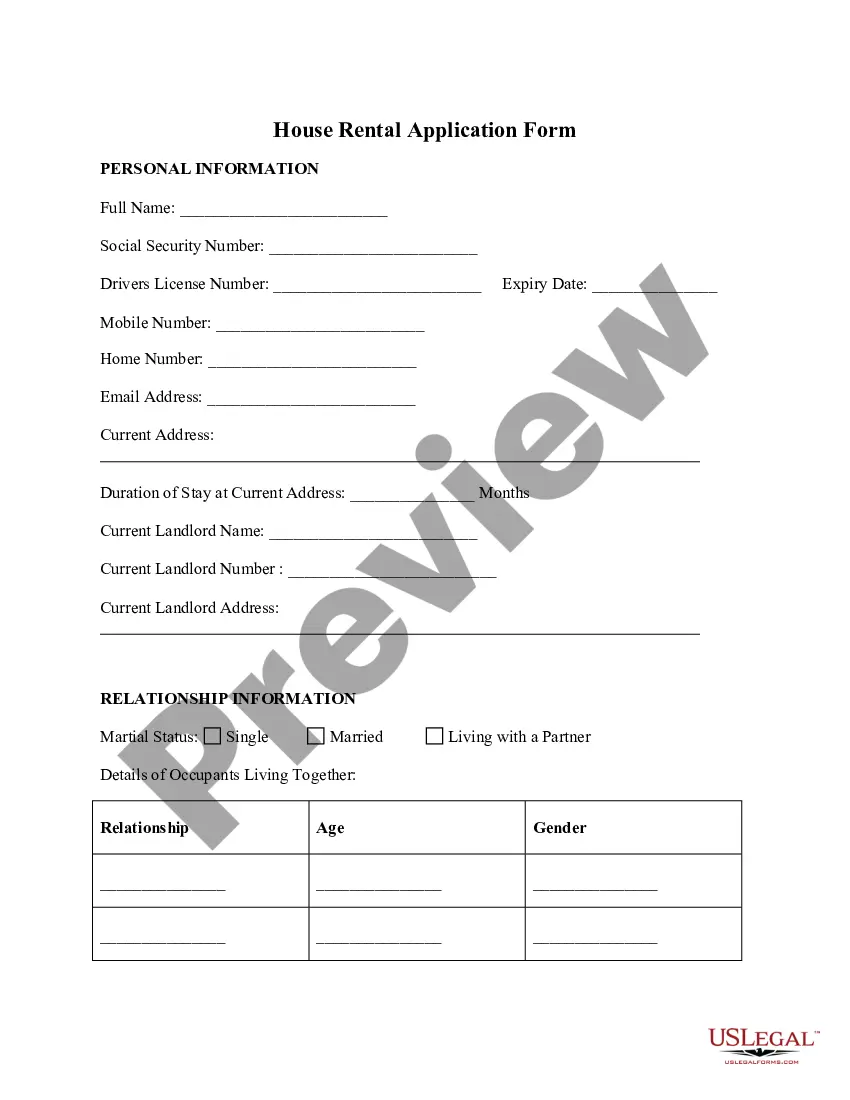
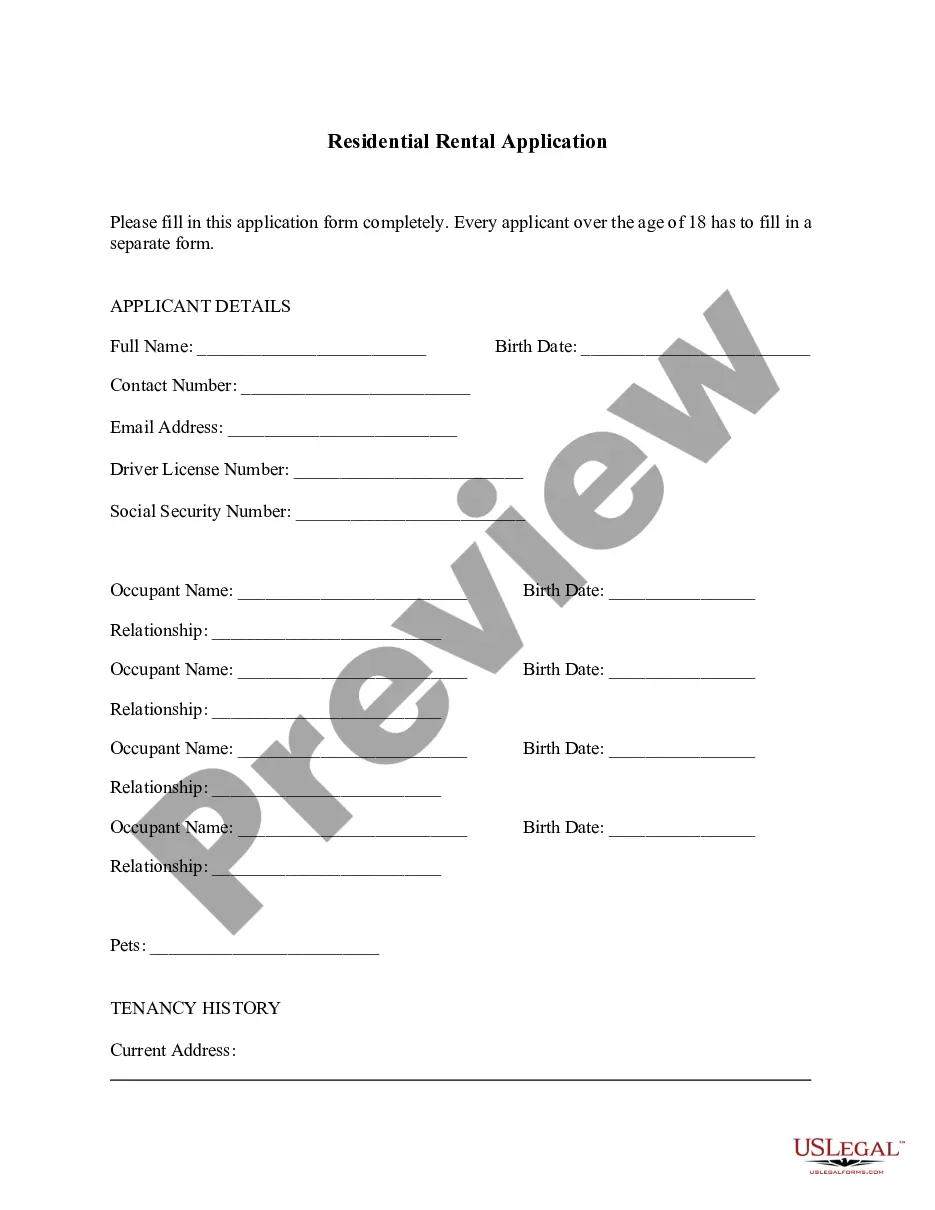
The Residential Rental Lease Application is a document used by landlords to gather essential information from potential tenants. This form is distinct from a lease agreement, as it is primarily for the landlord to assess whether to approve or deny the tenant's application for rental housing. The application includes necessary disclosures and an authorization for the landlord to conduct background and credit checks on the applicant.
Key parts of this document
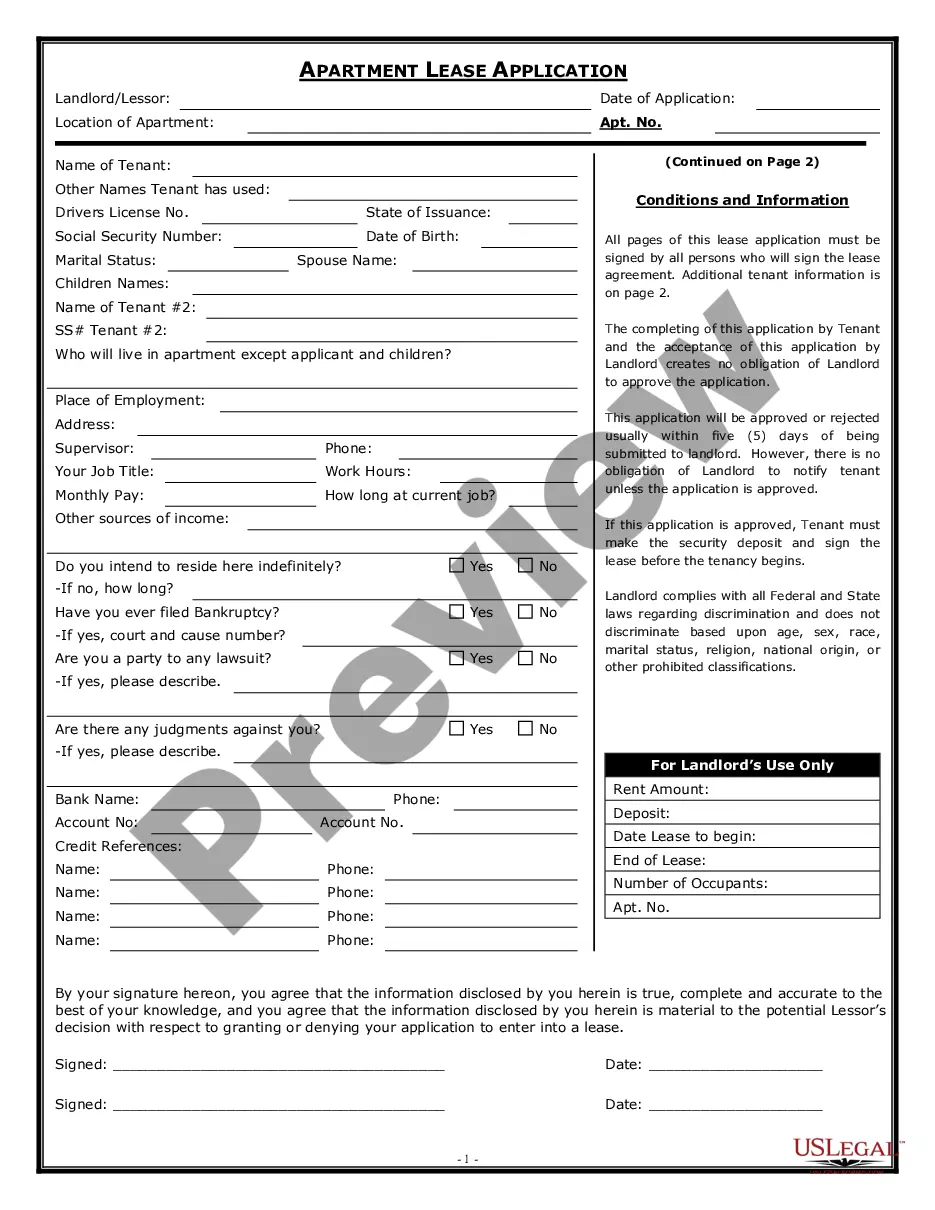
- Personal information section for tenant details.
- Rental history and employer information fields.
- Disclosure clauses regarding discrimination and information accuracy.
- Authorization for credit and background checks.
- Signature lines for tenant verification of information.

Situations where this form applies
This form is necessary when a landlord wants to screen potential tenants for rental properties. It is typically used during the application process before a lease agreement is finalized. Landlords may use this application to assess the suitability of prospective tenants based on their provided information.
Intended users of this form
This form is intended for:
- Landlords seeking to evaluate potential tenants before renting their property.
- Property management companies managing rental properties.
- Individuals renting out units in multifamily homes or other residential properties.
How to complete this form
- Identify the parties involved by entering the tenant's full name and contact information.
- Provide rental history details, including previous addresses and landlord references.
- Enter employment information, ensuring accuracy regarding the current employer and salary.
- Complete the sections authorizing background and credit checks, signing where indicated.
- Review all information for completeness and accuracy before submitting.
Does this document require notarization?
This form does not typically require notarization unless specified by local law. It is essential to check any state-specific regulations to ensure compliance with local requirements.
Get your form ready online
Our built-in tools help you complete, sign, share, and store your documents in one place.
Make edits, fill in missing information, and update formatting in US Legal Forms—just like you would in MS Word.
Download a copy, print it, send it by email, or mail it via USPS—whatever works best for your next step.
Sign and collect signatures with our SignNow integration. Send to multiple recipients, set reminders, and more. Go Premium to unlock E-Sign.
If this form requires notarization, complete it online through a secure video call—no need to meet a notary in person or wait for an appointment.
We protect your documents and personal data by following strict security and privacy standards.

Make edits, fill in missing information, and update formatting in US Legal Forms—just like you would in MS Word.

Download a copy, print it, send it by email, or mail it via USPS—whatever works best for your next step.

Sign and collect signatures with our SignNow integration. Send to multiple recipients, set reminders, and more. Go Premium to unlock E-Sign.

If this form requires notarization, complete it online through a secure video call—no need to meet a notary in person or wait for an appointment.

We protect your documents and personal data by following strict security and privacy standards.
Common mistakes
- Omitting essential personal information that could delay the application review.
- Providing inaccurate or outdated employment details.
- Failing to sign the application, rendering it invalid.
Benefits of completing this form online
- Convenience of completing the application from any location with internet access.
- Easy editing of information before final submission to ensure accuracy.
- Reliable access to templates created by licensed attorneys, promoting legal compliance.
Looking for another form?

Form popularity
FAQ
The Virginia Residential Rental Lease Application is a landlord screening form used to collect essential information from prospective tenants before a lease is offered. It gathers personal details, rental history, employer information, and includes disclosures and an authorization for background and credit checks. It should be used during the application process before finalizing a lease.
During screening, sensitive topics must be avoided. The form incorporates discrimination disclosures and requires accurate information, aligning with fair housing principles. Prohibited inquiries typically include race, religion, national origin, disability, family status, or other protected characteristics. The application should focus on verifiable details such as income, rental history, and references, while avoiding those restricted topics.
Significant indicators of a serious application include a completed form with detailed personal and rental history, employment information, and an explicit authorization for credit and background checks. The presence of signature lines confirms attestation of accuracy, and the applicant’s willingness to undergo screening demonstrates commitment to the process.
Red flags include incomplete or inconsistent information, missing employer or rental history details, frequent address changes, or hesitation to authorize background or credit checks. The Virginia Residential Rental Lease Application requires accurate disclosures and an authorization for checks; reliability in completing these sections helps landlords assess tenant fit during the screening stage.
Its purpose is to screen applicants; failure occurs when references cannot verify provided information, or when background or credit checks reveal adverse results. The form requires an employer and rental history and includes a consent for checks; if verifications fail or conflicts arise, the landlord may decide not to approve the application.
The Virginia Residential Rental Lease Application is a screening tool, not a binding contract. It collects applicant information, disclosures, and consent for background and credit checks used to decide whether to approve a rental, whereas a lease agreement is the binding contract that creates the tenancy. The application precedes the lease.