Virginia Letter from Landlord to Tenant as Notice to Tenant of Tenant's Disturbance of Neighbors' Peaceful Enjoyment to Remedy or Lease Terminates
What is this form?
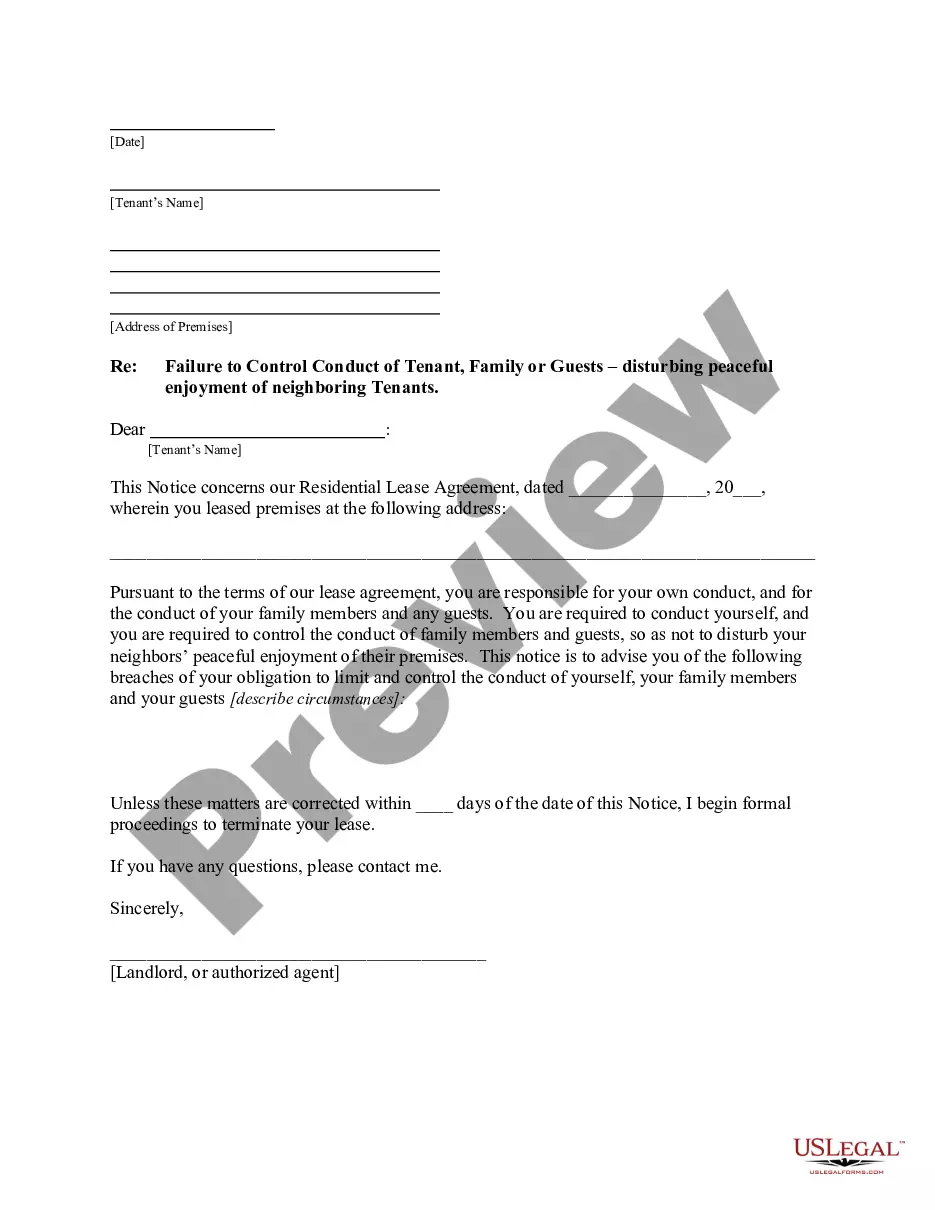
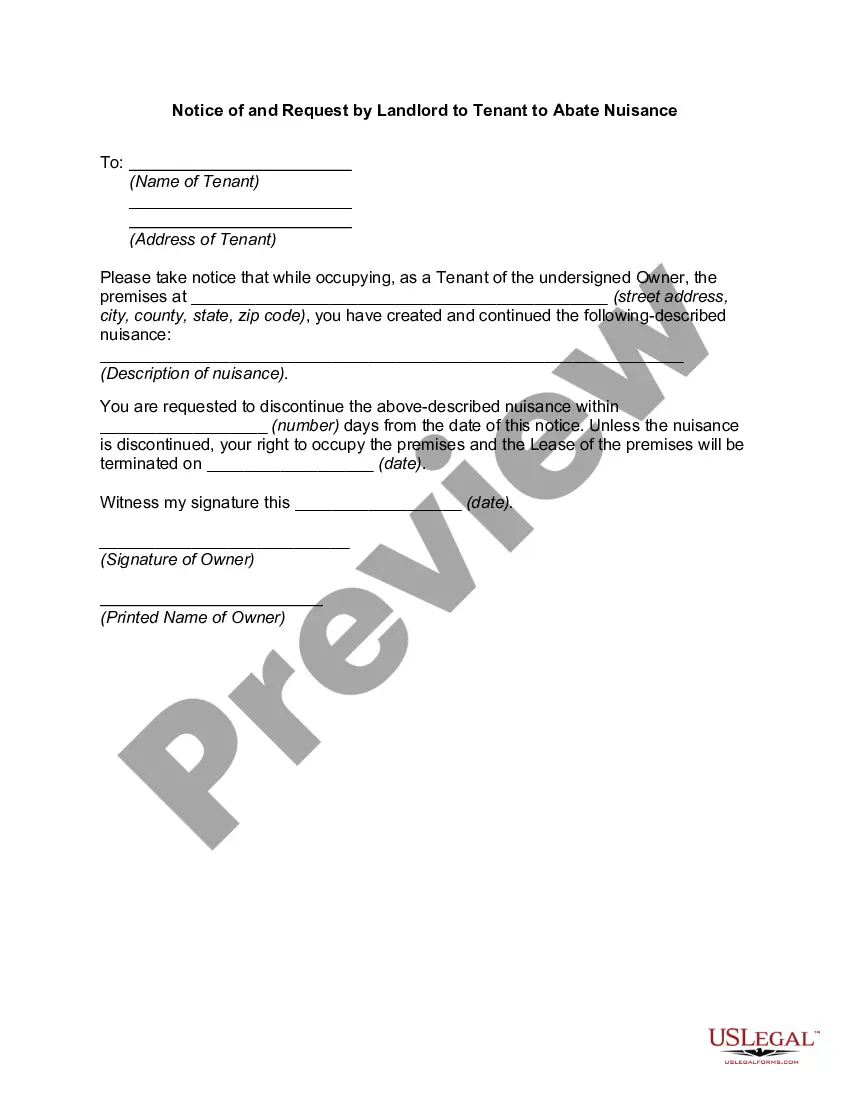
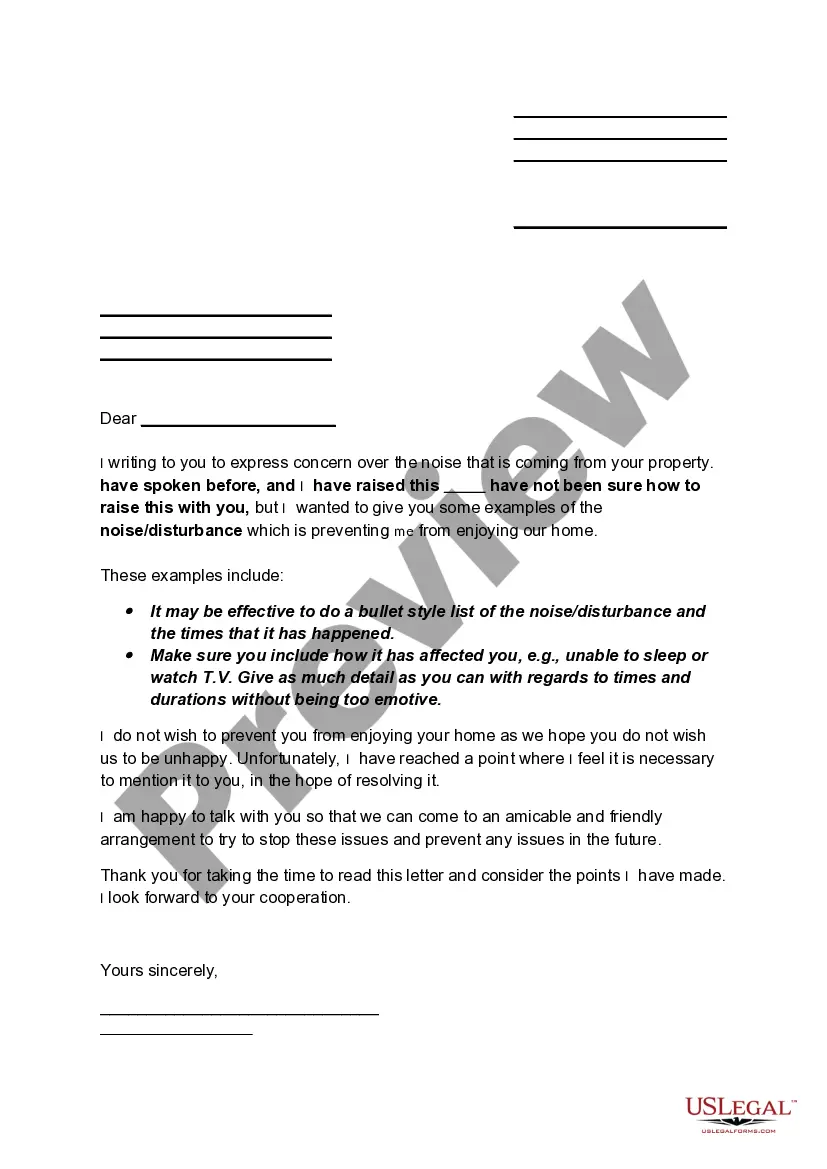
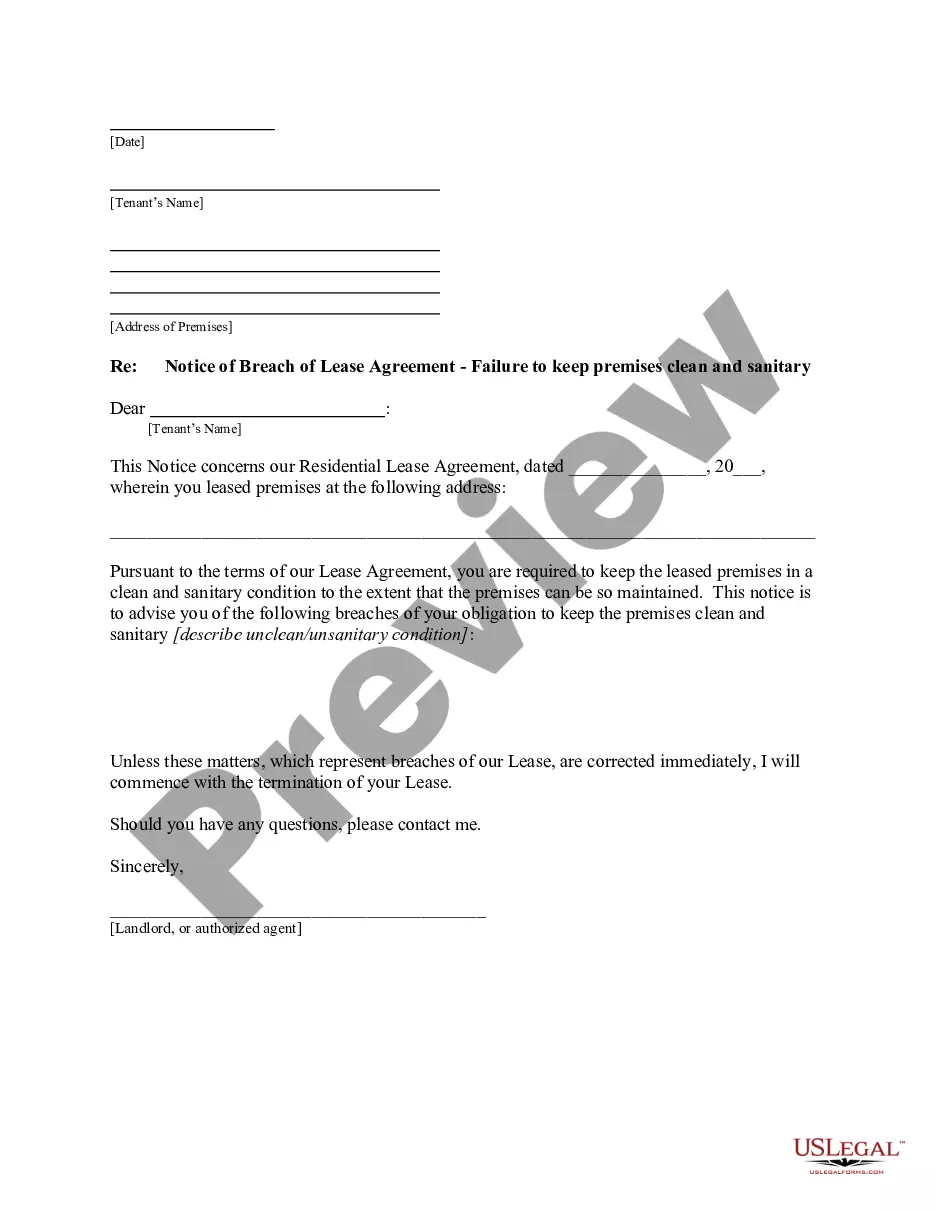
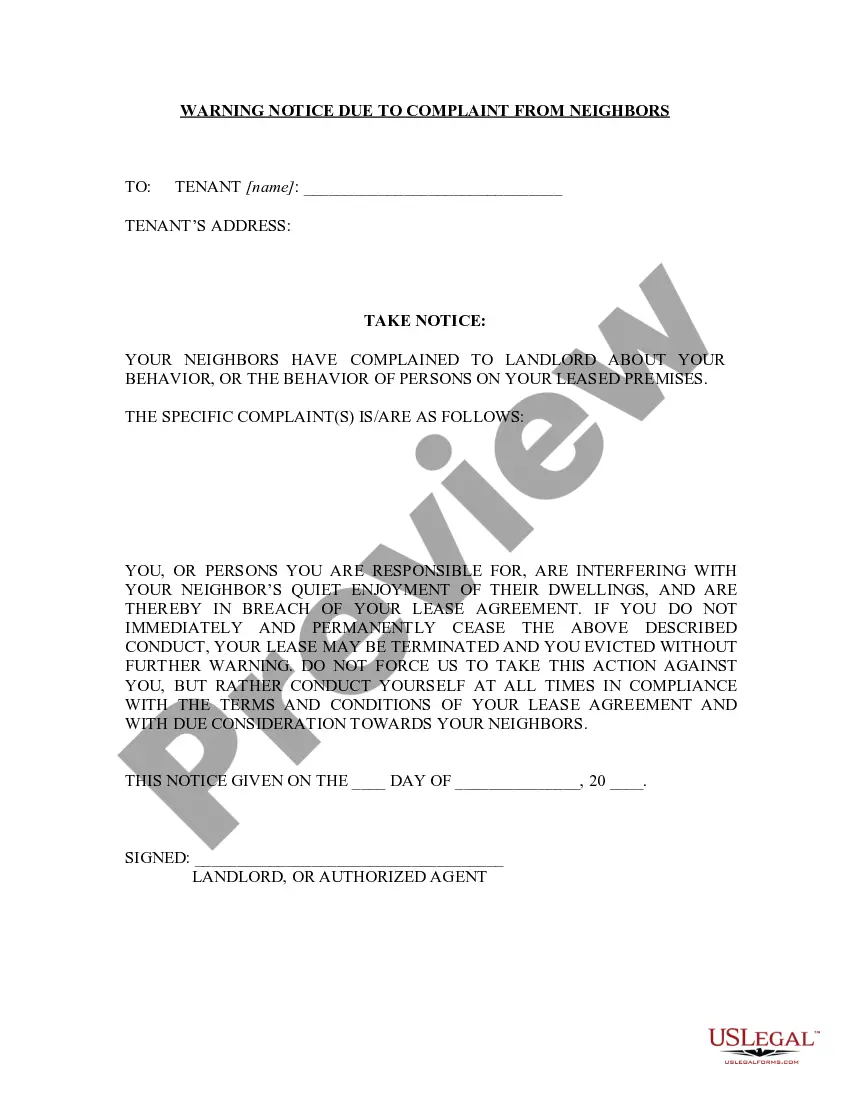
This form, titled "Letter from Landlord to Tenant as Notice to Tenant of Tenant's Disturbance of Neighbors' Peaceful Enjoyment to Remedy or Lease Terminates," is a formal notice from a landlord to the tenant. It communicates breaches of the tenant's obligation to maintain peaceful conditions for neighbors. The purpose of this notice is to address disturbances that violate the tenant's duty to ensure the quiet enjoyment of neighboring properties, which is often a key component of lease agreements.
Form components explained
- Identification of the landlord and tenant, including contact details.
- Description of the specific disturbances impacting neighbors.
- Notification of the tenant's obligations regarding conduct.
- Consequences if the disturbances are not remedied, including potential lease termination.
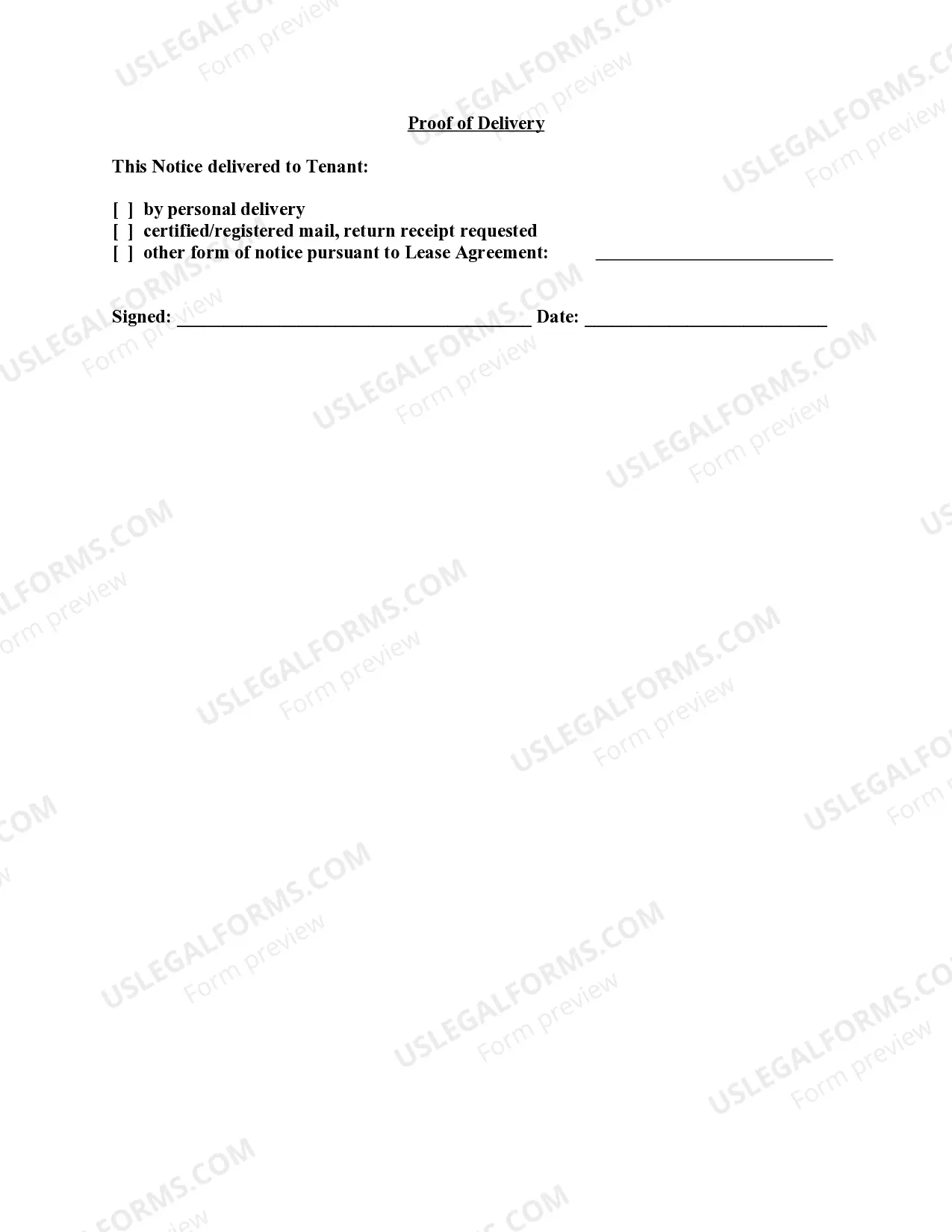
- Proof of delivery options, such as personal delivery or certified mail.
When to use this document
This letter should be used when a landlord needs to formally address complaints from neighbors regarding a tenantâs behavior that disrupts the peaceful enjoyment of their homes. Situations may include excessive noise, disruptive parties, or other disturbances that violate the lease agreement's terms. It is crucial for landlords to document these complaints and provide clear communication to tenants regarding their responsibilities and the potential consequences of continued disturbances.
Intended users of this form
- Landlords who are managing residential properties.
- Property managers acting on behalf of landlords.
- Tenants who have received complaints about their behavior from neighbors.
How to prepare this document
- Identify the landlord and tenant, including full names and addresses.
- Clearly describe the nature and details of the disturbances experienced by neighbors.
- Specify the tenant's obligations regarding maintaining a peaceful environment.
- Outline the potential consequences, including a warning regarding lease termination if issues are not resolved.
- Include a section for proof of delivery methods chosen (e.g., personal delivery, certified mail).
Does this form need to be notarized?
This form does not typically require notarization unless specified by local law. However, ensuring that it is delivered properly and documented is essential to uphold the notice's legal standing.
Get your form ready online
Our built-in tools help you complete, sign, share, and store your documents in one place.
Make edits, fill in missing information, and update formatting in US Legal Forms—just like you would in MS Word.
Download a copy, print it, send it by email, or mail it via USPS—whatever works best for your next step.
Sign and collect signatures with our SignNow integration. Send to multiple recipients, set reminders, and more. Go Premium to unlock E-Sign.
If this form requires notarization, complete it online through a secure video call—no need to meet a notary in person or wait for an appointment.
We protect your documents and personal data by following strict security and privacy standards.

Make edits, fill in missing information, and update formatting in US Legal Forms—just like you would in MS Word.

Download a copy, print it, send it by email, or mail it via USPS—whatever works best for your next step.

Sign and collect signatures with our SignNow integration. Send to multiple recipients, set reminders, and more. Go Premium to unlock E-Sign.

If this form requires notarization, complete it online through a secure video call—no need to meet a notary in person or wait for an appointment.

We protect your documents and personal data by following strict security and privacy standards.
Common mistakes to avoid
- Failing to document specific incidents of disturbance, leading to ambiguity.
- Not providing accurate contact information for both parties.
- Neglecting to include delivery confirmation, which is crucial for legal validity.
Benefits of completing this form online
- Immediate access to professionally drafted templates that comply with legal standards.
- Simplified completion process to tailor the form to specific situations.
- Convenient storage and retrieval for future reference or legal needs.
Legal use & context
- The concept of quiet enjoyment is central to leasing agreements, and violations can lead to legal disputes.
- Tenants have remedies available for breaches of their quiet enjoyment rights, such as seeking damages or injunctions.
- Properly issuing this notice can help landlords establish a clear record of communication concerning disturbances.
Main things to remember
- This form addresses tenant disturbances impacting neighborsâ peaceful enjoyment.
- Proper documentation and follow-up are crucial for resolving disputes.
- Understanding state-specific regulations is necessary for legal compliance.
Looking for another form?
Form popularity
FAQ
The covenant of quiet enjoyment states that a tenant has the right to enjoy his or her rental unit without substantial interference from the landlord. It ensures that tenants benefit from the full use and enjoyment of their rental unit.
It means with no interference from another party. Each sale carries the implication that it can be owned without any interference.
Every California lease (both residential and commercial) includes an implied covenant of quiet enjoyment. California Code §1927.The right of quiet enjoyment can be waived by commercial tenants.
A Covenant that promises that the grantee or tenant of an estate in real property will be able to possess the premises in peace, without disturbance by hostile claimants. Quiet enjoyment is a right to the undisturbed use and enjoyment of real property by a tenant or landowner.
Under common law tenants have a right to 'quiet enjoyment' of the property. This is an implied term, or covenant, which has been expressed or implied in conveyances and leases of English land for centuries.'Quiet enjoyment' is a term so often misunderstood.
A COVENANT that promises that the grantee or tenant of an estate in real property will be able to possess the premises in peace, without disturbance by hostile claimants. Quiet enjoyment is a right to the undisturbed use and enjoyment of real property by a tenant or landowner.
According to Nolo, quiet enjoyment is The right of a property owner or tenant to enjoy his or her property without interference.Leases and rental agreements often contain a covenant of quiet enjoyment, expressly obligating the landlord to ensure that tenants live undisturbed.
According to Nolo, quiet enjoyment is The right of a property owner or tenant to enjoy his or her property without interference. Disruption of quiet enjoyment may constitute a legal nuisance.
NOTE: Under Virginia law, if you do not have a lease, and you do not pay rent, you are considered a tenant at sufferance. This means you can be evicted for any reason at all, at any time, and no notice needs to be given to you.If the rent is paid by the week, only a 7-day written notice is required.