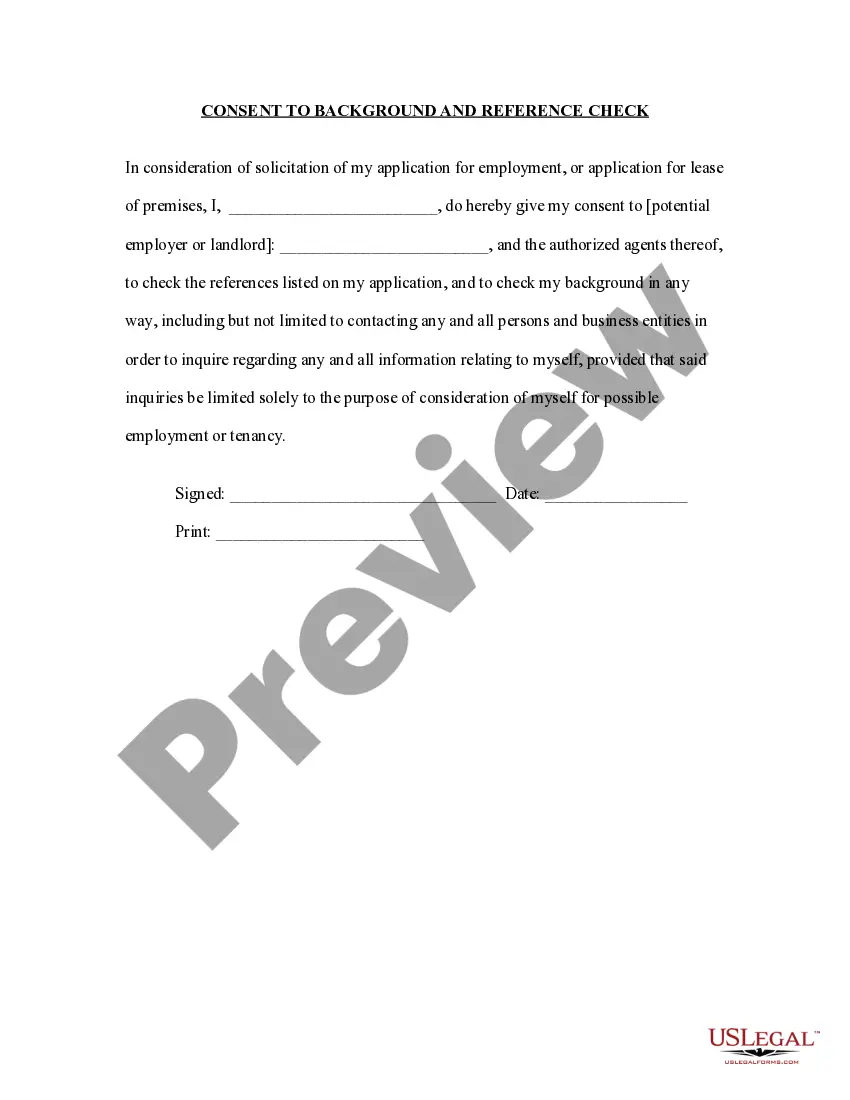
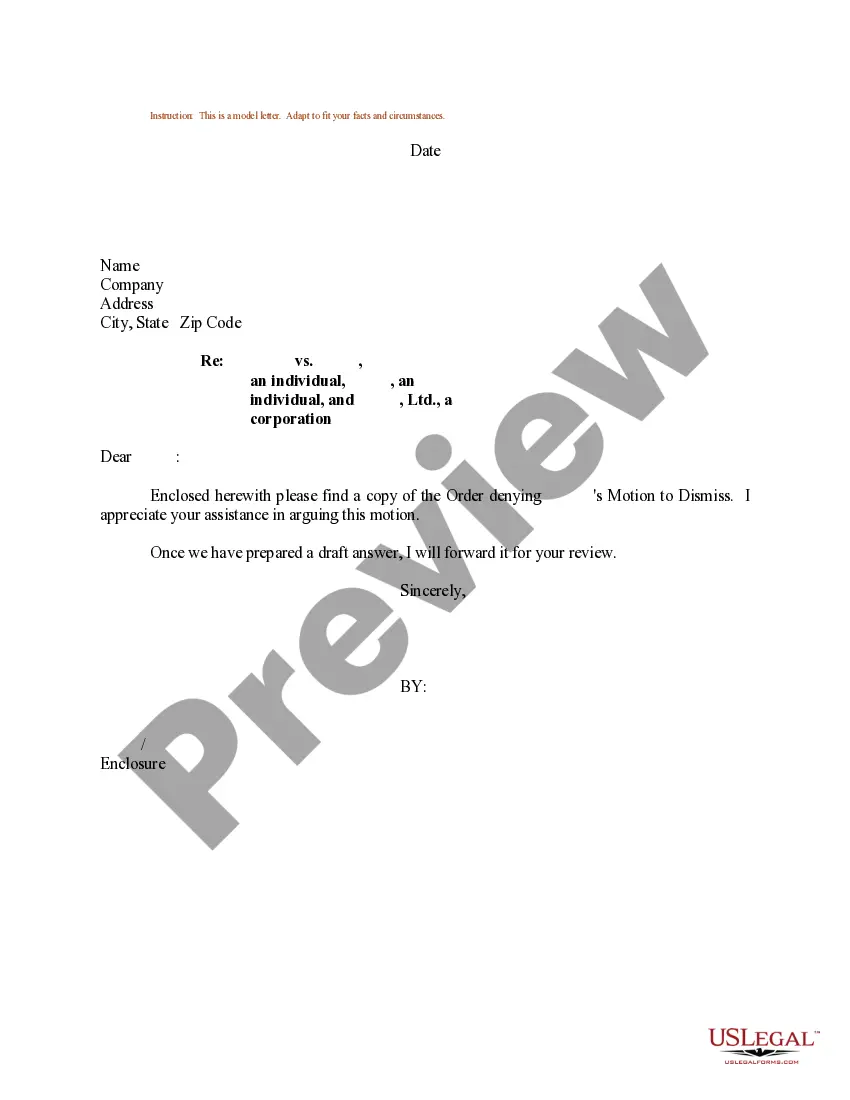
Sample Letter for Order Denying Motion
What this document covers
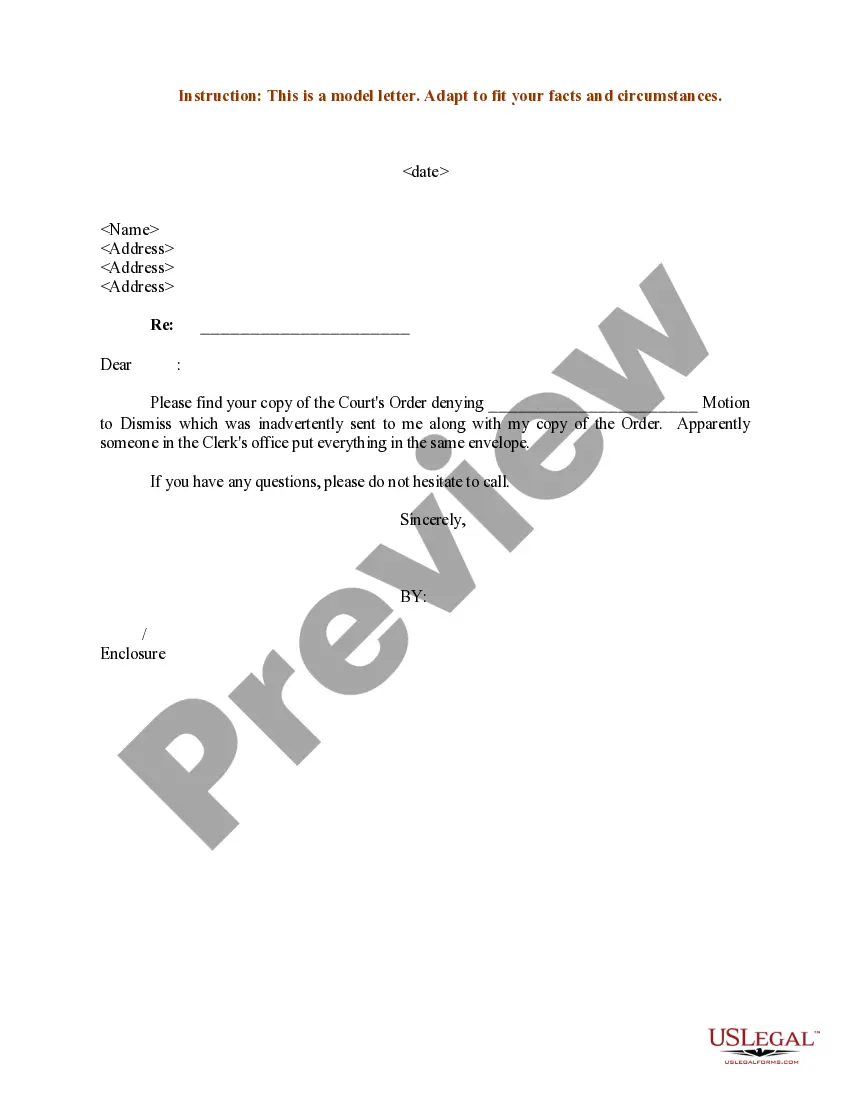
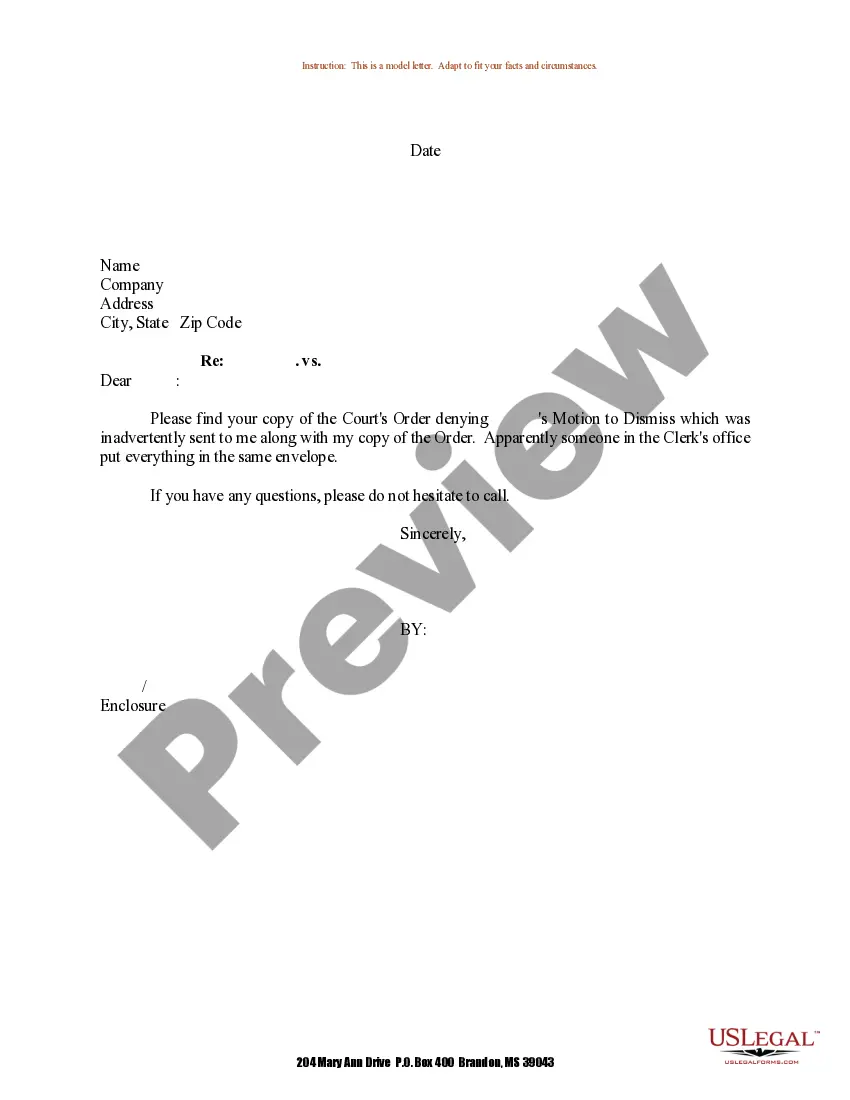
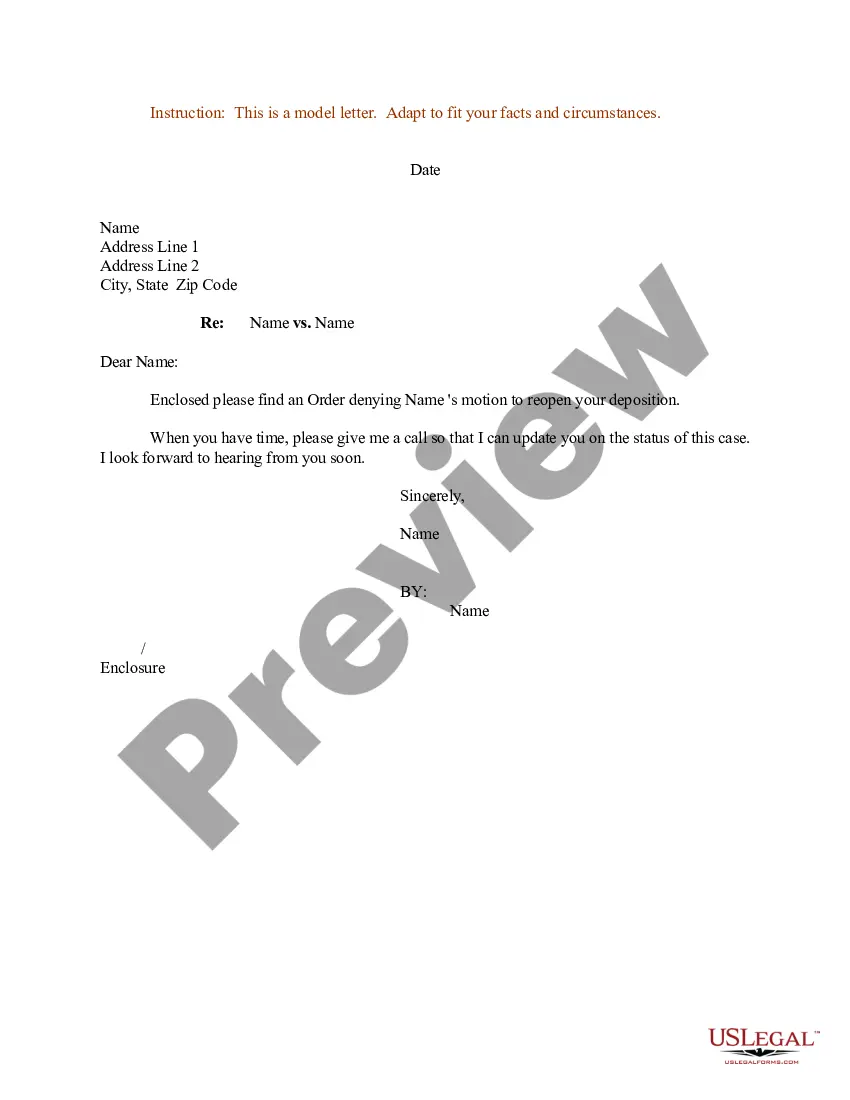
This Sample Letter for Order Denying Motion is a template designed to help individuals or attorneys formally communicate a court's denial of a legal motion. Distinct from other legal forms, this letter serves as a documented response that conveys the court's decision, ensuring that all parties involved are formally aware of the proceedings.
Main sections of this form
- Date of the letter.
- Recipient's name and address.
- Subject line indicating the nature of the letter.
- Clear statement regarding the order denying the motion.
- Space for the sender's name and signature.
Situations where this form applies
This form is used after a legal motion has been presented and subsequently denied by a court. It is essential for notifying the involved parties, including the opposing counsel, about the court's ruling. Situations may include civil litigation, family law disputes, or any case where formal notification of a motion's denial is necessary.
Who should use this form
- Attorneys representing clients in court.
- Individuals who have filed a motion and need to communicate the court's decision.
- Legal professionals involved in litigation processes.
- Parties in ongoing legal disputes who require documentation of case developments.
Instructions for completing this form
- Enter the date of the letter at the top.
- Fill in the recipient's name and address, ensuring accuracy.
- Clearly state the subject of the letter to reflect the order denying the motion.
- Include the main content that communicates the court's decision.
- Sign the letter and include your printed name below your signature.
Does this document require notarization?
This form does not typically require notarization to be legally valid. However, some jurisdictions or document types may still require it. US Legal Forms provides secure online notarization powered by Notarize, available 24/7 for added convenience.
Get your form ready online
Our built-in tools help you complete, sign, share, and store your documents in one place.
Make edits, fill in missing information, and update formatting in US Legal Forms—just like you would in MS Word.
Download a copy, print it, send it by email, or mail it via USPS—whatever works best for your next step.
Sign and collect signatures with our SignNow integration. Send to multiple recipients, set reminders, and more. Go Premium to unlock E-Sign.
If this form requires notarization, complete it online through a secure video call—no need to meet a notary in person or wait for an appointment.
We protect your documents and personal data by following strict security and privacy standards.

Make edits, fill in missing information, and update formatting in US Legal Forms—just like you would in MS Word.

Download a copy, print it, send it by email, or mail it via USPS—whatever works best for your next step.

Sign and collect signatures with our SignNow integration. Send to multiple recipients, set reminders, and more. Go Premium to unlock E-Sign.

If this form requires notarization, complete it online through a secure video call—no need to meet a notary in person or wait for an appointment.

We protect your documents and personal data by following strict security and privacy standards.
Mistakes to watch out for
- Failing to include the date or a complete address for the recipient.
- Neglecting to state the specific order being denied.
- Omitting a clear subject line in the letter.
- Not signing the letter properly.
Benefits of completing this form online
- Convenience of direct download for immediate use.
- Editability allows for personalized adjustments to fit your case.
- Templates are created by licensed attorneys, ensuring accuracy and legal compliance.
- Accessible at any time, facilitating quick responses to court decisions.
Legal use & context
- This letter serves as an official notification of the court's decision.
- It is crucial for maintaining proper legal communication and record-keeping.
- Using a sample format supports legal accuracy in correspondence.
Looking for another form?


Form popularity
FAQ
In effect, in both kinds of cases, the lawyer asks the judge to direct a verdict for the defendant. The judge will either grant or deny the motion. If it is granted, the case is over and the defendant wins. If the motion is denied, as it usually is, the defense is given the opportunity to present its evidence.
Just as with your motion to stay, begin your motion for reconsideration by stating who you are, what you are asking of the judge, and which rule gives you permission to ask. From there on out, use the rule itself as a general outline for your motion.
You simply need to request that the court deny the defendant's motion to dismiss. For example, you could write the following: For the foregoing reasons and all the others discussed in Plaintiff's Complaint, the present Motion to Dismiss should be denied.
What does an order denying a motion to suppress mean in California? Generally, it means that the court will not block evidence in a criminal case. A Los Angeles DUI lawyer can step in if you are interested in blocking evidence. Find out more by calling us at (310) 862-0199.
In effect, in both kinds of cases, the lawyer asks the judge to direct a verdict for the defendant. The judge will either grant or deny the motion. If it is granted, the case is over and the defendant wins. If the motion is denied, as it usually is, the defense is given the opportunity to present its evidence.
You simply need to request that the court deny the defendant's motion to dismiss. For example, you could write the following: For the foregoing reasons and all the others discussed in Plaintiff's Complaint, the present Motion to Dismiss should be denied.
1 attorney answer It means that a motion was filed with the court and it was denied. The judge refused to grant the relief requested.
What does an order denying a motion to suppress mean in California? Generally, it means that the court will not block evidence in a criminal case. A Los Angeles DUI lawyer can step in if you are interested in blocking evidence.
Motions are not pleadings but are requests for the judge to make a legal ruling. Some of the most common pre-trial motions include: Motion to Discover. A motion by which one party seeks to gain information from the adverse party.