Tennessee Employment or Job Termination Package
About this form package
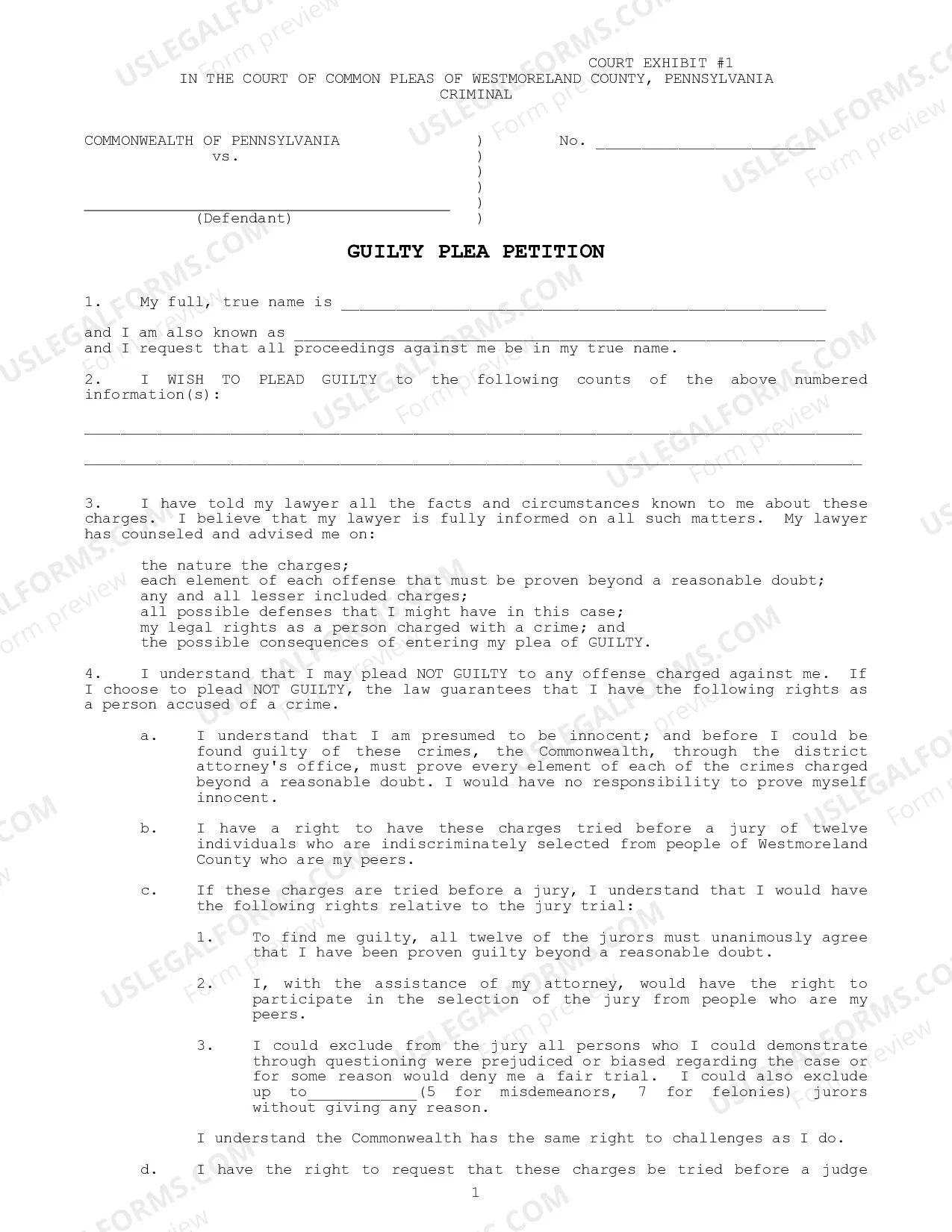
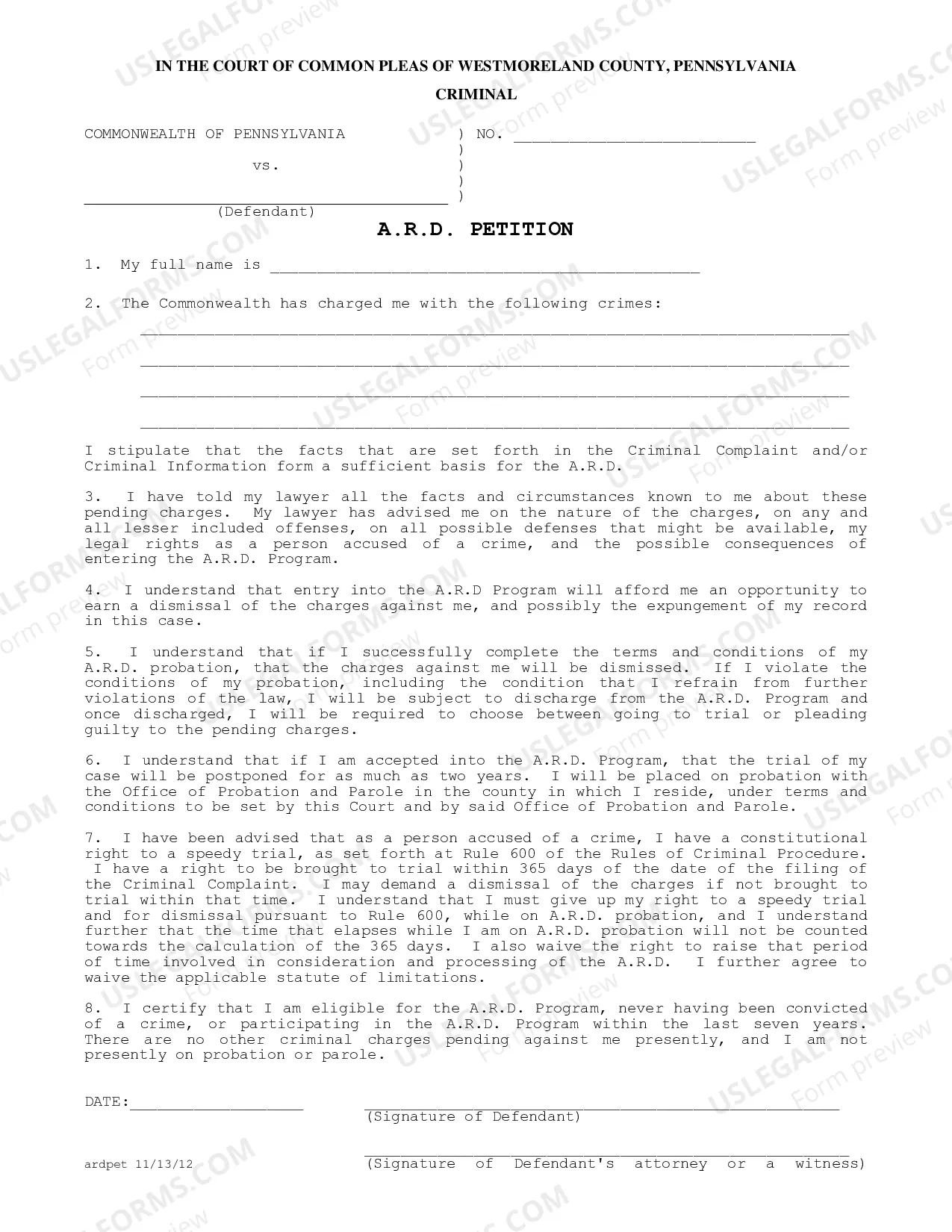
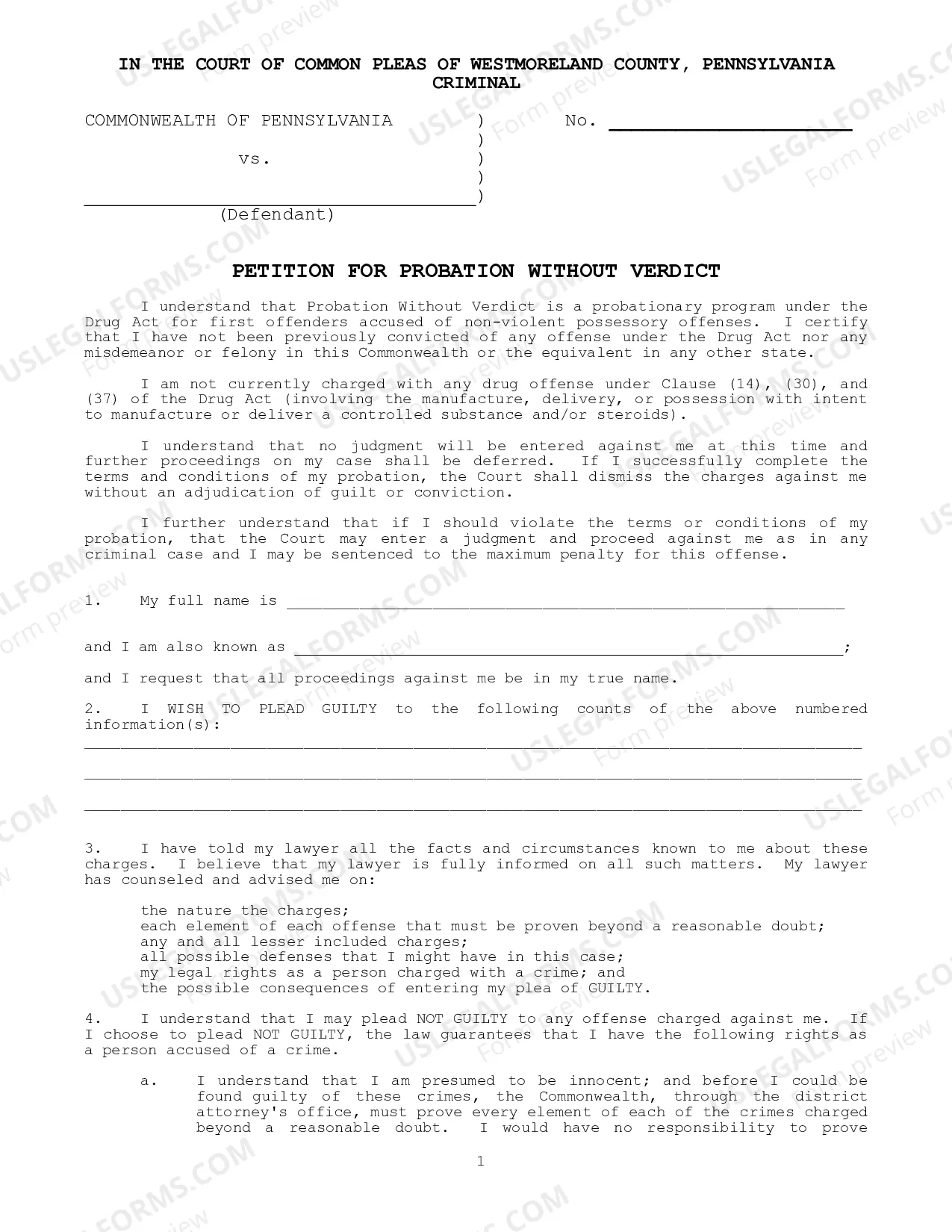
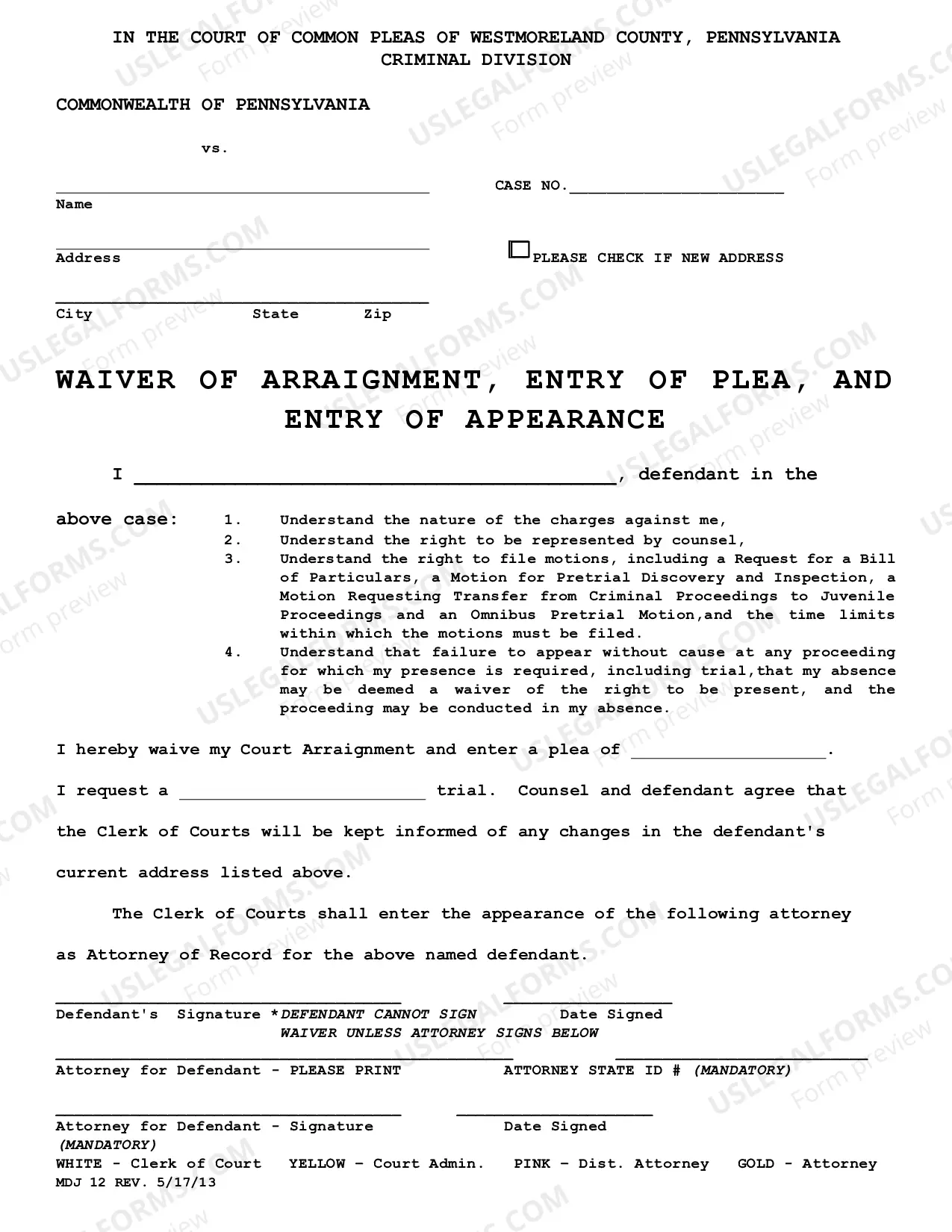
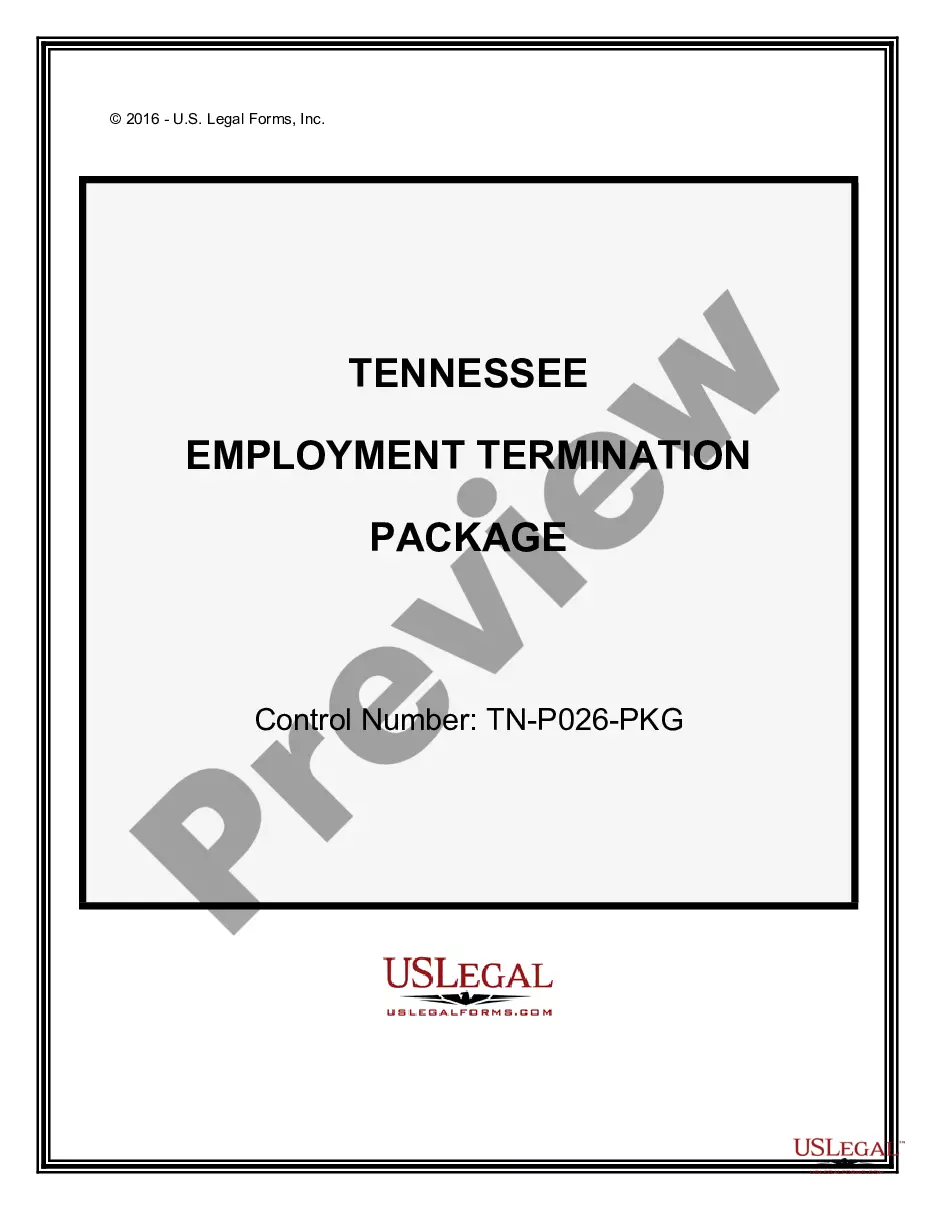
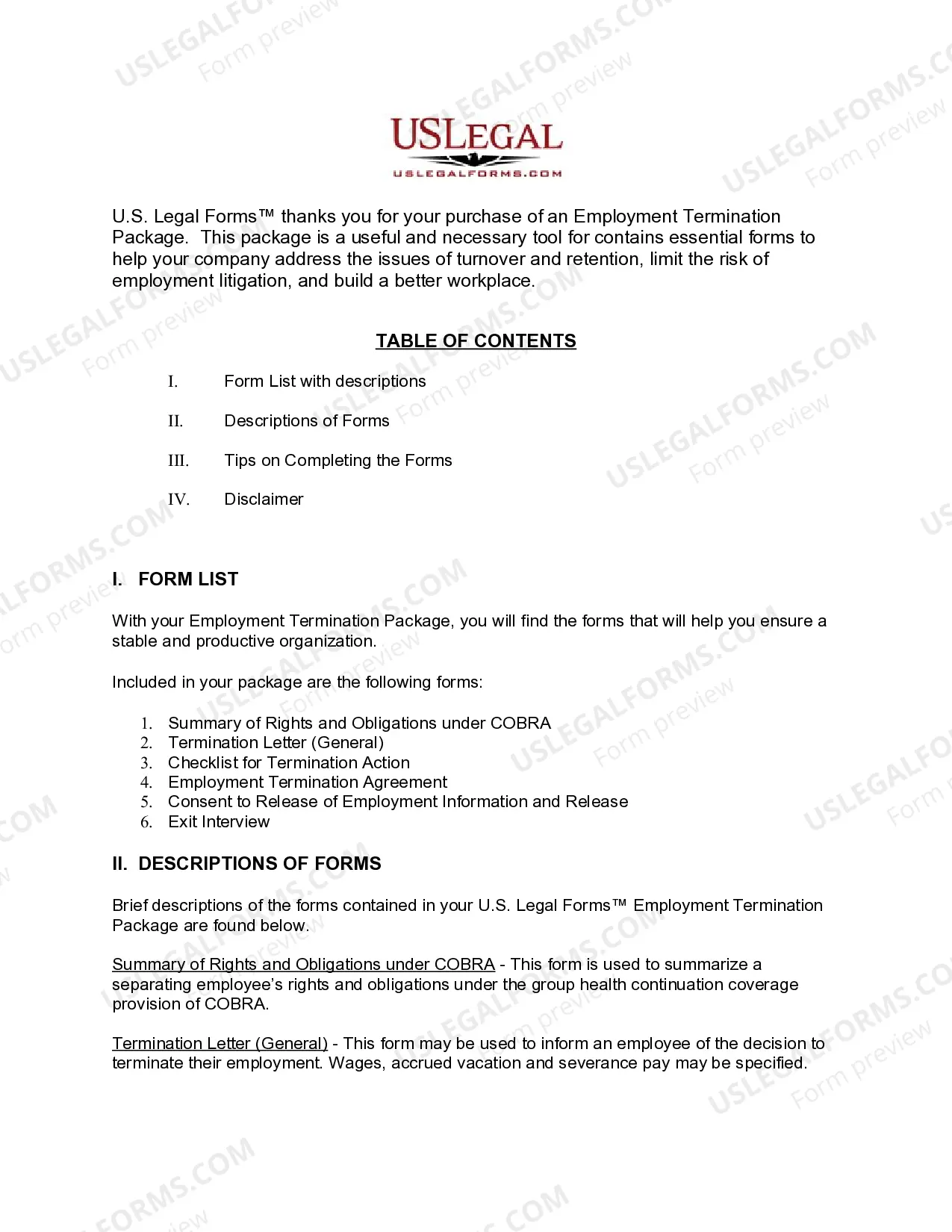
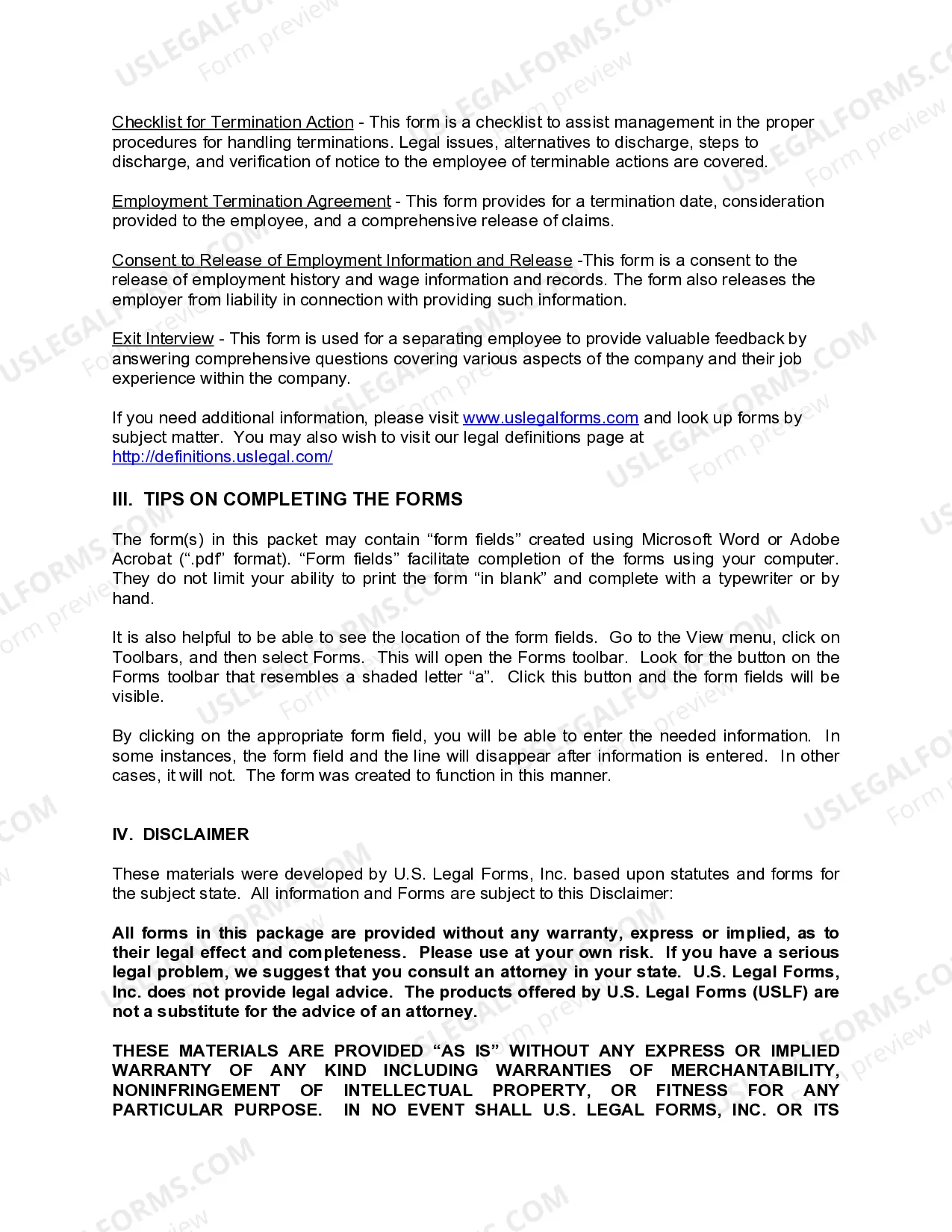
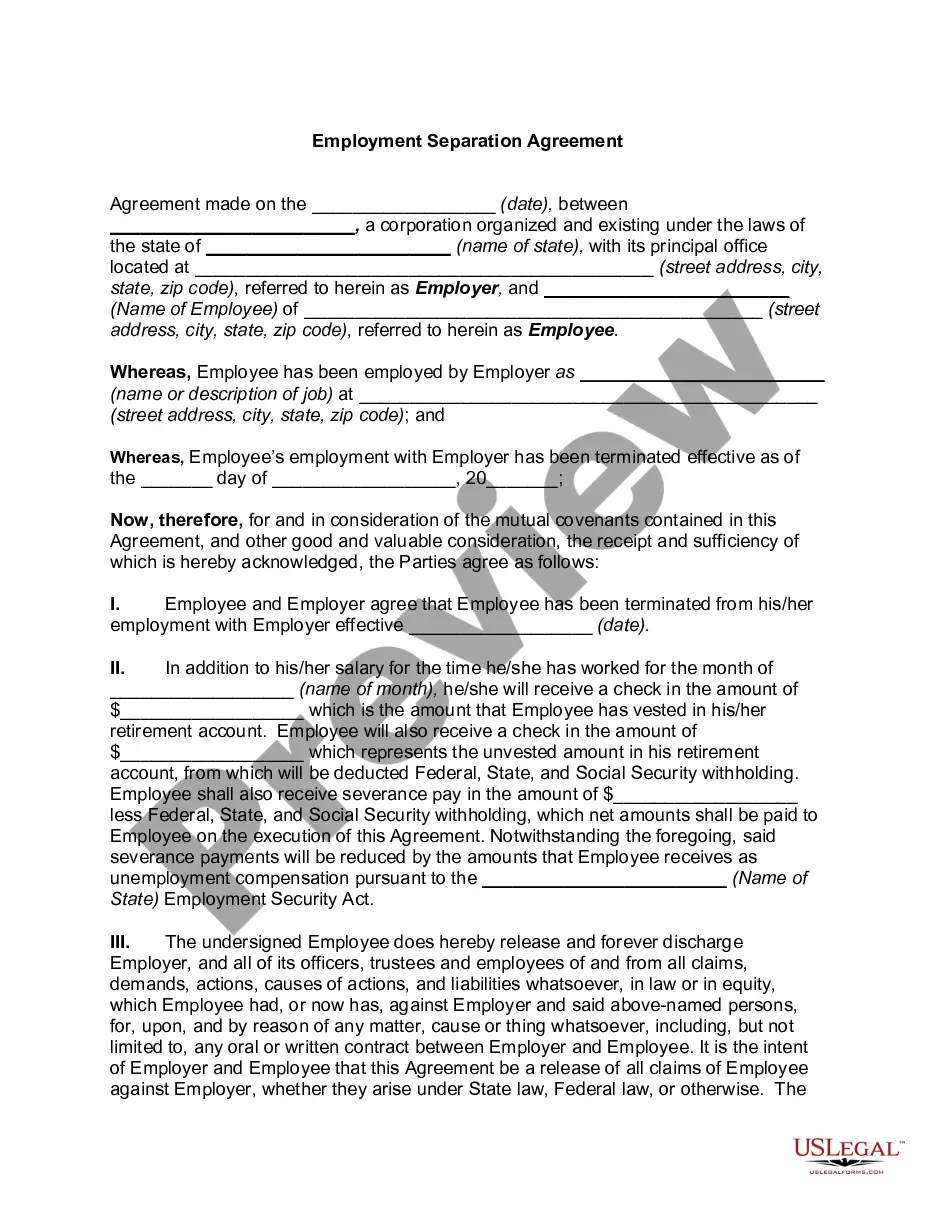
The Tennessee Employment or Job Termination Package contains crucial legal forms designed to assist employers in navigating the complexities of employee termination. This package aims to support organizations in mitigating legal risks related to employment disputes, ensuring compliance with relevant laws, and fostering a positive workplace environment. Unlike generic termination forms, this package is specifically tailored to meet the needs of employers in Tennessee, covering essential aspects of employee rights and obligations during the termination process.
What’s included in this form package

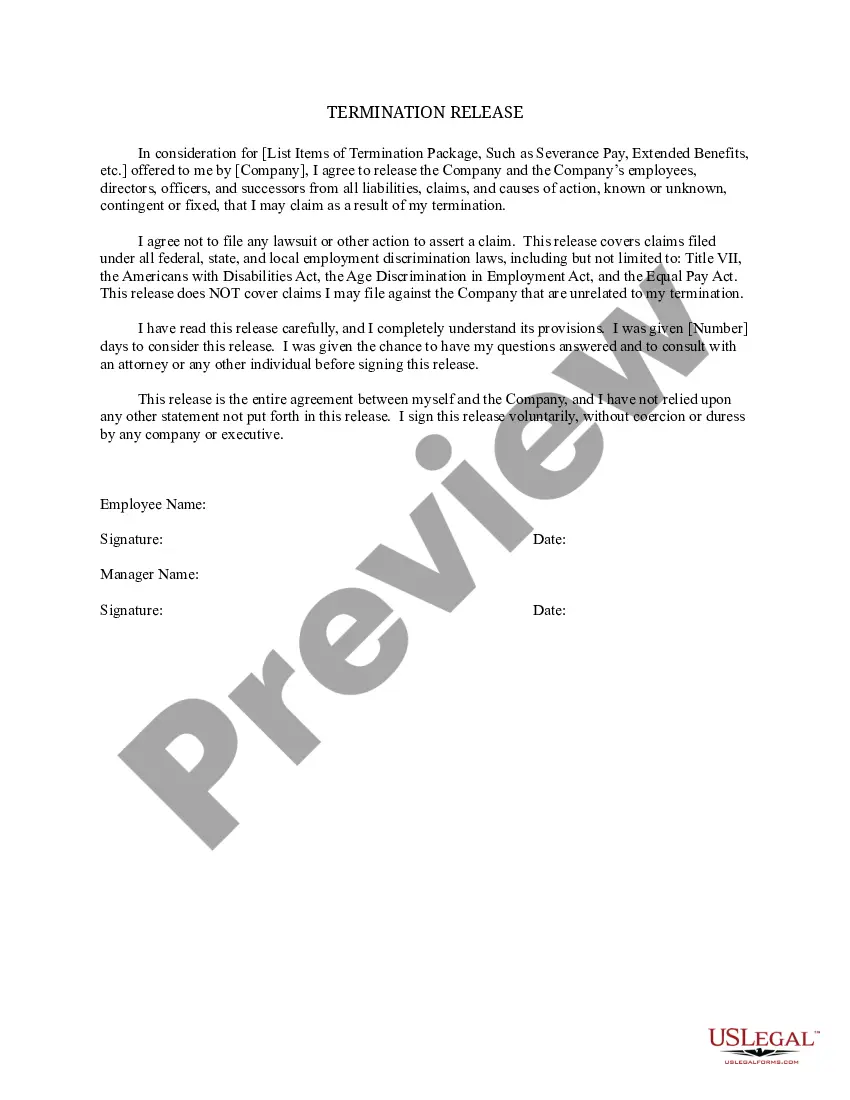

Situations where these forms applies
This form package is beneficial in various scenarios, including:
- When you need to formally terminate an employee's employment.
- When your organization wants to ensure compliance with COBRA requirements.
- If you are conducting exit interviews to gather feedback from departing employees.
- When you aim to document the terms of termination clearly and carry out the process systematically.
Who should use this form package
- Human resources professionals managing employee terminations.
- Small business owners looking to implement structured termination processes.
- Managers responsible for overseeing employee transitions and exits.
- Employers seeking to limit potential litigation risks associated with termination.
Instructions for completing these forms
- Review the included forms to understand each one's purpose.
- Identify the employee's information and details that need to be included in the forms.
- Fill out each form accurately, paying careful attention to dates and signatures.
- Ensure that all necessary legal obligations, like COBRA notices, are included.
- Keep a signed copy of all documents for your records and relevant personnel.
Notarization details for included forms
Most forms in this package do not require notarization. However, local laws or specific situations may demand it. Our online notarization service, powered by Notarize, lets you complete the process through a verified video call, available anytime.
Get your form ready online
Our built-in tools help you complete, sign, share, and store your documents in one place.
Make edits, fill in missing information, and update formatting in US Legal Forms—just like you would in MS Word.
Download a copy, print it, send it by email, or mail it via USPS—whatever works best for your next step.
Sign and collect signatures with our SignNow integration. Send to multiple recipients, set reminders, and more. Go Premium to unlock E-Sign.
If this form requires notarization, complete it online through a secure video call—no need to meet a notary in person or wait for an appointment.
We protect your documents and personal data by following strict security and privacy standards.

Make edits, fill in missing information, and update formatting in US Legal Forms—just like you would in MS Word.

Download a copy, print it, send it by email, or mail it via USPS—whatever works best for your next step.

Sign and collect signatures with our SignNow integration. Send to multiple recipients, set reminders, and more. Go Premium to unlock E-Sign.

If this form requires notarization, complete it online through a secure video call—no need to meet a notary in person or wait for an appointment.

We protect your documents and personal data by following strict security and privacy standards.
Typical mistakes to avoid
- Failing to provide the required COBRA notices to the terminated employee.
- Not obtaining all necessary signatures on critical documents.
- Overlooking the importance of documenting the reasons for termination.
- Neglecting to conduct a thorough exit interview for valuable feedback.
Why complete this package online
- Convenience of downloading forms immediately for immediate use.
- Editability allows customization to fit specific organizational needs.
- Reliability of professionally drafted documents by licensed attorneys.
Legal use & context
- These forms are designed to be legally binding once properly completed and executed.
- Using these forms helps organizations comply with employment termination laws in Tennessee.
- Proper documentation can protect employers from potential legal claims related to termination.
Main things to remember
- The Tennessee Employment or Job Termination Package contains vital forms for managing terminations legally and efficiently.
- Employers can reduce legal risks and enhance workplace practices with proper documentation.
- This package is tailored to comply with Tennessee laws, ensuring relevance and applicability.
Looking for another form?
Form popularity
FAQ
The number of completed years of employment; and. the number of completed months of employment divided by 12 for a year that is not completed.
If candidates for unemployment insurance benefits meet certain criteria, they may collect unemployment compensation even if they are receiving severance pay from their previous employer.Additionally, you must repay any overpayment of benefits to your local unemployment office.
Understand the components of a severance package. Wait before signing paperwork. Read everything carefully. Get an expert opinion. Understand your priorities. Negotiate for more than money. Decide on a reasonable request. Leverage your success.
Rule 0800-09-01-. 02 of the Rules and Regulations of the Tennessee Employment Security Law, requires all employers to furnish each separated employee with a Separation Notice, LB-0489, within 24 hours of the employee's separation from employment.
The severance pay offered is typically one to two weeks for every year worked, but can be more.The general practice is to try to get four weeks of severance pay for each year worked. Middle managers and executives usually receive a higher amount. Some executives, for example, may receive pay for more than a year.
If an employer makes a lump sum severance payment at the time the worker is separated from a job but allocates the severance payment to a week or weeks other than the week in which the payment is made, then the worker's weekly unemployment benefits will be reduced in each claimed week to which the severance payment is
Employers may legally terminate an employee at any time for any reason, or for no reason without incurring legal liability. However, an employer may not discriminate against any employee on the basis of the employee's race, sex, age, religion, color, national origin, or disability.
A severance package may include compensation or payments based on years of service, payment for unused vacation time or sick leave, insurance benefits, bonus payments, or stock options. There also may be an offer of assistance in finding a new job called outplacement services.
This is because all Canadian employees are entitled to common law severance, which provides a range of around two and half months' severance up to thirty-six months' severance depending on several factors.