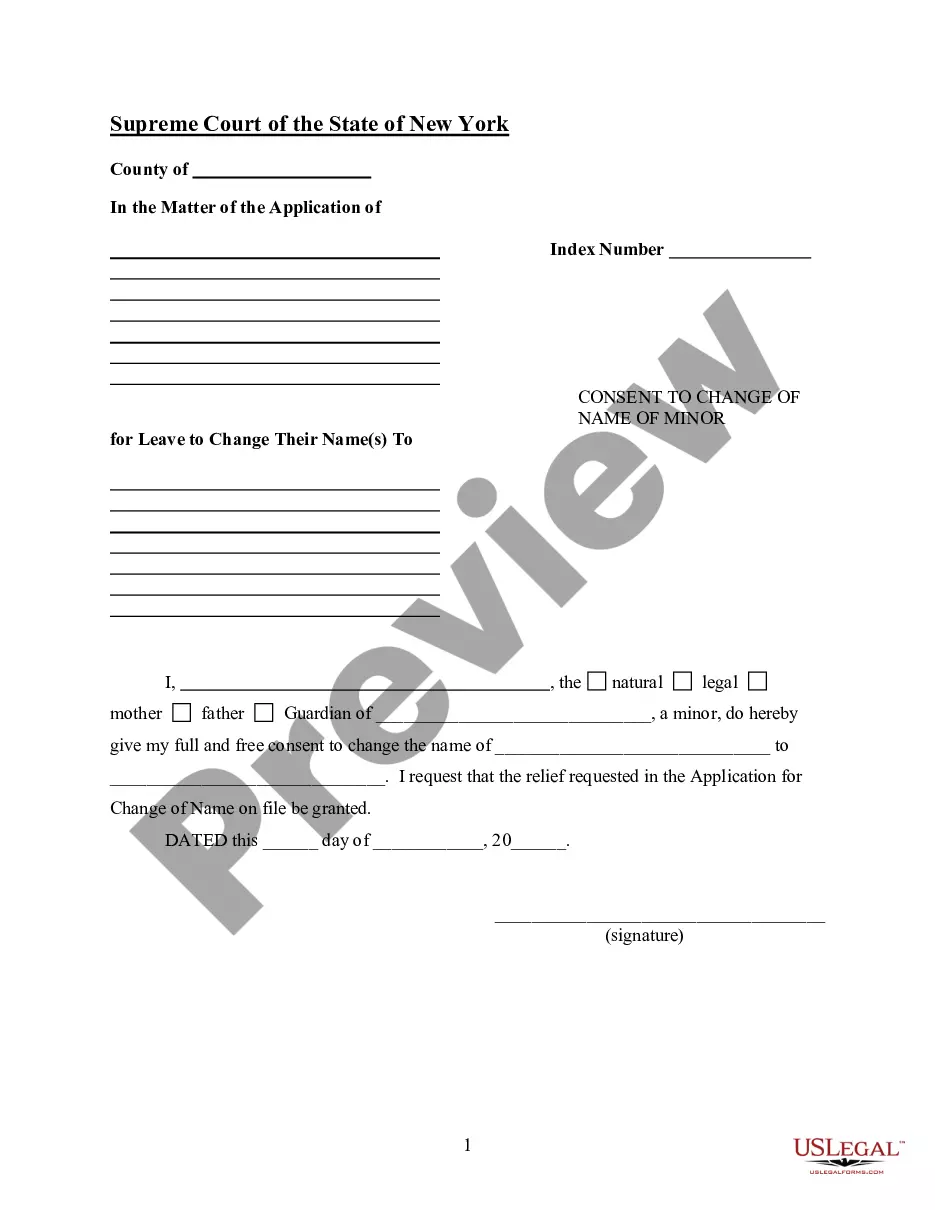
South Dakota Letter from Tenant to Landlord about Sexual Harassment
About this form
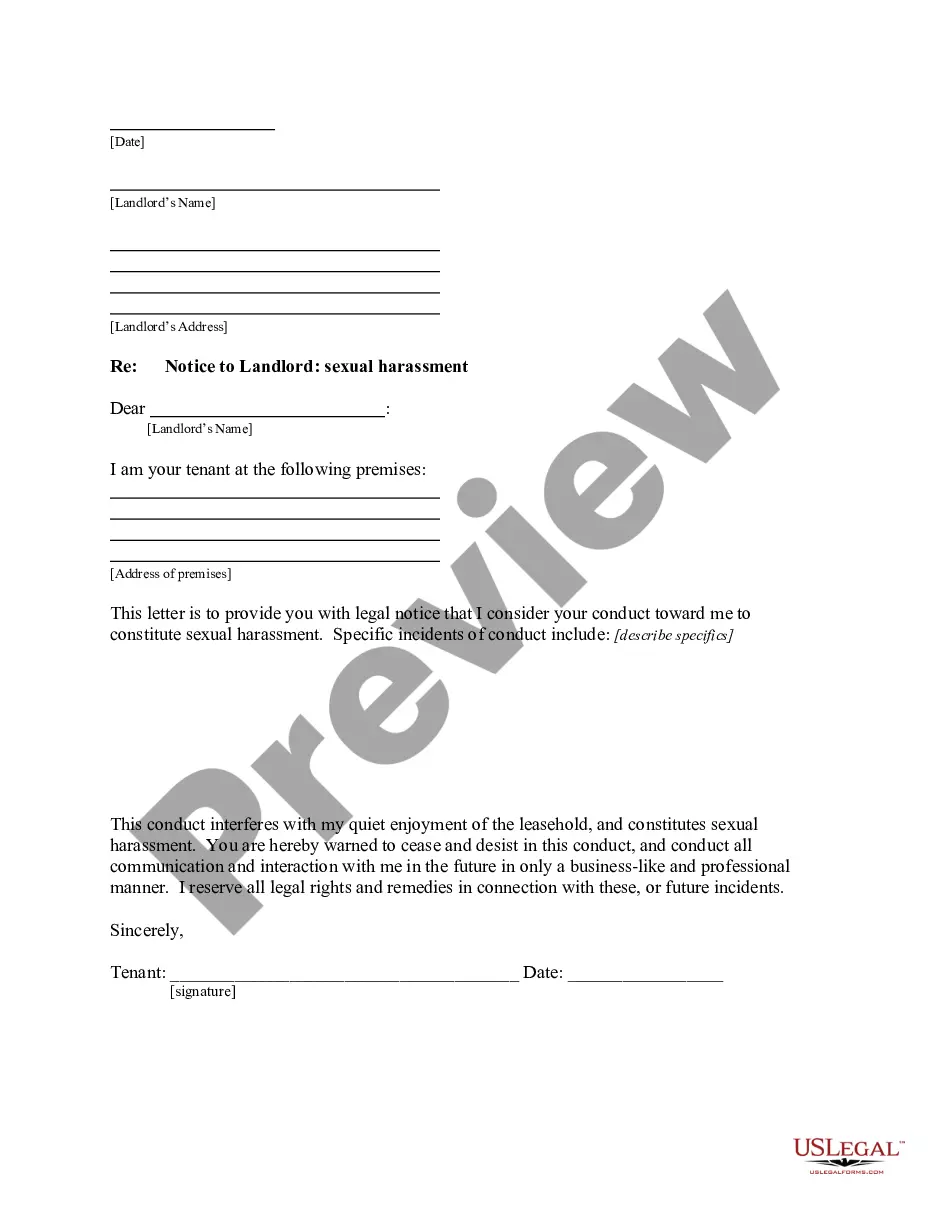
This Letter from Tenant to Landlord about Sexual Harassment is a formal written communication that notifies a landlord of their inappropriate and illegal conduct toward a tenant. This letter serves the purpose of addressing sexual harassment and seeking to restore a respectful tenant-landlord relationship. Unlike other tenant correspondence, this letter specifically highlights the violation of the tenant's right to quiet enjoyment of their rented space and demands an end to the harassing behavior.
Key parts of this document
- Identifying information of both the tenant and landlord
- Details of the conduct that is considered sexually harassing
- A clear statement indicating the conduct is illegal
- A request for all future communications to be professional and business-like
- Date and signature block for authenticity
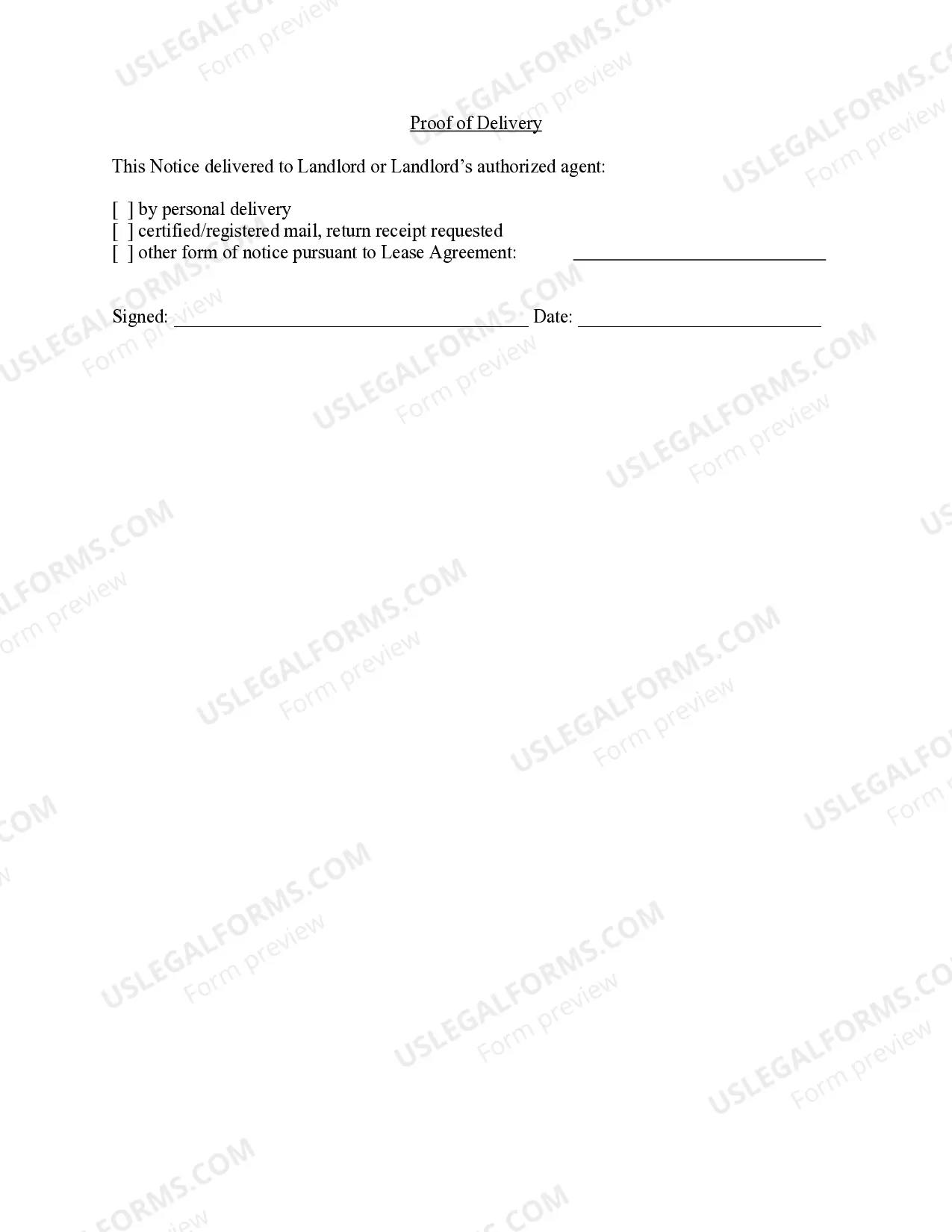
- Proof of delivery method for legal documentation

Situations where this form applies
This form should be used when a tenant believes they have been subjected to sexual harassment by their landlord. It is essential in situations where the landlord's actions interfere with the tenant's right to peacefully enjoy their home. By sending this letter, the tenant is taking a formal step to address the issue, document the harassment, and seek resolution.
Who this form is for
- Tenants experiencing sexual harassment from their landlord
- Individuals seeking to document the landlord's inappropriate behavior
- Anyone requiring a record for future legal or mediation proceedings
Instructions for completing this form
- Enter your name and contact information as the tenant.
- Provide the landlord's name and address for accurate delivery.
- Clearly state the nature of the sexual harassment experienced.
- Specify that this conduct is illegal according to state laws.
- Sign and date the letter in the designated areas.
- Choose a method of delivery (personal delivery or certified/registered mail).
Does this document require notarization?
This form usually doesn’t need to be notarized. However, local laws or specific transactions may require it. Our online notarization service, powered by Notarize, lets you complete it remotely through a secure video session, available 24/7.
Get your form ready online
Our built-in tools help you complete, sign, share, and store your documents in one place.
Make edits, fill in missing information, and update formatting in US Legal Forms—just like you would in MS Word.
Download a copy, print it, send it by email, or mail it via USPS—whatever works best for your next step.
Sign and collect signatures with our SignNow integration. Send to multiple recipients, set reminders, and more. Go Premium to unlock E-Sign.
If this form requires notarization, complete it online through a secure video call—no need to meet a notary in person or wait for an appointment.
We protect your documents and personal data by following strict security and privacy standards.
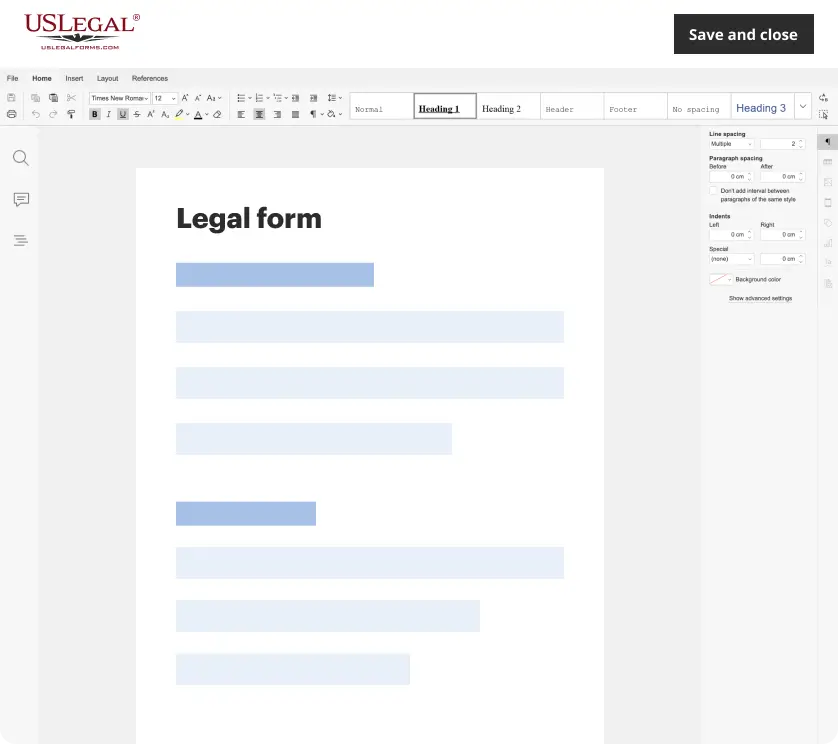
Make edits, fill in missing information, and update formatting in US Legal Forms—just like you would in MS Word.
Download a copy, print it, send it by email, or mail it via USPS—whatever works best for your next step.
Sign and collect signatures with our SignNow integration. Send to multiple recipients, set reminders, and more. Go Premium to unlock E-Sign.
If this form requires notarization, complete it online through a secure video call—no need to meet a notary in person or wait for an appointment.
We protect your documents and personal data by following strict security and privacy standards.
Typical mistakes to avoid
- Failing to include specific details about the harassment.
- Not signing or dating the letter before sending.
- Using informal language instead of maintaining a professional tone.
- Not properly addressing the letter to the landlord or their authorized agent.
- Neglecting to maintain a copy of the letter for personal records.
Benefits of completing this form online
- Easy access to professionally drafted legal documents.
- Convenient to download and customize to meet personal needs.
- Ensures compliance with state-specific legal requirements.
- Provides peace of mind with a clear and formal communication method.
Looking for another form?
Form popularity
FAQ
State that you will be making a complaint. Explain why you are making a complaint and make sure to add your account of the event and other supporting facts. Let the management know what steps you wish to be made to address your complaint. End on a positive tone.
Harassment can be anything a landlord does, or fails to do, that makes you feel unsafe in the property or forces you to leave. Harassment can include: stopping services, like electricity.anti-social behaviour by a landlord's agent, for example a friend of the landlord moves in next door and causes problems.
Write a letter to your landlord stating that you are aware of your rights as a tenant, that s/he is in clear violation of the law, and that you want the situation remedied with no further harassment. Keep a copy of the letter; it will be good evidence if you have to take the landlord to court later.
If you're seeking damages for emotional distress caused by a landlord's discrimination, or punitive damages for especially blatant and intentional discrimination, a lawsuit may well be your best bet. Understand what's involved in suing your landlord. You may file a lawsuit in either federal or state court.
The landlord verification form is a document used by a landlord when verifying the previous rental information of an applicant for tenancy. The requesting landlord must send the form to the applicant's current or past landlord in order to obtain all details related to the tenancy of the individual.
Sue the landlord and whoever for up to $10,000 in small claims court for trespassing, breach of contract, invasion of privacy, and breach of quiet enjoyment; if you are two or more tenants, each can separately sue them for up to $10,000, and a joint action is not required.
Respectfully state that you are making a complaint. Explain the reason behind you making the complaint, making sure to put in the various reasons why you are making the complaint. Relate to the reader what you wish to be done about your complaint. End on a positive tone.
Review Your Lease Before You Sign. Research Local Laws. Keep Records. Pay Your Rent. Maintain Respectful Communication. Seek an Agreeable Solution. Request Repairs in Writing. What Do You Think?
Harassing a tenant with the intention of making their living situation so uncomfortable they want to move or terminate a lease agreement is illegal.Landlord harassment is considered such an issue in major cities of these states that specific laws and protections were created to protect renters and punish violators.