South Dakota Letter from Landlord to Tenant as Notice to remove Wild Animals in Premises
What is this form?
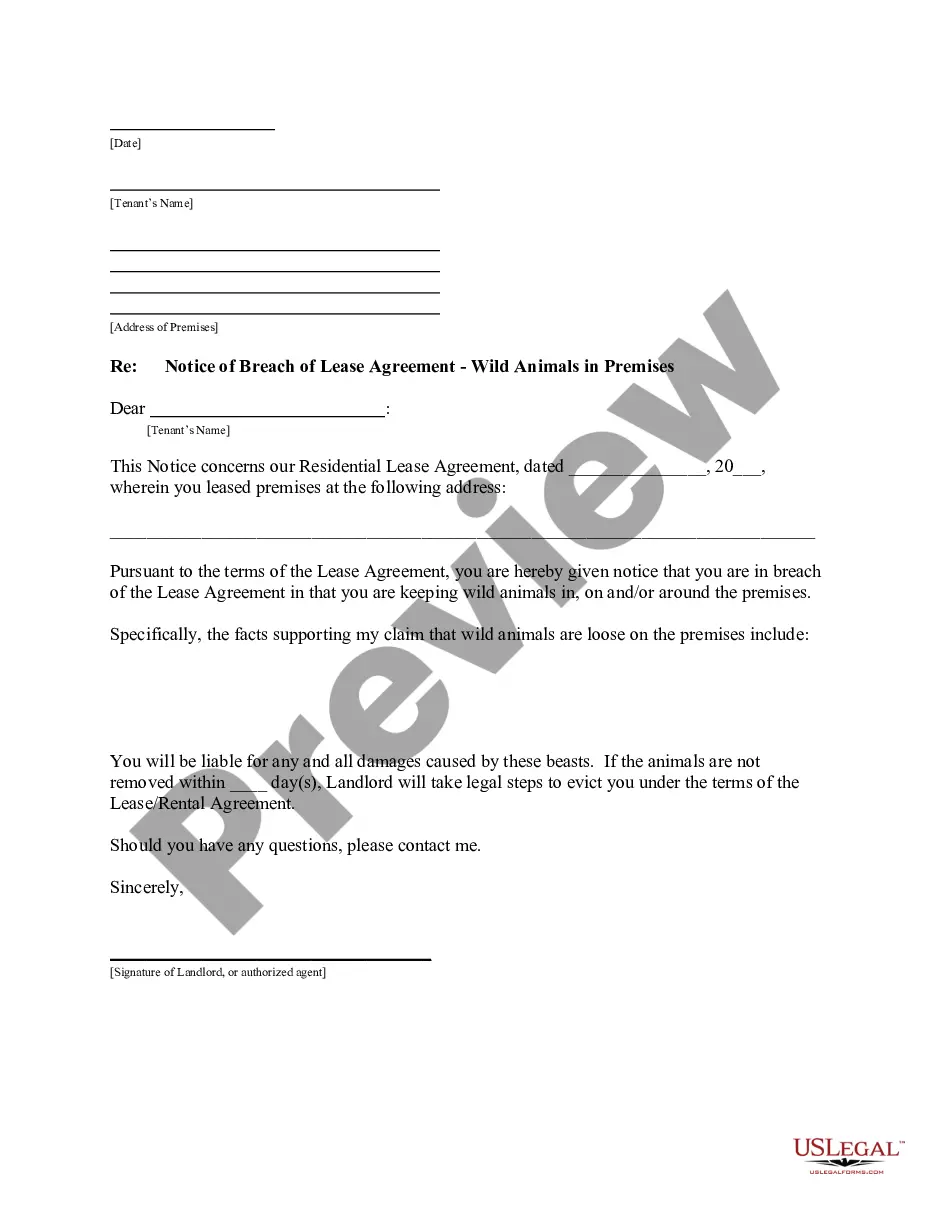
This form is a notice from a landlord to a tenant regarding a breach of the lease agreement due to the presence of wild animals on the premises. Unlike other landlord-tenant forms, this notice specifically addresses the issue of animal control, emphasizing the violation of lease terms relating to property maintenance and safety.
Key components of this form
- Pursuant clause that identifies the breach of the Lease Agreement.
- Details regarding wild animals kept in, on, or around the premises.
- Signature line for the landlord or authorized agent.
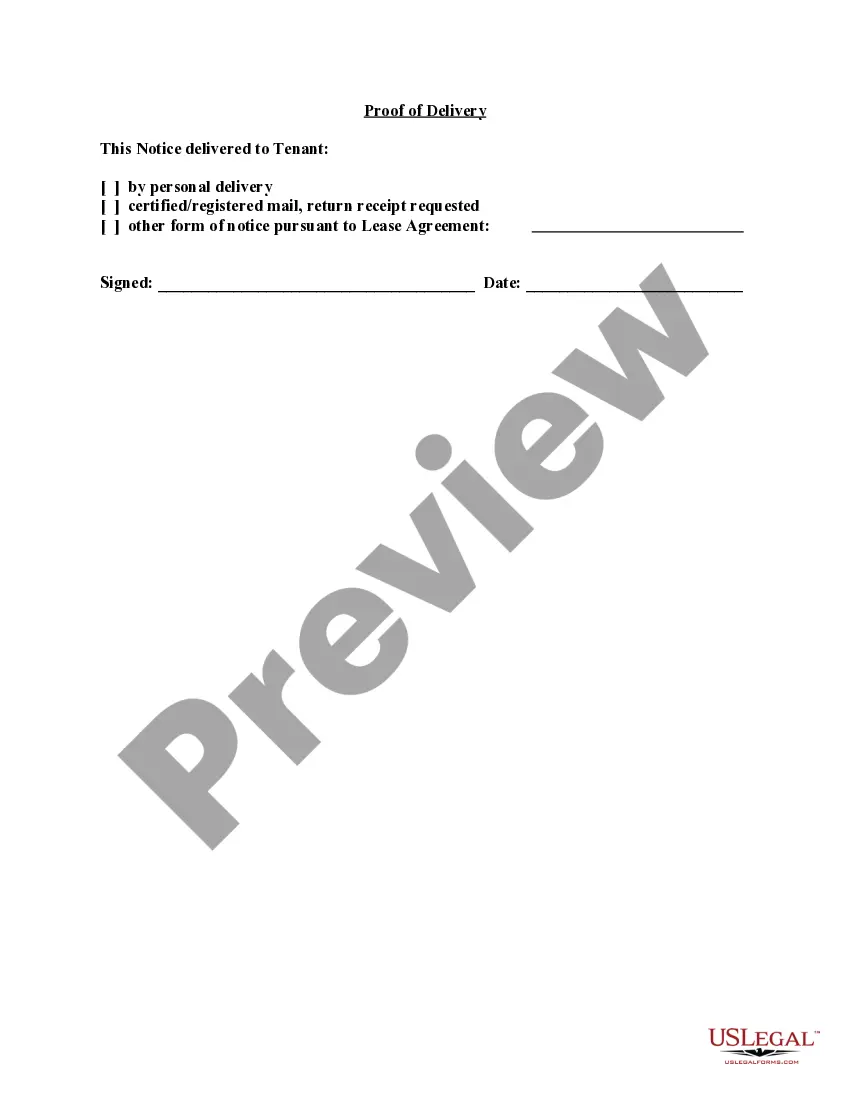
- Proof of delivery options including personal delivery and certified/registered mail.

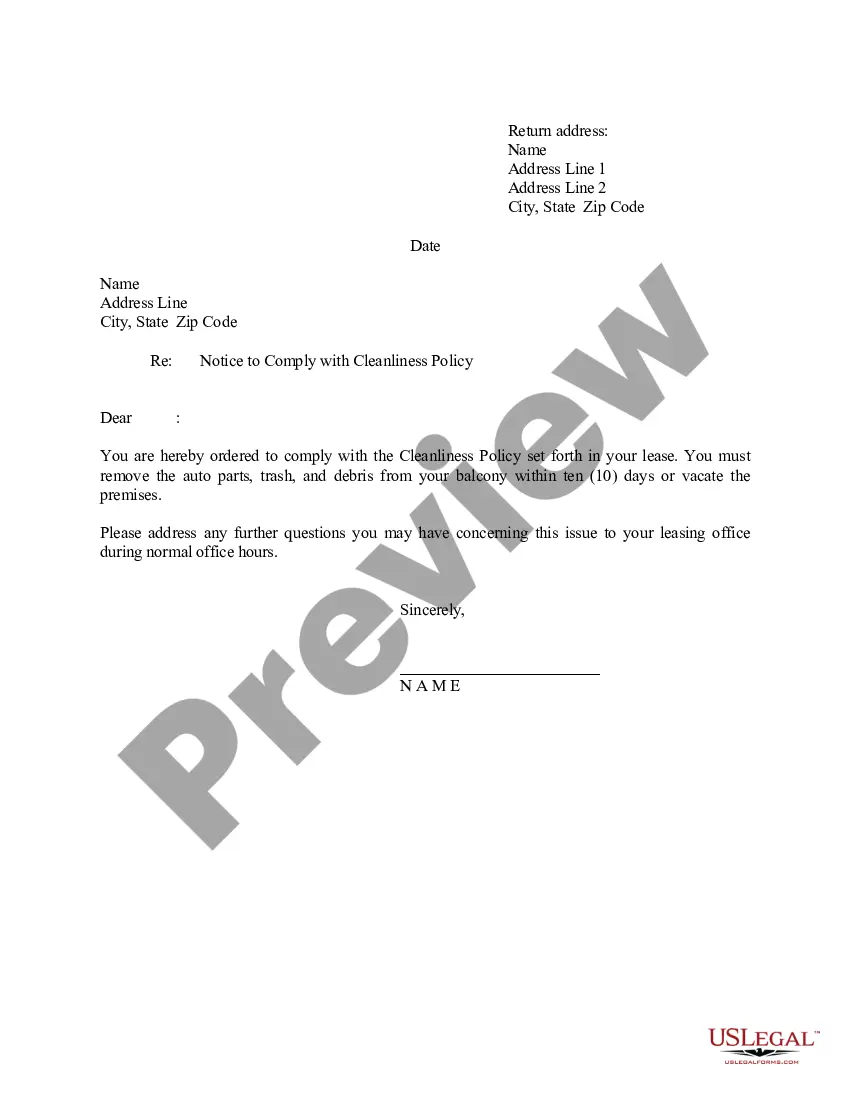
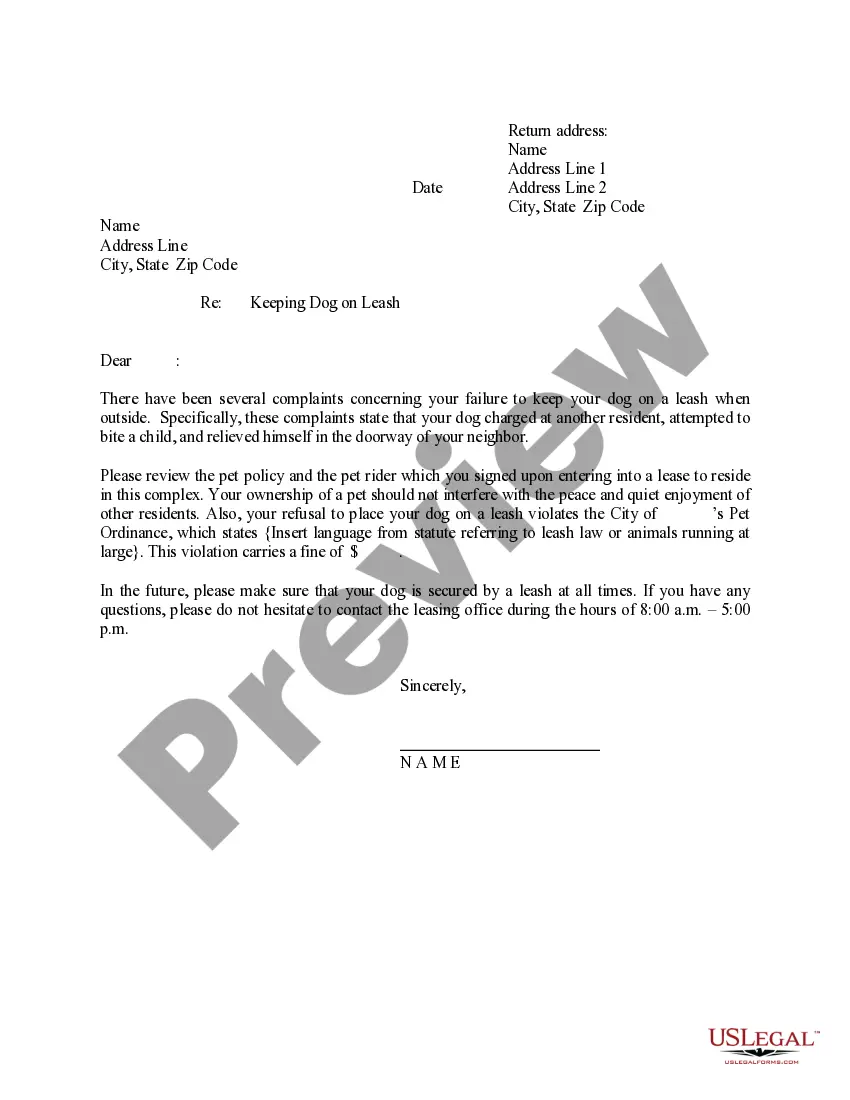
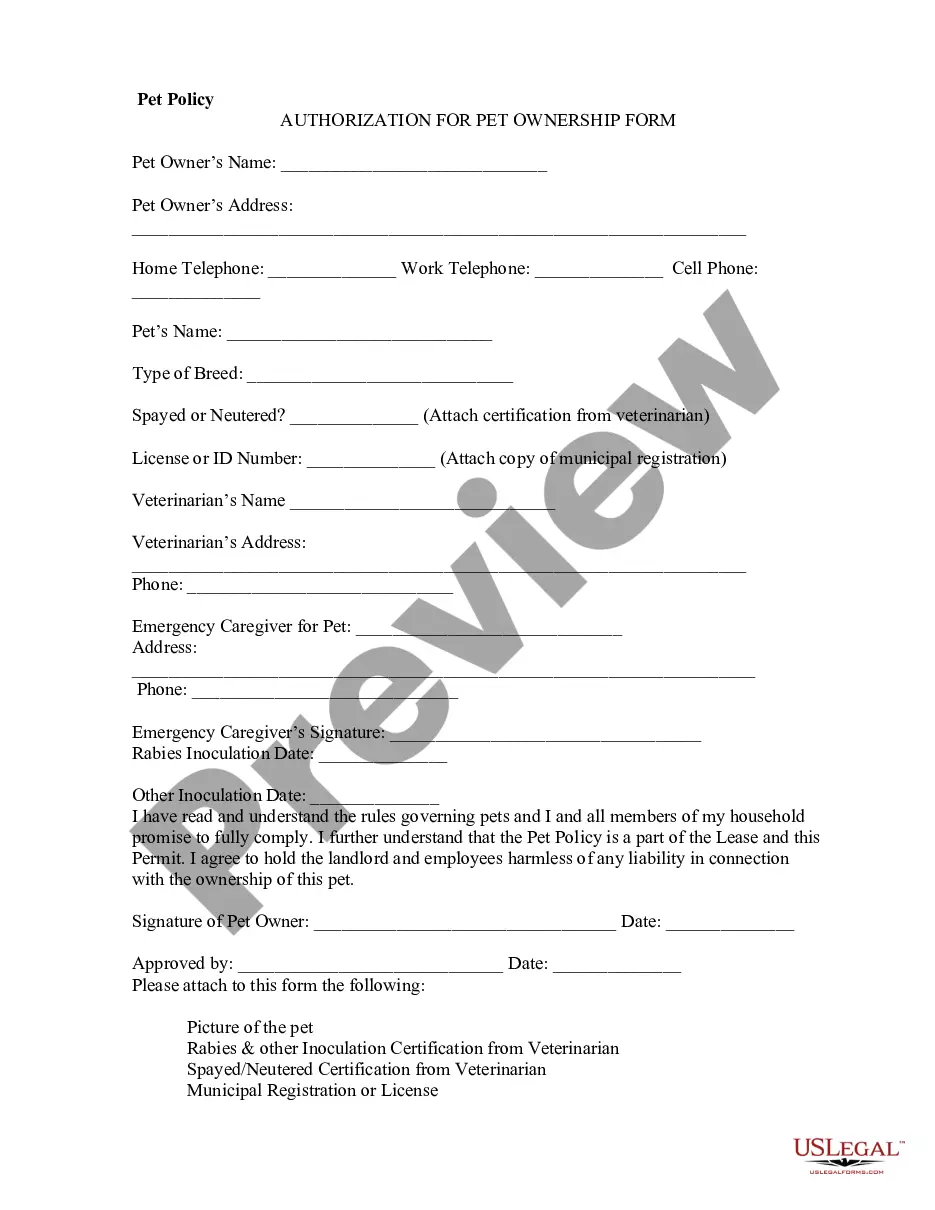
When to use this document
This form should be used when a landlord becomes aware that a tenant is keeping wild animals on the property, which violates the lease agreement. Landlords can use this notice as an initial step to address the issue formally. It is essential to document the breach clearly to ensure compliance from the tenant.
Who can use this document
- Landlords who have tenants violating lease terms regarding pet ownership or animal presence.
- Property managers responsible for enforcing lease agreements and maintaining property standards.
- Real estate professionals advising landlords on compliance issues related to tenants.
Instructions for completing this form
- Identify the parties involved, including landlord and tenant names.
- Clearly state the specific breach of the lease agreement, highlighting the presence of wild animals.
- Sign the notice as the landlord or authorized agent.
- Choose the method of delivery and note it in the proof of delivery section.
Notarization requirements for this form
This form does not typically require notarization unless specified by local law. Ensure that you check local regulations to comply fully.
Get your form ready online
Our built-in tools help you complete, sign, share, and store your documents in one place.
Make edits, fill in missing information, and update formatting in US Legal Forms—just like you would in MS Word.
Download a copy, print it, send it by email, or mail it via USPS—whatever works best for your next step.
Sign and collect signatures with our SignNow integration. Send to multiple recipients, set reminders, and more. Go Premium to unlock E-Sign.
If this form requires notarization, complete it online through a secure video call—no need to meet a notary in person or wait for an appointment.
We protect your documents and personal data by following strict security and privacy standards.

Make edits, fill in missing information, and update formatting in US Legal Forms—just like you would in MS Word.

Download a copy, print it, send it by email, or mail it via USPS—whatever works best for your next step.

Sign and collect signatures with our SignNow integration. Send to multiple recipients, set reminders, and more. Go Premium to unlock E-Sign.

If this form requires notarization, complete it online through a secure video call—no need to meet a notary in person or wait for an appointment.

We protect your documents and personal data by following strict security and privacy standards.
Common mistakes to avoid
- Failing to provide specific details about the animals involved.
- Not referencing the exact terms of the lease that were violated.
- Omitting the signature, which can invalidate the notice.
Benefits of using this form online
- Convenient access to the form for quick and easy download.
- Editable fields allow customization to fit specific situations.
- Drafted by licensed attorneys, ensuring legal reliability.
Looking for another form?
Form popularity
FAQ
If you've been given notice since 29 August 2020, your landlord must give you 6 months to leave. You might have to leave much sooner if you're evicted using a section 8 notice, depending on the reason for eviction.at least 6 months for any notice given on or after 24 July 2020.
Tell Them The Problem & Consequences. Explain the reason that you want the tenant to go. Offer Them a Way Out. Let the tenant know that you are willing to give them a lump sum of cash in agreement for leaving the property. The Release.
Answer. Tenants have the right to "quiet enjoyment" of their home. Unless there is an emergency, your landlord or their agent must give you at least 24 hours' notice if they intend to visit.Apart from genuine emergencies, landlords cannot enter a tenant's home without their consent unless they have a court order.
Weekly tenancyThe tenant or landlord must give one week of notice.
Landlords will need to give tenants six months notice if they intend to regain possession of their property and no tenants will be evicted over Christmas.
Call up the occupant. Send a breach of contract letter if there is a default. You can send an intention to cancel the lease agreement. If the notice is absconded, seek legal assistance.
1 month's notice if your tenancy runs from month to month. 4 weeks' notice if your tenancy runs from week to week. If you live with your landlord. You don't have to give a set amount of notice (unless your tenancy agreement says otherwise).
Both the landlord and tenant must give at least one month's notice to the other party when wanting to cancel the lease. (See Rental Housing Act 1999.) The Consumer Protection Act (CPA) gives additional rights to the tenant by allowing them to cancel the lease provided 20 business days' notice is given.
In general, a Landlord, as well as a Tenant, both have the right to give notice to each other, to cancel any lease agreement between them. HOWEVER should the above additional rights of the Tenant be exercised, the Tenant may be obligated to pay a reasonable cancellation fee Up to 3 months rental. 2.