South Carolina Newly Widowed Individuals Package
About this form package
The South Carolina Newly Widowed Individuals Package provides essential legal documents designed for individuals navigating the complexities of managing their affairs after the loss of a partner. This comprehensive package includes forms tailored to South Carolina law, ensuring that you can effectively organize your legal life during this challenging time.
What’s included in this form package
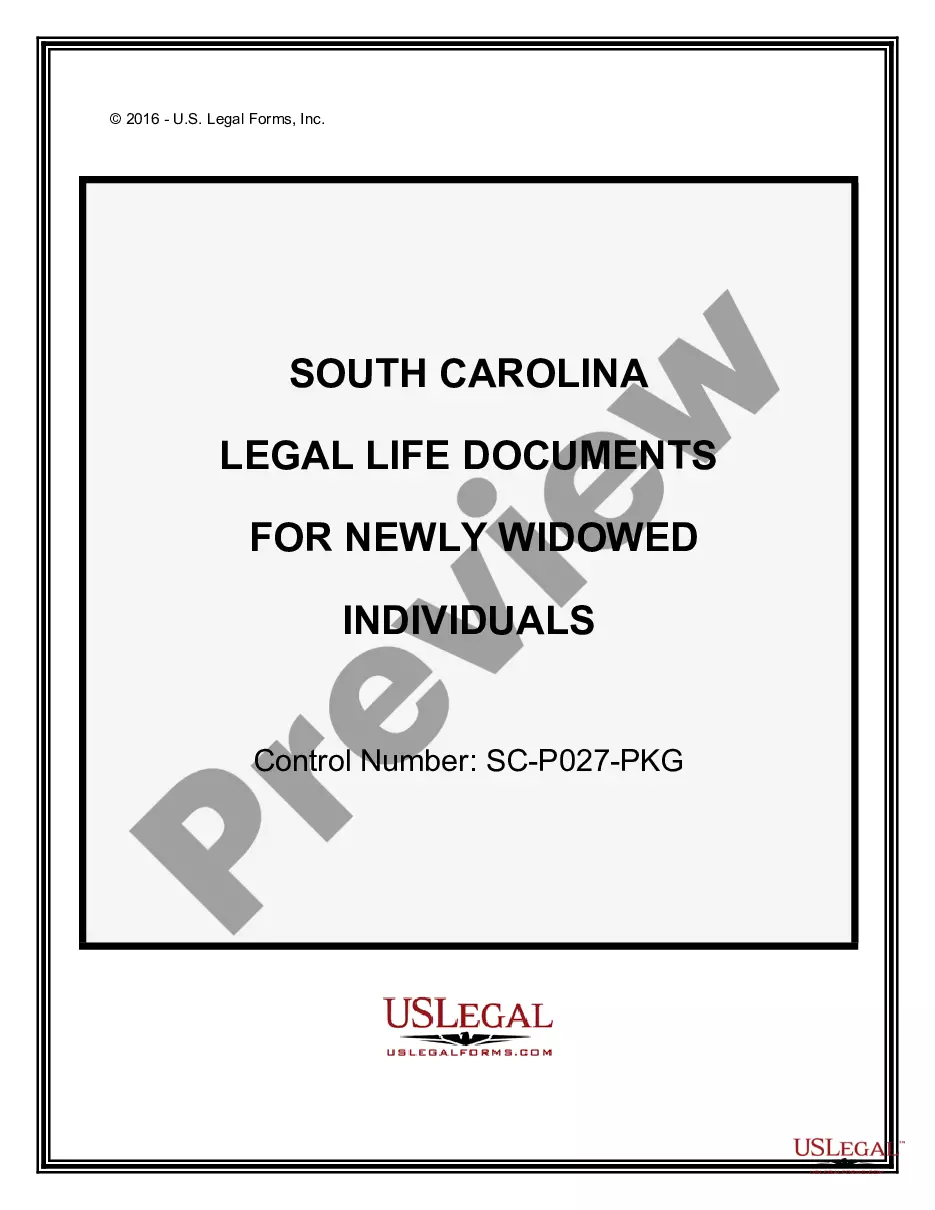
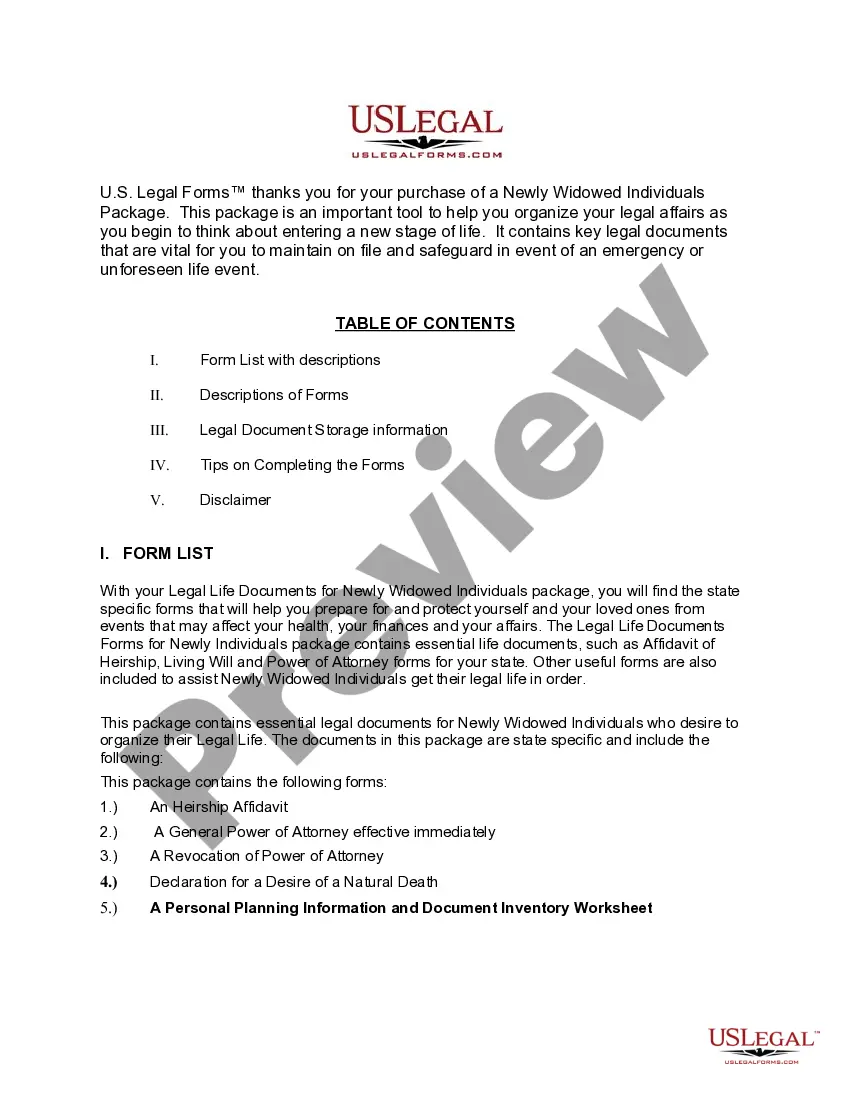
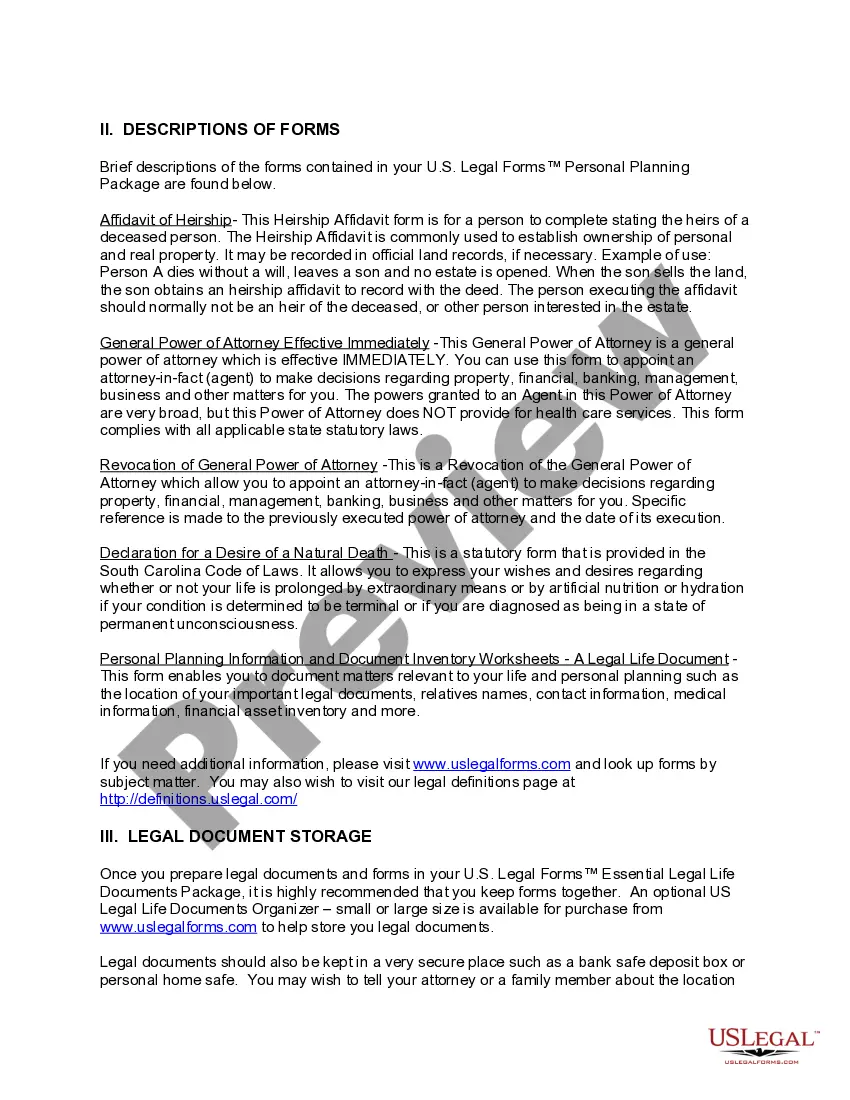
- Last Will and Testament
- Small Estate Heirship Affidavit for Estates Not More Than $25,000
- General Durable Power of Attorney for Property and Finances or Financial Effective Immediately
- Revocation of General Durable Power of Attorney
- Statutory Equivalent of Living Will or Declaration for a Desire of a Natural Death - Statutory
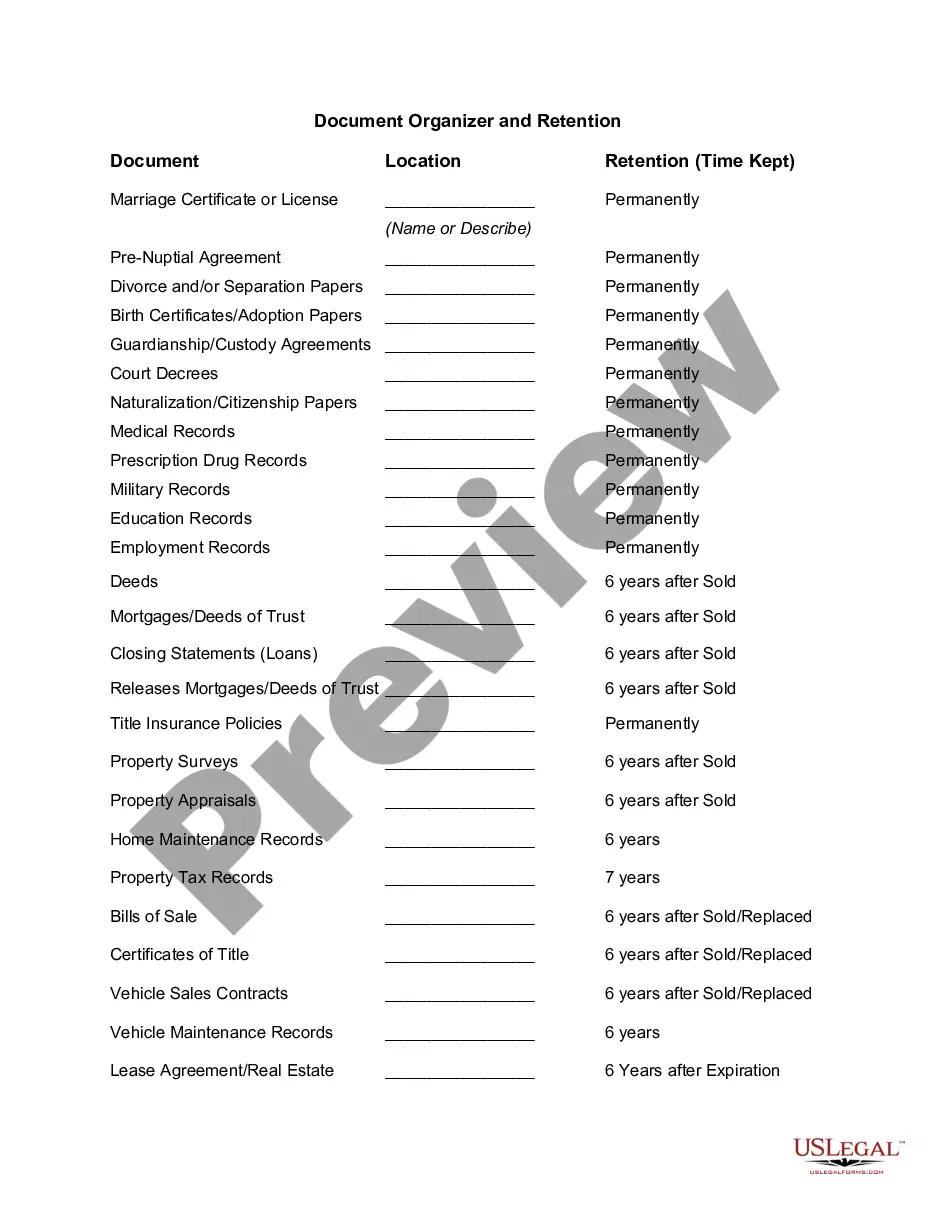
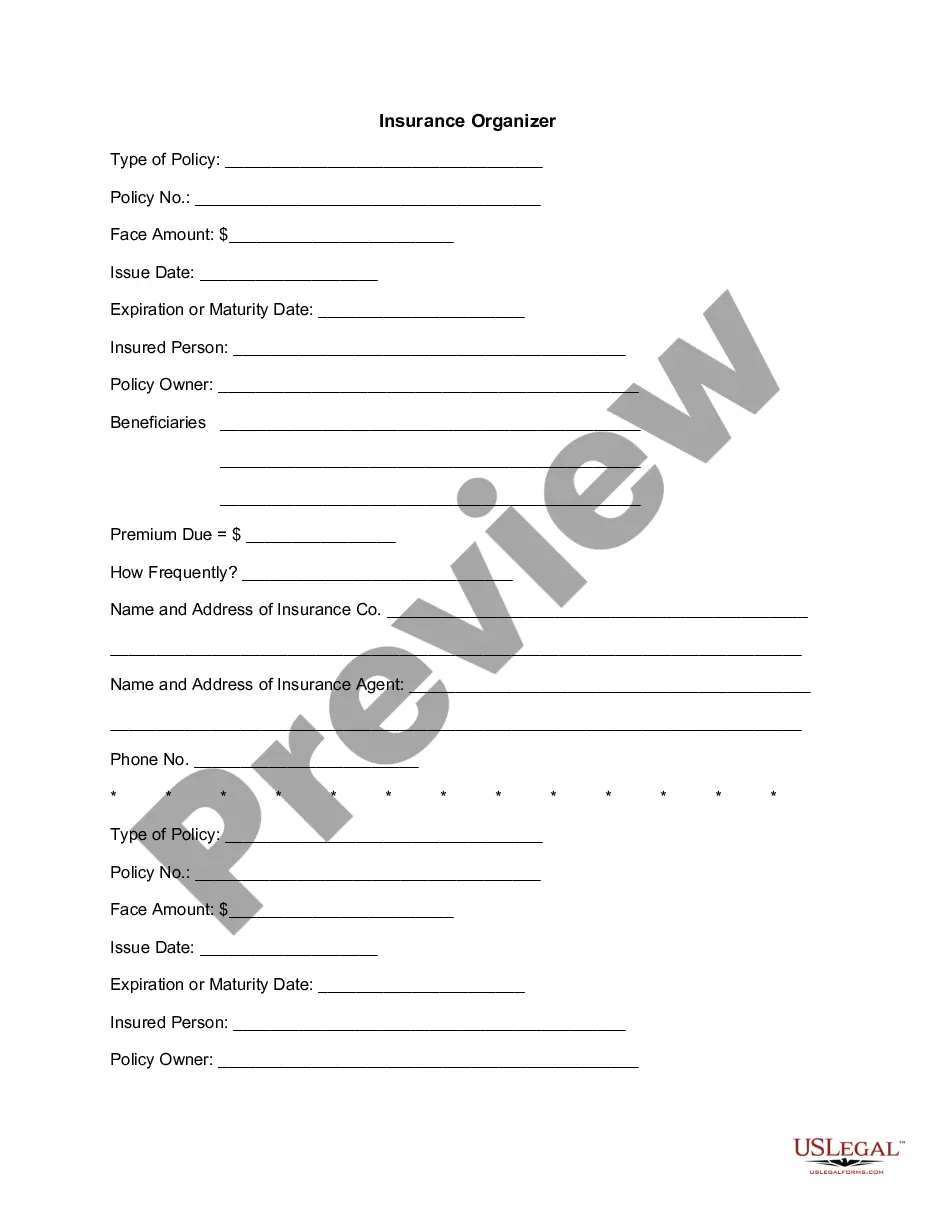
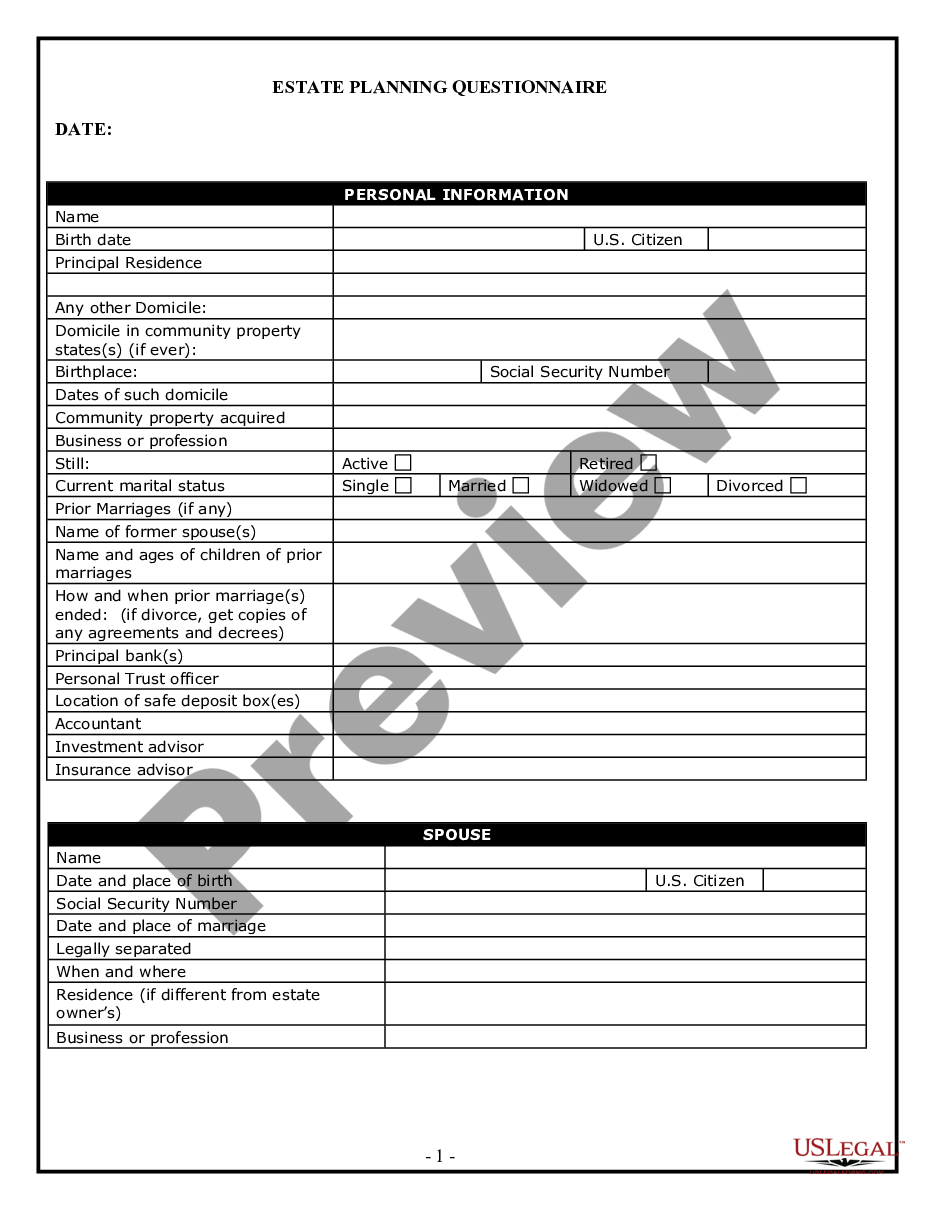
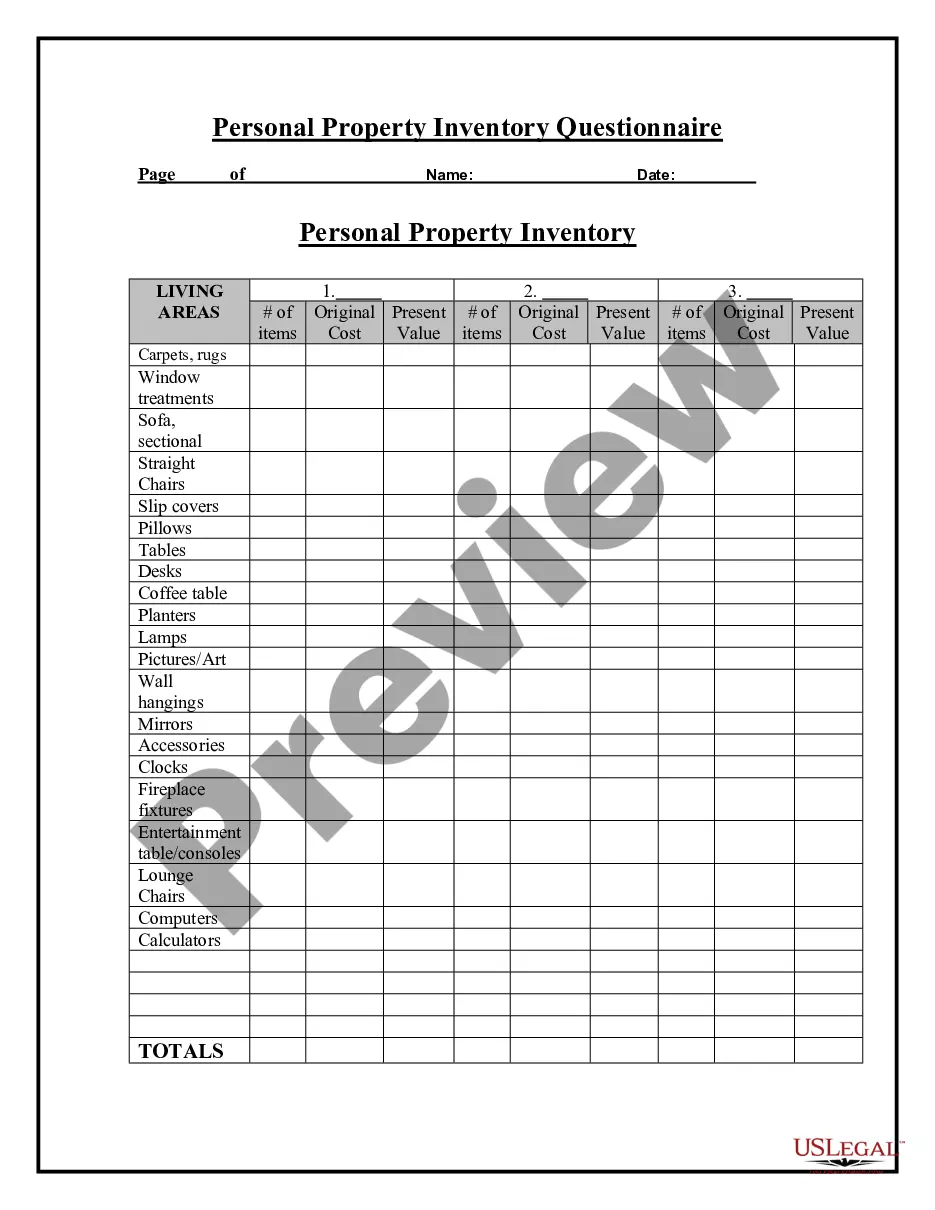
- Personal Planning Information and Document Inventory Worksheets - A Legal Life Document
Situations where these forms applies
This package is crucial when you need to establish your legal rights and document your wishes following the death of a spouse. Use this package if you:
- Need to manage shared or inherited assets.
- Want to set up power of attorney for financial matters.
- Wish to specify your healthcare preferences in case of a medical emergency.
- Are organizing important personal and financial information.
Who can use this document
- Individuals who have recently lost a spouse and need to handle legal affairs.
- Those looking to clarify their healthcare and financial preferences.
- People needing to understand and manage their inherited or shared property.
Instructions for completing these forms
- Review all included forms and understand their purposes.
- Identify the parties involved, including agents and beneficiaries.
- Fill out each form with accurate personal information.
- Sign all forms where required, and ensure that witnesses are present as necessary.
- Store completed forms in a secure location, and inform a trusted individual of their location.
Do forms in this package need to be notarized?
Some forms in this package need notarization to be legally binding. Our online notarization service, powered by Notarize, lets you verify and sign documents remotely through an encrypted video session, available 24/7.
Get your form ready online
Our built-in tools help you complete, sign, share, and store your documents in one place.
Make edits, fill in missing information, and update formatting in US Legal Forms—just like you would in MS Word.
Download a copy, print it, send it by email, or mail it via USPS—whatever works best for your next step.
Sign and collect signatures with our SignNow integration. Send to multiple recipients, set reminders, and more. Go Premium to unlock E-Sign.
If this form requires notarization, complete it online through a secure video call—no need to meet a notary in person or wait for an appointment.
We protect your documents and personal data by following strict security and privacy standards.

Make edits, fill in missing information, and update formatting in US Legal Forms—just like you would in MS Word.

Download a copy, print it, send it by email, or mail it via USPS—whatever works best for your next step.

Sign and collect signatures with our SignNow integration. Send to multiple recipients, set reminders, and more. Go Premium to unlock E-Sign.

If this form requires notarization, complete it online through a secure video call—no need to meet a notary in person or wait for an appointment.

We protect your documents and personal data by following strict security and privacy standards.
Common mistakes to avoid
- Not completing all required fields in the forms.
- Failing to obtain necessary signatures or witnesses.
- Overlooking the need to revoke previous powers of attorney.
- Storing important documents in an inaccessible location.
Advantages of online completion
- Convenience of downloading and printing forms from home.
- Editability allows for easy updates as your situation changes.
- Access to reliable documents drafted by licensed attorneys.
Legal use & context
- Forms in this package are compliant with South Carolina legal standards.
- They serve to clarify wishes regarding asset management and healthcare decisions.
- Use of these forms can help prevent disputes among family members regarding your intentions.
What to keep in mind
- The South Carolina Newly Widowed Individuals Package is a resource for managing legal affairs post-loss.
- It contains critical documents for making healthcare and financial decisions.
- Completing and storing these forms securely is essential for ensuring your wishes are followed.
Looking for another form?
Form popularity
FAQ
Spousal benefits are based on a living spouse or ex-spouse's work history. Survivor benefits are based on a deceased spouse or ex-spouse's work history. The maximum spousal benefit is 50% of the worker's full retirement age (FRA) benefit.
There are two kinds of benefits that loved ones left behind may be entitled to receive after the death of a spouse. These are: Widowed parent's allowance. Bereavement allowance and bereavement payment.
A surviving spouse can collect 100 percent of the late spouse's benefit if the survivor has reached full retirement age, but the amount will be lower if the deceased spouse claimed benefits before he or she reached full retirement age.
The earliest a widow or widower can start receiving Social Security survivors benefits based on age will remain at age 60. Widows or widowers benefits based on age can start any time between age 60 and full retirement age as a survivor.
Widows and widowers Generally, spouses and ex-spouses become eligible for survivor benefits at age 60 50 if they are disabled provided they do not remarry before that age. These benefits are payable for life unless the spouse begins collecting a retirement benefit that is greater than the survivor benefit.
These are examples of the benefits that survivors may receive: Widow or widower, full retirement age or older 100 percent of the deceased worker's benefit amount. Widow or widower, age 60 full retirement age 71½ to 99 percent of the deceased worker's basic amount.
A surviving spouse can collect 100 percent of the late spouse's benefit if the survivor has reached full retirement age, but the amount will be lower if the deceased spouse claimed benefits before he or she reached full retirement age.
Widows can claim benefits at any time between 60 and their survivor full retirement age.
For Your Widow Or Widower Widows and widowers can receive: Reduced benefits as early as age 60 or full benefits at full retirement age or older. If widows or widowers qualify for retirement benefits on their own record, they can switch to their own retirement benefit as early as age 62.