South Carolina New State Resident Package
About this form package
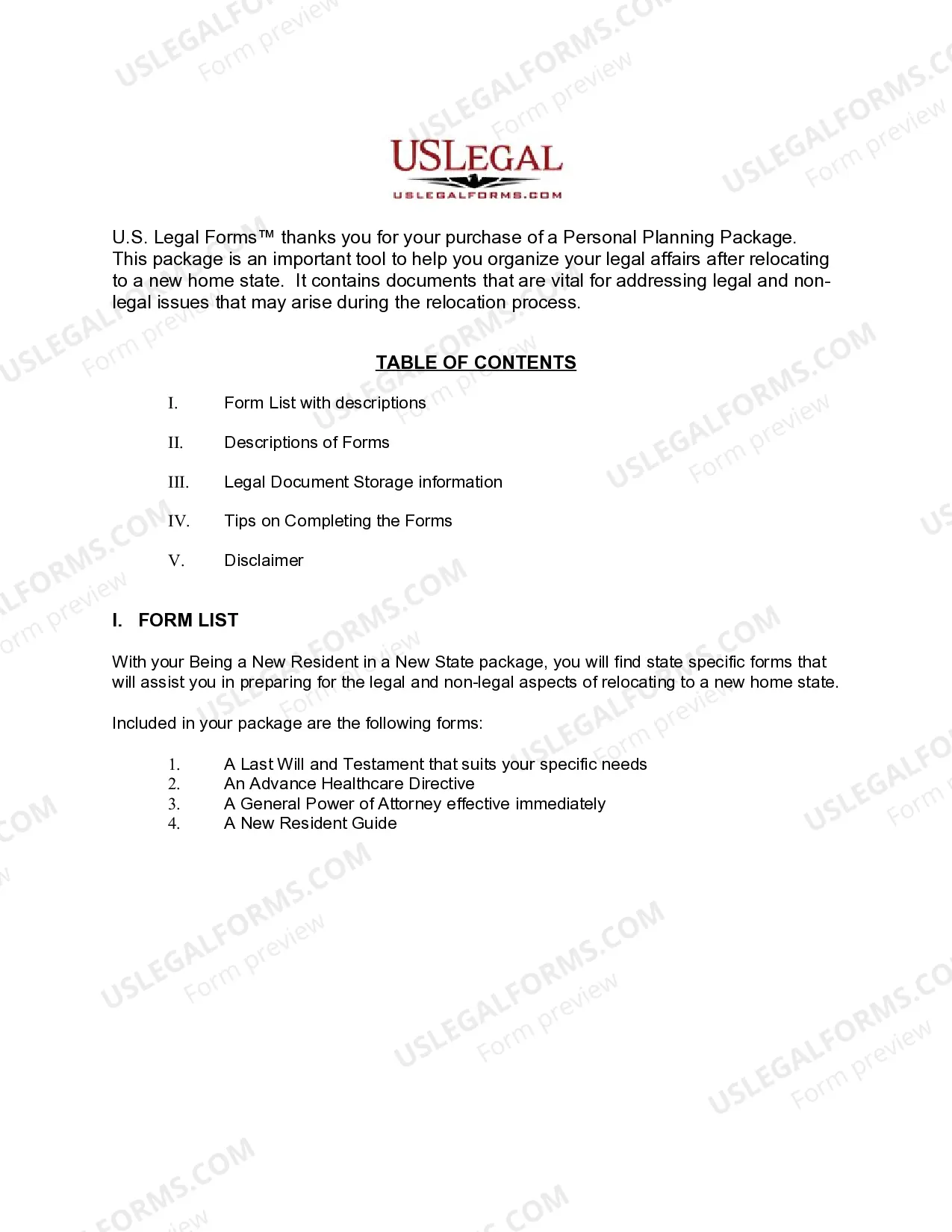
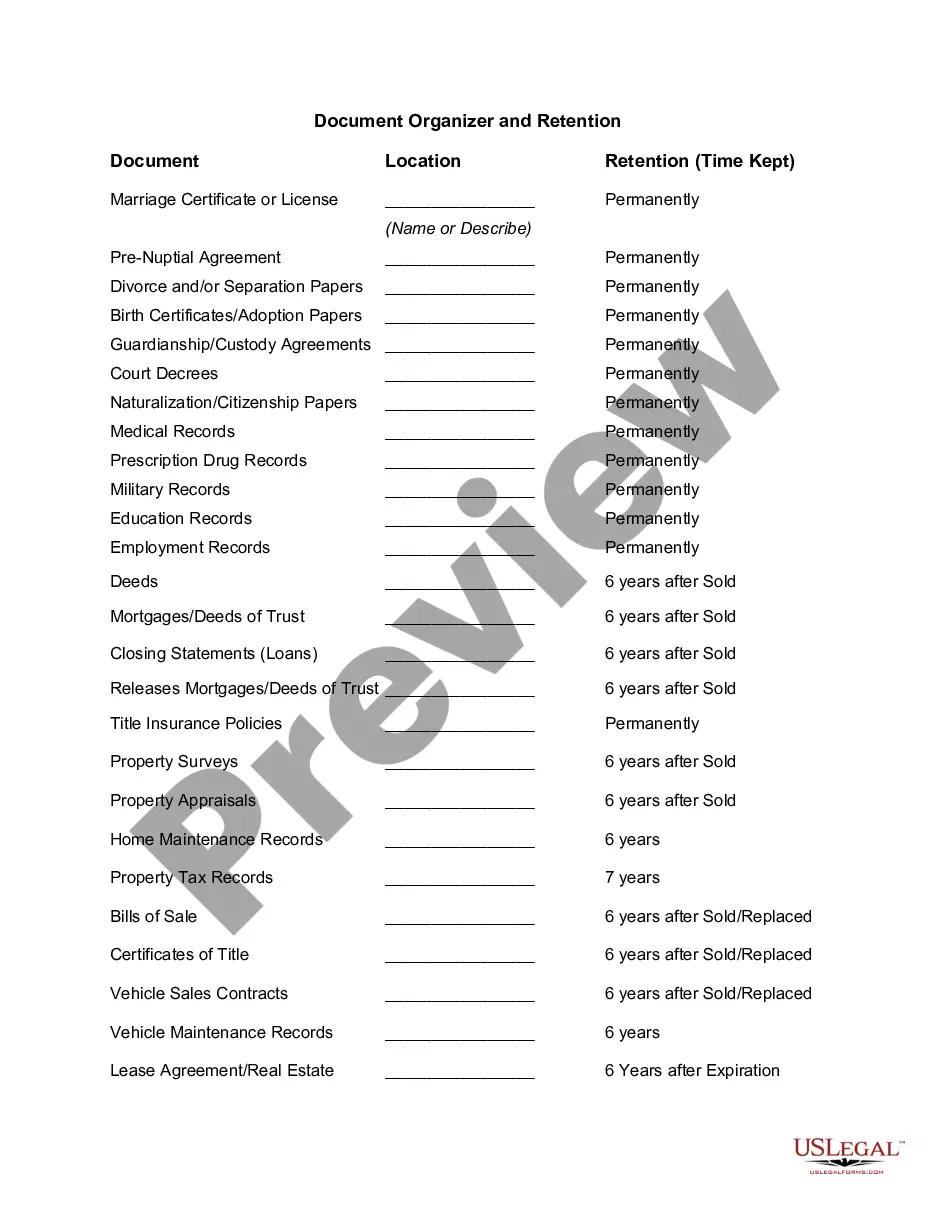
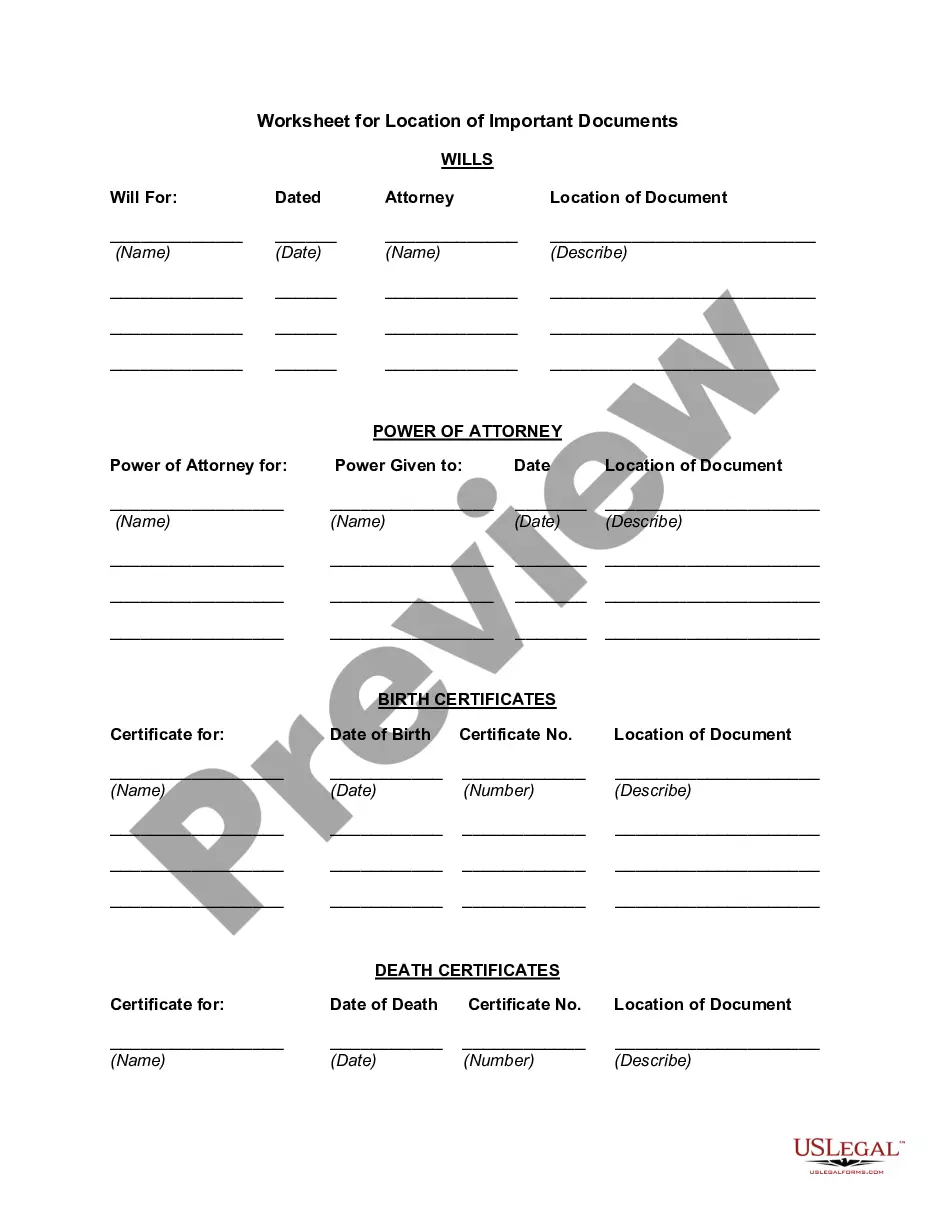
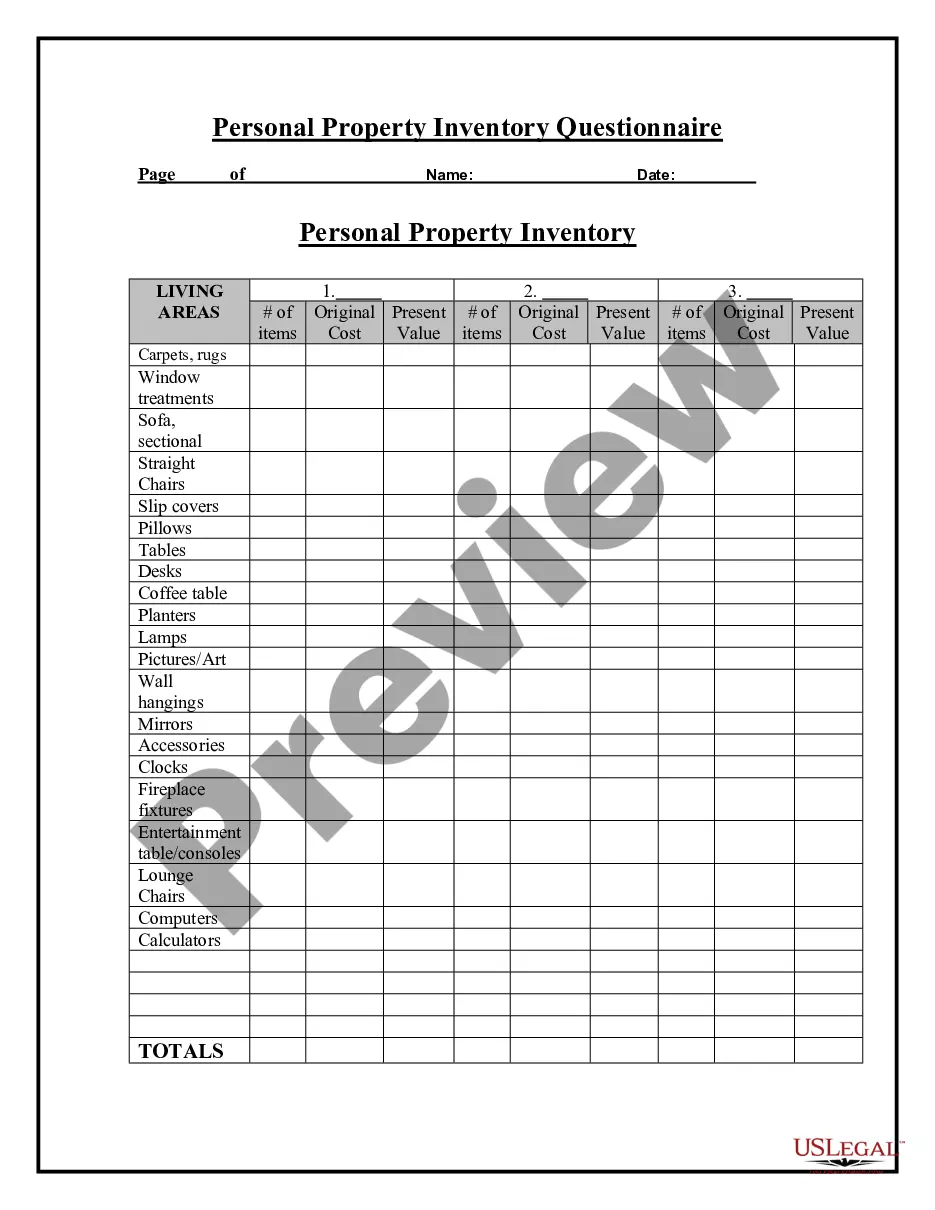
The South Carolina New State Resident Package includes essential legal documents designed to help you manage your legal affairs after relocating to South Carolina. This package provides state-specific forms that are crucial for addressing various legal and non-legal matters that may arise during your move, ensuring you are well-prepared in your new home state.
Forms you’ll find in this package

When to use this document
This package is ideal for anyone who has recently moved to South Carolina and needs to organize their legal documentation. You should consider using this package when:
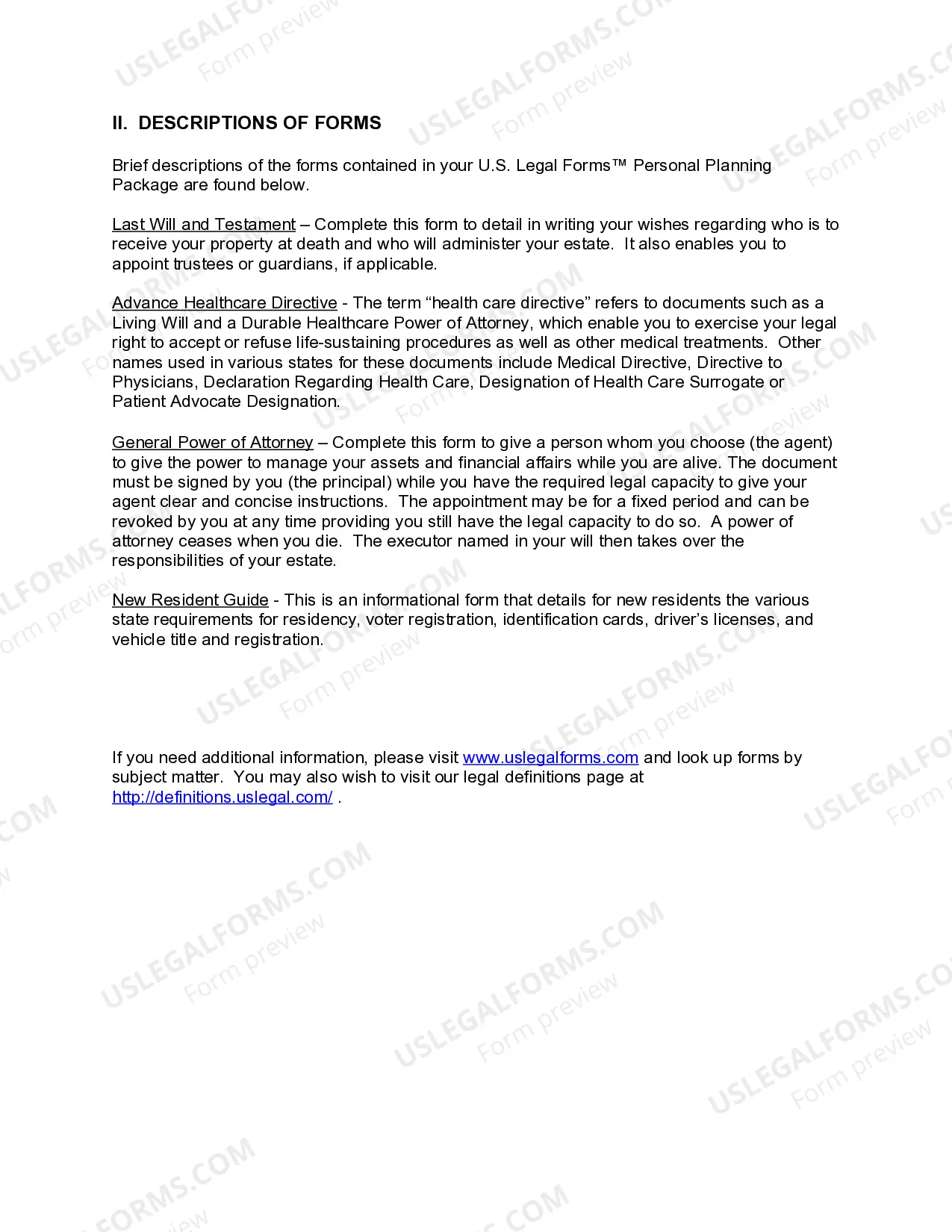
- You want to establish a Last Will and Testament to outline your wishes for asset distribution.
- You need an Advance Healthcare Directive to make medical decisions in advance.
- You want to grant a General Power of Attorney to someone to manage your financial affairs.
- You require information about state residency requirements and other legal necessities as a new resident.
Who this form package is for
- New residents of South Carolina
- Individuals looking to set up crucial legal documents after moving
- Anyone who requires assistance understanding South Carolina's residency laws
- Those wanting to ensure their healthcare decisions are documented and respected
Instructions for completing these forms
- Review the included forms and ensure you understand their purposes.
- Carefully read the instructions provided with each document.
- Fill out the necessary information in each form accurately.
- Sign and date the documents where required, ensuring compliance with any witnessing rules.
- Store the completed forms in a secure location, such as a safe deposit box.
Notarization guidance for this package
Forms in this package typically do not require notarization unless required by local law. However, it's always best to check specific requirements for any legal documents you complete to ensure they are valid in South Carolina.
Get your form ready online
Our built-in tools help you complete, sign, share, and store your documents in one place.
Make edits, fill in missing information, and update formatting in US Legal Forms—just like you would in MS Word.
Download a copy, print it, send it by email, or mail it via USPS—whatever works best for your next step.
Sign and collect signatures with our SignNow integration. Send to multiple recipients, set reminders, and more. Go Premium to unlock E-Sign.
If this form requires notarization, complete it online through a secure video call—no need to meet a notary in person or wait for an appointment.
We protect your documents and personal data by following strict security and privacy standards.
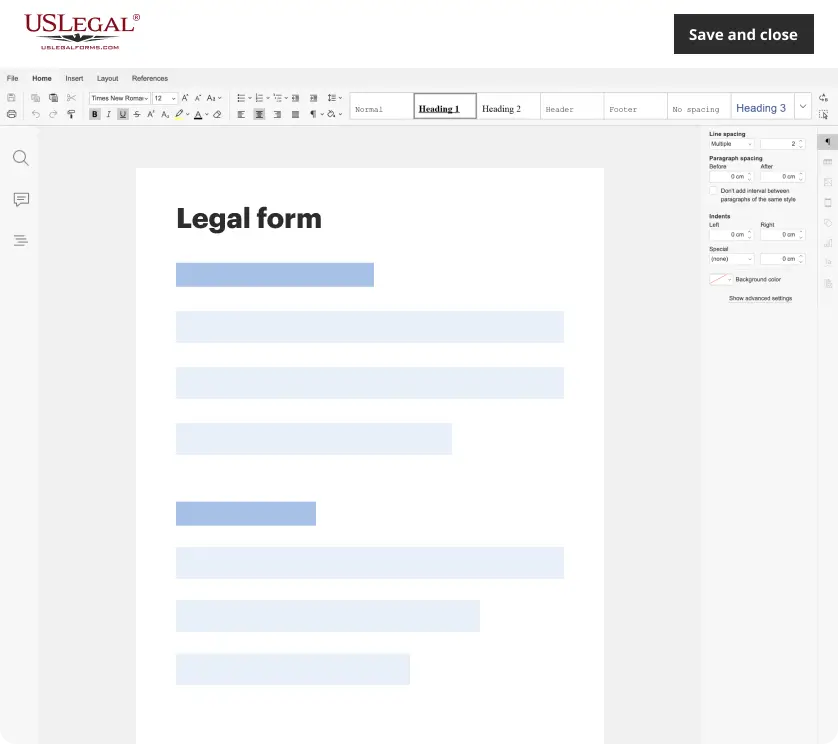
Make edits, fill in missing information, and update formatting in US Legal Forms—just like you would in MS Word.
Download a copy, print it, send it by email, or mail it via USPS—whatever works best for your next step.
Sign and collect signatures with our SignNow integration. Send to multiple recipients, set reminders, and more. Go Premium to unlock E-Sign.

If this form requires notarization, complete it online through a secure video call—no need to meet a notary in person or wait for an appointment.
We protect your documents and personal data by following strict security and privacy standards.
Common mistakes to avoid
- Not signing or dating documents where required.
- Failing to understand local laws regarding powers of attorney and healthcare directives.
- Not updating your legal documents after major life changes.
- Overlooking witness requirements for legal validity.
Why complete this package online
- Convenience of downloading forms anytime and anywhere.
- Editability to customize forms to fit your specific needs.
- Reliable access to attorney-drafted documents, ensuring legal compliance.
- Affordability, as purchasing this package saves you money compared to individual form purchases.
Looking for another form?

Form popularity
FAQ
This includes the $250 IMF, $15 title fee, and $40 registration/license plate fee but does not include the property tax you will pay to your county of residence. You will pay the IMF once per vehicle, but you will not have to pay it again. You will pay the registration/plate fee every two years.
This includes the $250 IMF, $15 title fee, and $40 registration/license plate fee but does not include the property tax you will pay to your county of residence. You will pay the IMF once per vehicle, but you will not have to pay it again.
The following items will show the intent to become a resident of SC: 1. Statement of full time employment in SC; 2. Designating South Carolina as state of legal residence on military record; 3. Possession of a valid South Carolina driver's license, or if a non driver, a South Carolina identification card.
How long must I live in South Carolina before I can establish residency? Under most circumstances, a person must live in South Carolina for 12 consecutive months and change important documentation (driver's license, vehicle registration, etc. to South Carolina) to establish residency.
Statement of full-time employment; Designating SC as state of legal residence on military record; Possession of a valid SC driver's license, or if a non-driver, a SC identification card. Possession of a valid SC vehicle registration certificate. Maintenance of domicile in SC;
If you have a valid driver's license or identification card from another state and permanently move to South Carolina, you must apply for an SC license or ID. You must turn in your out-of-state license or ID when you get one in this state.
Statement of full-time employment; Designating SC as state of legal residence on military record; Possession of a valid SC driver's license, or if a non-driver, a SC identification card. Possession of a valid SC vehicle registration certificate. Maintenance of domicile in SC;
Two proofs of current, physical South Carolina address (a current, unexpired SC driver's license or identification card and a no more than 90-day-old utility bill with the same name and address)