Rhode Island Apartment Rules and Regulations
About this form
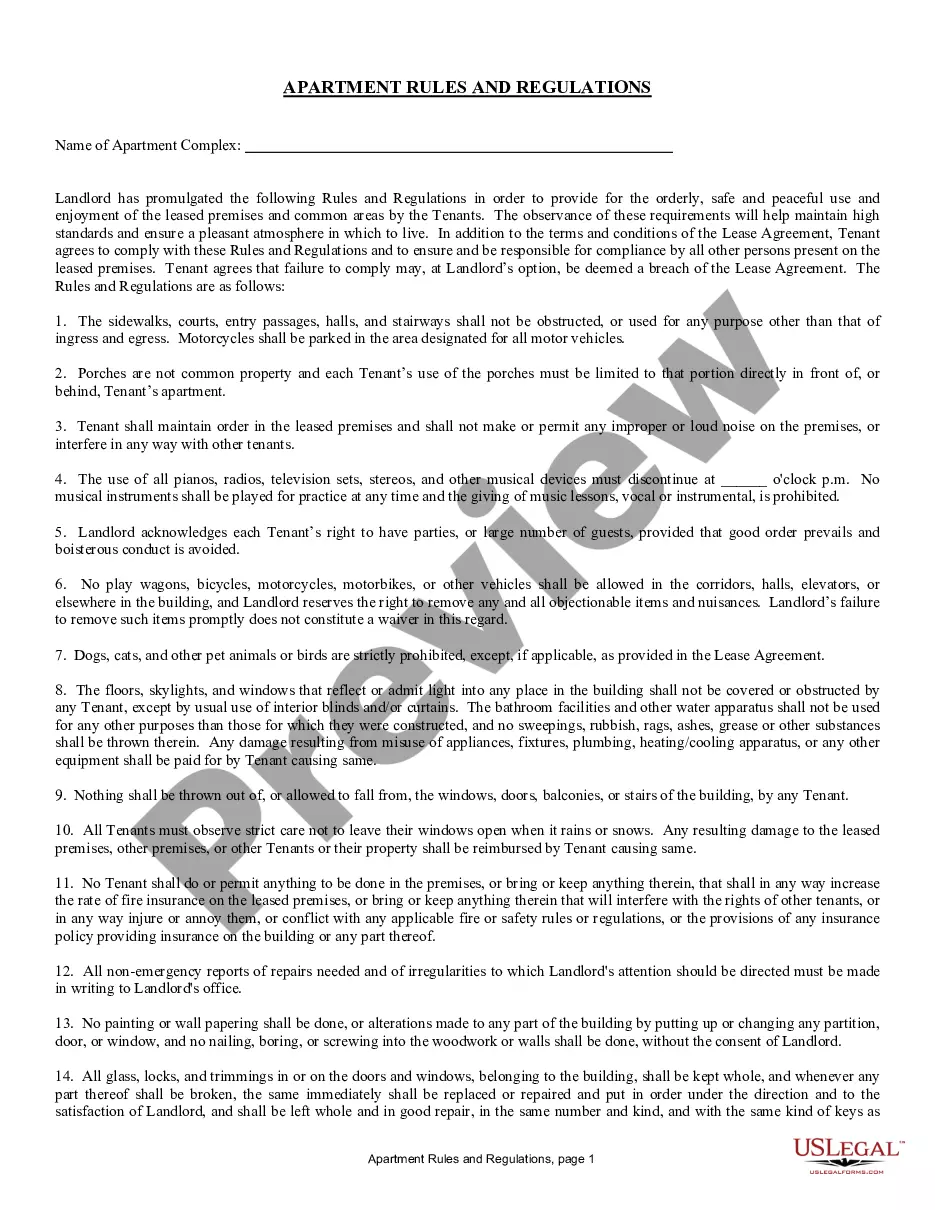
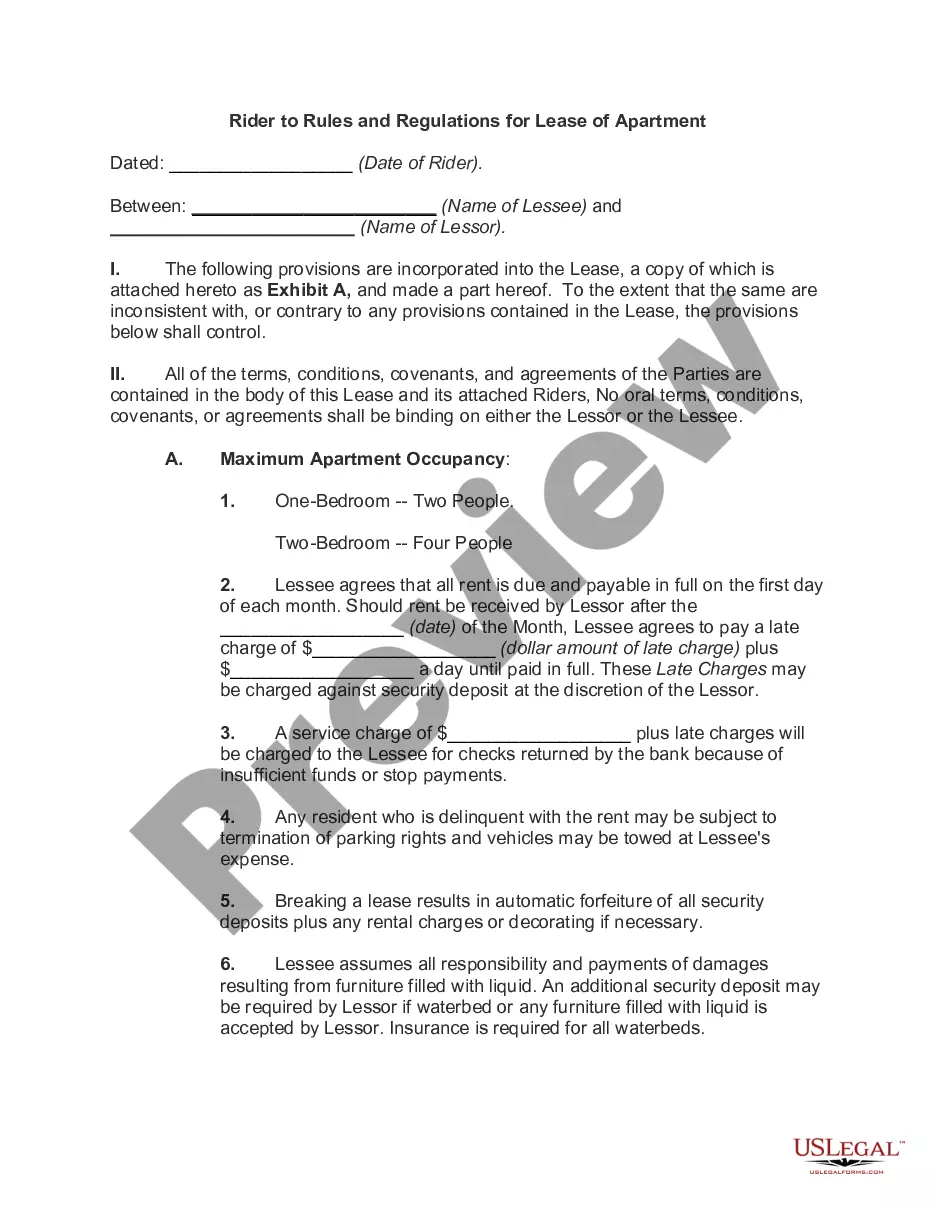
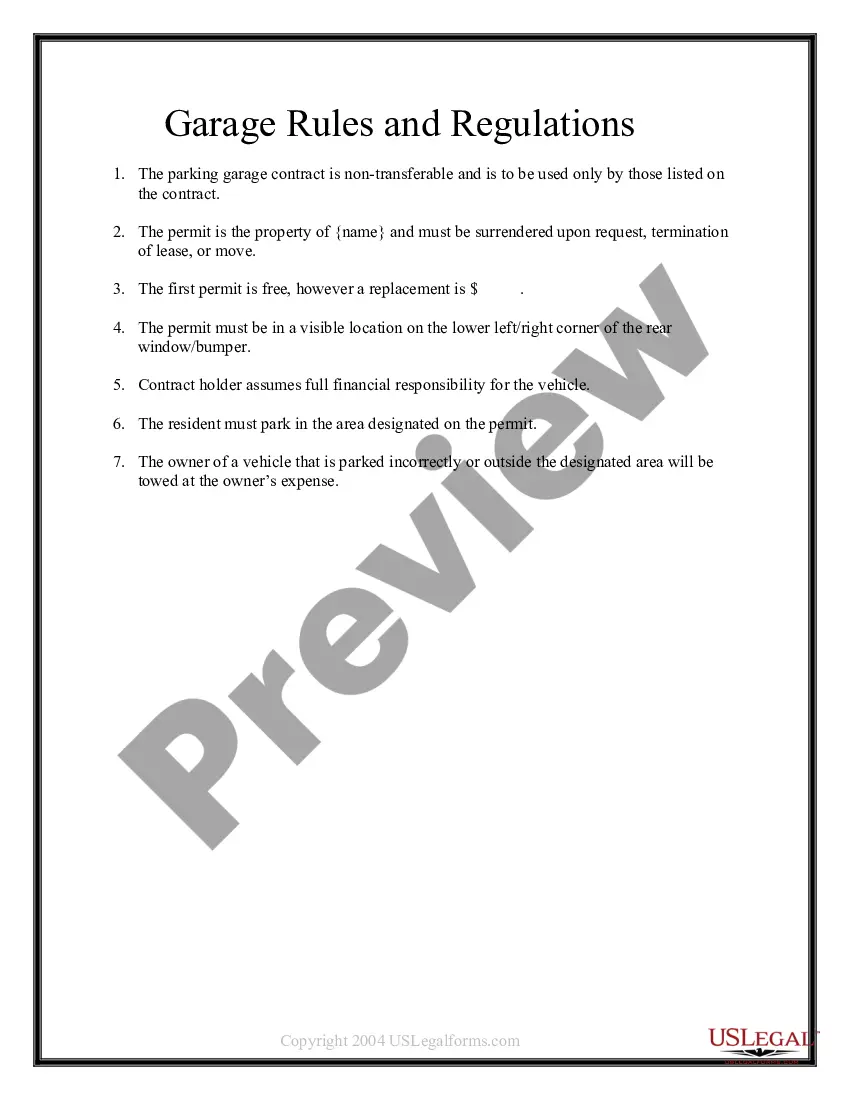
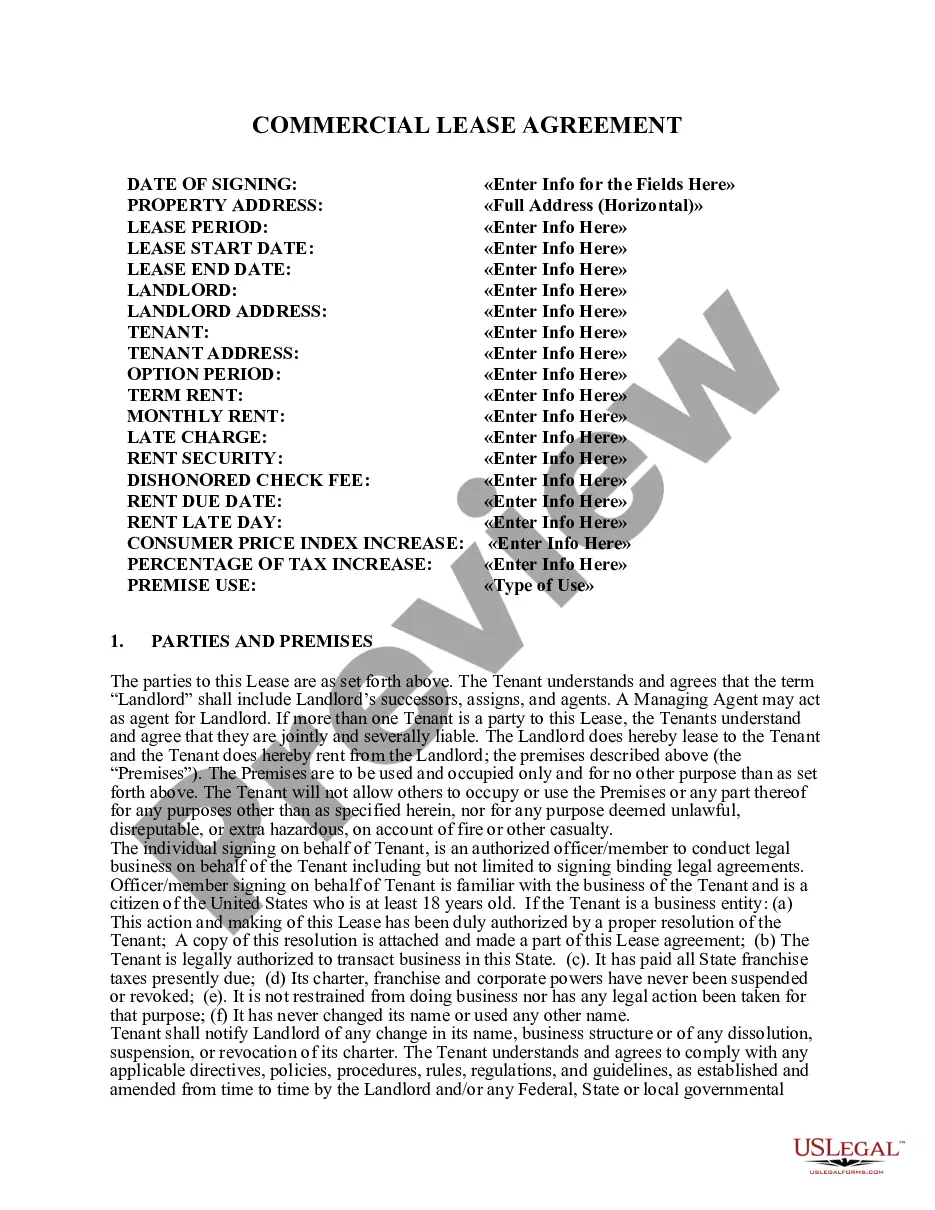
The Apartment Rules and Regulations form is a standard document used by landlords to outline the expectations and guidelines tenants must follow while residing in an apartment complex. This form complements the Apartment Lease Agreement and specifically focuses on everyday rules that ensure a safe, orderly, and pleasant living environment. The purpose is to provide clarity on responsibilities and to help maintain good relations among all tenants, distinguishing it from more general lease documents.
Form components explained
- Name of the apartment complex
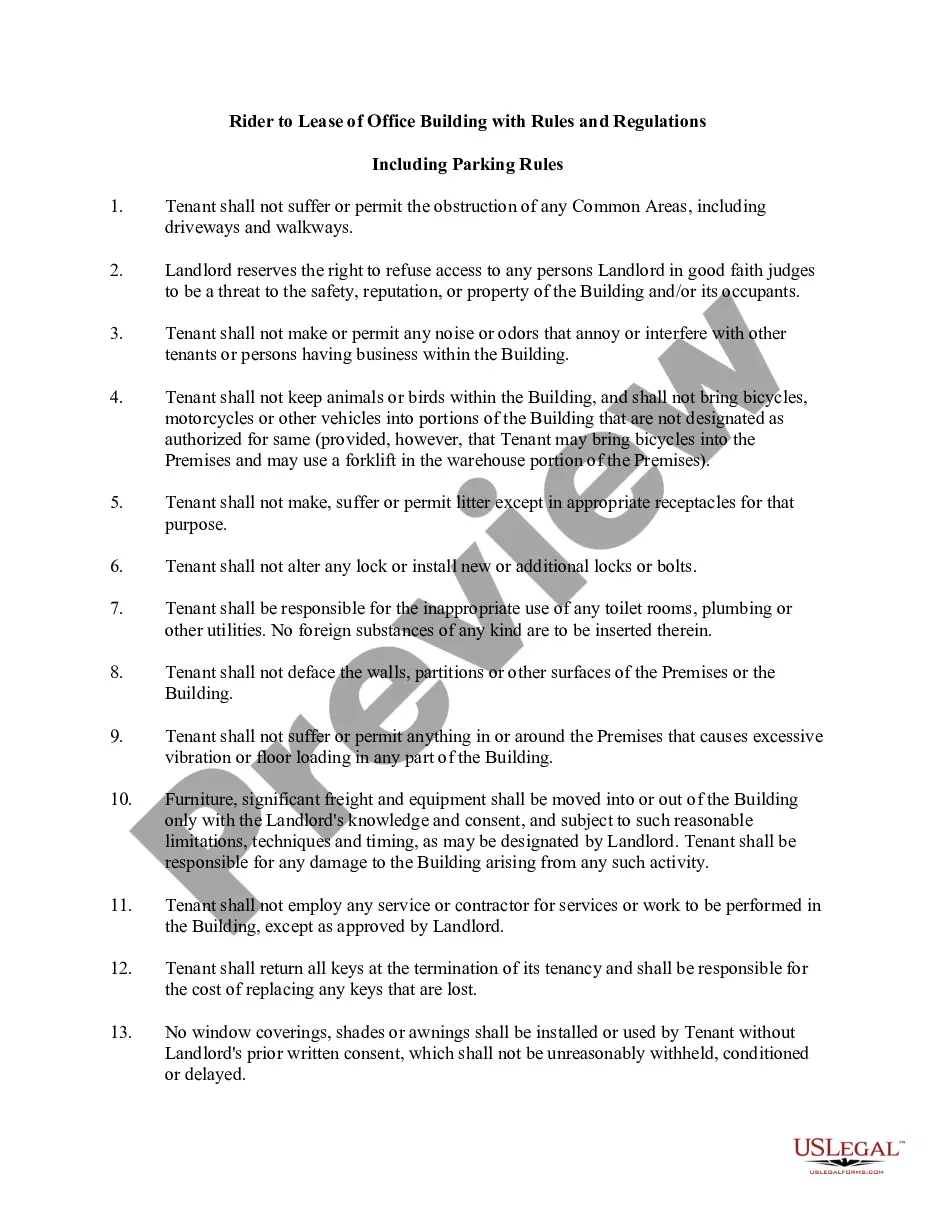
- Rules regarding noise levels and use of communal areas
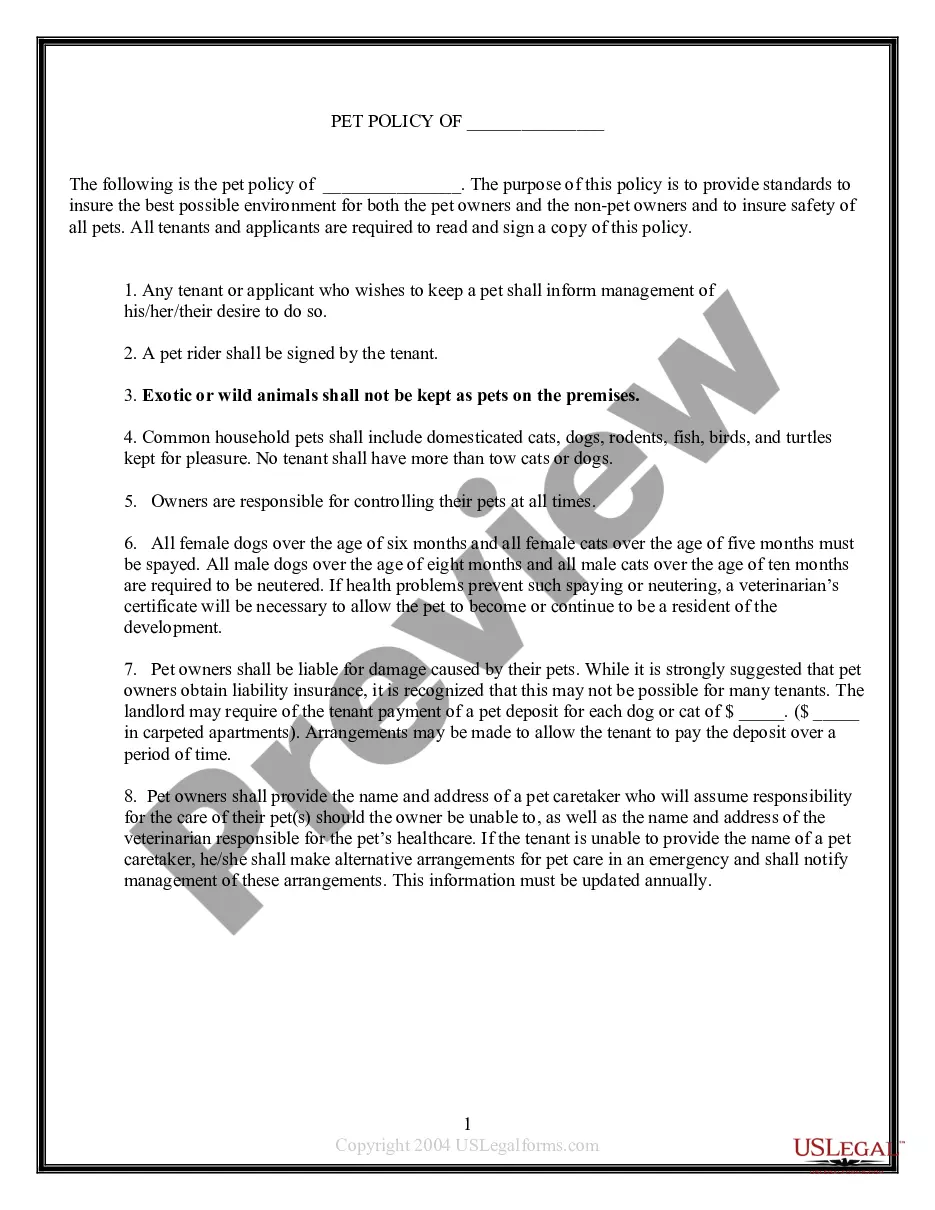
- Guidelines on pets and common property
- Provisions related to maintenance and tenant responsibilities
- Details on penalties for rule violations
- Signatures of tenants acknowledging the rules

When this form is needed
This form is used when entering into a rental agreement or lease to provide tenants with a clear set of rules and regulations for community living. It is important to issue this document to set expectations and prevent disputes regarding behavior and responsibilities within the property. This form can be particularly useful in multi-unit dwellings where shared spaces and common interests exist.
Who needs this form
- Landlords seeking to establish rules for their rental properties
- Property managers needing guidelines for tenant behavior
- Tenants who want to understand their rights and responsibilities within their apartment complex
Instructions for completing this form
- Enter the name of the apartment complex at the top of the form.
- Specify the list of rules and regulations as provided in the template.
- Have each tenant read and acknowledge the rules by signing and dating the form.
- Keep a copy of the signed form for landlord records and provide a copy to each tenant.
- Ensure all tenants are informed of any upcoming changes to the rules.
Notarization requirements for this form
In most cases, this form does not require notarization. However, some jurisdictions or signing circumstances might. US Legal Forms offers online notarization powered by Notarize, accessible 24/7 for a quick, remote process.
Get your form ready online
Our built-in tools help you complete, sign, share, and store your documents in one place.
Make edits, fill in missing information, and update formatting in US Legal Forms—just like you would in MS Word.
Download a copy, print it, send it by email, or mail it via USPS—whatever works best for your next step.
Sign and collect signatures with our SignNow integration. Send to multiple recipients, set reminders, and more. Go Premium to unlock E-Sign.
If this form requires notarization, complete it online through a secure video call—no need to meet a notary in person or wait for an appointment.
We protect your documents and personal data by following strict security and privacy standards.
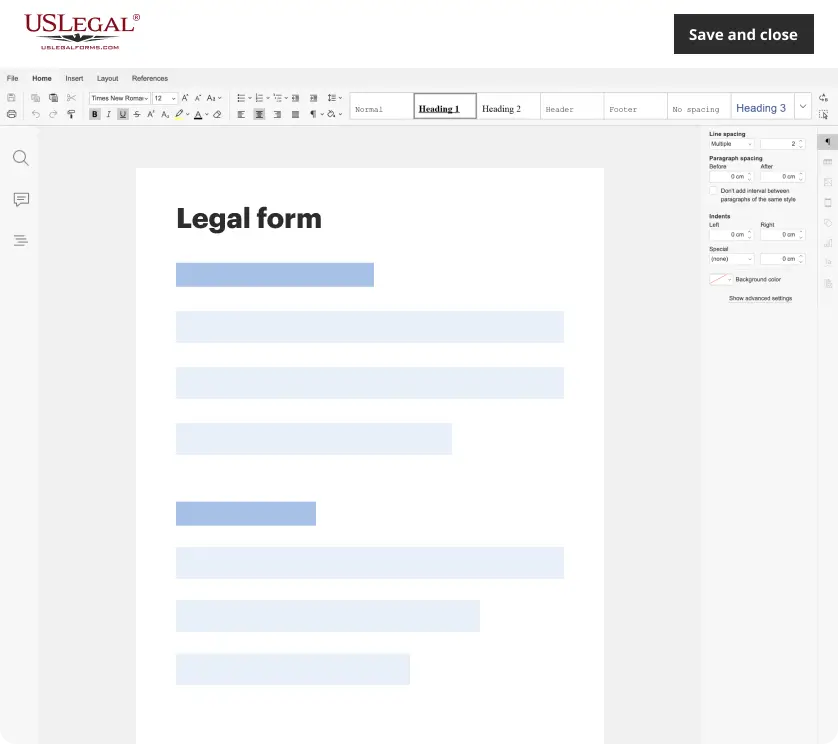
Make edits, fill in missing information, and update formatting in US Legal Forms—just like you would in MS Word.
Download a copy, print it, send it by email, or mail it via USPS—whatever works best for your next step.
Sign and collect signatures with our SignNow integration. Send to multiple recipients, set reminders, and more. Go Premium to unlock E-Sign.
If this form requires notarization, complete it online through a secure video call—no need to meet a notary in person or wait for an appointment.
We protect your documents and personal data by following strict security and privacy standards.
Avoid these common issues
- Failing to distribute copies of the signed rules to all tenants.
- Not including the full list of rules, leading to misunderstandings.
- Omitting tenant signatures, which may undermine the enforceability of the rules.
Advantages of online completion
- Convenient access to editable legal templates at any time.
- Ensures compliance with current legal standards through regularly updated forms.
- Reduces the risk of errors by providing clear guidance on completing the document.
Legal use & context
- The rules outlined in the form are enforceable as part of the lease agreement.
- Failure to follow the rules may result in penalties, including potential eviction in severe cases.
- Tenants are encouraged to review the rules regularly to ensure compliance throughout their tenancy.
Main things to remember
- The Apartment Rules and Regulations form helps maintain order in rental properties.
- Landlords should ensure all tenants understand and agree to the rules by signing the form.
- Regular updates and communication about the rules can prevent misunderstandings and conflict.
Looking for another form?
Form popularity
FAQ
As a tenant in a private rented property, your tenancy agreement (which should be co-signed by you and your landlord before you move in) provides you with a number of rights: The right to live in a property that's safe and in a good state of repair.The right to be protected from unfair rent and unfair eviction.
A landlord cannot evict a tenant without an adequately obtained eviction notice and sufficient time. A landlord cannot retaliate against a tenant for a complaint. A landlord cannot forego completing necessary repairs or force a tenant to do their own repairs.A landlord cannot remove a tenant's personal belongings.
In general, landlords and tenants both have the right to give notice to each other, cancelling any lease agreement between them. (See Rental Housing Act 1999.)The Consumer Protection Act (CPA) gives additional rights to the tenant by allowing them to cancel the lease provided 20 business days' notice is given.
Under Rhode Island law, the rental agreement between a tenant and a landlord is a contract. A landlord is permitted to attempt to increase a tenant's rent by any amount for any reason, as long as the increase was not done for an illegal reason, and as long as the increase was done by proper procedures.
A landlord cannot evict a tenant without an adequately obtained eviction notice and sufficient time. A landlord cannot retaliate against a tenant for a complaint. A landlord cannot forego completing necessary repairs or force a tenant to do their own repairs.A landlord cannot remove a tenant's personal belongings.
The right to collect rent. Simply by the fact that you are renting, your landlord has the right to collect rent and any prearranged late fees for overdue rent payments. The right to raise your rent according to your lease agreement.Your landlord has the right to evict you, especially if you do not pay your rent.
No. There is no law which stipulates tat tenant can claim the rigt of the property after 12 years, 2.
In most states, a landlord must give tenants notice at least 30 days before they'll enforce a rent increase. However, in other states like California, the notice can increase to 60 days' notice if the increase is more than 10% of the current rent rate.
In Rhode Island, your landlord can only require the first month's rent and a security deposit equal to 1-month's rent. (Demanding 'first, last and security deposit' is common, but illegal, in Rhode Island.)If the landlord had a real estate agent, or made you deal with an agency, you do NOT have to pay their fee.