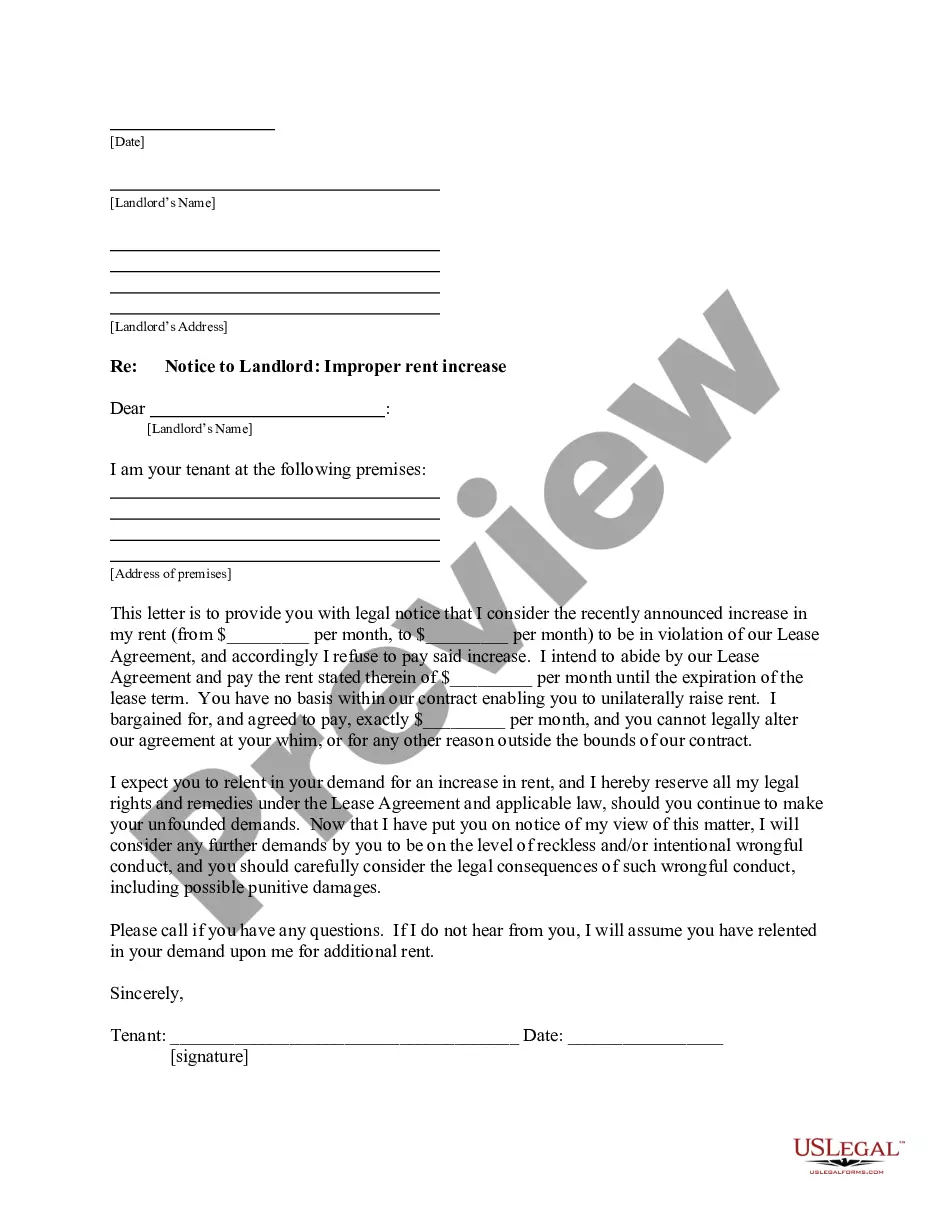
Pennsylvania Letter from Tenant to Landlord containing Notice to landlord to withdraw improper rent increase during lease
Overview of this form
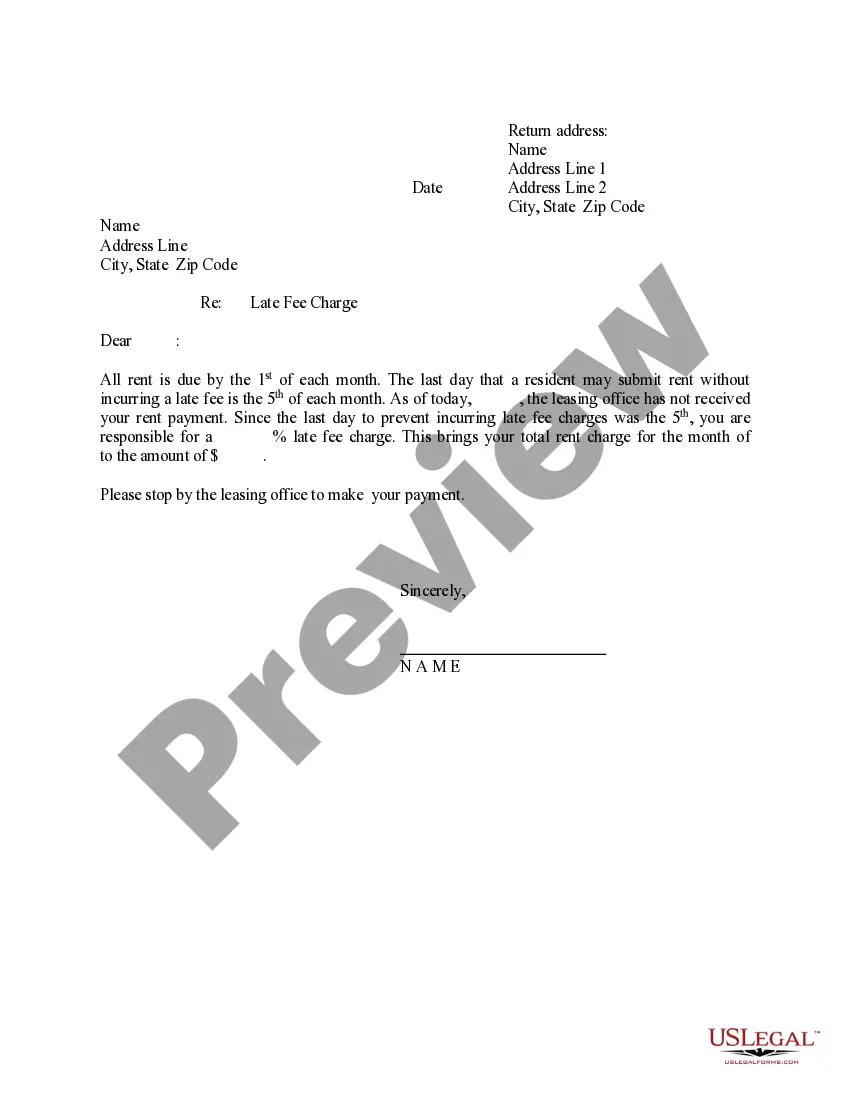
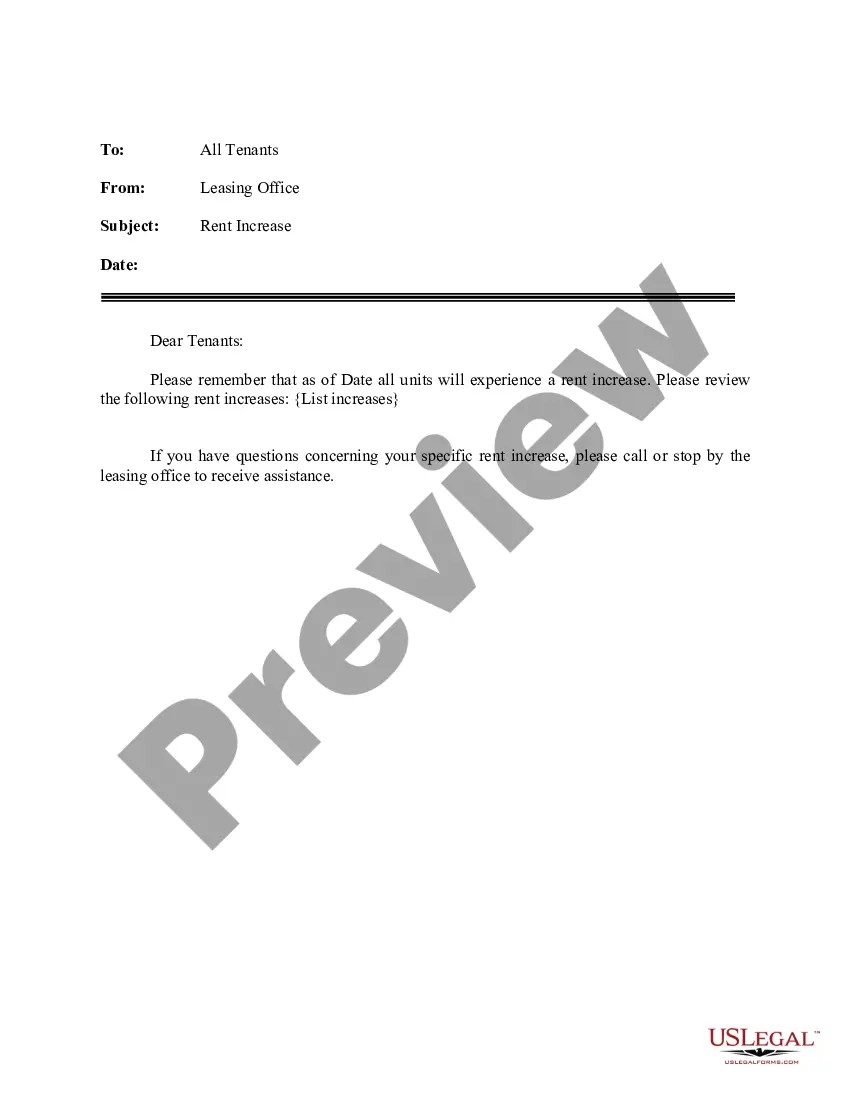
This form is a Letter from Tenant to Landlord containing Notice to withdraw an improper rent increase during a lease. It serves as formal communication from the tenant to the landlord, expressing concerns about an unfair rent increase after the lease term has expired. This letter not only articulates the tenant's position but also reserves legal rights under the lease agreement, distinguishing it from other notice forms that may not encompass such legal protections.
What’s included in this form
- Statement of intent to contest the rent increase.
- Reservation of rights under the lease agreement.
- Notification to the landlord regarding potential wrongful conduct.
- Instructions for the landlord to acknowledge the notice.
- Signature and date fields for validation.


When to use this form
This form should be used when a tenant receives notification of a rent increase that they believe is improper, especially after the lease term has expired. If a tenant wishes to formally contest the increase and protect their legal rights, this letter acts as a crucial step in the process. Itâs also appropriate if there is a need to document communications regarding the landlord's demands for clarity and potential legal action.
Who should use this form
- Tenants who have been notified of a rent increase during or after the lease period.
- Individuals who wish to formally communicate their objections to their landlord.
- Tenants seeking to protect their legal rights under a lease agreement.
- Persons requiring documentation of their stance on a rent increase for future reference.
Instructions for completing this form
- Identify the tenant and landlord by entering their names and addresses.
- Clearly state the reason for contesting the rent increase.
- Include a reservation of rights section to maintain legal protections.
- Provide the date and ensure the tenant signs the letter.
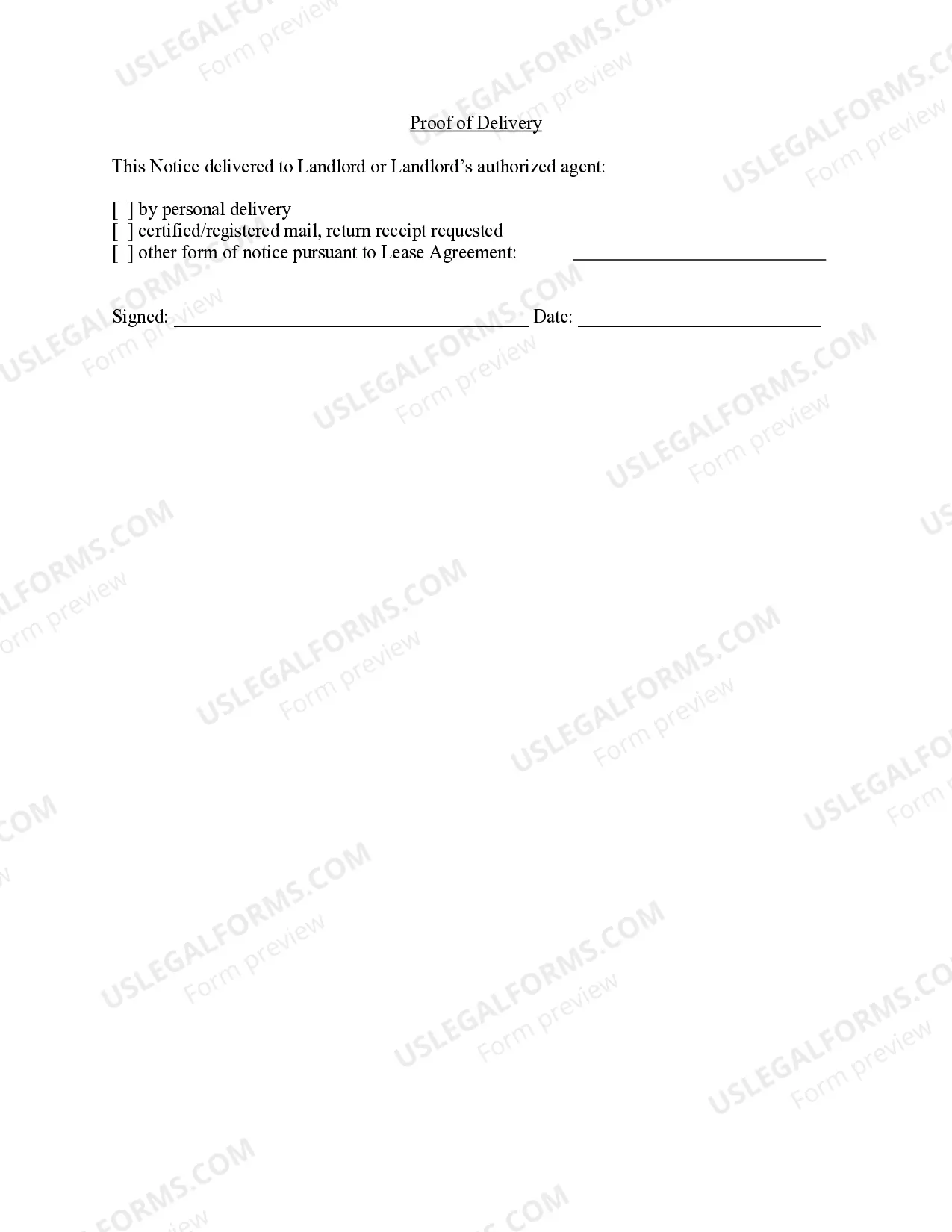
- Optionally, document the method of delivery to the landlord.
Does this document require notarization?
This form usually doesn’t need to be notarized. However, local laws or specific transactions may require it. Our online notarization service, powered by Notarize, lets you complete it remotely through a secure video session, available 24/7.
Get your form ready online
Our built-in tools help you complete, sign, share, and store your documents in one place.
Make edits, fill in missing information, and update formatting in US Legal Forms—just like you would in MS Word.
Download a copy, print it, send it by email, or mail it via USPS—whatever works best for your next step.
Sign and collect signatures with our SignNow integration. Send to multiple recipients, set reminders, and more. Go Premium to unlock E-Sign.
If this form requires notarization, complete it online through a secure video call—no need to meet a notary in person or wait for an appointment.
We protect your documents and personal data by following strict security and privacy standards.
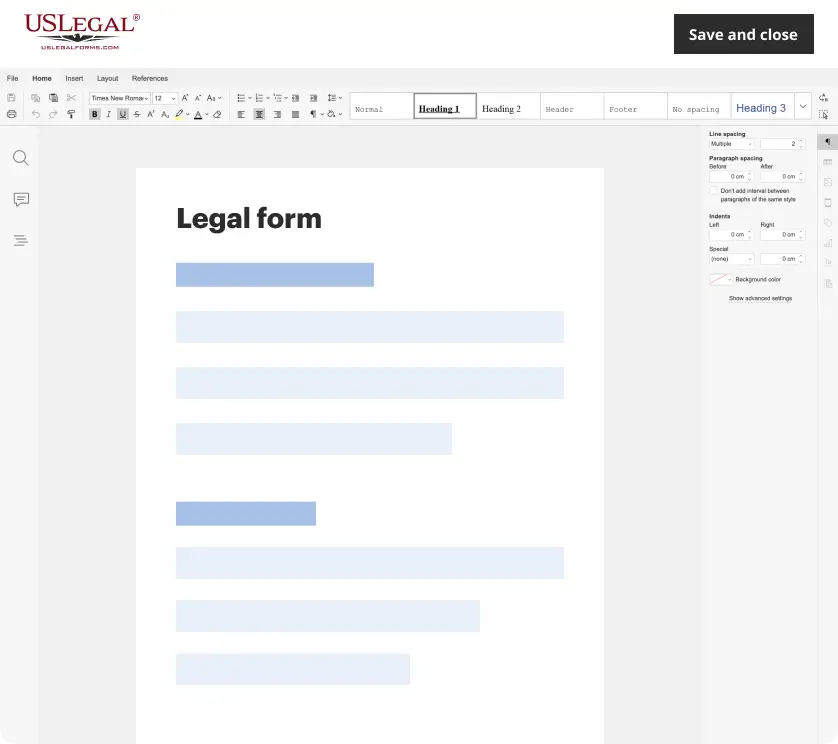
Make edits, fill in missing information, and update formatting in US Legal Forms—just like you would in MS Word.
Download a copy, print it, send it by email, or mail it via USPS—whatever works best for your next step.
Sign and collect signatures with our SignNow integration. Send to multiple recipients, set reminders, and more. Go Premium to unlock E-Sign.
If this form requires notarization, complete it online through a secure video call—no need to meet a notary in person or wait for an appointment.
We protect your documents and personal data by following strict security and privacy standards.
Avoid these common issues
- Failing to sign or date the letter.
- Not clearly stating the reason for contesting the rent increase.
- Providing insufficient identification of the parties involved.
- Missing the delivery confirmation, which could affect validity.
Advantages of online completion
- Immediate access to a professionally drafted template.
- Convenient download and customization options.
- Secured storage of completed forms for future reference.
- Time-saving compared to consulting a lawyer for standard forms.
Main things to remember
- This form allows tenants to formally contest improper rent increases.
- Clear communication and documentation are vital in landlord-tenant relationships.
- Understanding your rights as a tenant is essential in these situations.
Looking for another form?

Form popularity
FAQ
You can send your letter by email if your tenancy agreement says you can. You should say something like: I am giving 1 month's notice to end my tenancy, as required by law. I will be leaving the property on (date xxxxx).
Write your name, job title and date. State that the document is a letter of resignation. Include your last day of employment. Show your appreciation for the position. Explain any open projects or next steps. Print and sign the document.
Remember you're a business. Do your research. Raise the rent all at once or incrementally. Don't negotiate or ask tenants what they think a fair rent increase would be. Be courteous and firm. Find a template you like. Send a formal letter by certified mail. Give the tenant notice.
Respectfully state that you are making a complaint. Explain the reason behind you making the complaint, making sure to put in the various reasons why you are making the complaint. Relate to the reader what you wish to be done about your complaint. End on a positive tone.
Dear (Name of landlord or manager), This letter constitutes my written (number of days' notice that you need to give based on your lease agreement)-day notice that I will be moving out of my apartment on (date), the end of my current lease. I am leaving because (new job, rent increase, etc.)
In most states, a landlord must give tenants notice at least 30 days before they'll enforce a rent increase. However, in other states like California, the notice can increase to 60 days' notice if the increase is more than 10% of the current rent rate.
When writing to your landlord, be specific in describing the problems you are having. Do not exaggerate or under-emphasize the extent of the problem. The landlord may show this letter to a judge if your problem is ever litigated.
Tenant's name. Property address. Landlord name and contact information. Date the letter is written. Date the rent increase will take effect. Amount of rent increase. Current cost of rent.
There are no rent control laws that limit how much a landlord can raise your rent.There is no rent control or rent stabilization law in Pennsylvania.