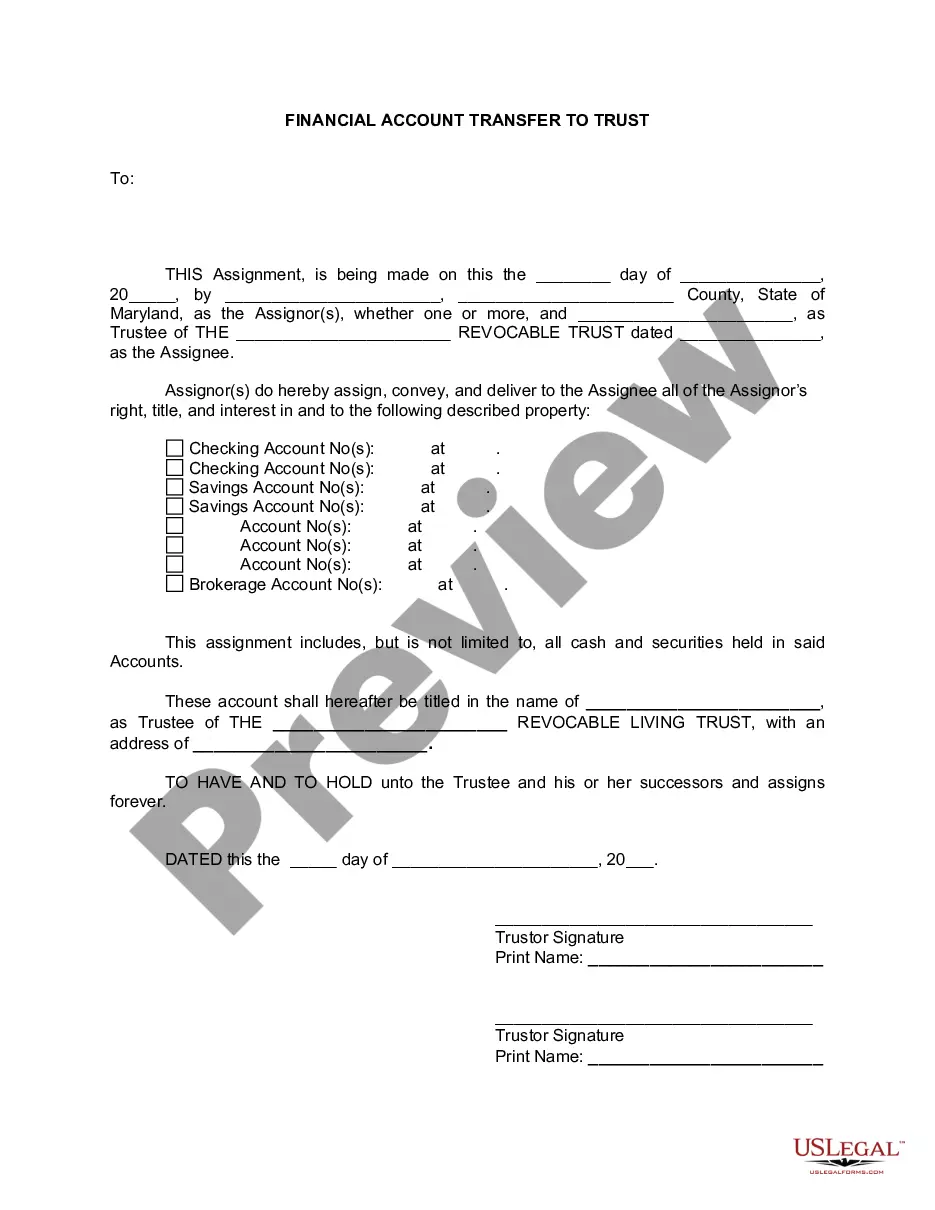
Pennsylvania Letter from Tenant to Landlord for Failure of Landlord to return all prepaid and unearned rent and security recoverable by Tenant
Overview of this form
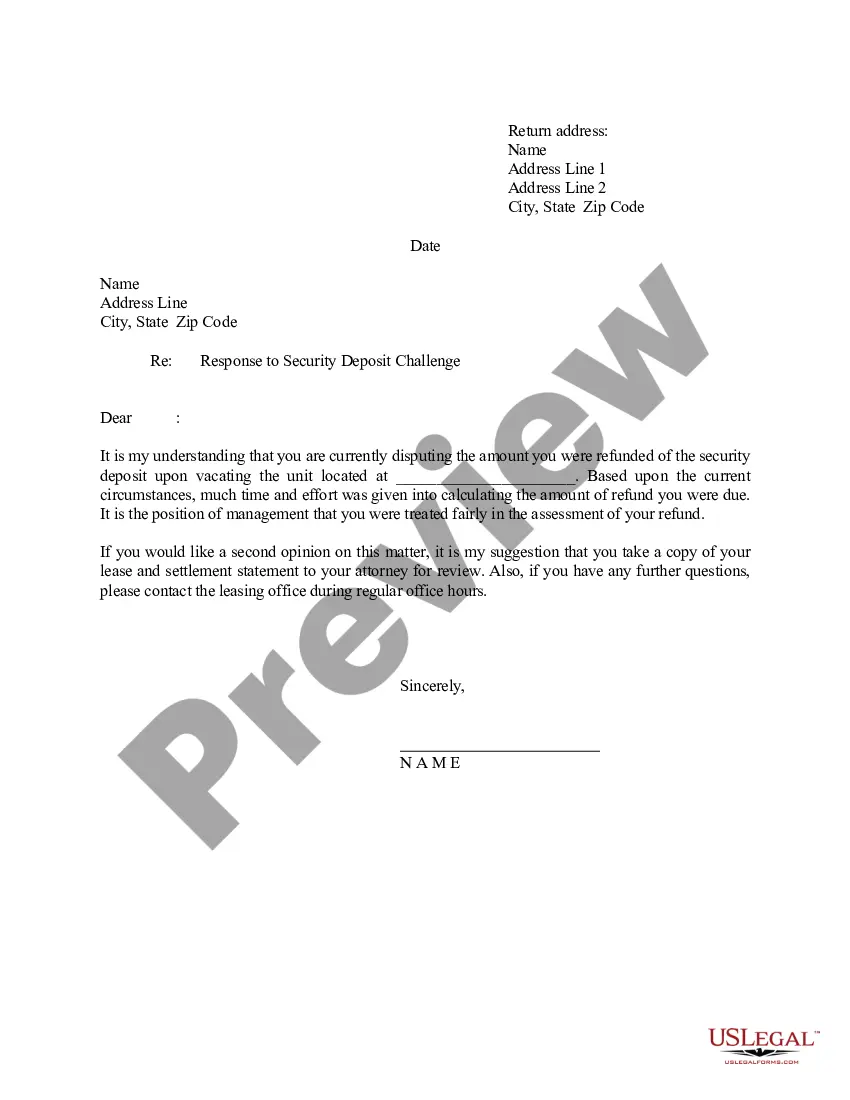
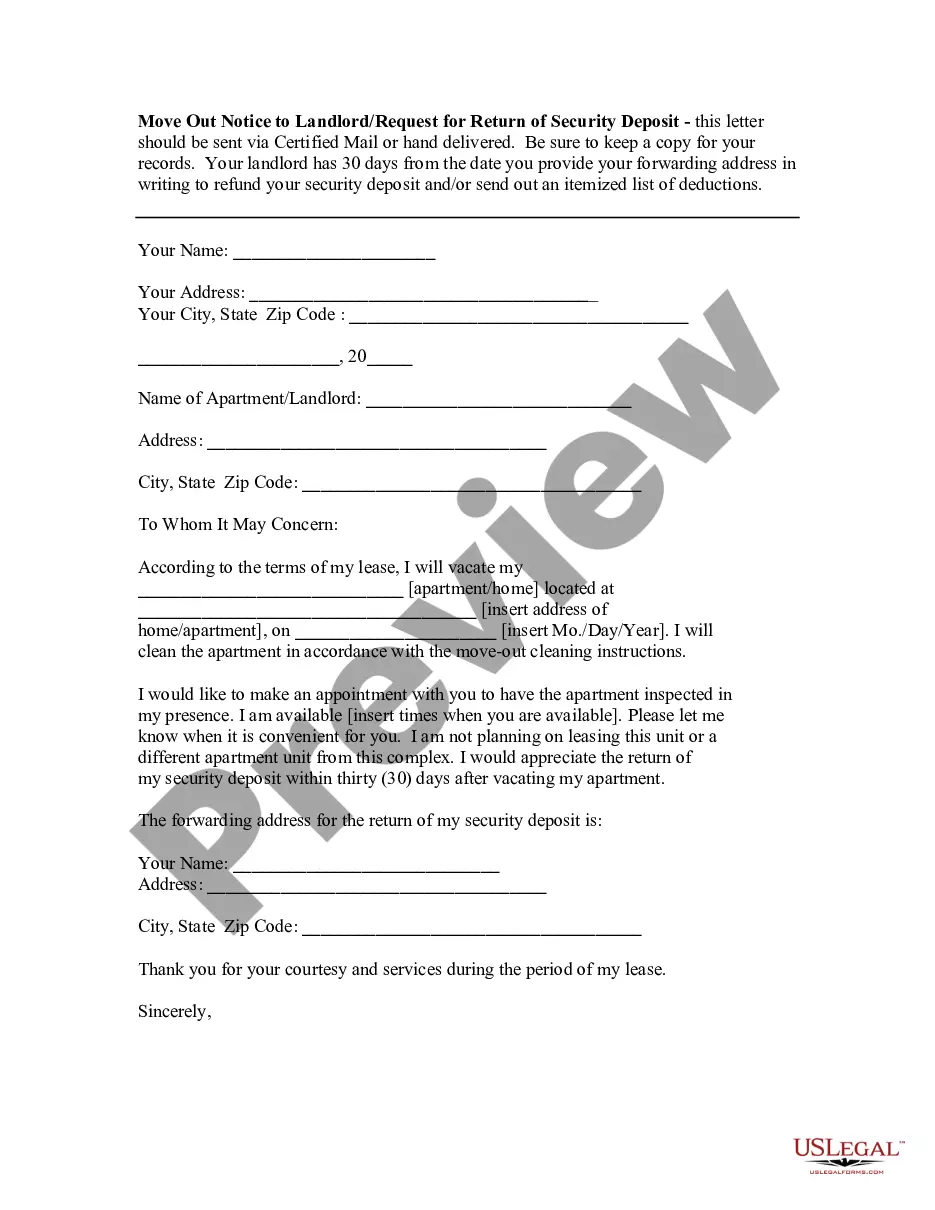
This letter from tenant to landlord addresses the landlord's failure to return all prepaid and unearned rent and security deposits. It serves as a formal notification to the landlord regarding their legal obligations under landlord-tenant law, especially when the tenant's departure was due to a breach of the lease agreement or wrongful conduct by the landlord. This form differs from general notices and eviction letters by specifically focusing on unearned rent recovery, offering clarity and precision in communicating the tenant's demands.
Key parts of this document
- Details of the tenant's departure circumstances.
- Statement of the landlord's failure to return the prepaid rent and security.
- Warning of potential legal action, including punitive damages if the matter is not resolved.
- Areas for tenant signature and date for documentation purposes.
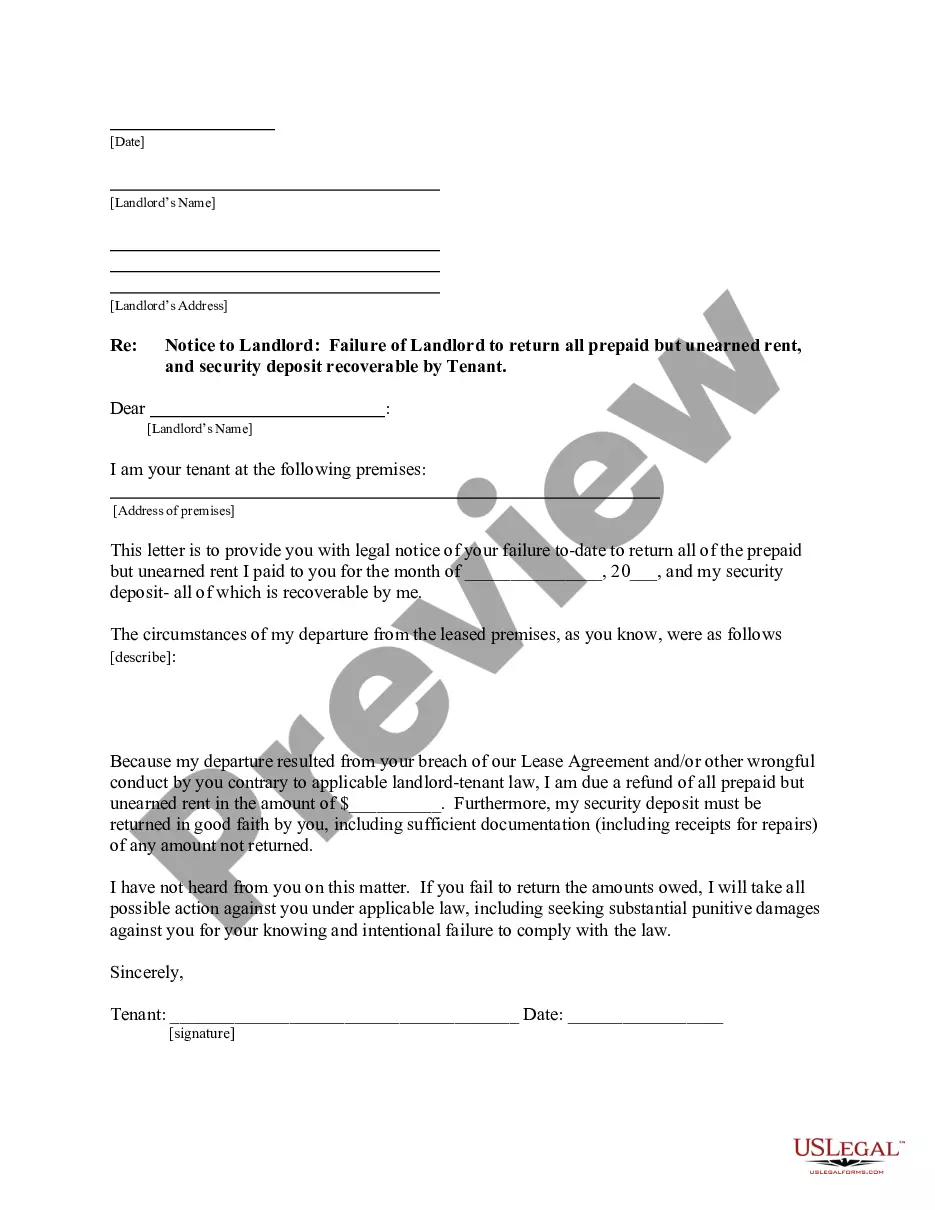
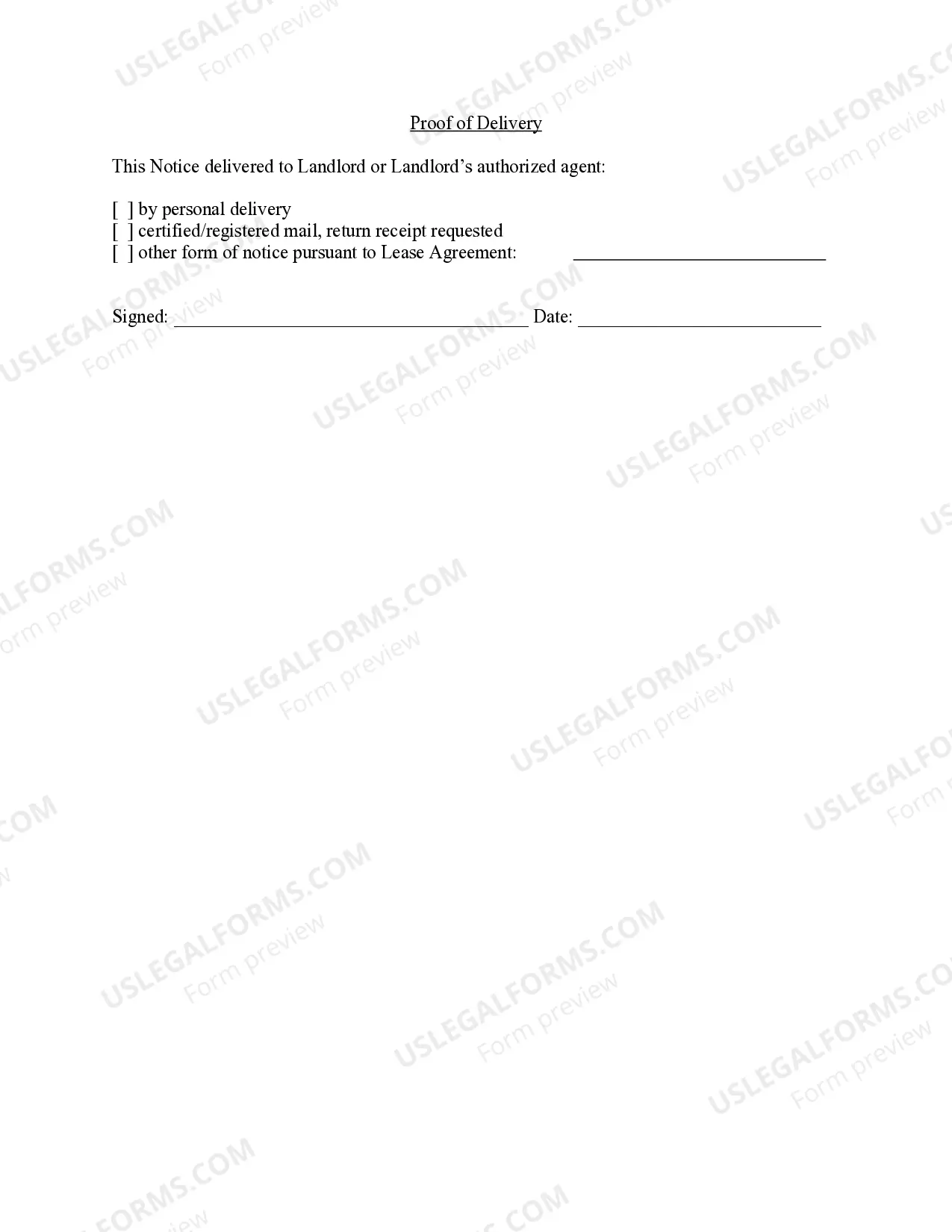
- Proof of delivery options indicating how the notice was delivered to the landlord.


Common use cases
This form should be used when a tenant has vacated a rental property and the landlord has failed to return any prepaid rent or security deposits. It is applicable in situations where the tenant believes that their departure was justified due to a breach of the lease agreement or violation of landlord-tenant laws. Using this letter provides legal notice and urges the landlord to comply with their obligations.
Who this form is for
This form is intended for tenants who:
- Have prepaid rent or security that has not been refunded by their landlord.
- Have vacated their rental property due to landlord breaches or violations.
- Wish to formally notify the landlord of their failure to return funds owed.
Completing this form step by step
- Specify the circumstances regarding your departure from the rental property.
- Clearly state the amounts owed for prepaid rent and security deposits that you expect to be returned.
- Include a deadline for the landlord to respond or make the payment.
- Sign and date the letter to validate your request.
- Deliver the notice either in person or via certified mail, ensuring you have proof of delivery.
Does this document require notarization?
This form usually doesn’t need to be notarized. However, local laws or specific transactions may require it. Our online notarization service, powered by Notarize, lets you complete it remotely through a secure video session, available 24/7.
Get your form ready online
Our built-in tools help you complete, sign, share, and store your documents in one place.
Make edits, fill in missing information, and update formatting in US Legal Forms—just like you would in MS Word.
Download a copy, print it, send it by email, or mail it via USPS—whatever works best for your next step.
Sign and collect signatures with our SignNow integration. Send to multiple recipients, set reminders, and more. Go Premium to unlock E-Sign.
If this form requires notarization, complete it online through a secure video call—no need to meet a notary in person or wait for an appointment.
We protect your documents and personal data by following strict security and privacy standards.
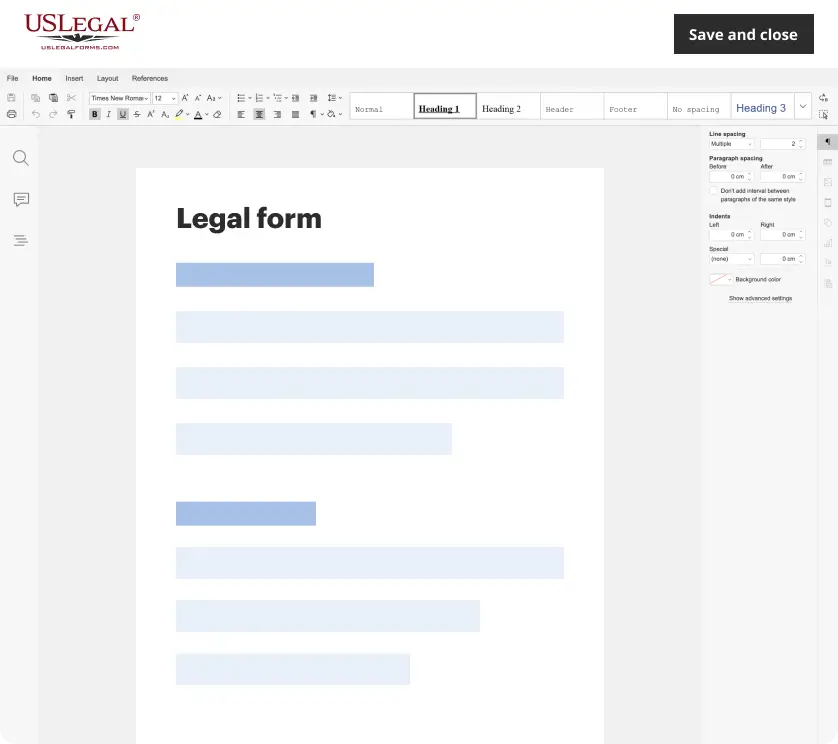
Make edits, fill in missing information, and update formatting in US Legal Forms—just like you would in MS Word.
Download a copy, print it, send it by email, or mail it via USPS—whatever works best for your next step.
Sign and collect signatures with our SignNow integration. Send to multiple recipients, set reminders, and more. Go Premium to unlock E-Sign.

If this form requires notarization, complete it online through a secure video call—no need to meet a notary in person or wait for an appointment.
We protect your documents and personal data by following strict security and privacy standards.
Avoid these common issues
- Failing to provide specific details about the circumstances of departure.
- Not including the total amount owed for prepaid rent and security.
- Neglecting to keep a copy of the delivered notice for personal records.
- Overlooking state-specific laws that may affect the content of the letter.
Benefits of using this form online
- Easy download and immediate access to a professionally drafted legal form.
- Edit the text to reflect specific details of your situation without needing legal assistance.
- Ensures compliance with state-specific legal standards and requirements.
- Time-saving convenience, allowing for prompt delivery to your landlord.
Looking for another form?
Form popularity
FAQ
For assistance filing a housing discrimination complaint, call toll-free, PA FAIR HOUSING HOTLINE, 855-866-5718. The form at the link below is used to file complaints of illegal discrimination in housing & commercial property.
The landlord verification form is a document used by a landlord when verifying the previous rental information of an applicant for tenancy. The requesting landlord must send the form to the applicant's current or past landlord in order to obtain all details related to the tenancy of the individual.
Pennsylvania law places a limit on the amount of a security deposit that a landlord may require.The landlord does not have to pay interest to the tenant during the first two years of the lease. A landlord may put up a bond instead of depositing security deposits in an escrow account.
The landlord can deduct for damages to the premises. The landlord can also withhold the security deposit for unpaid rent and/or breach of the rental agreement. How Long for Return of Security Deposit? The landlord must return the security deposit within 30 days of the tenant moving out.
30 Days- The landlord must still return the security deposit within 30 days of tenant move-out. If a landlord does not return the tenant's security deposit within the 30 day window, the landlord may be liable to pay the tenant double the amount of the deposit they are owed.
If a landlord does not return the entire amount of the tenant's security deposit within the 21 days required by law, and the tenant disputes the deductions from the deposit: The tenant can write a letter to the landlord explaining why he or she believes he or she is entitled to a larger refund.
You should usually get your deposit back within 10 days of agreeing on the amount with your landlord. It can take a lot longer if you and your landlord disagree on the amount that's being taken off.
If your deposit didn't need to be protected and your landlord refuses to give it back, you might have to take them to court. Going to court can be expensive and stressful. You'll have to pay court costs upfront but you might get them back if you win your case.