Oklahoma Amendment of Lease Package
Understanding this form package
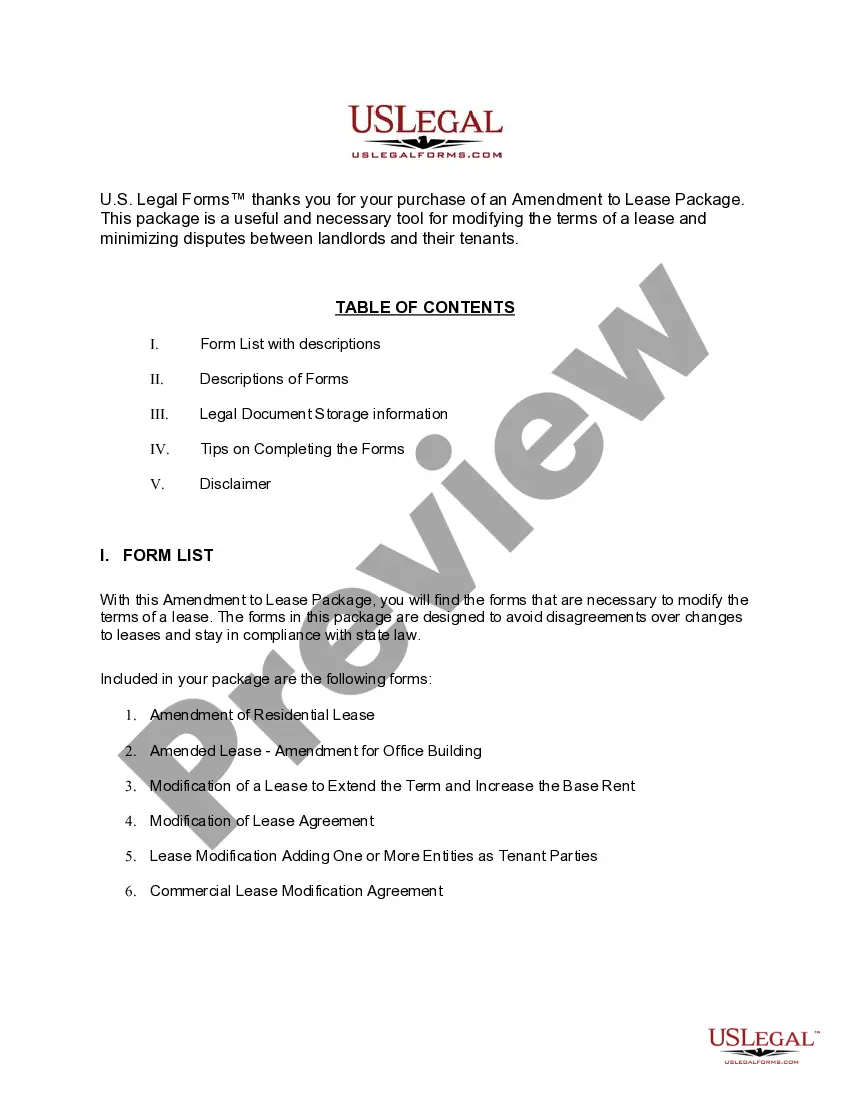
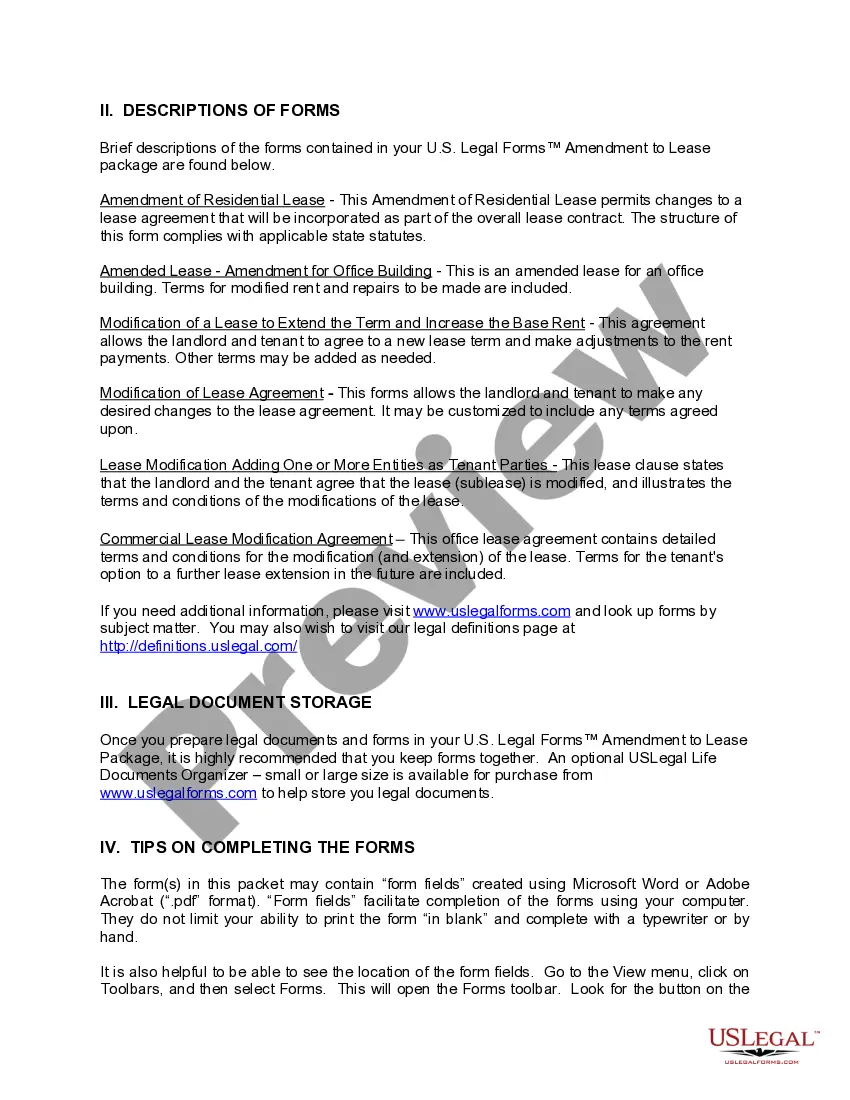
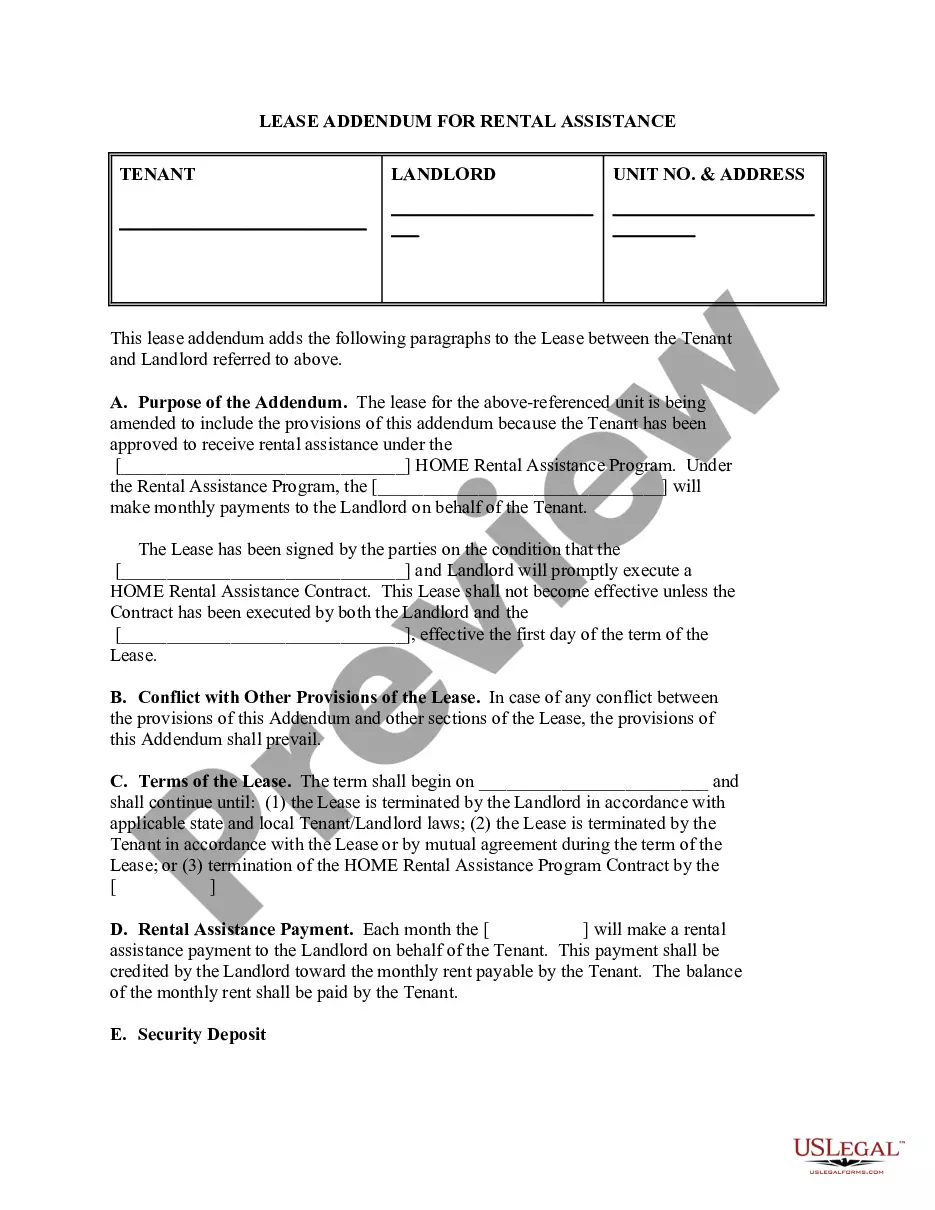
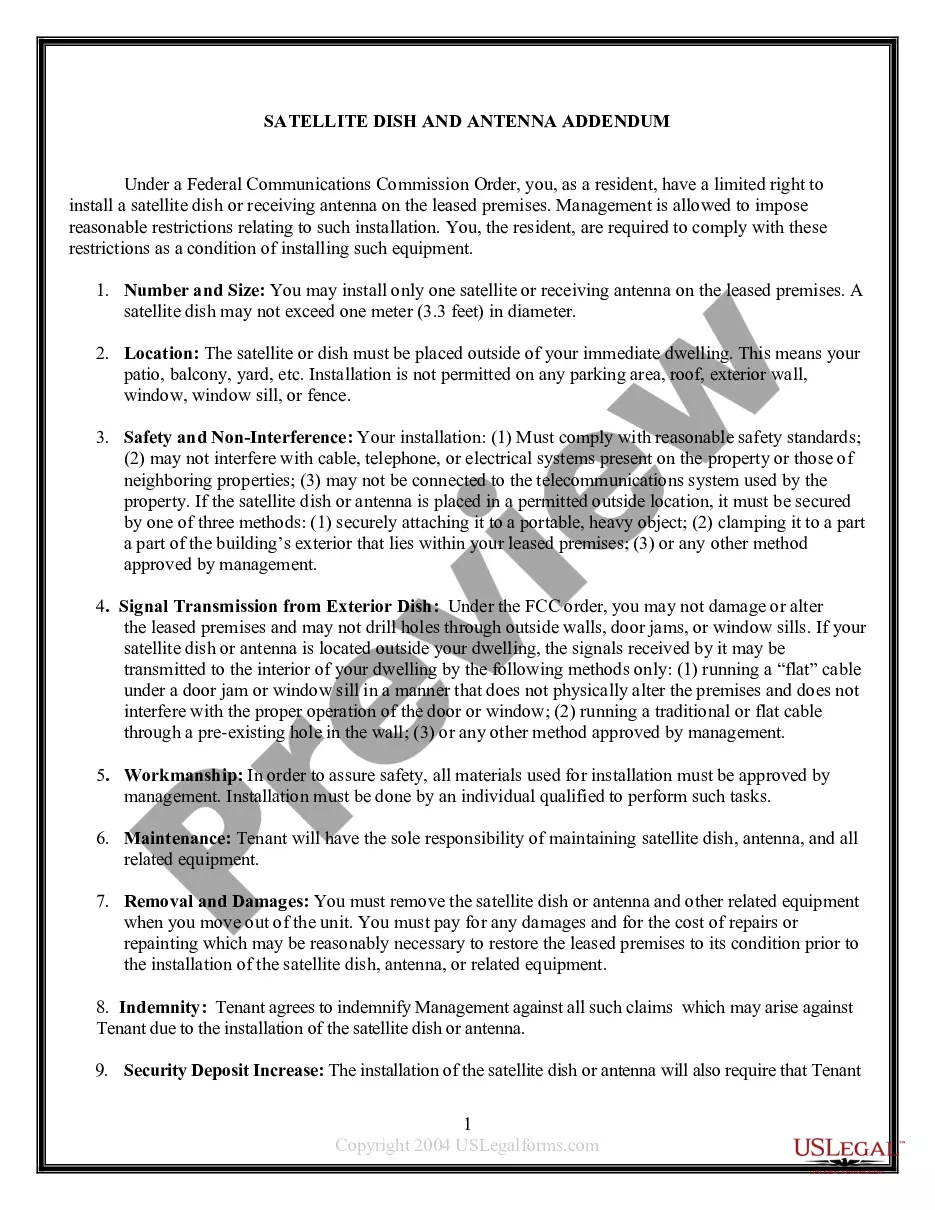
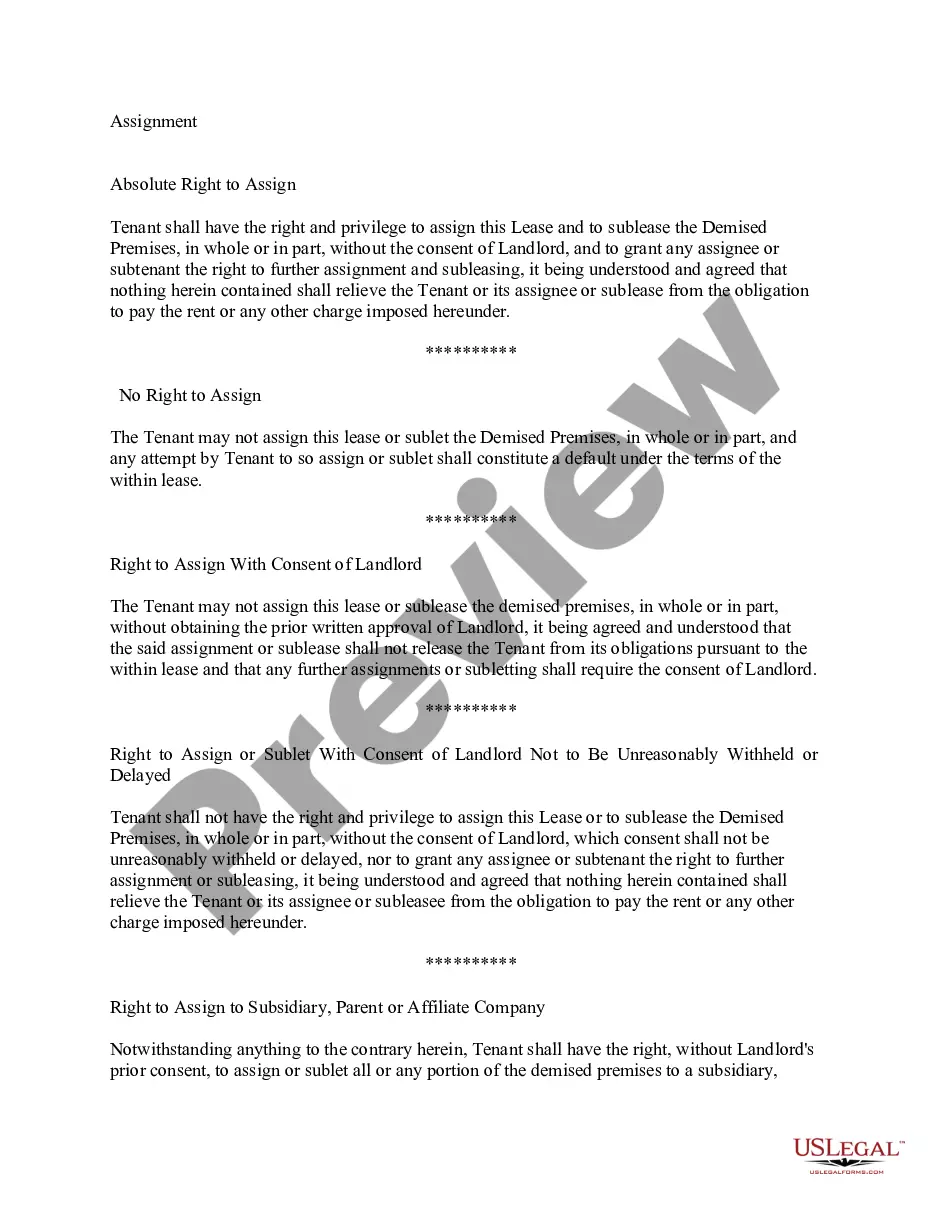
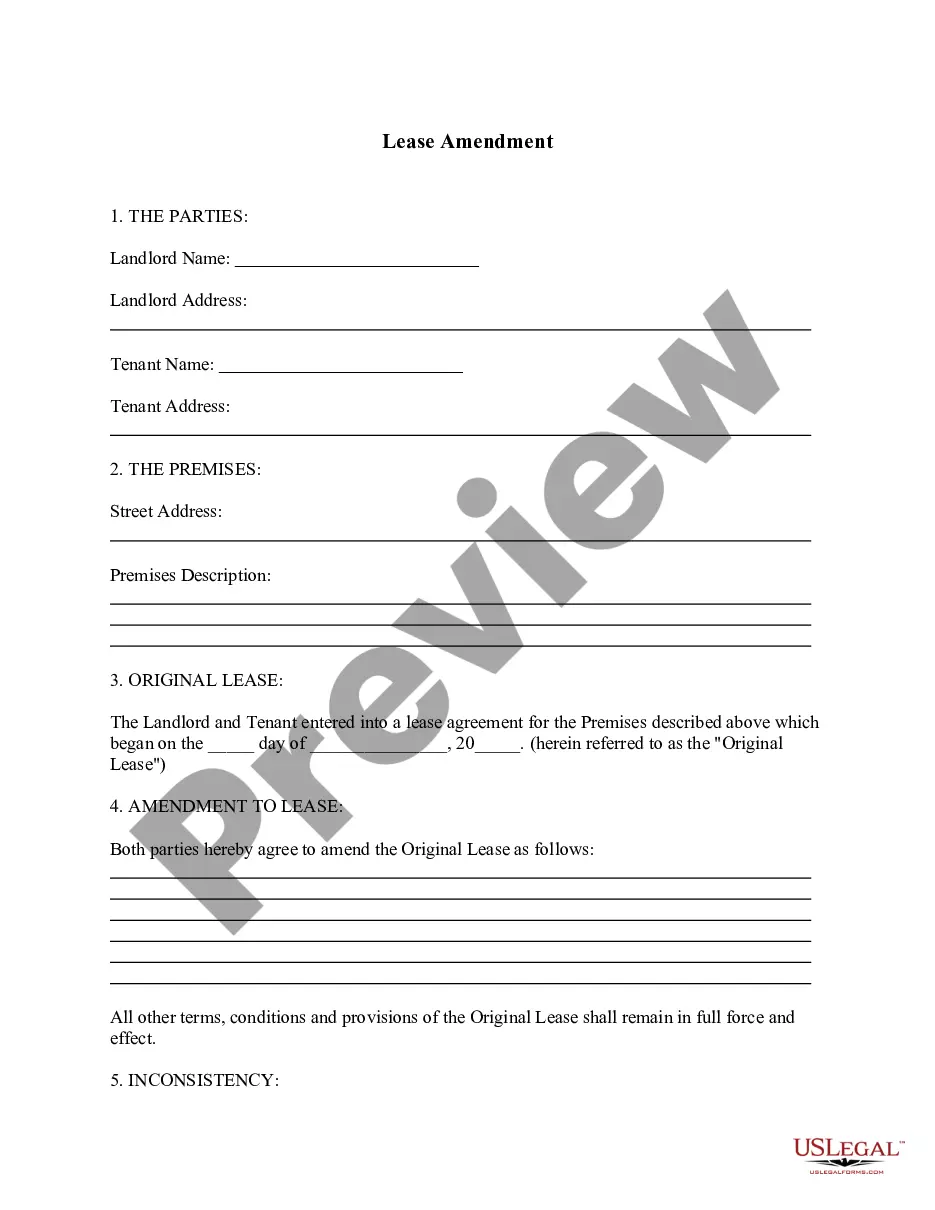
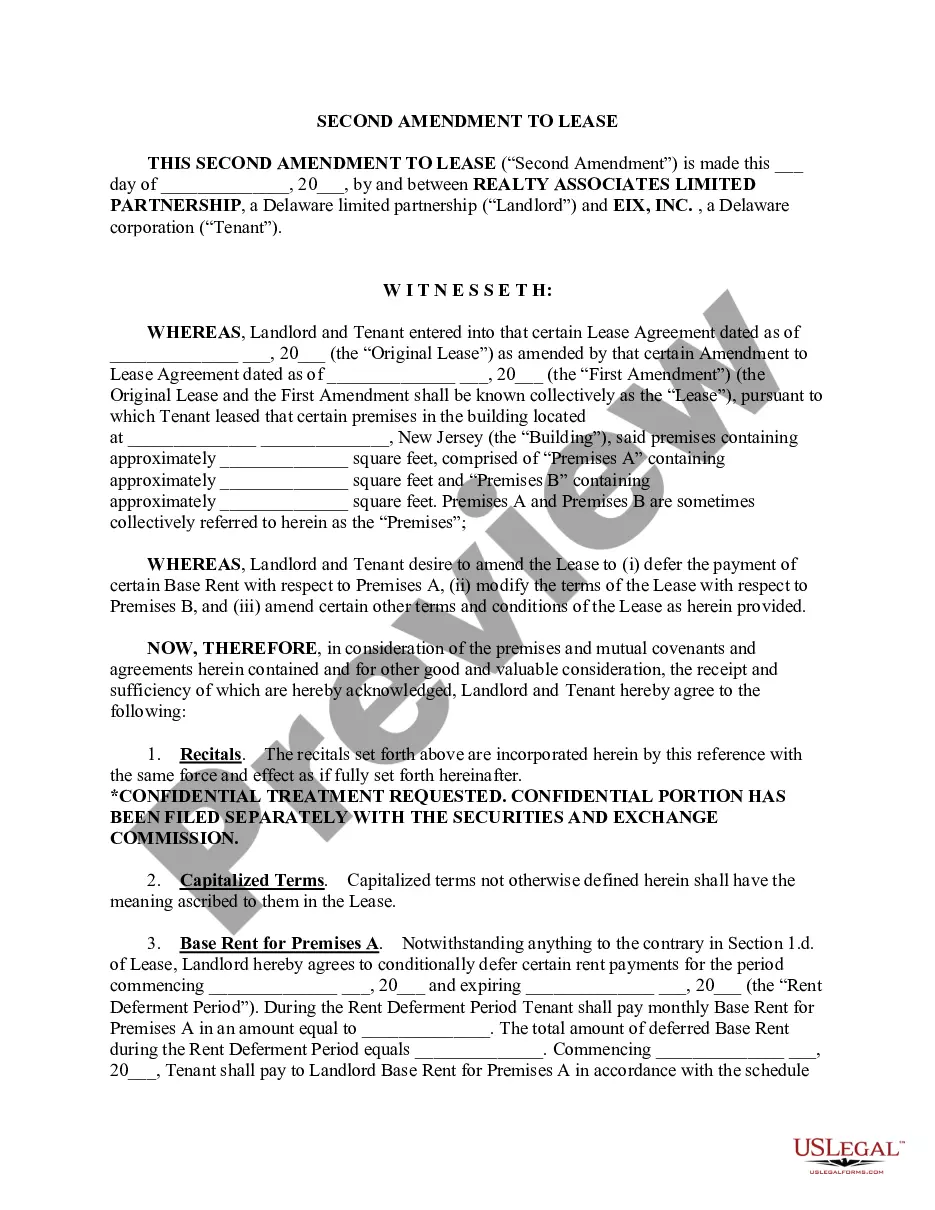
The Oklahoma Amendment of Lease Package contains essential forms used to modify existing lease agreements. This package is designed to help landlords and tenants adjust lease terms without disputes while ensuring compliance with Oklahoma state law. The included forms address various scenarios, making it easier for users to navigate lease amendments compared to similar packages.
Forms provided in this package
Situations where these forms applies
This package is useful in situations such as:
- When a landlord and tenant agree to modify the rent amount.
- When needing to extend the duration of the lease agreement.
- When tenants require short-term rent deferral due to financial hardship.
- When making general amendments to rental terms before lease expiration.
Who needs this form package
- Landlords looking to update lease agreements with tenants.
- Tenants who need to request changes to their lease terms.
- Property managers involved in managing residential rental properties.
- Legal representatives assisting clients with lease modifications.
Instructions for completing these forms
- Review the included forms to understand their purpose and requirements.
- Identify all parties involved in the lease agreement.
- Enter specific details, such as new rental terms and effective dates.
- Ensure all necessary signatures are obtained for validity.
- Distribute copies of the amended lease to all parties for their records.
Do documents in this package require notarization?
Most forms in this package do not require notarization. However, local laws or specific situations may demand it. Our online notarization service, powered by Notarize, lets you complete the process through a verified video call, available anytime.
Get your form ready online
Our built-in tools help you complete, sign, share, and store your documents in one place.
Make edits, fill in missing information, and update formatting in US Legal Forms—just like you would in MS Word.
Download a copy, print it, send it by email, or mail it via USPS—whatever works best for your next step.
Sign and collect signatures with our SignNow integration. Send to multiple recipients, set reminders, and more. Go Premium to unlock E-Sign.
If this form requires notarization, complete it online through a secure video call—no need to meet a notary in person or wait for an appointment.
We protect your documents and personal data by following strict security and privacy standards.

Make edits, fill in missing information, and update formatting in US Legal Forms—just like you would in MS Word.

Download a copy, print it, send it by email, or mail it via USPS—whatever works best for your next step.

Sign and collect signatures with our SignNow integration. Send to multiple recipients, set reminders, and more. Go Premium to unlock E-Sign.

If this form requires notarization, complete it online through a secure video call—no need to meet a notary in person or wait for an appointment.

We protect your documents and personal data by following strict security and privacy standards.
Common mistakes to avoid
- Not obtaining signatures from all parties involved in the lease modification.
- Failing to include the effective date of the amendment.
- Leaving out important terms that have been agreed upon in the lease change.
- Using outdated forms that do not comply with current Oklahoma laws.
Benefits of completing this package online
- Convenience of downloading forms immediately and completing them at your own pace.
- Editability allows users to personalize documents easily using a computer.
- Reliable forms developed by licensed attorneys, ensuring compliance with legal standards.
- Access to forms anytime, anywhere, without the need for in-person legal consultations.
Quick recap
- This form package provides tools for modifying lease agreements in Oklahoma.
- It helps avoid disputes by clarifying new terms agreed upon by all parties.
- Users should ensure compliance with local leasing laws and obtain all necessary signatures.
- Convenient online access allows for quick and easy customization of lease documents.
Looking for another form?


Form popularity
FAQ
The unauthorized departure of a roommate gives the landlord the option of ending the tenancy altogethereven if the remaining cotenants can still pay the rent. That's because even one roommate's leaving early violates the lease: All cotenants named in the lease agreed to stay in the rental for a certain amount of time.
If you are a leaseholder, you cannot change the lease terms without agreeing such change with your landlord. The reason for this is that as the lease is a contract between two parties, the leaseholder and the landlord, both parties must agree to change (referred to also as variation) of the terms of the lease.
A lease and addendum are esentially the same thing, 'the lease'. The addendum is part of the lease, it does not stand on it's own. If the lease and addendum say different things, but one does not supercede the other, it's ambigious, and the least restrictive clause stands.
What happens if a leased property is sold to another owner during the lease term?The lease will continue to apply to the subsequent owner if so stated in the lease. Or the lease may require that upon transfer, the lease terminates and the existing owner compensates the tenant per the terms in the lease.
During the lease period, no landlord old or new may terminate the lease, raise the rent or change any terms without the tenant's consent, unless otherwise specified in the lease. At the end of the lease term, however, the landlord may raise rent and change lease terms dependent upon state and local laws.
Lease Provisions If the property is sold with nine months remaining on a one-year lease, the tenant has the right to occupy the unit for the remaining nine months. He or she is still responsible for paying rent and carrying out the terms of the original lease, although rents will generally be paid to the new owner.
Answer. Under a typical lease assignment, you transfer all of your space to someone else for the entire remaining term of the lease, and the new tenant pays rent directly to the landlord.The one you're after is a Consent to Assignment of Lease. This Consent need not contain any pseudo-legalese.
Tenants have no obligation to sign addenda presented to them after signing the original lease. Let's say the lease was signed in March, but the landlord creates an addendum in June.After the term expires, the landlord can require tenants to sign any addenda before a rental agreement is valid.
A contract addendum cannot be legally enforced unless both parties fully understand the new terms and agree to them in writing. All parties who signed the original contract must also sign the addendum; if one or more parties are unavailable, they can appoint agents who have the authority to sign on their behalf.