Oklahoma Letter from Landlord to Tenant as Notice of Default on Commercial Lease
What this document covers
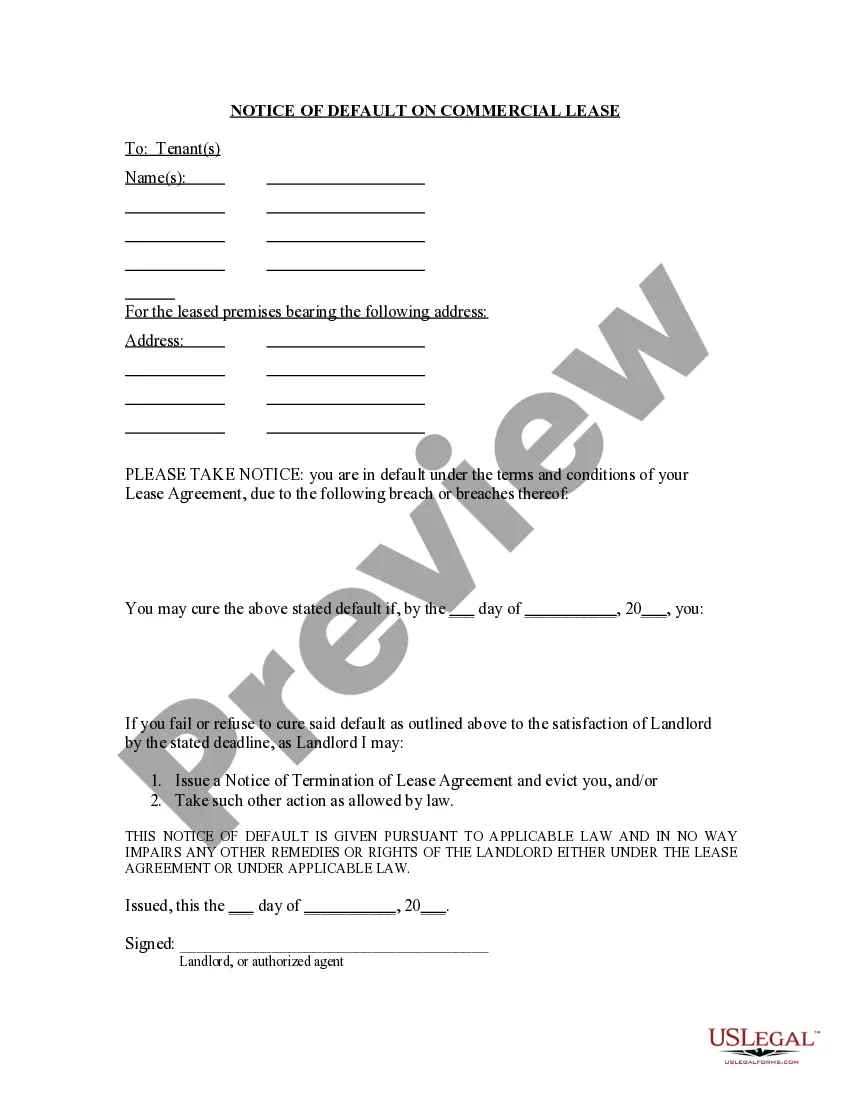
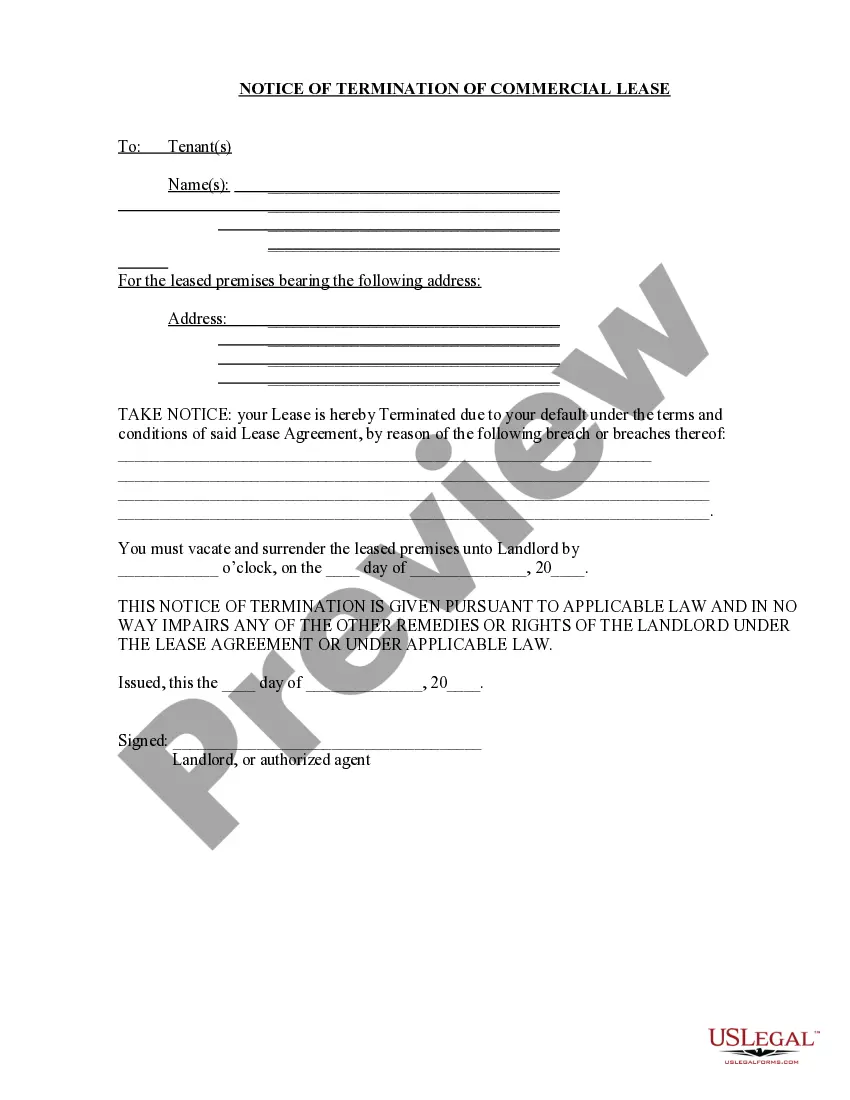
The Letter from Landlord to Tenant as Notice of Default on Commercial Lease is a formal communication from a landlord to a tenant, indicating specific breaches of the lease agreement. This document serves as an official notice of default, providing the tenant with an opportunity to rectify the identified issues. Unlike similar forms, this notice outlines specific actions a landlord may take if the tenant fails to address the breaches, including potential eviction. This form is essential for landlords to assert their rights under applicable law while maintaining compliance with legal requirements.
Key components of this form
- A statement of the default, including details of the breaches.
- A specified deadline for the tenant to cure the defects.
- A clause detailing further actions the landlord may take if breaches are not resolved.
- Spaces for dates and signatures of the landlord or authorized agent.


When this form is needed
This form should be used when a landlord needs to notify a commercial tenant of a default under the lease agreement. Common situations include late rent payments, property maintenance violations, or other lease breaches. It is essential to provide this notice before initiating eviction proceedings or making claims against a security deposit, ensuring that the tenant is aware of their obligations and given a chance to correct the issue.
Who should use this form
- Landlords of commercial properties who lease space to tenants.
- Property management companies acting on behalf of landlords.
- Legal representatives assisting landlords in tenant matters.
How to complete this form
- Identify the parties involved, including the landlord and tenant.
- Specify the property address under the lease agreement.
- Clearly outline the specific breaches of the lease agreement.
- Insert the deadline for the tenant to rectify the breaches.
- Provide the date of issuance and the signature of the landlord or their authorized agent.
Does this form need to be notarized?
Notarization is generally not required for this form. However, certain states or situations might demand it. You can complete notarization online through US Legal Forms, powered by Notarize, using a verified video call available anytime.
Get your form ready online
Our built-in tools help you complete, sign, share, and store your documents in one place.
Make edits, fill in missing information, and update formatting in US Legal Forms—just like you would in MS Word.
Download a copy, print it, send it by email, or mail it via USPS—whatever works best for your next step.
Sign and collect signatures with our SignNow integration. Send to multiple recipients, set reminders, and more. Go Premium to unlock E-Sign.
If this form requires notarization, complete it online through a secure video call—no need to meet a notary in person or wait for an appointment.
We protect your documents and personal data by following strict security and privacy standards.
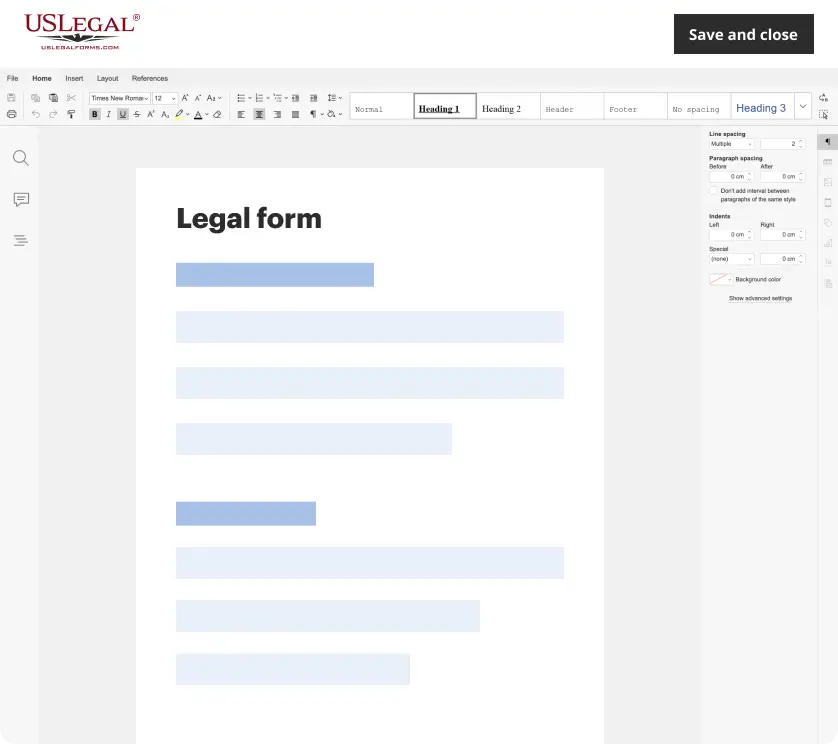
Make edits, fill in missing information, and update formatting in US Legal Forms—just like you would in MS Word.
Download a copy, print it, send it by email, or mail it via USPS—whatever works best for your next step.
Sign and collect signatures with our SignNow integration. Send to multiple recipients, set reminders, and more. Go Premium to unlock E-Sign.
If this form requires notarization, complete it online through a secure video call—no need to meet a notary in person or wait for an appointment.
We protect your documents and personal data by following strict security and privacy standards.
Common mistakes
- Failing to clearly list all breaches, which can lead to confusion.
- Not specifying a deadline for the tenant to cure the breaches.
- Omitting the date and signature, making the notice invalid.
- Not understanding the state-specific requirements, leading to non-compliance.
Why use this form online
- Quick and easy access to professionally drafted forms.
- Edit the form to fit specific circumstances related to your lease.
- Reliable source of legal documents, ensuring compliance with laws.
- Convenient download options for immediate use.
Legal use & context
- This notice serves as an official record of the default and the landlordâs attempt to rectify the situation before eviction.
- Failure to deliver this notice may affect the landlord's ability to proceed with legal actions against the tenant.
Main things to remember
- The form is essential for landlords to inform tenants of defaults in their lease obligations.
- It outlines clear steps for tenants to remedy their breaches, providing a deadline.
- Using this form helps protect the landlordâs rights under the lease agreement and applicable laws.
Looking for another form?


Form popularity
FAQ
At-will tenancy is subject to the will of both the tenant and the landlord (hence the name). In other words, the tenant can choose to leave and stop paying rent at any time, and the landlord can choose to stop accepting rent and ask the tenant to leave at any time.
If the landlord accepts a surrender (whether impliedly or deliberately), the tenant will be released from liability for paying rent and performing lease covenants in the future. The tenant will still be liable for rent already due and any other existing breaches.
Surrender the Lease. One option for getting out of your commercial lease early is to approach your landlord and request to surrender the lease. Early Termination Clause. Some lease agreements will contain an early termination clause (commonly called a break clause). Assignment of Lease. Subletting the Premises. Licensing.
If you're an assured tenant or a protected tenant Your landlord will have to give you notice if they want you to leave. They have to give the reasons why they want to evict you - for example, if you have rent arrears or you've damaged the property. Your landlord will have to go to court and get a court order.
For example, the lease may provide that in case of default, the landlord can recover late fees and interest. If the lease is a net lease, it may provide for the landlord to recover such things as property taxes, insurance, utilities, maintenance and repairs.
A termination notice has to give the tenant 14 clear days before the tenant has to leave the residential premises. The day the notice is served on the tenant and the day the tenant moves out do not count as part of the 14 days.
Don't just walk away A lease is a binding contract.Under the law in some states (e.g., New York), there's acceleration of payments, meaning the landlord can immediate demand all the rent due under the remainder of the lease. In any state, a landlord can sue for damages (the unpaid rent, legal fees, etc.).
Unless your lease says otherwise simply breaking it is not an option. This is known as "unilateral breach" and typical penalties can include: Paying the rent - One way or another, if you walk away from your lease and no one else rents the apartment then you will owe the landlord this money.
Explain the Situation Tell your tenant in straightforward terms what the problem is, and explain that they cannot stay on the property any longer. Describe the Consequences Calmly explain that they will be evicted with necessary court orders if they remain on the property.