Ohio Commercial Lease Assignment from Tenant to New Tenant
About this form
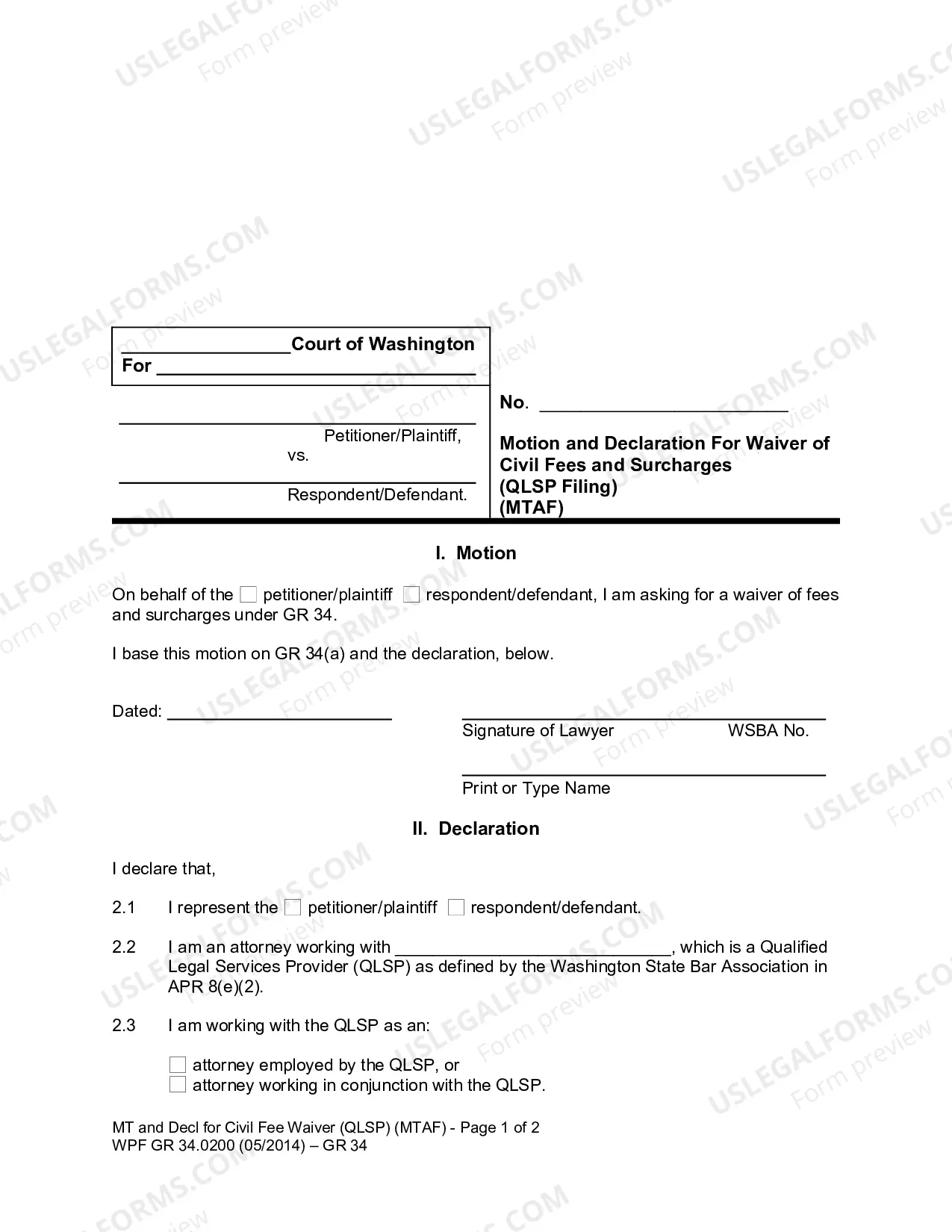
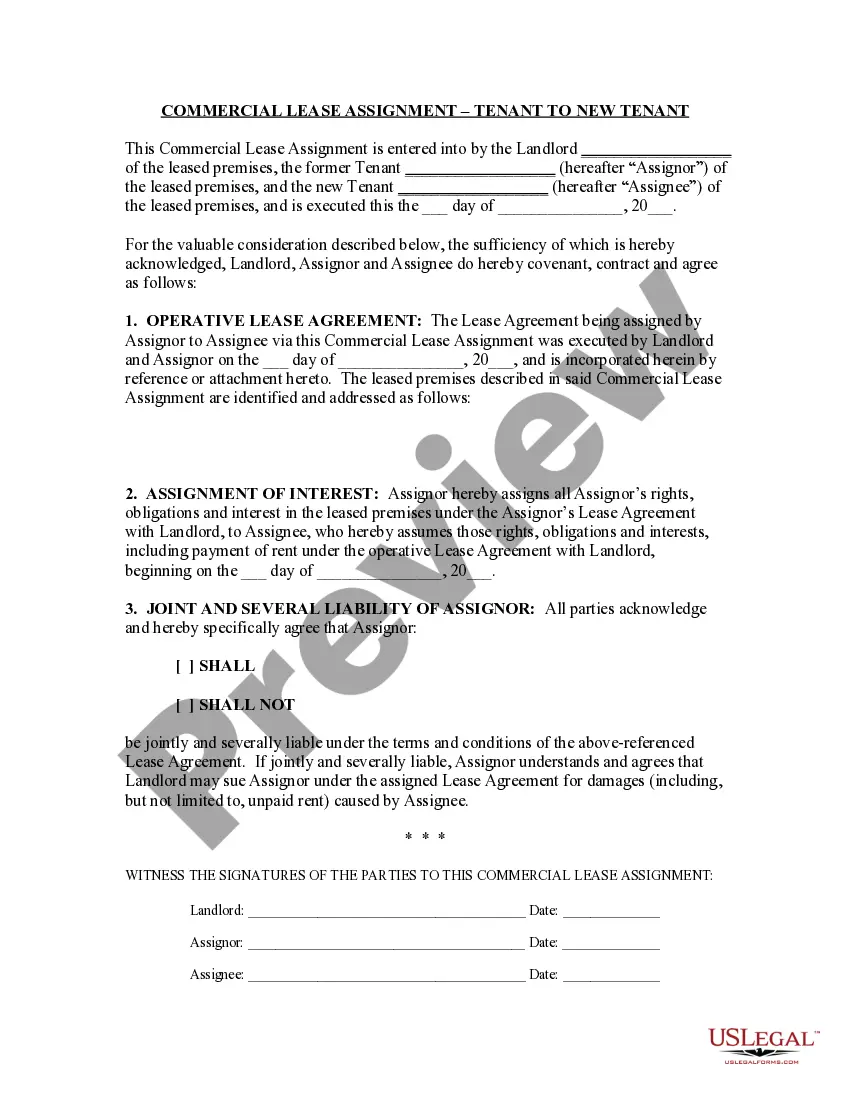
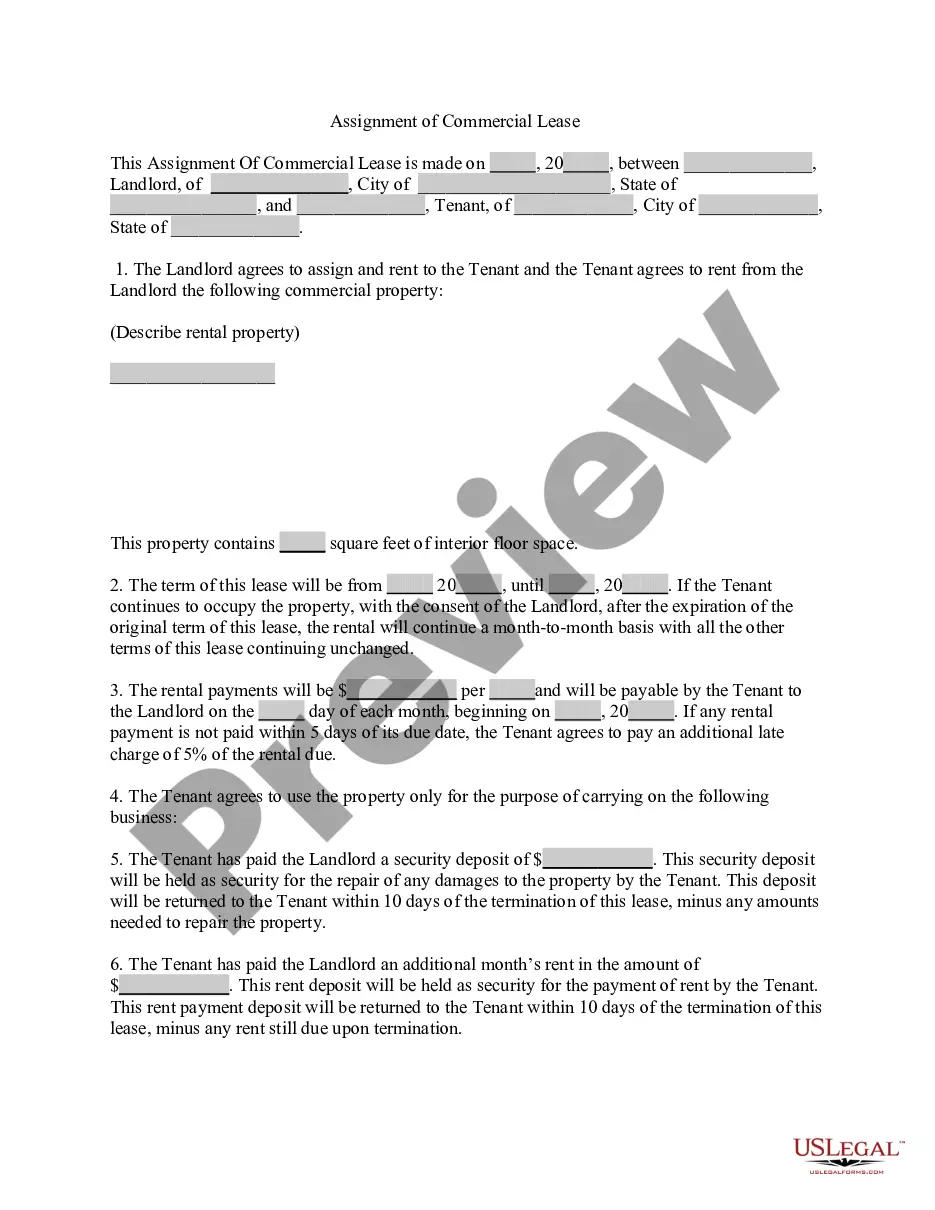
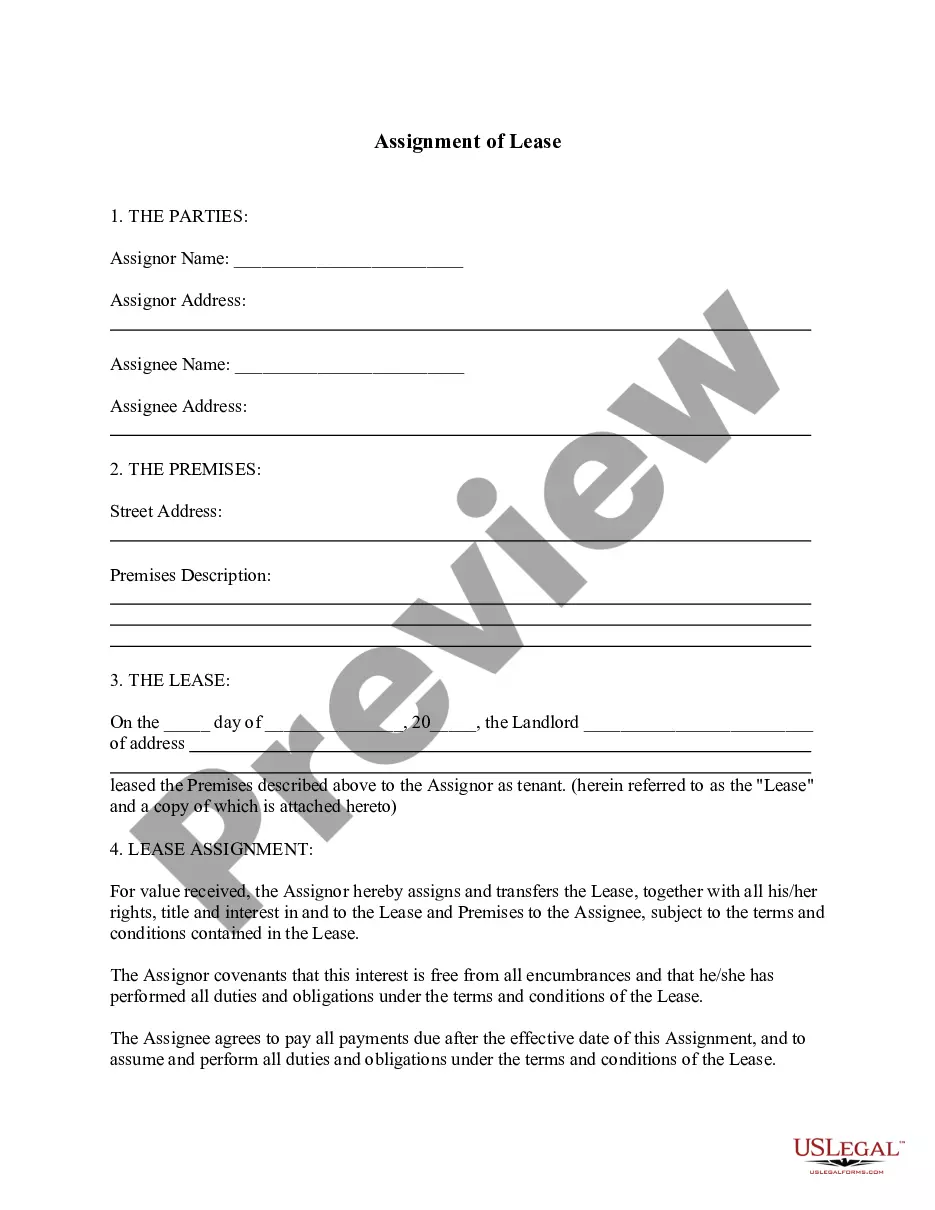
The Commercial Lease Assignment from Tenant to New Tenant is a legal document that facilitates the transfer of a commercial lease from an original tenant (Assignor) to a new tenant (Assignee), while keeping the landlord's rights intact. Unlike other lease agreements, this form explicitly outlines the responsibilities of both the Assignor and Assignee, especially concerning liability in case of default, ensuring clarity in the transition of leasing obligations.
Key parts of this document
- Parties involved: Identifies the landlord, original tenant, and new tenant.
- Joint and several liability clause: Clarifies if the original tenant will continue to be liable alongside the new tenant.
- Signatures and dates: Required for all parties to formalize the agreement.
- Consideration acknowledgment: Describes the value exchanged for the assignment, which is essential for validity.
When to use this form
This form is typically used when an original tenant wishes to transfer their lease obligations to a new tenant but wants to ensure that the landlord remains the same. It is applicable in situations when the original tenant is unable to fulfill their lease commitments, whether due to financial difficulties, relocation, or changes in business strategy, and seeks to avoid penalties or lease violations.
Intended users of this form
- Original tenants who need to transfer their lease obligations to another party.
- New tenants who wish to take over an existing lease.
- Landlords who require formal agreements for tenant assignments.
How to complete this form
- Identify the parties: Fill in the names of the landlord, original tenant (Assignor), and new tenant (Assignee).
- Specify the property: Include the address or description of the leased premises.
- Enter the date: Fill in the execution date for the agreement.
- Determine liability: Indicate whether the Assignor will remain jointly and severally liable for the lease obligations.
- Collect signatures: Ensure all parties sign and date the agreement to validate it.
Does this form need to be notarized?
Notarization is generally not required for this form. However, certain states or situations might demand it. You can complete notarization online through US Legal Forms, powered by Notarize, using a verified video call available anytime.
Get your form ready online
Our built-in tools help you complete, sign, share, and store your documents in one place.
Make edits, fill in missing information, and update formatting in US Legal Forms—just like you would in MS Word.
Download a copy, print it, send it by email, or mail it via USPS—whatever works best for your next step.
Sign and collect signatures with our SignNow integration. Send to multiple recipients, set reminders, and more. Go Premium to unlock E-Sign.
If this form requires notarization, complete it online through a secure video call—no need to meet a notary in person or wait for an appointment.
We protect your documents and personal data by following strict security and privacy standards.

Make edits, fill in missing information, and update formatting in US Legal Forms—just like you would in MS Word.

Download a copy, print it, send it by email, or mail it via USPS—whatever works best for your next step.

Sign and collect signatures with our SignNow integration. Send to multiple recipients, set reminders, and more. Go Premium to unlock E-Sign.

If this form requires notarization, complete it online through a secure video call—no need to meet a notary in person or wait for an appointment.

We protect your documents and personal data by following strict security and privacy standards.
Common mistakes to avoid
- Failing to obtain landlord approval for the assignment, which may nullify the agreement.
- Not fully understanding the implications of joint and several liability.
- Leaving out necessary signatures, which can lead to disputes about the validity of the assignment.
Why use this form online
- Convenience: Easily download and fill out the form at your own pace.
- Editability: Customize the document to meet your specific situation.
- Reliability: Ensure that the form is drafted in accordance with legal standards.
Legal use & context
- Commercial lease assignments must comply with the terms stipulated in the original lease agreement.
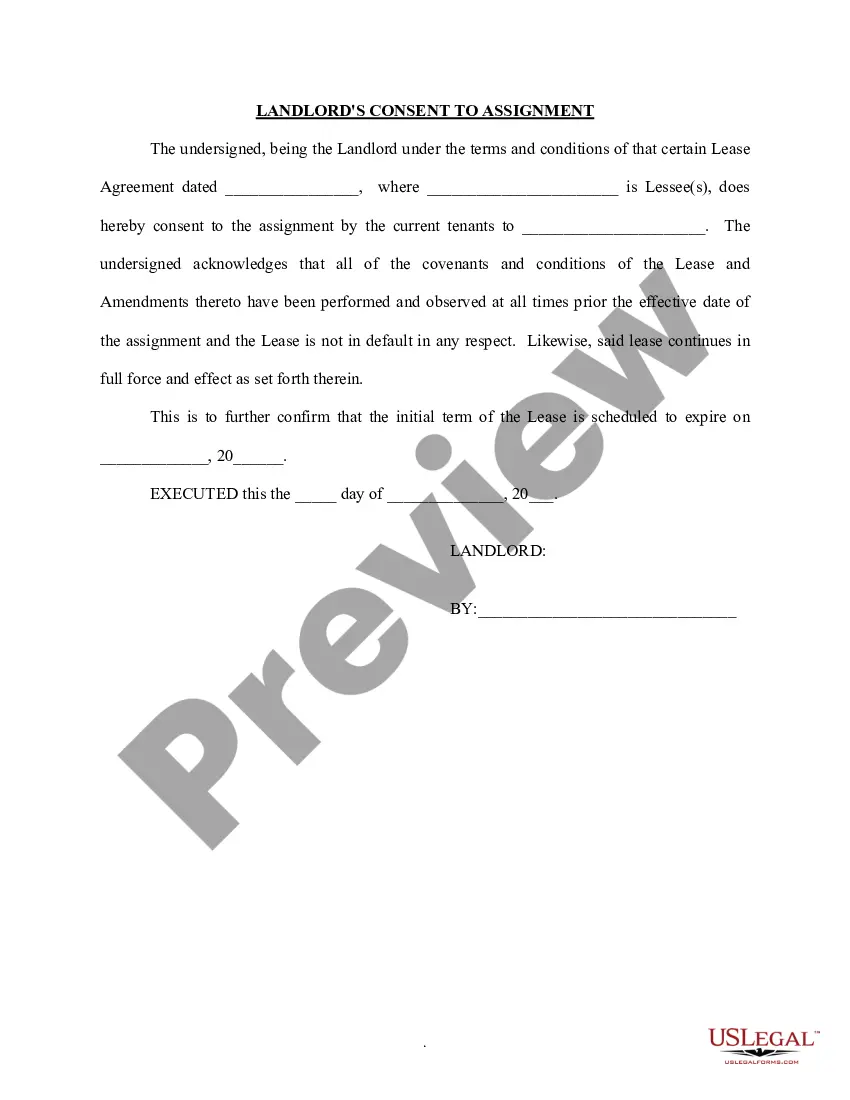
- Landlords may retain the right to approve or deny the assignment based on the lease terms.
- Failure to properly document an assignment can result in legal disputes between parties.
Summary of main points
- The Commercial Lease Assignment allows a tenant to transfer their lease obligations to a new tenant.
- This form clarifies liability terms to protect all parties involved.
- Proper completion and signatures are essential for legal enforceability.
Looking for another form?
Form popularity
FAQ
Great, you'll just need to let your agent or landlord know you'll be breaking your lease as soon as you have exchanged contracts. This will allow as much time as possible for them to find a new tenant to replace you. In this case, you're also up for a penalty fee called a 'break fee'.
What happens if a leased property is sold to another owner during the lease term?The lease will continue to apply to the subsequent owner if so stated in the lease. Or the lease may require that upon transfer, the lease terminates and the existing owner compensates the tenant per the terms in the lease.
The difference between assignment and transfer is that assign means it's legal to transfer property or a legal right from one person to another, while transfer means it's legal to arrange for something to be controlled by or officially belong to another person.
An assignment of a lease is a complete transfer of the right to be the tenant under the lease. The third-party assignee becomes the "tenant" under the lease, taking over all of the leased premises, substituting for the old tenant.
The short answer is no. It must be clear from the landlord's conduct that the tenant's act of giving up the property is accepted as a surrender.The landlord should make it clear immediately that the lease is not surrendered, even though the landlord now holds the keys.
Whatever the reason, tenants can transfer their lease interests to new parties by completing an assignment of the lease. An assignment is the transfer of one party's entire interest in and obligations under a lease to another party.
In general, it is illegal in the United States to employ someone to do work but not pay him/her. Not so with lease takeovers. When you do a lease takeover, you have to realize that what you are doing is working to find your landlord another tenant. And that is something landlords pay leasing agents to do.
Landlords can try and forfeit a lease if a tenant is in breach of their obligations (this assumes that the lease document includes a right to forfeit).If a commercial lease contains a break clause, either or both parties to the agreement may seek to terminate the lease before its fixed period has ended.
Can the landlord refuse consent to an Assignment? Most leases will say that the Landlord cannot unreasonably withhold consent. According to section 19 (1A) of the Landlord and Tenant Act 1927 the landlord can insert conditions in the lease, which need to be met in the case of an assignment.