New York Warranty Deed from Husband and Wife to LLC
Overview of this form
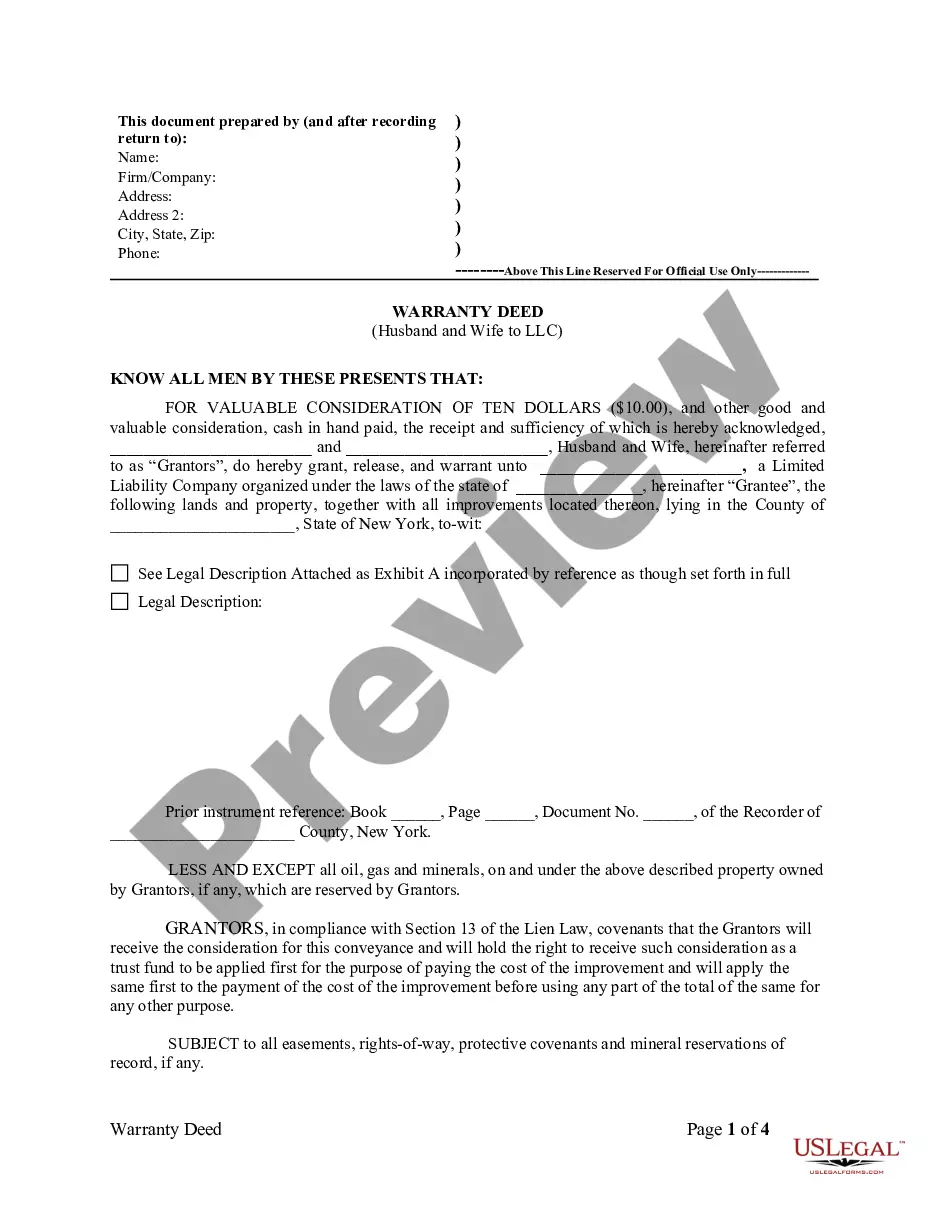
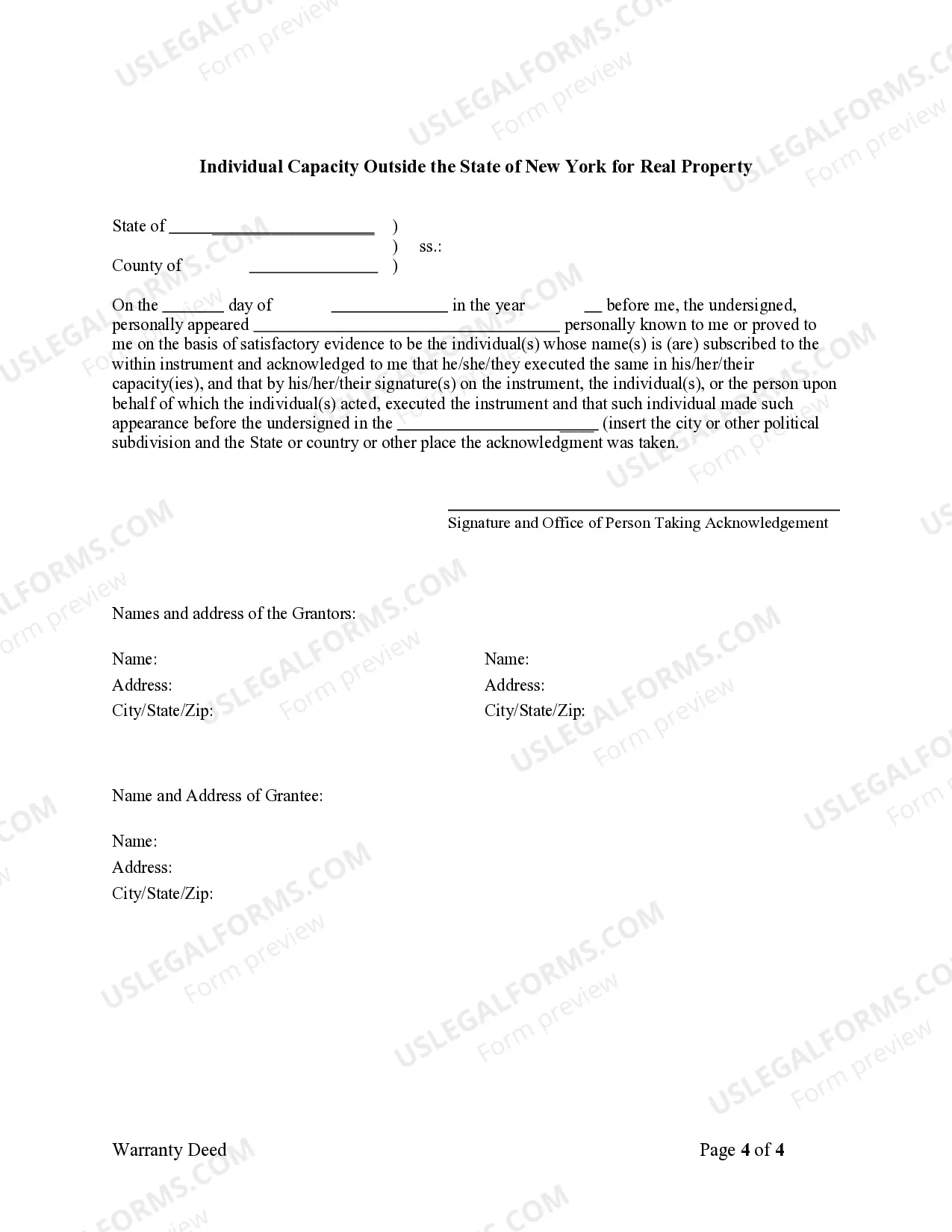
The Warranty Deed from Husband and Wife to LLC is a legal document that facilitates the transfer of property ownership from a married couple (the grantors) to a limited liability company (the grantee). This form is distinct from other types of deeds because it specifically caters to transfers involving spouses and an LLC, ensuring that the property is conveyed with certain warranties focusing on title assurance and potential exceptions for mineral rights.
Key parts of this document
- Grantors' Information: Names and signatures of the husband and wife transferring the property.
- Grantee Information: Name of the limited liability company receiving the property.
- Description of Property: Legal description of the property being conveyed, typically detailed in Exhibit A.
- Covenant of Title: Assurance that the grantors hold clear title and will defend against any claims.
- Easements and Reservations: Any easements or mineral rights not being transferred are specifically noted.






When this form is needed
This form should be used when a husband and wife decide to transfer real estate assets to their own limited liability company, often for purposes such as estate planning, asset protection, or business operations. It is especially useful for couples who want to maintain control over the property while achieving liability protection afforded by an LLC structure.
Who can use this document
- Married couples wishing to transfer property ownership to their LLC.
- Property owners looking to protect personal assets from business liabilities.
- Individuals involved in real estate investment who want to formalize ownership through an LLC.
How to prepare this document
- Identify all parties involved, including the husband and wife as grantors and the LLC as grantee.
- Specify the property details in the legal description, referencing Exhibit A if necessary.
- Include the date of the transaction and ensure both grantors sign the document.
- Review any easements or rights reserved and record them in the deed.
- File the completed Warranty Deed with the appropriate local authority to make the transfer official.
Does this document require notarization?
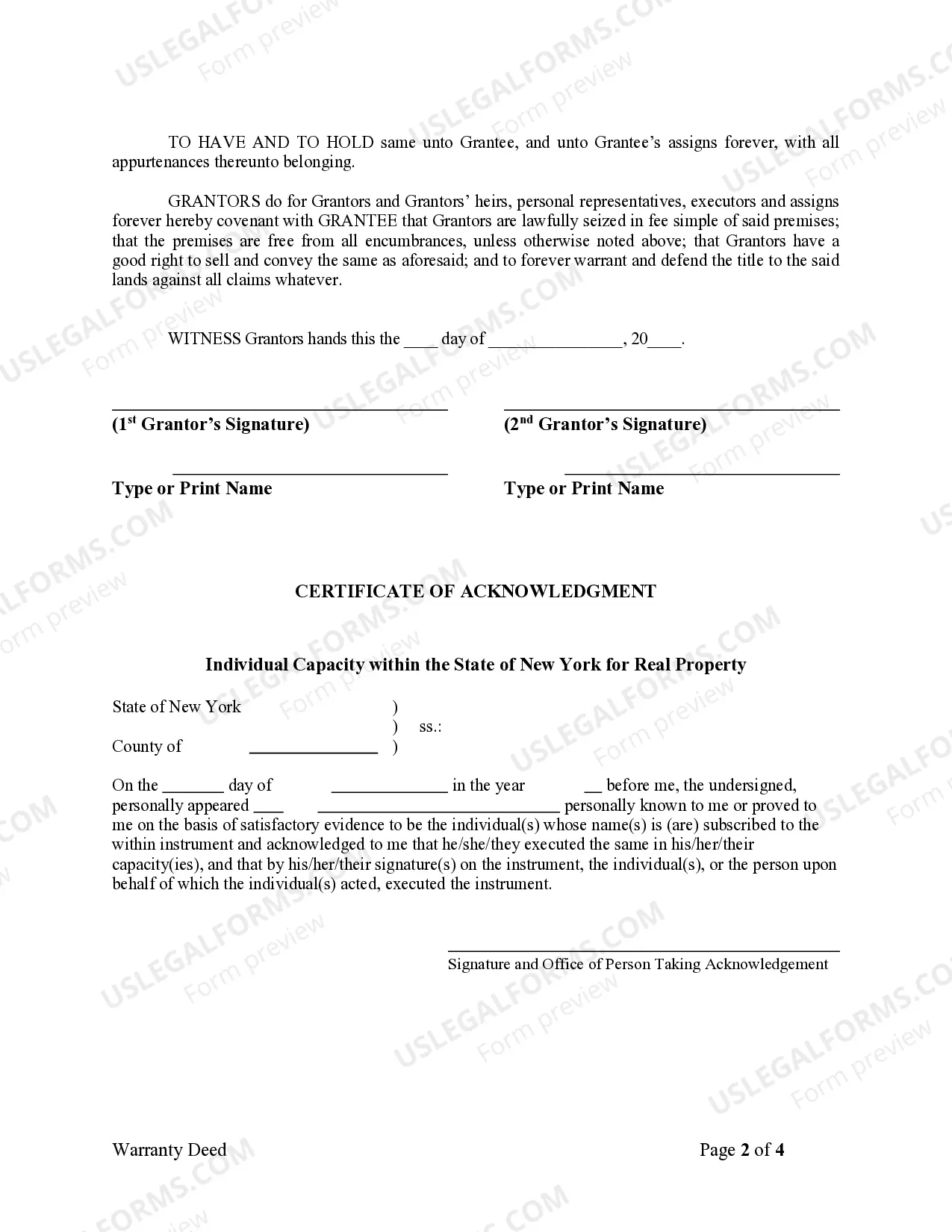
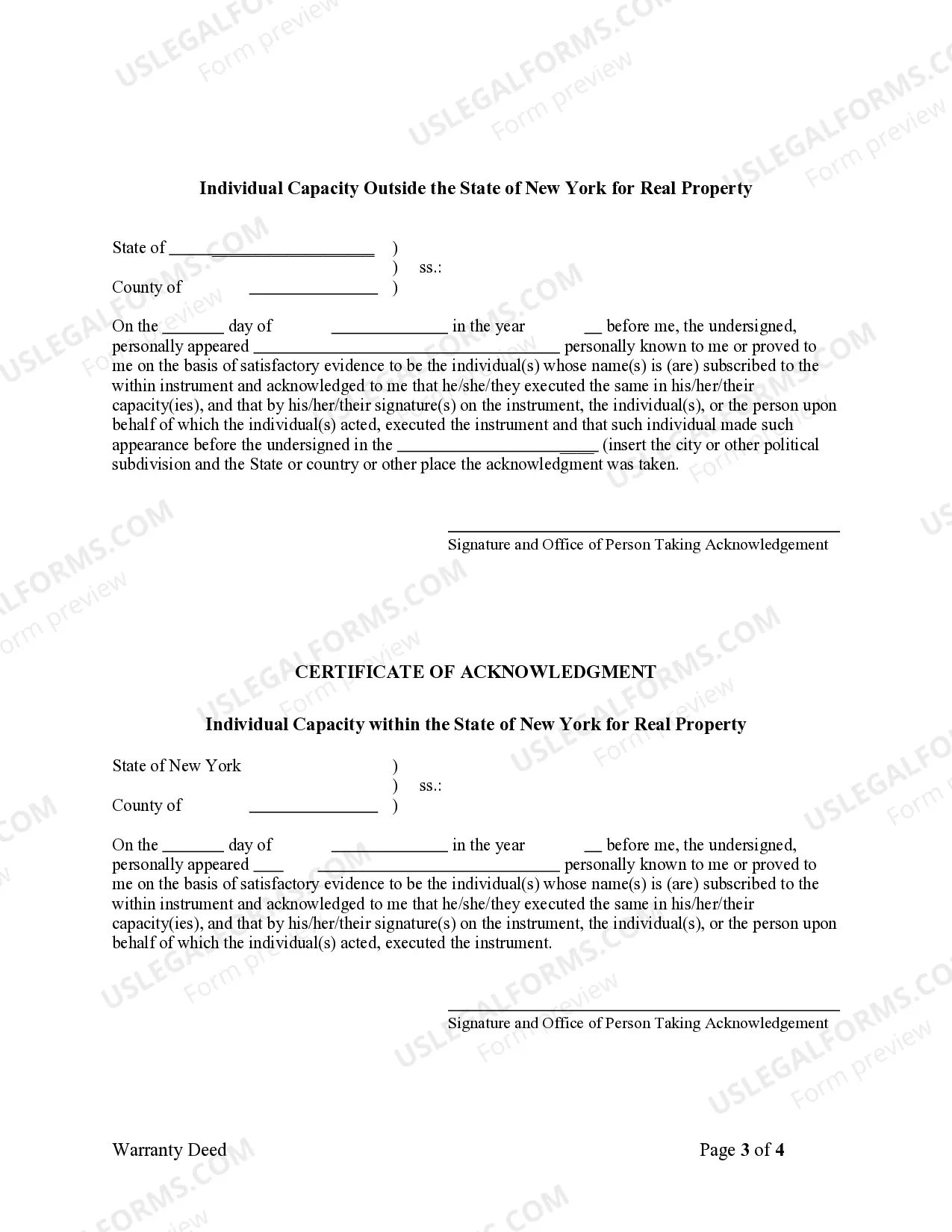
This form needs to be notarized to ensure legal validity. US Legal Forms provides secure online notarization powered by Notarize, allowing you to complete the process through a verified video call, available anytime.
Get your form ready online
Our built-in tools help you complete, sign, share, and store your documents in one place.
Make edits, fill in missing information, and update formatting in US Legal Forms—just like you would in MS Word.
Download a copy, print it, send it by email, or mail it via USPS—whatever works best for your next step.
Sign and collect signatures with our SignNow integration. Send to multiple recipients, set reminders, and more. Go Premium to unlock E-Sign.
If this form requires notarization, complete it online through a secure video call—no need to meet a notary in person or wait for an appointment.
We protect your documents and personal data by following strict security and privacy standards.

Make edits, fill in missing information, and update formatting in US Legal Forms—just like you would in MS Word.

Download a copy, print it, send it by email, or mail it via USPS—whatever works best for your next step.

Sign and collect signatures with our SignNow integration. Send to multiple recipients, set reminders, and more. Go Premium to unlock E-Sign.

If this form requires notarization, complete it online through a secure video call—no need to meet a notary in person or wait for an appointment.

We protect your documents and personal data by following strict security and privacy standards.
Mistakes to watch out for
- Failing to provide a complete legal description of the property.
- Not including the signatures of both grantors.
- Ignoring legal requirements for notarization in specific jurisdictions.
Why complete this form online
- Convenient access to professionally drafted legal forms 24/7.
- Editable templates allow customization to meet specific needs.
- Reliable and up-to-date legal language ensures compliance with current laws.
Legal use & context
- This form ensures that the property is conveyed without encumbrances, provided that all terms are adhered to.
- A warranty deed is legally enforceable and protects the buyer against future claims to the property.
- Proper completion protects the grantor's interests and minimizes legal disputes.
What to keep in mind
- This form is essential for couples transferring property to their LLC.
- It provides legal assurances regarding property title and rights.
- Always check local laws for any specific requirements before completing the form.
Looking for another form?

Form popularity
FAQ
No you can't. A single member LLC is just you as far as the IRS is concerned. You're just living in your own property. You can't rent your own house to yourself.
Creating an LLC for your rental property is a smart choice as a property owner. It reduces your liability risk, effectively separates your assets, and has the tax benefit of pass-through taxation.You can add unique bank accounts for each rental property.
Creating an LLC for your rental property is a smart choice as a property owner. It reduces your liability risk, effectively separates your assets, and has the tax benefit of pass-through taxation.
To change the deed in New York City, as we discussed, we will need a deed signed and notorized by the grantor. Additionally, the deed must also be filed and recorded with the Office of the City Register along with transfer documents which identify if any taxes are due.
Transferring property to an LLC is a simple way to reduce your personal liability for claims relating to the property. But a property title transfer should be only part of your strategy. It's also important to contact an insurance agent and obtain adequate liability insurance to cover any claims that might arise.
Does LLC ownership count as time used as a primary residence? For a single-member LLC, the answer is typically yes. For example, if the house is owned by an LLC. The Treasury Regulations allow for the capital gains exclusion when title is held by a single-member disregarded entity.
However, there are substantial downsides associated with transferring your primary home into an LLC.If you are using your personal residence for estate planning purposes, a qualified personal residence trust (QPRT) may be more effective than transferring your property to a limited liability company.
The fees to file a New York quitclaim deed vary from county to county, but some of the fees are similar. As of 2018, the basic fee for filing a quitclaim deed of residential or farm property is $125, while the fee for all other property is $250. These fees are for the RP-5217 form.