New York Quitclaim Deed from Individual to Husband and Wife
What is this form?
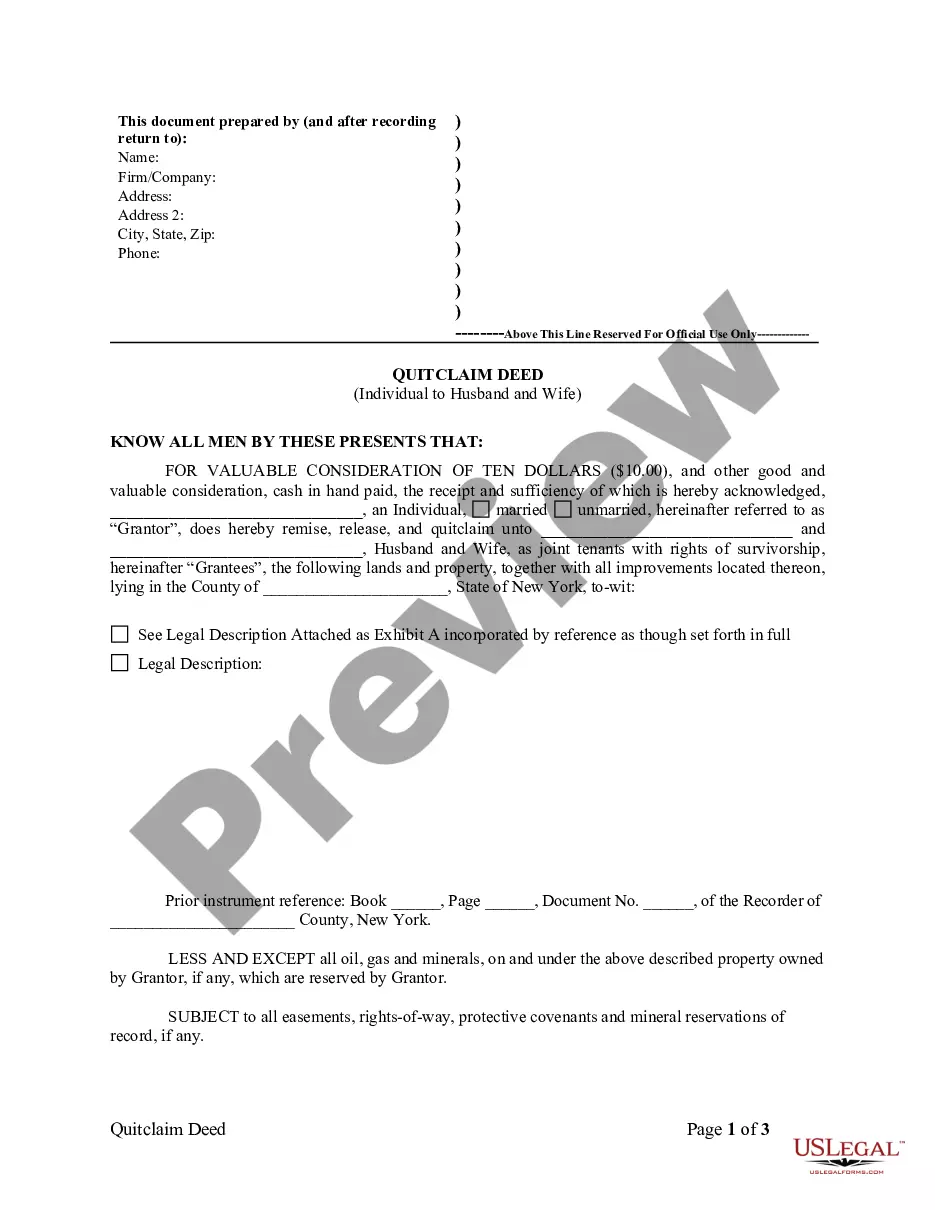
The Quitclaim Deed from Individual to Husband and Wife is a legal document used to transfer ownership of property from one individual (the Grantor) to a couple (the Grantees). This form is particularly relevant for couples acquiring property together and allows the Grantor to convey their interest in the property without making any guarantees about the title. Unlike warranty deeds, this quitclaim deed does not ensure the title is clear or free of liens, making it a simpler option for property transfers between known parties.
Form components explained
- Identifies the Grantor and Grantees involved in the property transfer.
- Includes a legal description of the property being transferred.
- Specifies the rights of survivorship for the Grantees.
- Outlines any reservations or exceptions, such as mineral rights, relevant to the property.
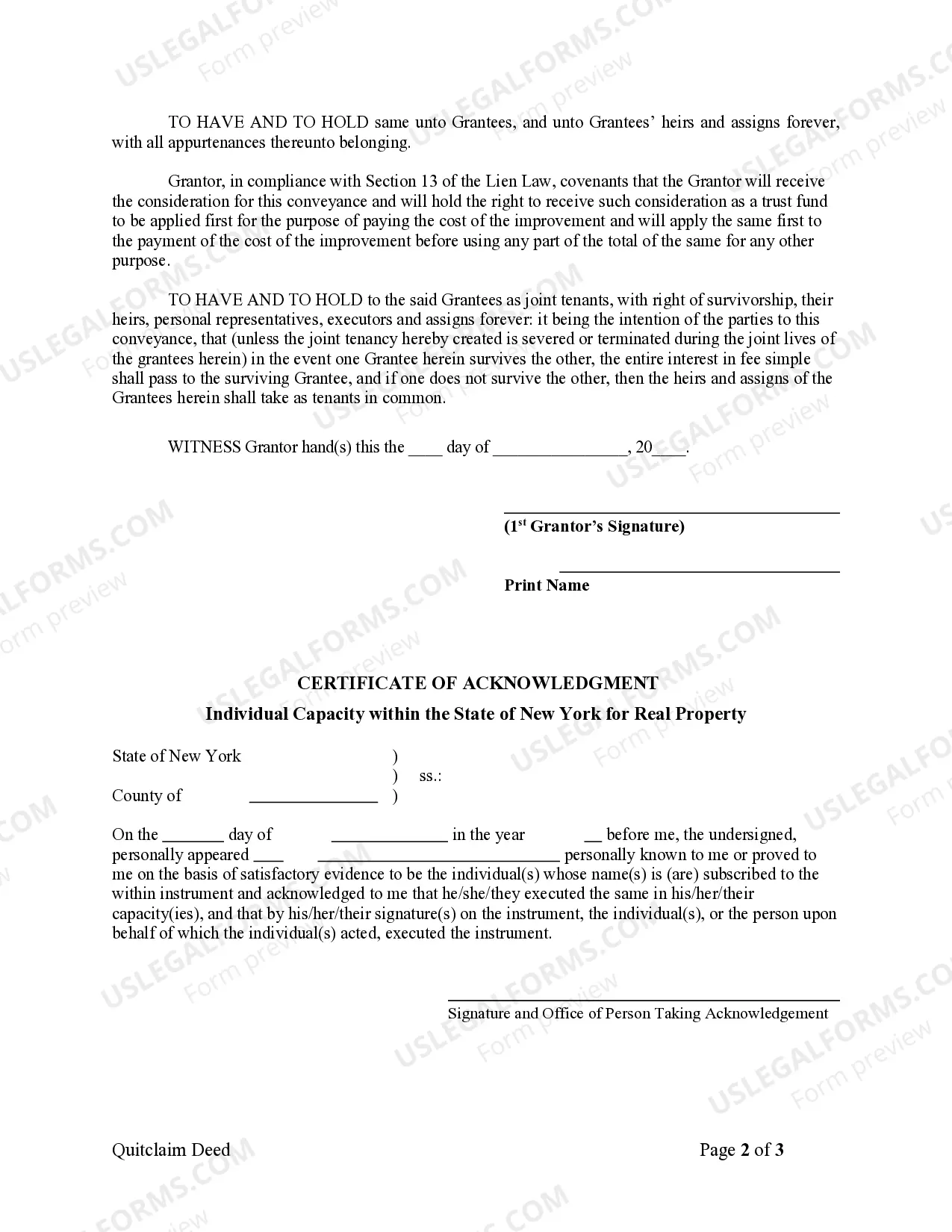
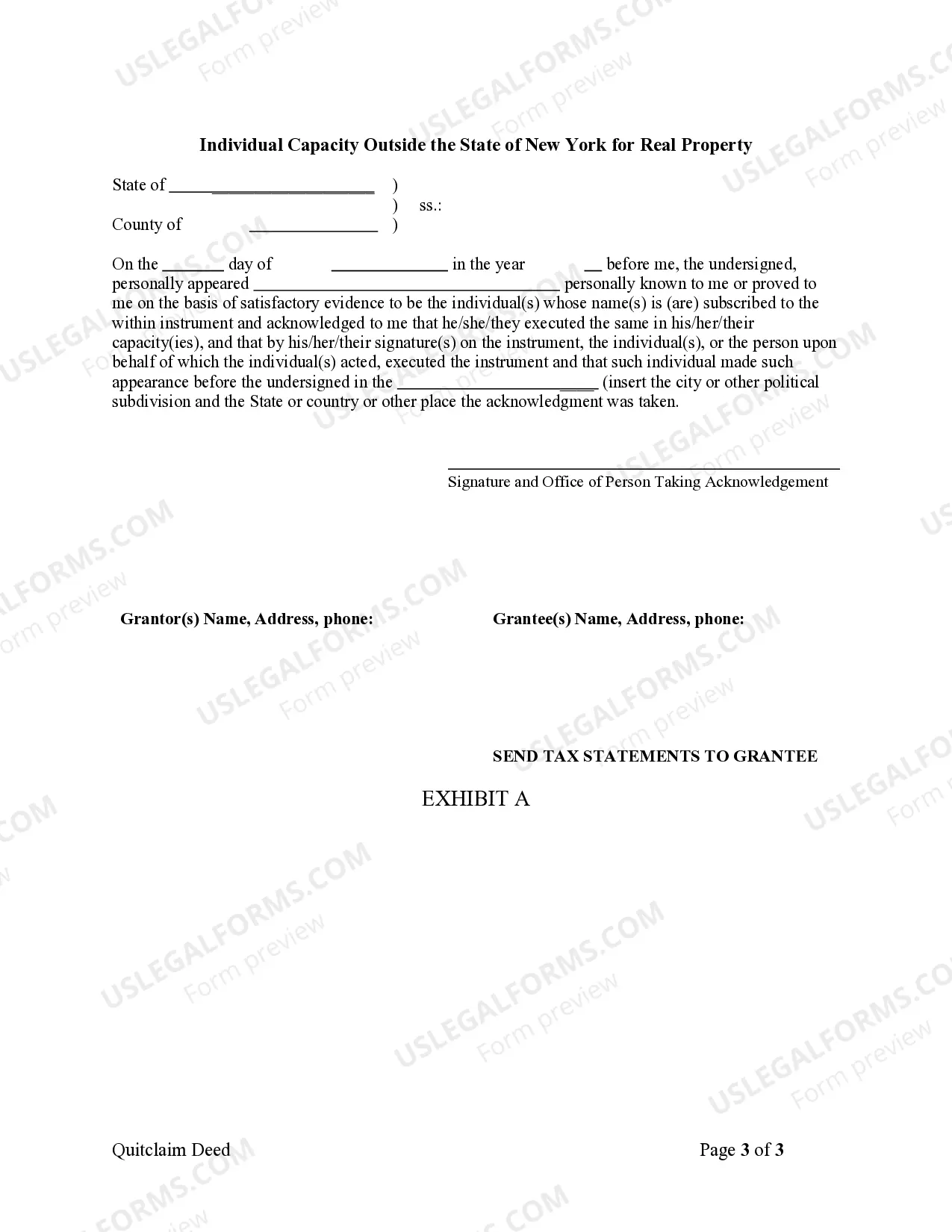
- Contains signatures from the Grantor and acknowledgment by a notary public.






When to use this form
This quitclaim deed should be used when an individual wishes to transfer property ownership to a married couple. It is commonly utilized in situations such as when spouses are consolidating property ownership, receiving property as a gift, or when one spouse is being added to the title of the property. Additionally, it can be used in divorce settlements or estate planning to facilitate the transfer of assets between parties.
Who this form is for
- Individuals transferring property to their spouse or both spouses.
- Married couples consolidating their property ownership.
- People involved in a divorce requiring the transfer of property ownership.
- Individuals engaging in estate planning or gifting property to their spouses.
How to prepare this document
- Identify the parties: Clearly enter the names of the Grantor and the husband and wife (the Grantees).
- Specify the property: Include a legal description of the property being transferred, as well as any attached exhibits.
- Check for exceptions: Note any rights or reservations, such as mineral rights, that the Grantor wishes to retain.
- Sign the document: The Grantor should sign the deed, and it may require acknowledgment before a notary.
- File the deed: Submit the completed deed to the appropriate local government office, such as the county recorder, to ensure proper recording.
Notarization guidance
This document requires notarization to meet legal standards. US Legal Forms provides secure online notarization powered by Notarize, allowing you to complete the process through a verified video call, available 24/7.
Get your form ready online
Our built-in tools help you complete, sign, share, and store your documents in one place.
Make edits, fill in missing information, and update formatting in US Legal Forms—just like you would in MS Word.
Download a copy, print it, send it by email, or mail it via USPS—whatever works best for your next step.
Sign and collect signatures with our SignNow integration. Send to multiple recipients, set reminders, and more. Go Premium to unlock E-Sign.
If this form requires notarization, complete it online through a secure video call—no need to meet a notary in person or wait for an appointment.
We protect your documents and personal data by following strict security and privacy standards.

Make edits, fill in missing information, and update formatting in US Legal Forms—just like you would in MS Word.

Download a copy, print it, send it by email, or mail it via USPS—whatever works best for your next step.

Sign and collect signatures with our SignNow integration. Send to multiple recipients, set reminders, and more. Go Premium to unlock E-Sign.

If this form requires notarization, complete it online through a secure video call—no need to meet a notary in person or wait for an appointment.

We protect your documents and personal data by following strict security and privacy standards.
Common mistakes
- Failing to include a complete legal description of the property.
- Not ensuring all parties to the deed are correctly identified.
- Overlooking the need for notarization for legal validity.
- Neglecting to check for existing liens or encumbrances on the property before transfer.
Why use this form online
- Convenient access: Download and complete the form at your convenience.
- Editability: Easily make any necessary changes before finalizing the document.
- Reliability: Forms are drafted by licensed attorneys, ensuring legal compliance.
Key takeaways
- The Quitclaim Deed is a simple way to transfer property between individuals, especially to a spouse.
- Understanding the difference between joint tenancy and tenants in common is crucial for property agreements.
- Completing the deed accurately can help avoid future disputes regarding ownership.
- This form is easily accessible online, providing convenience and reliability.
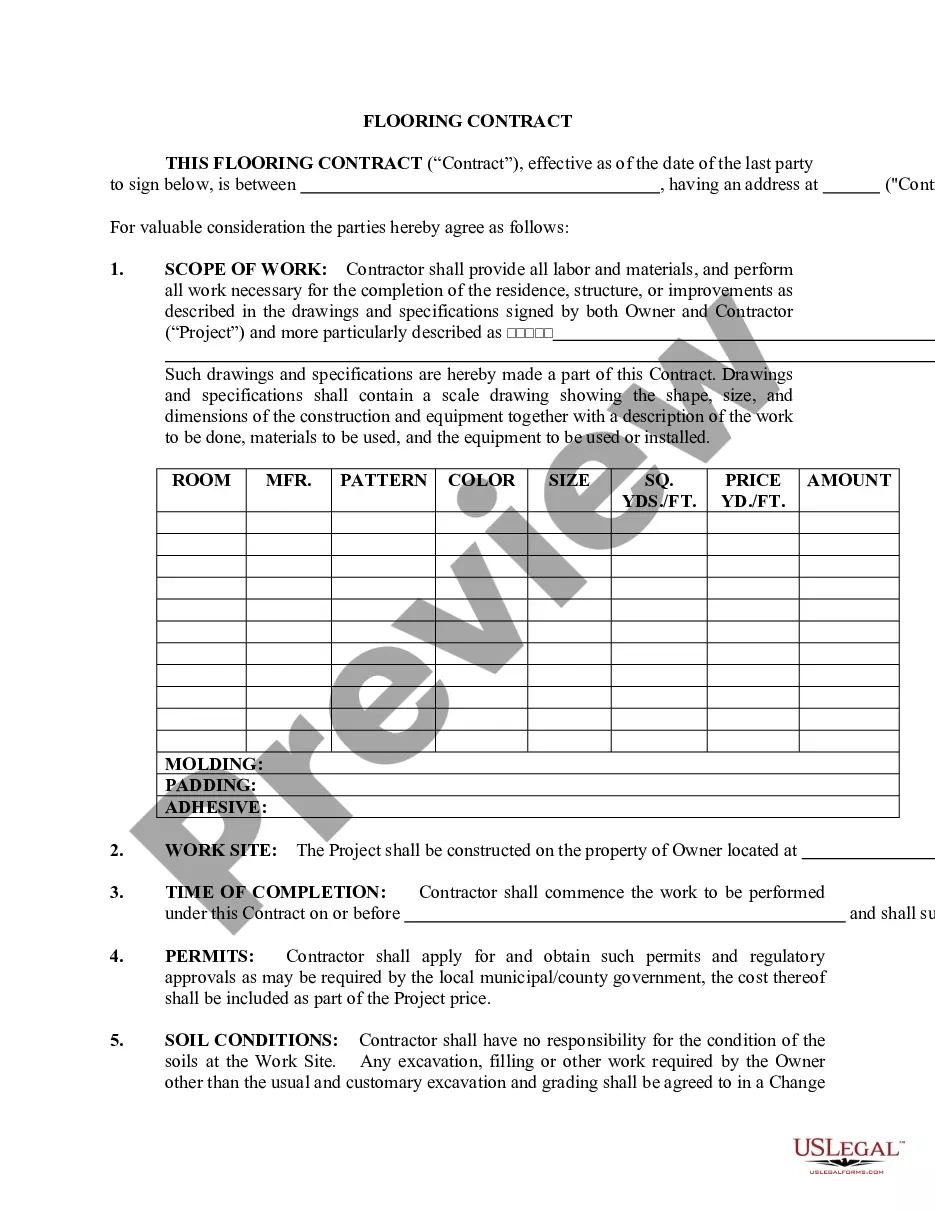
Looking for another form?
Form popularity
FAQ
Fill in the deed form. Print it out. Have the grantor(s) sign and get the signature(s) notarized. Complete a transfer tax form, Form TP-584. Complete and print out Form RP-5217 (or, if you are in New York City, Form RP-5217NYC).
You would simply prepare a deed to you and your fiance. You would then have to prepare and execute the other necessary forms take them to the clerks office and file them. I suggest that you consult with a local attorney. They can do this at a modest cost.
The drawback, quite simply, is that quitclaim deeds offer the grantee/recipient no protection or guarantees whatsoever about the property or their ownership of it. Maybe the grantor did not own the property at all, or maybe they only had partial ownership.
Fill in the deed form. Print it out. Have the grantor(s) sign and get the signature(s) notarized. Complete a transfer tax form, Form TP-584. Complete and print out Form RP-5217 (or, if you are in New York City, Form RP-5217NYC).
Fees to File a Quitclaim Deed in New York As of 2018, the basic fee for filing a quitclaim deed of residential or farm property is $125, while the fee for all other property is $250. These fees are for the RP-5217 form.
It's usually a very straightforward transaction, but it's possible for a quitclaim deed to be challenged. If a quitclaim deed is challenged in court, the issue becomes whether the property was legally transferred and if the grantor had the legal right to transfer the property.
But you might be wondering if an owner can transfer a deed to another person without a real estate lawyer. The answer is yes. Parties to a transaction are always free to prepare their own deeds.A quitclaim deed, for example, is far simpler than a warranty deed.
If you've recently married and already own a home or other real estate, you may want to add your new spouse to the deed for your property so the two of you own it jointly. To add a spouse to a deed, all you have to do is literally fill out, sign and record a new deed in your county recorder's office.