Nevada Assumption Agreement of Deed of Trust and Release of Original Mortgagors
Understanding this form
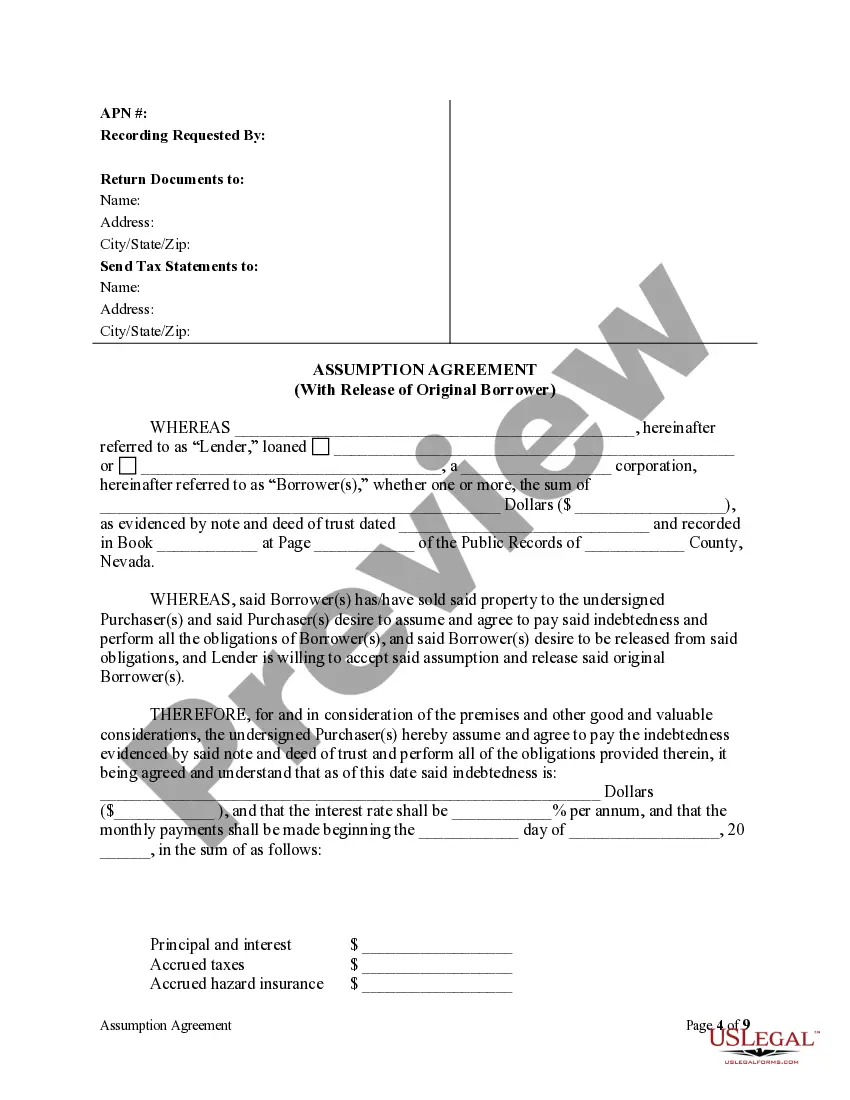
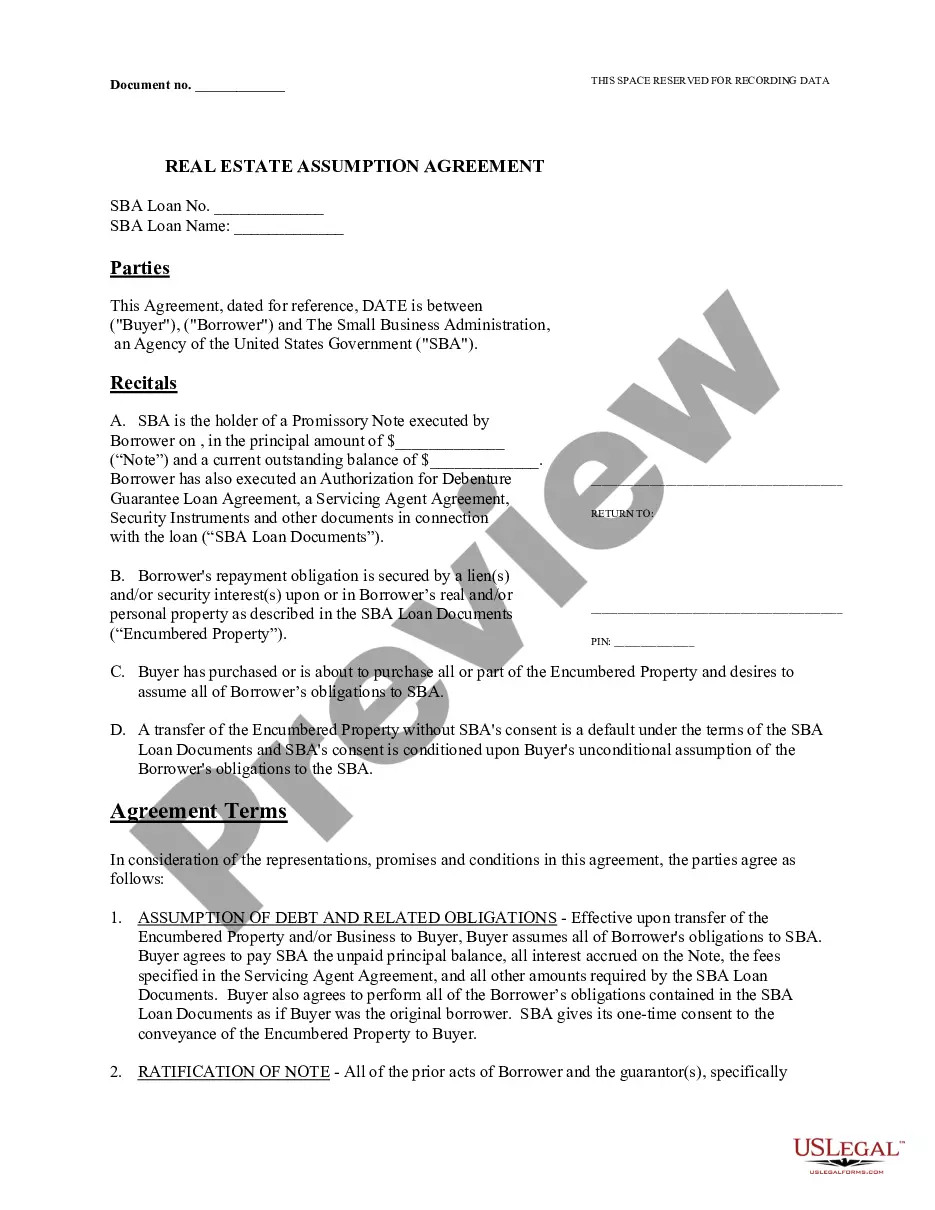
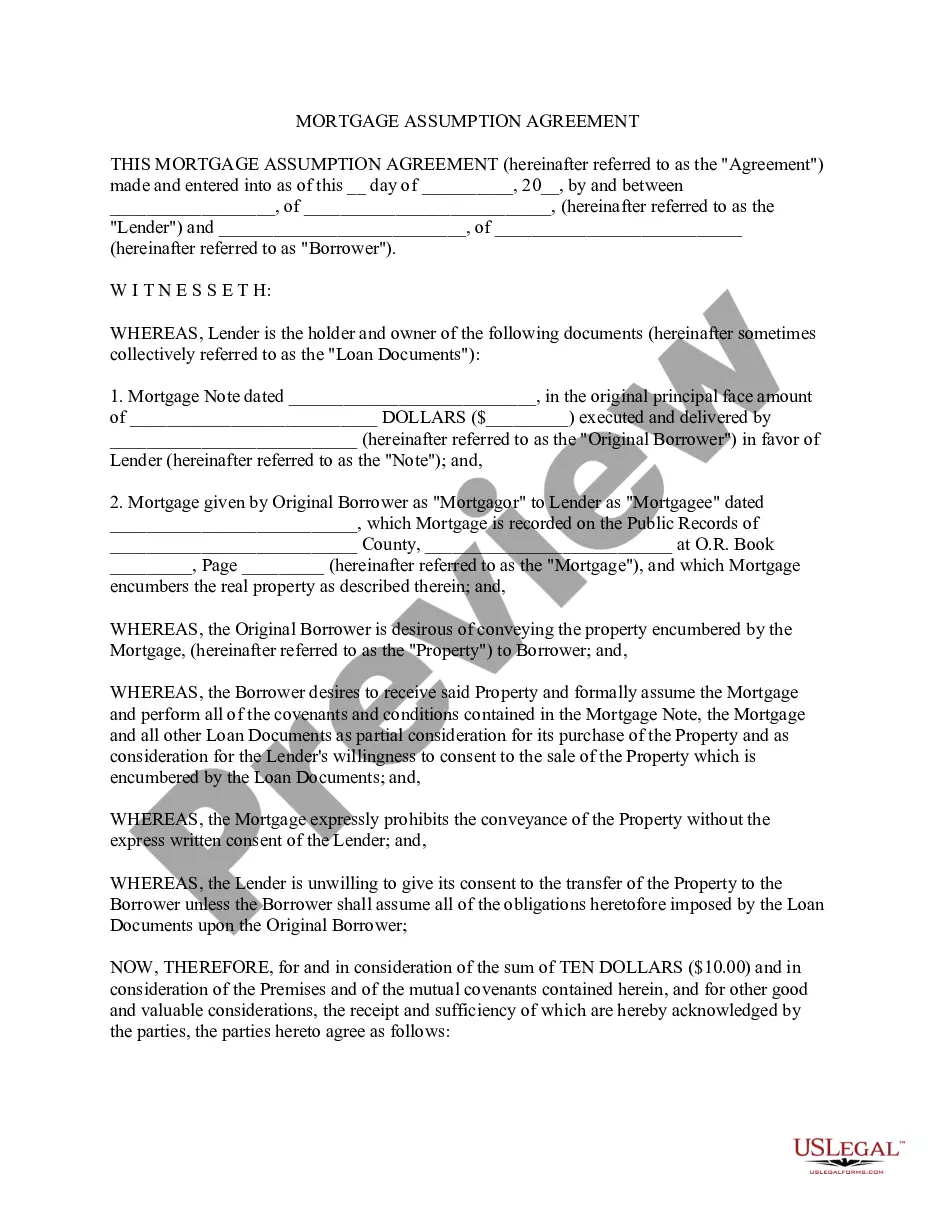
The Assumption Agreement of Deed of Trust and Release of Original Mortgagors is a legal document that allows new purchasers of a property to assume an existing mortgage. This form facilitates the transfer of debt responsibility from the original mortgagors to the new buyers, releasing the former owners from future liability. It differs from a standard deed of trust by explicitly detailing the assumption of the existing debt and the release of the original borrowers by the lender.
Key components of this form
- Identification of the parties involved, including the lender, original mortgagors, and new purchasers.
- Details of the mortgage debt being assumed, including the amount and interest rate.
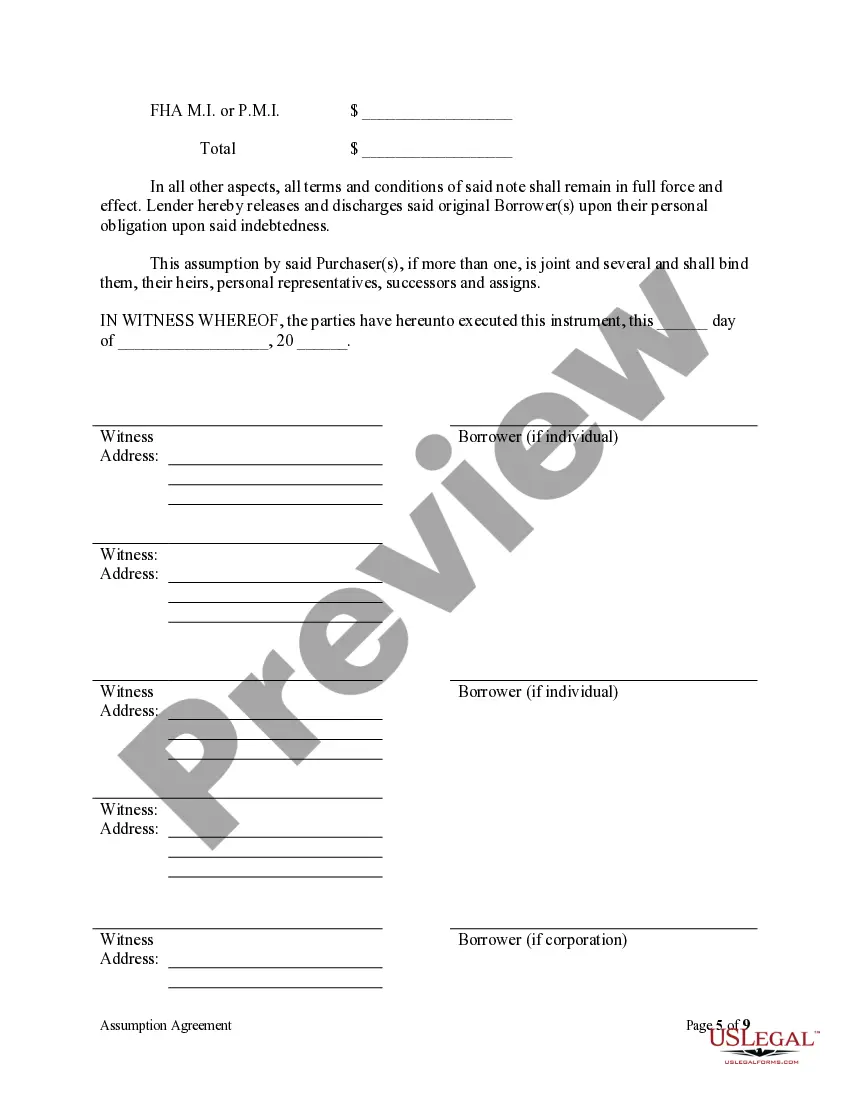
- Provisions stating that the original mortgagors are released from future liability.
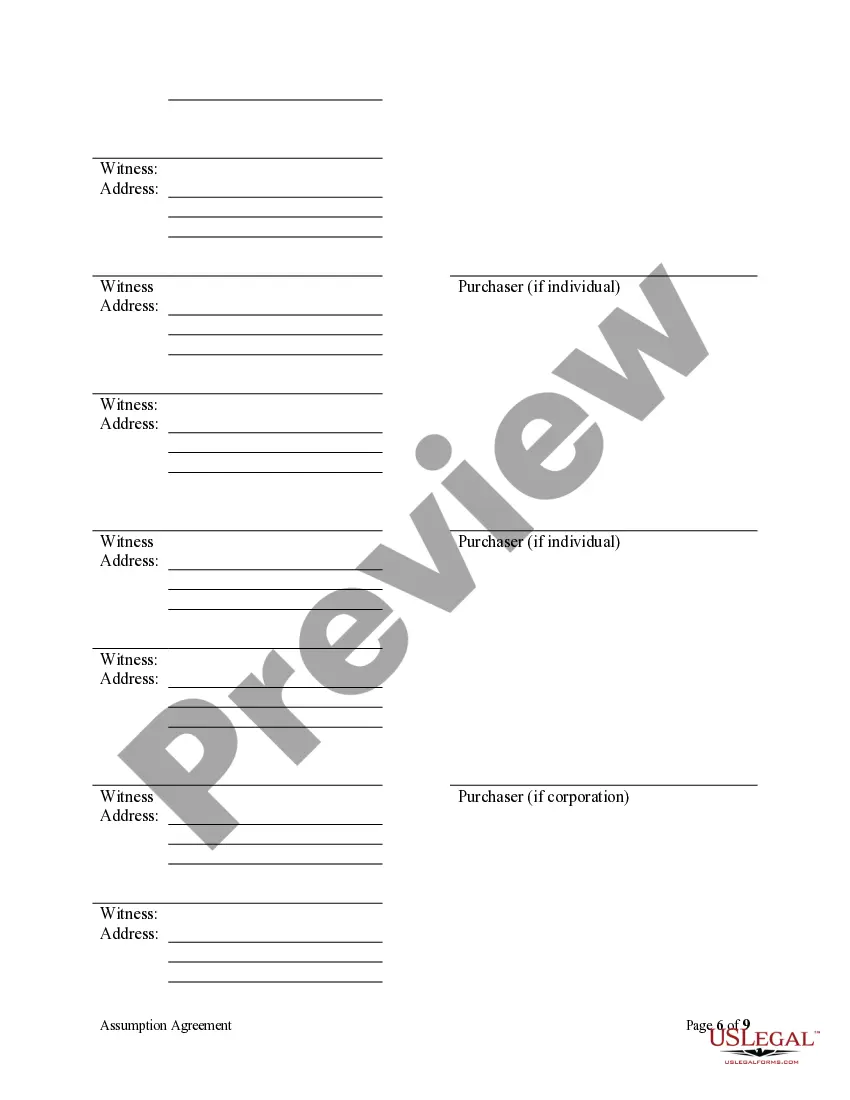
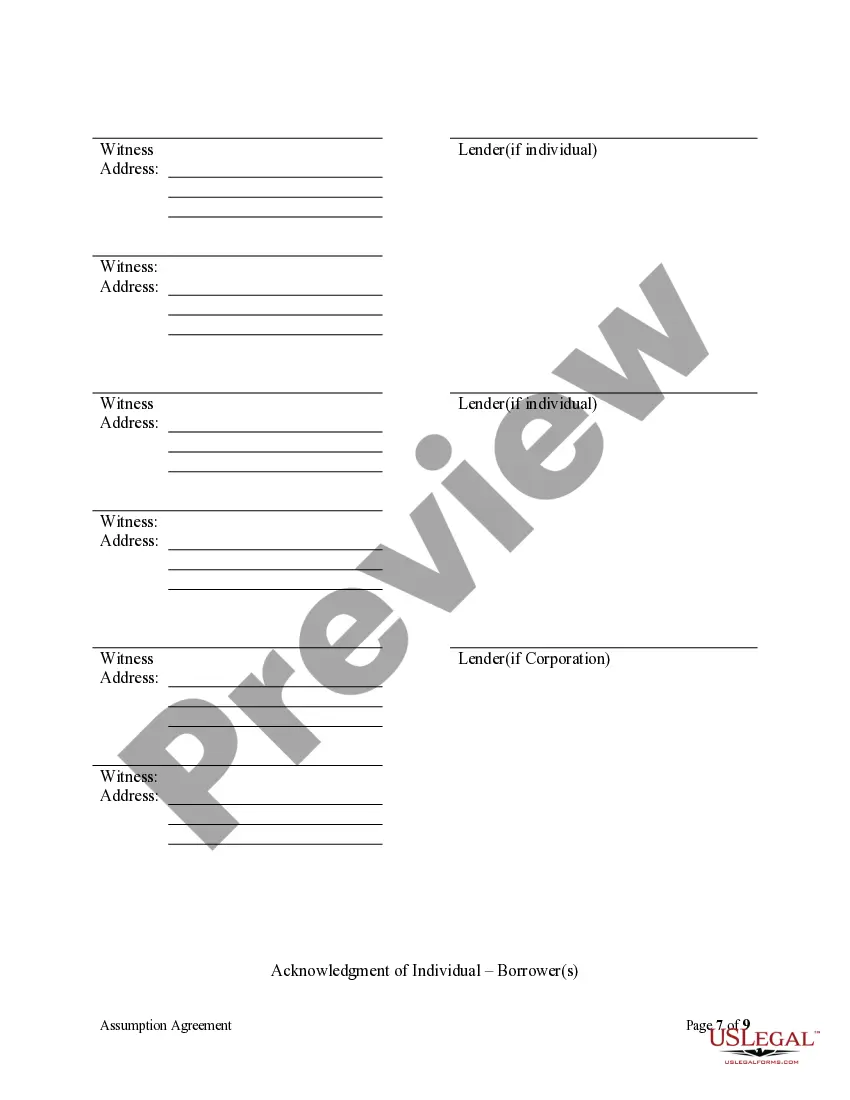
- Signatures of all parties to validate the agreement.



When this form is needed
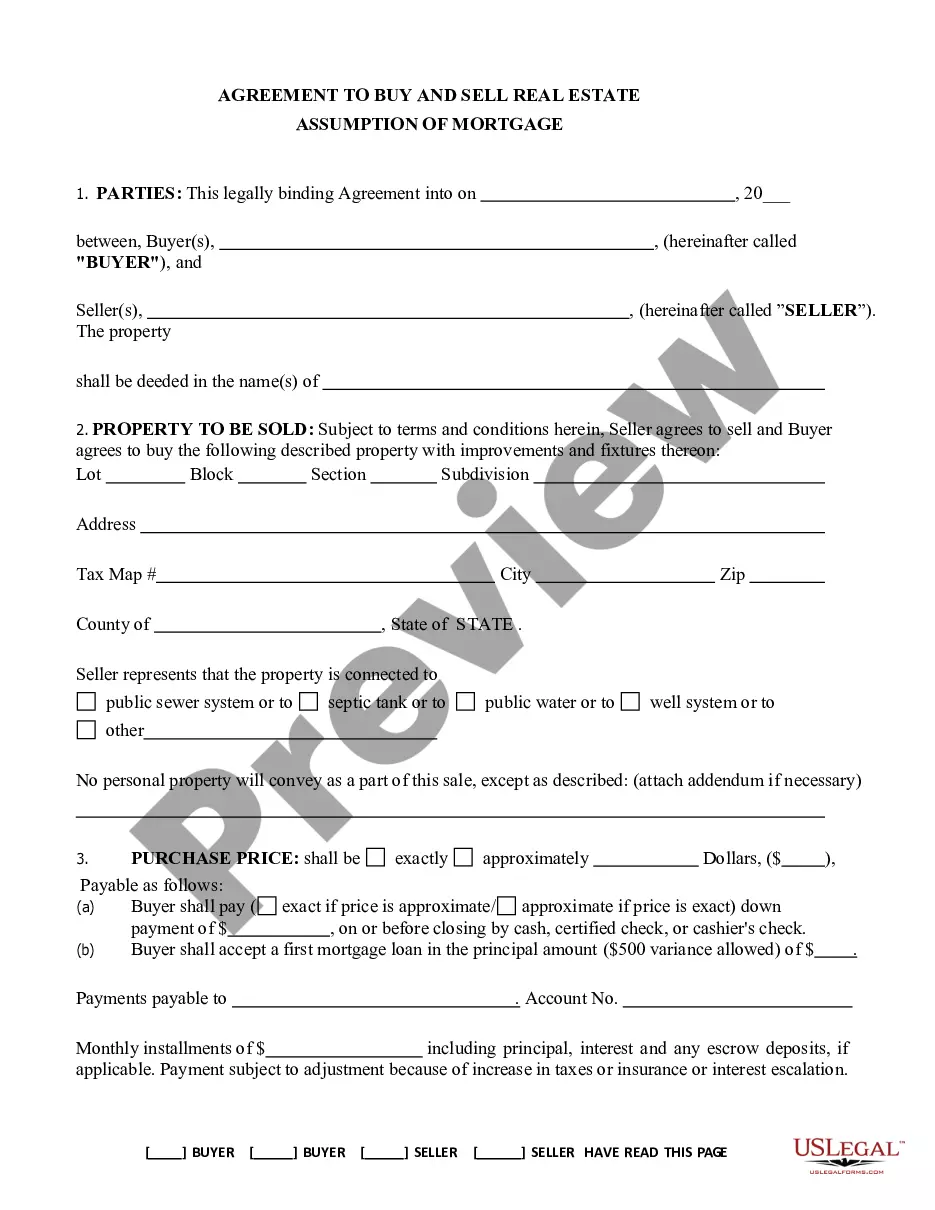
This form should be used when a property owner is selling their property and the buyer agrees to assume the existing mortgage. It is essential in situations where the seller wants to be relieved from the mortgage liability, and the lender agrees to this arrangement. Using this form ensures that all parties understand their rights and obligations under the new agreement.
Who should use this form
This form is suitable for:
- New purchasers of real estate properties who are assuming an existing mortgage.
- Original mortgagors looking to transfer their mortgage debt to a new buyer.
- Lenders who need formal documentation of the assumption and release of liability.
How to prepare this document
- Identify all parties involved, including the lender, original mortgagors, and new purchasers.
- Fill in details of the mortgage, including the total debt, interest rate, and monthly payment amount.
- Specify the effective date of the assumption agreement.
- Provide signatures from all parties to finalize the agreement.
- If necessary, unlock the document to modify its content before protecting it again.
Notarization guidance
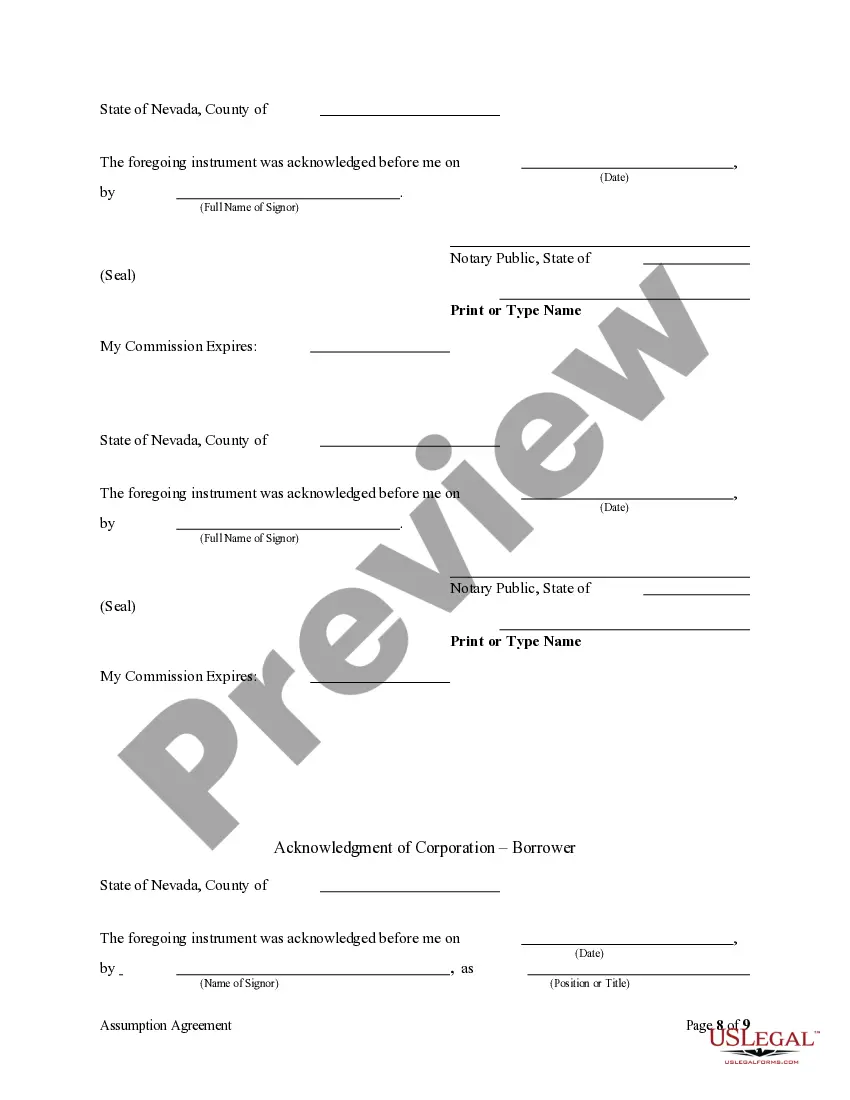
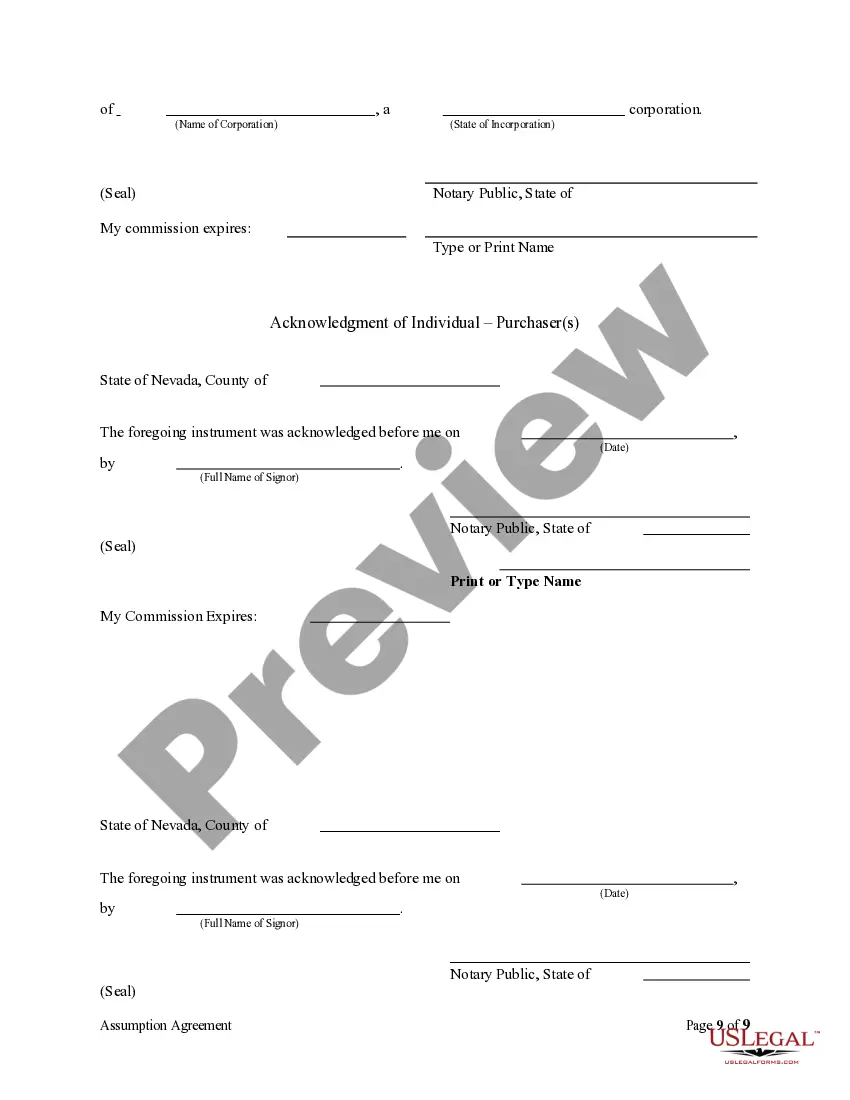
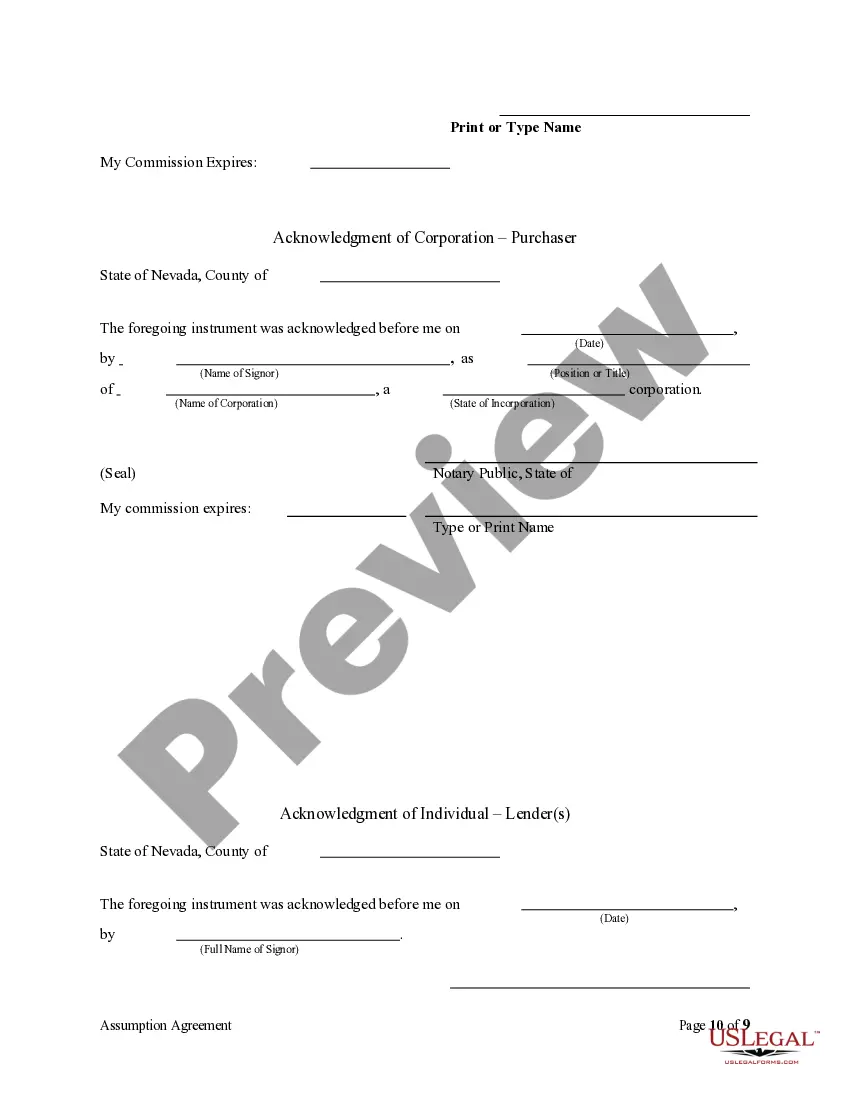
To make this form legally binding, it must be notarized. Our online notarization service, powered by Notarize, lets you verify and sign documents remotely through an encrypted video session.
Get your form ready online
Our built-in tools help you complete, sign, share, and store your documents in one place.
Make edits, fill in missing information, and update formatting in US Legal Forms—just like you would in MS Word.
Download a copy, print it, send it by email, or mail it via USPS—whatever works best for your next step.
Sign and collect signatures with our SignNow integration. Send to multiple recipients, set reminders, and more. Go Premium to unlock E-Sign.
If this form requires notarization, complete it online through a secure video call—no need to meet a notary in person or wait for an appointment.
We protect your documents and personal data by following strict security and privacy standards.

Make edits, fill in missing information, and update formatting in US Legal Forms—just like you would in MS Word.

Download a copy, print it, send it by email, or mail it via USPS—whatever works best for your next step.

Sign and collect signatures with our SignNow integration. Send to multiple recipients, set reminders, and more. Go Premium to unlock E-Sign.

If this form requires notarization, complete it online through a secure video call—no need to meet a notary in person or wait for an appointment.

We protect your documents and personal data by following strict security and privacy standards.
Mistakes to watch out for
- Failing to include all necessary signatures, which may lead to the form being invalidated.
- Not clearly identifying the parties involved, which can result in confusion over responsibilities.
- Omitting crucial financial details about the mortgage, which are essential for clarity.
Benefits of using this form online
- Accessibility: Download the form anytime from anywhere.
- Editability: Customize the document according to your specific needs before printing.
- Guidance: Follow the easy-to-use instructions tailored for clarity and legal compliance.
Legal use & context
- This form is legally binding once signed by all parties, provided it meets state-specific requirements.
- It's important to ensure that the lender formally acknowledges the assumption and release to avoid future legal issues.
- This agreement does not absolve the new purchaser from obligations under the original mortgage terms unless explicitly stated.
Main things to remember
- The form facilitates the transfer of mortgage obligation from one party to another.
- It provides a legal release for original mortgagors from future liability on the loan.
- Ensure all financial details are accurately filled to avoid disputes and maintain clarity.
Looking for another form?
Form popularity
FAQ
Deeds of trust are the most common instrument used in the financing of real estate purchases in Alaska, Arizona, California, Colorado, the District of Columbia, Idaho, Maryland, Mississippi, Missouri, Montana, Nebraska, Nevada, North Carolina, Oregon, Tennessee, Texas, Utah, Virginia, Washington, and West Virginia,
A Deed of Trust is essentially an agreement between a lender and a borrower to give the property to a neutral third party who will serve as a trustee. The trustee holds the property until the borrower pays off the debt.
Whether you have a deed of trust or a mortgage, they both serve to assure that a loan is repaid, either to a lender or an individual person. A mortgage only involves two parties the borrower and the lender. A deed of trust adds an additional party, a trustee, who holds the home's title until the loan is repaid.
The deed of trust is currently used in Alabama, Alaska, Arkansas, Arizona, California, Colorado, District of Columbia, Georgia, Hawaii, Idaho, Iowa, Michigan, Minnesota, Mississippi, Missouri, Montana, Nevada, New Hampshire, North Carolina, Oklahoma, Oregon, Rhode Island, South Dakota, Tennessee, Texas, Utah, Virginia,
Whether you have a deed of trust or a mortgage, they both serve to assure that a loan is repaid, either to a lender or an individual person. A mortgage only involves two parties the borrower and the lender. A deed of trust adds an additional party, a trustee, who holds the home's title until the loan is repaid.
Some owners are put off using solicitors duke to the deed of trust cost. Individuals can write out their own, and use someone else as a witness. However, this may have errors or not be a legally binding document. The investment of getting a deed of trust when buying a property is often worth it in the long term.
A deed of trust acts as an agreement between youthe homebuyerand your lender. It states not just that you'll repay the loan, but that a third party called the trustee will hold legal title to the property until you do. A deed of trust is the security for your loan, and it's recorded in the public records.
A deed conveys ownership; a deed of trust secures a loan.
Can I make a declaration of trust myself? Some owners are put off using solicitors duke to the deed of trust cost. Individuals can write out their own, and use someone else as a witness. However, this may have errors or not be a legally binding document.