Nevada Letter from Tenant to Landlord about Sexual Harassment
Overview of this form
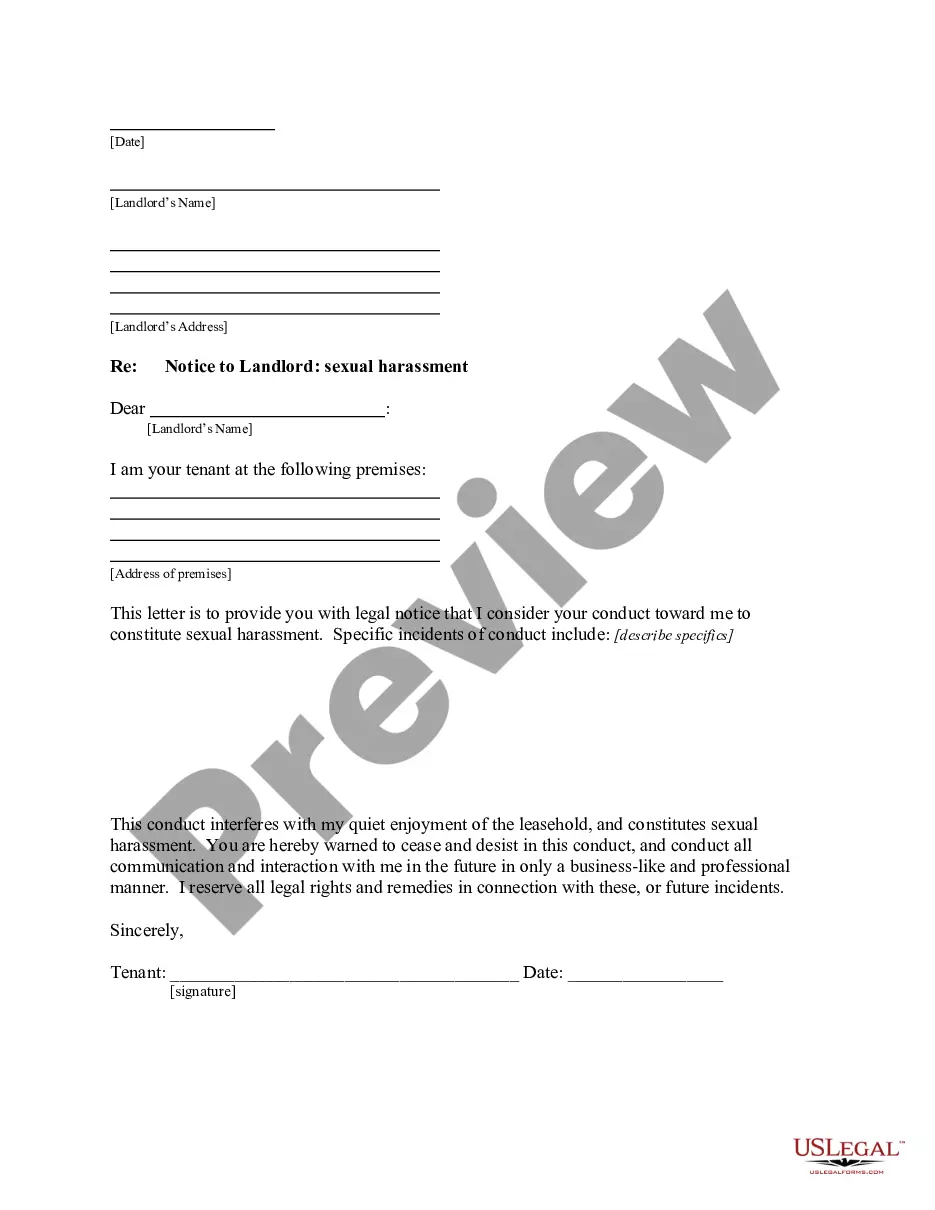
This letter from Tenant to Landlord about sexual harassment serves as a formal notice regarding inappropriate conduct by the landlord towards the tenant. It highlights that the landlord's actions are illegal and detrimental to the tenant's quiet enjoyment of the rental property. This form specifically addresses the issue of sexual harassment, differentiating it from other tenant-landlord communication forms, and serves to assert the tenantâs right to a professional and respectful living environment.
What’s included in this form
- Identification of the tenant and landlord involved
- A description of the unacceptable conduct that constitutes sexual harassment
- A clear statement that the landlord's actions interfere with the tenant's rights
- A warning asking the landlord to cease further inappropriate behavior
- Space for the tenantâs signature and date
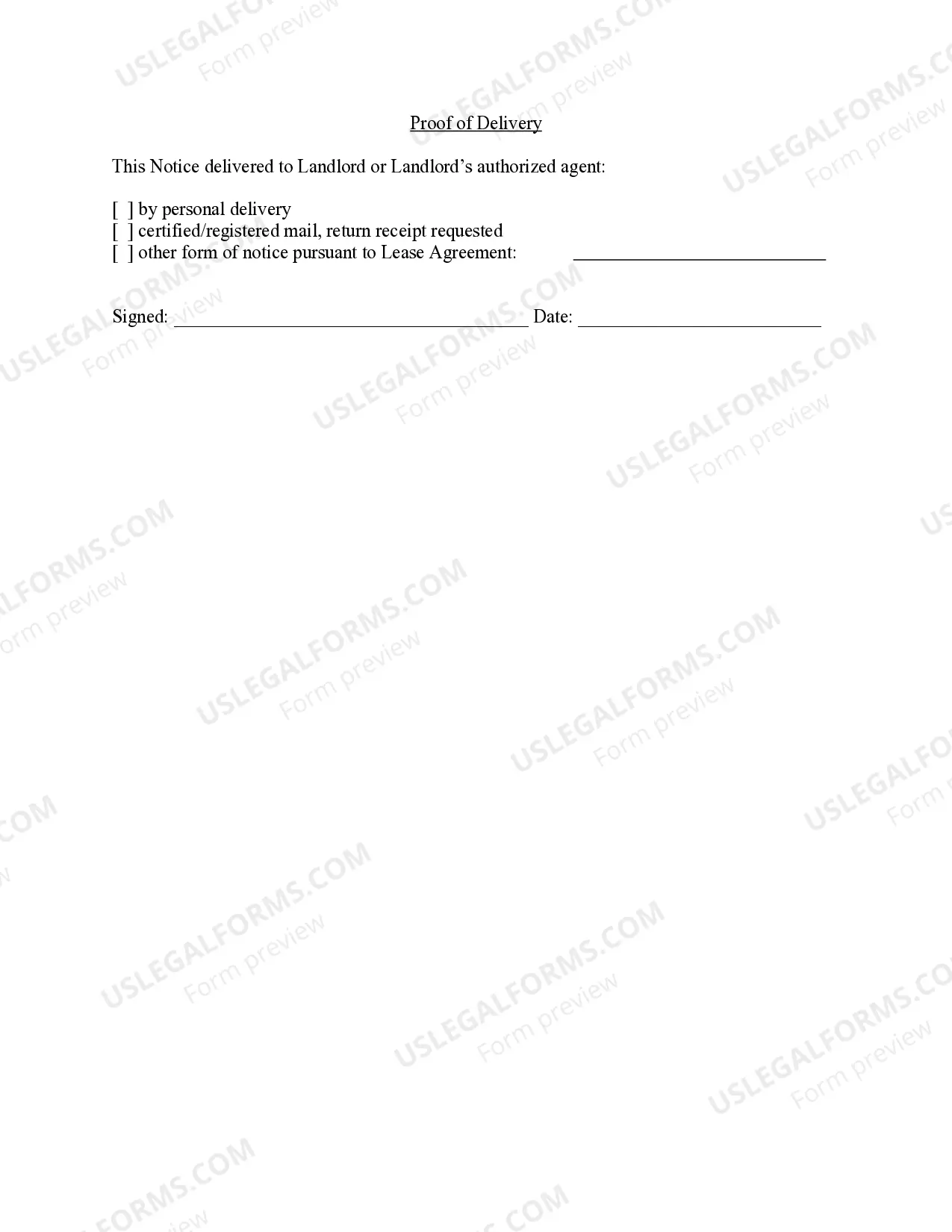
- Options for proof of delivery methods

When to use this form
This form should be used when a tenant encounters sexual harassment from their landlord, which may include inappropriate comments, unwanted advances, or any other behavior that threatens the tenant's comfort or safety. It is a crucial step in addressing the issue formally and alerting the landlord that their conduct is unacceptable and must stop.
Who can use this document
- Tenant experiencing sexual harassment by their landlord
- Individuals seeking to document and communicate harassment for legal purposes
- Tenants wanting to clarify acceptable boundaries of behavior in their rental agreement
Steps to complete this form
- Identify yourself as the tenant and provide your contact information.
- Clearly specify the landlord's name and address.
- Detail the specific incidents of sexual harassment that occurred.
- Include a clear statement demanding the landlord to stop the misconduct.
- Sign and date the letter to make it official.
- Select your preferred method of delivery and complete the proof of delivery section.
Notarization guidance
This form does not typically require notarization unless specified by local law. It is recommended to check state-specific regulations if you have further questions about legal validity.
Get your form ready online
Our built-in tools help you complete, sign, share, and store your documents in one place.
Make edits, fill in missing information, and update formatting in US Legal Forms—just like you would in MS Word.
Download a copy, print it, send it by email, or mail it via USPS—whatever works best for your next step.
Sign and collect signatures with our SignNow integration. Send to multiple recipients, set reminders, and more. Go Premium to unlock E-Sign.
If this form requires notarization, complete it online through a secure video call—no need to meet a notary in person or wait for an appointment.
We protect your documents and personal data by following strict security and privacy standards.

Make edits, fill in missing information, and update formatting in US Legal Forms—just like you would in MS Word.

Download a copy, print it, send it by email, or mail it via USPS—whatever works best for your next step.

Sign and collect signatures with our SignNow integration. Send to multiple recipients, set reminders, and more. Go Premium to unlock E-Sign.

If this form requires notarization, complete it online through a secure video call—no need to meet a notary in person or wait for an appointment.

We protect your documents and personal data by following strict security and privacy standards.
Common mistakes to avoid
- Failing to provide specific examples of harassment.
- Not addressing the letter correctly to the landlord.
- Neglecting to sign and date the letter.
- Forgetting to keep a copy for personal records.
Benefits of completing this form online
- Convenient access to legal forms at any time.
- Easy customization to fit your situation.
- Reliable and professionally drafted content for legal accuracy.
Legal use & context
- This letter serves as a formal notice, which is important for legal documentation.
- It may be used as evidence if further legal action is needed against the landlord.
- It is crucial to know your rights regarding sexual harassment laws in your state.
Summary of main points
- Use this letter to formally address sexual harassment from a landlord.
- Document all correspondence for future legal reference.
- Understand state-specific laws that govern such situations.
Looking for another form?
Form popularity
FAQ
State that you will be making a complaint. Explain why you are making a complaint and make sure to add your account of the event and other supporting facts. Let the management know what steps you wish to be made to address your complaint. End on a positive tone.
Respectfully state that you are making a complaint. Explain the reason behind you making the complaint, making sure to put in the various reasons why you are making the complaint. Relate to the reader what you wish to be done about your complaint. End on a positive tone.
A landlord cannot evict a tenant without an adequately obtained eviction notice and sufficient time. A landlord cannot retaliate against a tenant for a complaint. A landlord cannot forego completing necessary repairs or force a tenant to do their own repairs.A landlord cannot remove a tenant's personal belongings.
Harassment is unwelcome conduct that is based on race, color, religion, sex (including pregnancy), national origin, age (40 or older), disability or genetic information.The victim does not have to be the person harassed, but can be anyone affected by the offensive conduct.
Get an Injunctive Order from the Court to Stop the Behavior: A tenant can go to court to get a legal order from the court for the landlord to stop the harassing behavior. 12feff Sue the Landlord: A tenant could also sue the landlord for damages due to the harassment.
Write a letter to your landlord asking for the harassment to stop. Send the letter with proof of mailing and keep a copy of the letter. Ask a witness to be there for landlord interactions. Witness accounts and video recordings of your interactions can be used in court as long as they were done legally.
If you're seeking damages for emotional distress caused by a landlord's discrimination, or punitive damages for especially blatant and intentional discrimination, a lawsuit may well be your best bet. Understand what's involved in suing your landlord. You may file a lawsuit in either federal or state court.