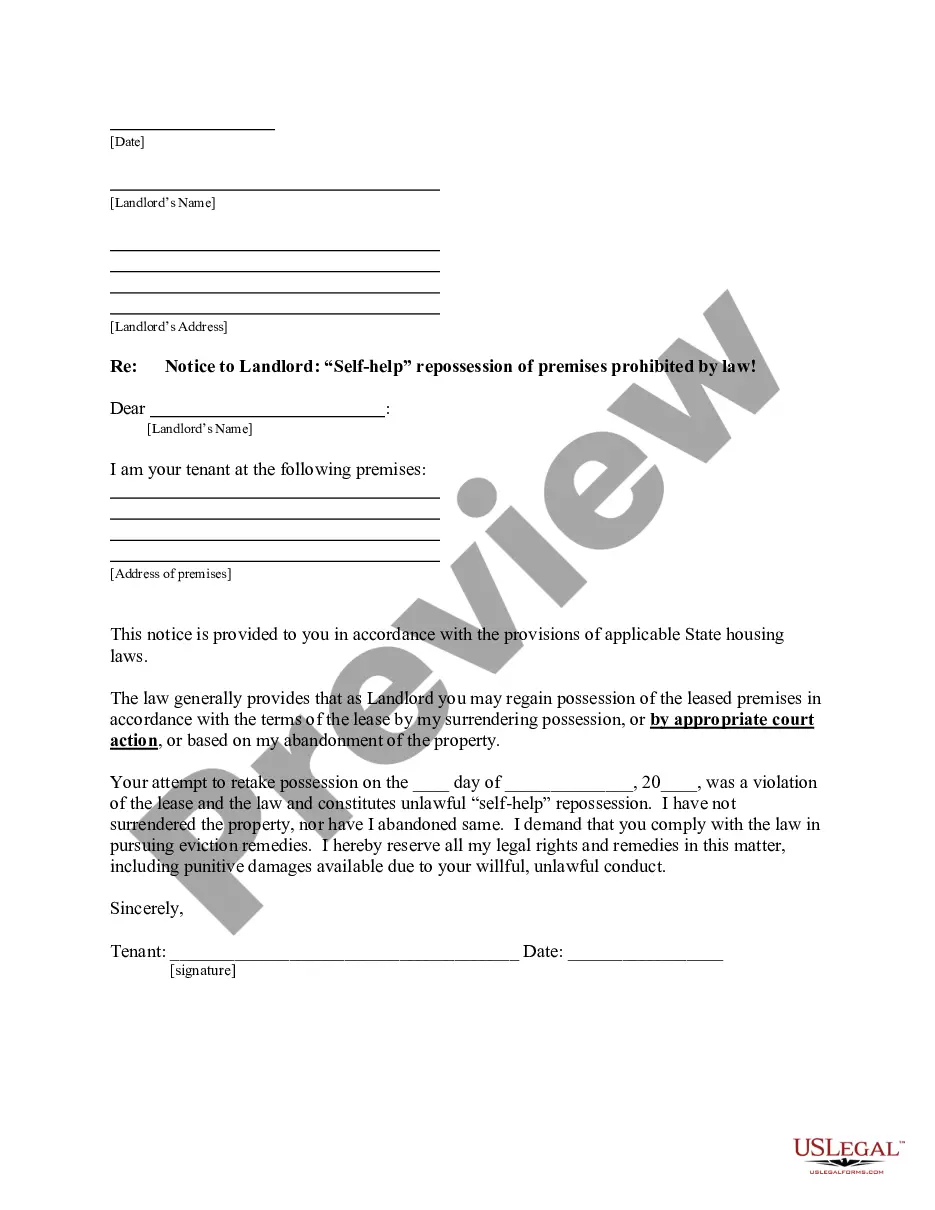
Nevada Discharge or Release of Lien - Individual
Understanding this form
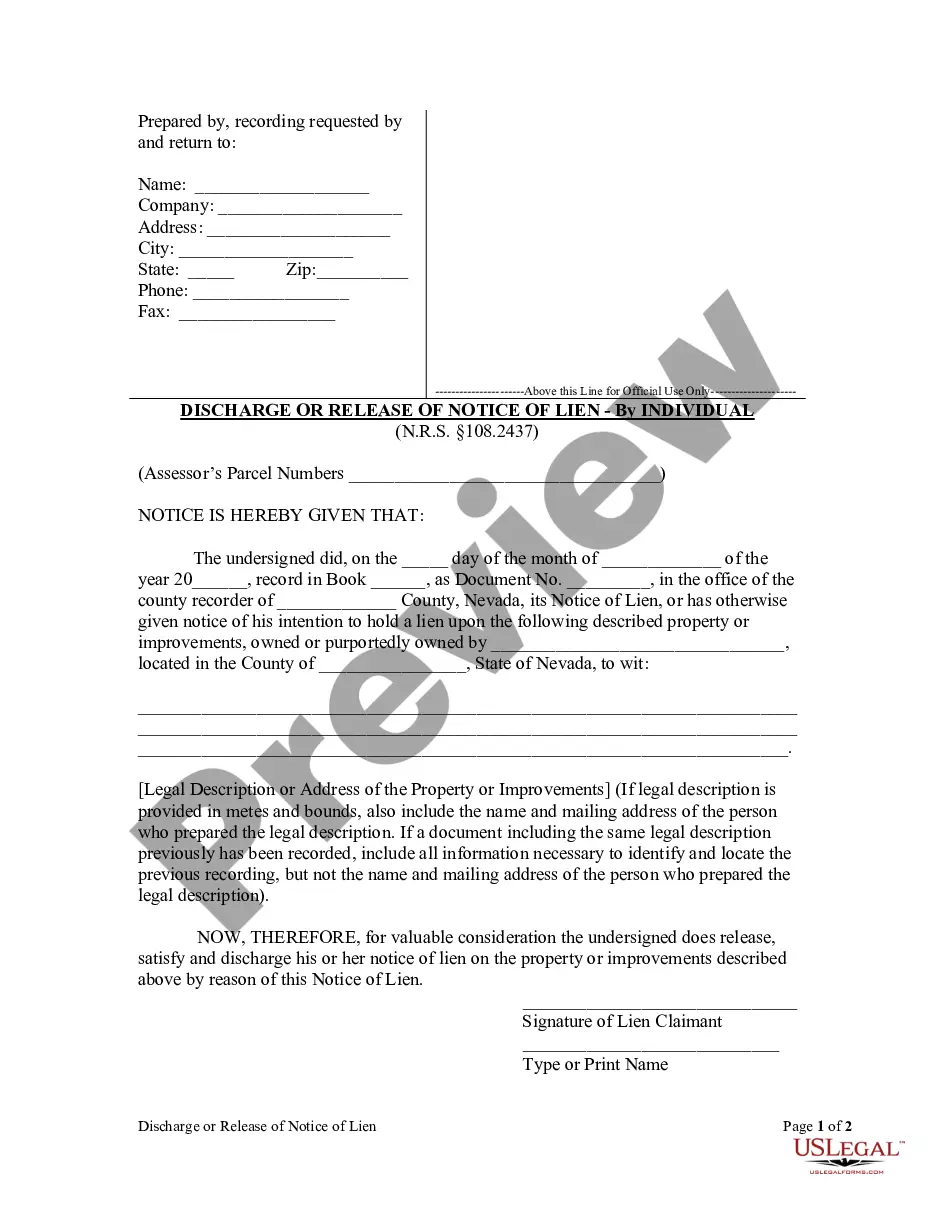
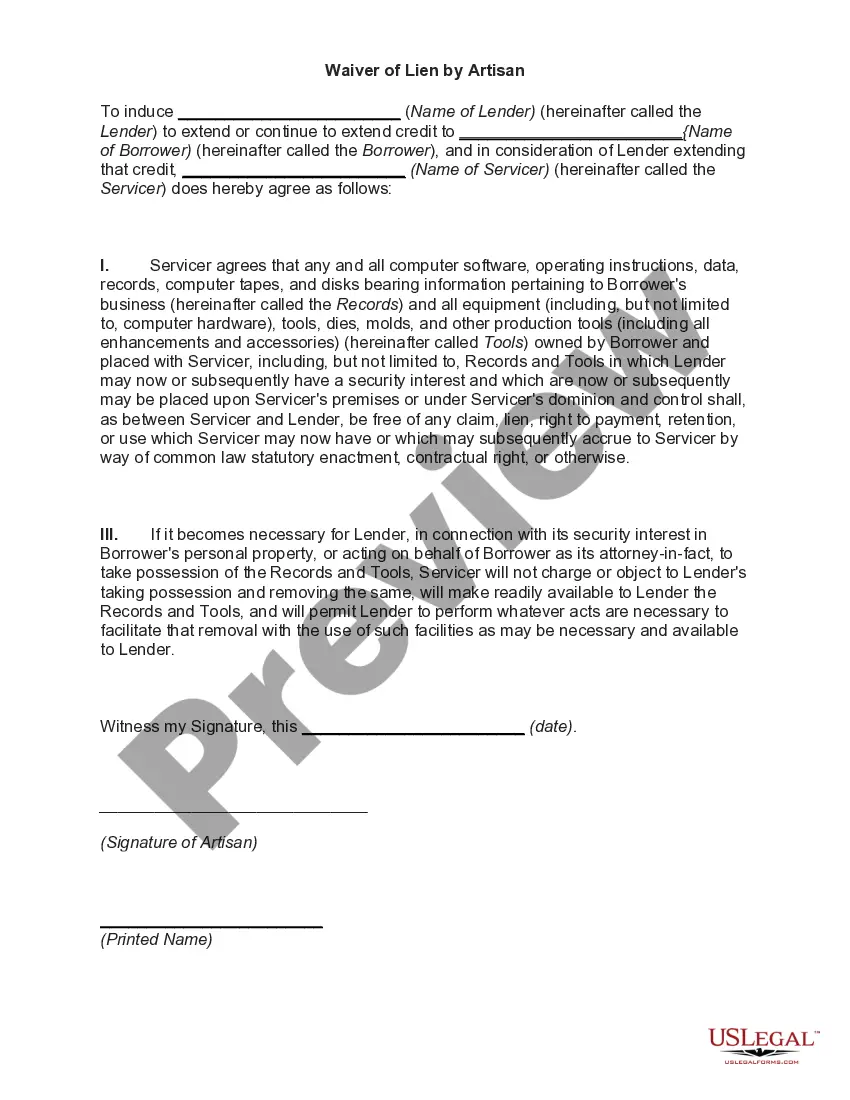
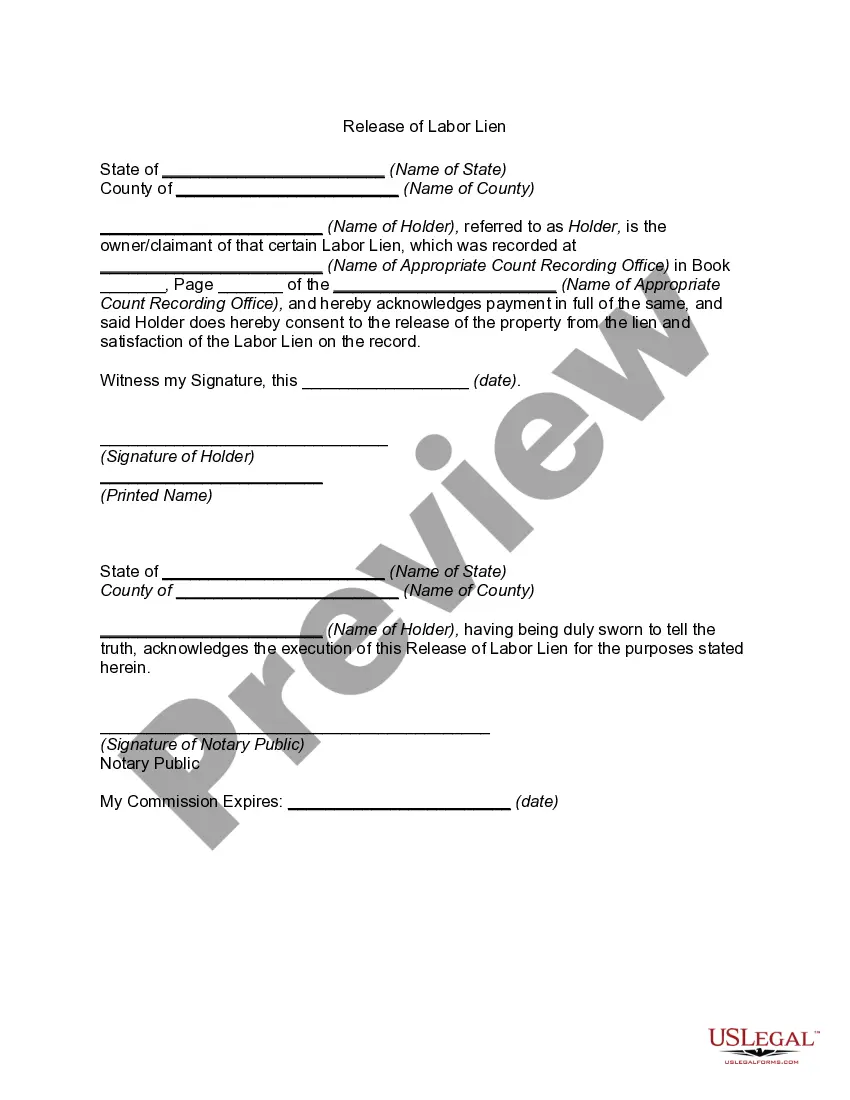
The Discharge or Release of Lien - Individual form is a legal document used to officially remove a lien from a property. This form is essential in Nevada for property owners or parties adversely affected by a lien who have fulfilled their obligations under that lien. Once completed, it notifies relevant authorities that the lien has been satisfied, distinguishing it from similar documentation, such as a lien statement or release of claims, which may not necessarily confirm the fulfillment of obligations.
Main sections of this form
- Identification section for the lienholder and property owner.
- Details regarding the recorded lien, including dates and document numbers.
- Legal description of the property or improvements involved.
- Statement confirming the satisfaction of the lien.
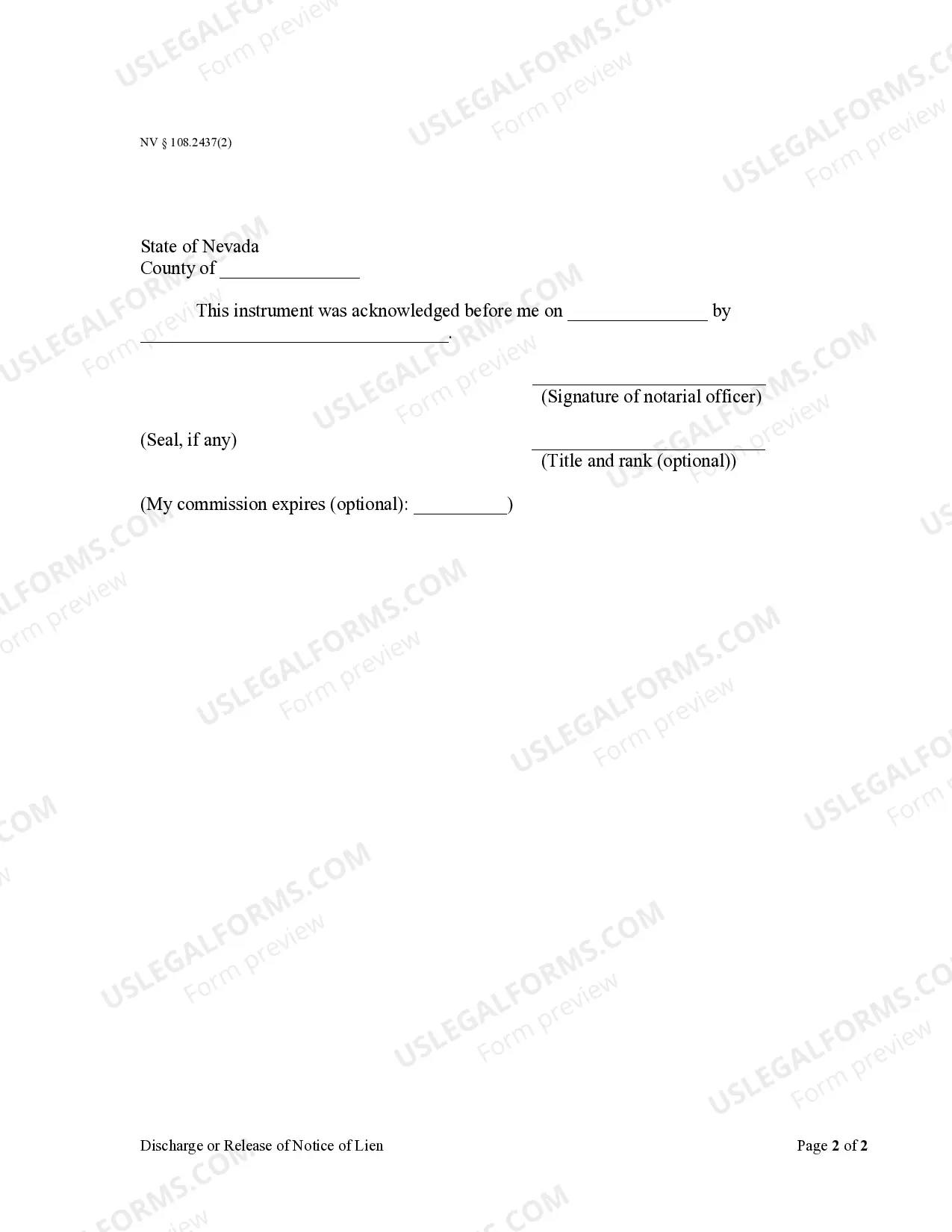
- Signature section for the lien claimant, including acknowledgement by a notarial officer if required.
When to use this form
This form should be used when a lien has been satisfied or discharged. For instance, if a property owner has paid off any debts associated with a lien on their property, they need to file this form within ten days to formally remove the lien. This is critical to avoid potential liability for damages due to the lienholder's failure to file the release in a timely manner.
Who needs this form
- Property owners who have satisfied a lien on their property.
- Contractors or suppliers who have placed a lien and wish to release it after payment.
- Individuals responsible for property transactions affected by a lien.
- Real estate professionals assisting clients in resolving lien issues.
How to complete this form
- Provide the name and address of the lienholder and property owner.
- Enter the date and details of the lien recorded in the county records.
- Clearly describe the property or improvements that the lien concerns.
- Sign the form as the lien claimant and print your name.
- If required, have the document notarized to validate the signature.
Does this document require notarization?
Notarization is required for this form to take effect. Our online notarization service, powered by Notarize, lets you verify and sign documents remotely through an encrypted video session, available 24/7.
Get your form ready online
Our built-in tools help you complete, sign, share, and store your documents in one place.
Make edits, fill in missing information, and update formatting in US Legal Forms—just like you would in MS Word.
Download a copy, print it, send it by email, or mail it via USPS—whatever works best for your next step.
Sign and collect signatures with our SignNow integration. Send to multiple recipients, set reminders, and more. Go Premium to unlock E-Sign.
If this form requires notarization, complete it online through a secure video call—no need to meet a notary in person or wait for an appointment.
We protect your documents and personal data by following strict security and privacy standards.

Make edits, fill in missing information, and update formatting in US Legal Forms—just like you would in MS Word.

Download a copy, print it, send it by email, or mail it via USPS—whatever works best for your next step.

Sign and collect signatures with our SignNow integration. Send to multiple recipients, set reminders, and more. Go Premium to unlock E-Sign.

If this form requires notarization, complete it online through a secure video call—no need to meet a notary in person or wait for an appointment.

We protect your documents and personal data by following strict security and privacy standards.
Typical mistakes to avoid
- Failing to file within the ten-day window after the lien is satisfied.
- Incorrectly describing the property or not providing a complete legal description.
- Not including all necessary signatures or failing to notarize when required.
Why use this form online
- Immediate access to a legally compliant template prepared by licensed attorneys.
- Convenience of downloading and completing the form at your own pace.
- Editability ensures you can input all required details accurately.
Looking for another form?
Form popularity
FAQ
The Nevada Discharge or Release of Lien - Individual is a legal document used to officially remove a lien from a property after the lien has been satisfied. It notifies the county recorder and relevant authorities that the lien is released, and it should be filed within ten days of satisfaction to formally remove the lien.
The form requires these core elements: identification section for the lienholder and property owner; details of the recorded lien (dates and document numbers); the legal description of the property or improvements; a statement confirming the satisfaction; and the signature section for the lien claimant, including notarial acknowledgment if required.
To obtain a lien release, fill out the Nevada Discharge or Release of Lien - Individual with the required information, sign the form, and have a notary acknowledge if required. File or record the document with the appropriate local authority, and ensure you file within ten days after the lien is satisfied to formally release it.
A discharge of lien means the lien has been satisfied and may be removed from the property records. The form provides a statement of satisfaction and, once filed or recorded, serves as official proof that the lien is released and no longer encumbers the property.
Not necessarily. The form's signature section allows for notarial acknowledgment if required, meaning notarization depends on the parties’ agreement or Nevada law. If required, have a notary witness the lien claimant's signature. The form itself does not mandate notarization.
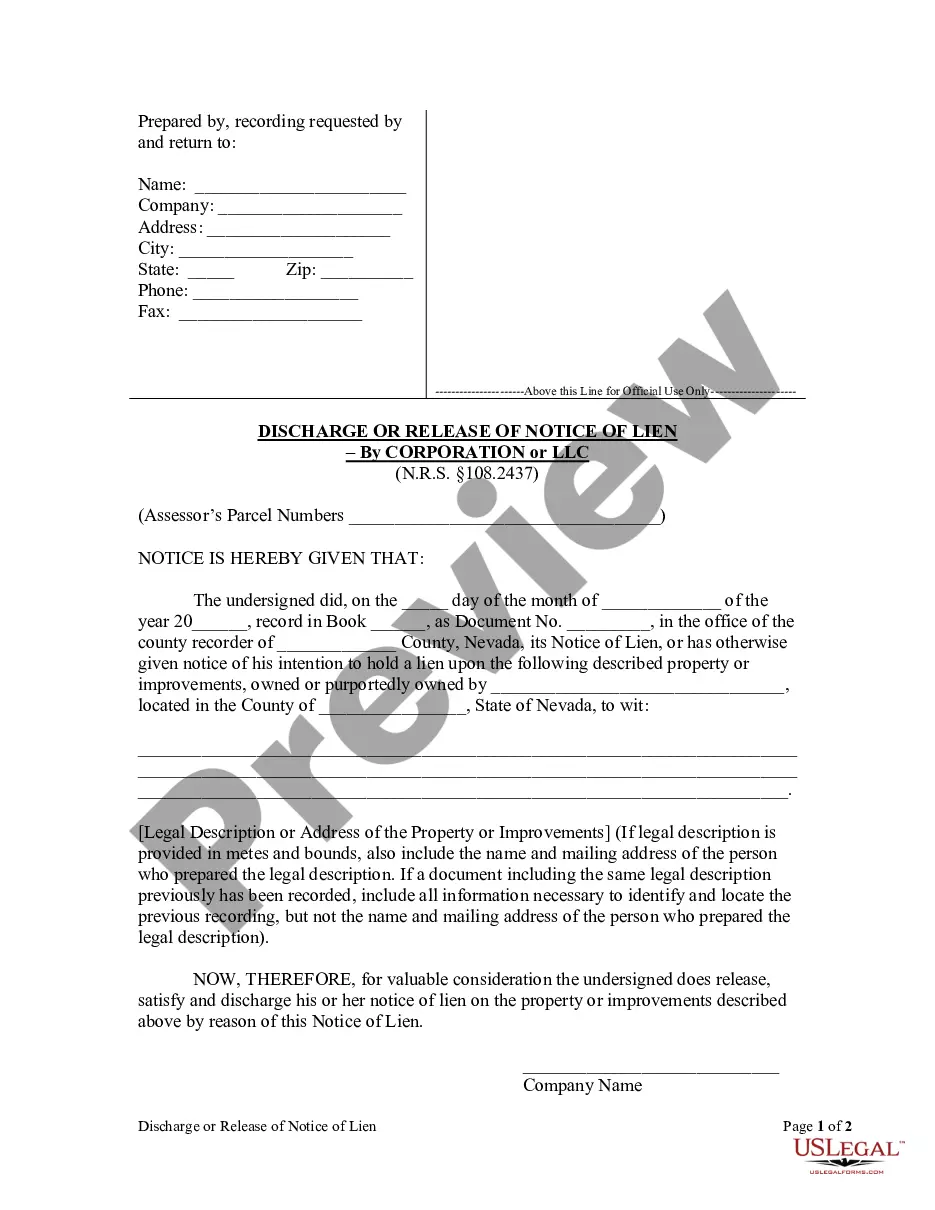
This form is the Individual version, intended for individuals releasing a lien on a Nevada property. It includes an identification section for both the lienholder and the property owner, the lien details and a statement of satisfaction, and a notary acknowledgment option if required, distinguishing it from entity-focused or other non-individual lien releases.