New Mexico Annual Financial Checkup Package
About this form package
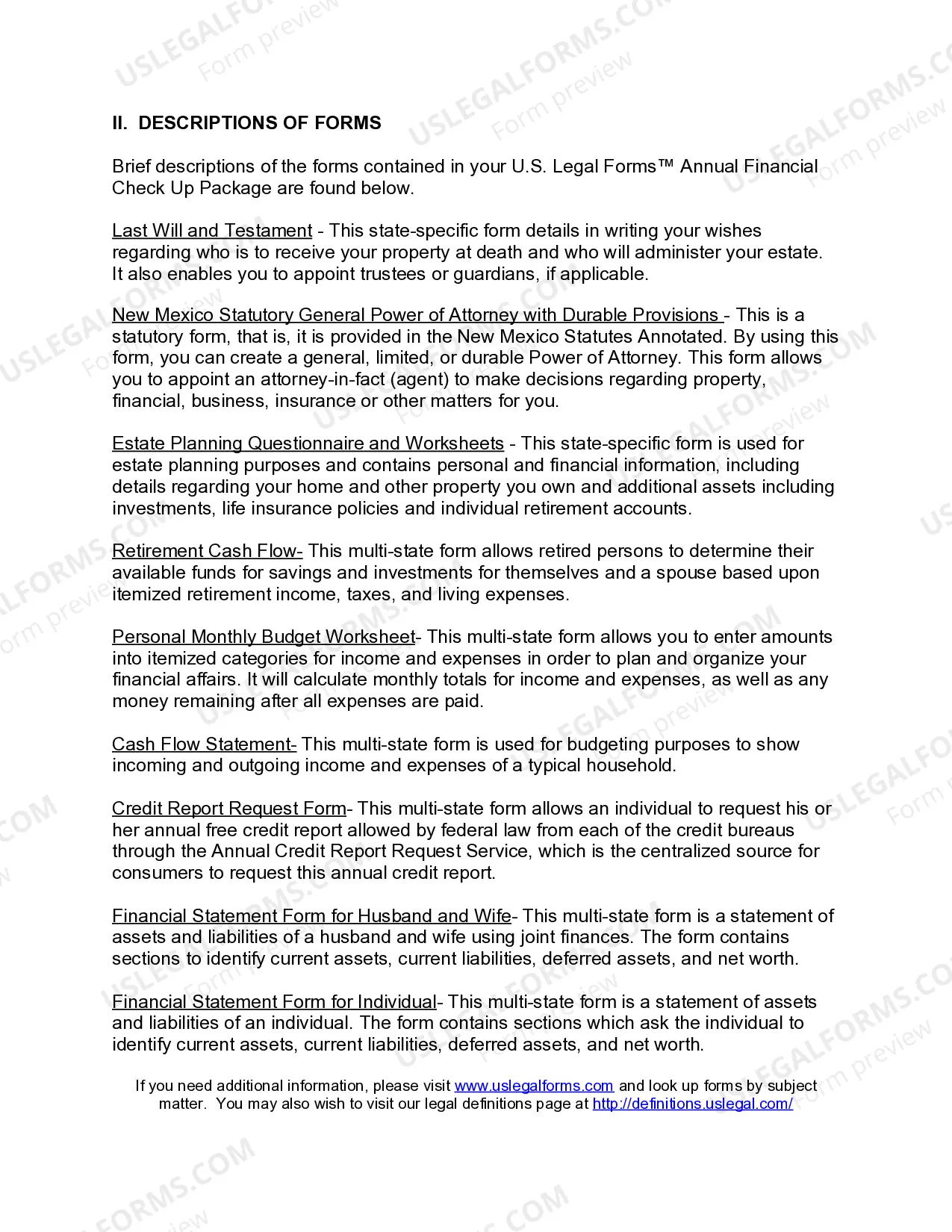
The New Mexico Annual Financial Checkup Package is designed to assist you in conducting a comprehensive annual review of your financial status. This package includes essential legal forms that help you assess and update your financial records based on any changes in your personal circumstances. Unlike other packages, this one focuses specifically on annual financial evaluation and necessary documentation, ensuring that you stay on track with your financial goals.
Forms you’ll find in this package
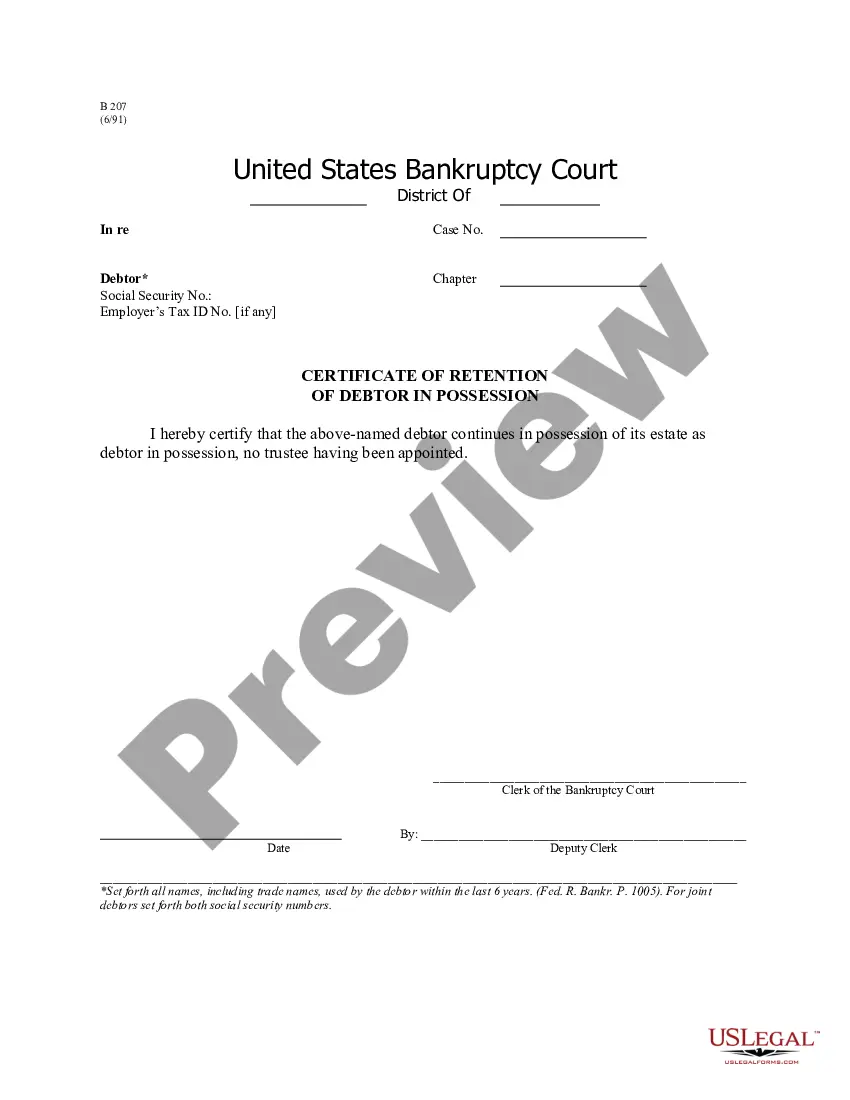
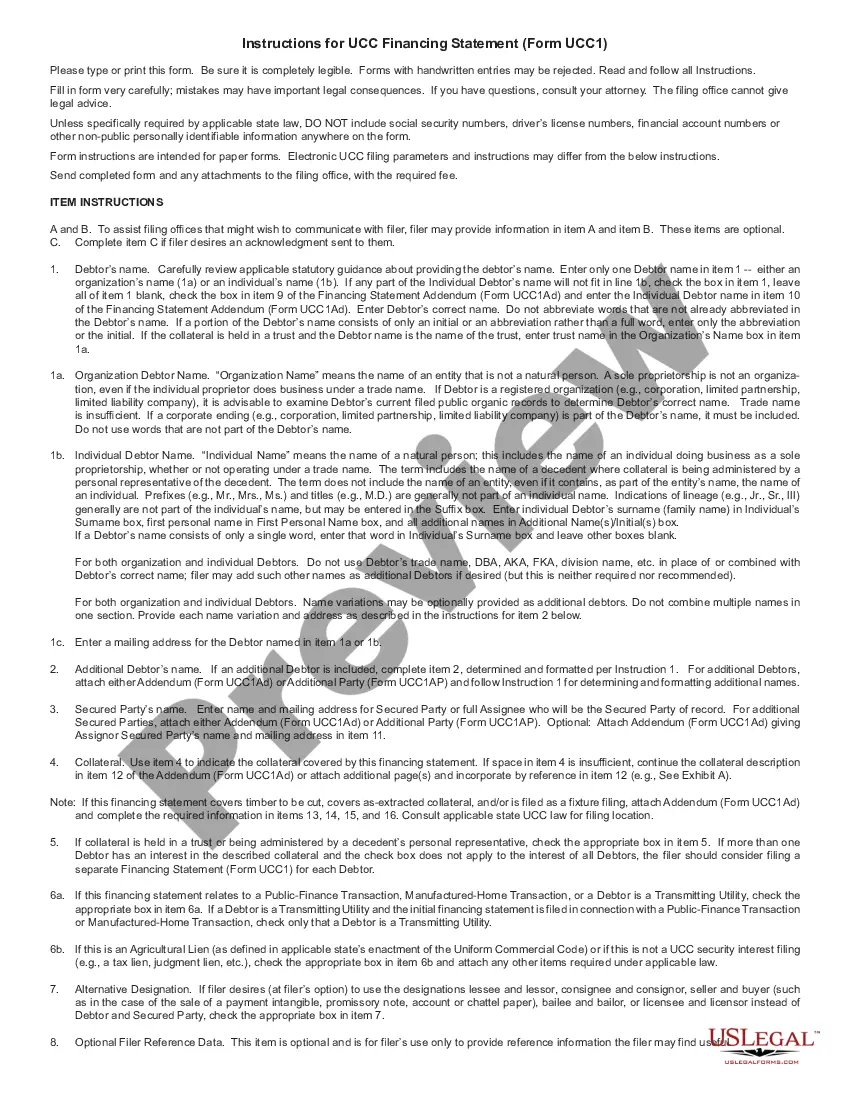
- Statutory General Power of Attorney with Durable Provisions
- Estate Planning Questionnaire and Worksheets
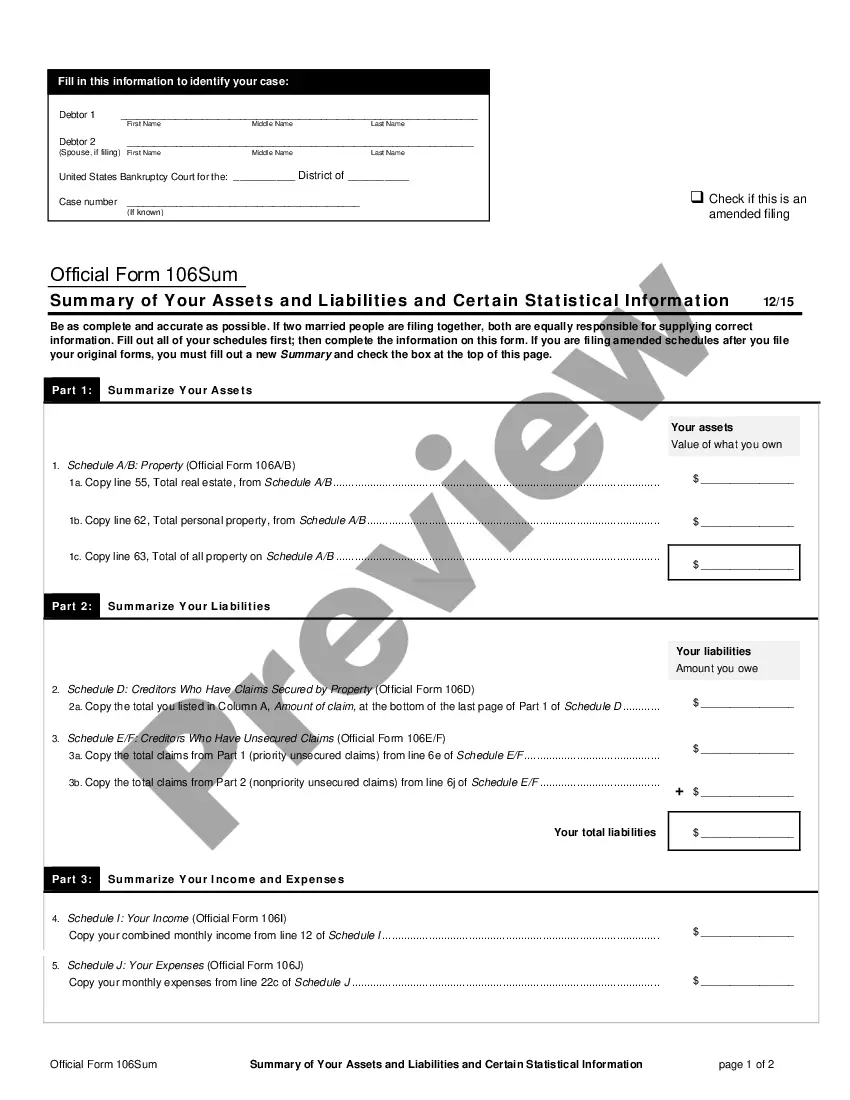
- Financial Statement Form - Husband and Wife Joint
- Financial Statement Form - Individual
- Sample Letter for Request for Free Credit Report Allowed by Federal Law
- Cash Flow Statement
- Retirement Cash Flow
- Personal Monthly Budget Worksheet


Situations where these forms applies
This form package is particularly beneficial in the following scenarios:
- When you want to review and update your financial documents annually.
- If your personal circumstances have changed, such as marriage, divorce, or a significant change in income.
- When you need to establish or revise important financial powers of attorney or estate planning documents.
- If you would like to create a personal budget or assess your retirement cash flow.
Who this form package is for
- Individuals looking to reassess their financial situation on an annual basis.
- Couples who wish to manage their joint finances effectively.
- Anyone needing to establish or update estate planning documents tailored to their specific needs.
- Retired individuals planning their cash flow and budgeting strategies.
How to prepare this document
- Review the included forms thoroughly to understand their purpose and information required.
- Gather necessary financial documents and personal information required to fill out the forms accurately.
- Identify the various parties involved, including yourself and any agents or beneficiaries.
- Carefully enter the requested information into the designated fields on each form.
- Sign and date all forms as required, ensuring that all legal formalities are observed.
Notarization guidance for this package
Some forms in this package require notarization to be legally valid. US Legal Forms provides secure online notarization powered by Notarize, allowing you to complete the process through a verified video call, available 24/7.
Get your form ready online
Our built-in tools help you complete, sign, share, and store your documents in one place.
Make edits, fill in missing information, and update formatting in US Legal Forms—just like you would in MS Word.
Download a copy, print it, send it by email, or mail it via USPS—whatever works best for your next step.
Sign and collect signatures with our SignNow integration. Send to multiple recipients, set reminders, and more. Go Premium to unlock E-Sign.
If this form requires notarization, complete it online through a secure video call—no need to meet a notary in person or wait for an appointment.
We protect your documents and personal data by following strict security and privacy standards.

Make edits, fill in missing information, and update formatting in US Legal Forms—just like you would in MS Word.

Download a copy, print it, send it by email, or mail it via USPS—whatever works best for your next step.

Sign and collect signatures with our SignNow integration. Send to multiple recipients, set reminders, and more. Go Premium to unlock E-Sign.

If this form requires notarization, complete it online through a secure video call—no need to meet a notary in person or wait for an appointment.

We protect your documents and personal data by following strict security and privacy standards.
Common mistakes to avoid
- Failing to update the forms annually, leading to outdated financial details.
- Not including all necessary parties in the Power of Attorney forms.
- Overlooking the details needed for the estate planning worksheets.
- Submitting forms without proper signatures where required.
Advantages of online completion
- Convenience of downloading forms at any time, from anywhere.
- Editability allows you to customize forms to suit your specific situation.
- Reliability of attorney-drafted forms that adhere to legal standards.
Looking for another form?






Form popularity
FAQ
By performing an annual financial checkup, you can assess whether you're following your budget and making the most of your investments. If you've veered off course, you can get back on track to meet your financial, career and life goals.
CFSI has defined four components of financial health: Spend, Save, Borrow, and Plan. These components mirror your daily financial activities. What you do today in terms of spending, saving, borrowing, and planning either builds towards or detracts from your resilience and ability to pursue opportunities.
Determine your net worth, and see which way it's trending. Calculate your debt-to-income ratio (and try not to scream) Evaluate your housing situation. Find out where your money is going (and if you're spending more than you should) Make sure your investment strategy is aligned with your situation.
A financial check-up is as important as an annual physical with your doctor. Like a medical exam, a review of your finances can identify strategies to improve financial fitness and screen for potential problems, such as a high debt-to-income ratio.The quiz consists of 20 questions about various financial practices.
What is a Financial Health Check? Our free Financial Health Check is a review of your personal finances.It'll focus on your needs and goals, and could help you to make better decisions about your finances, now and in the future.
The state and stability of an individual's personal finances and financial affairs are called their financial health. Typical signs of strong financial health include a steady flow of income, rare changes in expenses, strong returns on investments, and a cash balance that is growing.
Create a budget. Tracking your money isn't always easy, but it's the simplest way to lift the veil on where your cash is going. Save more money. Automate your finances. Pay off debt. Save for long-term goals.
Net Profit. Financial statements will reveal a company's net profit, The net profit is the money that a business has left over after paying all expenses. Sales. Margins. Cash Flow. Customer Acquisition Cost. Customer Churn Rates. Debt. Accounts Receivable Turnover.
Identify Your Goals. Evaluate Changes in Your Situation. Protect Your Assets. Prepare for the Unexpected. Evaluate Your Investment Performance. Evaluate Your Debts. Reduce Your Income Taxes. Review Your Retirement Plans.