New Mexico Letter from Landlord to Tenant that Sublease granted - Rent Paid by Subtenant, Old Tenant Released from Liability for Rent
Understanding this form
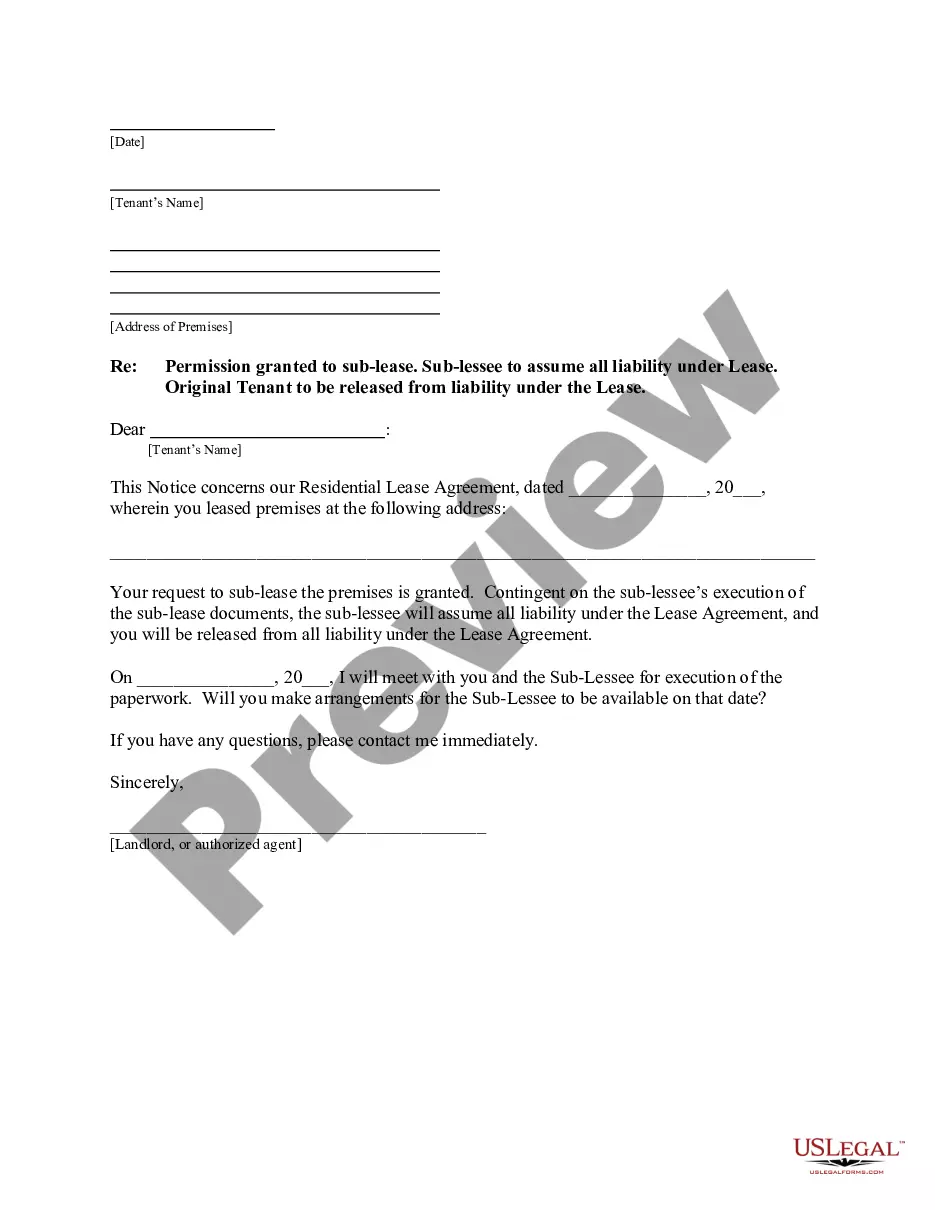
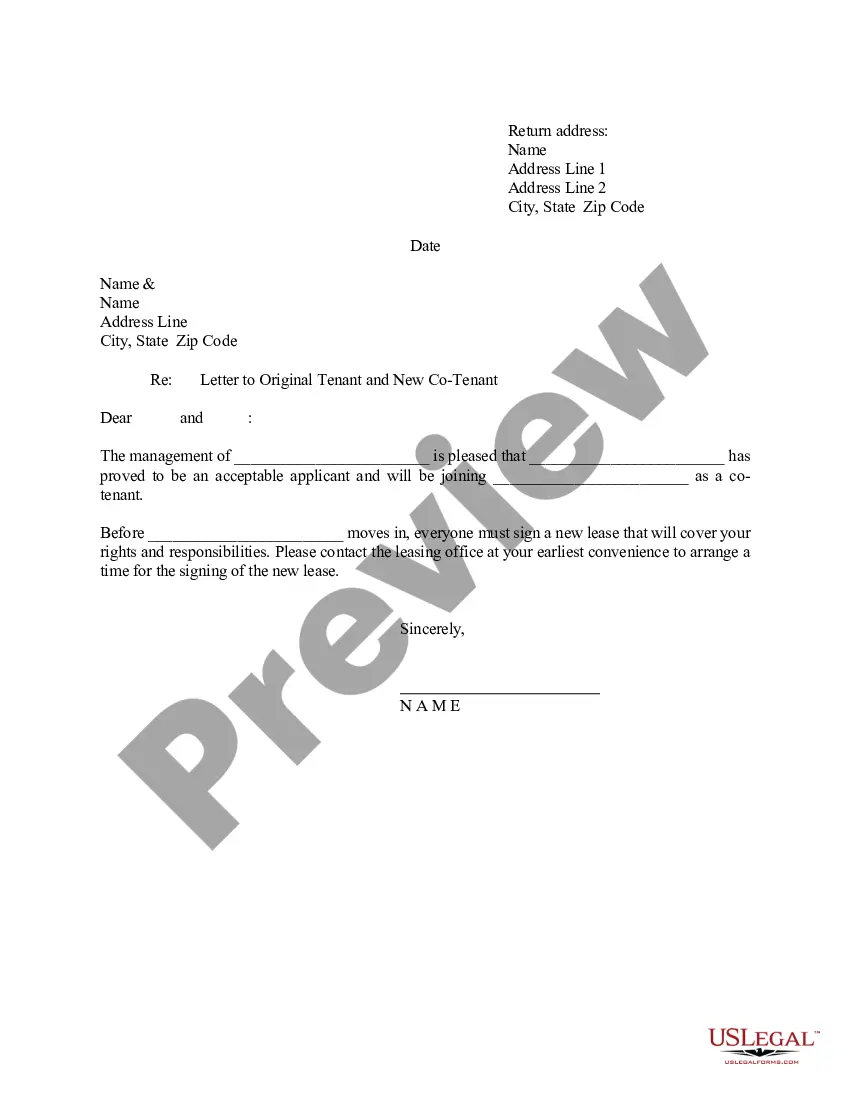
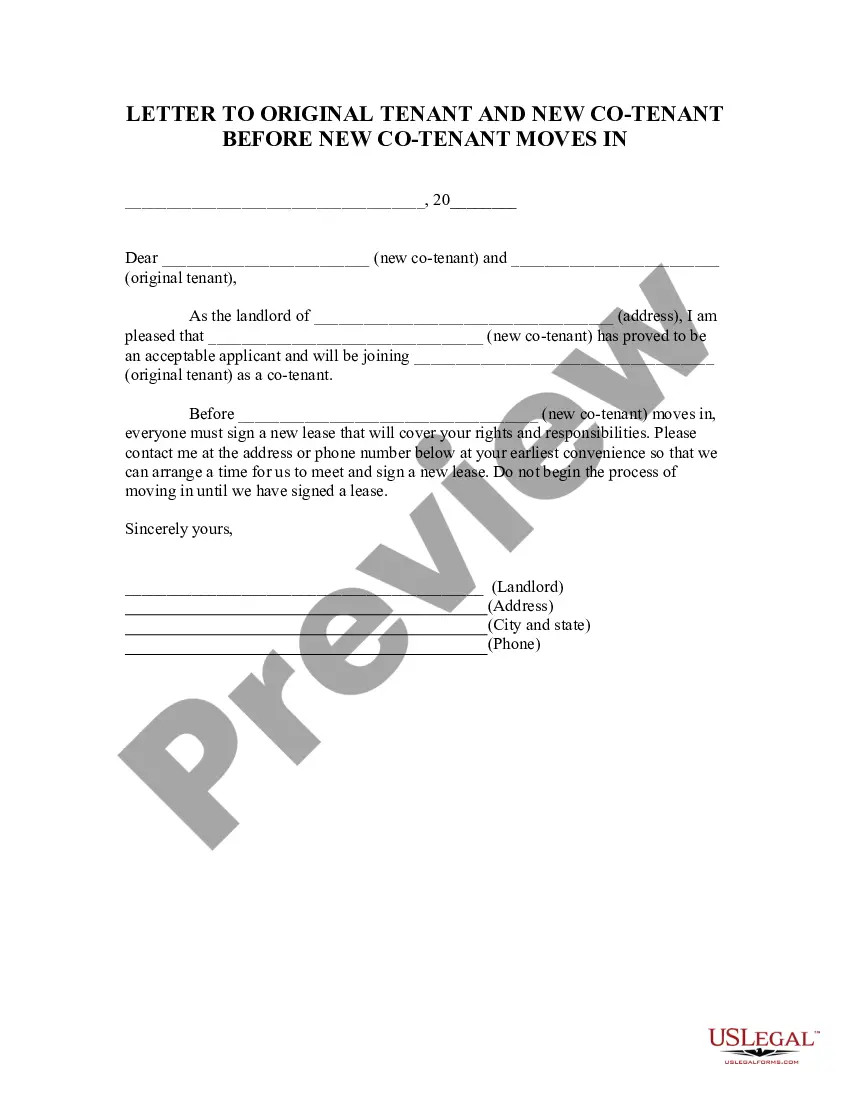
This letter serves as a formal notification from a landlord to a tenant, indicating that a sublease has been granted. The subtenant will assume responsibility for paying rent, thereby releasing the original tenant from any liability for those payments. This document is essential for establishing clear communication about the responsibilities of all parties involved in the subleasing arrangement, distinguishing it from other rental agreements or notices.
Form components explained
- Granting of the sublease: States that the tenant's request to sublease is approved.
- Release of liability: Confirms that the original tenant is released from rent obligations once the subtenant is in place.
- Meeting details: Sets a date for the execution of the sublease documents with both the tenant and the subtenant.
- Contact information: Provides a way for the tenant to reach out with questions.
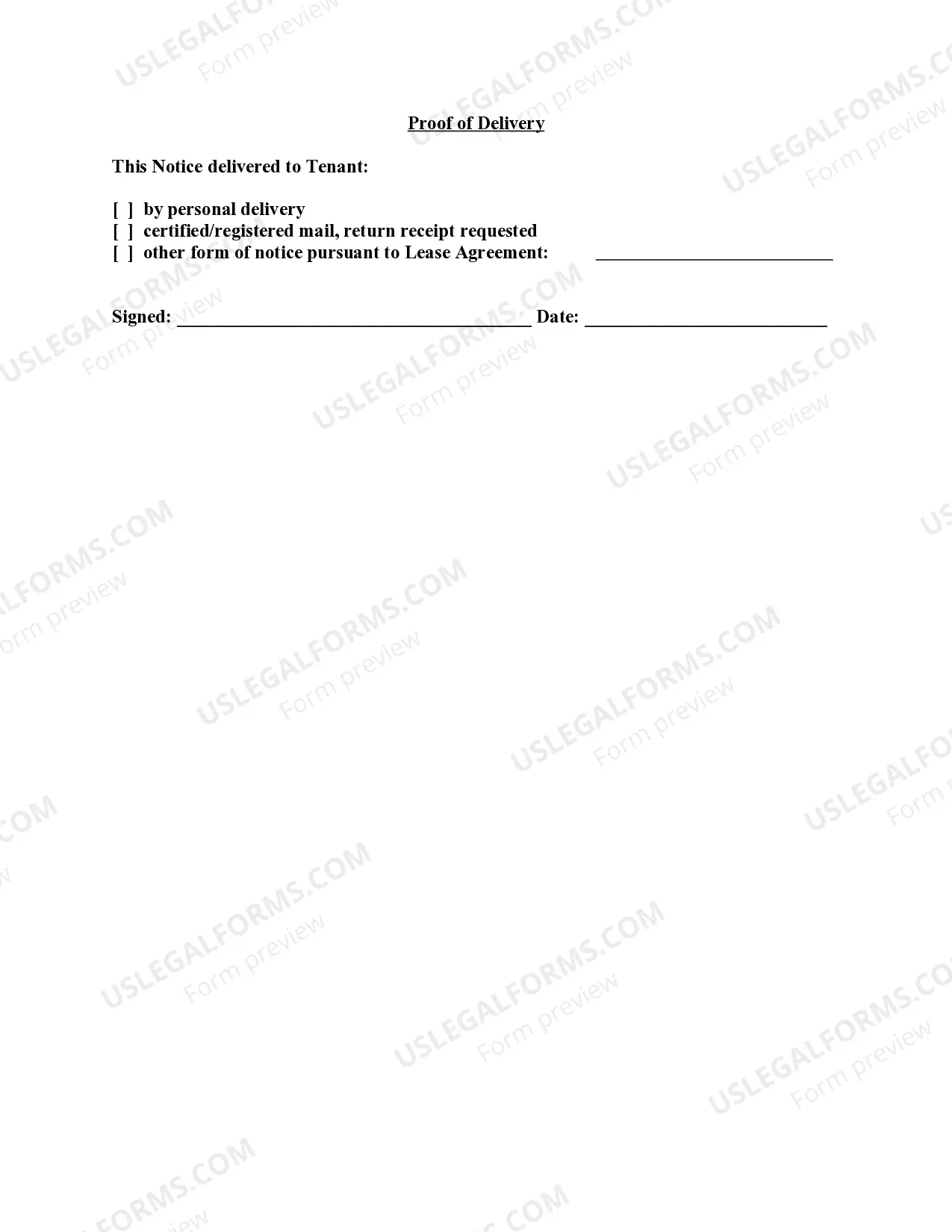
- Proof of delivery options: Outlines how the notice can be delivered to the tenant.

Situations where this form applies
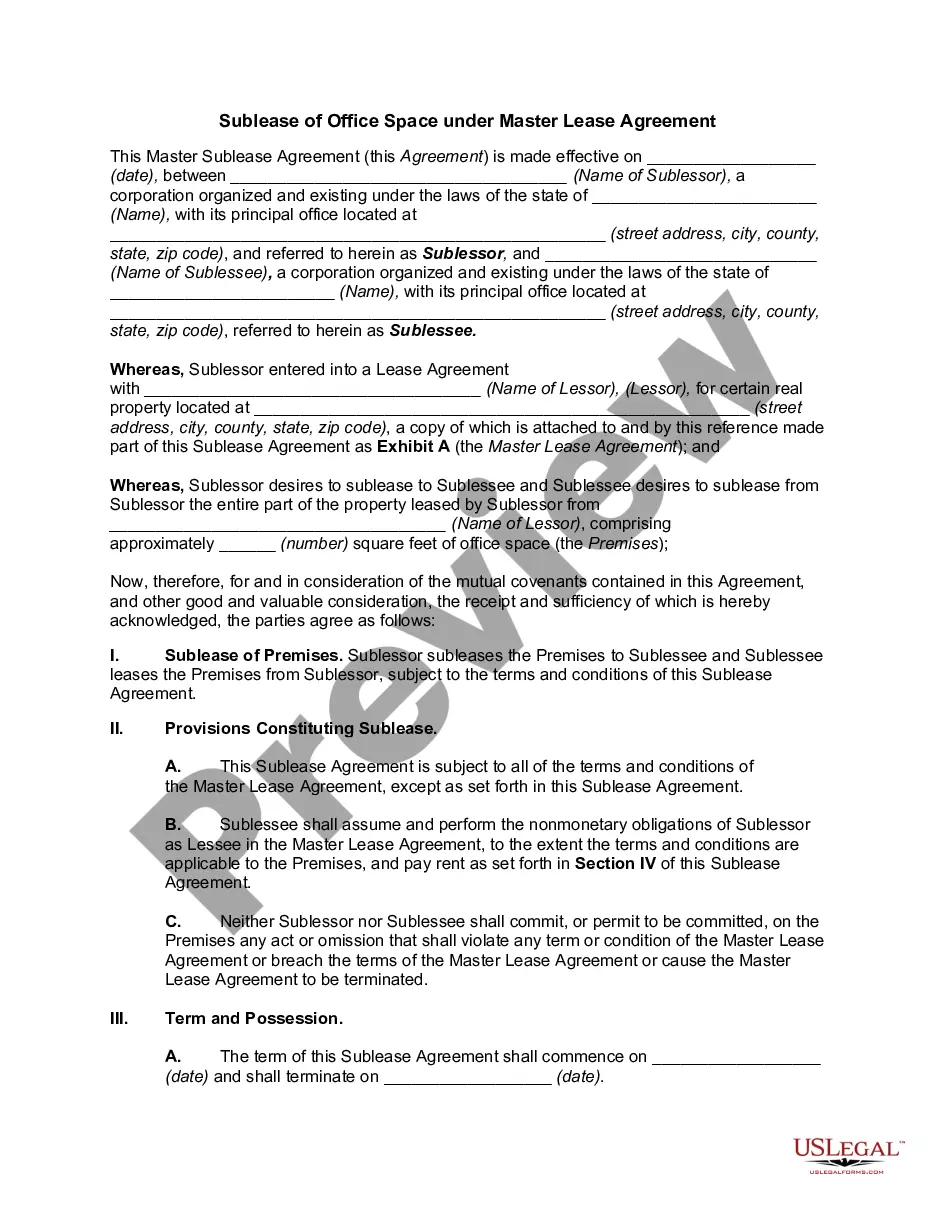
Use this form when a tenant intends to sublease their rental property to another person and wants to formalize the arrangement with the landlord's approval. This document is important in situations where the original tenant needs to ensure they are no longer responsible for rent payments once the subtenant takes over. It is particularly useful in short-term rental circumstances or when tenants need to temporarily relocate.
Who needs this form
- Landlords managing rental properties who allow subleasing.
- Tenants seeking to sublease their apartments or houses.
- Subtenants looking to understand their responsibilities once the sublease is approved.
- Property managers facilitating the subleasing process for tenants.
Completing this form step by step
- Identify the parties involved: Clearly state the names of the landlord, tenant, and subtenant.
- Specify the property: Include the address of the rental property being subleased.
- Fill in the date: Indicate the date of the meeting for signing the sublease paperwork.
- Include delivery method: Choose how the notice will be delivered to the tenant (e.g., personal delivery or certified mail).
- Sign the document: The landlord or authorized agent must sign the letter before it is delivered.
Does this document require notarization?
Notarization is generally not required for this form. However, certain states or situations might demand it. You can complete notarization online through US Legal Forms, powered by Notarize, using a verified video call available anytime.
Get your form ready online
Our built-in tools help you complete, sign, share, and store your documents in one place.
Make edits, fill in missing information, and update formatting in US Legal Forms—just like you would in MS Word.
Download a copy, print it, send it by email, or mail it via USPS—whatever works best for your next step.
Sign and collect signatures with our SignNow integration. Send to multiple recipients, set reminders, and more. Go Premium to unlock E-Sign.
If this form requires notarization, complete it online through a secure video call—no need to meet a notary in person or wait for an appointment.
We protect your documents and personal data by following strict security and privacy standards.

Make edits, fill in missing information, and update formatting in US Legal Forms—just like you would in MS Word.

Download a copy, print it, send it by email, or mail it via USPS—whatever works best for your next step.

Sign and collect signatures with our SignNow integration. Send to multiple recipients, set reminders, and more. Go Premium to unlock E-Sign.

If this form requires notarization, complete it online through a secure video call—no need to meet a notary in person or wait for an appointment.

We protect your documents and personal data by following strict security and privacy standards.
Typical mistakes to avoid
- Failing to document the sublease terms clearly, leading to misunderstandings.
- Not obtaining the landlord's formal approval before proceeding with the sublease.
- Missing the meeting date for signing the necessary paperwork.
- Neglecting to inform the landlord about any changes in the subtenant's status.
Advantages of online completion
- Convenience: Easily accessible from any device, allowing for quick completion and delivery.
- Editability: Forms can be customized to meet the specific needs of each situation.
- Reliability: Templates are created by licensed attorneys to ensure they meet legal standards.
Looking for another form?

Form popularity
FAQ
A subtenancy is created when an existing tenant lets some or all of their home to another tenant - the subtenant. In most cases, a tenant needs their landlord's permission before they can sublet their home.
A landlord cannot evict a subtenant.If the landlord really wants the subtenant gone, he would have to terminate your right to sublet the property. This means, he would have to evict you to get rid of the subtenant. If you want to evict a subtenant, and don't want to get your landlord involved.
Report illegal subletting Call our tenancy fraud hotline on 01708 432405 (9am to 5pm), email fraud@havering.gov.uk or Complete our tenancy fraud online form.
If a tenant sublets the entire home and/or if they sublet the property and move elsewhere, they will lose their tenancy status and the landlord can serve a notice to quit without providing legal grounds or proving to the court it is reasonable to evict them.
Subtenants. If you are a tenant who sublets to another tenant, then you become known as a 'mesne' (pronounced meen) tenant. The subtenant will consider you to be their landlord.You also have the same responsibilities as a tenant to your landlord (the mesne tenant).
Each state has different laws regarding subtenancy, with most landlords prohibiting subletting a property without prior permission. If subletting occurs without the landlord's knowledge, that landlord has the right to serve a three-day notice of eviction to both the tenant and the sublessor.
A Residential Sublease is a legally binding contract made between the original tenant of a rental property (sublandlord) and a new tenant (also known as a subtenant or a sublessee). The sublease gives the subtenant the right to share or to take over the rented premises from the original tenant.
If a tenant is subletting without consent, it's likely they will have broken terms in their tenancy agreement. This breach of contract means that the landlord can take action to evict them from their home. Possession proceedings can be started quickly, but it's important to follow the correct legal process.
Oftentimes, sub-tenants have the right to be presented with an eviction notice in advance of having to move out and, in some jurisdictions, may be able to bring a lawsuit against the landlord.