New Jersey Letter from Tenant to Landlord about Sexual Harassment
What this document covers
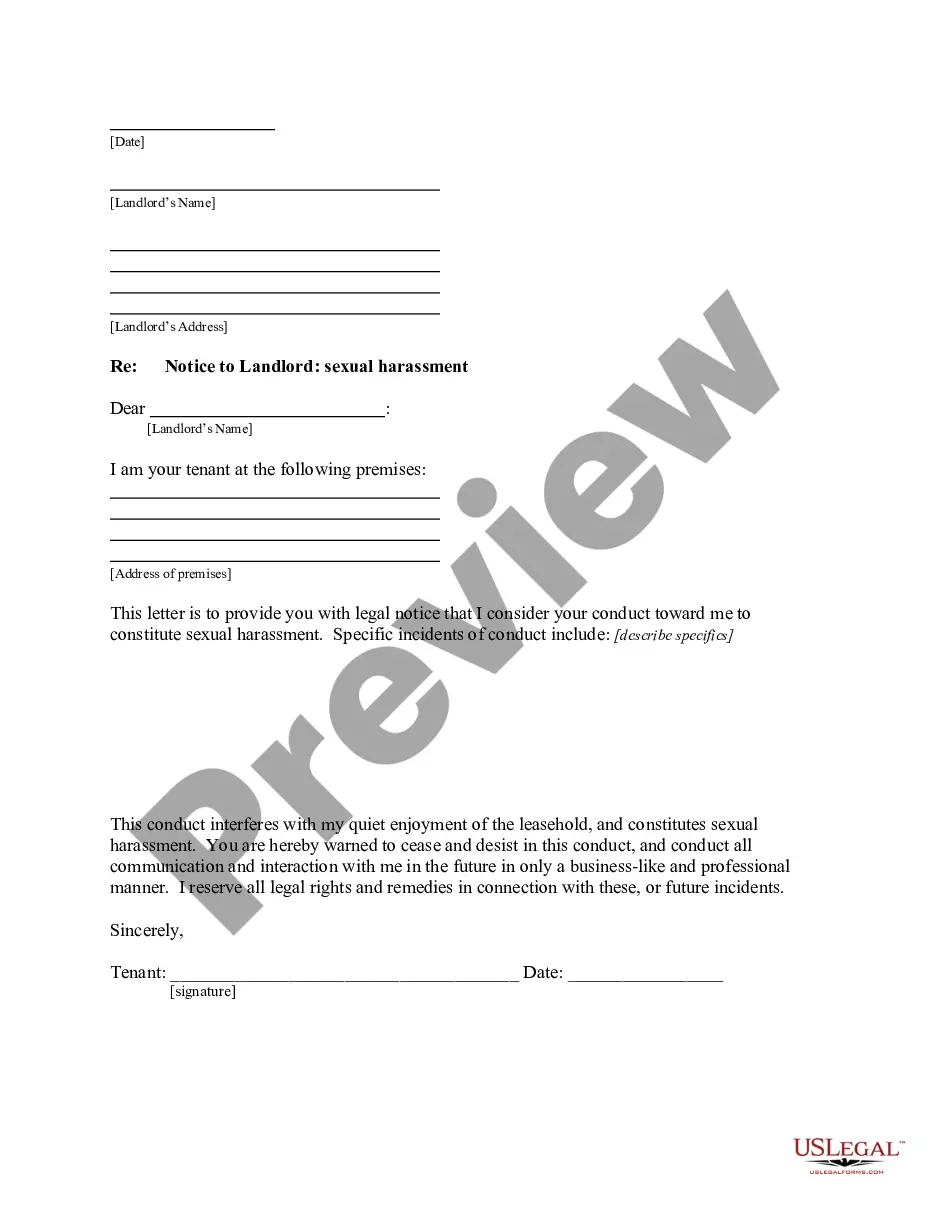
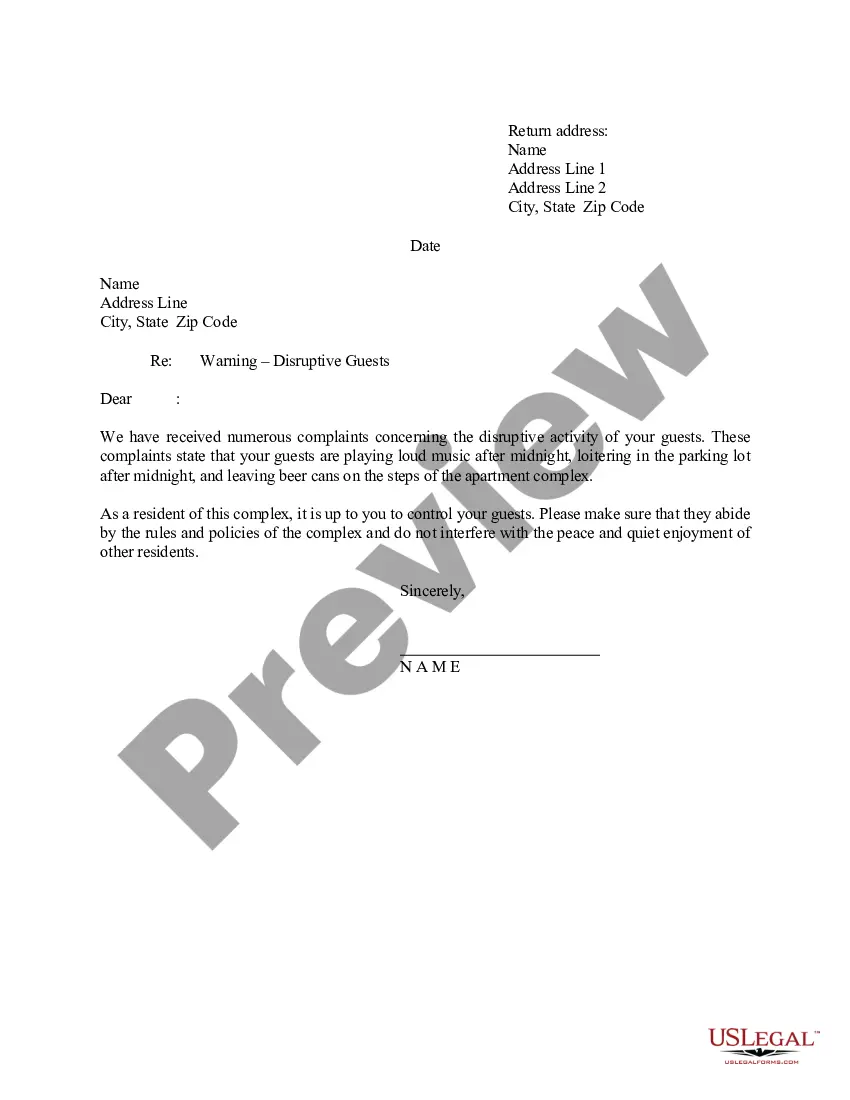
This form is a letter from a tenant to a landlord addressing instances of sexual harassment. It serves as a formal notice that the landlord's conduct is not only inappropriate but also illegal. The main objective of this letter is to communicate the tenant's distress and to request that the landlord cease such behavior, ensuring all future communication is conducted in a professional manner. This form is specifically designed for situations where a tenant feels their rights to quiet enjoyment of their rental property have been violated by the landlord's actions.
Main sections of this form
- Tenant's name and signature for validation.
- Specific date to document when the letter is sent.
- A clear statement asserting that the landlord's conduct constitutes sexual harassment.
- A request for the landlord to stop the inappropriate behavior and communicate professionally.
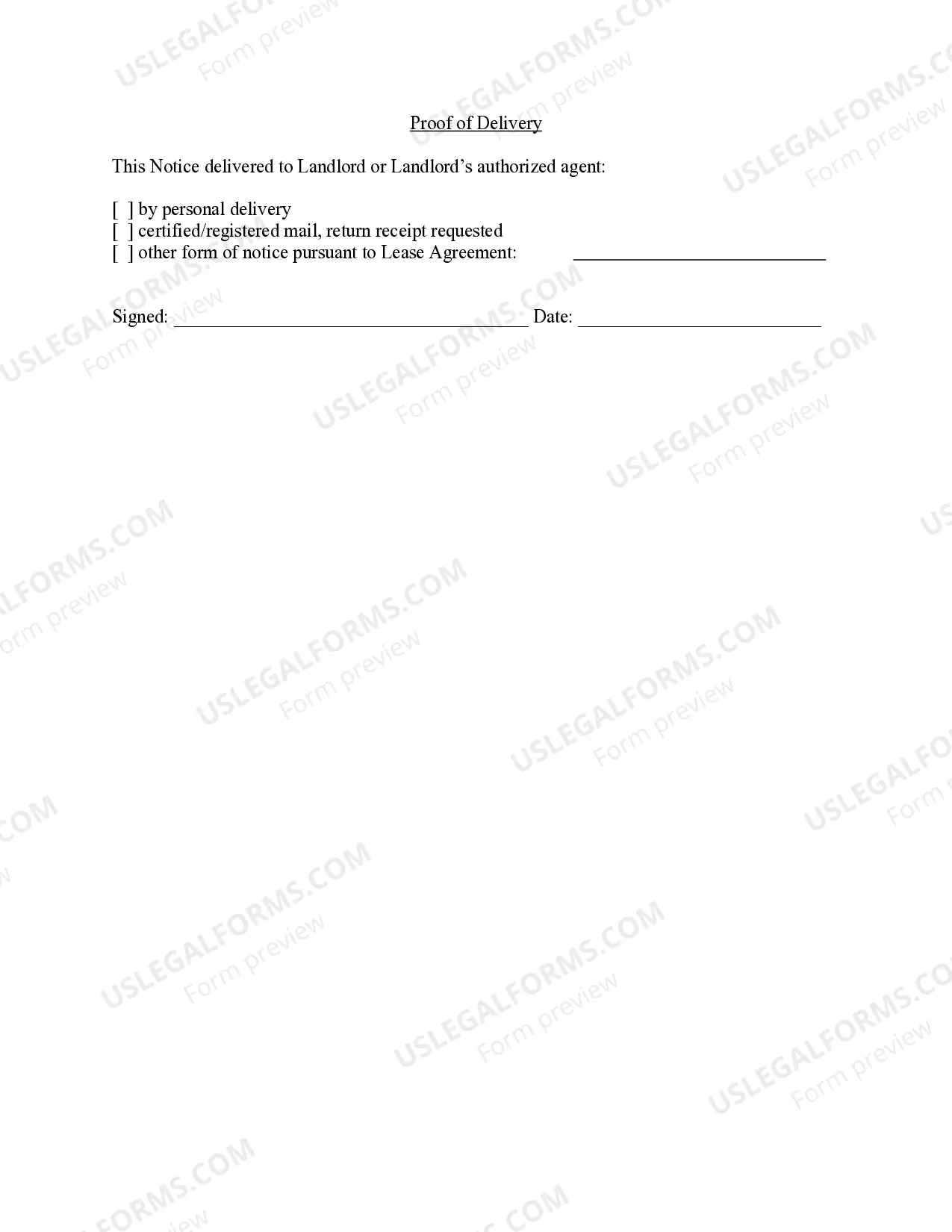
- Proof of delivery options, such as personal delivery or certified mail, to confirm receipt.

When this form is needed
This letter should be used when a tenant has experienced sexual harassment by their landlord. It is appropriate in situations where the landlord's conduct disrupts the tenant's right to live peacefully and comfortably in their rented property. Use this form to formally document the issue and request that the landlord reform their behavior, thereby protecting the tenant's rights and establishing a record of the complaint.
Intended users of this form
- Tenants who have experienced sexual harassment from their landlords.
- Individuals unsure of how to address inappropriate behavior by a landlord.
- Anyone seeking to formally document their concerns about illegal conduct affecting their living conditions.
Completing this form step by step
- Identifying the tenant: Enter your full name at the beginning of the letter.
- Stating the issue: Clearly describe the landlord's conduct that constitutes sexual harassment.
- Documenting the date: Write the date on which you are sending the letter.
- Signing the letter: Provide your signature to authenticate the claim.
- Choosing delivery method: Select either personal delivery or certified mail for proof of delivery.
Does this document require notarization?
This form usually doesn’t need to be notarized. However, local laws or specific transactions may require it. Our online notarization service, powered by Notarize, lets you complete it remotely through a secure video session, available 24/7.
Get your form ready online
Our built-in tools help you complete, sign, share, and store your documents in one place.
Make edits, fill in missing information, and update formatting in US Legal Forms—just like you would in MS Word.
Download a copy, print it, send it by email, or mail it via USPS—whatever works best for your next step.
Sign and collect signatures with our SignNow integration. Send to multiple recipients, set reminders, and more. Go Premium to unlock E-Sign.
If this form requires notarization, complete it online through a secure video call—no need to meet a notary in person or wait for an appointment.
We protect your documents and personal data by following strict security and privacy standards.
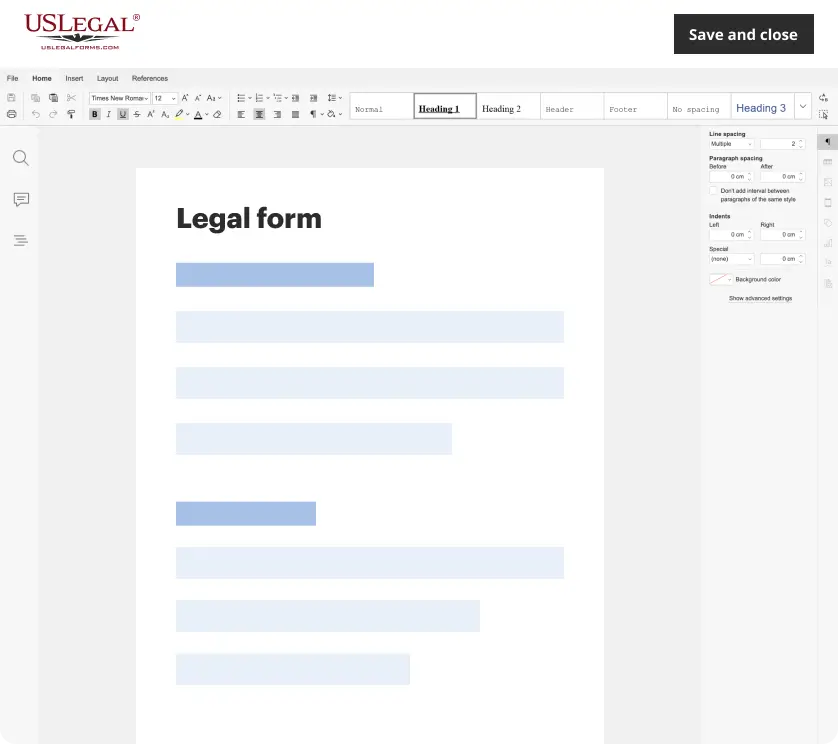
Make edits, fill in missing information, and update formatting in US Legal Forms—just like you would in MS Word.
Download a copy, print it, send it by email, or mail it via USPS—whatever works best for your next step.
Sign and collect signatures with our SignNow integration. Send to multiple recipients, set reminders, and more. Go Premium to unlock E-Sign.
If this form requires notarization, complete it online through a secure video call—no need to meet a notary in person or wait for an appointment.
We protect your documents and personal data by following strict security and privacy standards.
Common mistakes to avoid
- Failing to document specific instances of harassment, which can weaken your claim.
- Not sending the letter through a verifiable method, which is crucial for proving the landlord received it.
- Using vague language that may not clearly communicate the issue.
Advantages of online completion
- Convenient access to a legally drafted template that saves time and effort.
- Editability allows you to customize the letter to fit your unique situation.
- Ensures compliance with legal standards specific to your state.
Legal use & context
- This form establishes a written record of harassment allegations, supporting the tenant's position.
- A properly completed letter can serve as important evidence if legal action is pursued in the future.
- Does not guarantee a specific outcome but acts as a formal warning to the landlord.
Key takeaways
- This letter is an essential tool for tenants facing harassment from their landlord.
- Clearly documenting incidents can empower tenants and clarify expectations.
- Delivery methods should ensure the landlord receives the letter and that proof exists.
Looking for another form?
Form popularity
FAQ
Get an Injunctive Order from the Court to Stop the Behavior: A tenant can go to court to get a legal order from the court for the landlord to stop the harassing behavior. 12feff Sue the Landlord: A tenant could also sue the landlord for damages due to the harassment.
You can send your letter by email if your tenancy agreement says you can. You should say something like: I am giving 1 month's notice to end my tenancy, as required by law. I will be leaving the property on (date xxxxx).
Dear (Name of landlord or manager), This letter constitutes my written (number of days' notice that you need to give based on your lease agreement)-day notice that I will be moving out of my apartment on (date), the end of my current lease. I am leaving because (new job, rent increase, etc.)
Respectfully state that you are making a complaint. Explain the reason behind you making the complaint, making sure to put in the various reasons why you are making the complaint. Relate to the reader what you wish to be done about your complaint. End on a positive tone.
Your name and address. Your Landlord's name and address. The date your notice period ends. A forwarding address. A request for tenancy documentation such as the tenancy agreement or deposit details. A reason for a request to terminate the tenancy early (if applicable)
When writing to your landlord, be specific in describing the problems you are having. Do not exaggerate or under-emphasize the extent of the problem. The landlord may show this letter to a judge if your problem is ever litigated.
Write your name, job title and date. State that the document is a letter of resignation. Include your last day of employment. Show your appreciation for the position. Explain any open projects or next steps. Print and sign the document.
If you're seeking damages for emotional distress caused by a landlord's discrimination, or punitive damages for especially blatant and intentional discrimination, a lawsuit may well be your best bet. Understand what's involved in suing your landlord. You may file a lawsuit in either federal or state court.
Write a letter to your landlord asking for the harassment to stop. Send the letter with proof of mailing and keep a copy of the letter. Ask a witness to be there for landlord interactions. Witness accounts and video recordings of your interactions can be used in court as long as they were done legally.