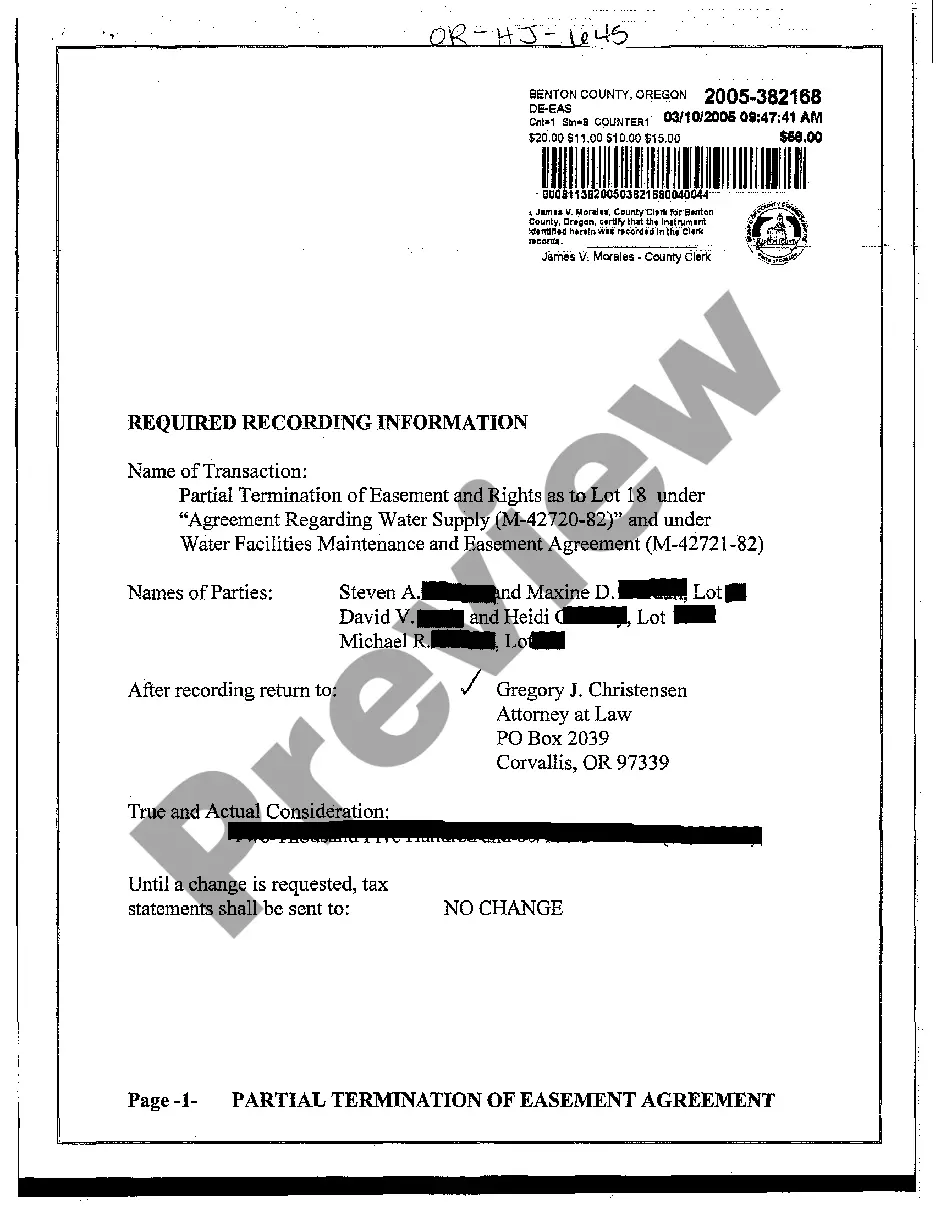
Maine Satisfaction of Judgment
About this form
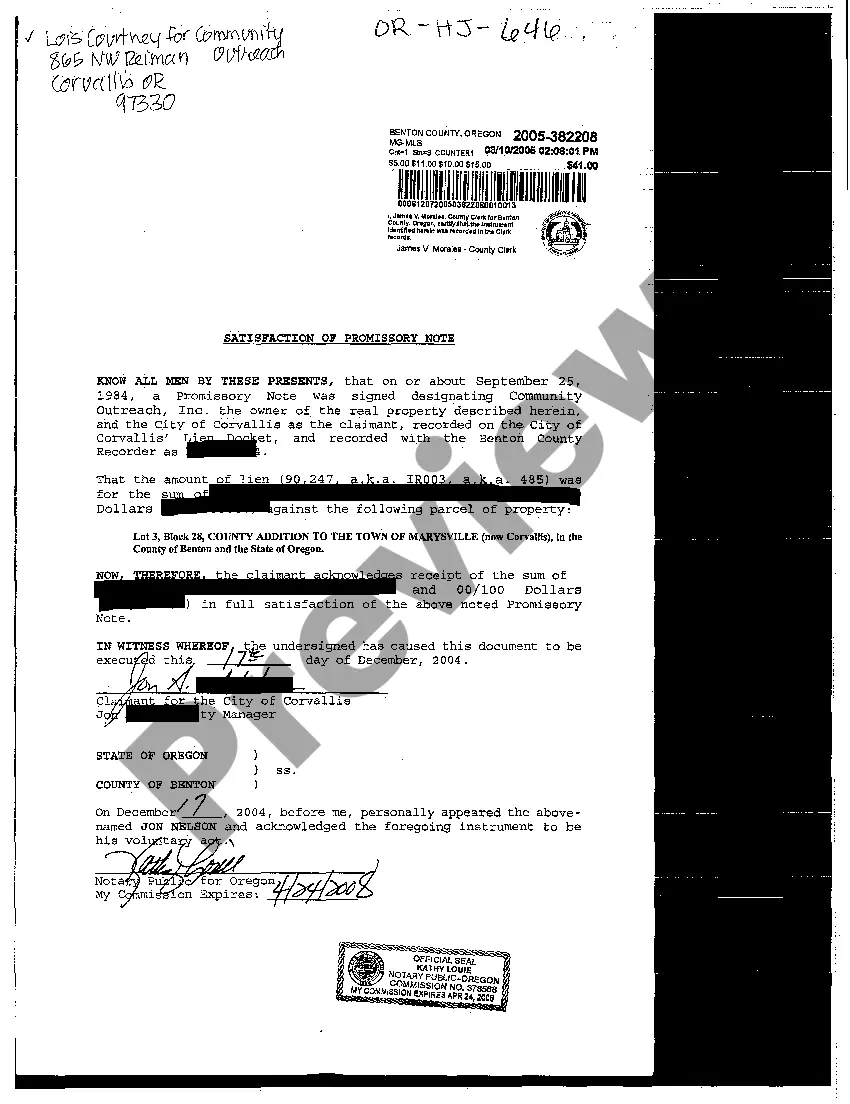
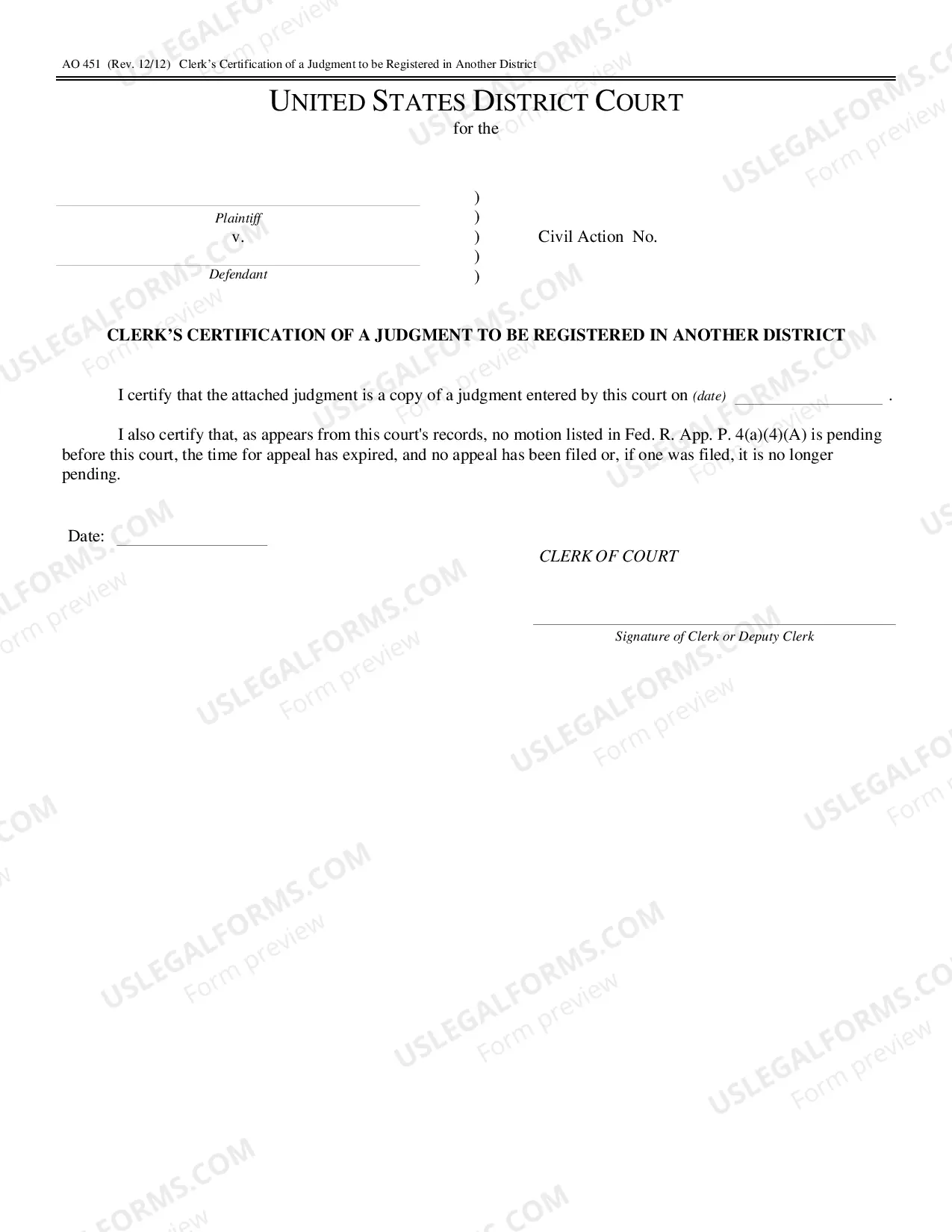
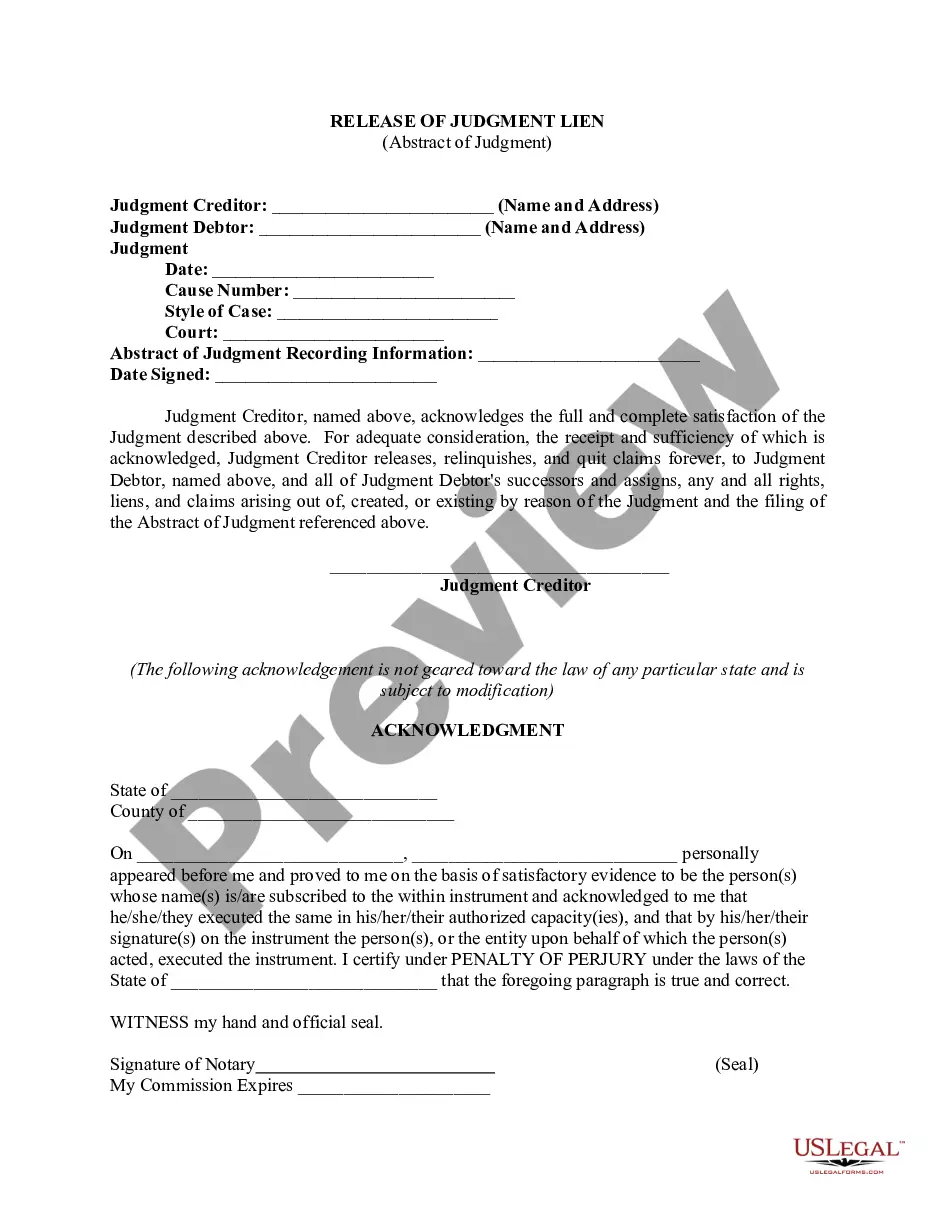
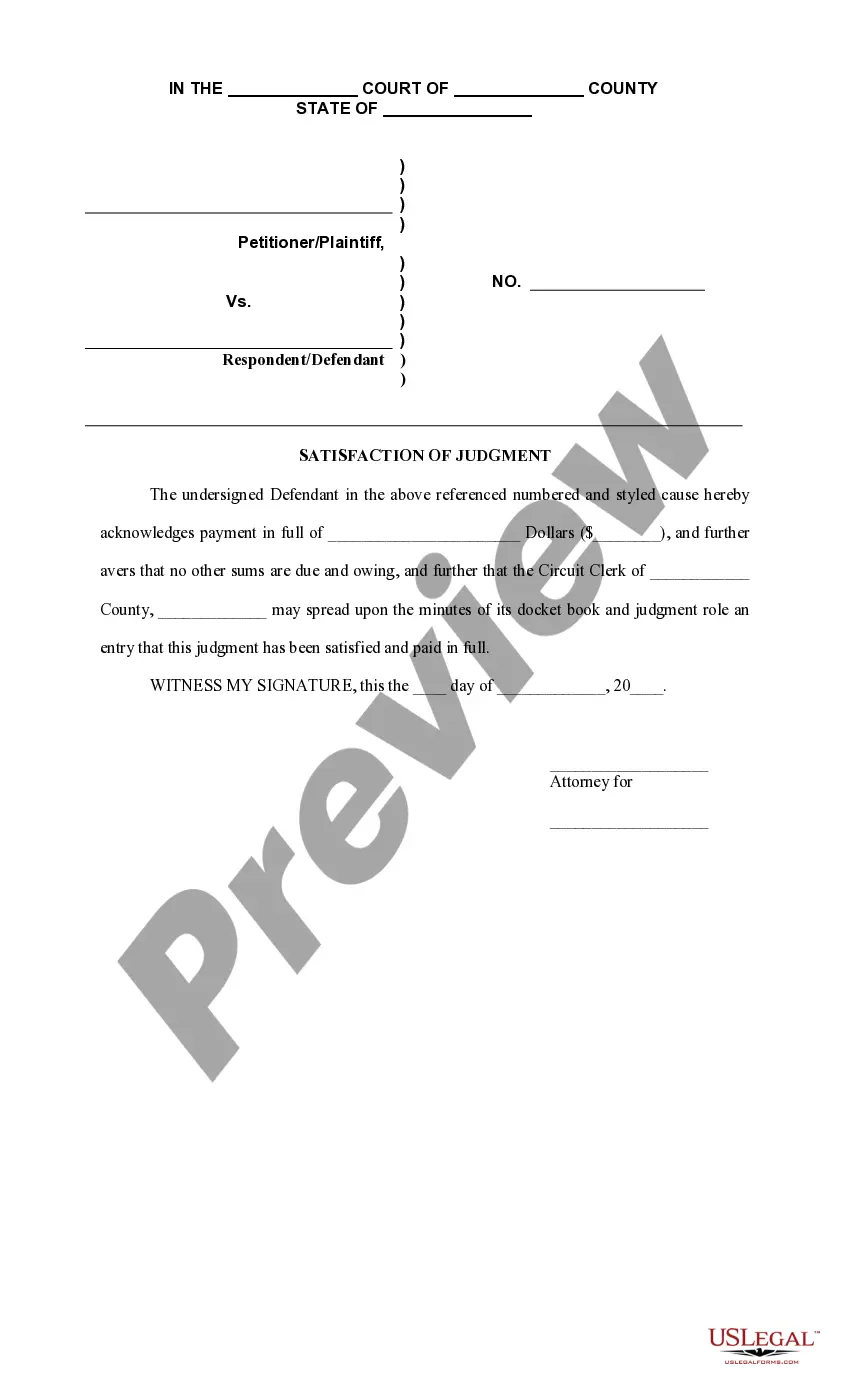
The Maine Satisfaction of Judgment is a legal document that confirms a judgment has been fully paid, including all associated fees, costs, and interest. This form serves to officially acknowledge that the legal obligations have been met, allowing the judgment to be marked as satisfied. It is distinct from other forms, such as judgments themselves, as it focuses on the completion and closure of the case once payment is made.
Key components of this form
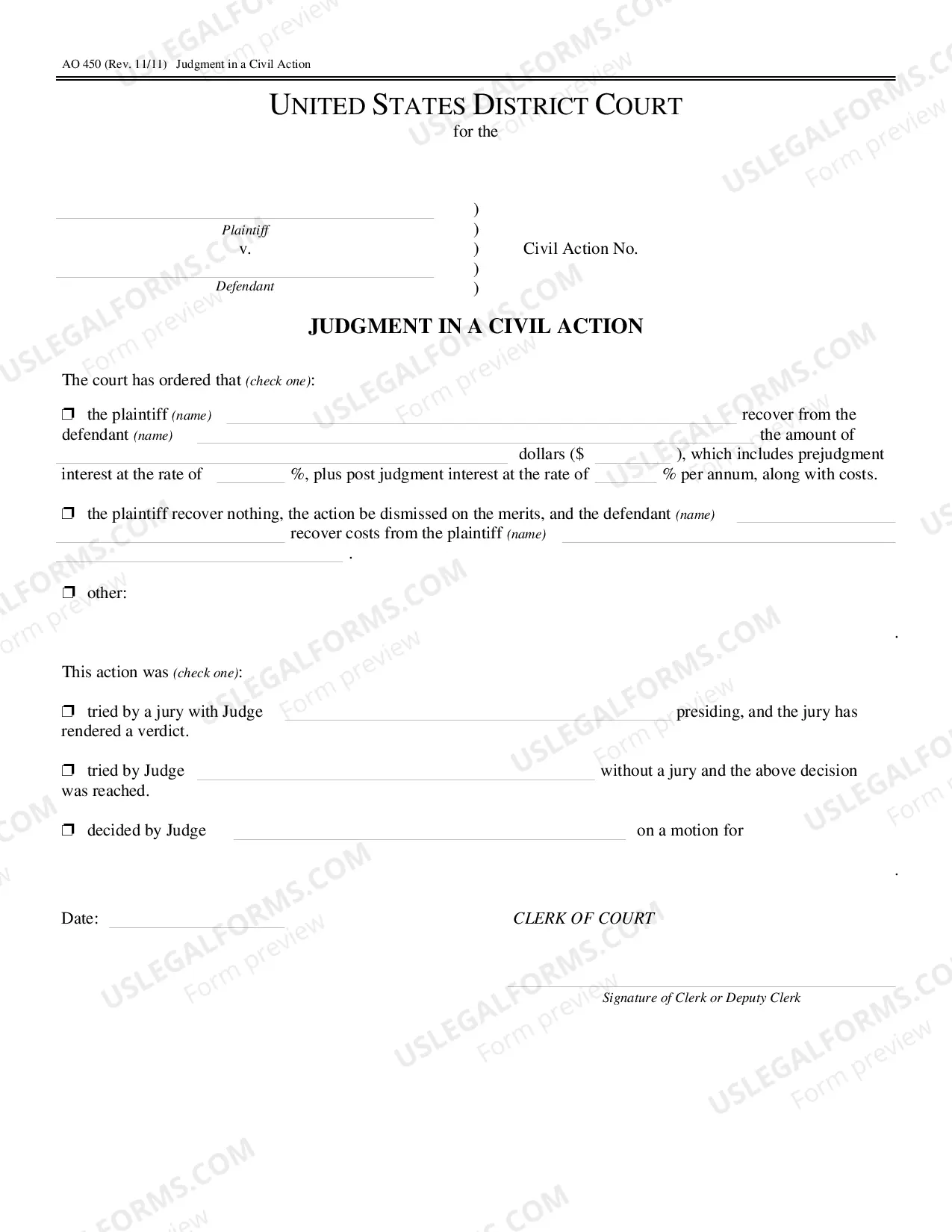
- Case information: Includes the court name, county, and cause number.
- Payment acknowledgment: Confirms full payment of the judgment amount, including fees and interest.
- Authorization statement: Directs the court to mark the judgment as paid.
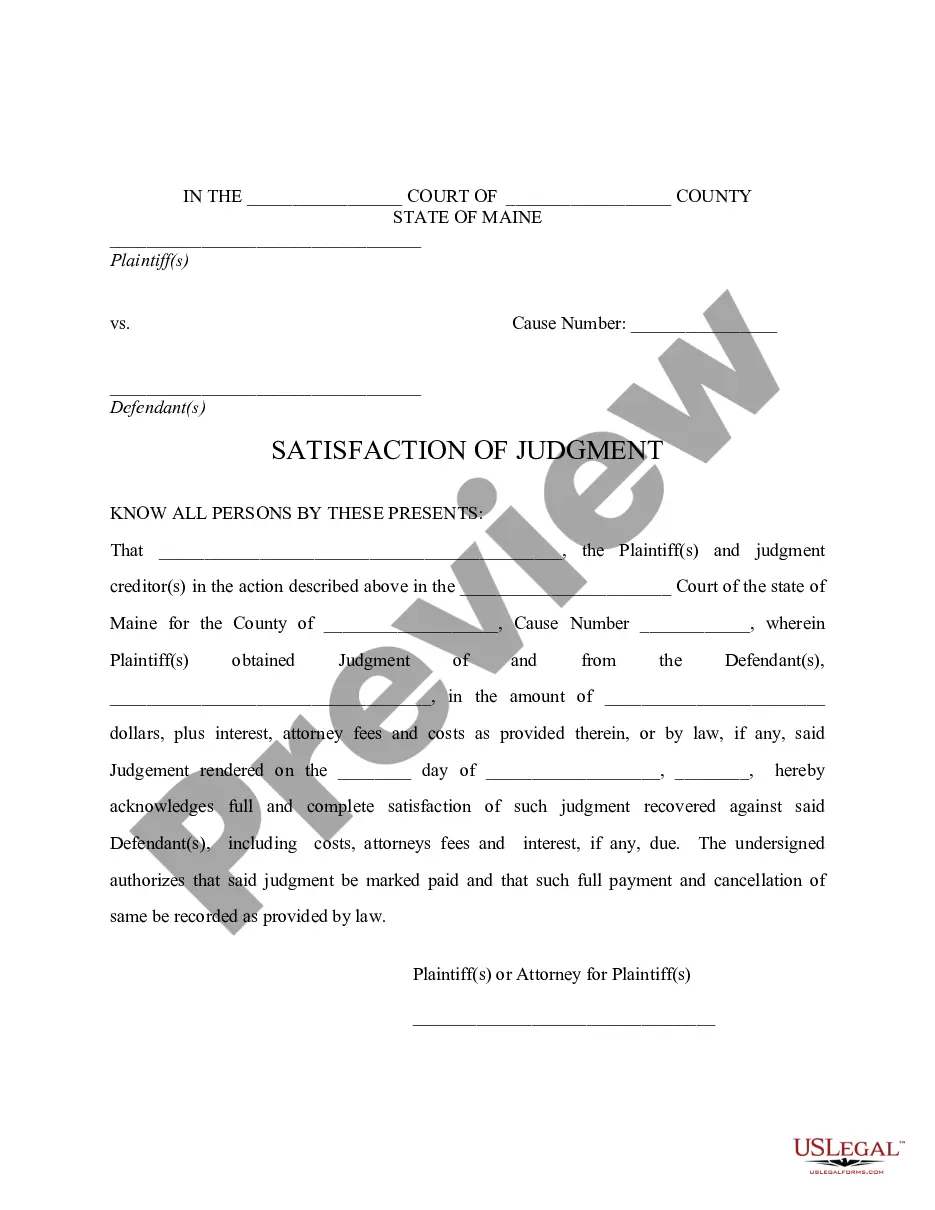
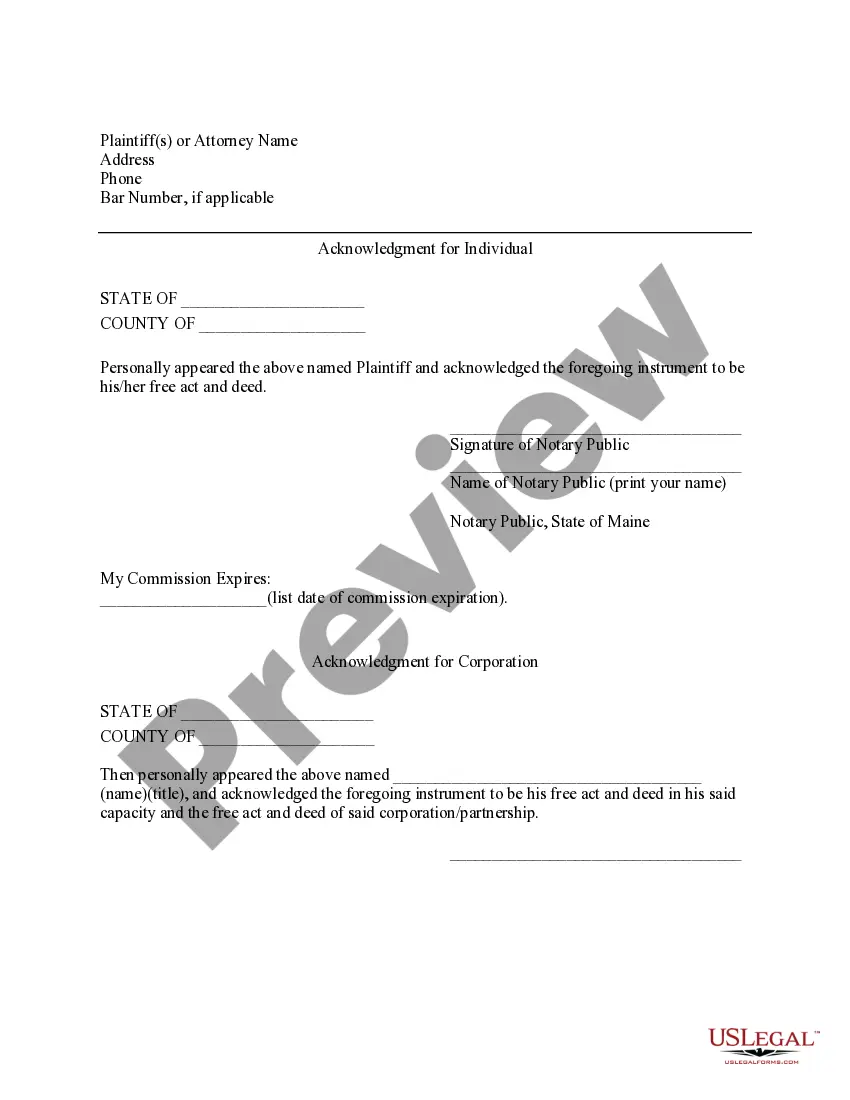
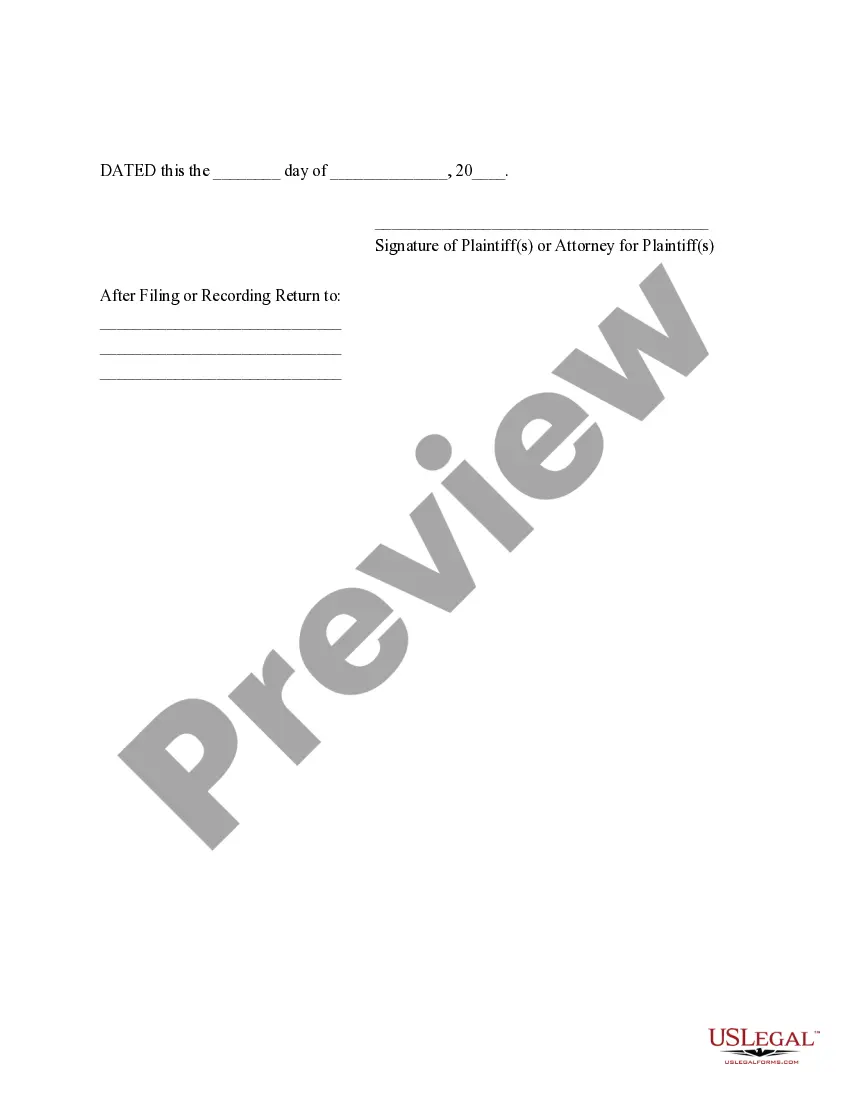
- Signature lines: Spaces for the plaintiff or their attorney to sign and date.
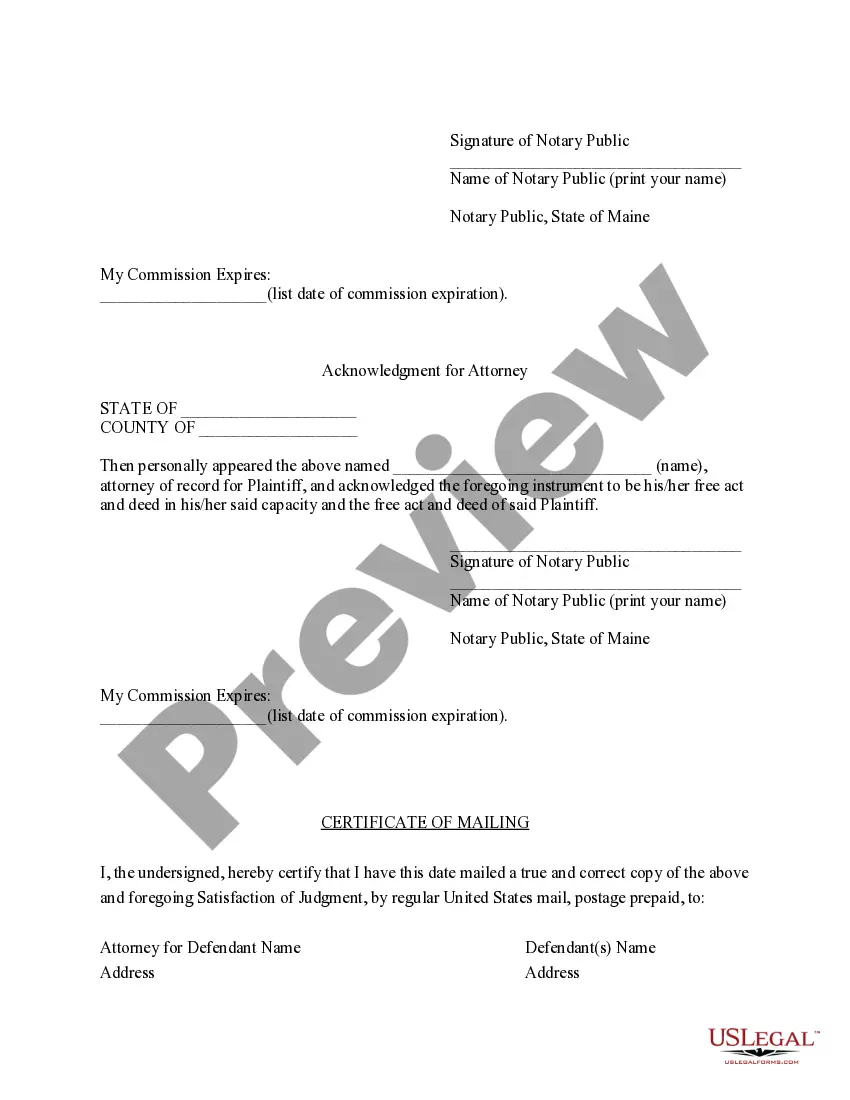
- Notarization sections: Areas for a notary public to validate signatures and the authenticity of the document.
- Certificate of mailing: Documentation proving that a copy of the satisfaction was sent to the defendant's attorney.

When to use this document
This form should be used when a judgment against a defendant has been fully satisfied. It is typically utilized after a plaintiff has received payment as per the court's judgment and wishes to formally document the satisfaction to clear the defendant's record. Scenarios include settling debt obligations or fulfilling payment terms from a court ruling.
Who should use this form
This form can be used by:
- Individuals or businesses who have obtained a judgment against a defendant.
- Attorneys representing plaintiffs in judgment recovery cases.
- Corporations or partnerships involved in legal proceedings where judgment satisfaction is necessary.
How to complete this form
- Identify the court name and county where the judgment was issued.
- Enter the cause number associated with the court case.
- Fill in the name of the defendant and the total amount of the judgment paid.
- Provide the date the judgment was rendered and the name of the party acknowledging satisfaction.
- Sign and date the form, ensuring that any required party, including attorneys, properly acknowledges their role.
- Have the document notarized according to the specified sections for individual or corporate acknowledgment.
Does this document require notarization?
Notarization is required for this form to take effect. Our online notarization service, powered by Notarize, lets you verify and sign documents remotely through an encrypted video session, available 24/7.
Get your form ready online
Our built-in tools help you complete, sign, share, and store your documents in one place.
Make edits, fill in missing information, and update formatting in US Legal Forms—just like you would in MS Word.
Download a copy, print it, send it by email, or mail it via USPS—whatever works best for your next step.
Sign and collect signatures with our SignNow integration. Send to multiple recipients, set reminders, and more. Go Premium to unlock E-Sign.
If this form requires notarization, complete it online through a secure video call—no need to meet a notary in person or wait for an appointment.
We protect your documents and personal data by following strict security and privacy standards.

Make edits, fill in missing information, and update formatting in US Legal Forms—just like you would in MS Word.

Download a copy, print it, send it by email, or mail it via USPS—whatever works best for your next step.

Sign and collect signatures with our SignNow integration. Send to multiple recipients, set reminders, and more. Go Premium to unlock E-Sign.

If this form requires notarization, complete it online through a secure video call—no need to meet a notary in person or wait for an appointment.

We protect your documents and personal data by following strict security and privacy standards.
Common mistakes
- Failing to fill in all required fields, especially the court name and case number.
- Not having the form properly signed by all relevant parties before submission.
- Omitting notarization, if required, which can invalidate the document.
- Not sending a copy to the defendant's attorney, as required by law.
Benefits of using this form online
- Convenience: Users can complete the form at their own pace, saving time.
- Editability: Easy to make changes as needed before finalizing.
- Reliability: The form is prepared based on state-specific legal standards, ensuring validity.
Key takeaways
- The Maine Satisfaction of Judgment confirms full payment of a judgment.
- Proper completion and filing are crucial to clearing legal obligations.
- Completing this form online offers convenience and reliability in document handling.
Looking for another form?
Form popularity
FAQ
Rule 5 of the Maine Rules of Civil Procedure outlines the procedures for serving documents in legal cases. It emphasizes the importance of proper notification to ensure that all parties receive necessary information regarding a case. Understanding this rule is vital for anyone involved in legal proceedings, particularly when pursuing a Maine Satisfaction of Judgment. For specialized guidance, you can explore resources available on the US Legal Forms platform.
Responding to a default judgment requires timely action. Start by drafting a motion to set aside the judgment, detailing your reasons for not appearing in court. Utilizing the resources at US Legal Forms can streamline this process by providing the needed templates. Ultimately, familiarizing yourself with the Maine Satisfaction of Judgment concept will help you understand the implications of your actions moving forward.
To beat a default judgment in Maine, begin by presenting a valid defense to the court. You can file a motion to set aside the default judgment, explaining why you missed the court date. Consider using the resources available at US Legal Forms, where you can find the necessary legal documents to effectively respond. Understanding the Maine Satisfaction of Judgment process can also guide you in clearing your record after addressing the default judgment.
Filing a judgment lien in Washington state involves submitting the judgment details to the county clerk's office where the property is located. You will typically need to provide documentation evidencing the judgment and any relevant court orders. It’s advisable to check specific local requirements to ensure compliance. For those navigating court-related processes such as Maine satisfaction of judgment, accessing legal forms online can simplify your tasks.
In Maine, a judgment as a matter of law is a formal decision by the court that resolves a legal dispute. This decision often outlines the rights and responsibilities of the parties involved. If a court finds in favor of one party, it provides an enforceable order that can affect judgments and financial outcomes. Understanding the implications of a judgment is essential for navigating a Maine satisfaction of judgment.
Getting a Writ of Execution ), the court directs the sheriff or marshal to enforce the judgment in your case in the county where the assets are located. Writs of execution are only good for 180 days.
A lien created pursuant to this section after September 21, 2001 but before September 1, 2020 continues for a period of 20 years from the date of the filing of the writ of execution or of the recording of the writ of execution in the registry of deeds, unless the judgment is paid, discharged or released.
In Maine, all lien claimants without a contract directly with the property owner must file their lien claim (called a Notice of Lien) in the registry of deeds for the county in which the property is located within 90 days of the date of last furnishing labor or materials for the project.
Parties that did not contract directly with the property owner must file the mechanics lien claim in the county registry of deeds within 90 days of last furnishing materials or labor to the project, as well as filing the lien like the general contractor (file a complaint in the Superior Court or District Court) within
It means the debt is paid, and some of the money collected was an overpayment. All of Ms.