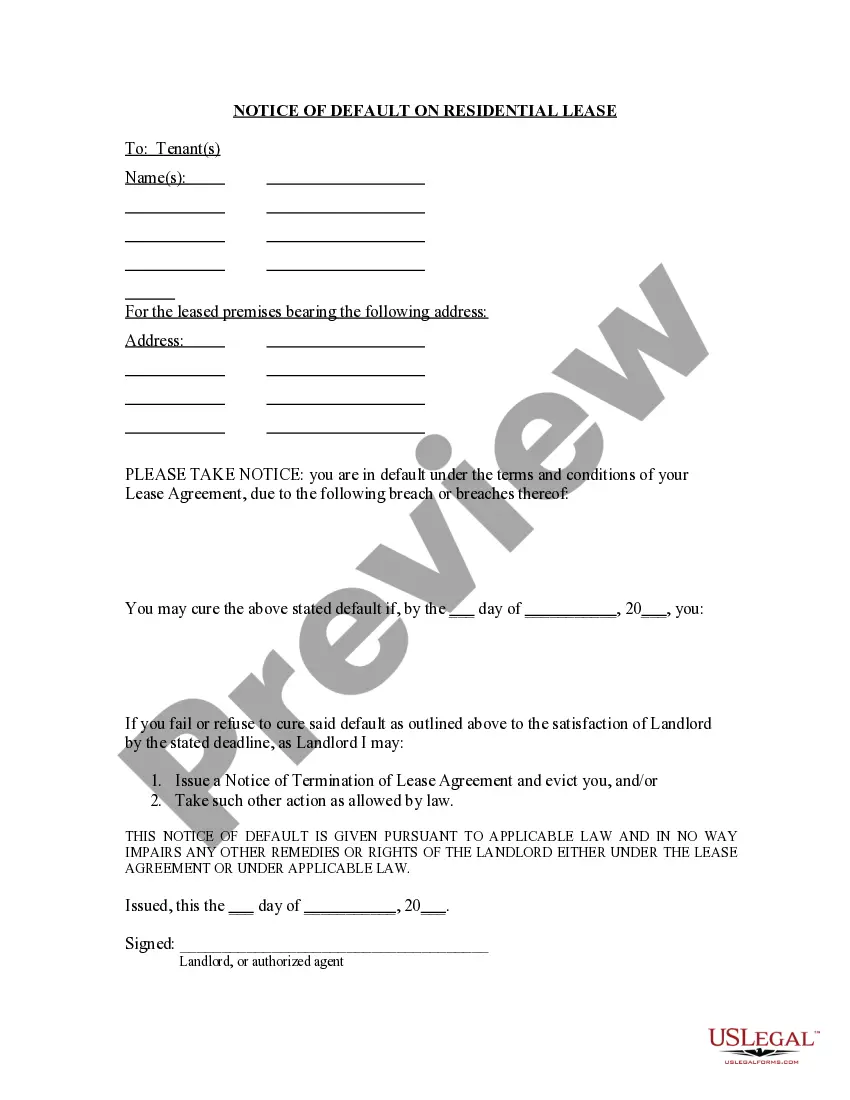
New Hampshire Notice of Default on Residential Lease
What this document covers
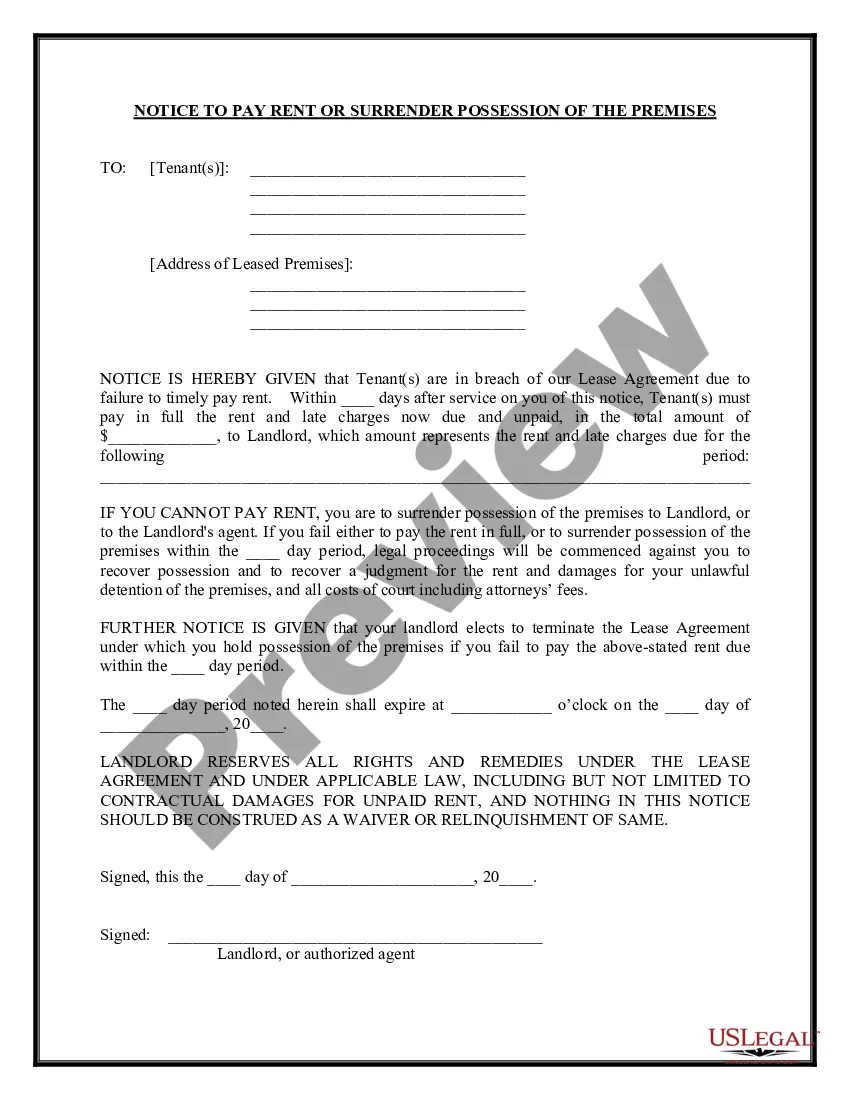
The Notice of Default on Residential Lease is a formal declaration from a landlord to a tenant, indicating that the tenant has failed to fulfill specific obligations under the lease agreement, such as timely rent payment. This form details the reasons for the default and provides a deadline for the tenant to address the issue. Its purpose is to inform the tenant of their non-compliance and the potential consequences, including eviction, if the situation is not remedied. This form is essential to ensure that the landlord follows legal protocols before taking further action.
Key components of this form
- Date of issuance
- Specific reasons for the notice of default
- Deadline for tenant to cure the default
- Statement of potential actions by the landlord if the default is not cured
- Signature of the landlord or authorized agent
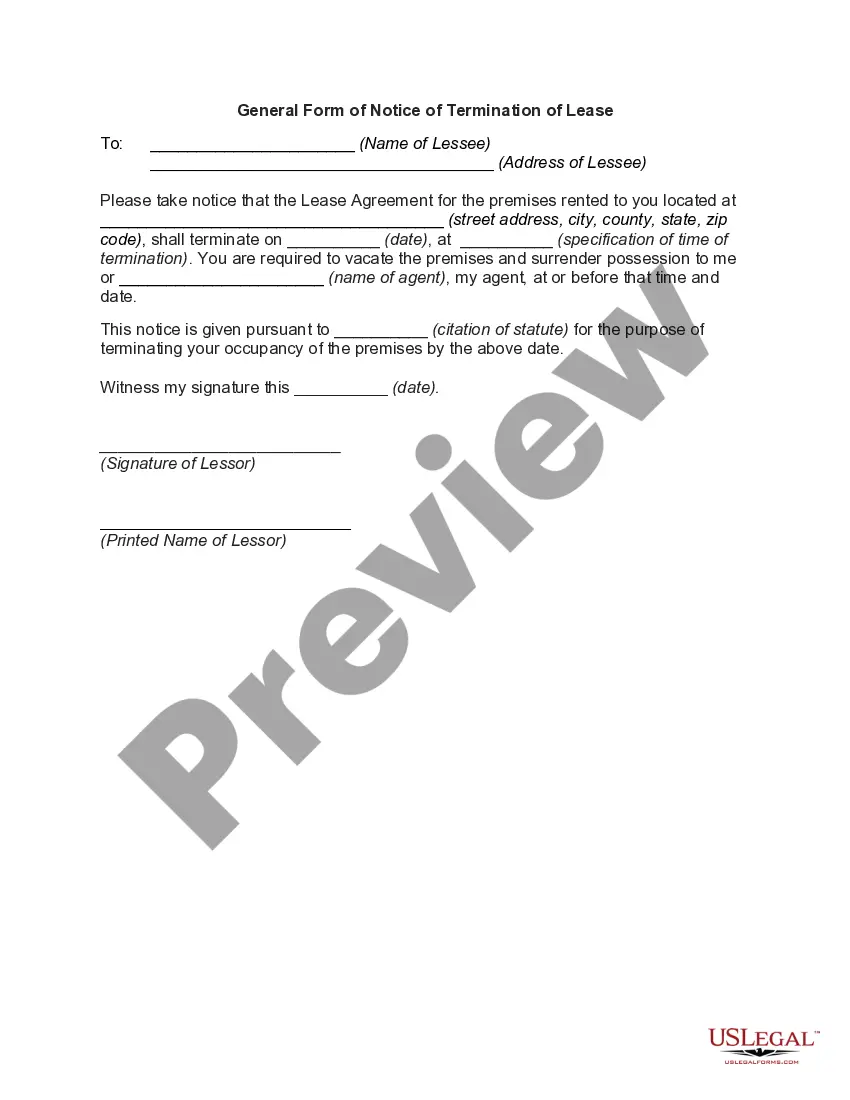
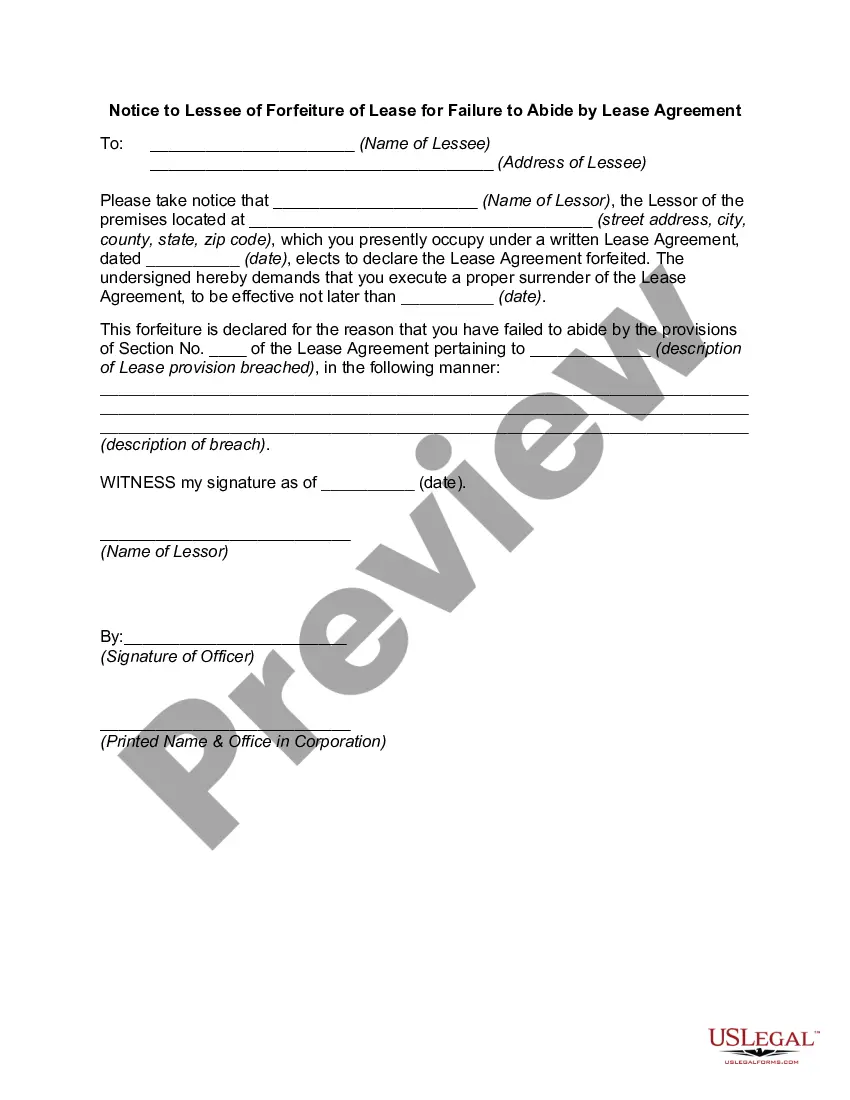
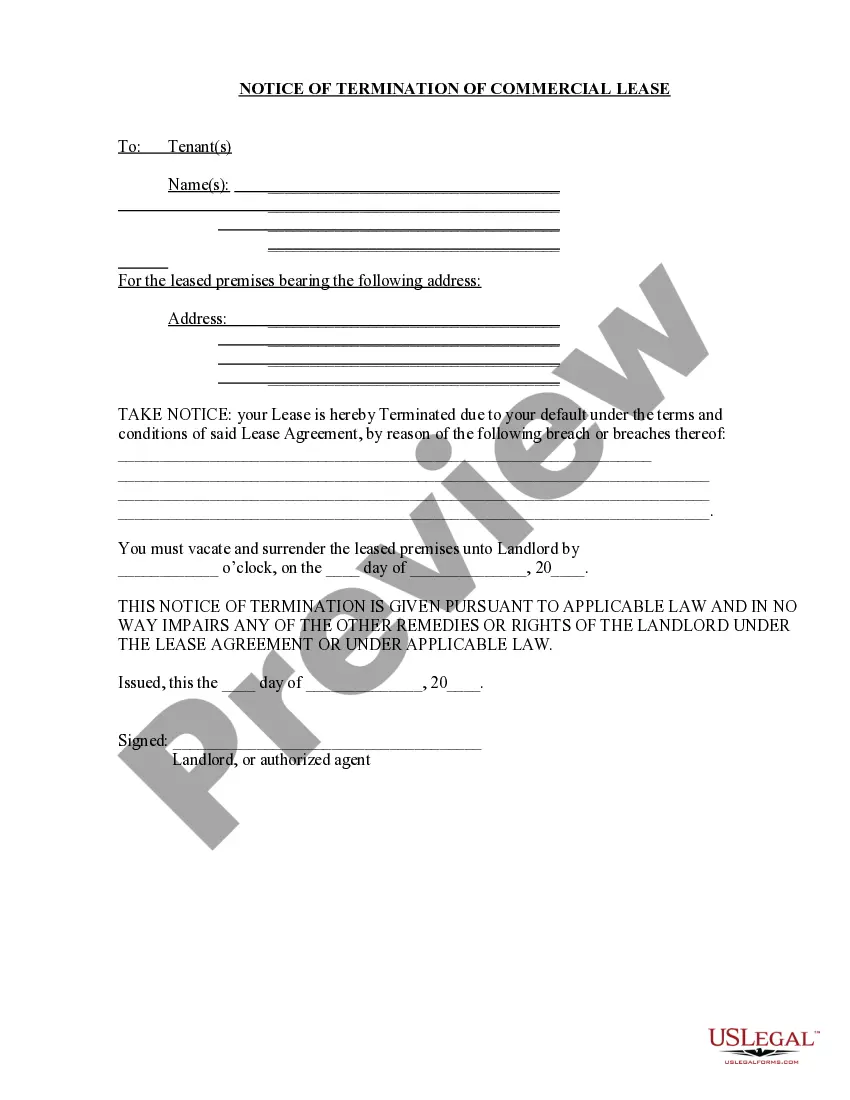

When to use this form
This notice should be used when a tenant has failed to meet their obligations under a residential lease, primarily concerning the timely payment of rent. Landlords typically issue this notice as a prerequisite to eviction proceedings or when intending to apply security deposit funds to cover unpaid rent. It is an important step in restoring compliance and securing the landlord's rights under the lease agreement.
Intended users of this form
This form is designed for:
- Landlords who have tenants that are behind on rent payments.
- Property management companies acting on behalf of landlords concerning tenant issues.
- Landlords seeking to document their compliance with state laws regarding tenant notification.
Steps to complete this form
- Identify the date the notice is being issued.
- Clearly specify the reasons for the default, such as non-payment of rent.
- Set a deadline for the tenant to remedy the default.
- Include a statement about potential further actions by the landlord if the issue is not resolved.
- Obtain the signature of the landlord or their authorized agent.
Does this document require notarization?
In most cases, this form does not require notarization. However, some jurisdictions or signing circumstances might. US Legal Forms offers online notarization powered by Notarize, accessible 24/7 for a quick, remote process.
Get your form ready online
Our built-in tools help you complete, sign, share, and store your documents in one place.
Make edits, fill in missing information, and update formatting in US Legal Forms—just like you would in MS Word.
Download a copy, print it, send it by email, or mail it via USPS—whatever works best for your next step.
Sign and collect signatures with our SignNow integration. Send to multiple recipients, set reminders, and more. Go Premium to unlock E-Sign.
If this form requires notarization, complete it online through a secure video call—no need to meet a notary in person or wait for an appointment.
We protect your documents and personal data by following strict security and privacy standards.

Make edits, fill in missing information, and update formatting in US Legal Forms—just like you would in MS Word.

Download a copy, print it, send it by email, or mail it via USPS—whatever works best for your next step.

Sign and collect signatures with our SignNow integration. Send to multiple recipients, set reminders, and more. Go Premium to unlock E-Sign.

If this form requires notarization, complete it online through a secure video call—no need to meet a notary in person or wait for an appointment.

We protect your documents and personal data by following strict security and privacy standards.
Common mistakes to avoid
- Failing to specify the exact nature of the default.
- Not providing a clear deadline for the tenant to cure the default.
- Omitting the signature of the landlord or authorized agent.
- Not following local laws regarding notice delivery methods.
Benefits of using this form online
- Convenient download and storage on your device.
- Editability to fit your specific situation and needs.
- Access to forms created by licensed attorneys, ensuring legal compliance.
- Time-efficient process compared to drafting notices from scratch.
Key takeaways
- The Notice of Default on Residential Lease is crucial for landlords dealing with tenant non-compliance.
- It must specify reasons for the default and a deadline for resolution.
- Proper completion and issuance of this notice are critical for legal proceedings concerning eviction.
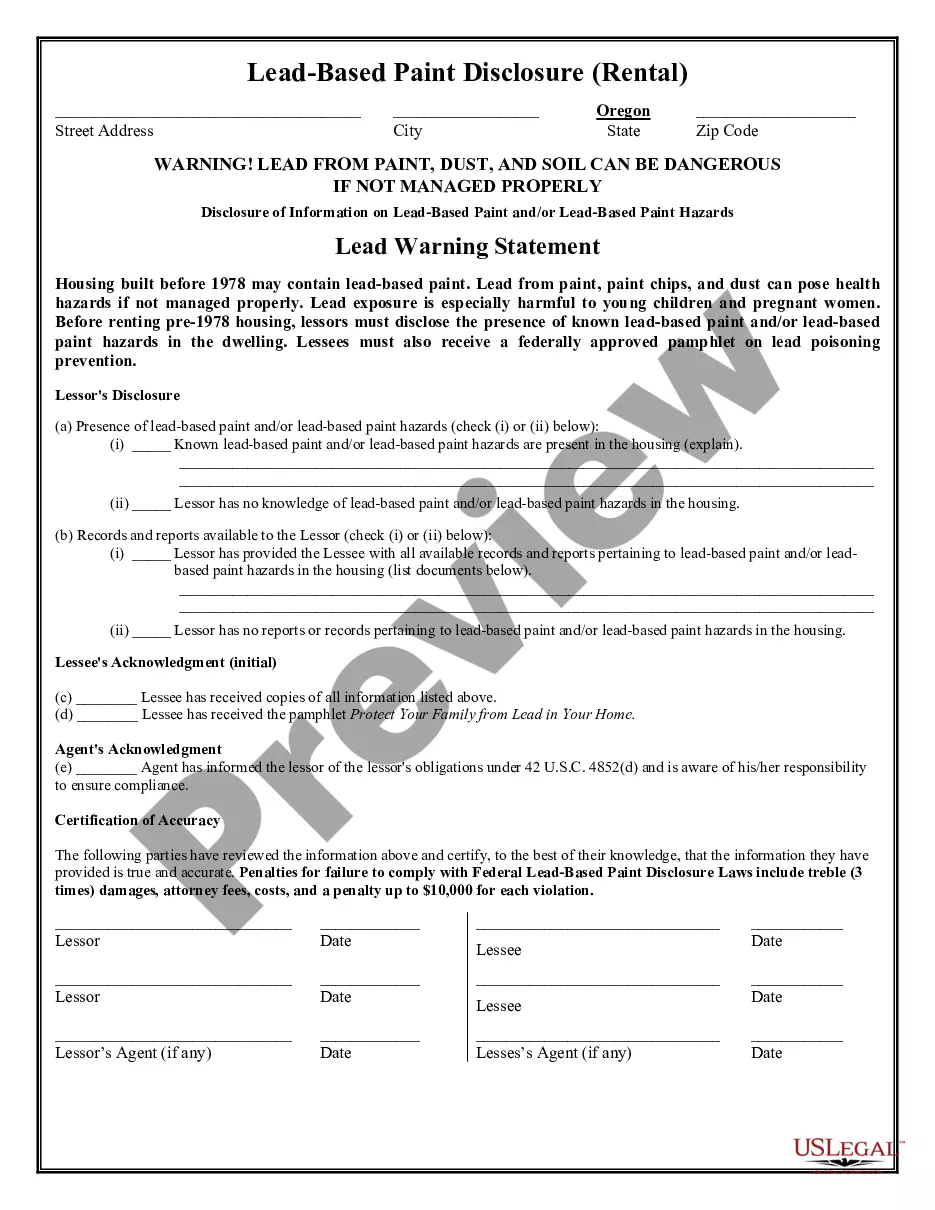
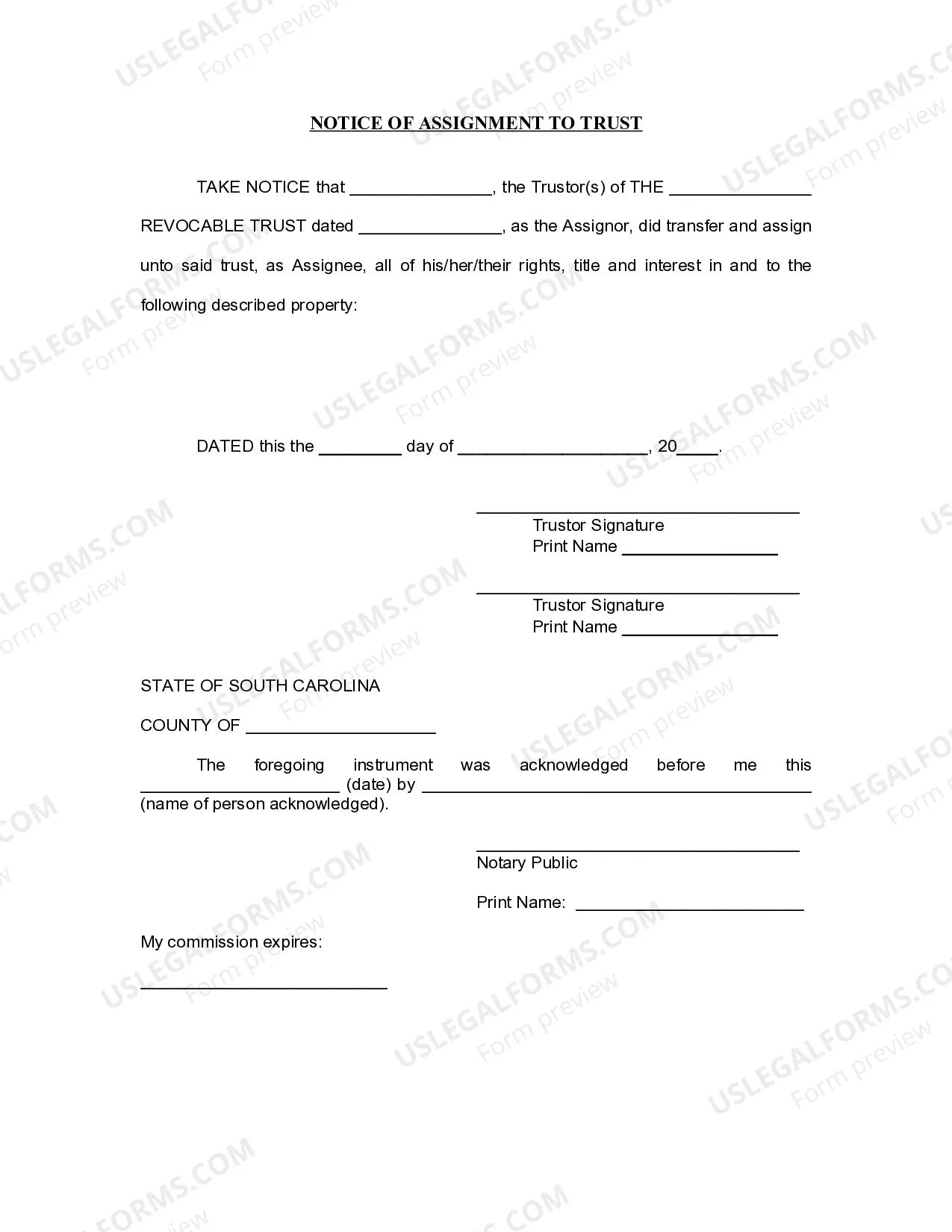
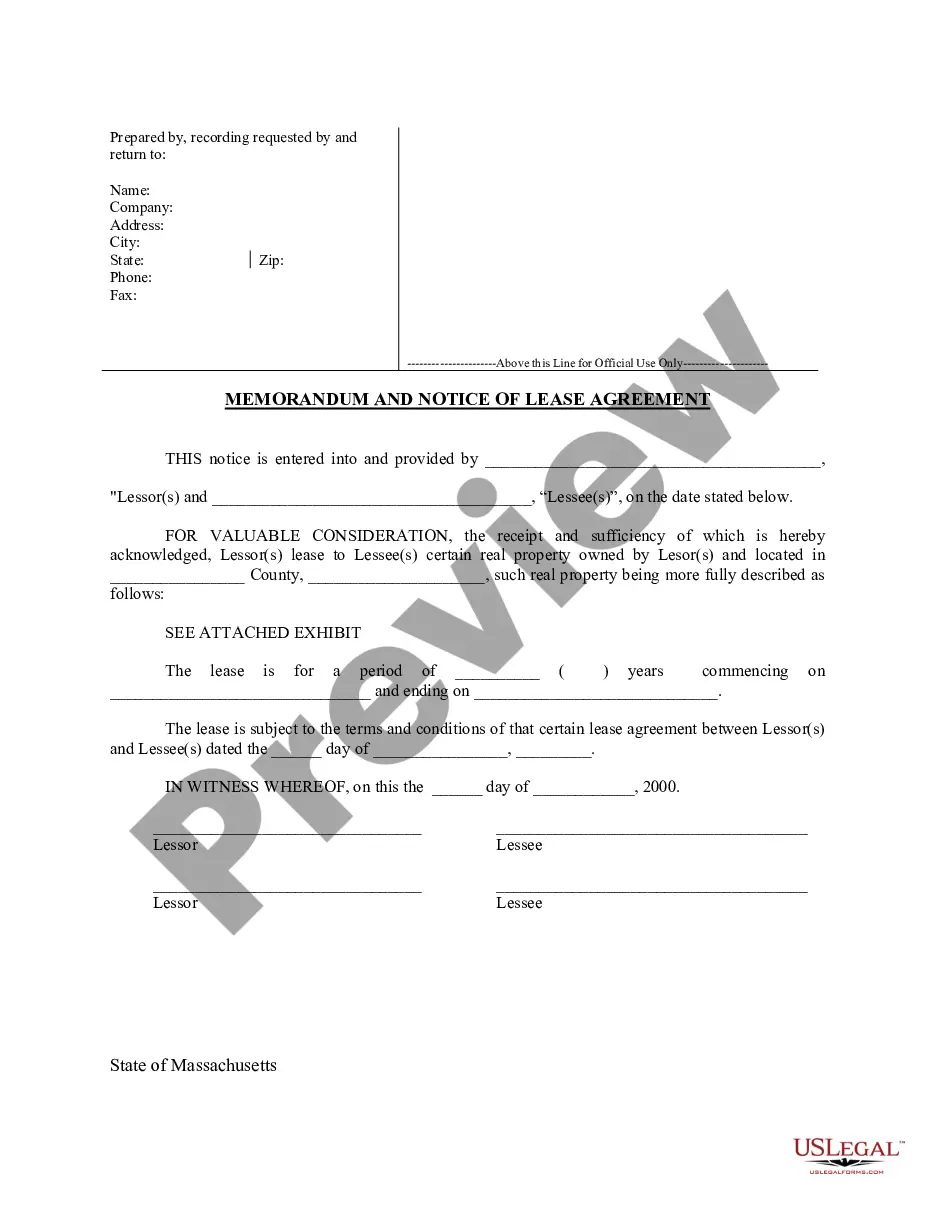
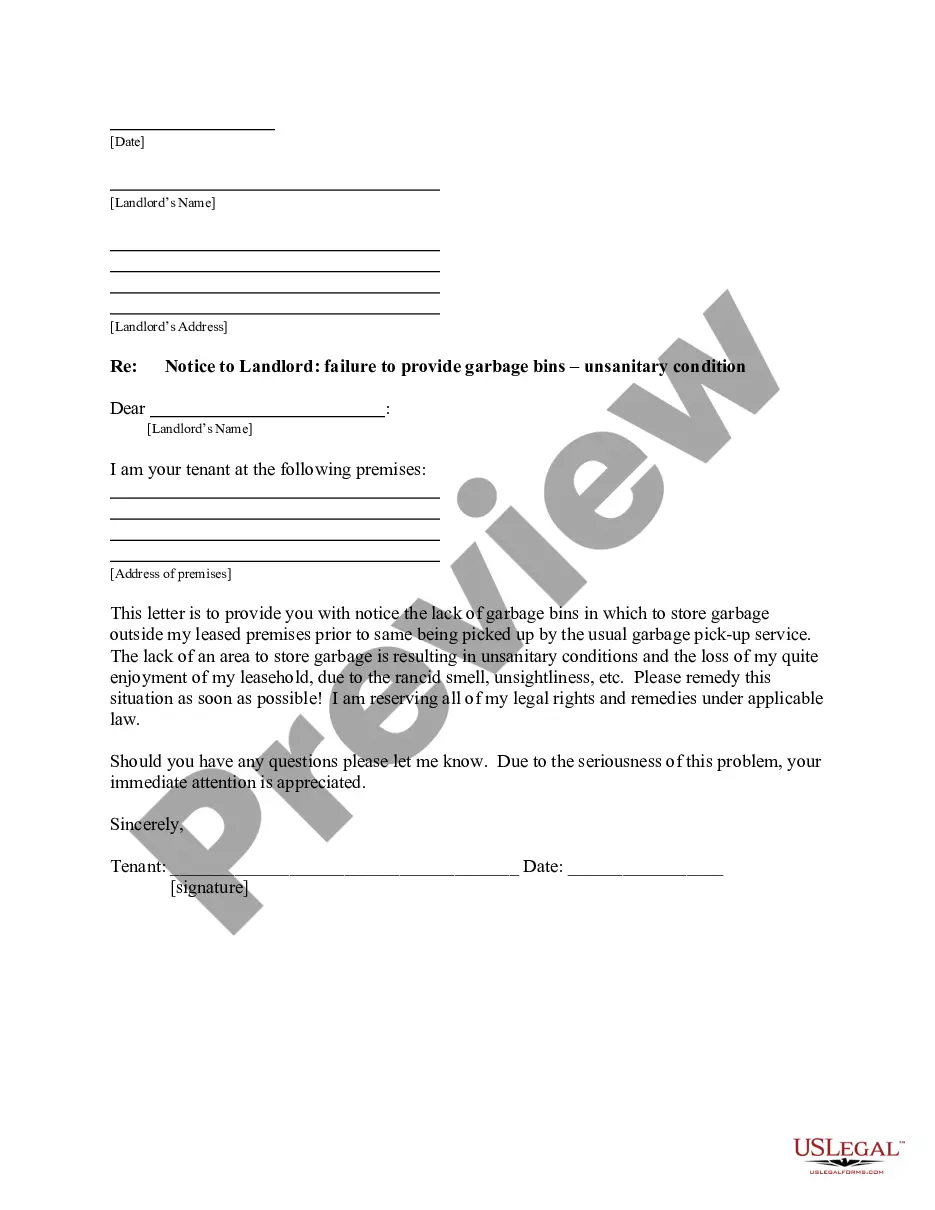
Looking for another form?
Form popularity
FAQ
The landlord can enter without consent, however they must provide you with a proper notice to enter that: Gives the required minimum notice for the state you live in;No notice is required for an emergency to do urgent repairs or if the landlord is concerned about your welfare.
Default by landlord The most common form of landlord default is failure to provide services and maintain the property condition. When a landlord defaults on the terms of the lease, tenants may sue for damages.
Step 1: Speak to your tenant. Step 2: Provide notice of contract breach. Step 3: Decide between an interdict or cancellation. Step 4: Eviction process. Step 5: Eviction notice. Final advice.
Can I break my lease? You are always able to break a lease; there is little a landlord can do to actually stop you from leaving before the full term specified in the lease. You are violating no law by vacating early, but you are violating the terms of the contract between you and the landlord.
7 days is required for almost all evictions. 30 days is required for month-to-month leases. The notice must state the specific reason for eviction, and can be delivered in person, or left on their door. When the notice is up, issue a writ of summons.
In landlord-tenant law, default refers to the failure of a tenant to timely pay rent due.In general, the landlord is required to give the tenant notice of the default before bringing eviction proceedings or applying security deposit proceeds to the payment in default.
Protect your rental income. Even the most reliable tenants sometimes struggle to pay their rent.Tenant default insurance from Simply Business provides vital back-up for landlords it can cover your rental income if your tenant fails to pay rent.
Your landlord only needs to give 'reasonable notice' to quit. Usually this means the length of the rental payment period so if you pay rent monthly, you'll get one month's notice. The notice does not have to be in writing.
Tenant default occurs when a Tenant breaches one of the tenant's covenants in its lease. Tenant default can arise in a number of different ways but will typically be for one of the following: Non-payment of rent or other sums reserved under the lease.