Nebraska Notice of Assignment of Contract for Deed
What this document covers
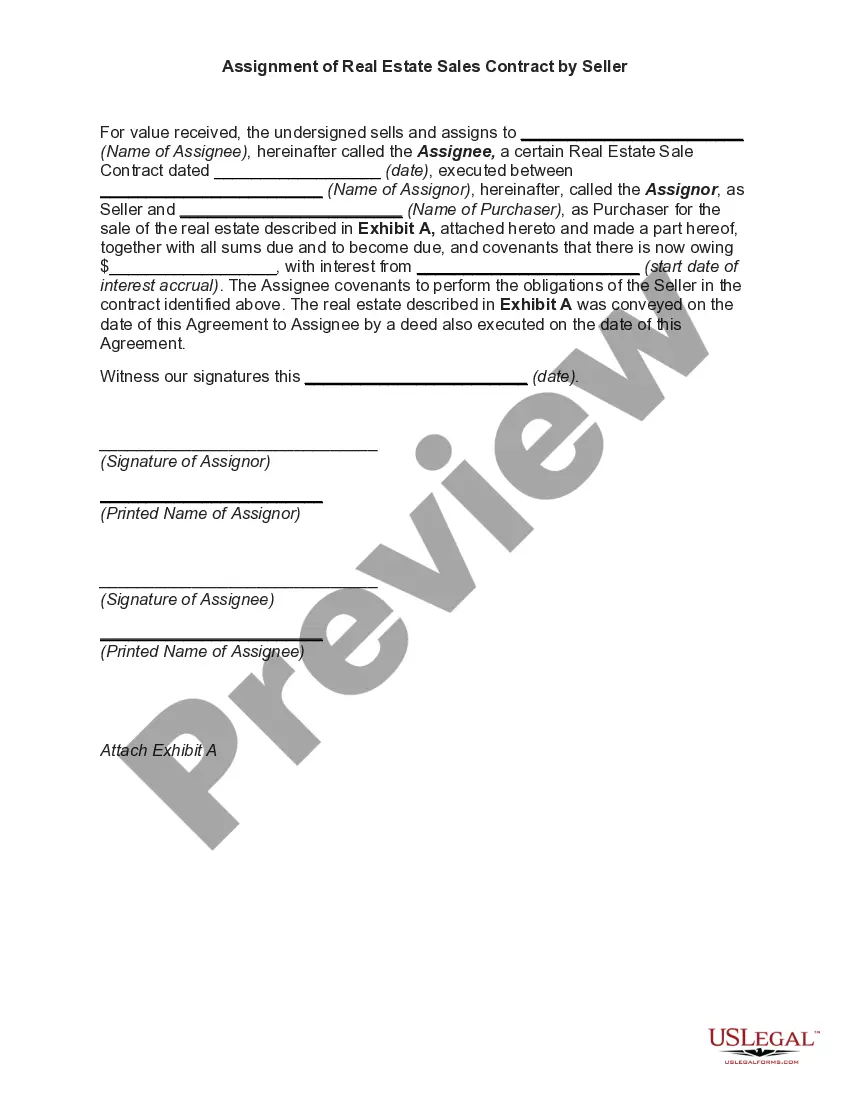
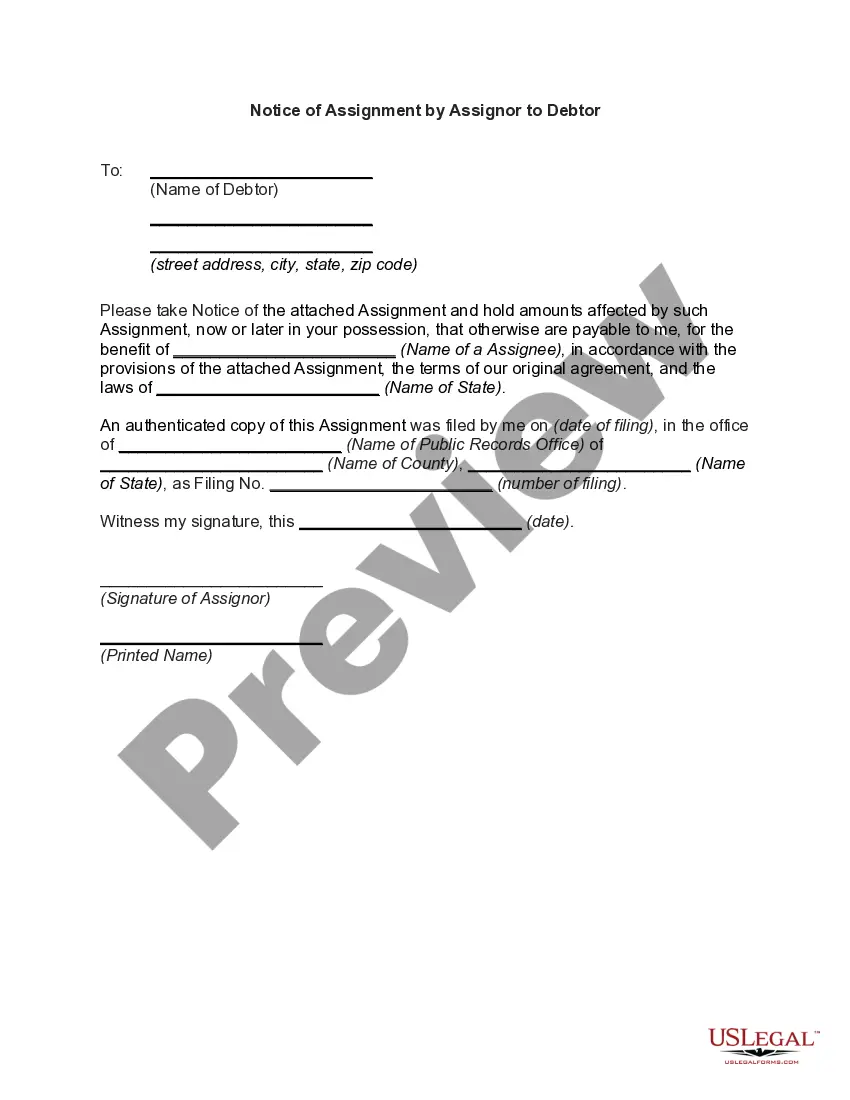
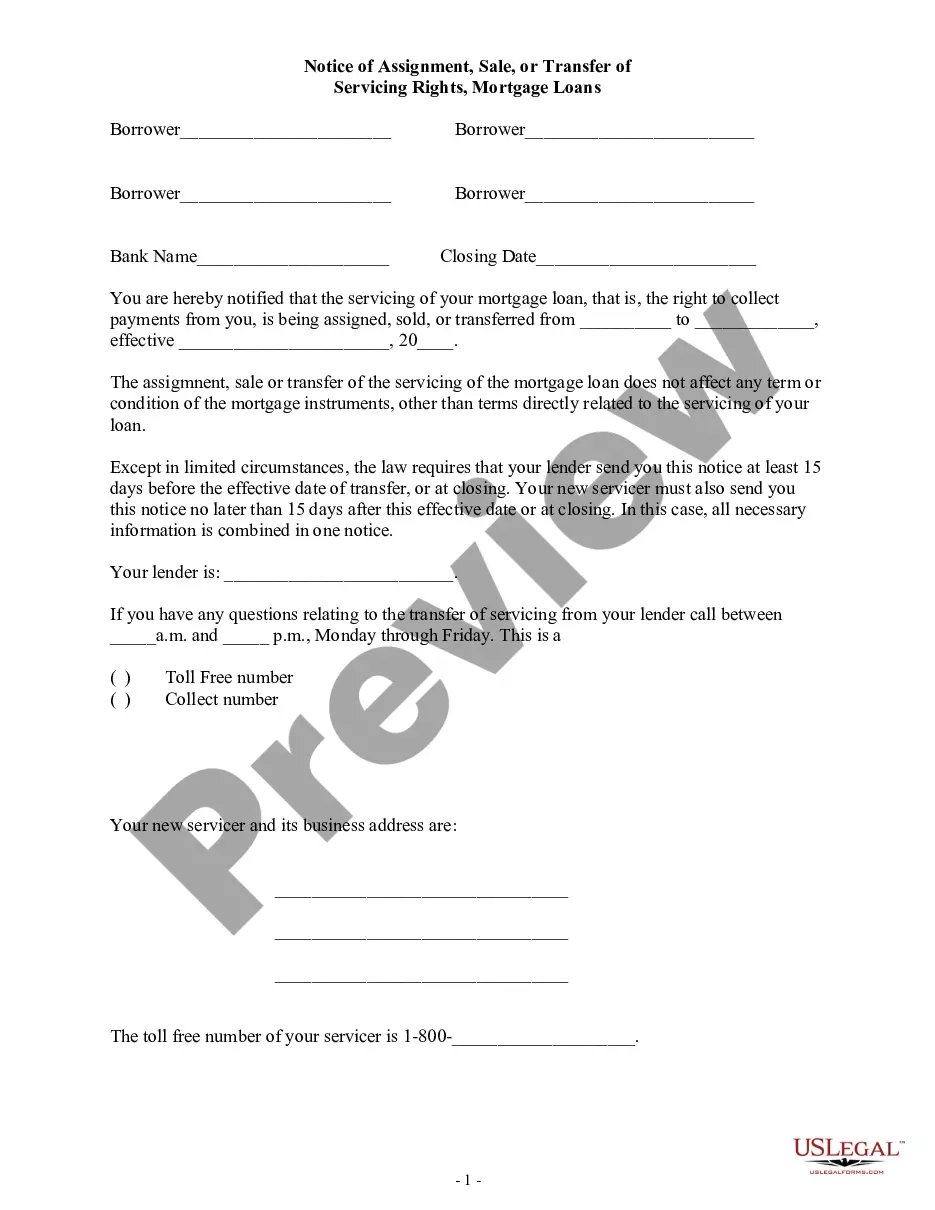
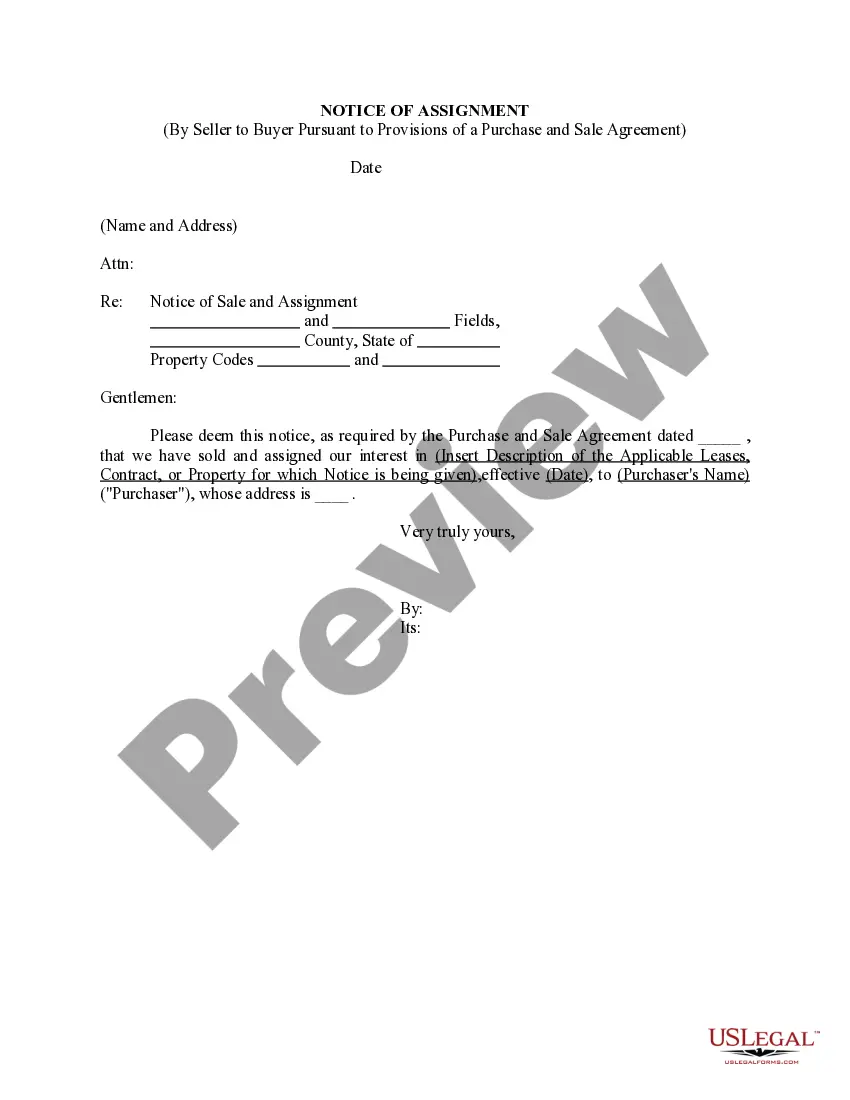
The Notice of Assignment of Contract for Deed is a legal document used by a seller to inform the buyer that the seller has transferred the contract for deed to a third party. This form specifies that future payments should be directed to the new third party. It is important to differentiate this form from other contract assignment documents as it specifically addresses contracts for deed, which are often used in real estate transactions where the seller finances the property for the buyer.
What’s included in this form
- Identification of the seller and buyer(s).
- Details of the contract for deed being assigned.
- Instructions for directing future payments to the third party.
- Space for the seller's signature and notarization.
- Effective date of the assignment.
When to use this document
This form is required when a seller assigns a contract for deed to a third party. It is typically used in real estate transactions when the seller needs to transfer the obligations of the contract to another party while keeping the original buyer informed. Use this notice whenever there is a change in the payee for the contract payments to ensure that all parties are aware of the assignment and to maintain clear legal obligations.
Who should use this form
- Sellers who are transferring their rights under a contract for deed.
- Buyers who need to be informed about a change in payment instructions.
- Real estate agents or legal representatives assisting with the assignment process.
How to complete this form
- Identify all parties involved: the seller, buyer(s), and the third party receiving the contract.
- Provide details of the contract for deed being assigned, including the property address.
- Include the specific date on which the assignment takes place.
- Ensure the seller signs the document and has it notarized.
- Distribute copies to all involved parties for their records.
Notarization guidance
This form must be notarized to be legally valid. US Legal Forms provides secure online notarization powered by Notarize, allowing you to complete the process through a verified video call.
Get your form ready online
Our built-in tools help you complete, sign, share, and store your documents in one place.
Make edits, fill in missing information, and update formatting in US Legal Forms—just like you would in MS Word.
Download a copy, print it, send it by email, or mail it via USPS—whatever works best for your next step.
Sign and collect signatures with our SignNow integration. Send to multiple recipients, set reminders, and more. Go Premium to unlock E-Sign.
If this form requires notarization, complete it online through a secure video call—no need to meet a notary in person or wait for an appointment.
We protect your documents and personal data by following strict security and privacy standards.

Make edits, fill in missing information, and update formatting in US Legal Forms—just like you would in MS Word.

Download a copy, print it, send it by email, or mail it via USPS—whatever works best for your next step.

Sign and collect signatures with our SignNow integration. Send to multiple recipients, set reminders, and more. Go Premium to unlock E-Sign.

If this form requires notarization, complete it online through a secure video call—no need to meet a notary in person or wait for an appointment.

We protect your documents and personal data by following strict security and privacy standards.
Mistakes to watch out for
- Not having the form notarized, which may render it invalid.
- Failing to provide clear details about the contract for deed.
- Omitting the names and addresses of involved parties.
- Not retaining copies for all parties involved after completion.
Why complete this form online
- Immediate access to a professionally drafted document.
- Ability to customize the form to fit your specific needs.
- Simplified completion process allows for faster turnaround times.
- Reliable storage and retrieval options for your legal documents.
What to keep in mind
- The Notice of Assignment of Contract for Deed informs Buyers of a new payee for their contract obligations.
- It is crucial for legal clarity and financial responsibility in a contract for deed transaction.
- Proper completion and notarization of this form are essential for its enforceability.
Looking for another form?
Form popularity
FAQ
Generally, contract for deed sellers use IRS Form 6252 to report installment sales in the year in which they take place. You also use Form 6252 during each year you receive income from your contract for deed.
In order to cancel a contract for deed, a seller needs to complete a form called a notice of cancellation of contract for deed, and have the notice personally served on the buyer.A seller can cancel a contract for deed for buyer's default in making the monthly payments.
An assignment of contract occurs when one party to an existing contract (the "assignor") hands off the contract's obligations and benefits to another party (the "assignee"). Ideally, the assignor wants the assignee to step into his shoes and assume all of his contractual obligations and rights.
A legal agreement to give an asset or to sell a debt to someone else: This deed of assignment enables ownership of a life-insurance policy to be transferred from the current owner to another person or organization.
A deed of assignment is used to assign just the beneficial interest in land/property from one party to another. A deed of trust can also be used to do this, however it also includes other clauses such as how to sell the property.
Purchase price. Down payment. Interest rate. Number of monthly installments. Responsibilities of the buyer and seller. Legal remedies for the seller if the buyer does not make payments.
The buyer should record the contract for deed with the county recorder where the land is located and does so normally within four months after the contract is signed, though the time may vary depending on state law.
The buyer must record the contract for deed with the county recorder where the land is located within four months after the contract is signed. Contracts for deed must provide the legal name of the buyer and the buyer's address.
In the first instance, if your deed is not recorded, there is nothing in the public record to stop the seller from conveying the property to another person.The second situation could happen if your seller fails to pay his or her debts and the seller's creditors file liens or judgments against your property.