Utah Living Trust Property Record
What this document covers
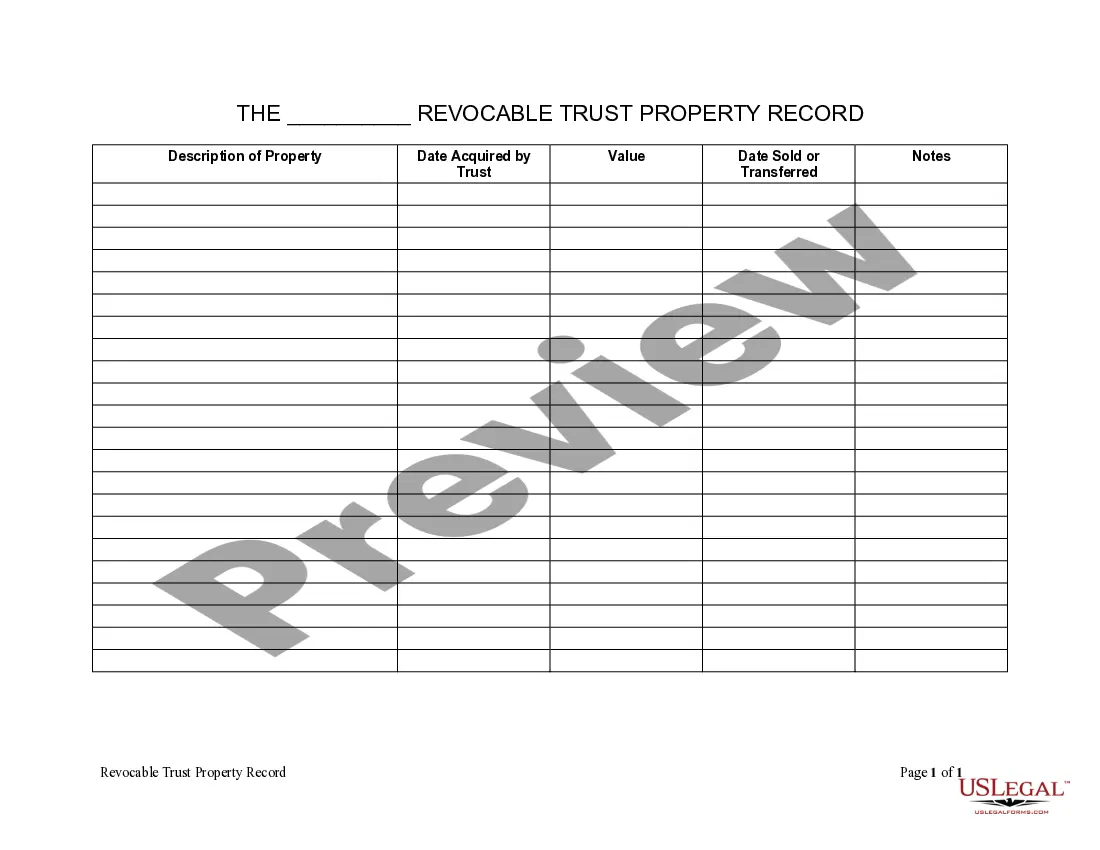
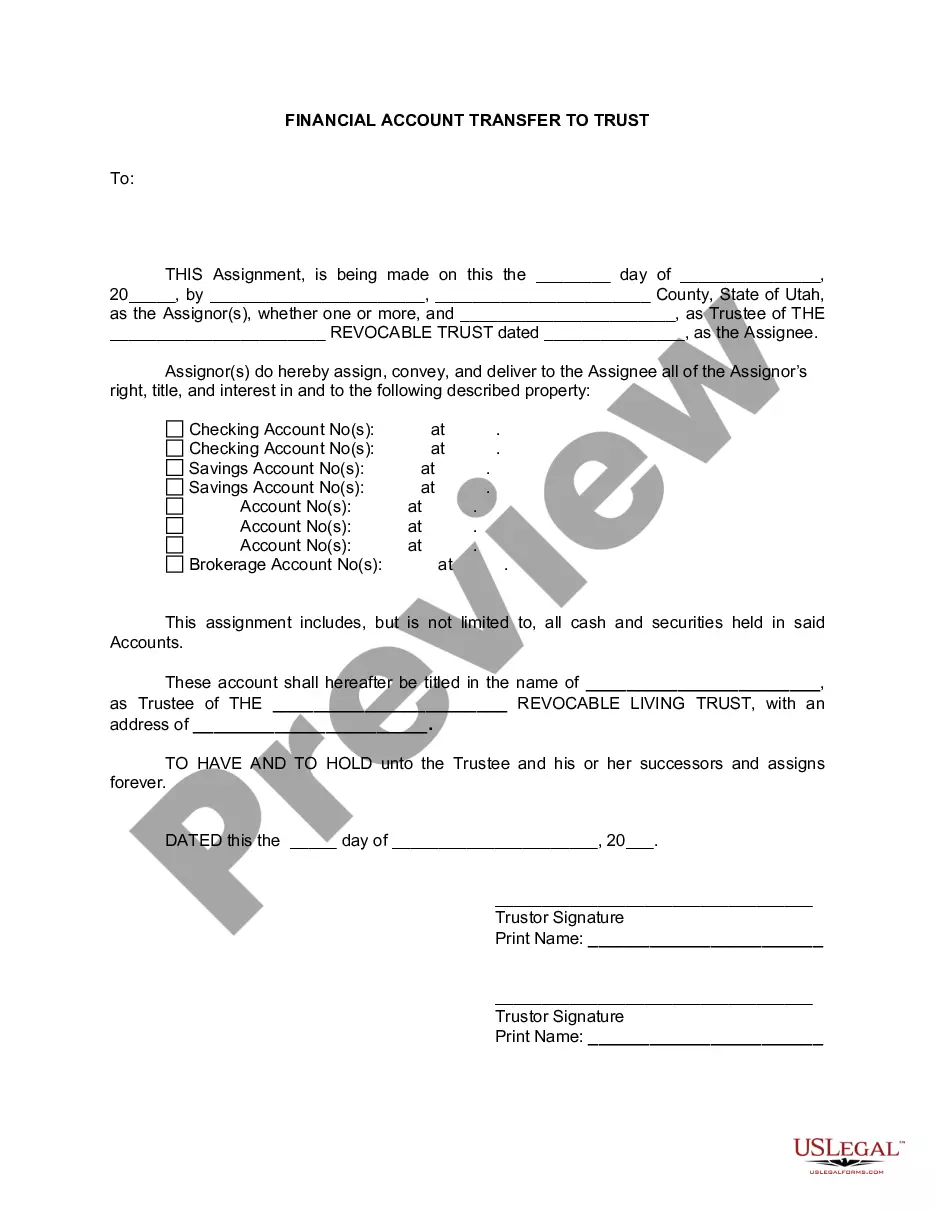
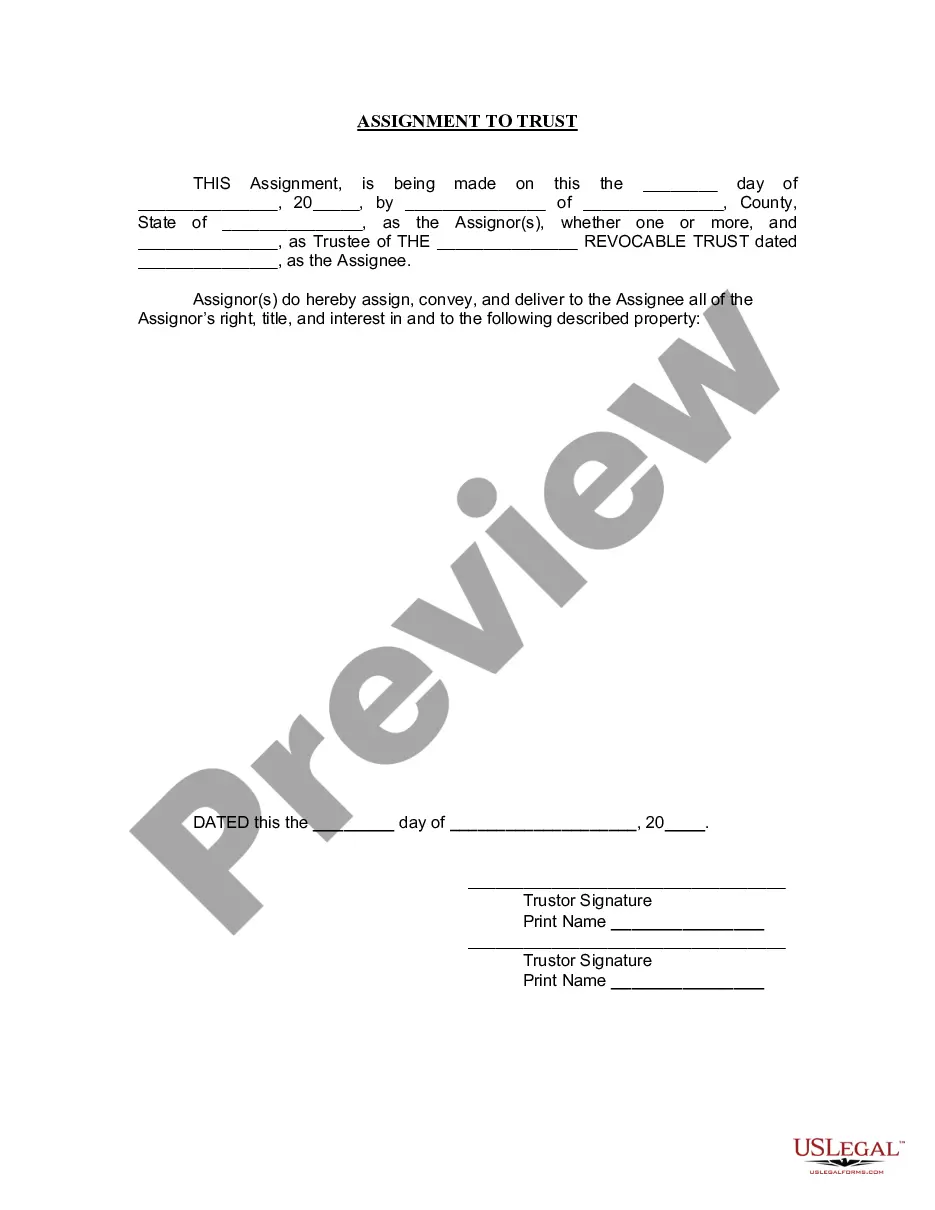
The Living Trust Property Record is a legal document that allows a Trustee to maintain a comprehensive inventory of assets held within a living trust. Unlike other estate planning forms, this record specifically organizes details about property owned by the trust, ensuring proper management and accounting of assets during the grantor's lifetime and after their passing.
Main sections of this form
- Description of Property: Detailed information about each asset.
- Date Acquired by Trust: The date when the asset was transferred into the trust.
- Value: The estimated market value of the property at the time of entry.
- Date Sold or Transferred: The date on which any asset is sold or transferred out of the trust, if applicable.
When to use this form
This form is essential when establishing a living trust, as it helps you keep track of all assets placed in the trust. Use this form when you want to record property for estate planning purposes, ensuring transparent management and ease of transition of assets to beneficiaries after death.
Who needs this form
The Living Trust Property Record is suitable for:
- Trustees managing living trusts.
- Individuals creating a living trust for estate planning.
- Estate planners helping clients organize assets.
Steps to complete this form
- Identify the property: List each asset intended to be included in the trust.
- Provide the description: Clearly detail the nature of the property for easy identification.
- Document acquisition details: Enter the date each asset was acquired by the trust.
- Assess the value: Estimate and record the value of each property listed.
- Track changes: Note any dates when property is sold or transferred out of the trust.
Notarization guidance
This form does not typically require notarization to be legally valid. However, some jurisdictions or document types may still require it. US Legal Forms provides secure online notarization powered by Notarize, available 24/7 for added convenience.
Get your form ready online
Our built-in tools help you complete, sign, share, and store your documents in one place.
Make edits, fill in missing information, and update formatting in US Legal Forms—just like you would in MS Word.
Download a copy, print it, send it by email, or mail it via USPS—whatever works best for your next step.
Sign and collect signatures with our SignNow integration. Send to multiple recipients, set reminders, and more. Go Premium to unlock E-Sign.
If this form requires notarization, complete it online through a secure video call—no need to meet a notary in person or wait for an appointment.
We protect your documents and personal data by following strict security and privacy standards.

Make edits, fill in missing information, and update formatting in US Legal Forms—just like you would in MS Word.

Download a copy, print it, send it by email, or mail it via USPS—whatever works best for your next step.

Sign and collect signatures with our SignNow integration. Send to multiple recipients, set reminders, and more. Go Premium to unlock E-Sign.

If this form requires notarization, complete it online through a secure video call—no need to meet a notary in person or wait for an appointment.

We protect your documents and personal data by following strict security and privacy standards.
Typical mistakes to avoid
- Failing to update the record when assets are added or removed.
- Inaccurate descriptions that may cause confusion during asset distribution.
- Overlooking to record the date sold or transferred, leading to incomplete documentation.
Advantages of online completion
- Convenient access: Download the form at any time from your device.
- Editability: Easily customize the template to fit your specific assets and details.
- Reliable source: The forms are drafted by licensed attorneys, ensuring legal compliance.
Quick recap
- A Living Trust Property Record is crucial for tracking trust assets.
- Maintain accurate and updated records to avoid potential disputes among beneficiaries.
- Use this form to help streamline the asset distribution process after death.
Looking for another form?
Form popularity
FAQ
When you set up a Living Trust, you fund the trust by transferring your assets from your name to the name of your Trust. Legally your Trust now owns all of your assets, but you manage all of the assets as the Trustee.
Based on these rules, upon creation of a trust, title to trust property is split between the trustee and the beneficiaries. The trustee holds legal title to the property and the beneficiaries hold equitable title. Because the trustee holds legal title to the property, that property must be held in the trustee's name.
A living trust, specifically a revocable living trust, is a legal document that places your assetsinvestments, bank accounts, real estate, vehicles and valuable personal propertyin trust for your benefit during your lifetime, and spells out where you'd like these things to go upon your death.
Houses and other real estate (even if they're mortgaged) stock, bond, and other security accounts held by brokerages (but think about naming a TOD beneficiary instead) small business interests (stock in a closely held corporation, partnership interests, or limited liability company shares)
Obtain a California grant deed from a local office supply store or your county recorder's office. Complete the top line of the deed. Indicate the grantee on the second line. Enter the trustees' names and addresses.
Trusts Are Not Public Record.However, trusts aren't recorded. Not having to file the trust with the court is one of the biggest benefits of a trust because it keeps the settlement a private matter between the successor trustees and trust beneficiaries.
Pick a type of living trust. If you're married, you'll first need to decide whether you want a single or joint trust. Take stock of your property. Choose a trustee. Draw up the trust document. Sign the trust. Transfer your property to the trust.
When signing anything on behalf of the trust, always sign as John Smith, Trustee. By signing as Trustee, you will not be personally liable for that action as long as that action is within the scope of your authority under the trust.
Public RecordCalifornia law requires any deed transfer involving real estate property be recorded in the county clerk's or county recorder's office in the county where the property is located. The trust grantor must record the original trust document, real estate deed and appraisal report.