West Virginia Paving Contract for Contractor
What this document covers
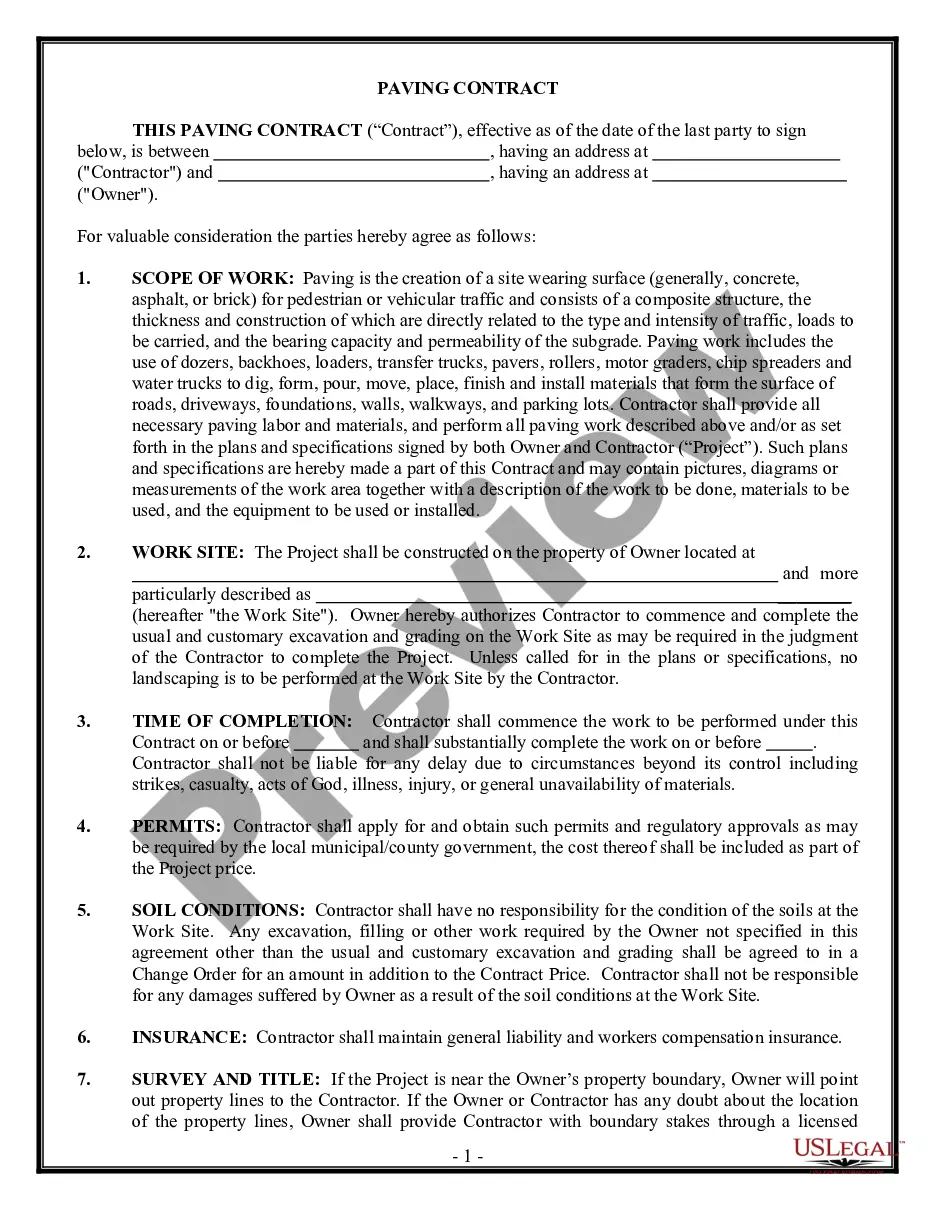
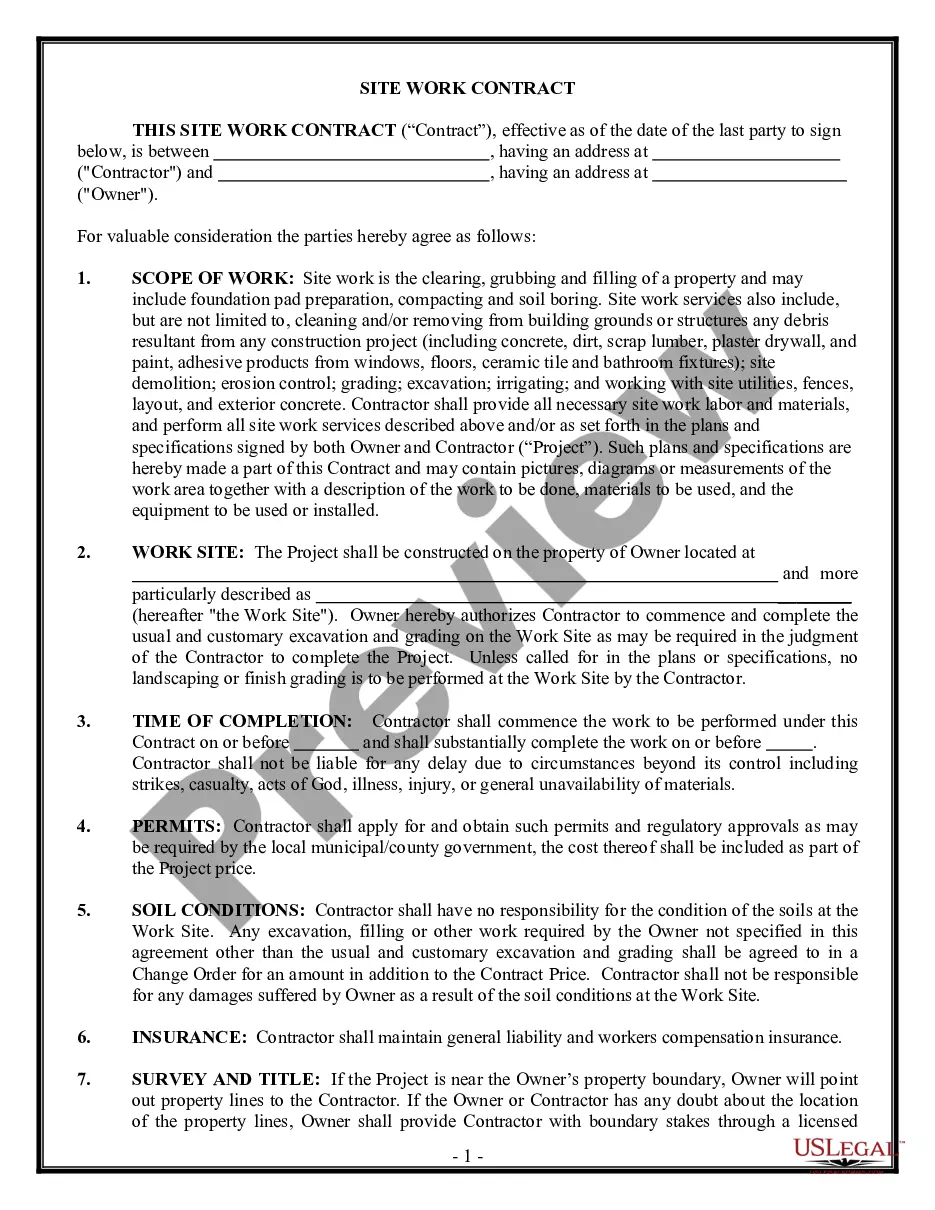
The Paving Contract for Contractor is a legal document designed for agreements between paving contractors and property owners. This form establishes the terms of service and payment arrangements for paving projects, including provisions for change orders, worksite details, and warranty and insurance information. It is specifically drafted to comply with the laws of West Virginia, providing a clear framework for both parties and ensuring legal protection throughout the paving process. This contract differs from general service agreements by focusing specifically on paving work, which includes unique considerations like soil conditions and regulatory permits.
What’s included in this form
- Permits: Specifies that the contractor must apply for and obtain necessary local permits.
- Soil Conditions: Clarifies that the contractor is not responsible for pre-existing soil conditions at the work site.
- Insurance: Mandates the contractor to maintain general liability and workers' compensation insurance.
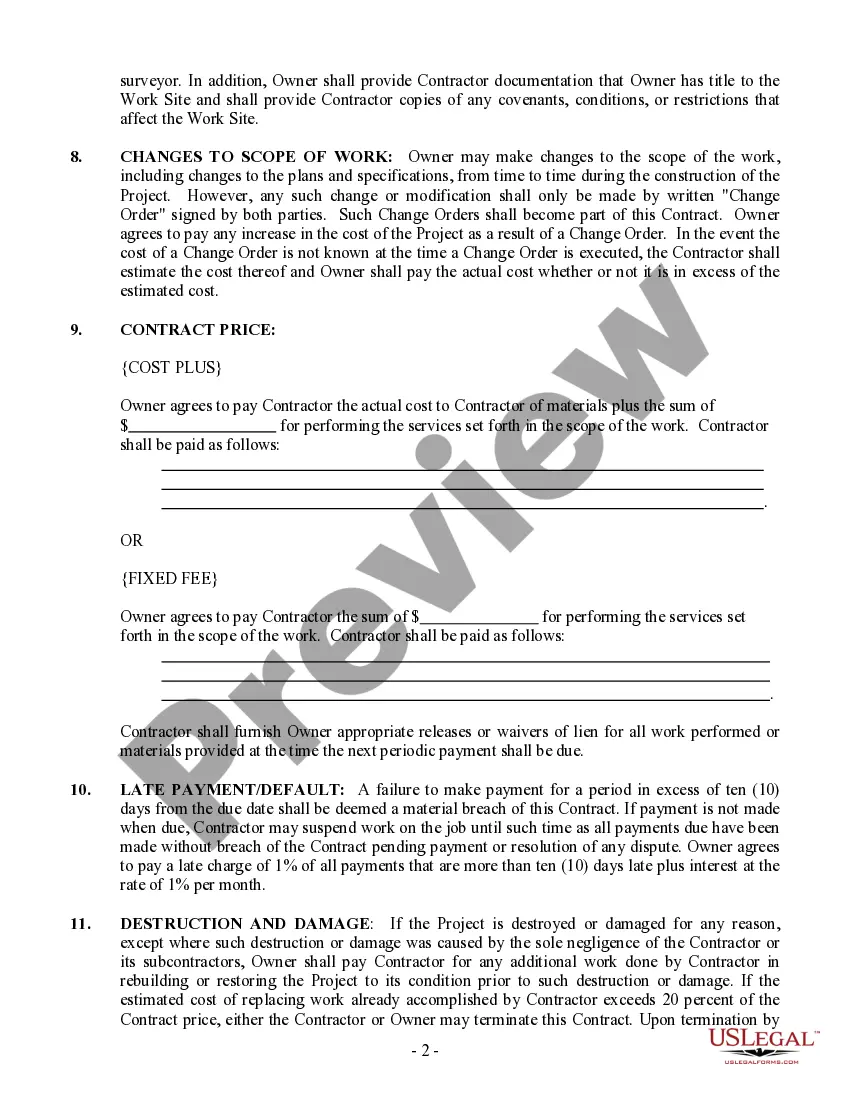
- Changes to Scope of Work: Allows the owner to modify the project scope through written change orders.
- Contract Price: Details payment arrangements for both cost-plus and fixed fee structures.
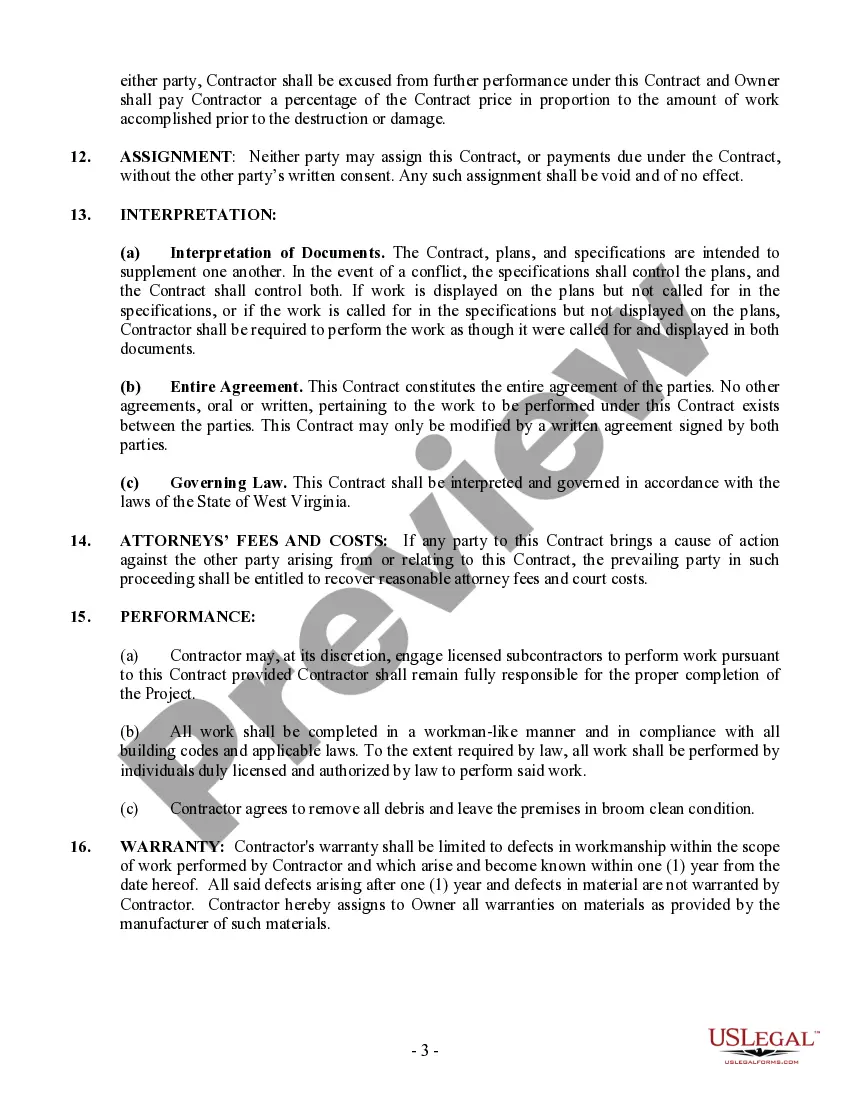
- Warranty: Covers the contractor's limited warranty on workmanship for one year.
When this form is needed
This form should be used when a property owner hires a paving contractor for projects such as asphalt or concrete paving. It is particularly useful when there is a need to establish clear terms regarding payment, responsibilities, and project specifications. The contract is appropriate for both residential and commercial paving projects, ensuring that both parties have a mutual understanding of the work to be completed and the terms governing that work.
Who can use this document
This form is suitable for:
- Paving contractors who need a legally binding agreement with property owners.
- Property owners looking to hire contractors for paving work.
- Individuals involved in commercial projects requiring precise contract specifications.
- Homeowners planning residential paving projects.
Completing this form step by step
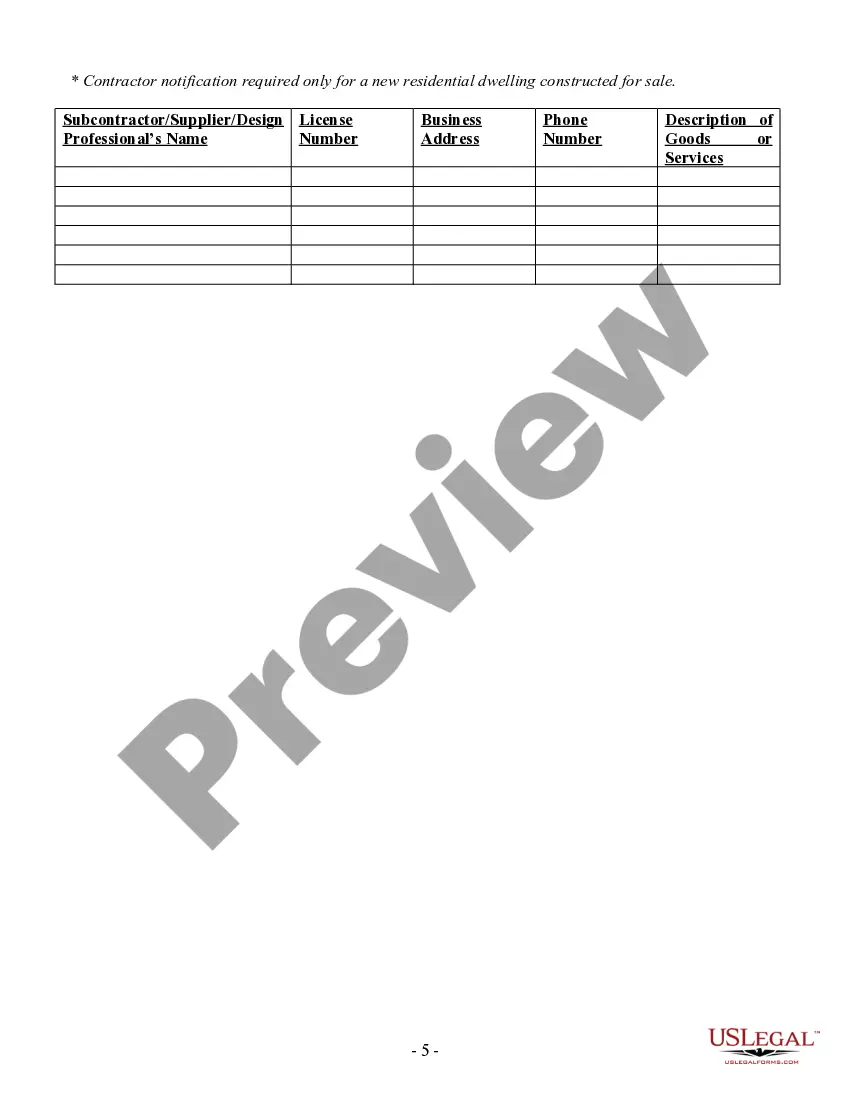
- Identify the parties: Clearly print the names and addresses of the contractor and property owner at the top of the contract.
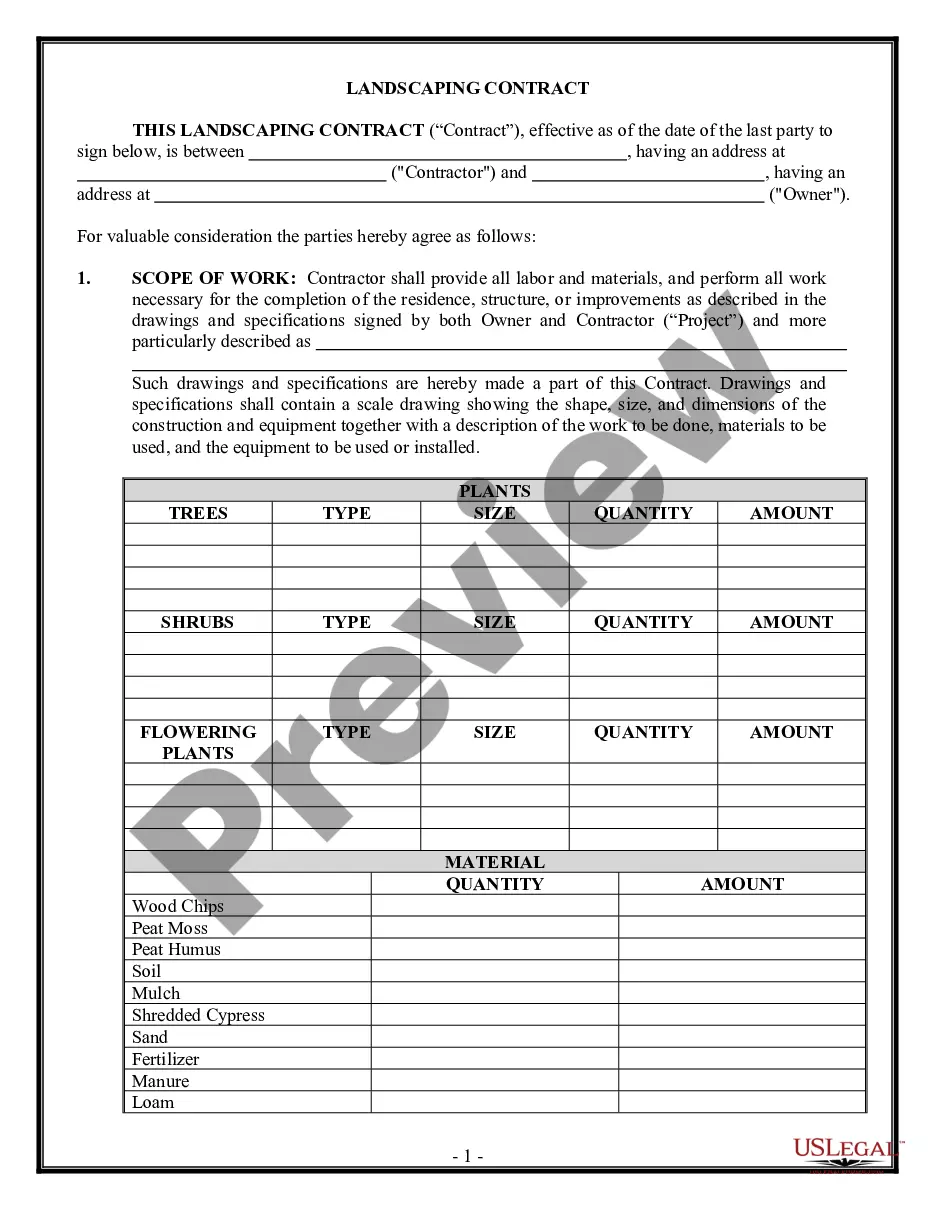
- Specify the project details: Fill in the project description along with any necessary specifications for the paving work.
- Include payment terms: Determine and enter whether the contract will be a cost-plus or fixed fee arrangement.
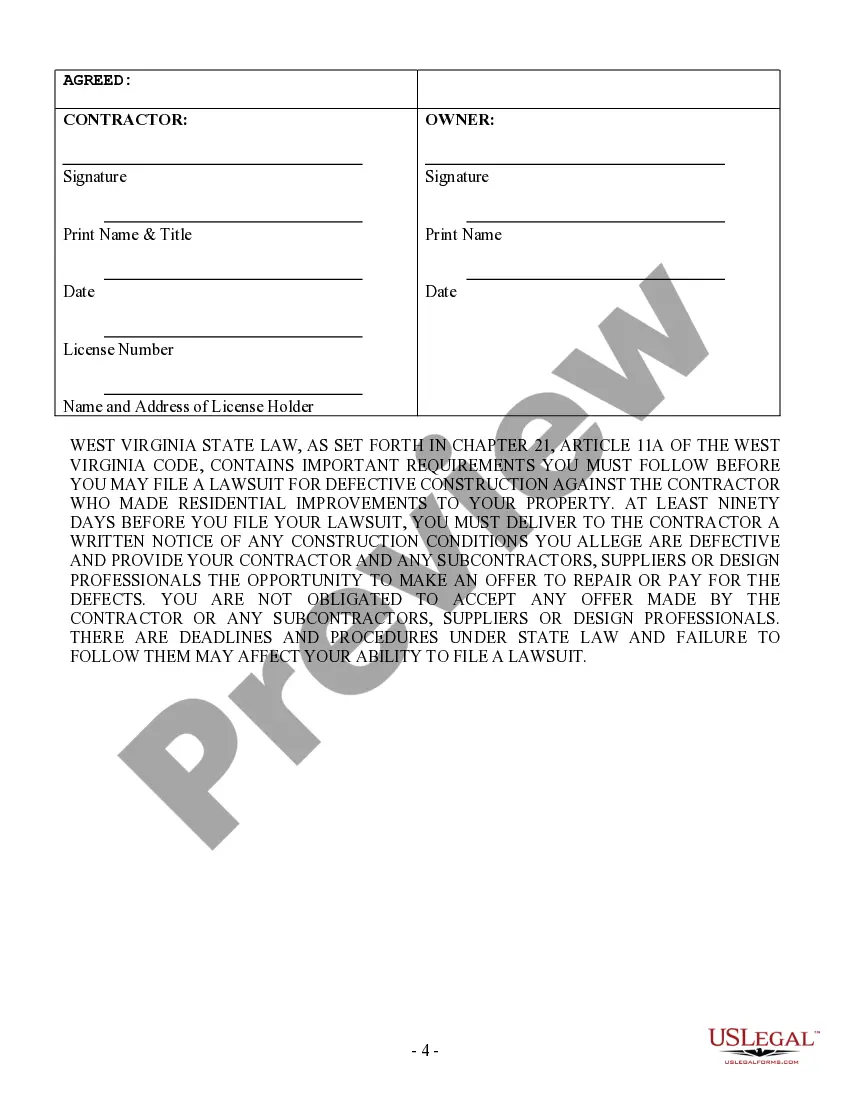
- Sign and date: Ensure both parties sign and date the contract at the end to validate the agreement.
- Provide necessary documentation: Attach any required permits or insurance documents as specified in the contract.
Notarization guidance
In most cases, this form does not require notarization. However, some jurisdictions or signing circumstances might. US Legal Forms offers online notarization powered by Notarize, accessible 24/7 for a quick, remote process.
Get your form ready online
Our built-in tools help you complete, sign, share, and store your documents in one place.
Make edits, fill in missing information, and update formatting in US Legal Forms—just like you would in MS Word.
Download a copy, print it, send it by email, or mail it via USPS—whatever works best for your next step.
Sign and collect signatures with our SignNow integration. Send to multiple recipients, set reminders, and more. Go Premium to unlock E-Sign.
If this form requires notarization, complete it online through a secure video call—no need to meet a notary in person or wait for an appointment.
We protect your documents and personal data by following strict security and privacy standards.

Make edits, fill in missing information, and update formatting in US Legal Forms—just like you would in MS Word.

Download a copy, print it, send it by email, or mail it via USPS—whatever works best for your next step.

Sign and collect signatures with our SignNow integration. Send to multiple recipients, set reminders, and more. Go Premium to unlock E-Sign.

If this form requires notarization, complete it online through a secure video call—no need to meet a notary in person or wait for an appointment.

We protect your documents and personal data by following strict security and privacy standards.
Typical mistakes to avoid
- Failing to specify the scope of work, which can lead to misunderstandings.
- Not including provisions for change orders, resulting in disputes over additional work.
- Overlooking the need for necessary permits, potentially violating local regulations.
- Neglecting to have both parties sign and date the agreement, making it unenforceable.
Benefits of completing this form online
- Convenience: Easily download and complete the form from any device.
- Editability: Make changes as needed before finalizing the agreement.
- Reliability: Contracts created using legal templates provide a legally sound framework.
Quick recap
- The Paving Contract for Contractor is essential for clear agreements on paving projects.
- Understanding payment structures and responsibilities can prevent future disputes.
- Always ensure compliance with West Virginia laws and local regulations.
- Managing changes effectively within the contract can mitigate project risks.
Looking for another form?

Form popularity
FAQ
Contract Types Overview. Express and Implied Contracts. Unilateral and Bilateral Contracts. Unconscionable Contracts. Adhesion Contracts. Aleatory Contracts. Option Contracts. Fixed Price Contracts.
Identifying/Contact Information. Title and Description of the Project. Projected Timeline and Completion Date. Cost Estimate and Payment Schedule. Stop Work Clause and Stop Payment Clause. Act of God Clause. Change Order Agreement. Warranty.
Both parties should sign the contract, and both should be bound by the terms and conditions spelled out in the agreement. In general that means the contractor will be obliged to provide specified materials and to perform certain services for you. In turn, you will be required to pay for those goods and that labor.
Begin with the Date and the Address of the Other Party. Start with the Basic Details of the Planned Work. Include Special Stipulations. State Whether There Will be a Further Agreement. Create an Area for Signatures. Sign and Date the Contract Letter.
Both parties should sign the contract, and both should be bound by the terms and conditions spelled out in the agreement. In general that means the contractor will be obliged to provide specified materials and to perform certain services for you. In turn, you will be required to pay for those goods and that labor.
Identifying/Contact Information. Title and Description of the Project. Projected Timeline and Completion Date. Cost Estimate and Payment Schedule. Stop Work Clause and Stop Payment Clause. Act of God Clause. Change Order Agreement. Warranty.
#1: Review Your Bid. #2: Review Complete Plans. #3: Review All Specifications. #4: Visit the Job Site. #5: Review the Job Schedule. #6: Complete a Project Checklist. #7: Verify Project Funding. #8: Read Complete Contract.
Determine the Type of Contractor License You Need In the state of West Virginia, work performed under $2,500 (materials and labor, total contract) does not require a contractor license. However: Electrical Contractor's License - if a project exceeds $1,000.