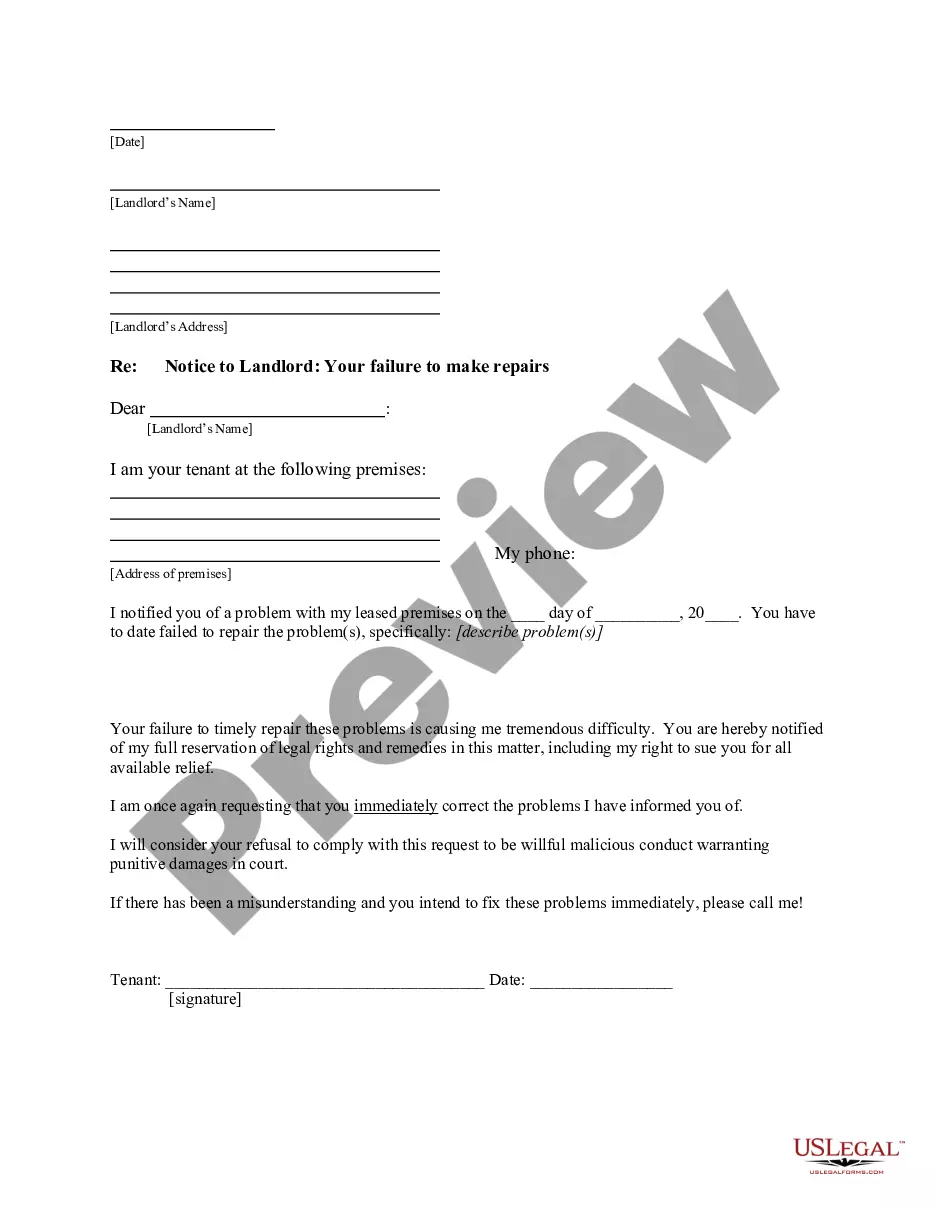
North Dakota Seller's Disclosure of Financing Terms for Residential Property in connection with Contract or Agreement for Deed a/k/a Land Contract
What this document covers
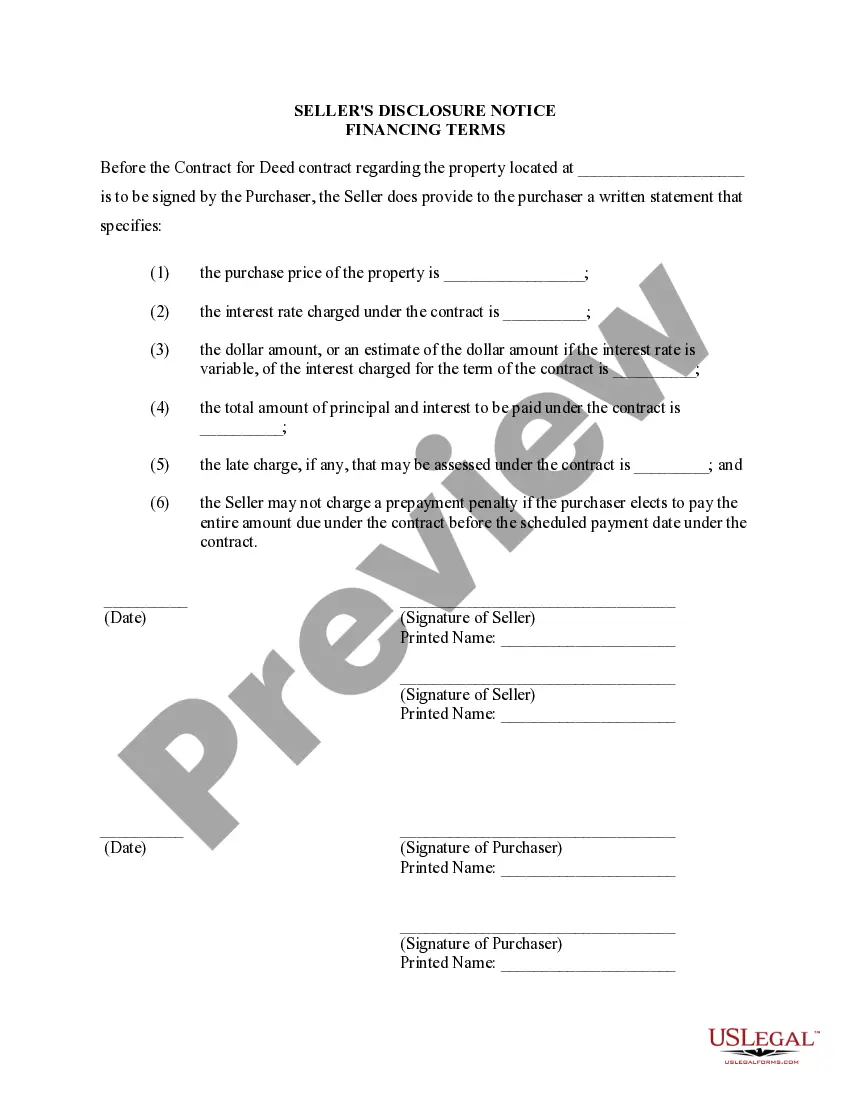
The Seller's Disclosure of Financing Terms for Residential Property is a crucial document that informs the purchaser about the financial specifics of a property being sold through a contract for deed, often referred to as a land contract. This form outlines the purchase price, payment structure, interest rates, and late charges. It is distinct from other real estate documents as it specifically addresses financing terms and must be provided to the buyer before or during the signing process of the agreement.
Main sections of this form
- Purchase price of the property
- Details on payment schedules
- Interest rates applicable to the transaction
- Late payment charges if applicable
- Signature lines for both Seller and Purchaser
When to use this form
This form should be utilized when a seller is providing financing terms to a buyer under a contract for deed. It is particularly relevant in situations where traditional mortgage financing is not involved, and the seller allows the buyer to pay over time. Examples include selling residential properties directly to buyers who may have trouble qualifying for loans from banks.
Who this form is for
- Sellers of residential properties who wish to offer financing terms
- Purchasers seeking to understand the financing arrangement before signing a contract
- Real estate professionals assisting with contract for deed transactions
Instructions for completing this form
- Identify the parties involved: Seller and Purchaser.
- Specify the property being sold.
- Enter the total purchase price and payment details.
- Detail the interest rate and any applicable late fees.
- Include signature lines for both the Seller and the Purchaser.
Notarization guidance
This document requires notarization to meet legal standards. US Legal Forms provides secure online notarization powered by Notarize, allowing you to complete the process through a verified video call, available 24/7.
Get your form ready online
Our built-in tools help you complete, sign, share, and store your documents in one place.
Make edits, fill in missing information, and update formatting in US Legal Forms—just like you would in MS Word.
Download a copy, print it, send it by email, or mail it via USPS—whatever works best for your next step.
Sign and collect signatures with our SignNow integration. Send to multiple recipients, set reminders, and more. Go Premium to unlock E-Sign.
If this form requires notarization, complete it online through a secure video call—no need to meet a notary in person or wait for an appointment.
We protect your documents and personal data by following strict security and privacy standards.

Make edits, fill in missing information, and update formatting in US Legal Forms—just like you would in MS Word.

Download a copy, print it, send it by email, or mail it via USPS—whatever works best for your next step.

Sign and collect signatures with our SignNow integration. Send to multiple recipients, set reminders, and more. Go Premium to unlock E-Sign.

If this form requires notarization, complete it online through a secure video call—no need to meet a notary in person or wait for an appointment.

We protect your documents and personal data by following strict security and privacy standards.
Typical mistakes to avoid
- Failing to include complete payment details
- Not signing the document before presenting it to the buyer
- Omitting late charges or terms that could lead to confusion
Advantages of online completion
- Easy access to legally vetted templates drafted by licensed attorneys
- Convenient download and ability to edit as needed
- Guidance on how to complete the form correctly, minimizing errors
Looking for another form?
Form popularity
FAQ
No statute prevents selling your mortgaged home using a contract for deed.A mortgage lender, though, can immediately foreclose its loan if it discovers a contract for deed sale took place. Other than mortgage lender permission to sell your home via contract for deed, you have no easy way around the due-on-sale clause.
A contract for deed is a legal agreement for the sale of property in which a buyer takes possession and makes payments directly to the seller, but the seller holds the title until the full payment is made.
Other benefits include: no loan qualifying, low or flexible down payment, favorable interest rates and flexible terms, and a quicker settlement. The biggest risk when buying a home contract for deed is that you really don?t have a legal claim to the property until you have paid off the entire purchase price.
The main advantage of a land contract is that it's fairly easy to qualify for. As long as the seller is willing to go that route, there's little need for extensive credit checks. If the buyer defaults, the seller simply retains the property without the need of going through foreclosure.
A disadvantage to the seller is that a contract for deed is frequently characterized by a low down payment and the purchase price is paid in installments instead of one lump sum.The legal fees and time frame for this process will be more extensive than a standard Power of Sale foreclosure.
Failure to record a deed effectively makes it impossible for the public to know about the transfer of a property. That means the legal owner of the property appears to be someone other than the buyer, a situation that can generate serious ramifications.
In the first instance, if your deed is not recorded, there is nothing in the public record to stop the seller from conveying the property to another person.The second situation could happen if your seller fails to pay his or her debts and the seller's creditors file liens or judgments against your property.
A contract for deed, also called a land contract or contract for sale, is a financing option for buyers who do not qualify for a mortgage loan to purchase property. In a contract for deed, the seller finances the purchase of the property, much like a mortgage company in a more traditional mortgage situation.
Once both buyer and seller sign the purchase agreement, the contract is legally binding. In many cases, however, the contract has contingencies or certain conditions that must be met in order for the sale to go through.