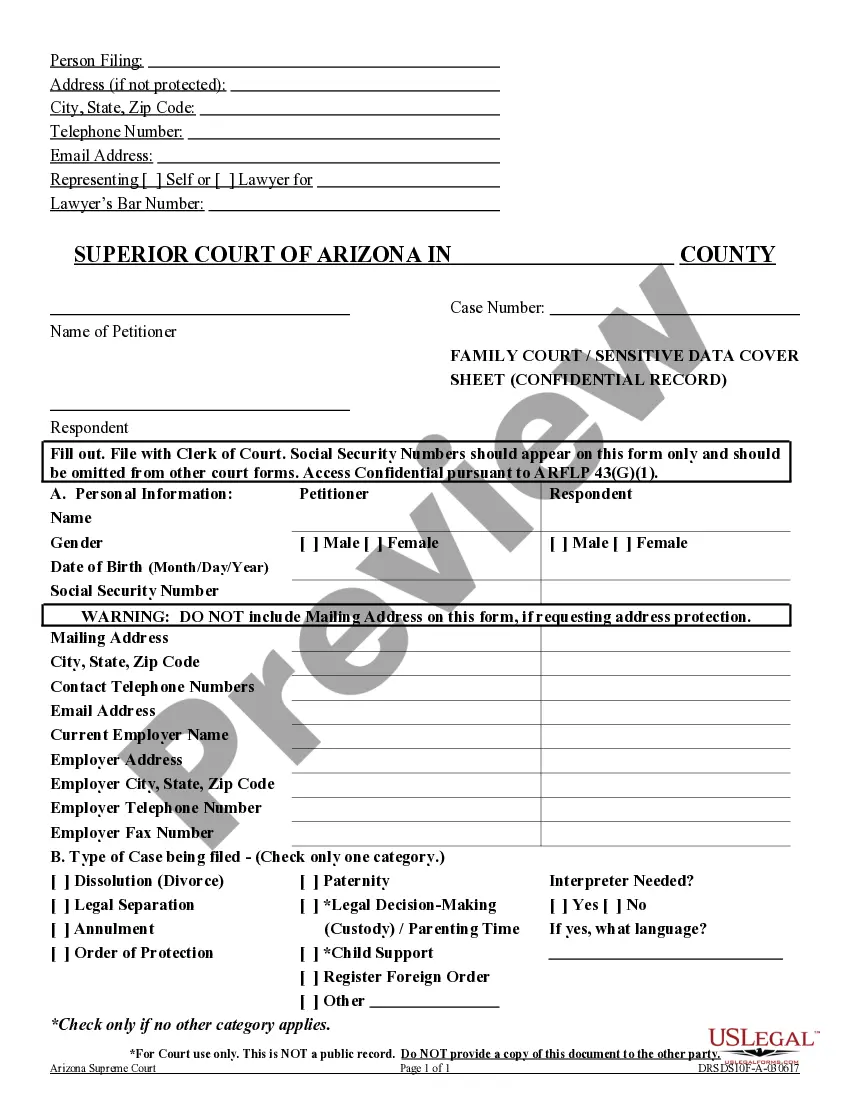
Mississippi Notice of Judgment Against
What this document covers
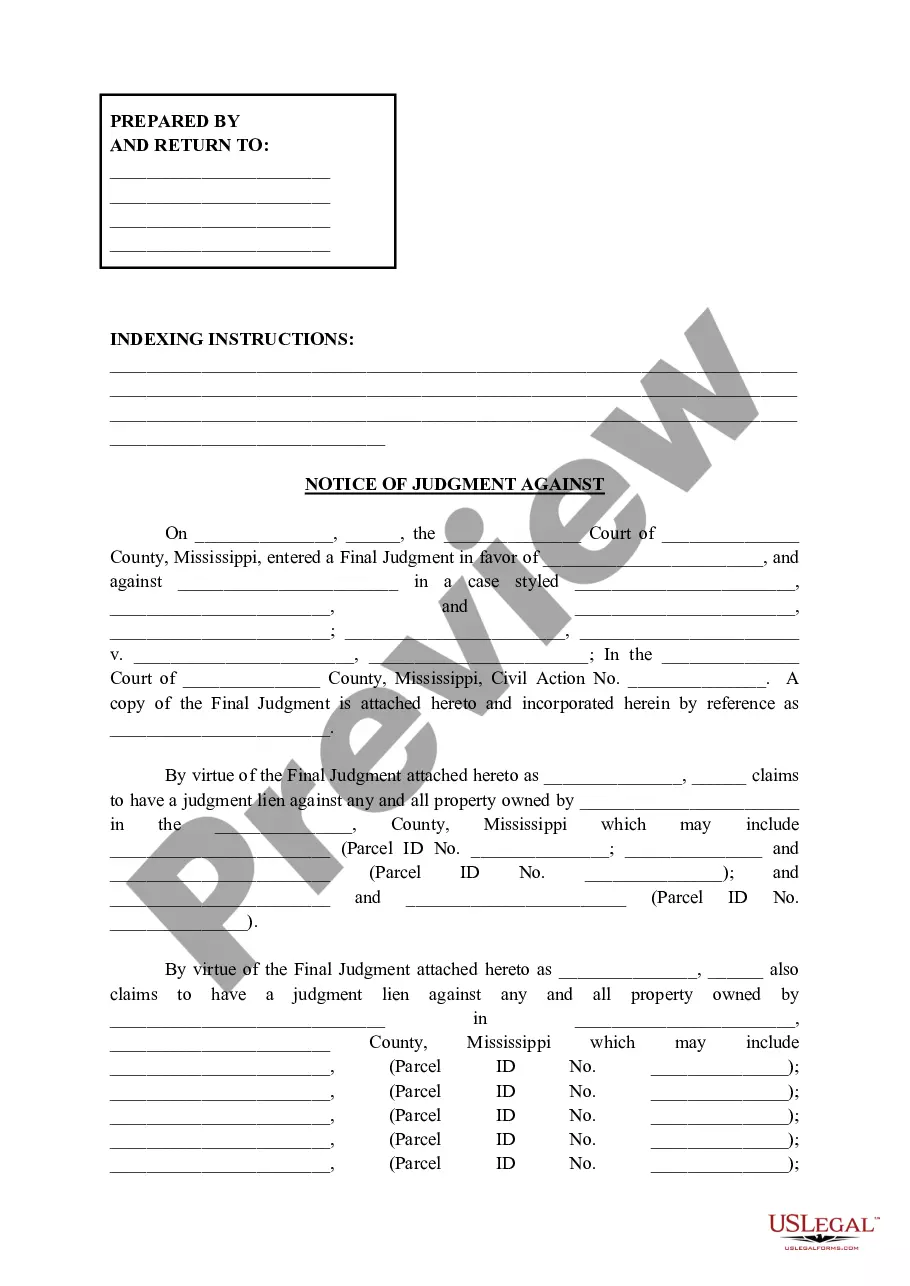
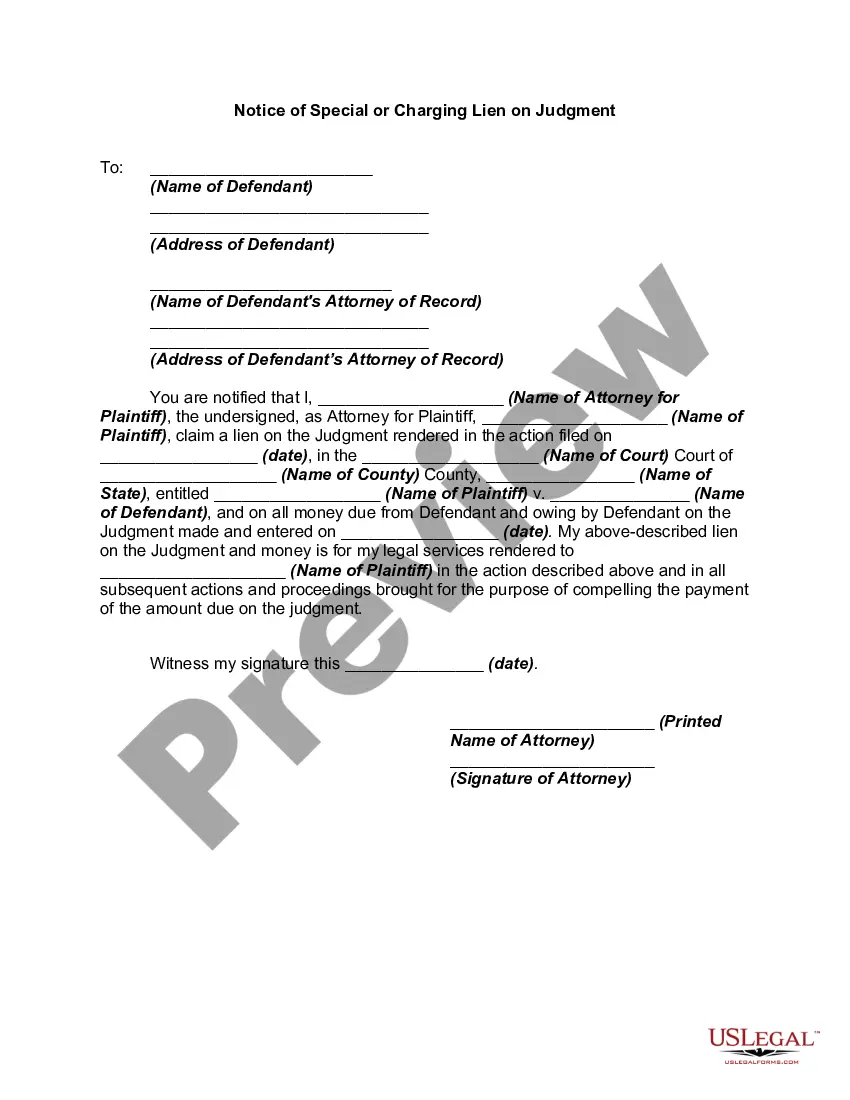
The Notice of Judgment Against is a legal document used to formally declare a judgment lien on real estate. It provides notice that a final judgment has been entered in favor of one party and against another, indicating that the winning party has a claim to the property of the losing party. This form is essential for protecting the rights of the judgment creditor by establishing their lien on the debtor's property, which can differ from other forms like simple judgment notices that don't specify property liens.
Main sections of this form
- Preparation details, including the names of the parties involved and the court information.
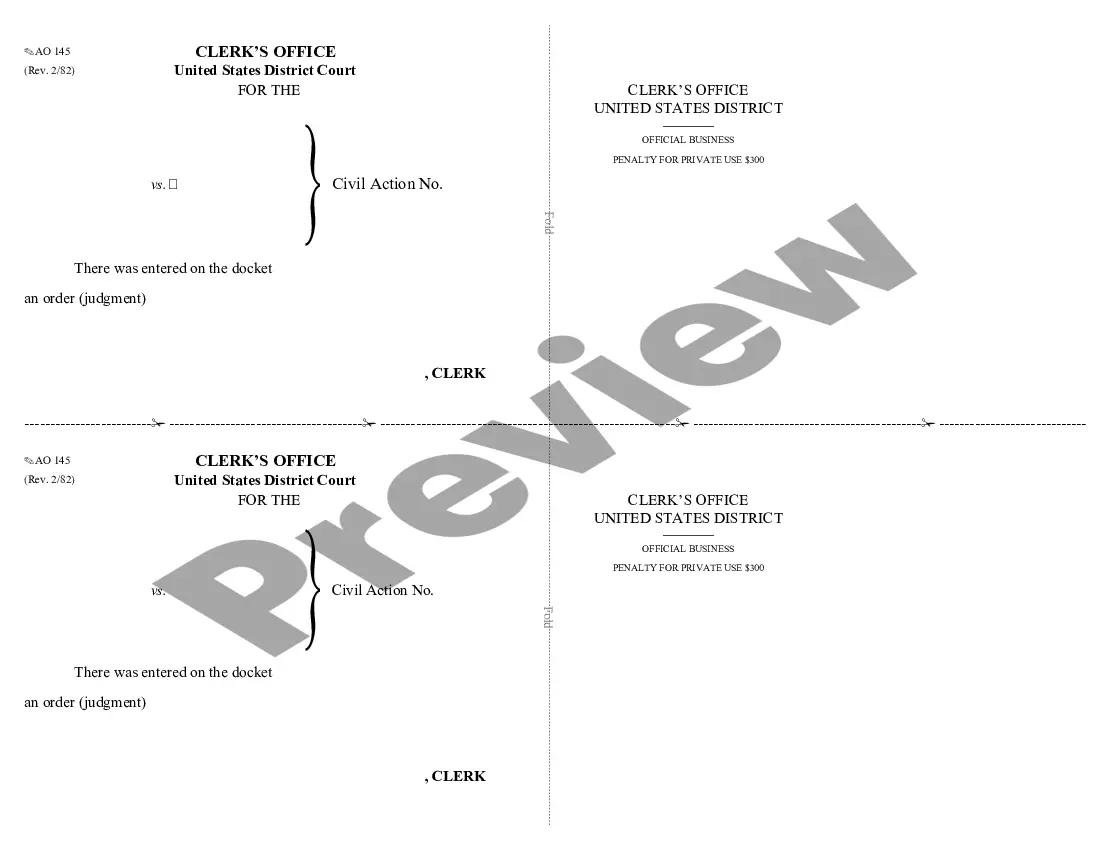
- The date and jurisdiction of the final judgment entered by the court.
- A description of the judgment lien, including the properties affected by the judgment.
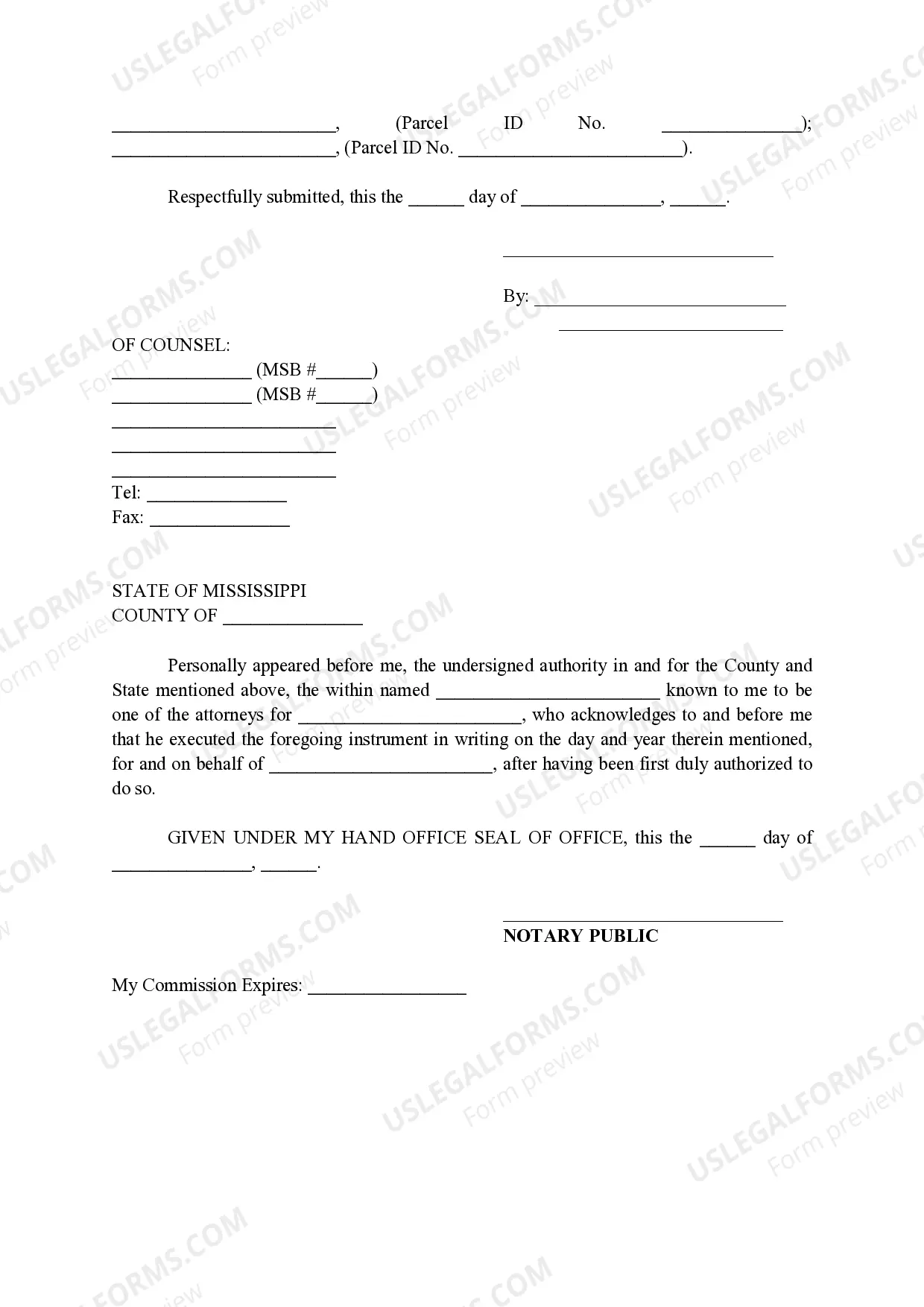
- Signature and details of the attorney representing the judgment creditor.
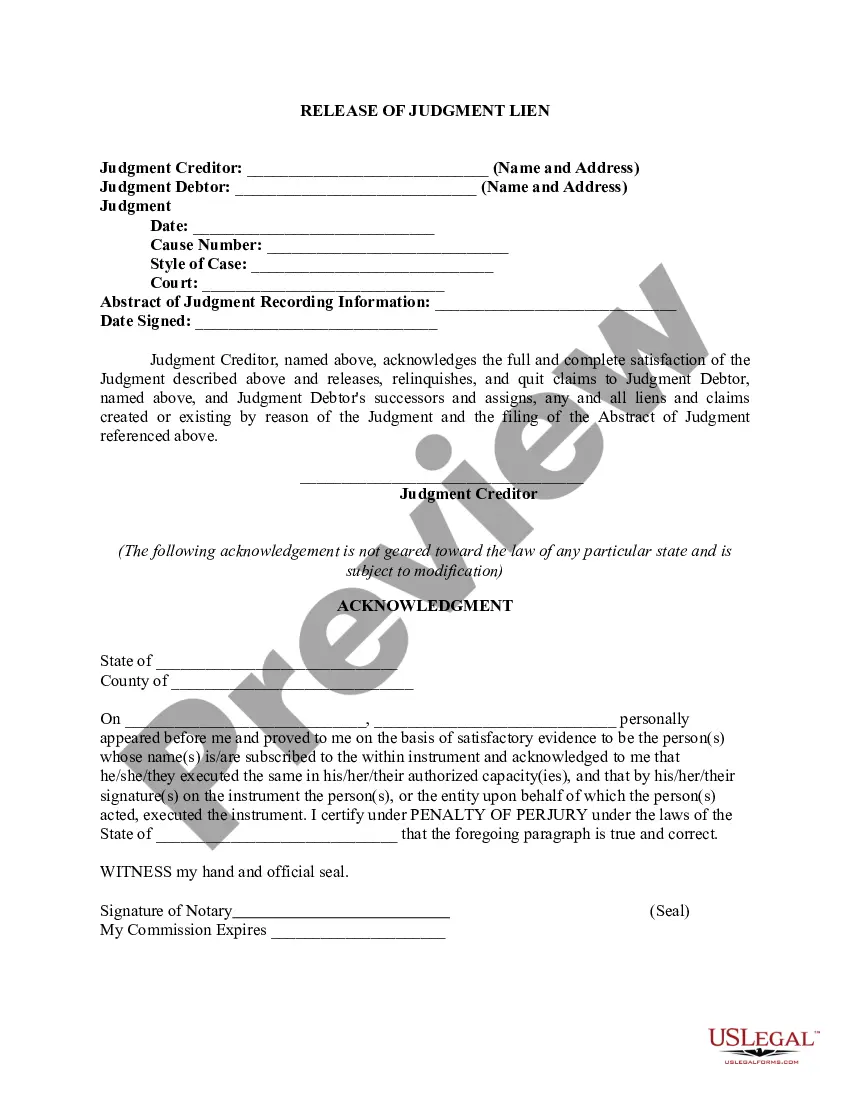
- Notary public acknowledgment to verify the authenticity of the signatures.

When to use this document
This form should be used when a court has issued a final judgment in a civil case and one party wants to secure a lien against the property owned by the other party. Scenarios include debts resulting from disputes, contract violations, or other legal matters where a monetary judgment has been awarded. Utilizing this form ensures that the judgment is formally recognized and enforceable against the specified properties.
Who this form is for
This form is intended for:
- Judgment creditors seeking to secure a lien on properties owned by a debtor.
- Attorneys representing clients in civil cases involving judgments.
- Property owners who have been subject to a judgment and need to understand their rights.
How to complete this form
- Identify the parties: Enter the names of the judgment creditor and debtor.
- Specify the court: Provide the name of the court and the county where the judgment was issued.
- Describe the judgment: Include details of the final judgment and attach a copy as referenced.
- List the properties: Fill in all relevant parcel IDs and property descriptions that are subject to the judgment lien.
- Complete attorney and notary details: Ensure all required signatures and notary acknowledgment are completed for validation.
Is notarization required?
Yes, this form must be notarized to be legally valid. Notarization ensures that the signatures on the document are verified in accordance with legal standards. You can utilize US Legal Forms' integrated online notarization service, which is available 24/7, secure, and equivalent to traditional notarization.
Get your form ready online
Our built-in tools help you complete, sign, share, and store your documents in one place.
Make edits, fill in missing information, and update formatting in US Legal Forms—just like you would in MS Word.
Download a copy, print it, send it by email, or mail it via USPS—whatever works best for your next step.
Sign and collect signatures with our SignNow integration. Send to multiple recipients, set reminders, and more. Go Premium to unlock E-Sign.
If this form requires notarization, complete it online through a secure video call—no need to meet a notary in person or wait for an appointment.
We protect your documents and personal data by following strict security and privacy standards.

Make edits, fill in missing information, and update formatting in US Legal Forms—just like you would in MS Word.

Download a copy, print it, send it by email, or mail it via USPS—whatever works best for your next step.

Sign and collect signatures with our SignNow integration. Send to multiple recipients, set reminders, and more. Go Premium to unlock E-Sign.

If this form requires notarization, complete it online through a secure video call—no need to meet a notary in person or wait for an appointment.

We protect your documents and personal data by following strict security and privacy standards.
Typical mistakes to avoid
- Failing to include complete property descriptions or parcel IDs.
- Neglecting to attach the final judgment document referenced in the form.
- Omitting signatures from all required parties, including notary public.
Benefits of using this form online
- Easy access to legal forms drafted by licensed attorneys.
- Convenient download and completion at your own pace.
- Reduced risk of errors with user-friendly templates and guidelines.
- The Notice of Judgment Against is legally binding once filed and notarized.
- Failure to accurately detail properties may lead to enforcement issues.
- Other creditors may also place liens, which could impact the priority of claims.
Main things to remember
- The Notice of Judgment Against formalizes a lien on properties following a court judgment.
- It is crucial for creditors to secure their interests in a debtorâs property.
- Ensure accuracy and notarization to avoid legal complications.
Looking for another form?
Form popularity
FAQ
Any action to collect on, or otherwise enforce, a judgment rendered by a court in Mississippi must be taken within seven years after the judgment was rendered. However, the judgment can be renewed prior to the running of the seven years by the filing of a simple notice of renewal with the clerk of court.
While it's difficult for a judgment to be filed against you without you knowing, it's not impossible. A summons may be sent to you in the mail or delivered to you in person. If you don't show up in court in accordance with the summons, a default judgment will be entered against you.
How long does a judgment lien last in Mississippi? A judgment lien in Mississippi will remain attached to the debtor's property (even if the property changes hands) for seven years.
Even after you win a lawsuit, you still have to collect the money awarded in the judgmentthe court won't do it for you. Financially sound individuals or businesses will routinely pay a judgment entered against them. However, not everyone will be as willing. If necessary, legal ways to force payment exist.
In order to vacate a judgment in California, You must file a motion with the court asking the judge to vacate or set aside the judgment. Among other things, you must tell the judge why you did not respond to the lawsuit (this can be done by written declaration).You may even be able to win the case.
After the sheriff or constable serves the paperwork to execute your judgment, the judgment debtor (the person you are trying to collect from) has ten business days after the Notice of Execution is mailed or his wages are withheld to file with the court to claim any exemptions he believes apply.
Even after a judgment is entered against you, it is still possible to settle a debt for less than the court-approved amount.However, you may be able to negotiate a discount to the debt, in return for a lump sum payment.
California allows the judgment to last ten years and it can be renewed for an additional ten years if the creditor files the required forms in a timely fashion.
Just as there are two ways for a creditor to get a judgment against you, there are two ways to have the judgment vacated. They are: Appeal the judgment and have the appeals court render the original judgment void; or. Ask the original court to vacate a default judgment so that you can fight the lawsuit.